FIG & OLIVE | Meatpacking
Fig & Olive in the Meatpacking District brings a Mediterranean-driven food and drink program to one of New York's most commercially charged neighbourhoods. The 420 W 13th St address places it squarely in the zone where fashion retail, hotel bars, and destination restaurants compete for the same well-travelled crowd. For visitors after olive oil-forward cooking and a wine list built around southern European producers, it fills a specific gap in the area's otherwise steak-and-cocktail-heavy offer.
- Address
- 420 W 13th St, New York, NY 10014
- Phone
- +1 212 924 1200
- Website
- figandolive.com
- Directions
- Get directions
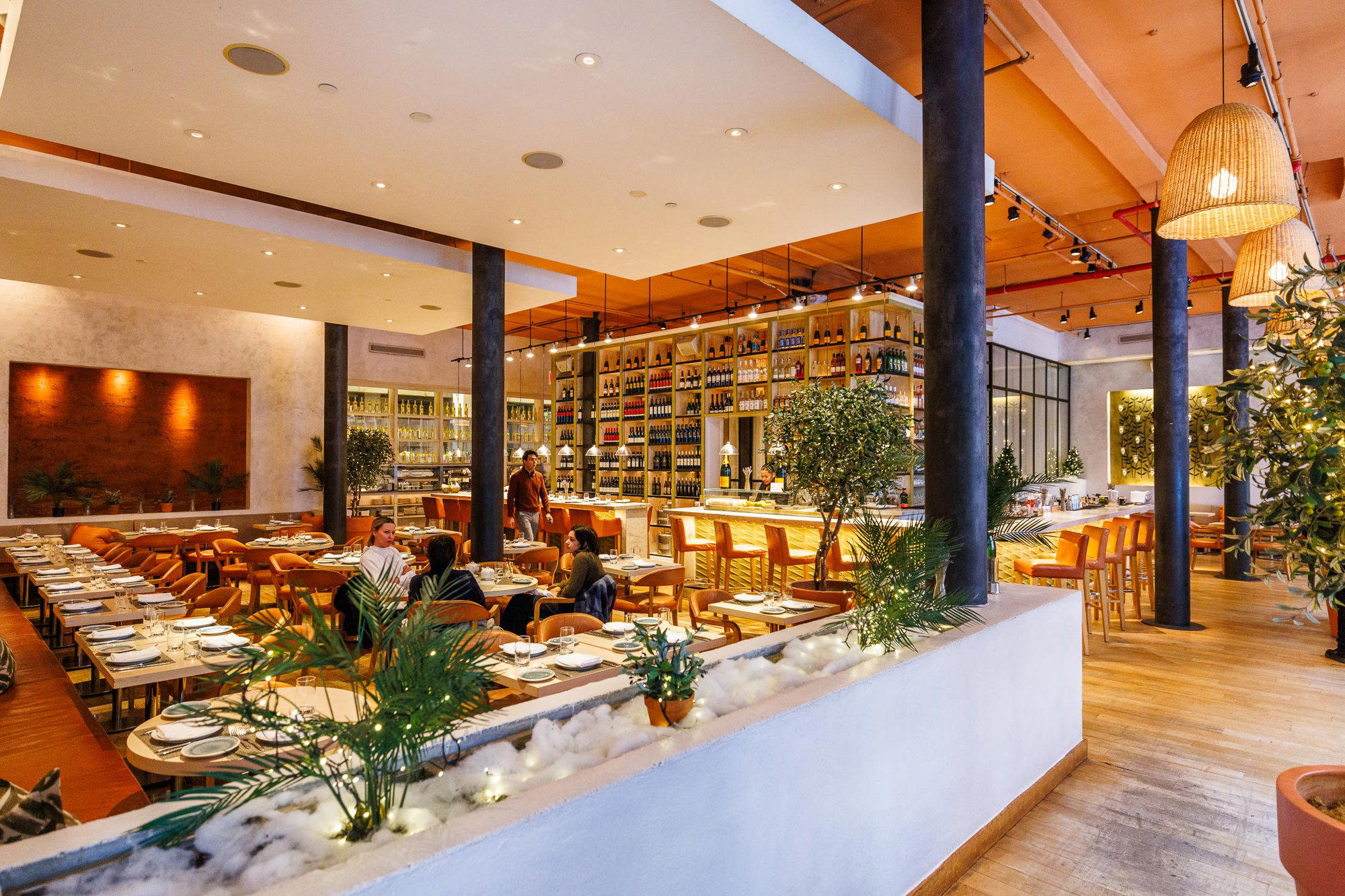
Mediterranean Drinking in a Neighbourhood Built for It
The Meatpacking District's transformation from wholesale meat trade to premium hospitality corridor happened faster than almost any other New York neighbourhood. By the mid-2000s, the cobblestone blocks west of Ninth Avenue had become a proving ground for a particular kind of venue: large, design-conscious, expensive, and aimed at a customer who had arrived from somewhere else and expected the room to match. Fig & Olive at 420 W 13th Street entered that context with a Mediterranean proposition at a moment when the neighbourhood's dining culture was still sorting itself out between nightlife-adjacent bottle-service rooms and genuine food destinations. That positioning gave it a distinct lane in a strip where the competition skewed heavily toward American steakhouses and imported French brasseries.
The broader Mediterranean-casual category has shifted considerably since Fig & Olive's Meatpacking outpost established itself. Across New York, the format has matured: what once read as a novelty concept built around imported oils and cured fish now sits within a crowded field of Levantine small-plate rooms, Basque-influenced wine bars, and Italian natural wine lists. Fig & Olive's original differentiator, a focused commitment to olive oil as both ingredient and organisational principle, remains one of the more specific editorial positions a restaurant in this price tier can hold. In a neighbourhood where menus tend toward the broadly appealing, specificity of concept carries weight.
The Drink Program in Context
Any serious assessment of what Fig & Olive offers a visitor has to include the bar program, because the Meatpacking District's evening economy runs largely on where people choose to drink before and after dinner. The neighbourhood's cocktail culture has historically split between hotel bars operating on volume and the smaller, more technically minded rooms that define New York's serious cocktail conversation. The latter category is better represented in the East Village and Lower East Side, where venues like Amor y Amargo have built reputations on amaro-focused programs, or in the now-classic Kenmare Street corridor where Attaboy NYC operates a no-menu format that has influenced bars well beyond New York.
Fig & Olive's approach to cocktails draws from its Mediterranean positioning rather than from the technical-program tradition that defines those rooms. Drinks built around vermouth, aperitif-style bitters, and southern European spirits fit the food program's logic: they are designed to work with olive oil-dressed plates and wine-friendly small courses rather than to function as standalone technical statements. This is a different philosophy from the clarified-cocktail and single-ingredient obsession that characterises the bars earning year-on-year recognition in competition circuits. Venues like Superbueno in New York, or further afield, Kumiko in Chicago and Allegory in Washington, D.C., pursue a different kind of ambition: drinks as the primary editorial statement rather than a complement to food. Fig & Olive sits comfortably in the food-first camp, where cocktail quality serves retention rather than destination-seeking.
That distinction matters for how you use the venue. If the goal is a dedicated cocktail experience, the Meatpacking District is not the neighbourhood for it, and Fig & Olive is not the room. For aperitif drinking alongside a proper meal, the Mediterranean framing works well in the block context. Elsewhere in the country, bars like Bar Leather Apron in Honolulu, Jewel of the South in New Orleans, and Julep in Houston demonstrate how deeply a regional or ingredient-led identity can anchor a bar program when the concept is applied with discipline. Fig & Olive's Mediterranean aperitif logic is the closest New York analogue to that approach in this particular neighbourhood context.
The Meatpacking District's Dining Character
Understanding why Fig & Olive occupies its specific position requires some account of what the Meatpacking District actually is as a dining environment. The neighbourhood's restaurants serve a customer base that includes tourists from the High Line, shoppers from the adjacent retail flagships, hotel guests from the Gansevoort and Standard properties, and a professional crowd drawn from the media and tech companies that have headquartered themselves nearby. That is a demanding and heterogeneous audience, and the restaurants that have lasted in this neighbourhood have generally done so by combining a clear visual identity with a menu broad enough to handle groups of mixed appetite and interest.
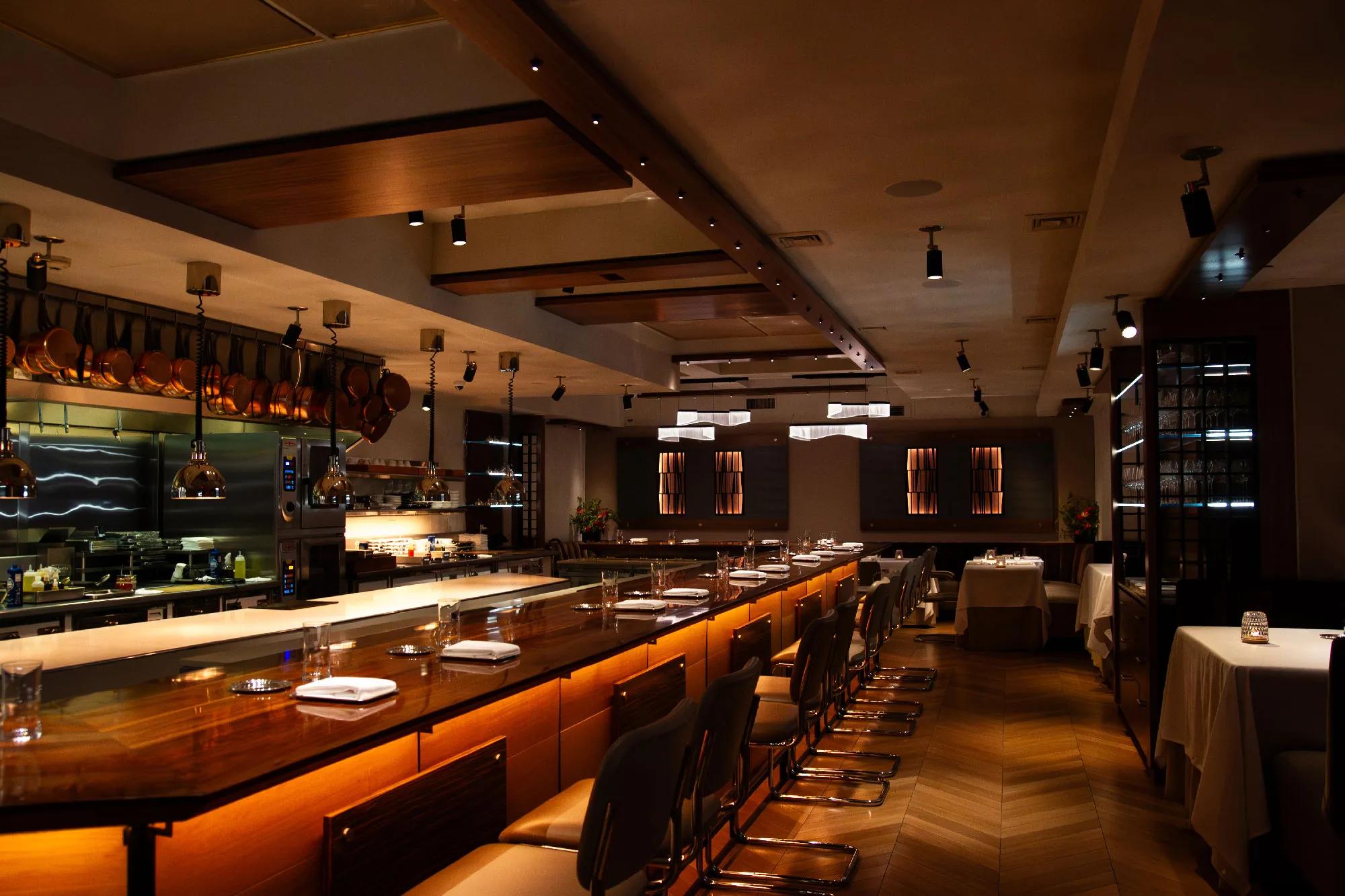
Fig & Olive's Mediterranean olive oil framework achieves both. The visual language of the format, warm materials, communal-adjacent table arrangements, open kitchens, and shelf-displayed oils and wines, reads as aspirational without being intimidating. The menu structure, which typically spans small plates, larger shared dishes, and dedicated raw preparations, handles mixed-table dynamics better than tasting-menu formats or prix-fixe rooms. For visitors building an evening around the Meatpacking District, that flexibility is a practical asset.
Where It Sits Among New York's Serious Bars
The city's cocktail program conversation has moved steadily away from theatrics and toward technical rigour and ingredient sourcing. Angel's Share, which introduced a generation of New York drinkers to Japanese bar culture and precise technique, remains a reference point for what sustained commitment to craft looks like in a small-room format. The bars that followed in that tradition, low-capacity, no-reservations or advance-booking required, technically specific, have generally clustered in the East Village and Lower East Side rather than in Meatpacking. The geographic split is not accidental: real estate economics and neighbourhood customer profiles push technical-program bars toward the areas where the customer comes specifically for the drink, rather than areas where the drink is part of a larger evening itinerary.
Internationally, the conversation around ingredient-led bar programs is well represented by venues like ABV in San Francisco and The Parlour in Frankfurt on the Main, both of which demonstrate how far a focused concept can travel when applied consistently. Fig & Olive's version of that focus is Mediterranean sourcing and aperitif logic rather than single-spirit mastery or fermentation programs, but the underlying principle, coherence between concept and execution, applies across formats.
Planning Your Visit
Fig & Olive's 420 W 13th Street address puts it on the western edge of the Meatpacking District, close to the High Line entrance at 14th Street and a short walk from the Whitney Museum. That geography makes it a natural anchor for an afternoon or early evening itinerary that combines the museum, the park, and dinner without requiring a cab. The room skews toward groups and couples rather than solo diners, and the shared-plate format supports tables with varying appetites.
The Quick Read
Comparable venues nearby, for context on price, style, and recognition.
| Venue | Cuisine | Price | Notes |
|---|---|---|---|
| FIG & OLIVE | MeatpackingThis venue — the venue you are viewing | West Village, lounge | $$$ | Not listed |
| Gallow Green | Not listed | $$$ | Chelsea-Hudson Yards, rooftop_bar |
| Kimura | East Village, Bar | $$$ | Not listed |
| The River | Not listed | $$$ | Chinatown-Two Bridges, cocktail_bar |
| Sushi by Bou - Flatiron NYC | Not listed | $$$ | Midtown South-Flatiron-Union Square, sake_bar |
| SUKI DESU | Upper East Side-Yorkville, Bar | $$$ | Not listed |
Continue exploring
More in New York City
Bars in New York City
Browse all →
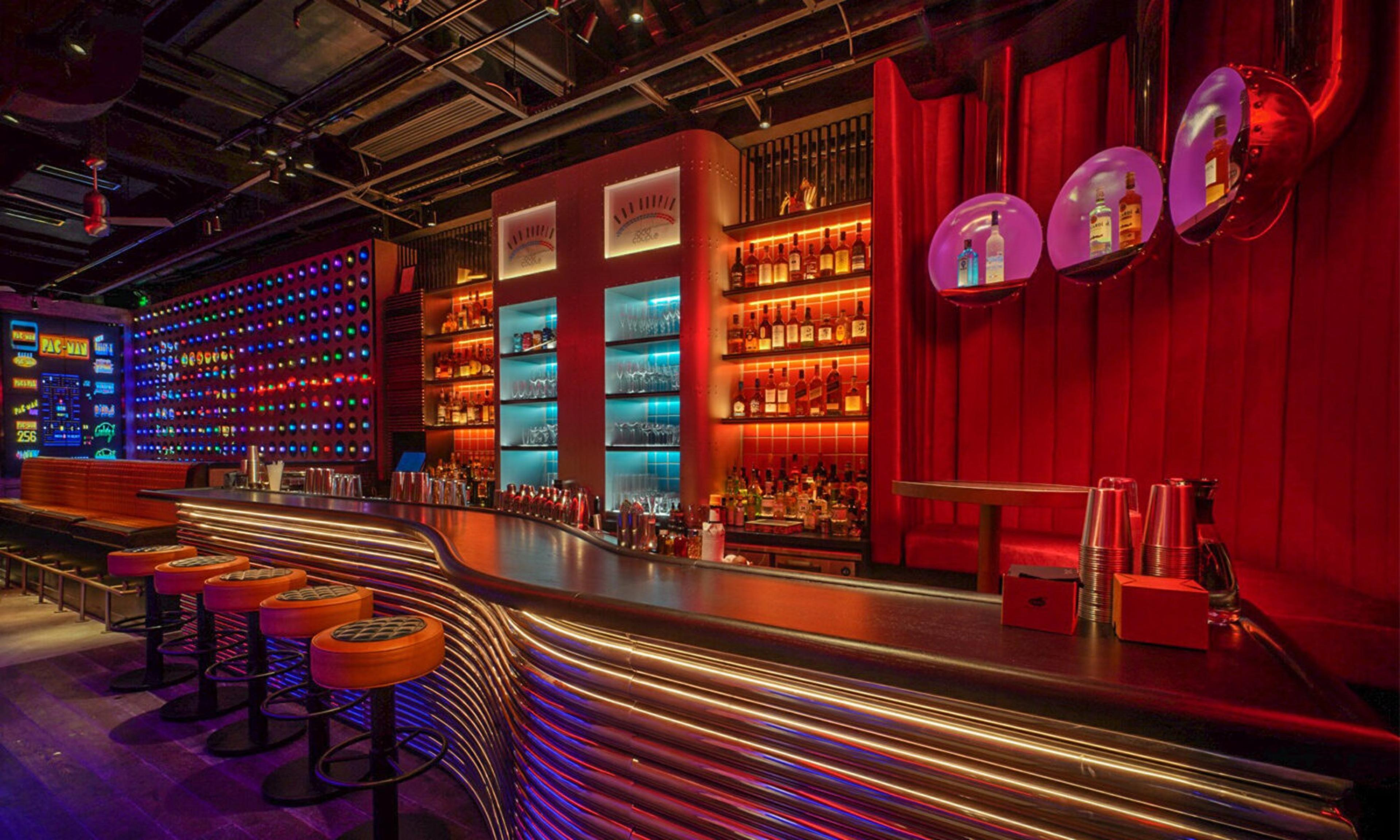

Restaurants in New York City
Browse all →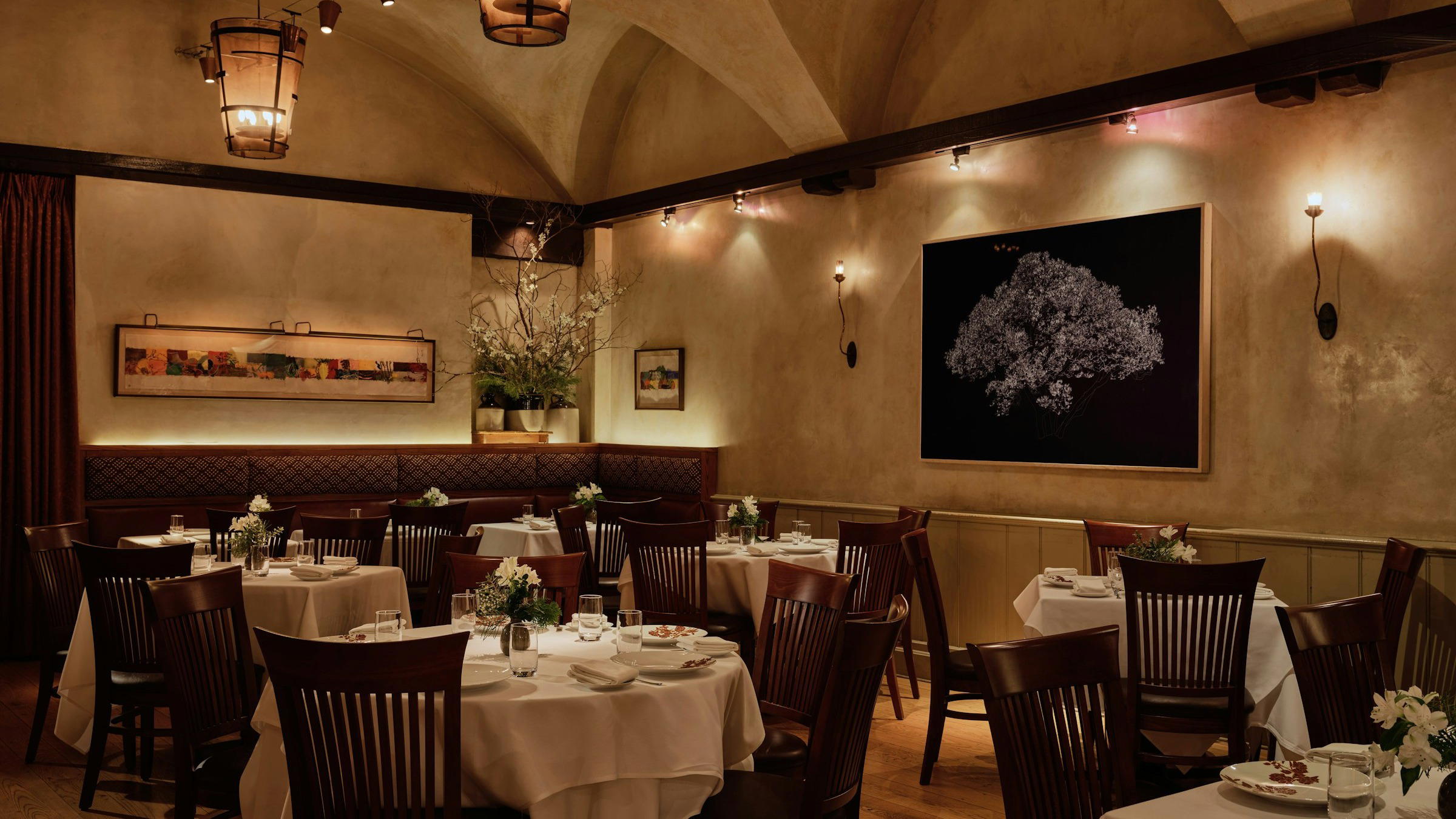
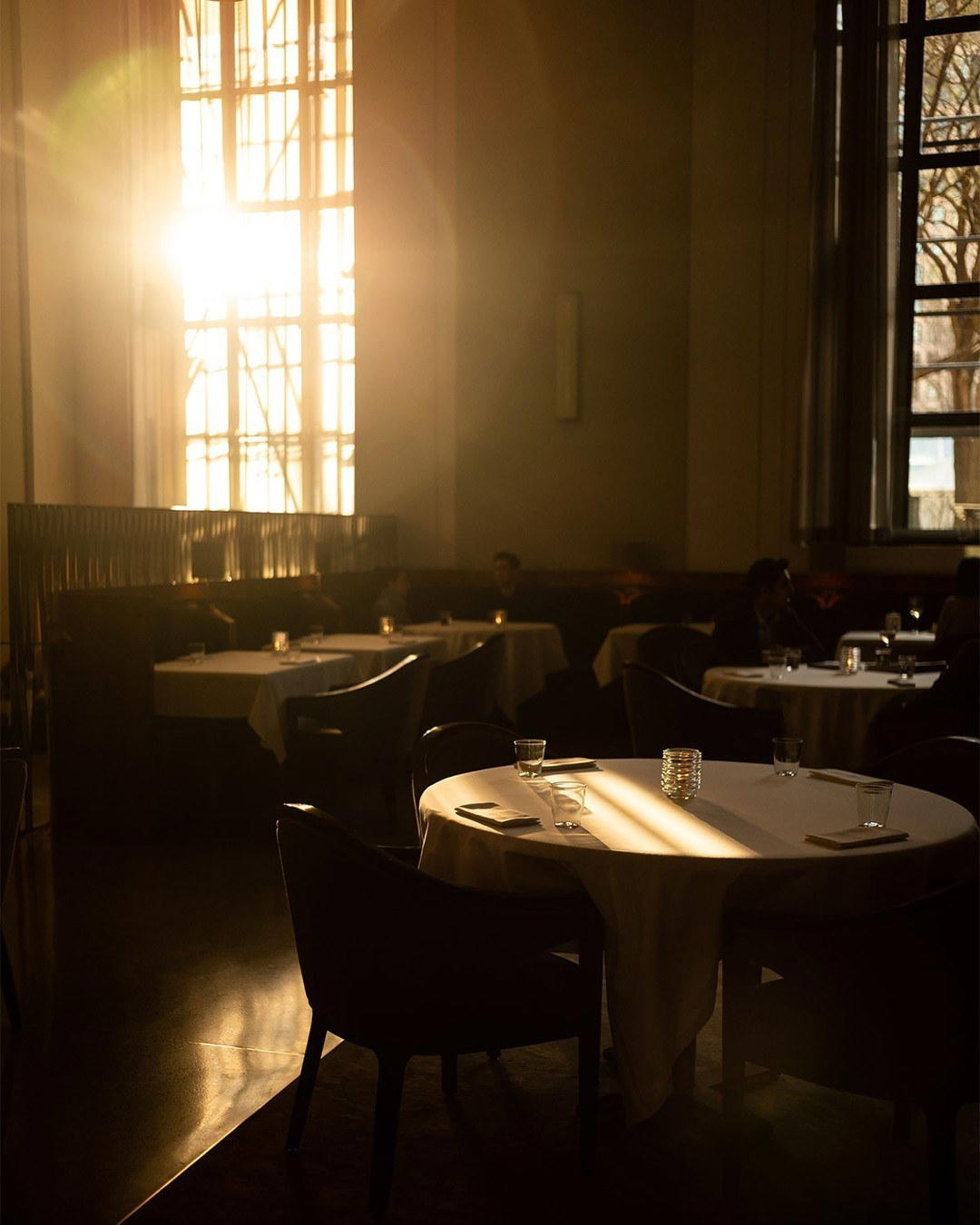
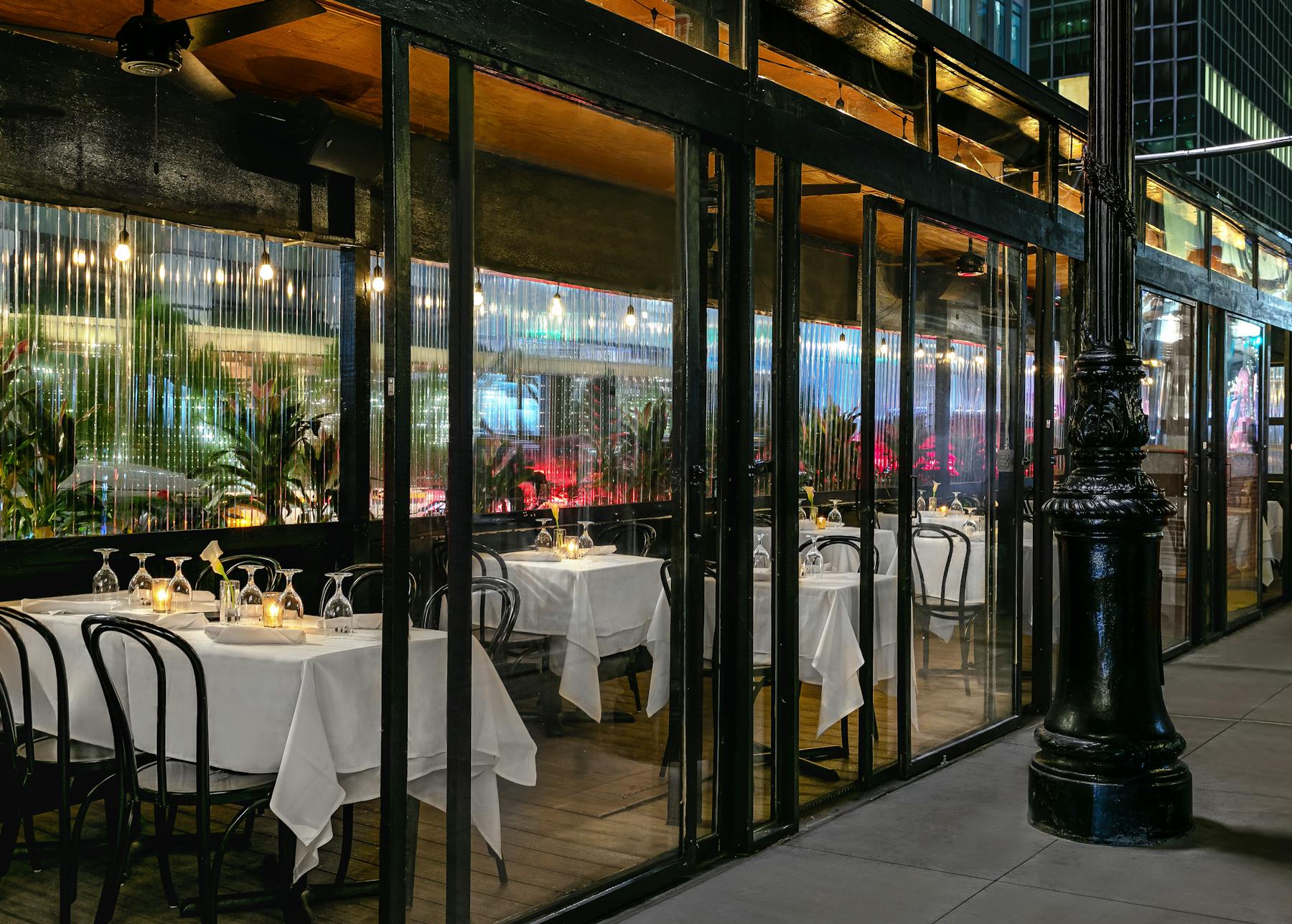
Hotels in New York City
Browse all →

Wineries in New York City
Browse all →


At a Glance
- Elegant
- Modern
- Trendy
- Sophisticated
- Date Night
- Late Night
- Celebration
- Live Music
- Lounge Seating
- Booth Seating
- Craft Cocktails
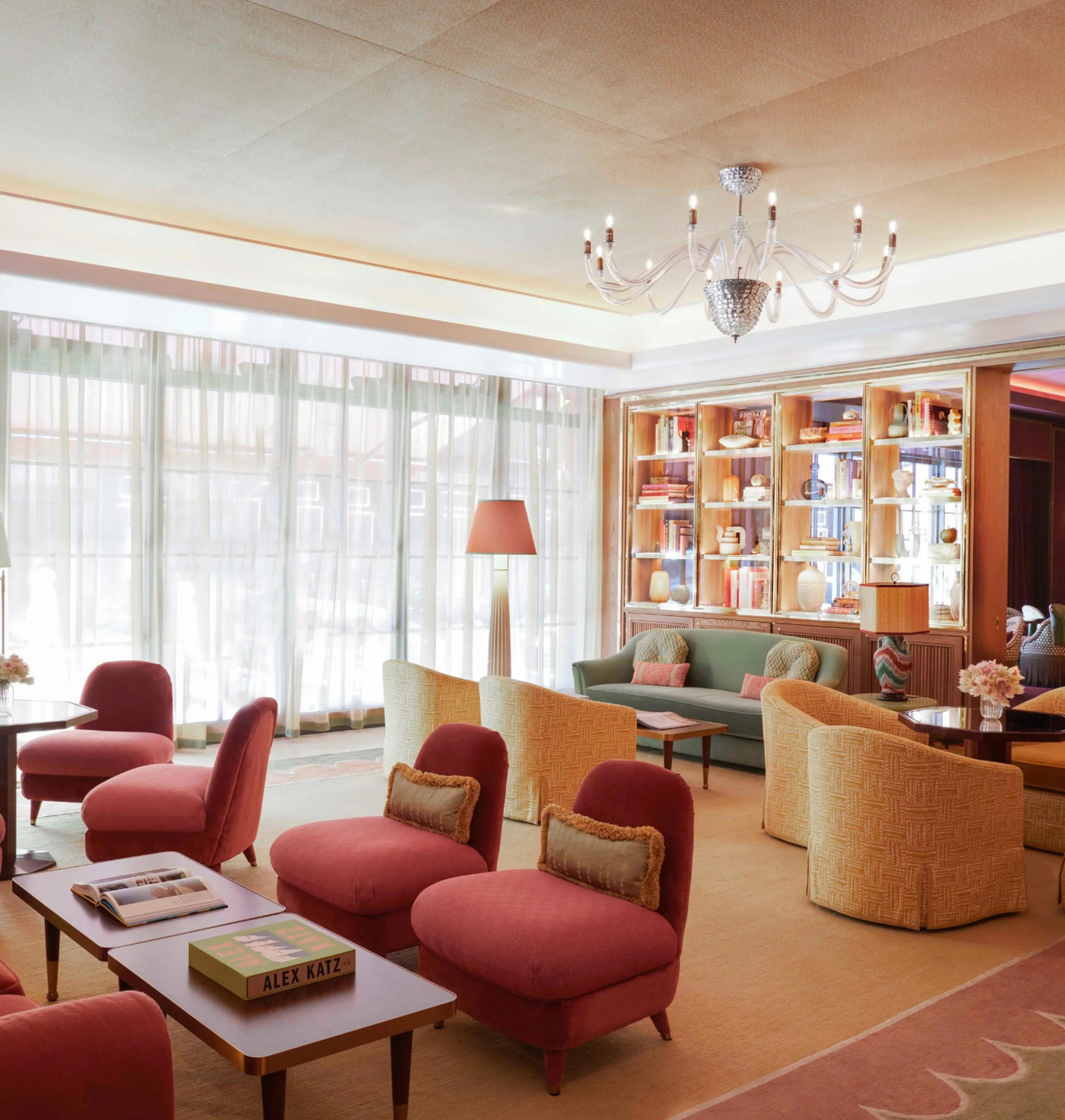
Spacious, light-filled, and airy with high ceilings, modern chic decor, plants on walls, and a busy lounge atmosphere.