Chinato
On the Lower East Side, Chinato occupies a corner of Stanton Street where Italian-American drinking culture and modern bar craft intersect. The name references the bitter, wine-based Italian aperitif, signaling a room where the beverage program carries as much weight as the kitchen. Among Lower East Side bars with a European aperitivo orientation, it sits in a quieter, more considered register than its louder neighbors.
Pearl is the En Primeur Club membership app — saves, bookings, and concierge access live there. Same editors, same standards.
- Address
- 108 Stanton St, New York, NY 10002
- Website
- chinatonyc.com
- Directions
- Get directions
 Saves & bookings on Pearl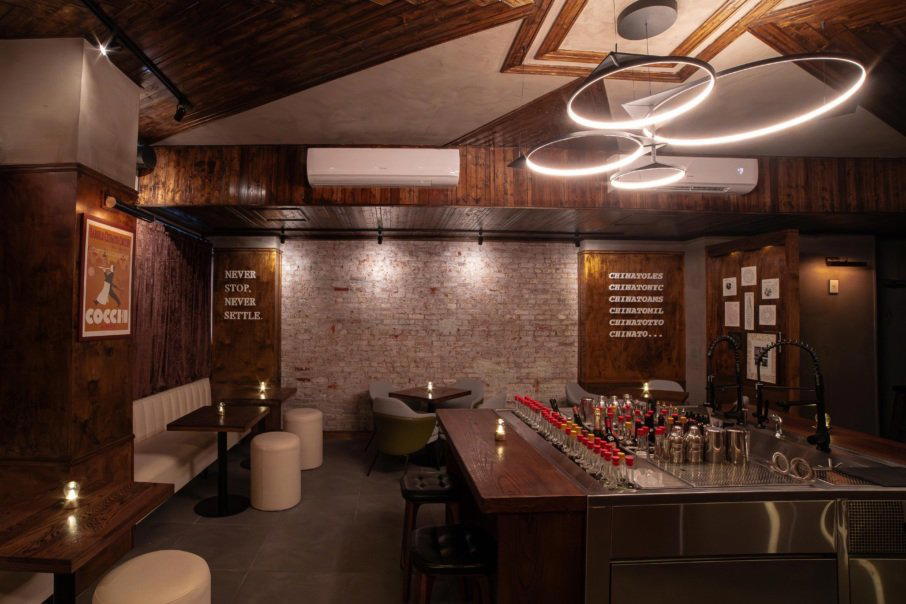
Amaro Country on the Lower East Side
Stanton Street in the Lower East Side occupies a particular register in New York bar culture: dense enough with options to draw a purposeful crowd, loose enough in its atmosphere that nobody feels like they are performing the act of going out. At 108 Stanton, Chinato plants itself squarely in that mood. The name itself is a signal. Chinato is a barolo-based, quinine-bitter digestif from Piedmont, the kind of thing you encounter at the end of a serious Italian meal and rarely elsewhere. Naming a bar after it is a thesis statement about what will be prioritised at the counter.
The Food-and-Drink Relationship That Defines the Room
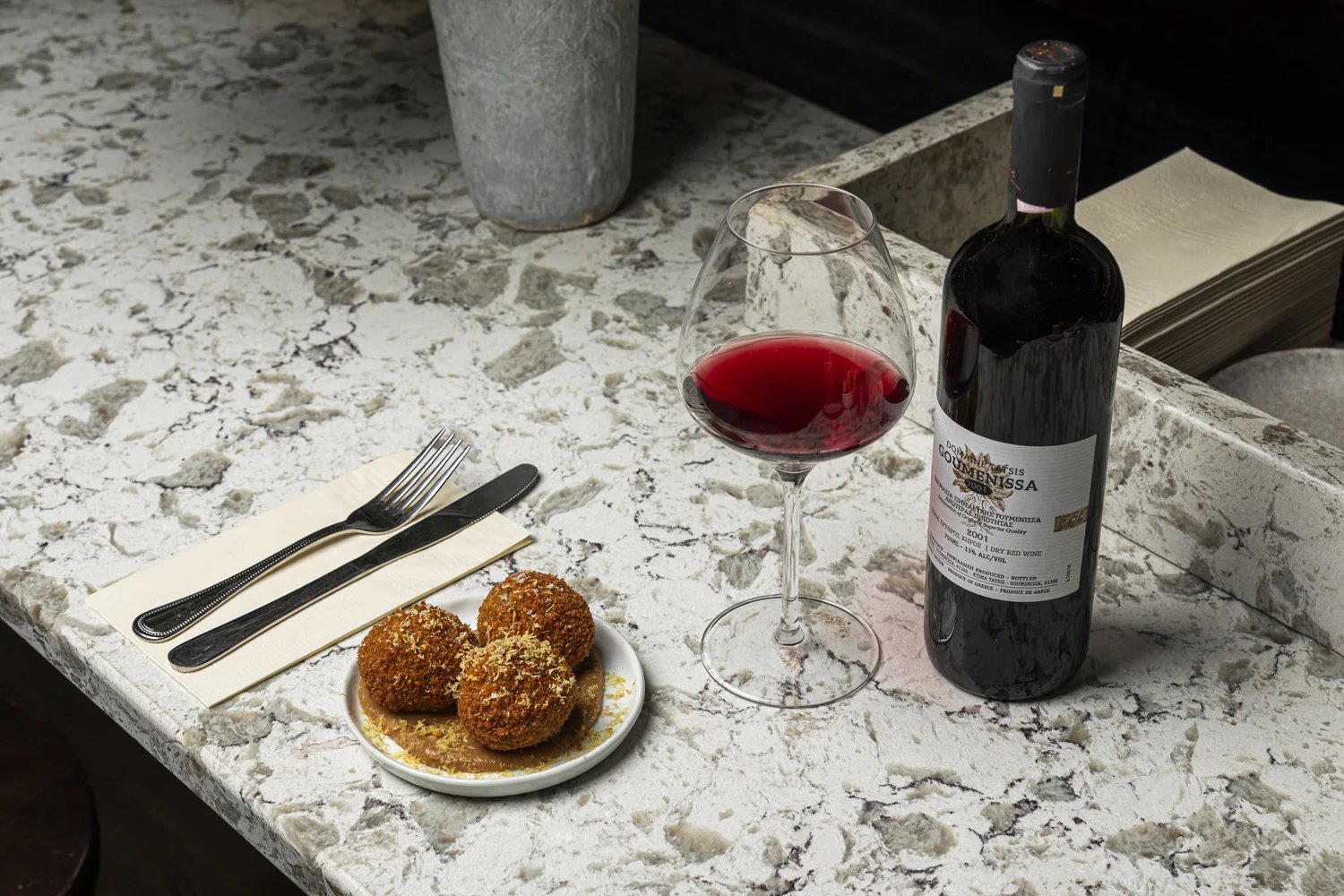
Across New York's more considered bar programmes, the question of how food and drink relate to each other has moved well beyond the old model of bar snacks as an afterthought. The better rooms now treat the kitchen and the bar as a single editorial voice. Chinato, with its Italian digestif identity as an anchor, sits in a tradition where bittersweet and aromatic drinks have a natural affinity for specific food registers: cured and fatty things, aged cheeses, anything with enough richness to push back against quinine and gentian. That relationship is built into the concept structurally, not bolted on as a menu filler. The amaro and vermouth category rewards food in a way that, say, a purely spirit-forward cocktail bar often does not. Where Amor y Amargo, a few neighbourhoods north, has made the bitters-and-vermouth programme its entire identity with almost no kitchen component, Chinato appears to work the pairing dimension more deliberately, positioning the food programme as part of the drink experience rather than a separate line item.
This approach has parallels in American bar culture beyond New York. Kumiko in Chicago built its reputation in part on treating Japanese culinary logic and a Japanese whisky and amaro programme as inseparable. Jewel of the South in New Orleans takes its cocktail programme into deliberate conversation with Southern culinary traditions. What distinguishes these rooms from bars that merely serve food is the degree to which the kitchen shapes the drinks selection and vice versa. When a bar is named after a specific amaro category, the argument for that kind of integration becomes structurally coherent from the start.
Lower East Side Bar Context: Where Chinato Sits
The Lower East Side operates on a different competitive logic than the cocktail bars that cluster in the West Village or Midtown. The neighbourhood's bar scene rewards bars that commit to a distinct point of view rather than broad-spectrum appeal. Attaboy NYC, on Eldridge Street a few blocks away, built its following on a no-menu, guest-preference model that requires the bartender to be in genuine dialogue with whoever is sitting across from them. Angel's Share, further into the East Village, has sustained a Japanese cocktail craft tradition for decades. Each of these bars is legible as a specific position rather than a general drinking destination.
Chinato's Italian aperitivo and digestivo frame gives it an equally specific position. The amaro category in the United States has expanded considerably since the early 2010s, moving from a niche imported product to a category with domestic producers and genuine consumer literacy in certain markets. New York, with its Italian-American drinking culture and a bar scene that rewards specialisation, was always going to be a natural home for a room built around this tradition. The question a bar in this position answers is whether the specificity extends to genuine depth or stops at the conceptual level. The evidence from bars that occupy this kind of Italian-aperitivo-anchored space suggests that when the food programme is treated as complementary rather than incidental, the depth tends to hold.
Comparisons Across the American Bar Scene
The amaro-and-food pairing model that Chinato works within has found expression in several American cities, each version shaped by local culinary context. ABV in San Francisco has maintained a food-forward bar identity in a city where the kitchen-bar relationship is taken seriously by a dining public accustomed to farm-to-table precision. Julep in Houston integrates Southern food and drinks traditions in ways that reflect the city's broader culinary confidence. Allegory in Washington, D.C. operates a conceptually driven programme where the food and drink narrative are built together from the ground up. Each of these rooms makes the case that a bar's food programme is not a fallback for guests who want to slow down their drinking, but a primary element of the experience architecture.
What makes the Italian aperitivo tradition a particularly useful frame for this approach is its historical logic. Amaro, vermouth, and bitter liqueurs were originally designed to stimulate or settle the appetite. They exist in relationship to food by definition. A bar that takes that heritage seriously has a readymade argument for why the kitchen belongs at the centre of the experience, not on the margins. Superbueno, operating in the same city with a different culinary tradition as its anchor, illustrates how a bar's food identity can be specific enough to drive the entire experience without the kitchen feeling like a restaurant that happens to serve drinks. The principle is transferable across traditions; the execution is what varies.
Who Goes to Chinato and When
Lower East Side bars at this register attract a crowd that tends to know what they are ordering. The neighbourhood's bar literacy is high, partly because the concentration of options has educated the regular audience over years and partly because bars with specific programmes self-select for guests who are already interested in the category. Aperitivo hour, in the Italian tradition, runs earlier than the standard New York drinking window, which means bars anchored in this frame can attract a pre-dinner crowd that is genuinely there to drink and eat in combination rather than to pre-game before moving on. That shift in usage pattern changes the atmosphere materially. Rooms that capture the aperitivo hour tend to feel more deliberate and less transactional than standard happy-hour bars.
For visitors to New York working through the city's bar scene with any seriousness, see our full New York City restaurants guide for context on how Chinato sits within the broader picture. Bars that are worth comparing internationally for their Italian-leaning food-and-drink integration include Bar Leather Apron in Honolulu and The Parlour in Frankfurt on the Main, both of which operate at the intersection of considered drinks programmes and deliberate food identities in ways that reward comparison.
Planning a Visit
Chinato is located at 108 Stanton Street in the Lower East Side, Manhattan. Given the neighbourhood's density of options and the bar's specific amaro-and-food positioning, arriving with enough time to work through both the drinks and the kitchen programme will give you the most complete picture of what the room is doing. The Italian digestif tradition rewards patience at the table, which is part of what makes the Lower East Side, with its generally unhurried bar culture, a natural fit for this kind of programme.
Quick reference: 108 Stanton St, New York, NY 10002. Lower East Side, Manhattan.
Reputation First
| Venue | Awards |
|---|---|
| ChinatoThis venue — the venue you are viewing | This venue |
| The Long Island Bar | World's 50 Best |
| Superbueno | World's 50 Best |
| Amor y Amargo | World's 50 Best |
| Angel's Share | World's 50 Best |
Continue exploring
More in New York City
Bars in New York City
Browse all →
Restaurants in New York City
Browse all →
Hotels in New York City
Browse all →




At a Glance
- Intimate
- Modern
- Trendy
- Sophisticated
- Date Night
- Special Occasion
- Design Destination
- Seated Bar
- Lounge Seating
- Craft Cocktails
Current opening hours
- Monday
- Closed
- Tuesday
- 6 PM–12 AM
- Wednesday
- 6 PM–12 AM
- Thursday
- 6 PM–12 AM
- Friday
- 5 PM–1 AM
- Saturday
- 5 PM–1 AM
- Sunday
- 6 PM–12 AM
Hours can change for holidays and private events. Last verified .
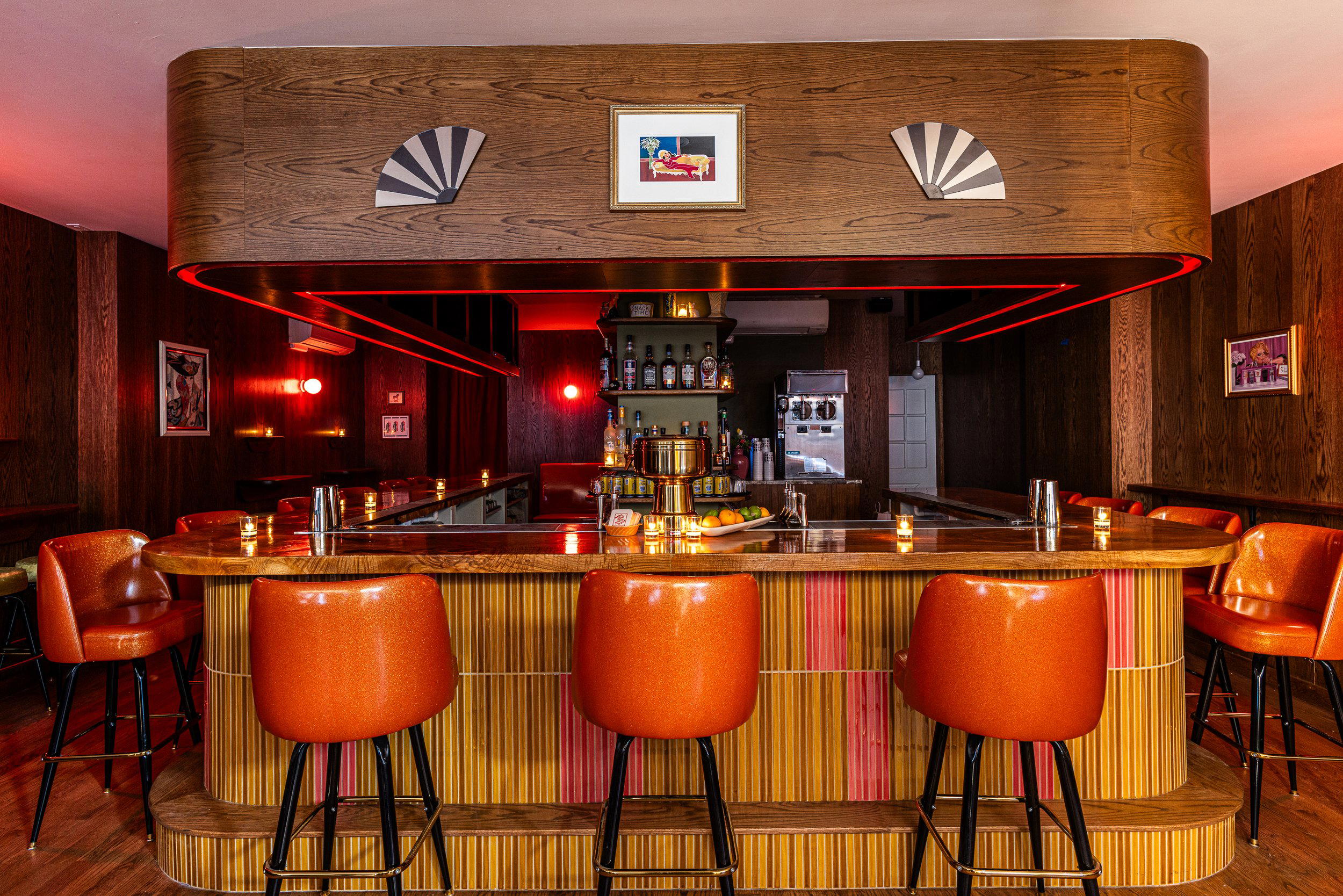
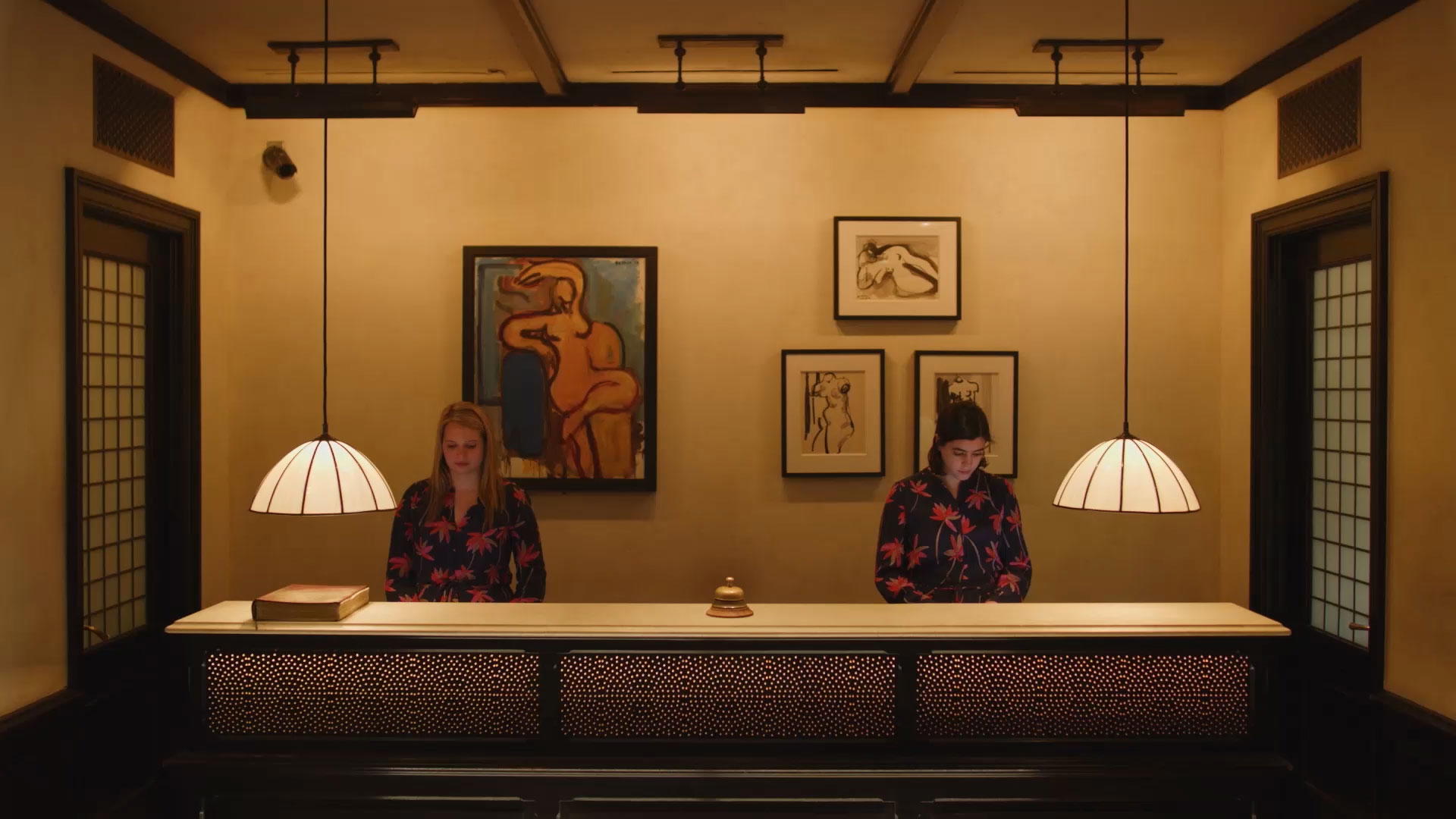
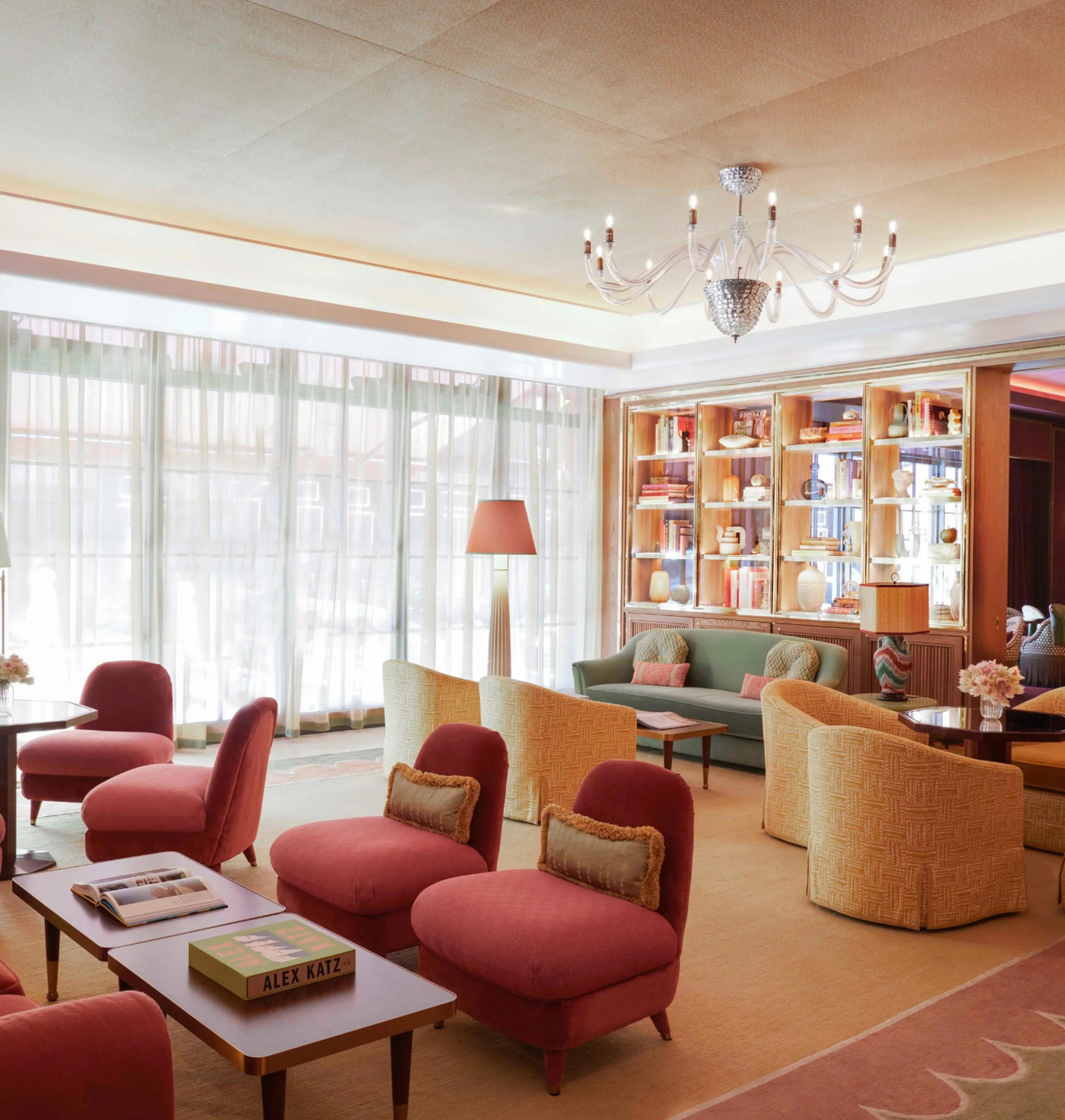
Moody space with mixed woods, exposed brick, stainless steel accents, wood-paneled walls, and vibey music.
Know Before You Go
- Getting there
- 108 Stanton St, New York, NY 10002