Little Death
Little Death occupies a stripped-back slot on the St. Mary's Strip, San Antonio's most concentrated stretch of independent bars. The back bar skews toward rare spirits and deliberate curation rather than volume, placing it in a tier of collection-driven rooms that reward repeat visits. It sits closer to a specialist drinking den than a neighborhood watering hole.

Pearl is the En Primeur Club membership app — saves, bookings, and concierge access live there. Same editors, same standards.
- Address
- 2327 N St Mary's St, San Antonio, TX 78212
- Phone
- (210) 264-6472
- Hours
- Mon–Thu 1–11 PMFri–Sat 1 PM–12 AMSun 1–11 PM
- Website
- littledeathwine.com
- Directions
- Get directions
St. Mary's Strip and the Case for Slower Drinking
San Antonio's bar scene has historically been cleaved in two: the tourist-facing River Walk corridor, where volume and accessibility drive programming, and the North St. Mary's Strip, where a looser, more independent drinking culture has taken root over decades. Little Death sits at 2327 N St. Mary's St. deep inside the latter territory, in a stretch that has accumulated record shops, DIY venues, and bars that operate more like cultural outposts than commercial concerns. The name alone signals a positioning decision. La petite mort carries weight as a phrase, and a bar that adopts it is advertising something about its temperament before you walk through the door.
The St. Mary's Strip functions as a counterpoint to the Pearl District's polished hospitality cluster to the northeast. Where Pearl-adjacent venues like Bar 1919 and Aleteo operate in purpose-built or renovated settings with full dining programs, the Strip's bars tend toward lower overhead, longer hours, and a crowd that comes specifically for the drinking, not the occasion. Little Death fits that pattern while pulling the back bar in a more deliberate direction than most of its immediate neighbors.
The Back Bar as Editorial Statement
In American craft cocktail culture, the quality of a bar's spirits collection increasingly functions as a kind of editorial statement. The bottles on the shelf telegraph the priorities of whoever assembled them: are they chasing trend, building a well, or pursuing depth in a specific category? Collection-driven rooms have proliferated in cities with established cocktail cultures. Kumiko in Chicago built its identity partly around Japanese whisky depth and liqueur curation. Bar Leather Apron in Honolulu has drawn attention for a spirits library that extends well beyond what its market size would suggest. Jewel of the South in New Orleans uses the back bar as a window into the historical geography of American spirits.
Little Death operates in that same register on the St. Mary's Strip, which makes it something of an anomaly in its immediate context. The Strip has bars, but not many that treat the spirits selection as the primary argument for visiting. That positioning is the more significant detail about Little Death: it is not trying to be a neighborhood tavern that happens to have good drinks. The collection is the pitch.
For drinkers who have worked through the better-known collection rooms elsewhere — ABV in San Francisco, which built its reputation on an amaro and spirits depth that exceeds most full-service restaurants, or Julep in Houston, where the collection is organized around American whiskey history — Little Death offers a version of that same curatorial sensibility without the formality that sometimes accompanies it in higher-profile markets.
What the Room Asks of You
Bars built around rare spirits and curation tend to ask something of the guest that high-turnover rooms do not: patience, curiosity, and a willingness to take a recommendation. The format rewards people who approach the back bar as a menu rather than defaulting to a standard order. That dynamic is more common in cities with established cocktail cultures, Superbueno in New York City and The Parlour in Frankfurt both operate in markets where guests arrive with a baseline of spirits literacy. San Antonio's drinking culture is more varied, but the St. Mary's Strip skews toward an audience that self-selects for independent venues and is less likely to default to mass-market pours.
The physical environment on the Strip reinforces this. These are not rooms designed around ambient comfort or polished service theater. The buildings tend to be older, the lighting tends to be low, and the social contract is more informal than in the Pearl or downtown. Little Death reads as a bar where the conversation can run long and the second drink is chosen more carefully than the first.
San Antonio in the Broader Southern Bar Context
Texas has developed a more sophisticated cocktail culture in its major cities over the past decade, with Houston and Austin drawing the most outside attention. San Antonio has lagged slightly in national coverage, though venues like 1Watson and Alamo Beer Company have contributed to a broadening of what the city offers across price points and formats. Little Death sits in a narrower category within that scene: bars where the spirits collection is the primary draw rather than the cocktail list, the kitchen, or the setting.
That narrower category is where the comparison to Southern peers becomes useful. Jewel of the South in New Orleans has Michelin recognition and a historically grounded cocktail program that draws an audience from well outside its neighborhood. Little Death is not in that tier of institutional recognition, but it is pursuing a similar instinct about what makes a bar worth a deliberate visit: the depth of what is behind the counter, not just the efficiency of what comes over it.
Planning a Visit
Little Death is located at 2327 N St. Mary's St. in the heart of the Strip, which means it is most naturally visited as part of an evening that begins or ends elsewhere on the street. No booking infrastructure has been confirmed publicly, which suggests walk-in access is the operative model, consistent with the Strip's general approach to hospitality. The St. Mary's Strip is accessible from downtown San Antonio and sits north of the Pearl District, making it a logical extension of an evening that starts in either area. Given the format and the crowd the Strip attracts, weeknight visits tend to offer more space to engage with the back bar than weekend nights, when the street's overall foot traffic increases significantly. For a fuller picture of what San Antonio offers across bar formats and neighborhoods, see our full San Antonio restaurants guide.
A Pricing-First Comparison
| Venue | Price |
|---|---|
| Little DeathThis venue — the venue you are viewing | $20–30 |
| Volare Restaurant | $30–50 |
| Hugman's Oasis | $30–50 |
Continue exploring
More in San Antonio
Bars in San Antonio
Browse all →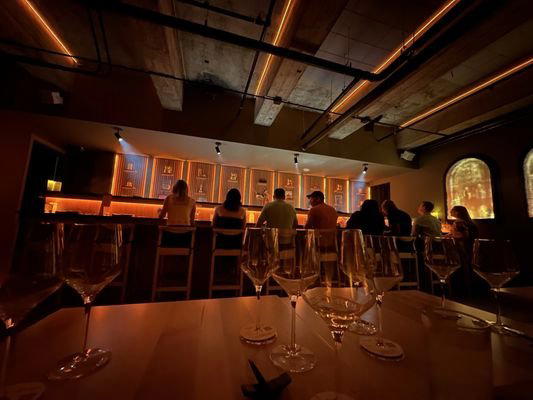
Restaurants in San Antonio
Browse all →
Hotels in San Antonio
Browse all →


Wineries in San Antonio
Browse all →
Little Death
The wine
- Wine program
- Curated wine list
- Natural wine
- Craft beer
Signature drinks: Death Burger.
Details
- Bohemian
- Trendy
- Lively
- Casual Hangout
- Group Outing
- After Work
- Standalone
- Terrace
- Seated Bar
- Outdoor Terrace
- Lounge Seating
- Natural Wine
- Craft Beer
- Conventional Wine
Current opening hours
- Monday
- 1–11 PM
- Tuesday
- 1–11 PM
- Wednesday
- 1–11 PM
- Thursday
- 1–11 PM
- Friday
- 1 PM–12 AM
- Saturday
- 1 PM–12 AM
- Sunday
- 1–11 PM
Hours can change for holidays and private events. Last verified .
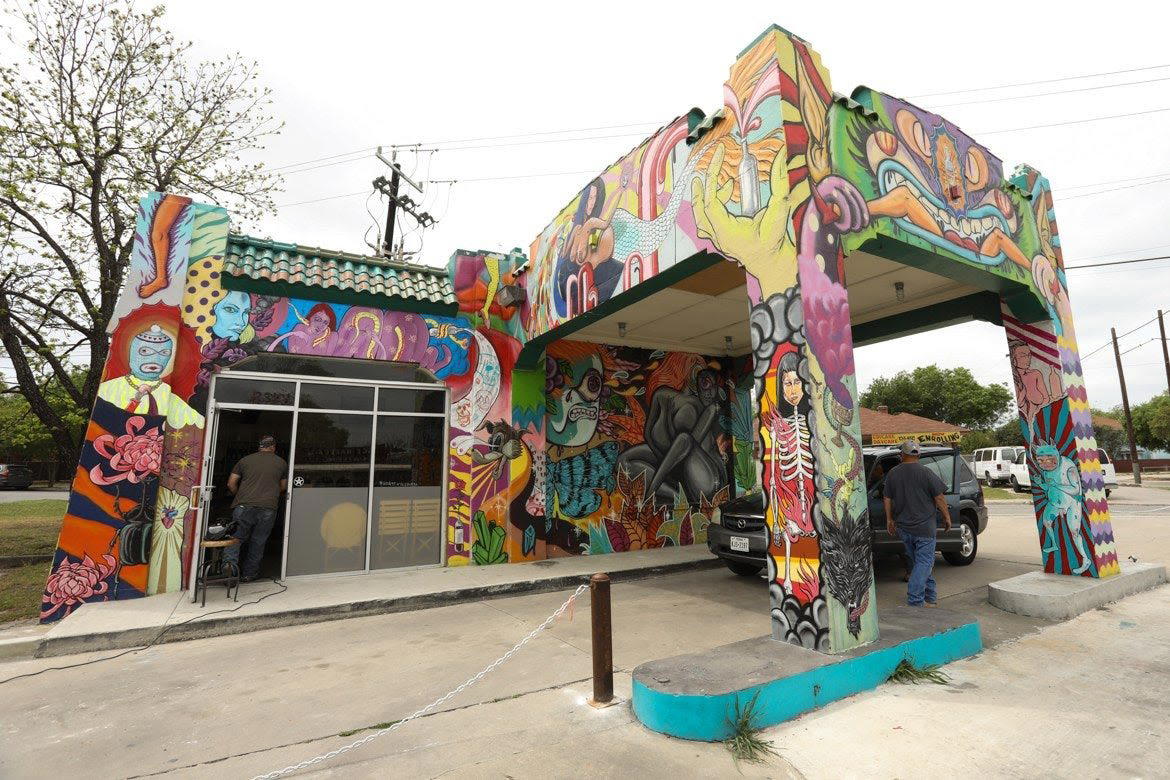
Lively and lively with colorful wall-to-wall psychedelic murals on the exterior, graffiti accents, and a relaxed neighborhood vibe inside with spacious patio seating.