Google: 4.6 · 380 reviews
For All Things Good Bed-Stuy
For All Things Good sits on Franklin Avenue in Bed-Stuy, Brooklyn, at the intersection of the neighbourhood's longer-standing community character and its more recent wave of independent hospitality. The address places it squarely in one of New York's most closely watched corridors for bars and neighbourhood hangouts operating outside the Manhattan premium tier.
 Discover on Pearl
Pearl is the En Primeur Club membership app — saves, bookings, and concierge access live there. Same editors, same standards.
Franklin Avenue and What It Tells You About Brooklyn Right Now
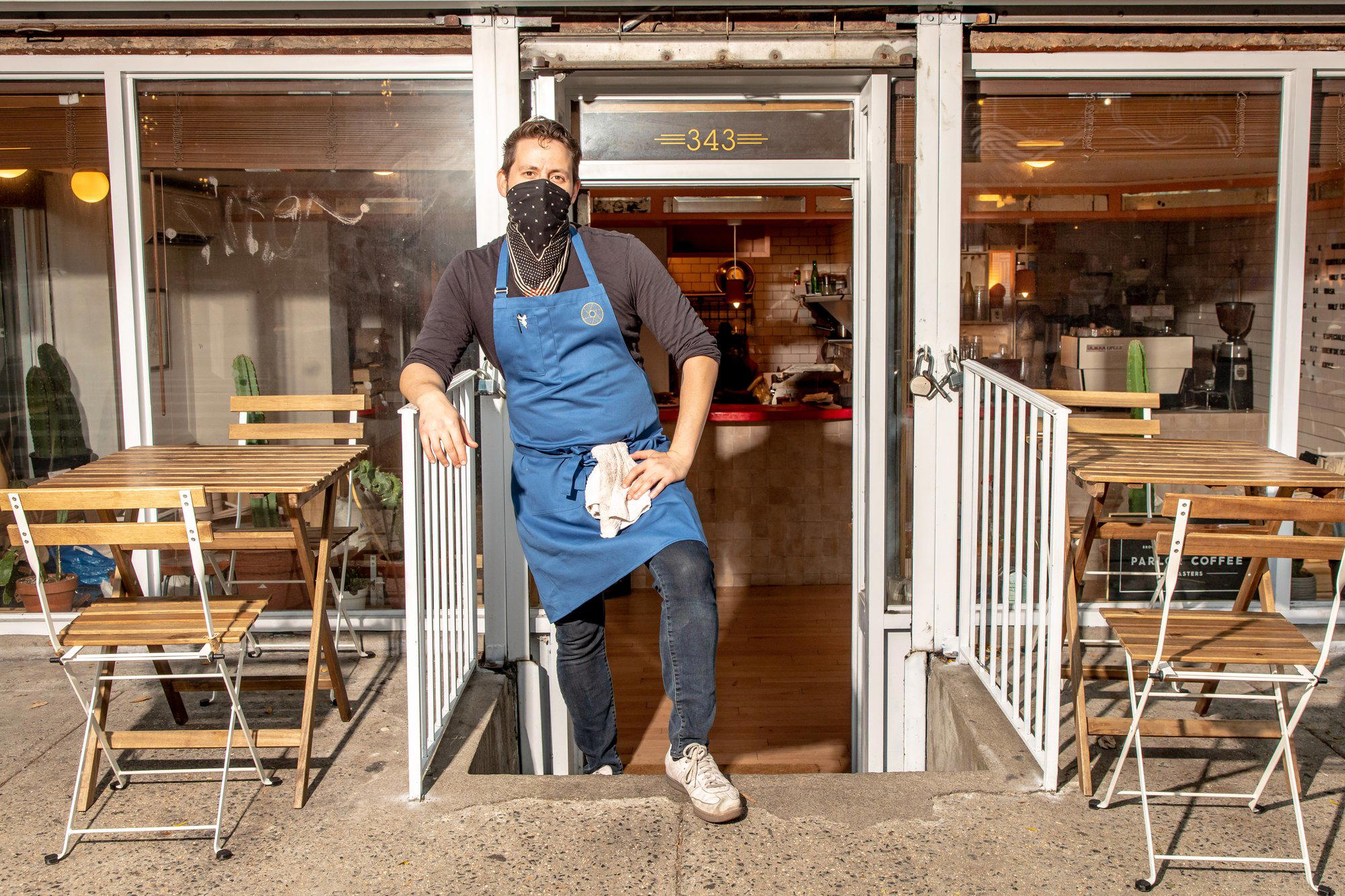
There is a particular kind of bar that Brooklyn keeps producing: not a destination built for out-of-borough visitors, not a cocktail laboratory performing for an industry audience, but a neighbourhood room that earns its place by being genuinely useful to the people who live nearby. For All Things Good, at 343 Franklin Avenue in Bed-Stuy, occupies that category. The address alone does a lot of the framing. Franklin Avenue runs through a stretch of Brooklyn that has spent the better part of a decade in flux, where blocks of brownstones and long-established local businesses sit alongside newer openings that read the neighbourhood's changing demographics and try, with varying success, to hold both audiences at once.
Bed-Stuy as a whole has historically been underserved by the kind of hospitality infrastructure that other Brooklyn neighbourhoods — Carroll Gardens, Cobble Hill, Prospect Heights — accumulated earlier. That gap has been closing, and Franklin Avenue has become one of the more active corridors for that shift. What distinguishes the better openings on this stretch is a refusal to import a template from elsewhere. The bars and cafes that have taken hold here tend to reflect the block rather than replicate something from the Lower East Side or Williamsburg.
The Physical Approach
The block around 343 Franklin Ave has the texture of a neighbourhood mid-transition: older storefronts, residential brownstone blocks close by, the kind of street-level activity that signals a place where people actually live rather than one that exists primarily after dark. A bar or cafe in this context works differently than one in a purpose-built hospitality corridor. It draws people walking home from the subway, regulars who showed up three times last week, and the occasional visitor who found it on a list but feels, on arrival, slightly outside the intended audience. That dynamic, when a room handles it well, produces something more grounded than a destination venue could.
For All Things Good's name is worth sitting with for a moment. It signals a kind of open-armed neighbourhood positioning, the antithesis of the narrow specialist format , the natural wine bar with a single page list, the cocktail room with a 12-drink menu and a six-week wait. Whether that positioning translates into a genuinely broad offer or functions more as branding is the kind of thing that becomes clear only across multiple visits and in conversation with people who live within walking distance.
Where It Sits in the Brooklyn Bar Scene
New York's bar scene has bifurcated sharply over the past decade. On one side, a cluster of technically sophisticated programmes , clarified cocktails, in-house fermentation, compressed fruit, long ice programmes , that compete for placement on lists like the World's 50 Best Bars and draw visitors from other cities. Venues like Attaboy NYC and Angel's Share sit in that tier, where the bar programme is the product and the room is secondary. On the other side, a larger and arguably more culturally significant group of neighbourhood rooms that function as community infrastructure, where the offer is reliable rather than ambitious and the point is repeatability.
For All Things Good appears to occupy the second category, which is not a diminishment. The neighbourhood bar format, when executed with care, produces something that technically driven destination bars cannot: a relationship with a specific community over time. The comparison set is not Superbueno or Amor y Amargo, both of which operate as programme-forward destination bars in Manhattan. The more relevant frame is other Franklin Avenue and Bed-Stuy rooms that have built sustained local followings by being present and consistent rather than ambitious and intermittent.
Across other American cities, the bars that generate the strongest long-term reputations often belong to this category. Jewel of the South in New Orleans, Julep in Houston, and Kumiko in Chicago each built their identities from a specific place and community rather than from a generic premium template. The same principle operates at ABV in San Francisco and, further afield, at Bar Leather Apron in Honolulu, where the room's relationship to its neighbourhood shapes the offer more than any single technique or format. Even internationally, bars like The Parlour in Frankfurt and Allegory in Washington, D.C. demonstrate that a clear sense of place and audience produces more durable venues than ambition untethered from context.
What the Data Doesn't Say
The available record for For All Things Good is sparse. No awards in the public record, no Michelin recognition, no placement on ranked lists. That absence is itself informative. The bars that collect industry recognition tend to be programme-forward rooms with media-legible concepts and PR infrastructure to match. Neighbourhood bars in Bed-Stuy rarely have either, which means their reputations circulate through local networks and word of mouth rather than through editorial placements. The lack of a listed website or phone number in the available data suggests a venue operating without a formal reservations infrastructure , consistent with a walk-in room that serves regulars rather than a booking-dependent destination. For the wider New York bar scene and more formally documented venues, see our full New York City restaurants guide.
Planning a Visit
Logistics at a Glance
| Factor | For All Things Good (Bed-Stuy) | Attaboy NYC (LES) | Amor y Amargo (East Village) |
|---|---|---|---|
| Neighbourhood | Bed-Stuy, Brooklyn | Lower East Side, Manhattan | East Village, Manhattan |
| Format | Neighbourhood room | No-menu cocktail bar | Amaro-focused cocktail bar |
| Walk-ins | Likely (no booking infrastructure listed) | Walk-in only | Walk-in |
| Industry recognition | None on record | Widely cited; 50 Best proximity | Widely cited; spirit-forward specialist |
| Out-of-borough draw | Low; primarily local | High; destination visitors | Moderate to high |
The practical implication of For All Things Good's format is that it rewards the kind of visit that doesn't require planning. No reservation system means you arrive or you don't. For a visitor staying in Manhattan, the trip to Bed-Stuy is deliberate , the A or C train to Franklin Avenue, a walk of a few blocks , which raises the bar for what the room needs to deliver. For anyone already in the neighbourhood, the calculus is simpler.
What It’s Closest To
A quick comparison pulled from similar venues we track in the same category.
| Venue | Awards |
|---|---|
| For All Things Good Bed-StuyThis venue — the venue you are viewing | |
| The Long Island Bar | World's 50 Best |
| Dirty French | |
| Superbueno | World's 50 Best |
| Amor y Amargo | World's 50 Best |
| Angel's Share | World's 50 Best |
Continue exploring
More in New York City
Bars in New York City
Browse all →
Restaurants in New York City
Browse all →
Hotels in New York City
Browse all →



At a Glance
- Cozy
- Trendy
- Date Night
- Casual Hangout
- Standalone
- Seated Bar
- Communal Tables
- Natural Wine
- Mezcal
Cozy and inviting with a warm community hub atmosphere.