Google: 4.4 · 1,850 reviews
El Rancho Grande Mexican Food
On East 11th Street, the old Route 66 corridor that still carries Tulsa's most concentrated stretch of independent dining, El Rancho Grande Mexican Food has held its address long enough to become part of the neighbourhood's identity. The kitchen operates in the Tex-Mex and regional Mexican register that Tulsa's midtown has returned to repeatedly, making it a reference point for the city's casual Mexican dining conversation.
Pearl is the En Primeur Club membership app — saves, bookings, and concierge access live there. Same editors, same standards.

East 11th Street and What It Means for Mexican Food in Tulsa
The stretch of East 11th Street that runs through Tulsa's midtown district is not accidental in its character. This corridor, tracing the old Route 66 alignment, has accumulated independent restaurants, diners, and neighbourhood fixtures across decades in a way that chain-heavy suburban sprawl never quite replicated. Mexican food specifically has found a durable foothold here, rooted in a population and culinary tradition that predates the city's more recent dining diversification. El Rancho Grande Mexican Food at 1629 E 11th St sits inside that longer history, occupying a position that neighbourhood regulars navigate less by discovery and more by habit.
That kind of tenure matters in a city like Tulsa, where the restaurant scene has tilted progressively toward newer concepts, chef-driven tasting formats, and imported culinary references. The Mexican dining tier has remained largely anchored to value, familiarity, and consistency, with a smaller number of operators representing regional specificity beyond the standard Tex-Mex template. El Rancho Grande operates within that context, where longevity on a street with real foot traffic and genuine community use is its own credential.
The Physical Setting on Route 66
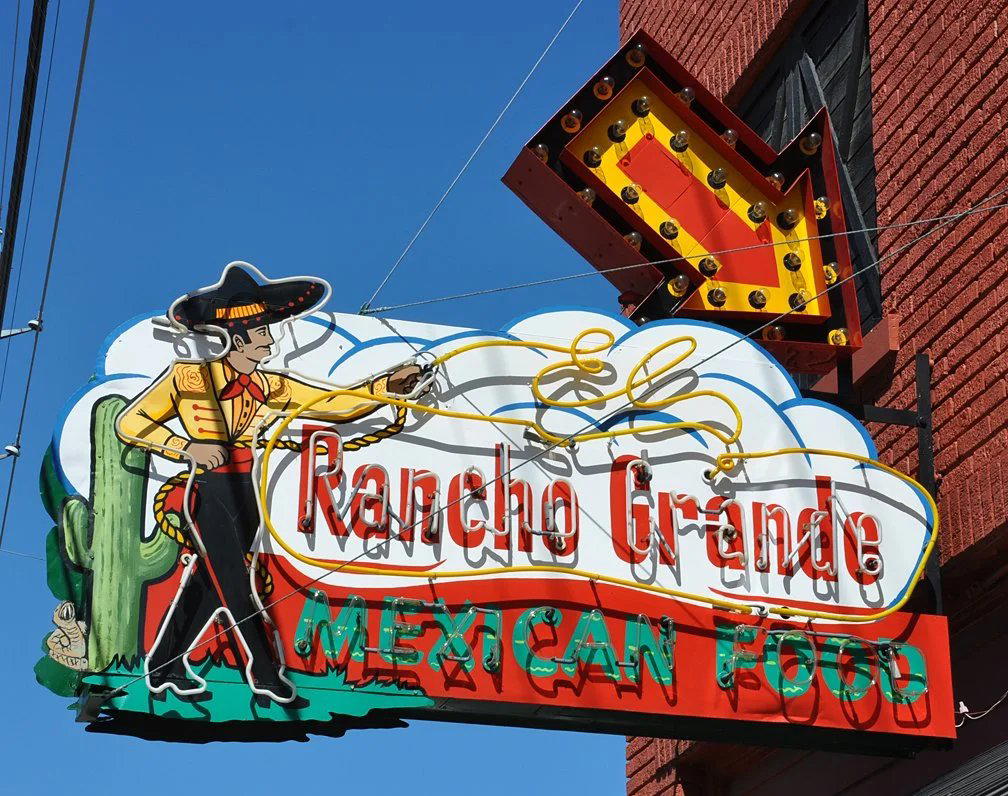
Approaching from either direction on East 11th, the signage and storefront read as deliberate holdovers from an earlier era of Tulsa commercial architecture. The building communicates function over presentation, which aligns with a specific tier of Mexican dining that prioritises the plate over the room. This is not the design-led, Instagram-formatted Mexican restaurant that arrived in American cities in the 2010s. The setting is closer to the original neighbourhood taqueria model, where the environment is secondary to the consistency of what the kitchen produces and the regularity with which a local community returns.
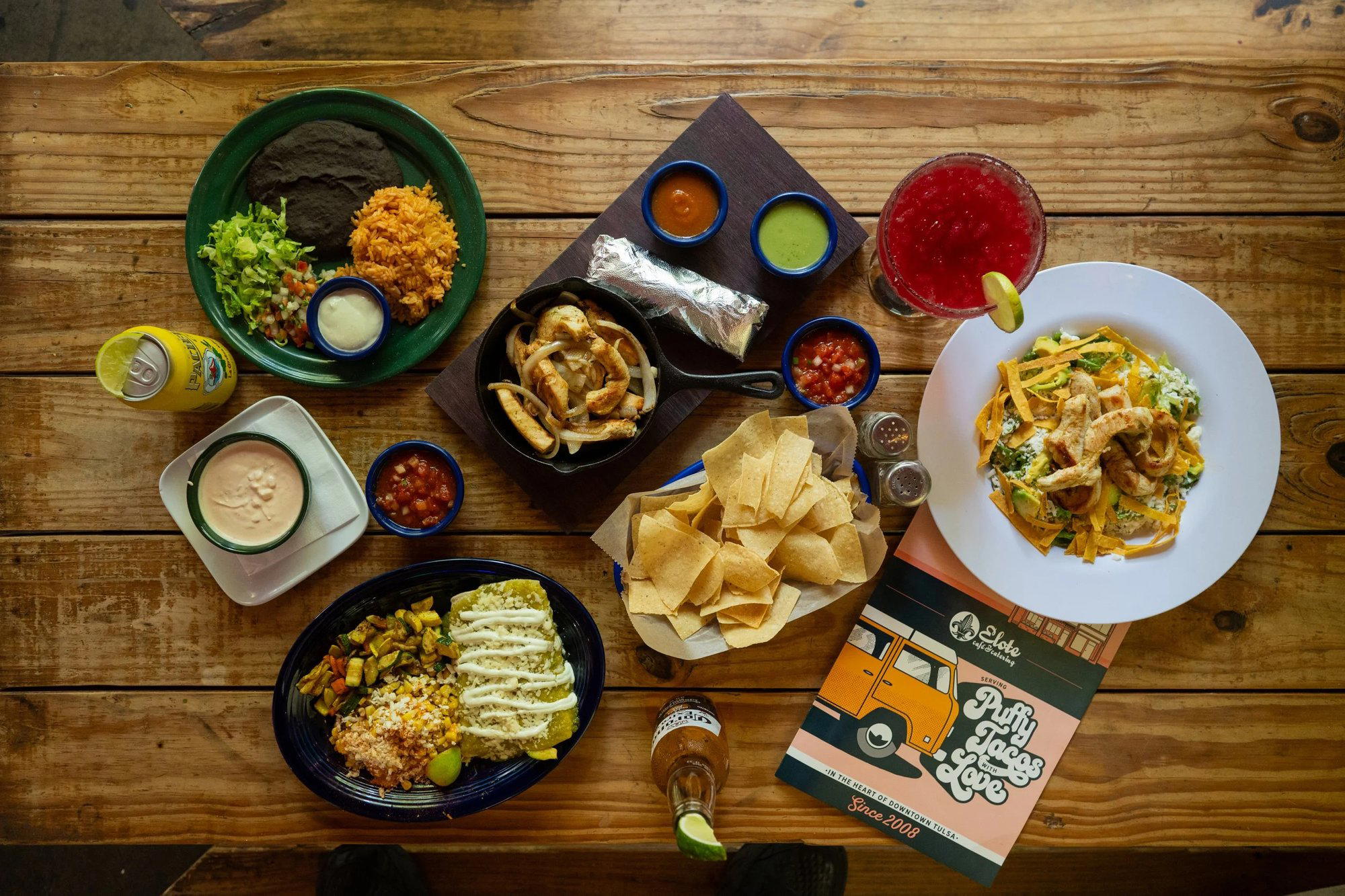
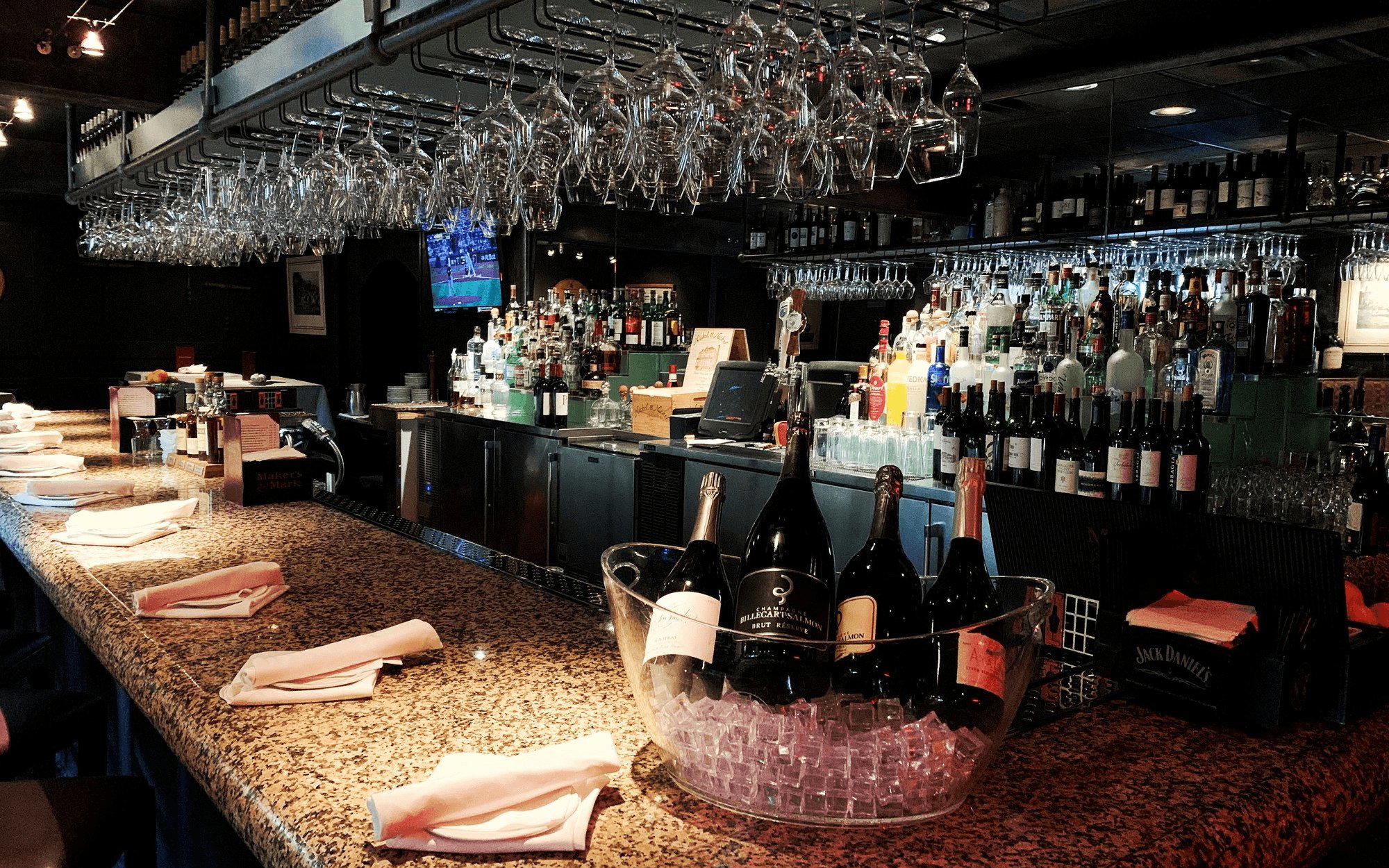
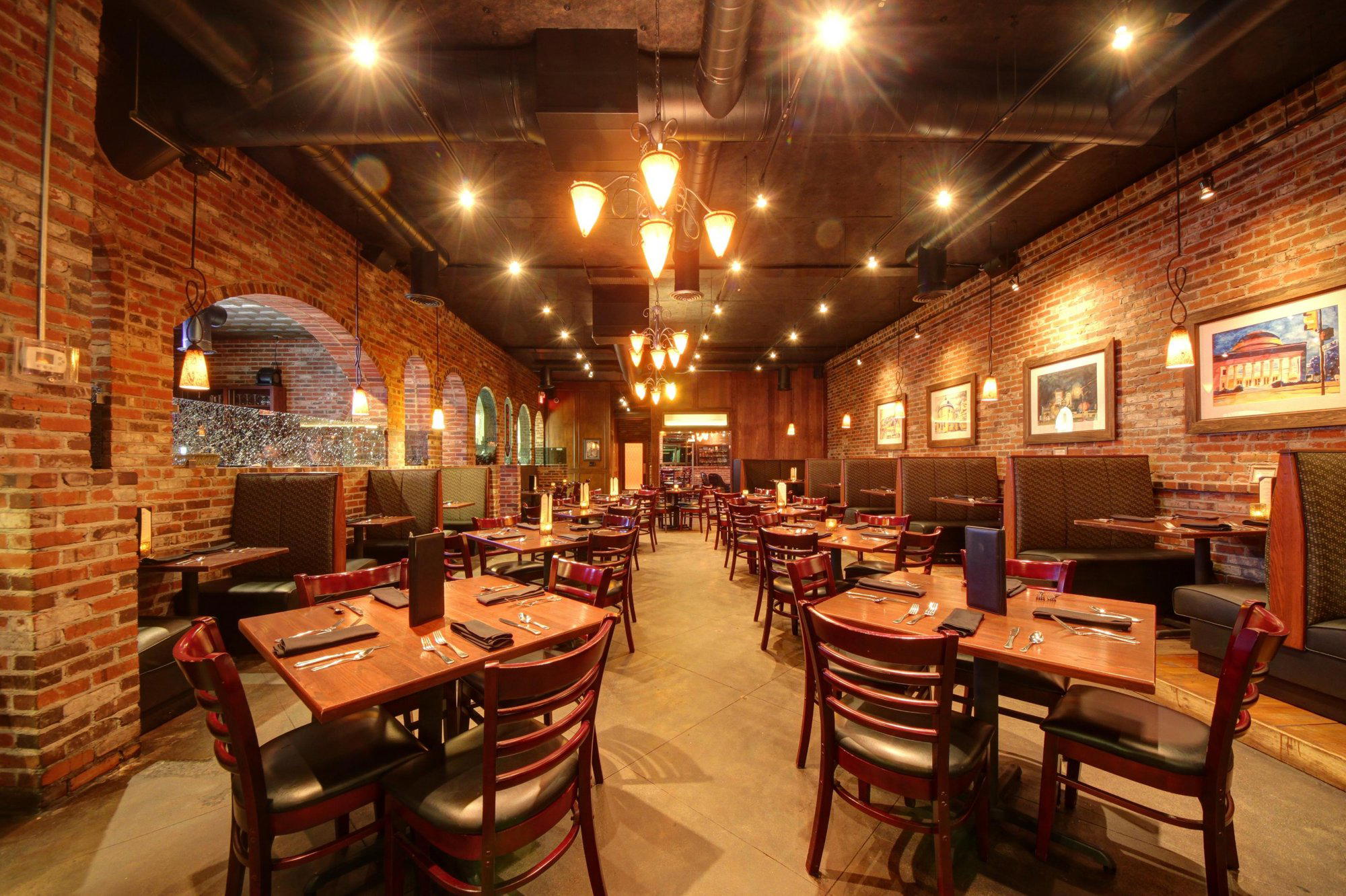
Inside, the atmosphere operates on the same register. There is no performance of authenticity through curated tilework or mezcal lists assembled by a certified specialist. The room functions as a backdrop for eating, which is precisely what the neighbourhood uses it for. Compared to somewhere like Elote Cafe and Catering, which occupies a more polished, chef-conscious position in Tulsa's Mexican dining conversation, El Rancho Grande sits firmly at the casual, community-anchored end of the spectrum.
Food and Drink as a Paired System
The editorial angle that matters most for a venue of this type is not the wine programme or the cocktail list. Mexican food at this register pairs most naturally with cold beer and agua frescas, the functional beverages that the cuisine was built around before craft cocktail culture inserted itself into every category of dining. The question worth asking about any Mexican restaurant operating in the Tex-Mex and regional comfort register is whether the food itself carries the pairing logic internally, through the balance of fat, acid, heat, and salt that makes the cuisine function as a coherent system.
Tex-Mex specifically, which developed along the Texas-Mexico border and became the dominant Mexican food register across the southern United States, is built around richness cut by acid. Refried beans, melted cheese, cumin-forward meat preparations, and flour tortillas form a flavour architecture that rewards cold, carbonated beverages and simple salsas with enough acidity to reset the palate between bites. A kitchen that understands this pairing logic does not need a formal beverage programme to deliver a complete eating experience. The food does the work.
In cities where the Mexican food conversation has pushed toward greater regional specificity, Oaxacan moles, Yucatecan cochinita, Veracruz-style seafood preparations, the Tex-Mex comfort tier sometimes gets undervalued by critics focused on sourcing credentials. Tulsa's dining scene sits in a different position. The demand for hyper-regional specificity is smaller here than in coastal cities, and the community that sustains places like El Rancho Grande is not making that particular trade-off. They are returning for the food they know, prepared with the consistency that neighbourhood restaurants earn over time.
For contrast, consider how the food-and-drink pairing question plays out at more cocktail-forward venues in other American cities. Julep in Houston anchors its programme to Southern spirits with a precision bar food philosophy. Kumiko in Chicago treats the food programme as a direct extension of the Japanese whisky and cocktail list. Superbueno in New York City has built a Mexican-adjacent food programme that integrates with an agave spirits focus at a level of intentionality that sits in an entirely different competitive tier. These comparisons are not criticisms of El Rancho Grande but clarifications of what kind of venue it is and what it is doing well within its own category.
Where El Rancho Grande Sits in Tulsa's Wider Dining Picture
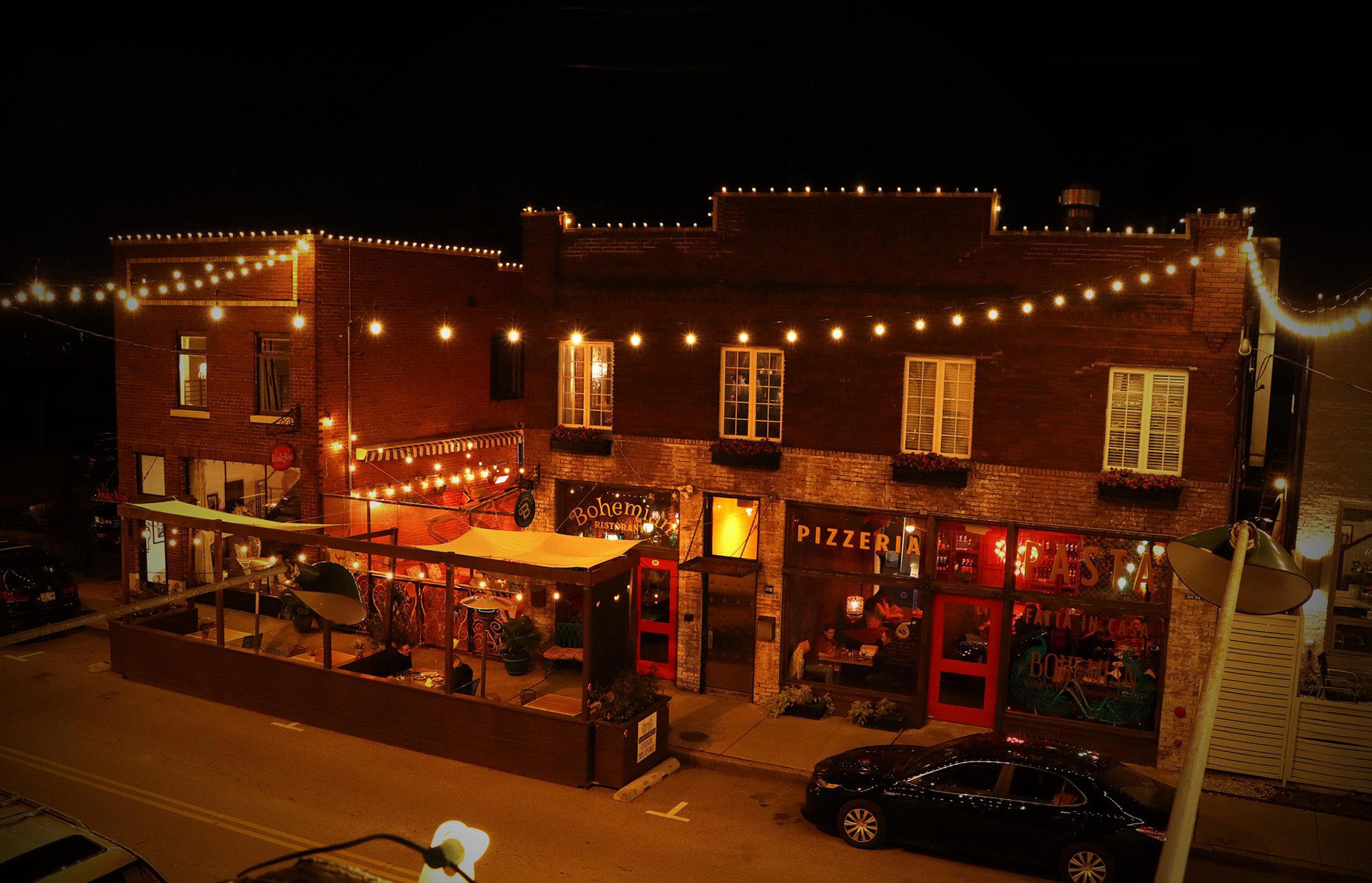
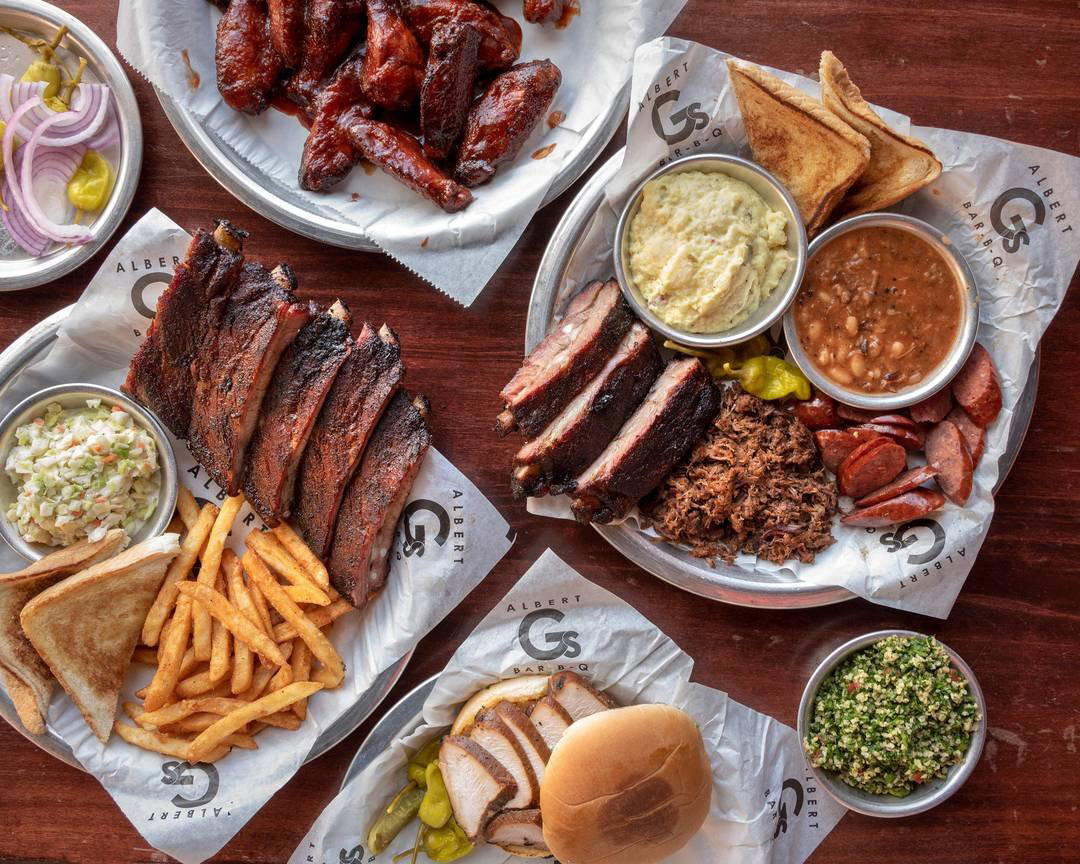
Tulsa's independent restaurant scene has broadened significantly over the past decade, with the East Village and the Brady Arts District generating newer openings across several categories. East Village Bohemian Pizzeria represents one kind of neighbourhood anchor, casual and local but with a more self-conscious identity. Albert G's Bar-B-Q holds a different kind of tenure, rooted in Oklahoma's barbecue tradition. Gigi's Chinese Cuisine sits in the same tier of established neighbourhood dining that has outlasted several waves of newer competition.
El Rancho Grande belongs to this cohort of long-established independents whose value is precisely their stability. In a dining market where new openings attract disproportionate attention, the venues that persist across decades, maintaining their address, their customer base, and their kitchen consistency, represent a different kind of achievement. East 11th Street has been an appropriate home for that kind of restaurant since before Tulsa's current dining conversation existed.
For visitors arriving in Tulsa with a broader regional appetite, Bar Leather Apron in Honolulu, Jewel of the South in New Orleans, ABV in San Francisco, and The Parlour in Frankfurt on the Main represent the kind of programme-driven, bar-forward venues that occupy a different position entirely. El Rancho Grande is not in conversation with that tier, and it does not need to be. Its frame of reference is East 11th Street and the Tulsa neighbourhood that has returned to it consistently enough to keep it on the map.
Practical planning for El Rancho Grande is direct: the address at 1629 E 11th St places it within easy reach of Tulsa's midtown, accessible by car and with street parking typical of the corridor. For a fuller picture of the city's dining options across price points and cuisine types, the full Tulsa restaurants guide covers the current spread of independents, newer openings, and neighbourhood anchors.
Local Peer Set
A short peer set to help you calibrate price, style, and recognition.
Continue exploring
More in Tulsa
Bars in Tulsa
Browse all →Restaurants in Tulsa
Browse all →Hotels in Tulsa
Browse all →At a Glance
- Classic
- Iconic
- Rustic
- Casual Hangout
- Group Outing
- Historic Building
- Seated Bar
- Booth Seating
- Classic Cocktails
Classic Tex-Mex with friendly service, TVs in cantina bar area, and comfortable seating.