SMOKE. Woodfire Grill
On East 15th Street in Tulsa's Midtown corridor, SMOKE. Woodfire Grill occupies a category that rewards patience: live-fire cooking in a city that takes its grilling seriously. The woodfire format positions it alongside open-flame traditions with wider regional reach, while its Midtown address places it within a stretch of independent dining that defines Tulsa's current restaurant character.

Pearl is the En Primeur Club membership app — saves, bookings, and concierge access live there. Same editors, same standards.
- Address
- 1542 E 15th St, Tulsa, OK 74120
- Phone
- (918) 949-4440
- Hours
- Mon–Thu 11 AM–9 PMFri 11 AM–10 PMSat 10 AM–10 PMSun 10 AM–9 PM
- Website
- smokewoodfiregrill.com
- Directions
- Get directions
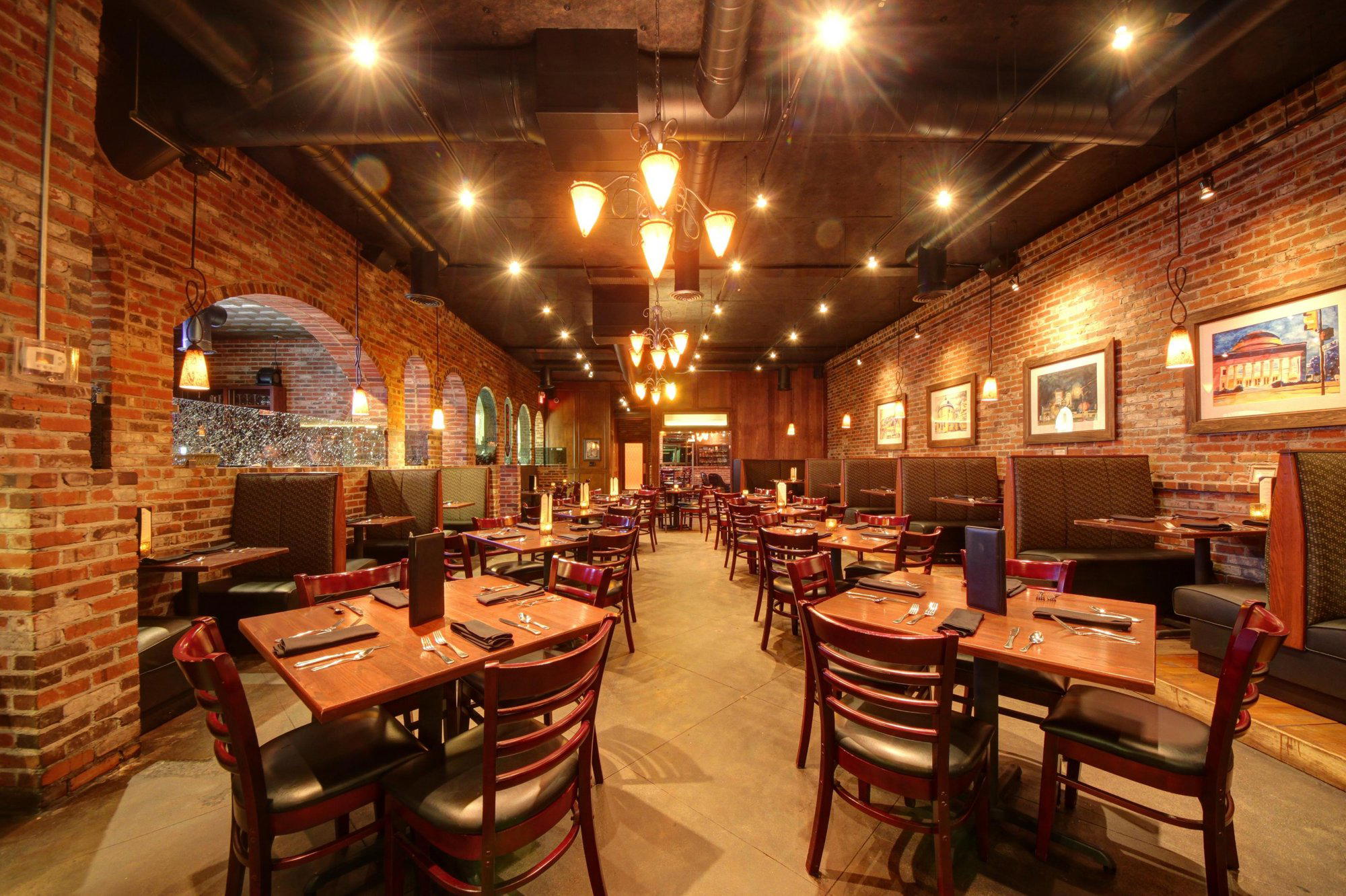
Where Midtown Tulsa Meets Open Fire
East 15th Street has become one of Tulsa's more reliable stretches for independent dining, a corridor where local operators have steadily displaced the chain-format dominance that still governs much of the city's suburban perimeter. SMOKE. Woodfire Grill sits at 1542 E 15th St, inside that Midtown band, and the address alone signals something about the restaurant's competitive positioning. This is not a highway-adjacent steakhouse or a mall-anchored concept. It occupies the kind of urban block where restaurants are chosen deliberately, where foot traffic still matters, and where the room itself carries as much weight as the menu.
The woodfire format is the defining structural choice here, and it is worth understanding what that means in practical terms. Cooking over live wood fire is not a shortcut to flavor; it demands constant attention to heat management, wood selection, and timing in ways that gas and electric kitchens simply do not. The smoke character that develops in a properly managed woodfire kitchen is not added at the end as a flourish. It is built into the cooking process from the moment proteins or vegetables meet the grate. In American dining, the live-fire tradition runs from Southern barbecue pits through Argentine asado influences and into the modern wood-grill format that has attracted serious culinary attention in cities like New York, Los Angeles, and Chicago. Tulsa's version of that tradition has its own lineage, one shaped by Oklahoma's ranching culture and the state's deep relationship with beef.
The Midtown Address as Context
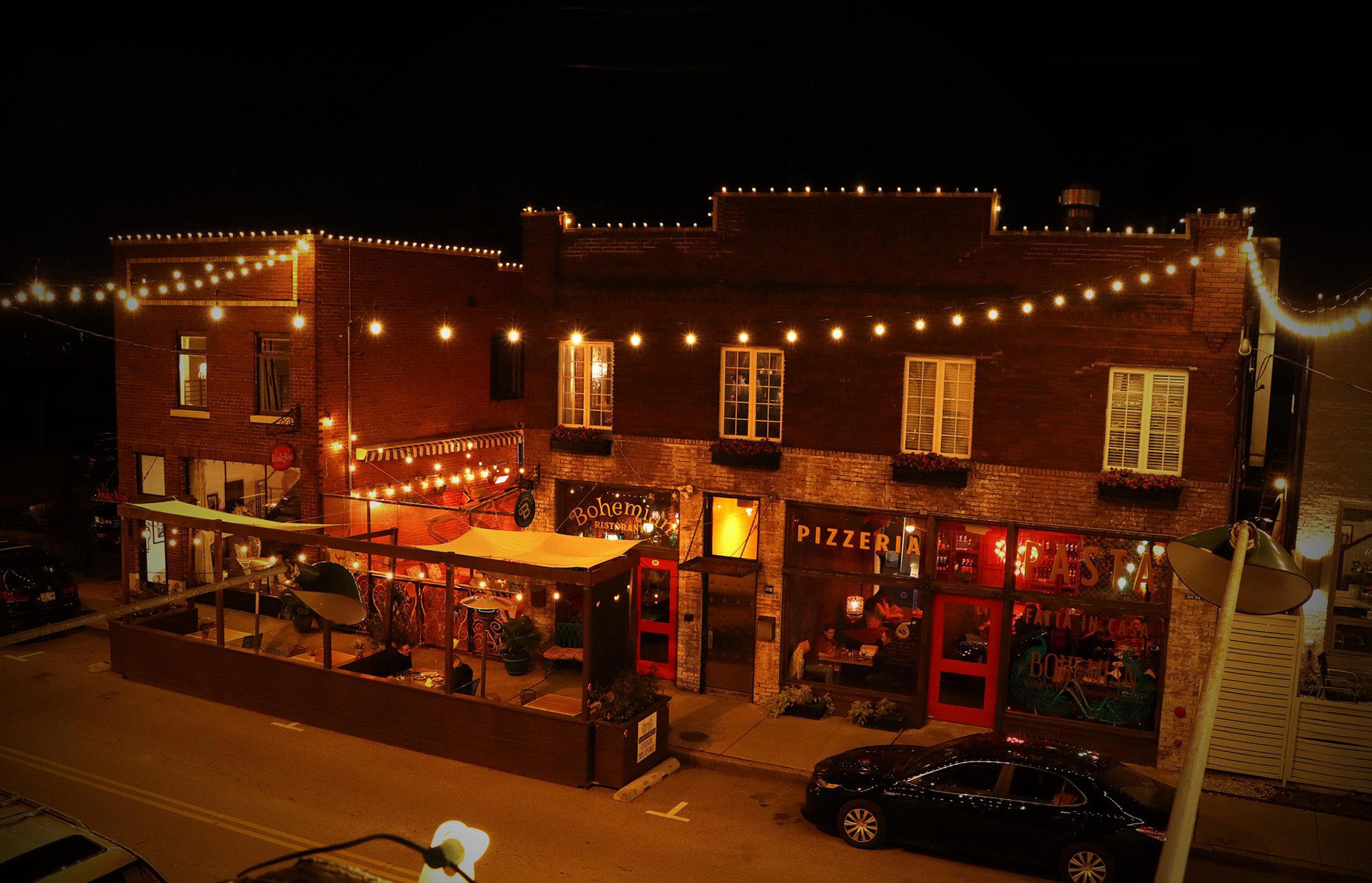
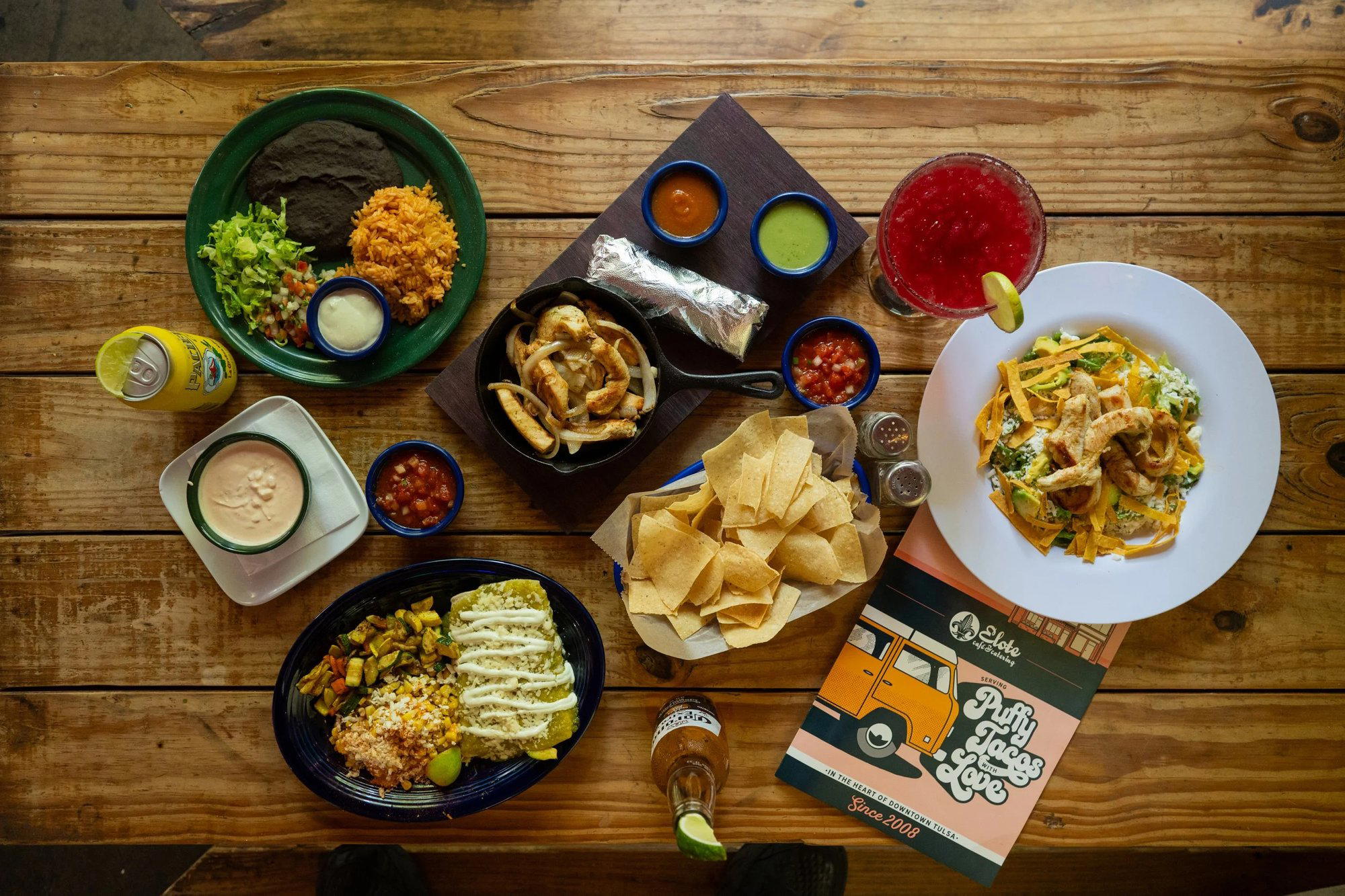
To understand SMOKE. in its neighbourhood context, it helps to map the dining ecosystem along and near East 15th. The corridor supports a range of formats: East Village Bohemian Pizzeria brings an independent, casual-creative energy to the area, while Elote Cafe & Catering represents the kind of regional Mexican cooking that has earned genuine local loyalty. Further afield, El Rancho Grande Mexican Food anchors a different demographic corner of the city's dining map. What connects these places is an orientation toward independent operation and a customer base that is choosing the experience with some intention. SMOKE. fits that pattern: a woodfire grill in this part of Midtown is not an accidental placement. The neighborhood's dining-literate audience is the target, and the format demands enough engagement from the kitchen that it would be misplaced in a lower-stakes strip-mall context.
Tulsa's broader dining scene has been developing in ways that track national trends roughly five to eight years behind the coastal curve, which in practice means the city is now absorbing formats, techniques, and sourcing philosophies that proved durable elsewhere rather than chasing the avant-garde. Woodfire cooking falls squarely into the durable category. The format peaked in media coverage around 2015 to 2019 in major American cities, and its establishment in mid-size markets like Tulsa now signals maturation rather than novelty. That is, in many ways, a more sustainable position. Restaurants built around genuine technique rather than trend-driven hype tend to outlast the moment that inspired them.
Live Fire in the American Heartland
Oklahoma's relationship with smoked and grilled meat predates the current restaurant industry's fascination with the format by generations. The state sits at a crossroads of Southern barbecue traditions moving up from Texas and Arkansas and a ranching culture that has always treated beef as central rather than occasional. Albert G's Bar-B-Q represents that longer-standing, pit-focused barbecue lineage in Tulsa. SMOKE. Woodfire Grill operates in adjacent but distinct territory: the woodfire grill format, as distinct from low-and-slow barbecue, tends toward higher heat, shorter cook times, and a more restaurant-service-compatible production model. The char and smoke still feature, but the approach aligns more closely with the Argentine parrilla tradition or the wood-grill steakhouse than with a traditional Oklahoma pit operation.
That distinction matters for how a visitor or local positions the restaurant in their rotation. A barbecue visit and a woodfire grill visit are not interchangeable. The first delivers smoke-saturated, time-intensive cuts served in a casual, often counter-service format. The second tends toward a more composed plate, a more controlled dining environment, and a broader menu scope that can include seafood and vegetables alongside the expected beef. Both have legitimate claim on the wood-and-smoke flavor profile, but they serve different occasions and different expectations.
Planning a Visit
SMOKE. Woodfire Grill is located at 1542 E 15th St, Tulsa, OK 74120, in a part of Midtown that is navigable by car with direct parking, and accessible enough on foot from nearby residential blocks to attract a neighbourhood-regulars dynamic alongside destination diners. For those building a broader Tulsa dining itinerary, the East 15th corridor rewards a half-day approach: lunch or early dinner at one address, drinks or a follow-on stop within walking distance. A full picture of what the city's independent restaurant scene currently offers is available in our full Tulsa restaurants guide.
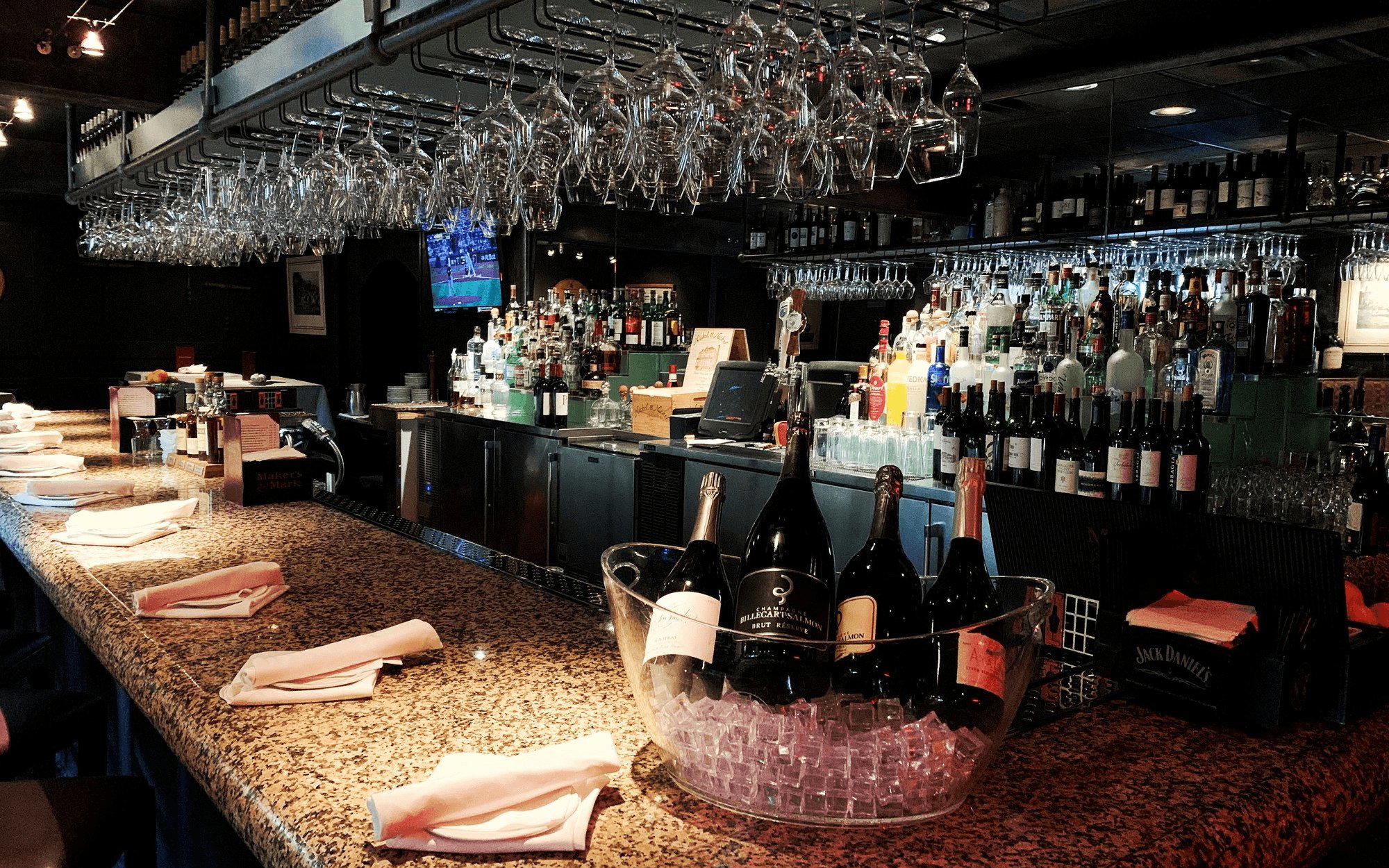
For context on how Tulsa's dining standards compare with bar and cocktail programs in other American cities, the range is instructive: Julep in Houston represents the Southern cocktail tradition at a high technical level, while Kumiko in Chicago and ABV in San Francisco set the benchmark for the precision-focused independent bar format in major markets. At the international end, Jewel of the South in New Orleans, Bar Leather Apron in Honolulu, Superbueno in New York City, and The Parlour in Frankfurt on the Main each represent what a focused, credentialed concept looks like at scale. Tulsa's independent dining scene, with venues like SMOKE. as its woodfire anchor, is developing toward that kind of category seriousness at its own pace.
A Lean Comparison
| Venue | Price |
|---|---|
| SMOKE. Woodfire GrillThis venue — the venue you are viewing | $50–100 |
| Mondo's Ristorante Italian | $30–50 |
| Albert G's Bar-B-Q | $20–30 |
| East Village Bohemian Pizzeria | $20–30 |
Continue exploring
More in Tulsa
Bars in Tulsa
Browse all →
Restaurants in Tulsa
Browse all →
Hotels in Tulsa
Browse all →
Details
- Rustic
- Cozy
- Elegant
- Date Night
- Special Occasion
- Booth Seating
- Private Rooms
Current opening hours
- Monday
- 11 AM–9 PM
- Tuesday
- 11 AM–9 PM
- Wednesday
- 11 AM–9 PM
- Thursday
- 11 AM–9 PM
- Friday
- 11 AM–10 PM
- Saturday
- 10 AM–10 PM
- Sunday
- 10 AM–9 PM
Hours can change for holidays and private events. Last verified .
Rich wood tones, exposed brick, diamond tufted leather booths, exposed concrete floors, and controllable lighting create a rustic yet upscale atmosphere.