Gigi's Chinese Cuisine
Gigi's Chinese Cuisine on South Yale Avenue sits inside Tulsa's wider story of neighborhood dining that outlasts trends by serving a consistent community rather than chasing critical attention. The South Yale corridor runs through one of Tulsa's more established commercial strips, where longevity itself signals something about a restaurant's relationship with its regulars. For visitors working through the city's dining options, Gigi's represents the Chinese-American tradition that midsize Oklahoma cities have quietly sustained for decades.
Pearl is the En Primeur Club membership app — saves, bookings, and concierge access live there. Same editors, same standards.
- Address
- 7105 S Yale Ave, Tulsa, OK 74136
- Phone
- +1 918 992 5822
- Website
- facebook.com
- Directions
- Get directions
 Saves & bookings on Pearl
South Yale and the Quiet Persistence of Chinese-American Dining in Tulsa
Tulsa's restaurant geography tends to cluster around a handful of commercial corridors, and South Yale Avenue is one of the city's most durable. The stretch around 71st Street mixes longtime neighborhood staples with newer arrivals, and the mix tells you something useful: longevity here is earned through repeat business from nearby residents, not through critical buzz or destination-dining positioning. Gigi's Chinese Cuisine, at 7105 S Yale Ave in Tulsa, is a casual Chinese bar that is walk-in friendly and located inside that pattern. Its address alone places it in a part of the city where restaurants survive by being reliably good to the people who return every week, not by chasing the kind of attention that drives a single spike in reservations and then fades.
The broader context matters here. Chinese-American cuisine in midsize American cities occupies an interesting position in the current dining conversation. On the coasts, the category has bifurcated sharply between regional-specialist restaurants drawing serious critical attention and neighborhood takeout operations serving comfort food that hasn't changed in thirty years. In cities like Tulsa, that bifurcation is less pronounced. The neighborhood Chinese restaurant functions differently: it holds a social role as much as a culinary one, anchoring a block of regulars who measure a restaurant not against a Michelin reference but against their own accumulated memory of the place.
What the South Yale Setting Communicates
Approaching a restaurant on a commercial strip like South Yale, you read the room before you enter it. The surrounding retail mix, the parking lot, the signage age: all of it communicates something about who the restaurant is for and how it understands its own position. Gigi's sits in a stretch that draws from the neighborhoods to the south and east of downtown Tulsa, areas with a more suburban residential character than the arts districts closer to the urban core. That context shapes expectations usefully. This is not a place positioning itself against the cocktail-forward, design-led venues that have opened in the Brady Arts District or the Blue Dome area. It operates on a different logic, one where the dining room feels familiar rather than curated, and where the measure of a good visit is satisfaction rather than discovery.
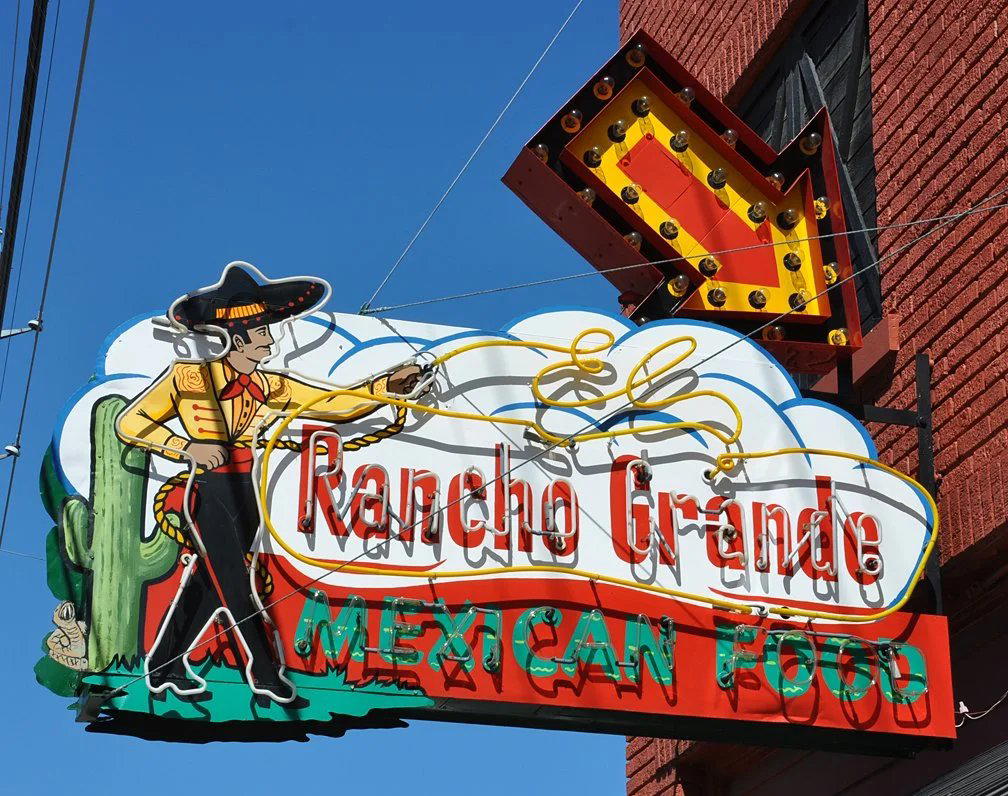
For travelers comparing Tulsa's options, the city's most discussed dining addresses tend to cluster around barbecue and Mexican food, both categories with deep local roots. Albert G's Bar-B-Q represents the smoked-meat tradition that Tulsa takes seriously, while El Rancho Grande Mexican Food belongs to the city's long-established Mexican dining scene. Chinese cuisine sits alongside these as part of the everyday dining fabric rather than as a destination category, which means venues like Gigi's are measured by different criteria: consistency, value, and the ability to deliver on a familiar menu without surprises of the wrong kind.
The Drink Question in a Neighborhood Chinese Context
The editorial angle on cocktail programming is worth addressing directly when the venue in question is a neighborhood Chinese restaurant in Tulsa, Oklahoma. The serious cocktail program, with its clarified spirits, house-made bitters, and bartender-as-auteur framing, is a phenomenon concentrated in specific urban contexts. Venues like Kumiko in Chicago, Jewel of the South in New Orleans, Bar Leather Apron in Honolulu, and Julep in Houston represent a particular tier of cocktail ambition that requires both the creative infrastructure and the customer base willing to pay for it. ABV in San Francisco, Superbueno in New York City, and The Parlour in Frankfurt operate in that same register, where the drink list is itself the editorial statement.
Gigi's is not in that conversation, and that distinction is genuinely useful information for a reader deciding how to spend an evening. Chinese-American restaurants at the neighborhood level typically offer beer and wine at accessible price points, with the occasional Chinese beer or simple cocktail on the list. The drink program functions as a support element for the food rather than as a parallel attraction. For the segment of diners who make their first venue decision based on what they want to drink, this shapes the calculus significantly. The food is the reason to visit; the drinks will be adequate to the occasion.
Placing Gigi's in Tulsa's Wider Dining Conversation
Tulsa's dining scene has evolved in ways that receive less national coverage than comparable-sized cities in trendier markets, but the underlying development is real. The Brady Arts District and the wider Midtown area have attracted restaurants with more deliberate culinary positioning, including East Village Bohemian Pizzeria and Elote Cafe and Catering, which bring specific culinary points of view to their categories. Gigi's operates in a different register, representing the longer-established layer of the city's dining fabric that predates the current wave of chef-driven openings.
That layer matters for a complete picture of how a city eats. The neighborhood Chinese restaurant is among the more durable formats in American dining, surviving economic cycles and food trend rotations because it serves a need that is partly about food and partly about habit, familiarity, and the particular comfort of a place that knows its regulars. South Yale Avenue has that kind of restaurant ecosystem, and Gigi's functions as part of it.
For practical planning: South Yale is accessible by car from most of Tulsa's residential areas, and parking at the strip-mall scale of this corridor is generally uncomplicated. The address at 71st and Yale places it conveniently for visitors staying in the southern parts of the city rather than those based near downtown. Specific hours are Monday through Saturday, 11 AM to 2:30 PM and 4:30 to 9 PM; Sunday is closed.
At-a-Glance Comparison
Comparable venues nearby, for context on price, style, and recognition.
| Venue | Cuisine | Price | Notes |
|---|---|---|---|
| Gigi's Chinese CuisineThis venue — the venue you are viewing | Bar | $$ | Not listed |
| Albert G's Bar-B-Q | sports_bar | $$ | Blue Dome District |
| Elote Cafe & Catering | lounge | $$ | Downtown Tulsa |
| PRHYME: Downtown Steakhouse | lounge | $$$$ | Brady Arts District |
| Juniper Restaurant | cocktail_bar | $$$ | downtown |
| SMOKE. Woodfire Grill | lounge | $$$ | Cherry Street |
Continue exploring
More in Tulsa
Bars in Tulsa
Browse all →
Restaurants in Tulsa
Browse all →
Hotels in Tulsa
Browse all →
At a Glance
Current opening hours
- Monday
- 11 AM–2:30 PM, 4:30–9 PM
- Tuesday
- 11 AM–2:30 PM, 4:30–9 PM
- Wednesday
- 11 AM–2:30 PM, 4:30–9 PM
- Thursday
- 11 AM–2:30 PM, 4:30–9 PM
- Friday
- 11 AM–2:30 PM, 4:30–9 PM
- Saturday
- 11 AM–2:30 PM, 4:30–9 PM
- Sunday
- Closed
Hours can change for holidays and private events. Last verified .