Cure



A Freret Street institution since 2009, Cure operates out of a converted horse and carriage firehouse and has maintained a position among North America's most recognised bars for over a decade. Its 2025 World's 50 Best North America ranking (#50) confirms continued relevance in a cocktail city that demands more than novelty. For serious drinkers, this is where New Orleans' classic cocktail revival took root.
 Discover on Pearl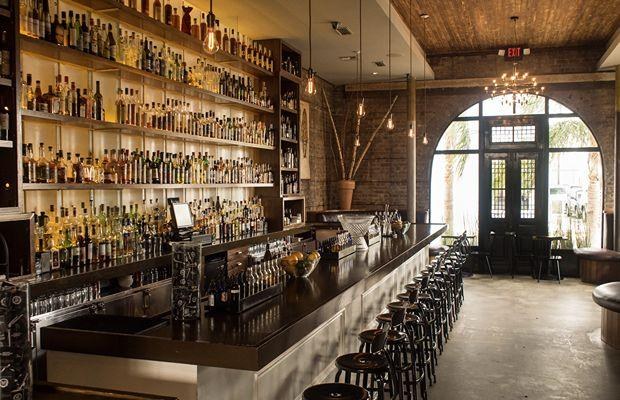
Freret Street Before the Crowds Arrived
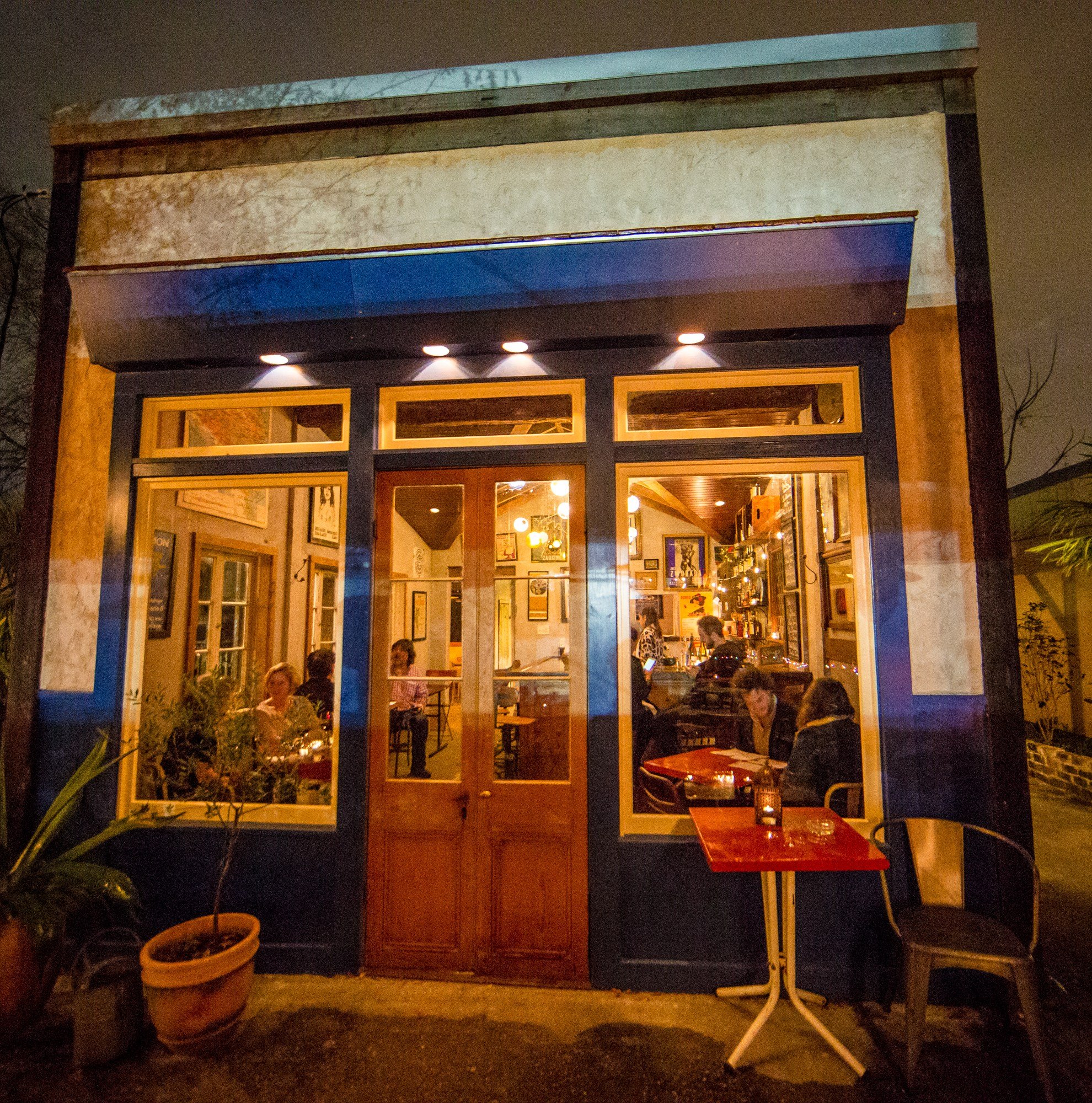
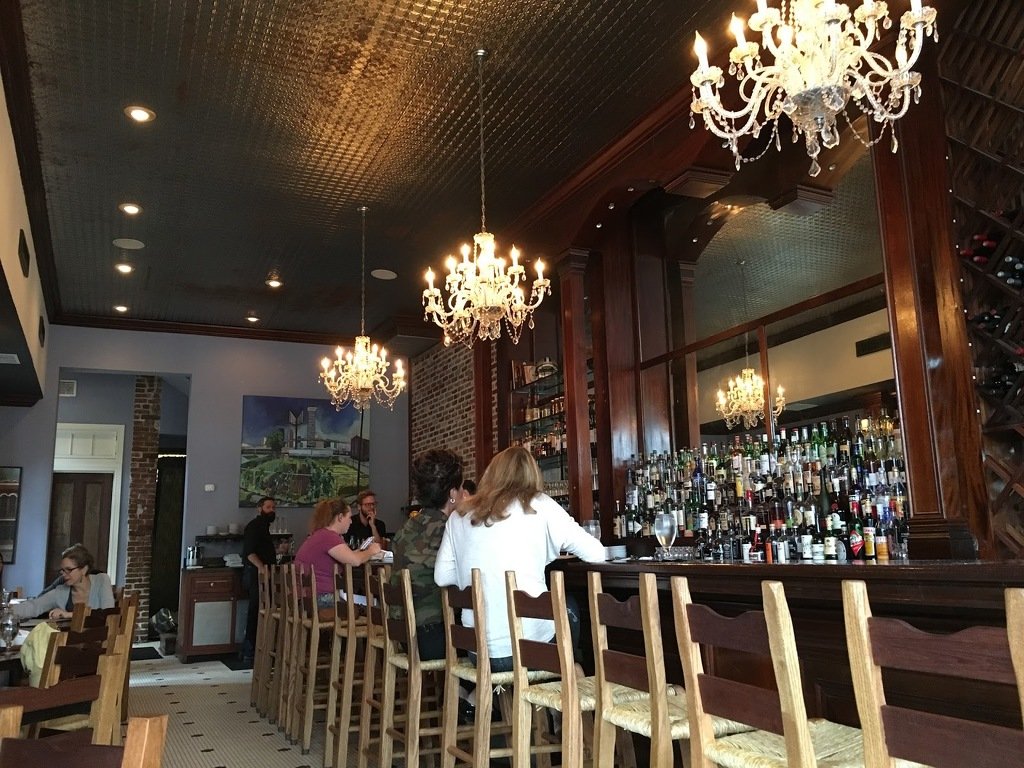
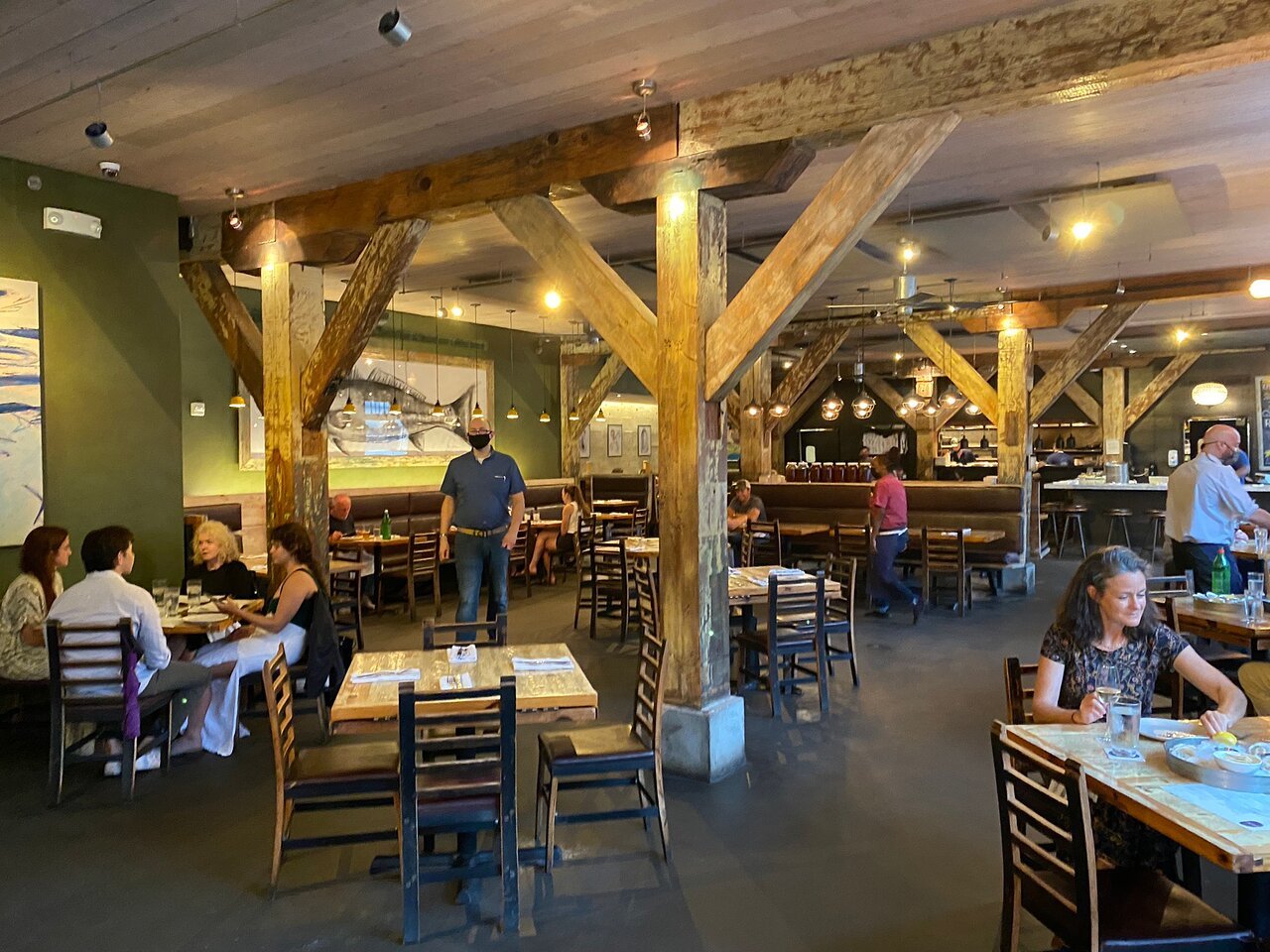
The building at 4905 Freret Street has a past that predates the cocktail program by a century or more. The renovated horse and carriage firehouse carries the particular density of old New Orleans construction: high ceilings, thick walls, a structure that was built to contain something powerful. That physical inheritance shapes the atmosphere before a single drink is ordered. Freret Street itself underwent a significant transformation in the years after Hurricane Katrina, shifting from a corridor of vacant lots and shuttered storefronts into one of the city's most active neighbourhood strips. Cure arrived early in that shift, and the bar's longevity is partly a story about a neighbourhood finding its footing and a cocktail program that grew alongside it.
Fifteen Years Inside the Classic Cocktail Revival
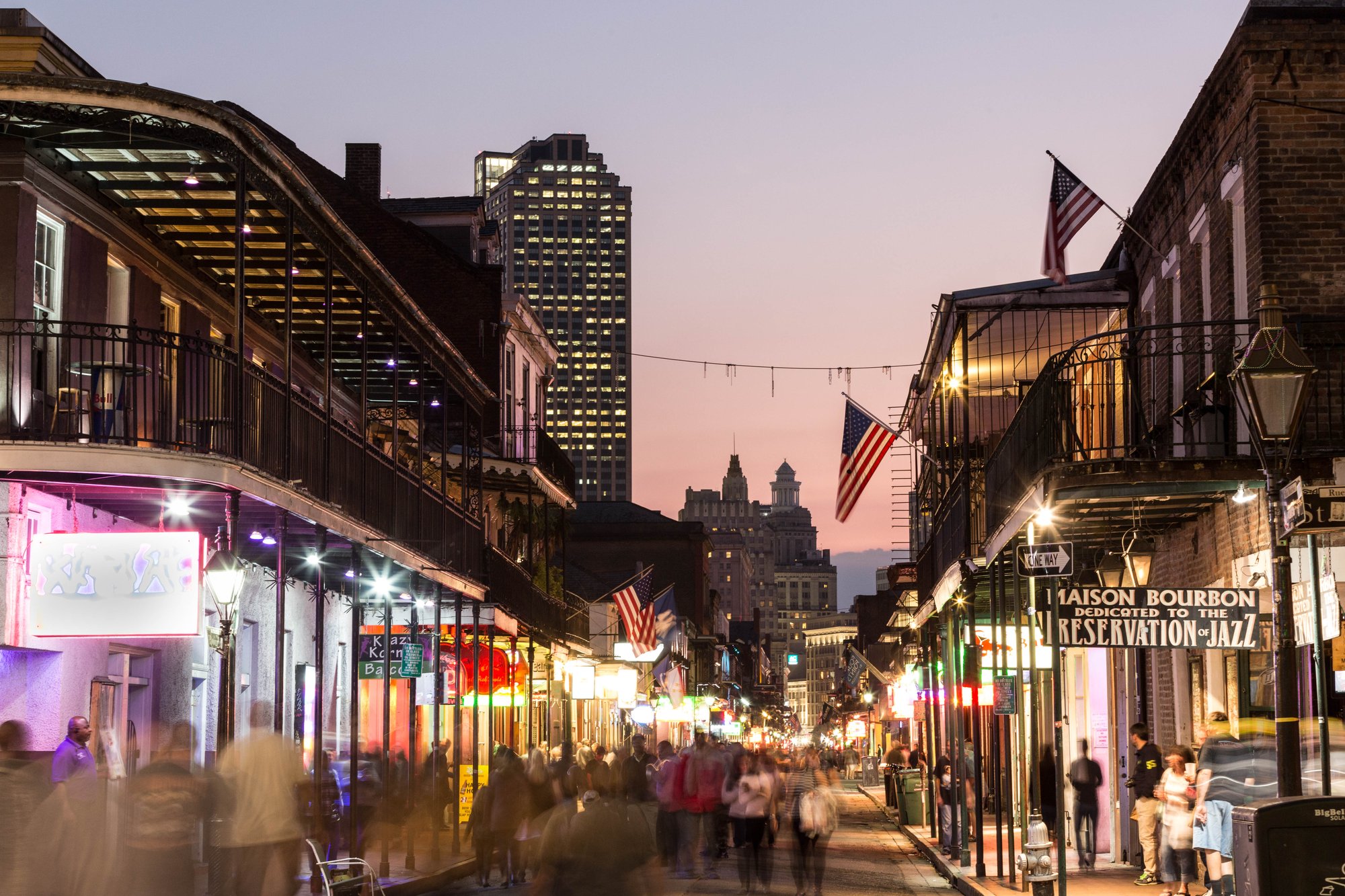
New Orleans has always carried a complicated relationship with its own drinking culture. The city claims the Sazerac, the Brandy Crusta, and the Ramos Gin Fizz as part of its civic identity, yet for much of the late twentieth century, the most visible version of New Orleans drinking meant Hand Grenade novelty cups on Bourbon Street rather than any serious engagement with those historical recipes. The classic cocktail revival that swept American bar culture in the mid-2000s found particularly fertile ground here precisely because the source material was already local. Bars that committed to that tradition weren't importing an idea from New York or London; they were, in a sense, recovering something that had always been present.
Cure opened in 2009 and positioned itself inside that recovery project from the start. Over fifteen years, the bar has moved from being a new entrant in a nascent scene to something closer to institutional infrastructure for serious cocktail drinking in the city. That arc is uncommon. Many bars that define a moment in cocktail culture either evolve into something unrecognisable or lose momentum as the scene matures around them. Cure has done neither, and its sustained presence on international ranking lists is the clearest evidence of that consistency.
What the Rankings Actually Say
Cure's record on the World's 50 Best Bars lists is worth reading carefully rather than simply citing. The bar appeared at #43 on the global list in 2014, which placed it among a cohort of programs that were actively shaping how the industry understood classic cocktail technique at that moment. More than a decade later, it holds a #50 position on the North America-specific list in 2025, having ranked #47 in 2024 and #36 in 2023. The Top 500 Bars index places it at #309 globally in 2025.
The directional movement on the North America list over three years reflects how competitive that tier has become as serious cocktail programs have proliferated across the continent. What the record as a whole demonstrates is that Cure has maintained ranking-level recognition for over a decade across two different ranking formats, something that separates it from bars that achieve a single year of visibility. For context, North American bars that appear on these lists with that kind of longitudinal consistency are a small group. Julep in Houston, Kumiko in Chicago, and Allegory in Washington, D.C. occupy similar territory in their respective cities, each anchoring a local scene while maintaining international recognition. ABV in San Francisco and Superbueno in New York City represent the coastal equivalent, bars that hold a defining position within cities already saturated with serious programs.
Internationally, bars like The Parlour in Frankfurt on the Main and Bar Leather Apron in Honolulu suggest a pattern: the bars that sustain ranking presence tend to be those rooted in specific local traditions rather than chasing global cocktail trends. Cure fits that pattern precisely.
Cure Inside New Orleans' Cocktail Ecosystem
The New Orleans bar scene operates across several distinct registers, and understanding where Cure sits requires locating it within that range. The French Quarter maintains its own ecosystem: Jewel of the South works the historic cocktail tradition from a different angle, while the Carousel Bar and French 75 Bar serve a tourist-adjacent audience that is larger but less technically focused. Tiki programming has a serious local representative in Beachbum Berry's Latitude 29, which operates in an entirely different category. Cure's position on Freret Street places it at some remove from the Quarter's foot traffic, which has historically meant a more local and intentional clientele.
That geographic separation is not incidental. Bars that operate outside tourist corridors in New Orleans tend to develop a different relationship with their neighbourhood, and Cure's fifteen-year presence has made it a fixture for residents of Uptown and the surrounding areas in a way that Quarter bars rarely achieve. The 4.4 rating across 807 Google reviews suggests a broad base of regular visitors alongside the international cocktail crowd that tracks ranking lists.
The broader Freret Street strip now includes enough independent businesses that the neighbourhood functions as a destination in its own right. Above The Grid represents the kind of adjacent programming the street supports, and 2 Phat Vegans indicates how the food and drink offer on the strip has diversified beyond any single category. For visitors building an evening around Freret Street rather than the Quarter, Cure functions as the anchor.
The Hospitality Standard
The awards language attached to Cure references not just classic cocktails but hospitality as a distinct value. In bar culture, hospitality means something specific: the degree to which a program makes guests feel informed and comfortable rather than tested or excluded. This matters particularly in technically ambitious bars, where the gap between the knowledge level of the staff and the knowledge level of the average visitor can produce an atmosphere that feels more like an examination than a night out.
New Orleans as a city has a hospitality tradition that runs deeper than most American markets, rooted in the service culture of the French Quarter hotels and the city's long history as a place where strangers are received rather than assessed. Bars that succeed over long periods in this city tend to absorb some of that orientation, whatever their technical ambitions. Cure's fifteen-year record in a neighbourhood rather than a tourist zone suggests it has managed the balance between program seriousness and genuine welcome that defines bars with real staying power.
Know Before You Go
- Address: 4905 Freret St, New Orleans, LA 70115
- Neighbourhood: Freret Street, Uptown New Orleans
- Setting: Renovated horse and carriage firehouse
- Recognition: World's 50 Best North America #50 (2025), #47 (2024), #36 (2023); Top 500 Bars #309 (2025); World's 50 Best Global #43 (2014)
- Google Rating: 4.4 from 807 reviews
- Years Operating: 15+ years (opened 2009)
- Walk-ins: Walk-in friendly as a neighbourhood bar; no advance booking required for most visits, though busy weekends can see a wait
- Getting There: Freret Street is accessible by streetcar (St. Charles line) and rideshare; limited street parking available in the surrounding blocks
Price and Positioning
A fast peer set for context, pulled from similar venues in our database.
| Venue | Price | Awards | Notes |
|---|---|---|---|
| Cure | World's 50 Best | This venue | |
| Jewel of the South | World's 50 Best | ||
| Beachbum Berry's Latitude 29 | World's 50 Best | ||
| Cane & Table | |||
| The Carousel Bar | |||
| The French 75 Bar |
Continue exploring