Paper Plane
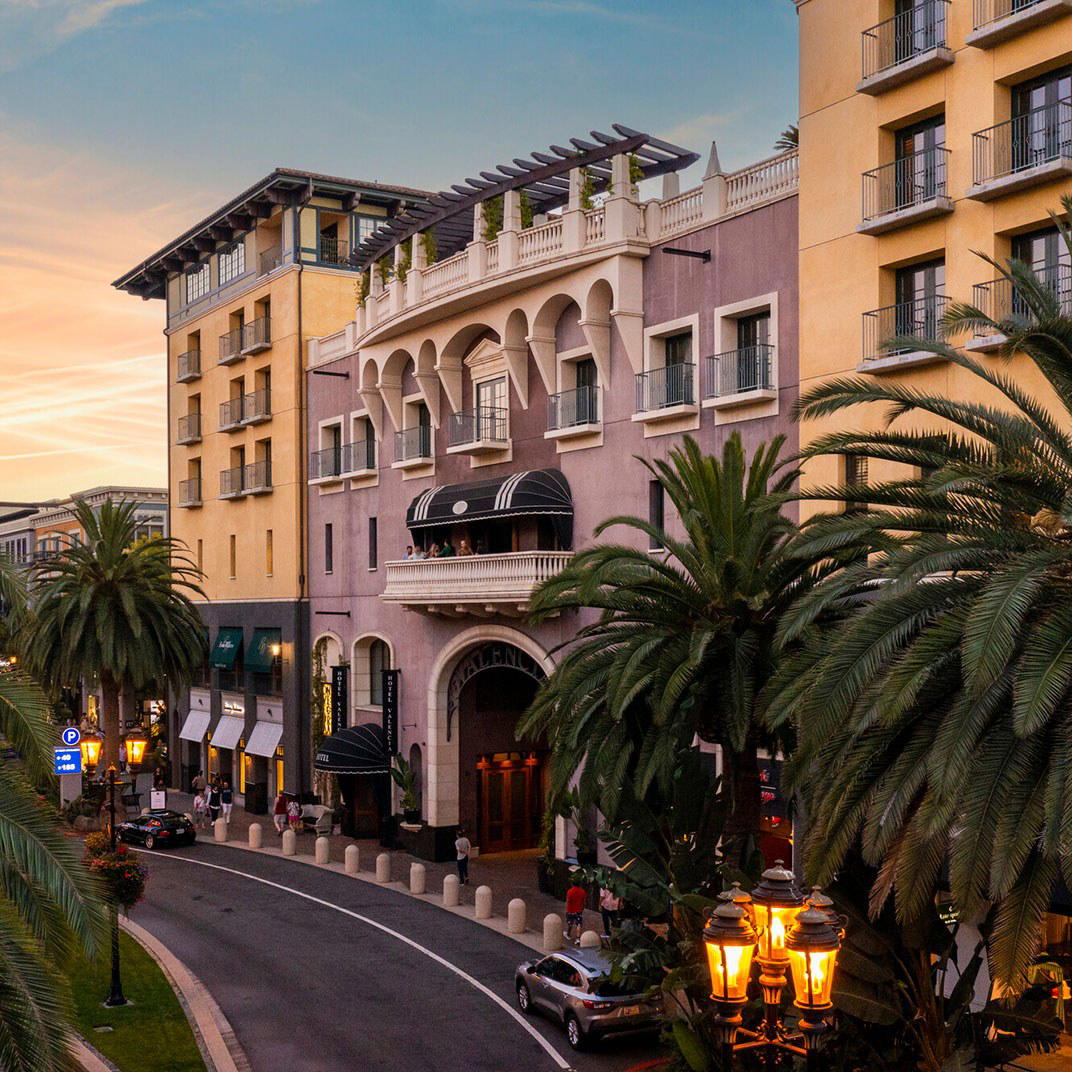
On South First Street in downtown San Jose, Paper Plane occupies a spot inside a bar scene that has grown more technically serious over the past decade. The address at 72 S 1st St places it within walking distance of the city's main cultural corridor, making it a practical anchor for an evening that moves between drinks and dinner in the SoFA district.

Pearl is the En Primeur Club membership app, where members save venues, book tables and use the concierge.
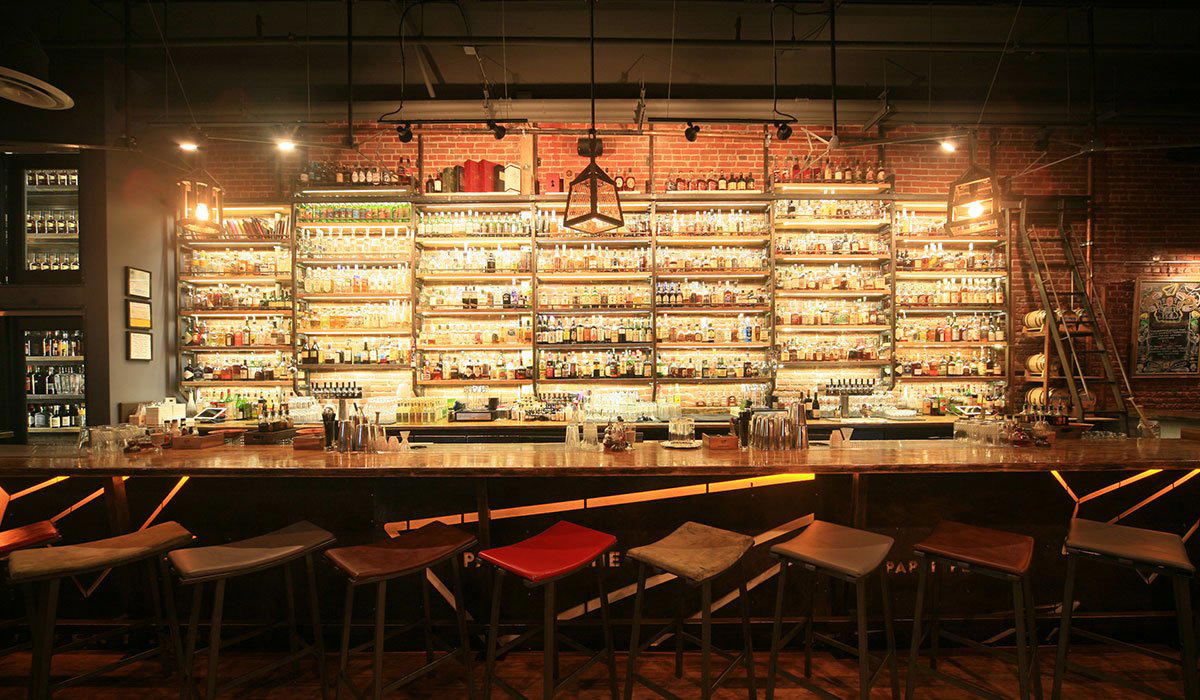
South First Street and the Bar Program It Produced
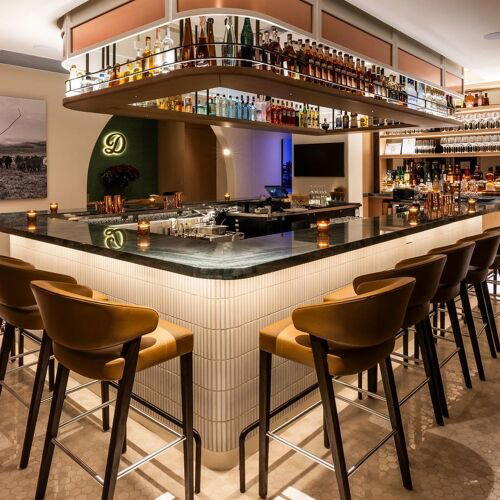
Downtown San Jose's South First Street corridor has a specific character: independent, late-night, and increasingly intent on doing things properly. The stretch running south from Santa Clara Street has accumulated bars, galleries, and restaurants that skew local rather than tourist-facing, and the bars in particular have developed a seriousness about what goes into the glass. Paper Plane, at 72 S 1st St, belongs to this corridor in a way that tells you something useful about where San Jose's drinking culture has moved. The room announces itself before the menu does: a space that reads as considered rather than decorated, where the noise level allows conversation and the lighting sits at the intersection of functional and atmospheric.
American bar culture broadly has shifted away from the ironic speakeasy format, the unmarked door, the password, the deliberately inaccessible premise, and toward programs that justify themselves through what they actually serve. Paper Plane operates on that side of the shift. The name itself references the aviation cocktail family, a signal of a bar that expects its guests to know their drinks or be willing to learn.
Where the Sourcing Argument Lives in a Cocktail Bar
Ingredient sourcing in cocktail bars tends to get less critical attention than it does in kitchens, but the logic is identical: the quality of what goes in determines the ceiling of what comes out. For a bar operating in a California city with direct access to one of the most ingredient-rich agricultural regions in the country, that ceiling sits higher than in most places. The Central Valley and the Bay Area's immediate agricultural hinterland produce citrus, stone fruit, and herbs at a quality that makes fresh-squeezed juice and in-house syrups a baseline expectation rather than a differentiator at serious bars.
San Jose's position within this geography matters. The city sits at the southern end of the Bay, close enough to Sonoma and Napa for spirits sourcing relationships, and within the kind of distribution network that makes small-batch American producers accessible. Bars in this position that choose to use those relationships produce drinks that taste like the place they're made in, a quality that distinguishes West Coast cocktail programs from their counterparts in cities without the same agricultural proximity. Comparisons to programs like Kumiko in Chicago or Jewel of the South in New Orleans are instructive: those bars have built reputations on the depth of their ingredient sourcing and the precision with which that sourcing translates into the glass.
The SoFA District Context
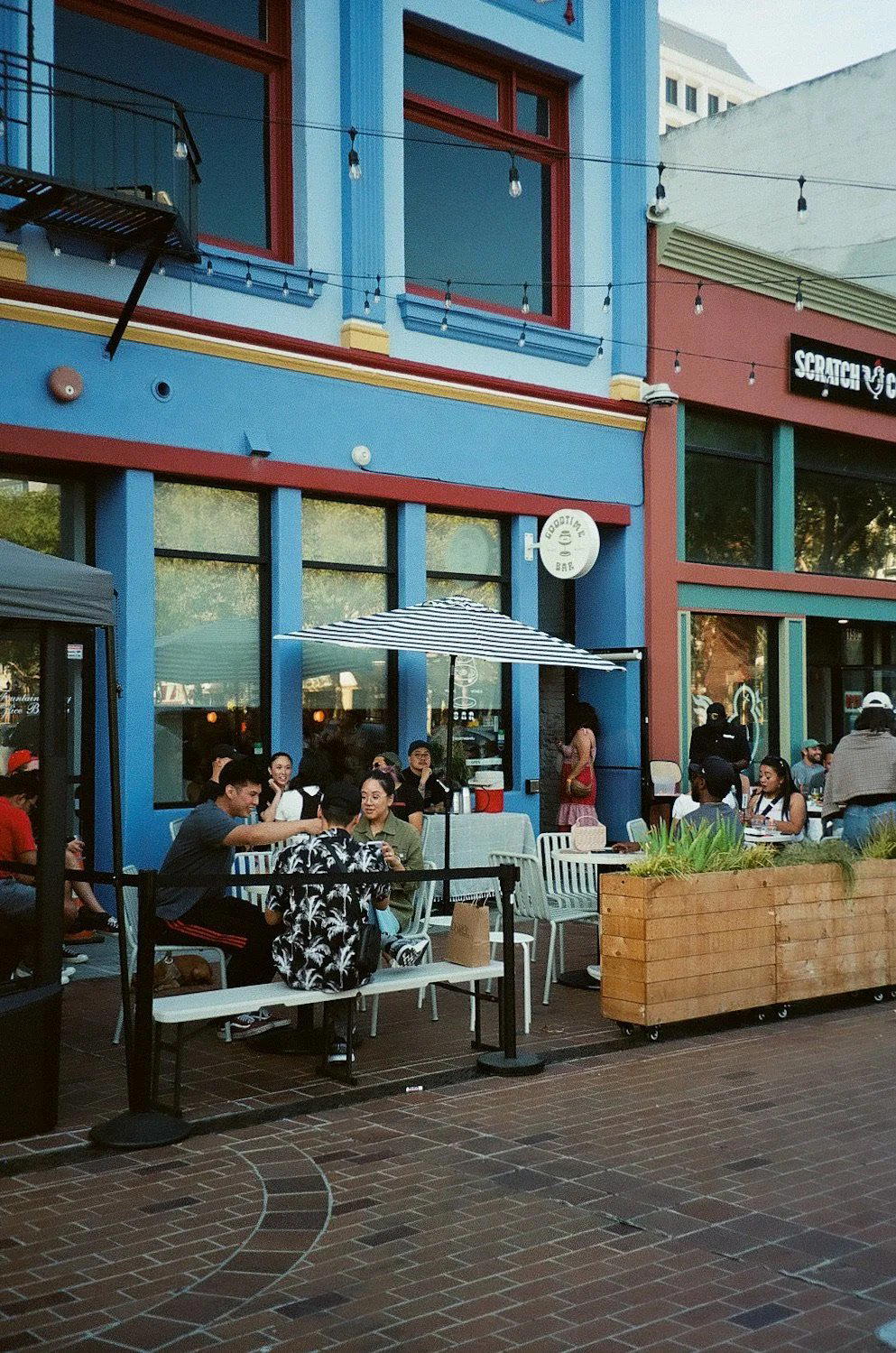
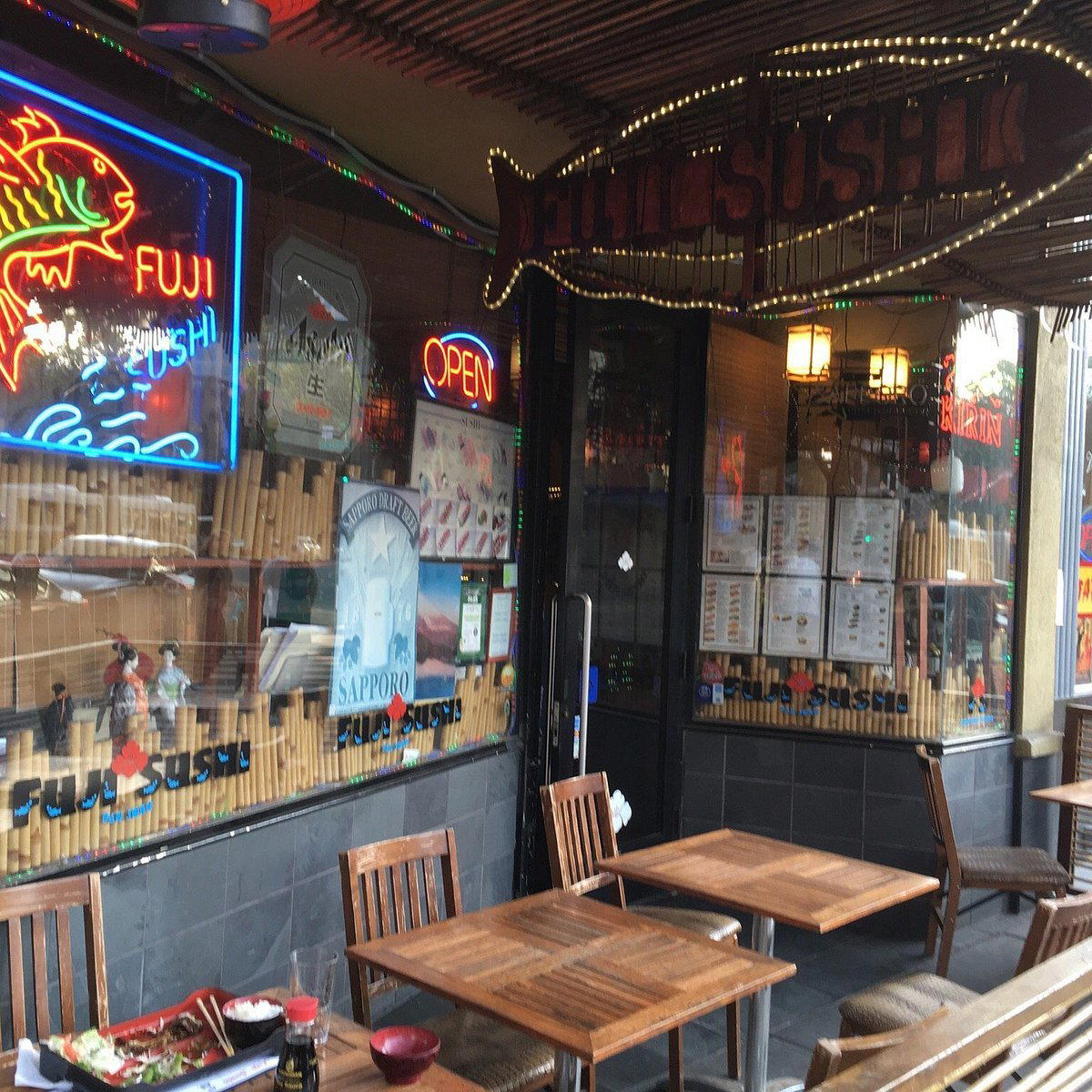
Paper Plane's address puts it inside San Jose's SoFA (South of First Area) district, which functions as the city's most active zone for independent hospitality. The district has enough density that an evening can move between several stops without requiring transport. Angelou's Mexican Grill and Cha Cha Sushi operate nearby, and the broader area includes Eos and Nyx and Fuji, giving the neighborhood a range that spans cuisine types and price points. That density is what makes downtown San Jose function as an actual dining and drinking district rather than a loose collection of individual destinations.
For a city of San Jose's size, the tenth-largest in the United States by population, the downtown bar scene has historically punched below its weight relative to San Francisco. The shift mirrors patterns visible in other American cities where a secondary market develops a distinct identity rather than simply mirroring its dominant neighbor. For reference, that dynamic plays out similarly between Houston and Dallas, or between Honolulu's Chinatown and Waikiki. Bar Leather Apron in Honolulu offers a useful comparison: a technically serious program operating in a city that tends to get overshadowed by its tourist-facing reputation.
How Paper Plane Sits in a National Bar Conversation
The American cocktail bar category has developed a recognizable typology at the serious end of the market: small-production spirits programs, citrus-forward builds, menus organized by spirit family or flavor profile rather than by occasion, and a service style that informs without lecturing. Julep in Houston, Superbueno in New York City, and The Parlour in Frankfurt each represent a version of this approach calibrated to their specific city. What makes San Jose interesting as a context is that the city's tech-industry economic base produces a guest profile that is internationally traveled and accustomed to quality, but the bar scene has not always risen to meet that expectation. Paper Plane represents a point on that rising curve.
The aviation reference embedded in the name carries its own specificity. The Paper Plane cocktail, built on equal parts bourbon, Aperol, Amaro Nonino, and lemon juice, was created by Sam Ross in 2007 and has since become a benchmark for balance in the neo-classic canon. A bar that names itself after that drink is making a statement about where it locates itself within cocktail history: not nostalgic, not avant-garde, but technically grounded in the classical balance tradition with an eye on what the contemporary craft movement has built on top of it. That positioning is more informative than any individual menu item.
Planning Your Visit
Paper Plane sits at 72 S 1st St in downtown San Jose, accessible on foot from the SAP Center and within a short walk of the Diridon and Downtown San Jose transit stations. The SoFA district rewards an early evening arrival when the corridor is active but not yet crowded, giving you the better part of the menu without the weekend-night wait. For a fuller picture of how Paper Plane connects to San Jose's broader hospitality scene, the full San Jose restaurants guide maps the district across cuisine type and price tier.
Quick Comparison
Comparable venues nearby, for context on price, style, and recognition.
| Venue | Cuisine | Price | Notes |
|---|---|---|---|
| Paper PlaneThis venue (the venue you are viewing) | cocktail_bar | Not listed | Not listed |
| Serious Dumpling | Bar | $20–30 | San Pedro Square |
| Kenji Sushi | sake_bar | Not listed | Cypress-Judro |
| The Last Round Tavern | pub | $20–30 | North Campus |
| Kaita Japanese Restaurant | lounge | $20–30 | Japantown |
| Cha Cha Sushi | Bar | Not listed | Waterford Park |
Continue exploring
More in San Jose
Bars in San Jose
All bars in San Jose →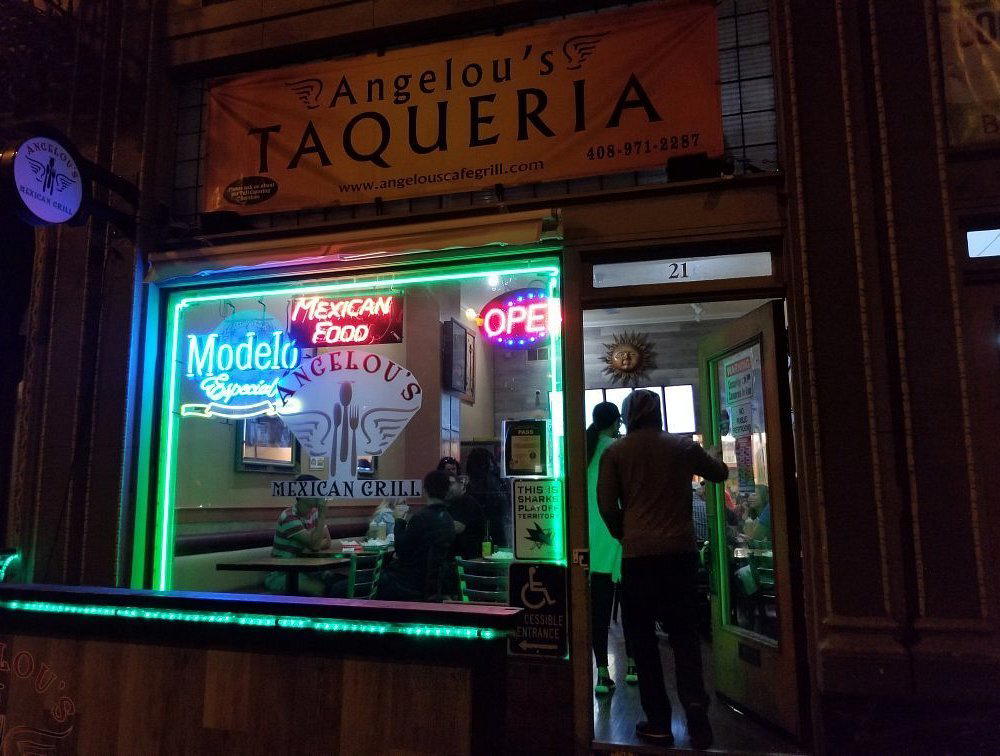
Restaurants in San Jose
All restaurants in San Jose →
Paper Plane
The drinks
- Craft cocktails
- Classic cocktails
Signature drinks: Paper Plane, Black Hole Sun, Taco Truck, Two Smoking Barrels, Jupiter Jazz.
Details
- Trendy
- Lively
- Modern
- Sophisticated
- Date Night
- After Work
- Late Night
- Group Outing
- Casual Hangout
- Standalone
- Seated Bar
- Booth Seating
- Craft Cocktails
- Classic Cocktails
Current opening hours
- Monday
- Closed
- Tuesday
- 5 PM–12 AM
- Wednesday
- 5 PM–12 AM
- Thursday
- 5 PM–12 AM
- Friday
- 5 PM–2 AM
- Saturday
- 5 PM–2 AM
- Sunday
- 5 PM–12 AM
Hours can change for holidays and private events. Hours as of .
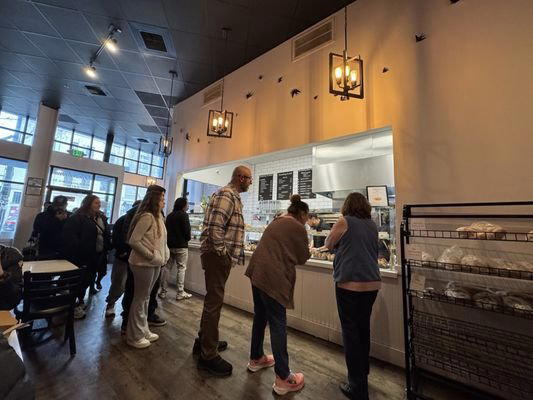
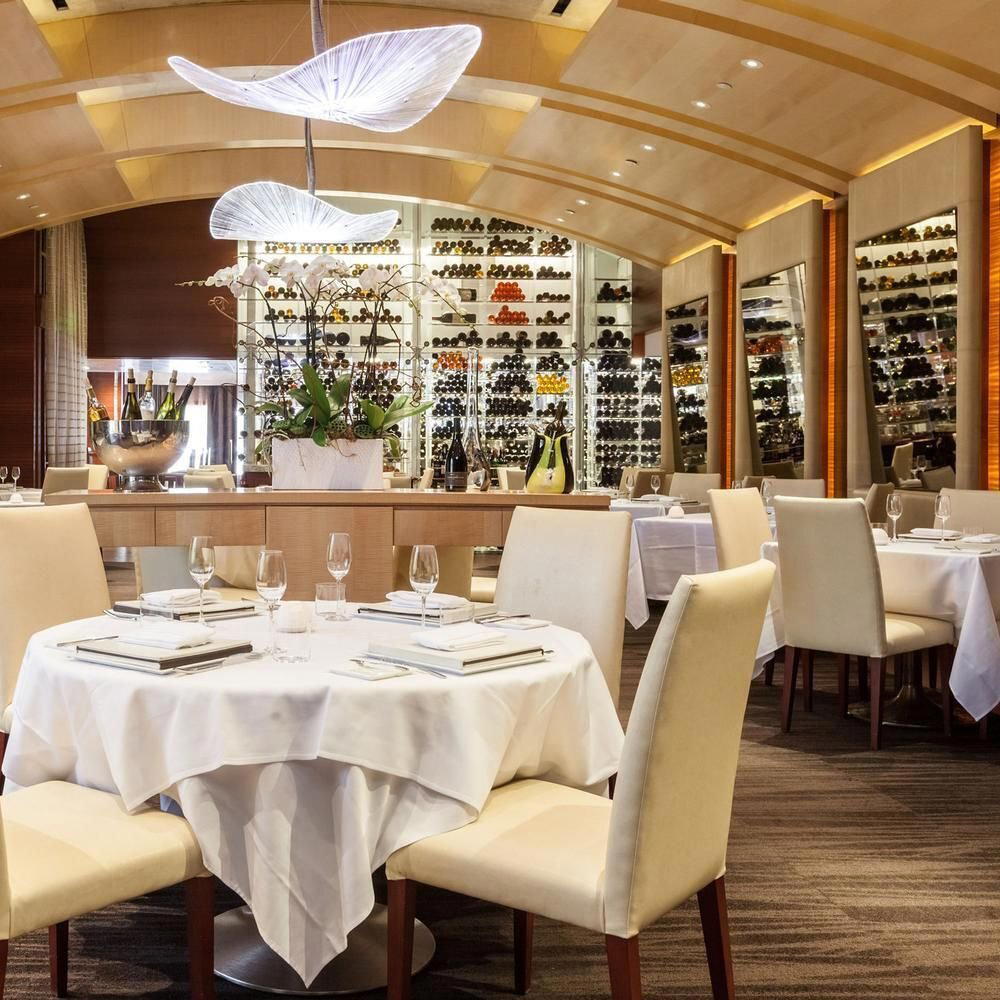
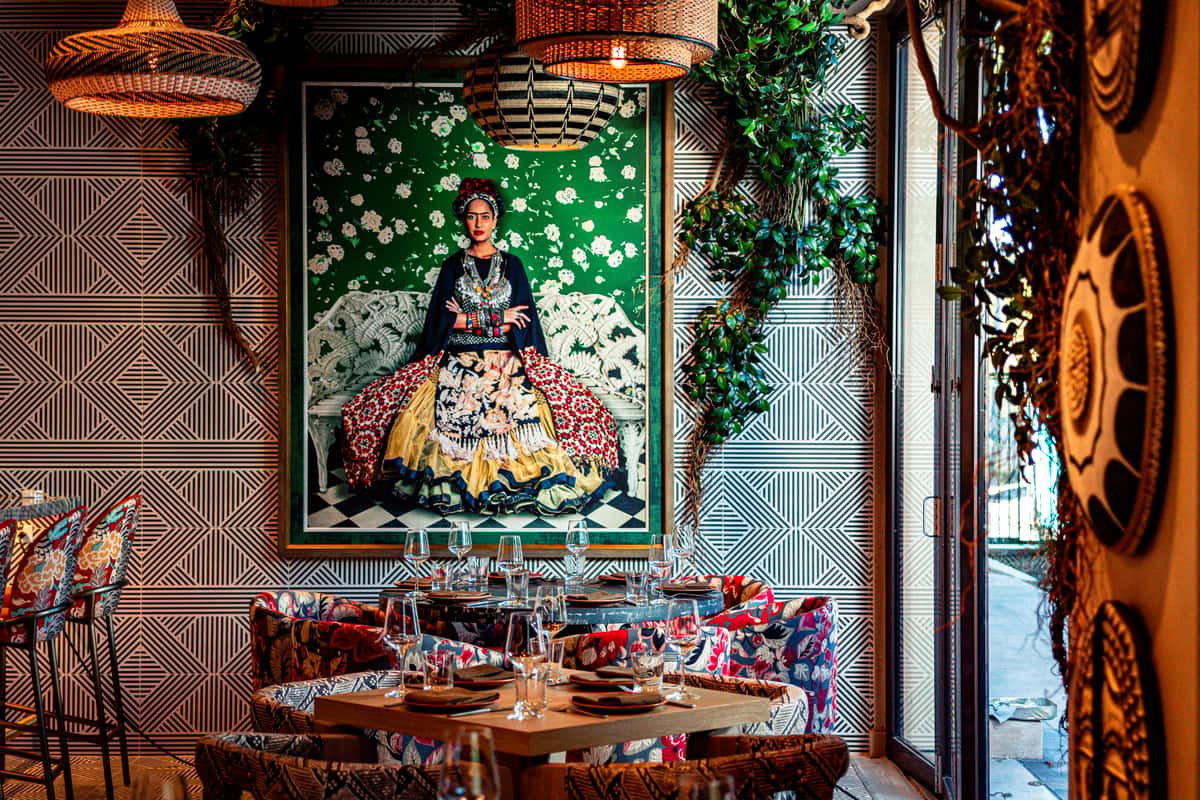
Chic exposed brick interior with a bustling yet chill atmosphere, light mood, and welcoming unpretentious vibe.