Kenji Sushi
Kenji Sushi occupies a corner of San Jose's West San Jose strip along S Winchester Blvd, where the city's Japanese dining tradition runs from casual conveyor-belt formats to more considered omakase-adjacent counters. The address puts it inside a dense corridor of options, making the food-and-drink pairing question central to how any visit plays out.

Pearl is the En Primeur Club membership app, where members save venues, book tables and use the concierge.
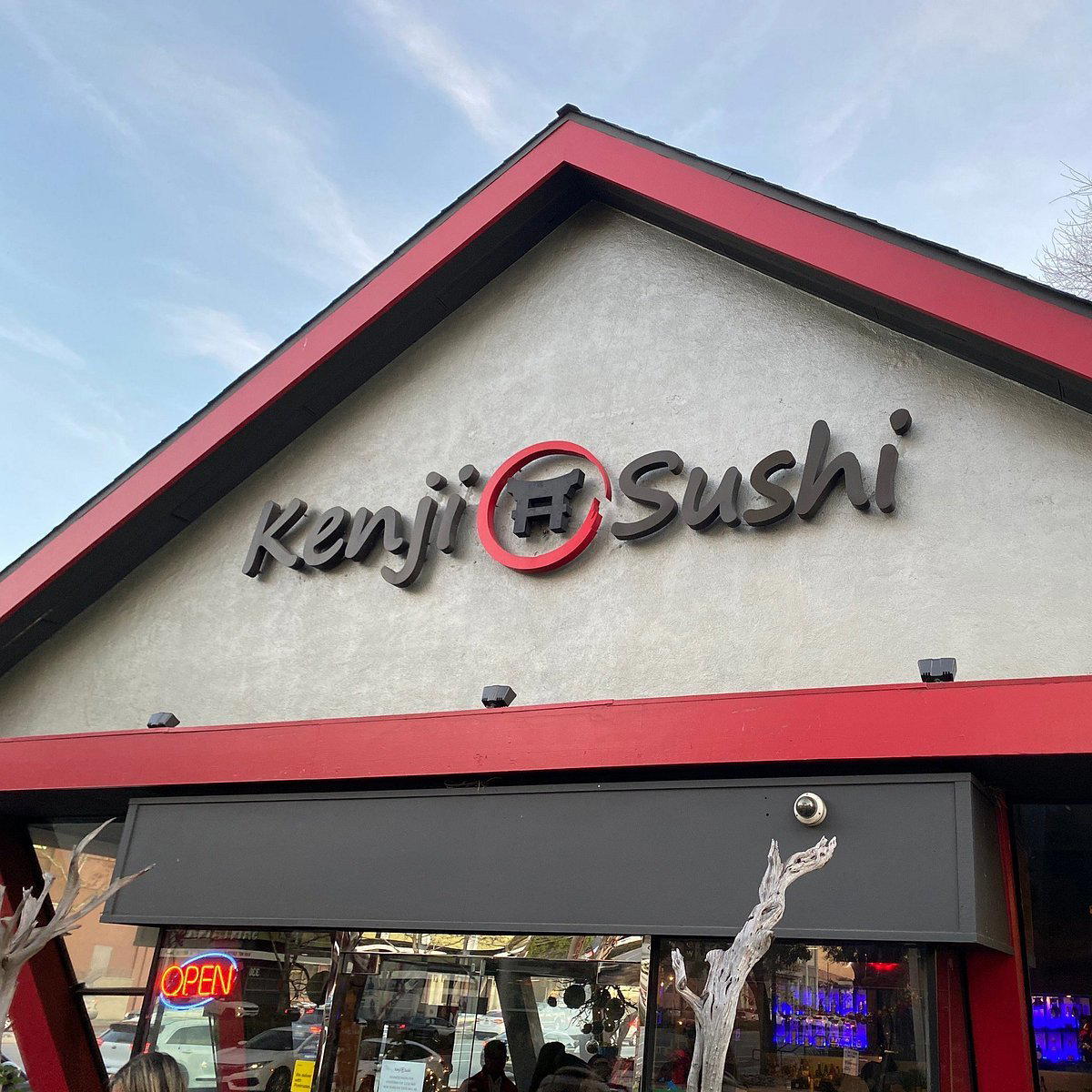
S Winchester Blvd and the Japanese Dining Corridor
West San Jose's stretch of S Winchester Boulevard functions as one of the Bay Area's more quietly productive Japanese dining corridors. The strip runs parallel to the Pruneyard and Campbell border zones, drawing a mix of South Bay regulars, Silicon Valley workers eating late, and Japanese-American households with generational relationships to specific restaurants. Within that context, Kenji Sushi at 385 S Winchester sits in a competitive tier that includes Cha Cha Sushi, Fuji, and the conveyor-belt format of Kazoo Japanese Sushi Boat Restaurant. Each occupies a slightly different position on the formality and price spectrum, and choosing between them is as much about the occasion as the food.
The geography matters because it shapes expectations. This is not a downtown destination address like the blocks around Santana Row, where foot traffic and tourist spend dominate the economics. Winchester Blvd Japanese restaurants draw primarily drive-in locals, which tends to translate into consistent regulars, lower theatrics, and menus that reward return visits rather than first impressions.
Reading the Room Before You Order
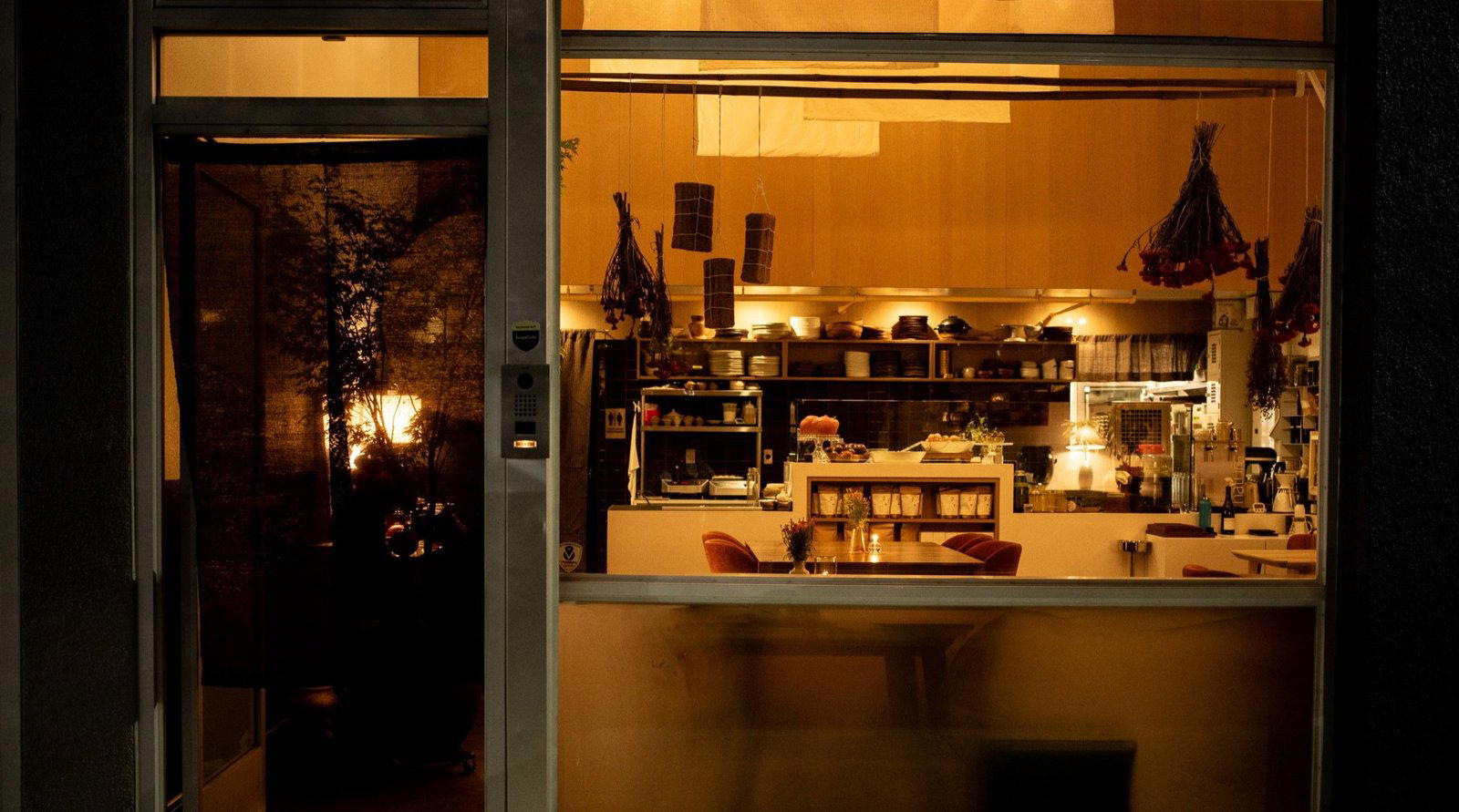
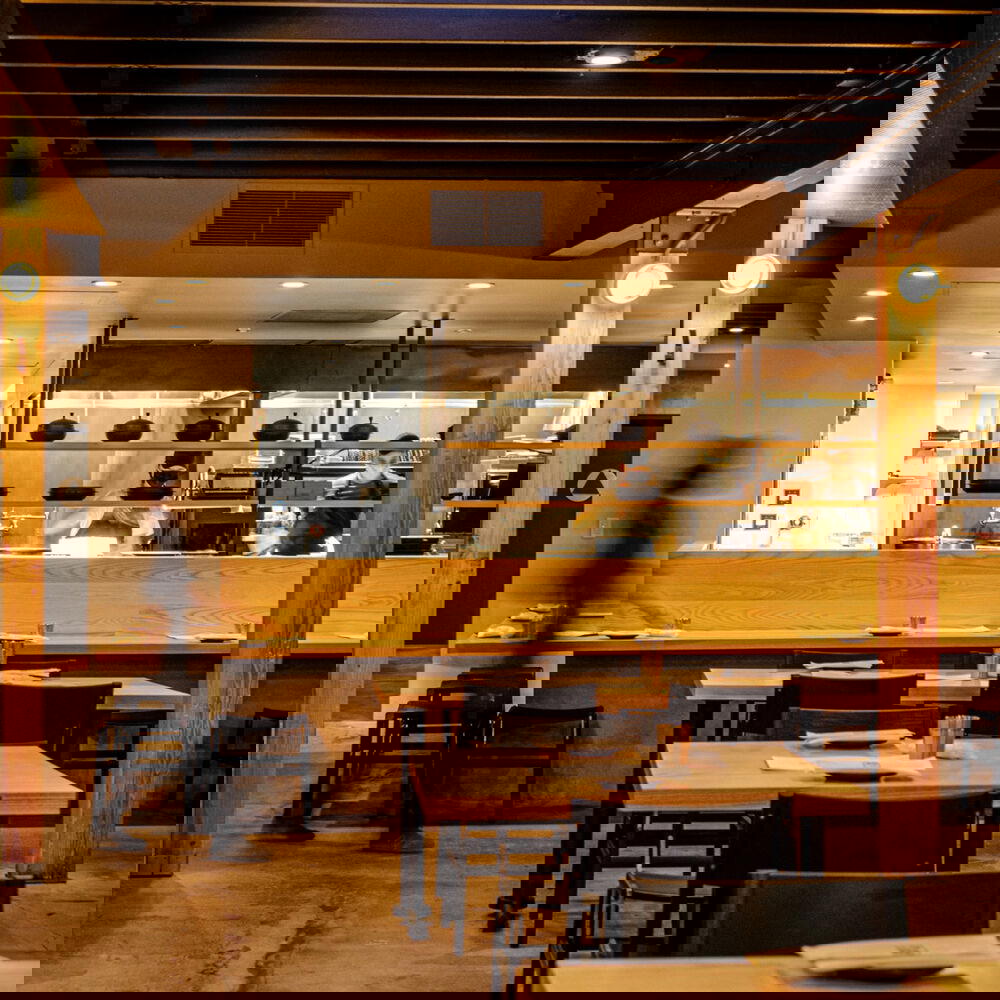
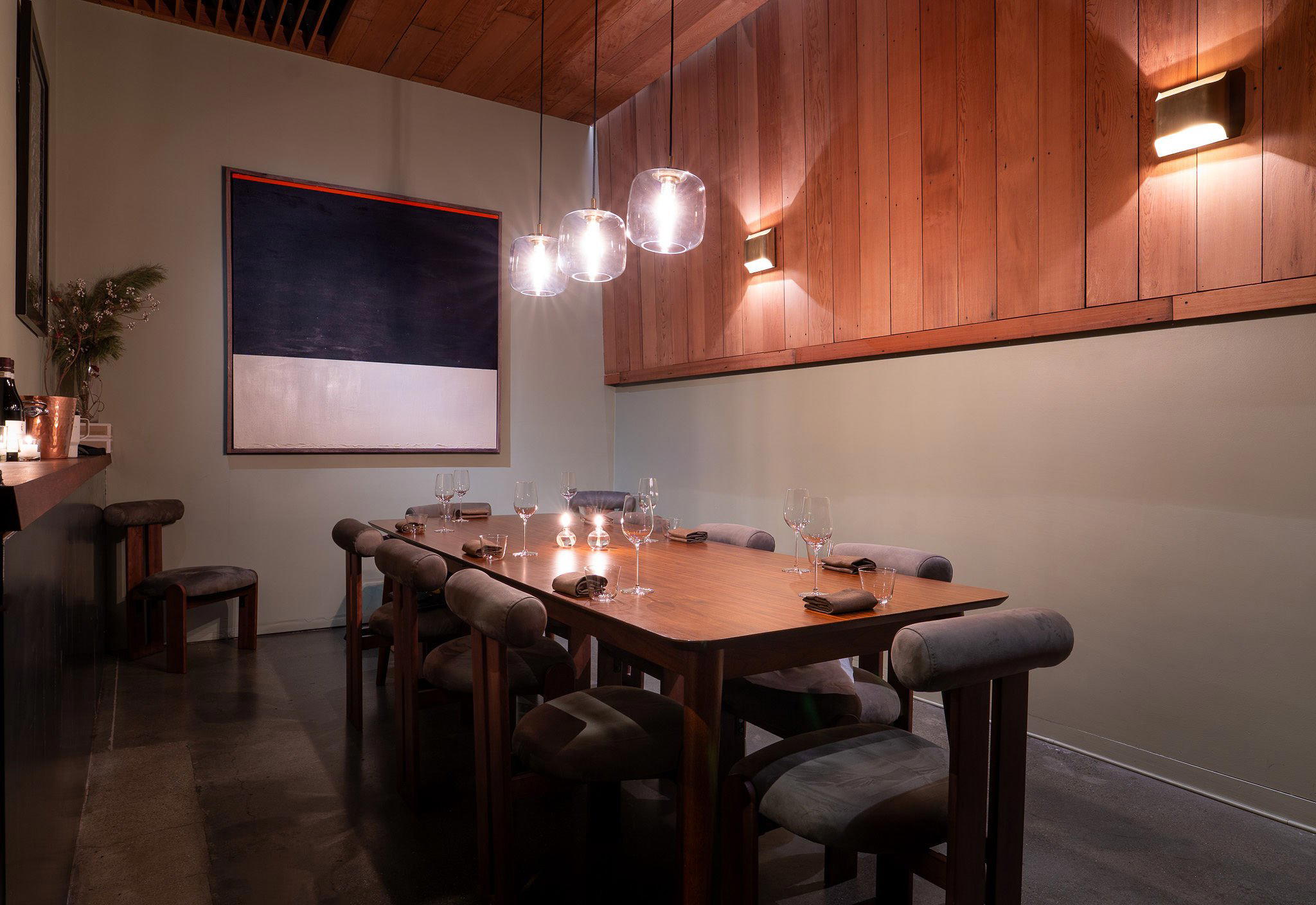
Walking into any mid-tier Japanese restaurant on a Friday evening in West San Jose, the atmosphere settles into a familiar pattern: the smell of warmed rice vinegar and dashi from the kitchen, a front counter that doubles as a sushi bar, and a dining floor calibrated for groups of two to four. Kenji Sushi on S Winchester fits that template. The physical environment signals a restaurant built around repeat business rather than spectacle, which is a reasonable indicator of where kitchen priorities sit.
That register matters when thinking about food and drink pairing. Restaurants operating in the neighborhood-regular tier of Japanese dining in the South Bay tend to maintain beer and sake lists that are functional rather than ambitious, typically covering Sapporo and Kirin on draft or bottle alongside a short sake selection divided between junmai and nigori options. The logic is direct: the drinks program exists to serve the food, not compete with it. If you are accustomed to the kind of curated Japanese whisky lists found at Kumiko in Chicago or the precision cocktail formats operating at Bar Leather Apron in Honolulu, the expectations here should be adjusted accordingly. This is a different kind of operation, and the pairing framework changes.
The Food-and-Drink Pairing Framework at This Price Point
At neighborhood sushi restaurants in California's South Bay, the pairing question centers less on what to drink with a specific preparation and more on sequencing. Cold, lightly acidic Junmai sake works broadly across a sashimi plate, while a colder, higher-carbonation beer cuts through richer rolls that carry cream cheese or tempura elements. Miso soup, often arriving as a side rather than an opener at casual formats, resets the palate between courses more effectively than water. These are standard operating principles at this tier of Japanese dining, and they apply at Kenji Sushi as at comparable venues including Cha Cha Sushi nearby.
Where individual venues differentiate is in how the kitchen handles temperature and timing. A sushi chef managing a modest-volume counter will typically deliver nigiri at a more consistent temperature than a high-turnover table-service format. That temperature control is the single most important variable in the sushi-to-drink pairing experience at the casual tier, because it determines whether the rice character comes through or disappears under a cold beverage contrast.
For context on how bar-forward Japanese dining programs operate at a higher register, Kumiko in Chicago has built an explicit food-and-drink integration philosophy around Japanese spirits, while Jewel of the South in New Orleans and Julep in Houston represent the American craft bar model where the food program is built to serve the drinks list rather than the reverse. Kenji Sushi operates at the opposite end of that spectrum: food is primary, drinks are support.
Comparing San Jose's Japanese Options
San Jose's Japanese dining scene distributes across several distinct formats. The conveyor-belt model, represented by venues like Kazoo Japanese Sushi Boat Restaurant, prioritizes speed and novelty and draws a younger demographic. The izakaya-adjacent format, which Fuji represents with its bar component, adds a drinks-forward dimension and works better for extended group evenings. The neighborhood sushi format, where Kenji Sushi operates, sits between those poles: more considered than a conveyor belt, less bar-driven than an izakaya.
For visitors building a broader San Jose dining itinerary, the Winchester corridor is worth treating as a standalone cluster rather than a single-stop destination. Angelou's Mexican Grill and Eos and Nyx sit within the broader West San Jose and Campbell area, providing contrast for a longer evening that moves between cuisines. The full San Jose restaurants guide maps these options with more geographic specificity.
On a national scale, the Bay Area Japanese dining scene occupies a tier between New York's high-density omakase market and the more diffuse Japanese-American casual formats common in mid-sized cities. San Jose specifically, as the demographic and cultural center of Silicon Valley's Japanese-American community, has historically supported more neighborhood-tier Japanese restaurants per capita than San Francisco, where rising rents have pushed many casual formats out. That structural fact explains why the Winchester corridor holds its depth even as individual venues come and go.
Planning Your Visit
Kenji Sushi is located at 385 S Winchester Blvd, San Jose, CA 95128, accessible by car from the 280 via the Winchester or Stevens Creek exits. The surrounding block has surface parking, typical of this strip's suburban commercial format. For travelers arriving from San Francisco, the Caltrain to Mountain View followed by a rideshare covers the distance in under an hour from downtown SF, though most visitors to this address are arriving from within Santa Clara County.
Comparable Japanese dining experiences in other cities that operate on the same neighborhood-regular model include ABV in San Francisco for an example of how a local-focused bar-and-food program develops long-term regulars, and Superbueno in New York City for a contrasting Latin bar model built on consistent neighborhood loyalty. The Parlour in Frankfurt rounds out the international picture of what hospitality depth looks like at the neighborhood tier outside major gastronomy circuits.
City Peers
| Venue | Cuisine | Price |
|---|---|---|
| Kenji SushiThis venue (the venue you are viewing) | This venue | Not listed |
| Angelou's Mexican Grill | Not listed | $10–20 |
| Kazoo Japanese Sushi Boat Restaurant | Not listed | $20–30 |
Continue exploring
More in San Jose
Bars in San Jose
All bars in San Jose →
Restaurants in San Jose
All restaurants in San Jose →
Kenji Sushi
The drinks
Signature drinks: Soyokaze, Emperor's Revenge, Night in Kabukicho, Temptation.
Details
- Casual Hangout
- Group Outing
- Seated Bar
- Sake
Current opening hours
- Monday
- 11:30 AM–11:45 PM
- Tuesday
- 11:30 AM–11:45 PM
- Wednesday
- 11:30 AM–11:45 PM
- Thursday
- 11:30 AM–11:45 PM
- Friday
- 11:30 AM–11:45 PM
- Saturday
- 11:30 AM–11:45 PM
- Sunday
- 12–10 PM
Hours can change for holidays and private events. Last verified .
Casual atmosphere with TVs for sports and lively bar area.