Boundary Shoreditch
Boundary Shoreditch occupies a converted warehouse space on Boundary Street in East London, sitting at the intersection of the neighbourhood's creative identity and its increasingly serious food and drink scene. Where many Shoreditch venues trade on atmosphere alone, Boundary operates across multiple formats under one roof, making it a useful reference point for the area's more considered hospitality tier.
Pearl is the En Primeur Club membership app — saves, bookings, and concierge access live there. Same editors, same standards.
- Address
- 2-4 Boundary St, London E2 7DD, United Kingdom
- Phone
- +44 20 7729 1051
- Website
- boundary.london
- Directions
- Get directions
 Saves & bookings on Pearl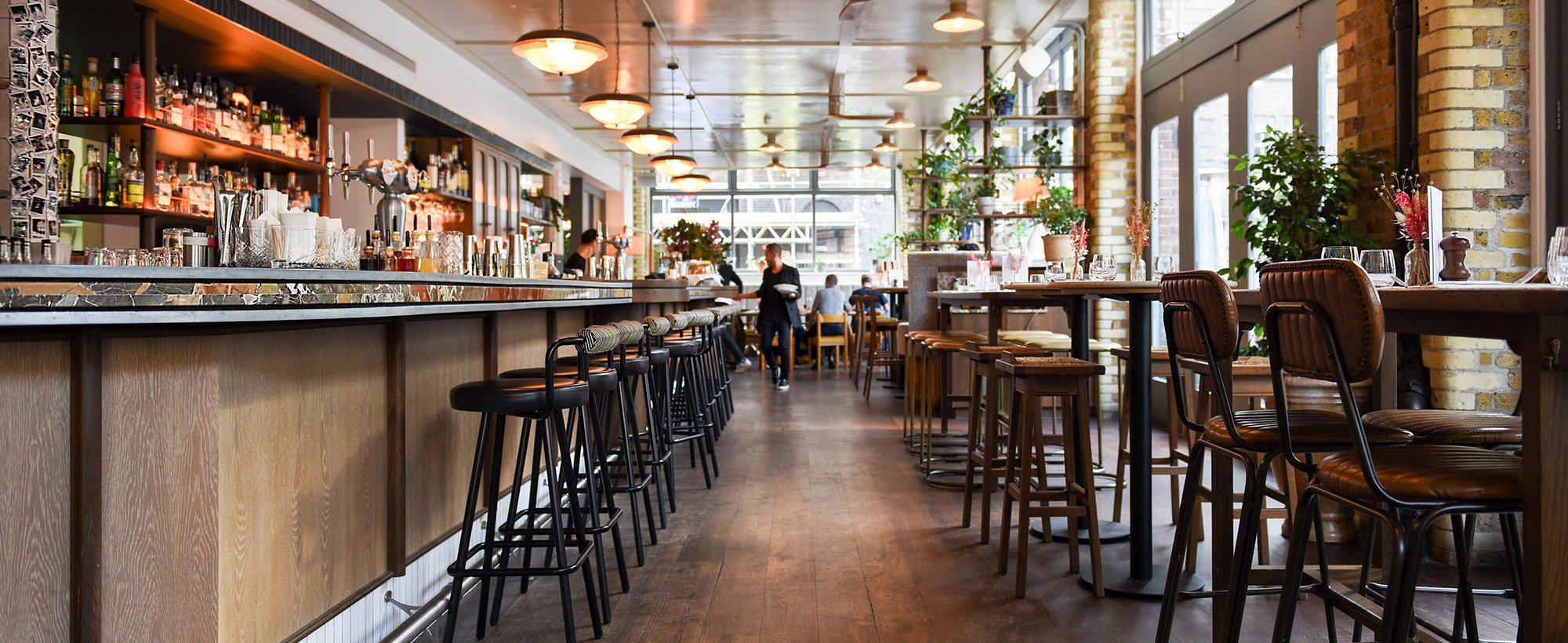
East London's Layered Approach to Drinking and Eating
Shoreditch has cycled through several identities since the early 2000s, and its hospitality scene has moved in parallel. The area that once attracted venues purely on the basis of cheap rents and creative footfall now sustains a more demanding tier of bar programming. On Boundary Street, the converted warehouse that houses Boundary Shoreditch represents one model for how that maturity can be organised: multiple formats across a single building, each designed to serve a different hour of the day and a different appetite. That architectural layering is common in converted spaces across East London, but the question for any multi-format venue is always whether the parts cohere or simply coexist.
The broader Shoreditch bar scene has moved away from the novelty-first model that defined it a decade ago. Venues like A Bar with Shapes For a Name have built reputations on technical rigour rather than theatrics, while the broader London conversation about what a serious bar programme looks like has been shaped by operations such as 69 Colebrooke Row. Boundary sits within that evolving context, where the expectation is that drinks are considered, and food is not an afterthought.
The Case for Food and Drink Working Together
Across London's more serious bar operations, the relationship between the drinks list and the kitchen has become a genuine editorial concern rather than a logistical one. At venues like Amaro and Academy, bar food has shifted from the perfunctory to the purposeful, with kitchens designing dishes that interact with the drink rather than simply accompanying it. The pairing logic is different from a restaurant context: the bar sets the flavour register, and the food responds. Boundary's multi-level format positions it to pursue exactly this kind of integration, with a rooftop bar, a ground-floor restaurant, and a basement café all theoretically operating under a single hospitality sensibility.
This model, when it works, is more useful to a guest than the traditional separation of dining room and bar. It means a visitor can move through an evening across formats, from an early aperitivo moment through a more substantial sitting, without leaving the building or radically changing registers. The challenge is execution: the connective tissue between bar programme and kitchen matters more than either element in isolation. In Shoreditch, where the competition for serious evening spend includes a growing number of single-concept venues that do one thing with precision, multi-format operations have to justify their breadth.
Shoreditch in the Context of London's Drinking Geography
London's serious bar scene does not concentrate in a single postcode. The city's most referenced independent operations span from Islington, where 69 Colebrooke Row established a template for the intimate counter format, to the West End, where older institutions maintain different but equally valid models. Shoreditch has contributed its own grammar to that conversation: warehouse scale, later hours, and a demographic that bridges creative industry workers with destination visitors. Boundary's address on Boundary Street, E2, places it at the northern edge of the core Shoreditch cluster, slightly removed from the densest concentration of venues around Curtain Road and Old Street.
Within the UK more broadly, the bar conversation has grown significantly more geographically distributed. Schofield's in Manchester, Bramble in Edinburgh, and the Merchant Hotel in Belfast each represent the kind of serious, city-specific bar identity that no longer requires a London postcode for credibility. Even within London, the reference set for a venue like Boundary is less about proximity and more about which tier of hospitality seriousness it chooses to occupy. Mojo Leeds, Horseshoe Bar Glasgow, and L'Atelier Du Vin in Brighton and Hove each demonstrate that the food and drink pairing conversation is now national rather than metropolitan.
Practical Planning: What to Expect When You Visit
Boundary Shoreditch operates across several formats within the same Boundary Street address, which means the visit logic changes depending on what you are there for. The rooftop element has seasonal relevance. The restaurant and café formats below operate on more conventional schedules.
The converted warehouse setting on Boundary Street, E2, is accessible via Liverpool Street, Shoreditch High Street Overground, or Old Street, each within comfortable walking distance. The neighbourhood itself rewards some lateral exploration: the streets between Boundary Street and Redchurch Street contain a concentration of independent retail and hospitality that gives the area a texture distinct from the more commercial stretch around Old Street roundabout. For visitors building a broader evening across the area, Boundary can function as either an opening or closing chapter rather than the sole destination.
A Bar with Shapes For a Name occupy a different tier of drinks precision. Nor is it the destination restaurant, where operations like Quo Vadis in Soho have built long-track records on a more explicit culinary identity. Boundary's comparable set is the multi-format hospitality venue: the kind of address that asks guests to trust the programming across formats, from café through bar through restaurant and rooftop. These venues succeed when their through-line is strong enough to hold across the day's different registers, and they are tested most on the evening drinking and eating overlap, where the bar food and drinks list have to work as a genuine pairing rather than parallel offerings that happen to share a room.
Internationally, venues like Bar Leather Apron in Honolulu demonstrate how food and drink integration can serve as the central organising logic of a bar operation rather than an added service. That standard is the benchmark against which serious multi-format venues are assessed.
A Minimal comparable set
Comparable venues nearby, for context on price, style, and recognition.
| Venue | Cuisine | Price | Notes |
|---|---|---|---|
| Boundary ShoreditchThis venue — the venue you are viewing | Not listed | $$$ | Not listed |
| Alfie’s Soho | Soho, lounge | $$$ | Not listed |
| Goodbye Horses | Not listed | $$$ | East Canonbury, wine_bar |
| Mr Fogg's Botanical Tavern & Treehouse | Not listed | $$$ | Fitzrovia, cocktail_bar |
| Tapas Brindisa Soho | Not listed | $$$ | Soho, wine_bar |
| The Black Book | Not listed | $$$ | Soho, wine_bar |
Continue exploring
More in London
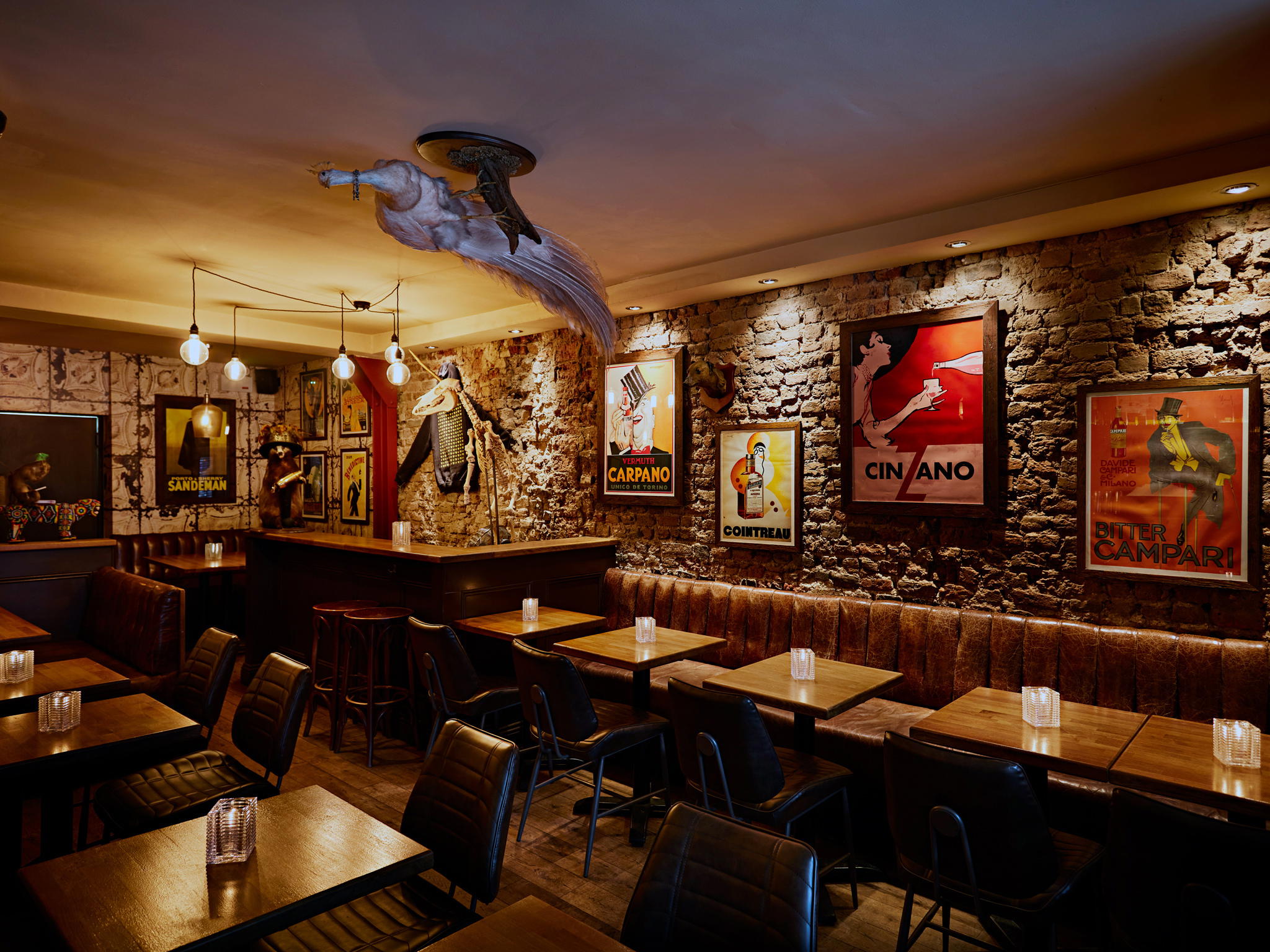
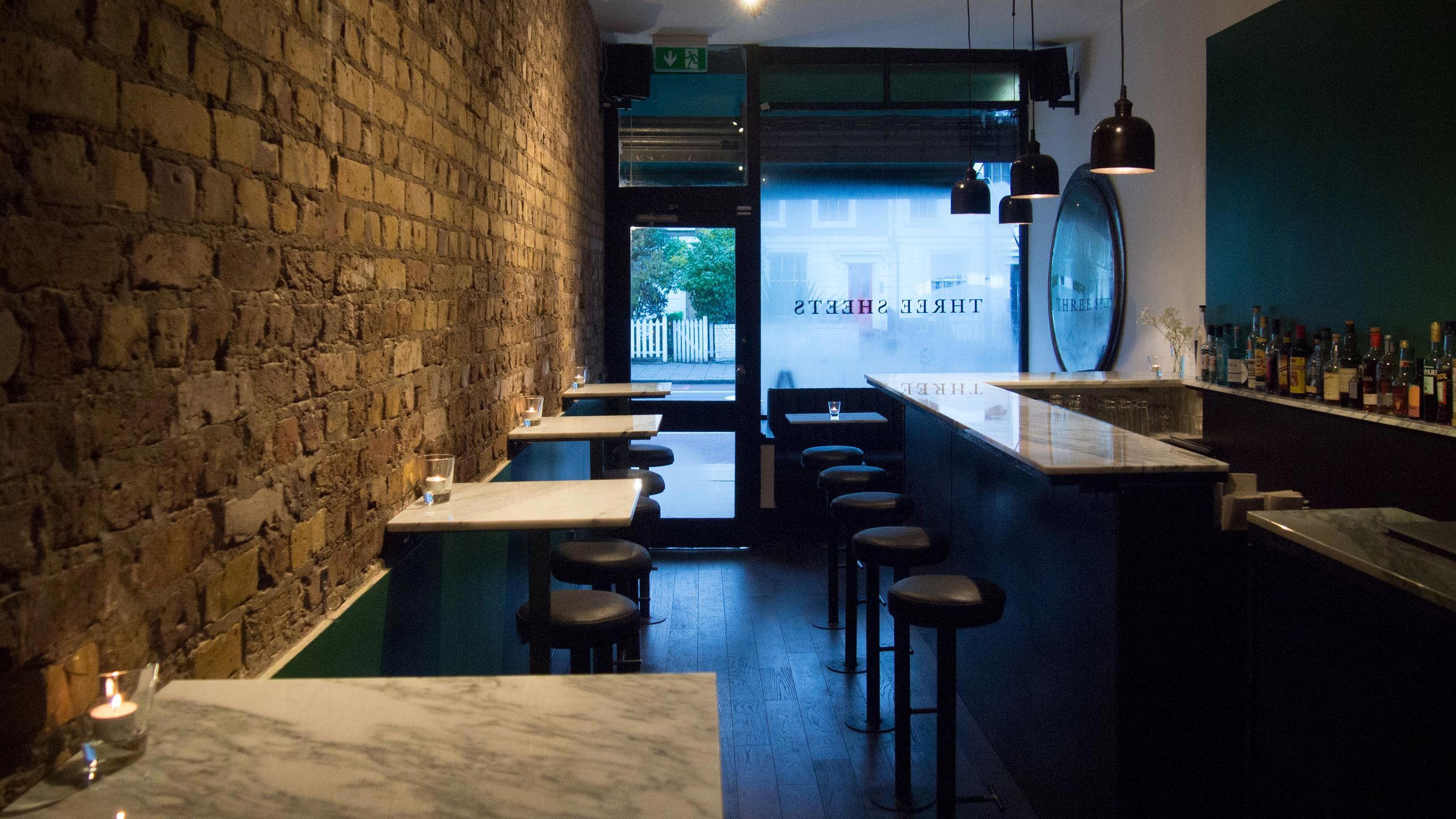
Bars in London
Browse all →
Restaurants in London
Browse all →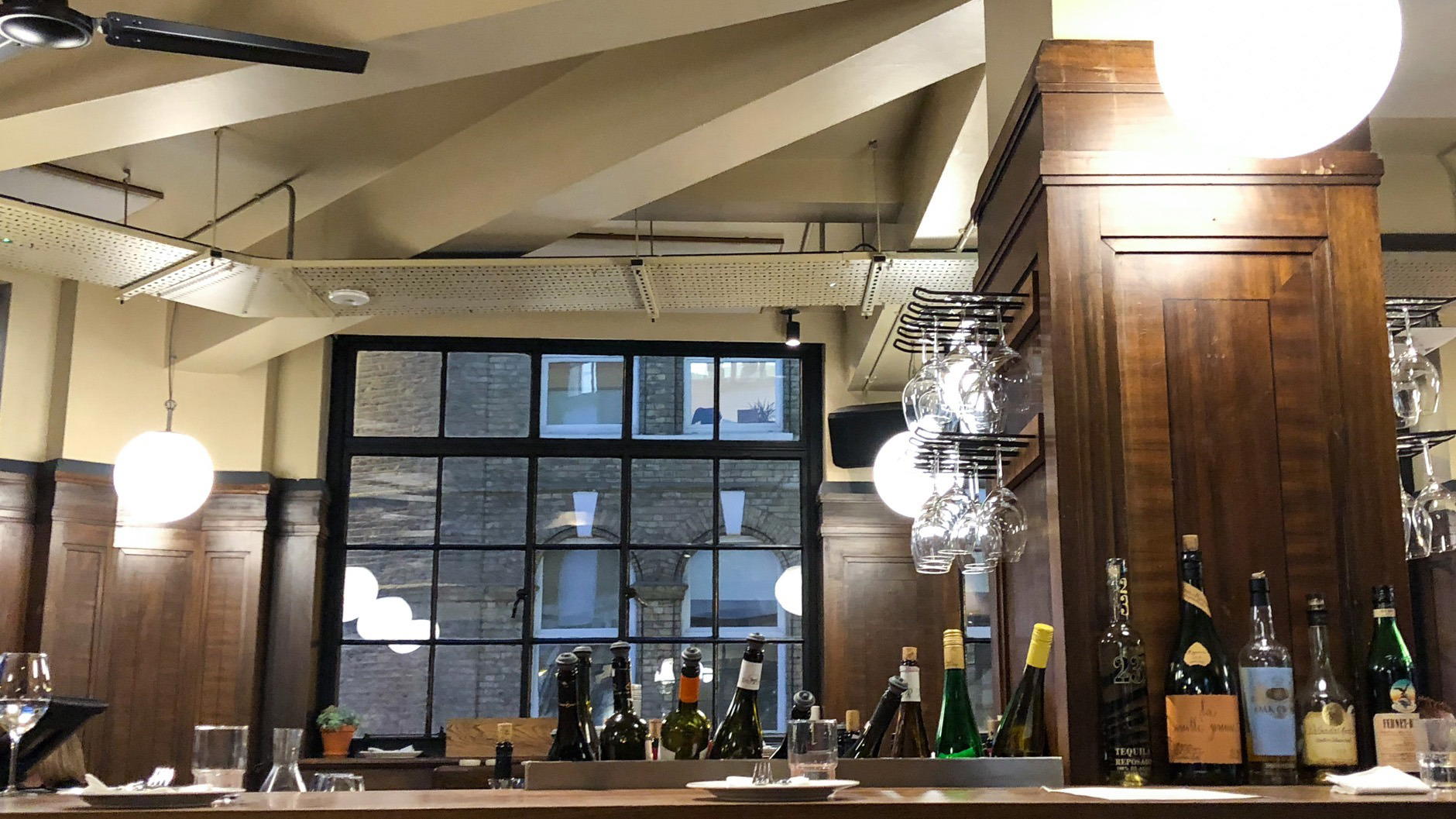
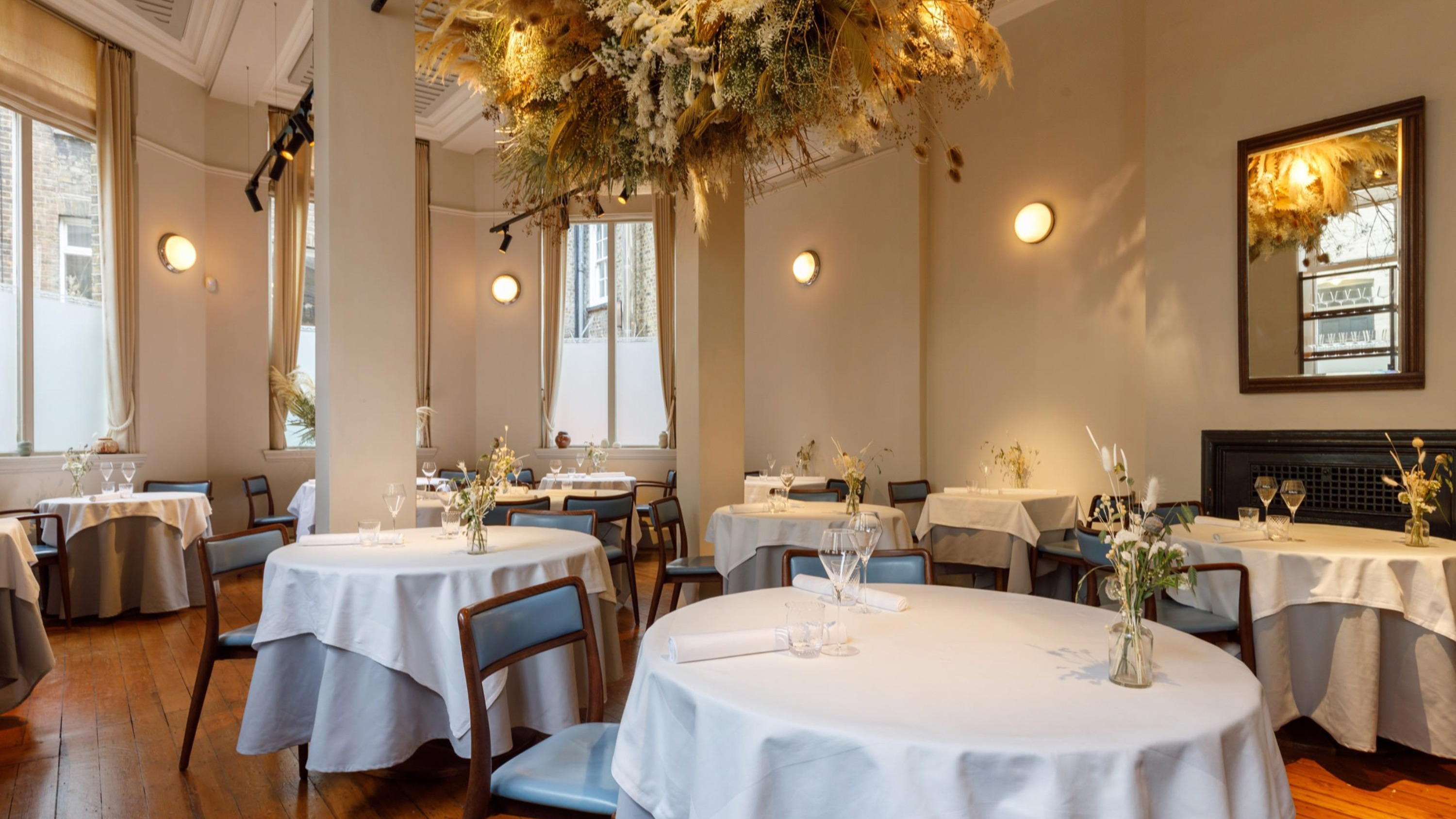
Hotels in London
Browse all →



At a Glance
- Trendy
- Elegant
- Sophisticated
- Date Night
- Celebration
- Rooftop
- Terrace
- Panoramic View
- Lounge Seating
- Outdoor Terrace
- Craft Cocktails
- Skyline
Glamorous and lush with wood-burning fire, sculpted garden, olive trees, and floor-to-ceiling glass walls offering dramatic city vistas.