

Attaboy NYC


<strong>Attaboy NYC</strong> is a <strong>Lower East</strong> <strong>Side cocktail</strong> address with deep craft-bar lineage, set behind an unmarked metal door at 134 <strong>Eldridge Street</strong>. The former Milk & Honey space now carries a long awards record, including repeated World’s 50 <strong>Best Bars</strong> rankings, and keeps the no-menu, bartender-led format that shaped modern New York drinking.
Pearl is the En Primeur Club membership app — saves, bookings, and concierge access live there. Same editors, same standards.

Behind the metal door on Eldridge Street
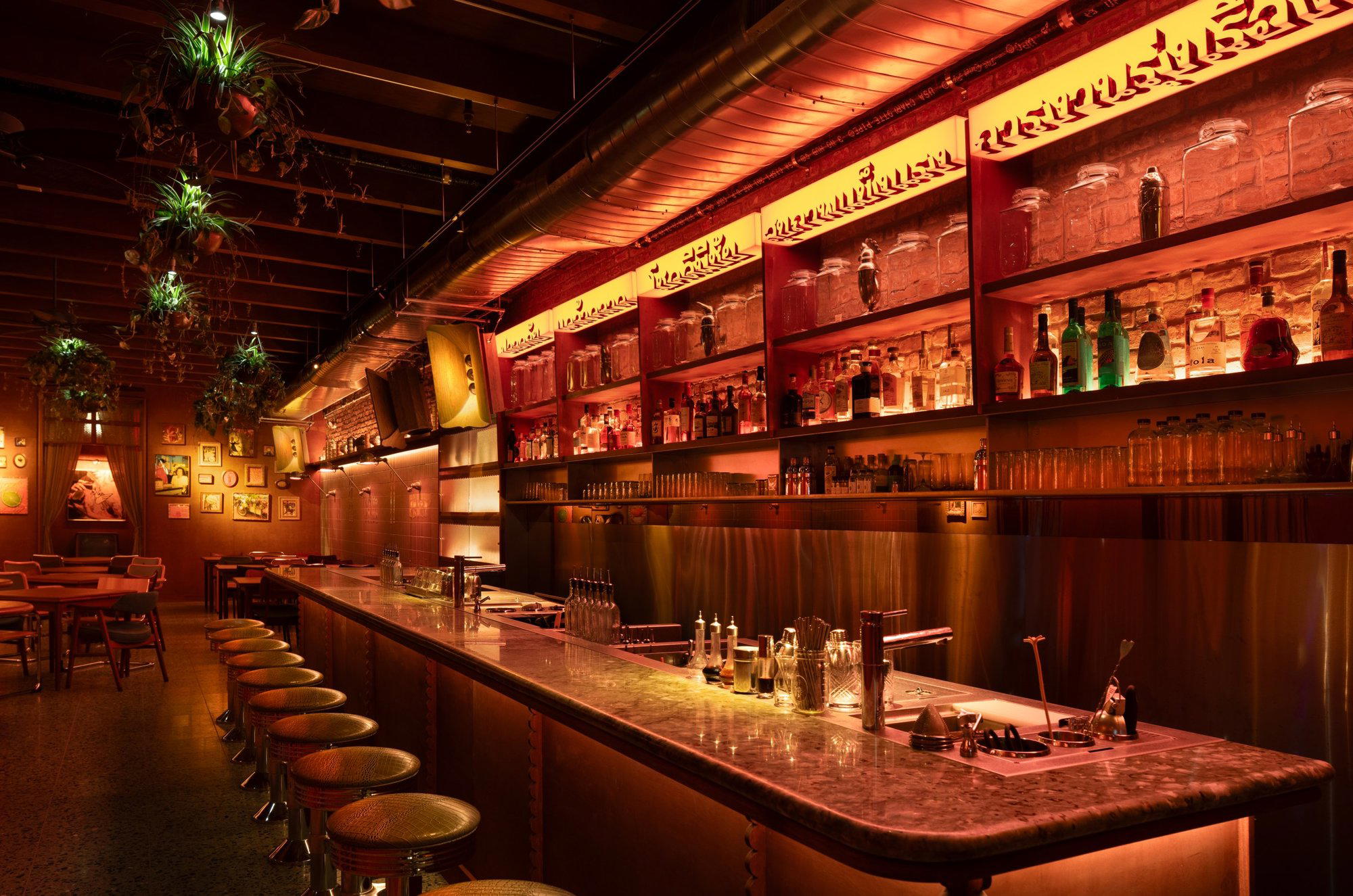
The approach to Attaboy NYC is still part of the grammar of New York cocktail culture: an unmarked metal door on Eldridge Street, a low-lit room, and a bar format that asks the guest to begin with preference rather than a printed list. That ritual did not emerge in a vacuum. Lower Manhattan’s serious cocktail rooms helped move American drinking away from vodka-soda default settings and into a language of house syrups, measured dilution, citrus balance, bitter modifiers, and spirit-led structure. Attaboy occupies a particularly loaded address in that history, because the room once held Milk & Honey, one of the reference points for the American craft cocktail renaissance.
The scene around it has changed. New York now has technically ambitious cocktail bars across the Lower East Side, East Village, NoHo, Williamsburg, and farther afield, and the city’s bar conversation no longer depends on secrecy alone. The stronger programs are judged by consistency, training depth, bottle selection, and how well they translate a guest’s loose request into a balanced drink. Attaboy NYC belongs to the older speakeasy lineage, but its relevance rests on execution rather than nostalgia. The no-menu format is not theater for its own sake; it is a test of listening, inventory, and bartender memory.
That distinction matters in a city where cocktail bars often split into two camps: highly designed menu concepts with named serves, and improvisational rooms where the back bar functions as both pantry and archive. Attaboy sits closer to the second category. The database record identifies the bar as a bespoke experience with no menus, where guests describe their preferences and bartenders build a cocktail accordingly. It also records the bar as the birthplace of the Paper Plane, Penicillin, and Greenpoint, three drinks that moved beyond a single room and entered the wider modern-classic canon.
The no-menu format as a spirits collection
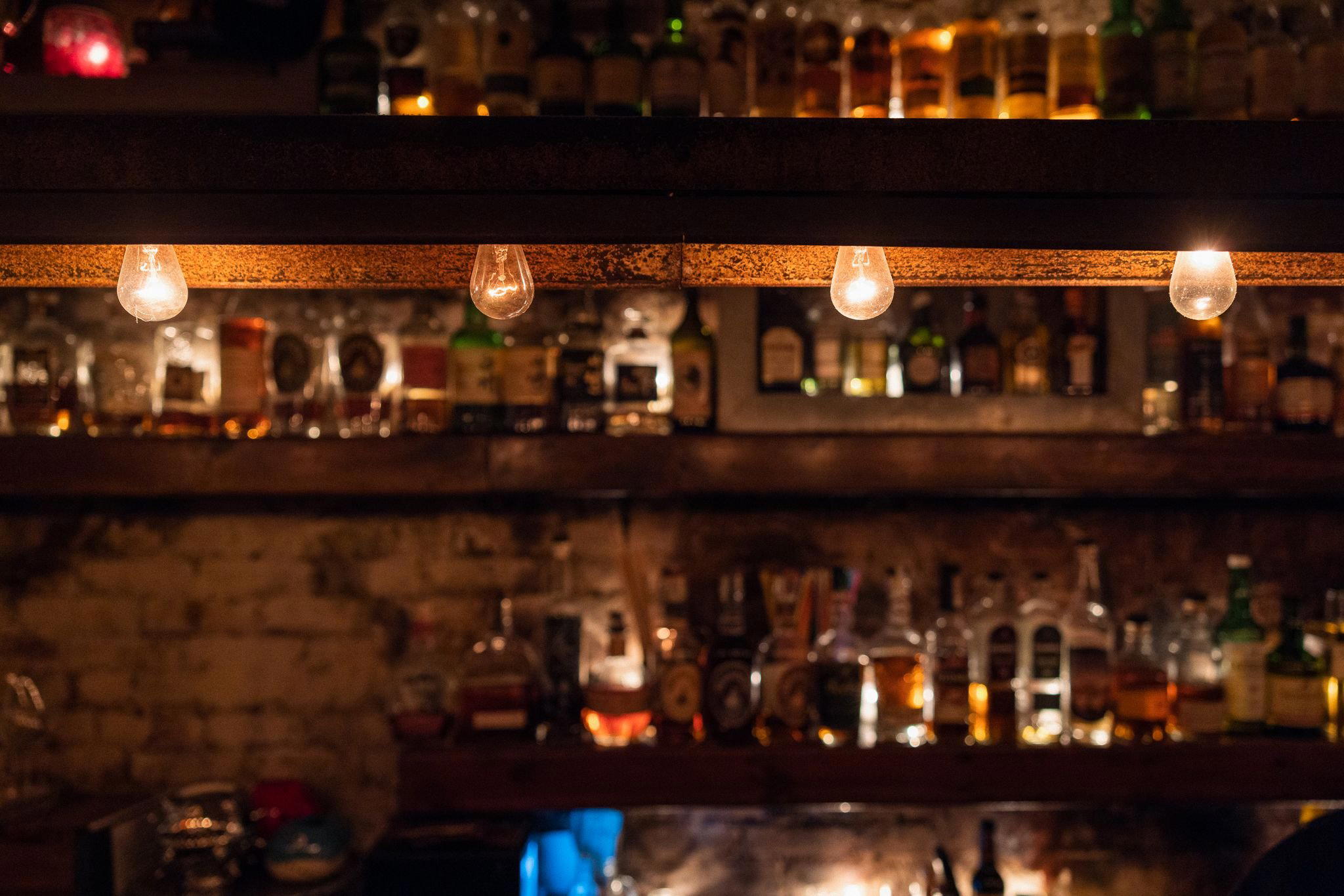
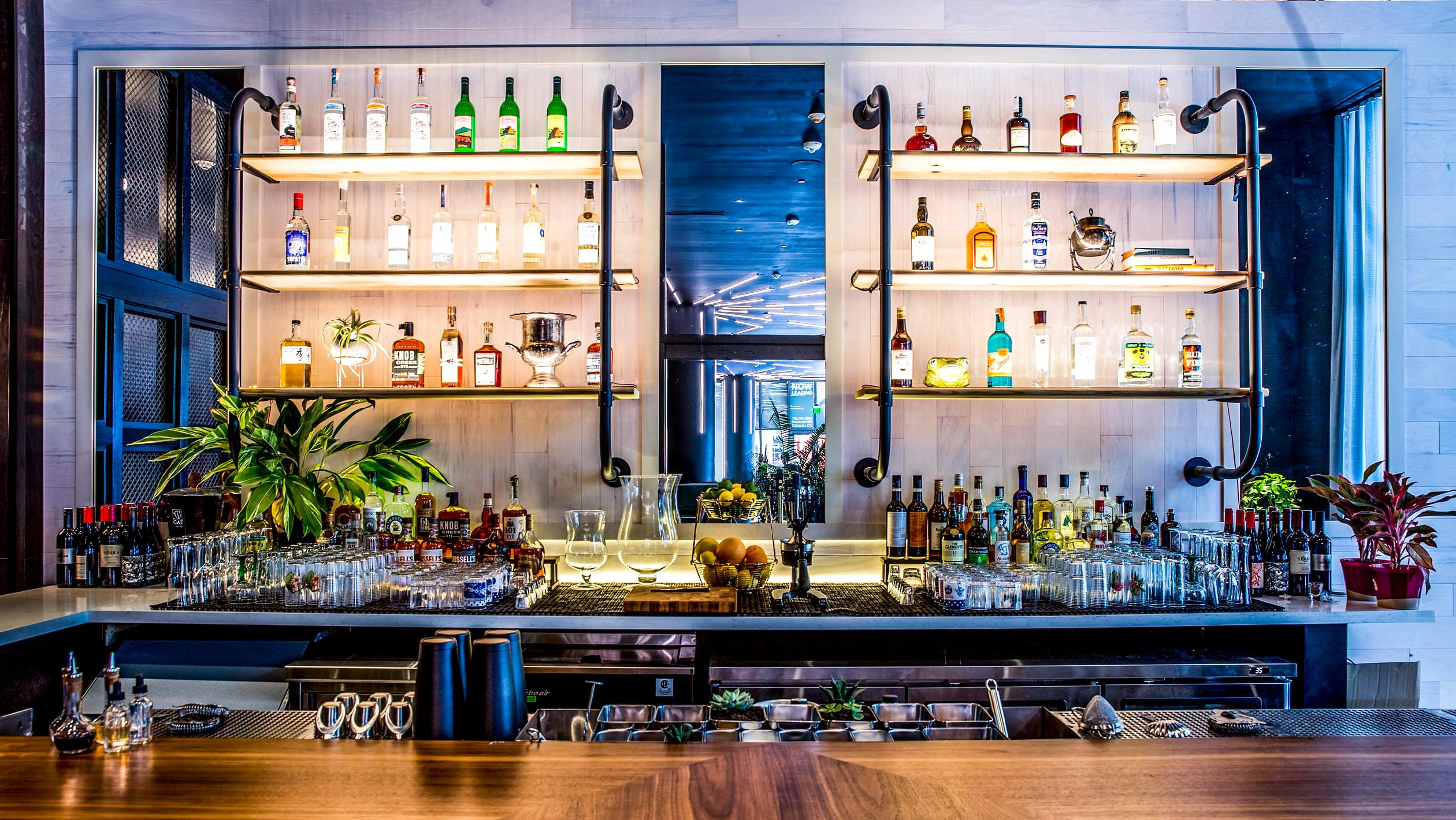
A no-menu bar only works when the spirits collection has range and the staff can use that range without turning service into a lecture. In New York, that format carries a different implication than it does in a hotel lounge or a tasting-menu bar. The guest is not choosing from a list of house drinks and branded glassware; the conversation begins with base spirit, texture, bitterness, citrus, sweetness, temperature, and strength. The back bar becomes the real menu, even if the labels are not itemized on paper.
The spirits angle is central to why Attaboy has remained part of the city’s conversation. A bespoke cocktail room needs enough depth to handle a mezcal sour request, a stirred rye drink, a low-ABV aperitif-leaning serve, or a gin drink with a sharper bitter edge, while keeping the result within the bar’s house grammar. The available record does not list individual bottles, so the better evidence is structural: no printed menu, signature modern classics attached to the address, and a long awards trail from global bar rankings. Those signals point to a program built around curation and repeatable technique rather than a fixed seasonal card.
There is also a collector’s logic to the classics associated with the room. The Penicillin, Paper Plane, and Greenpoint are not valuable because they are rare in name; they matter because they show how modern cocktails travel. A drink born in a small New York bar can become a template repeated across cities, rebalanced by bartenders in Tokyo, London, Sydney, Singapore, and Mexico City. That is a different kind of spirits collection: not a museum of bottles, but a working library of recipes, ratios, and modifiers that continue to circulate.
Where Attaboy fits in New York's cocktail hierarchy
New York’s serious cocktail tier is crowded, and the useful comparison is not between good and bad bars but between different schools of control. Martiny’s brings a Japanese-influenced precision and dining-room polish to the Gramercy area. Bar Contra sits closer to the contemporary downtown model, where cocktail technique and restaurant energy share the same room. Sip & Guzzle reflects the city’s appetite for dual-format drinking rooms, while Superbueno has helped make agave, Latin American flavor references, and high-tempo hospitality part of the current New York bar argument.
Attaboy’s lane is narrower and older: an intimate room, bartender-led ordering, and a direct inheritance from the speakeasy era that shaped the early 2000s cocktail revival. Its awards record gives that inheritance measurable weight. The bar appears in World’s 50 Best Bars rankings across multiple years, including #42 in 2013, #4 in 2014, #11 in 2015, #5 in 2016, #8 in 2017, #15 in 2018, #7 in 2019, #12 in 2020, #34 in 2021, #57 in 2023, #84 in 2024, and #72 in 2025. In the North America list, it reached #1 in 2022, then #13 in 2023, #31 in 2024, and #66 in 2025. It is also listed as Top 500 Bars Leading Bars #104 in 2025 and Pearl Recommended Bar in 2025.
That long sequence is more useful than a single trophy. Cocktail rankings tend to reward novelty, and bars built around discreet service can slide out of public attention once newer concepts arrive. A decade-plus awards presence indicates that Attaboy is not merely surviving on inherited fame from Milk & Honey. It remains legible to international judges and drinkers in a market that constantly refreshes itself.
Capacity, expansion, and the economics of intimacy
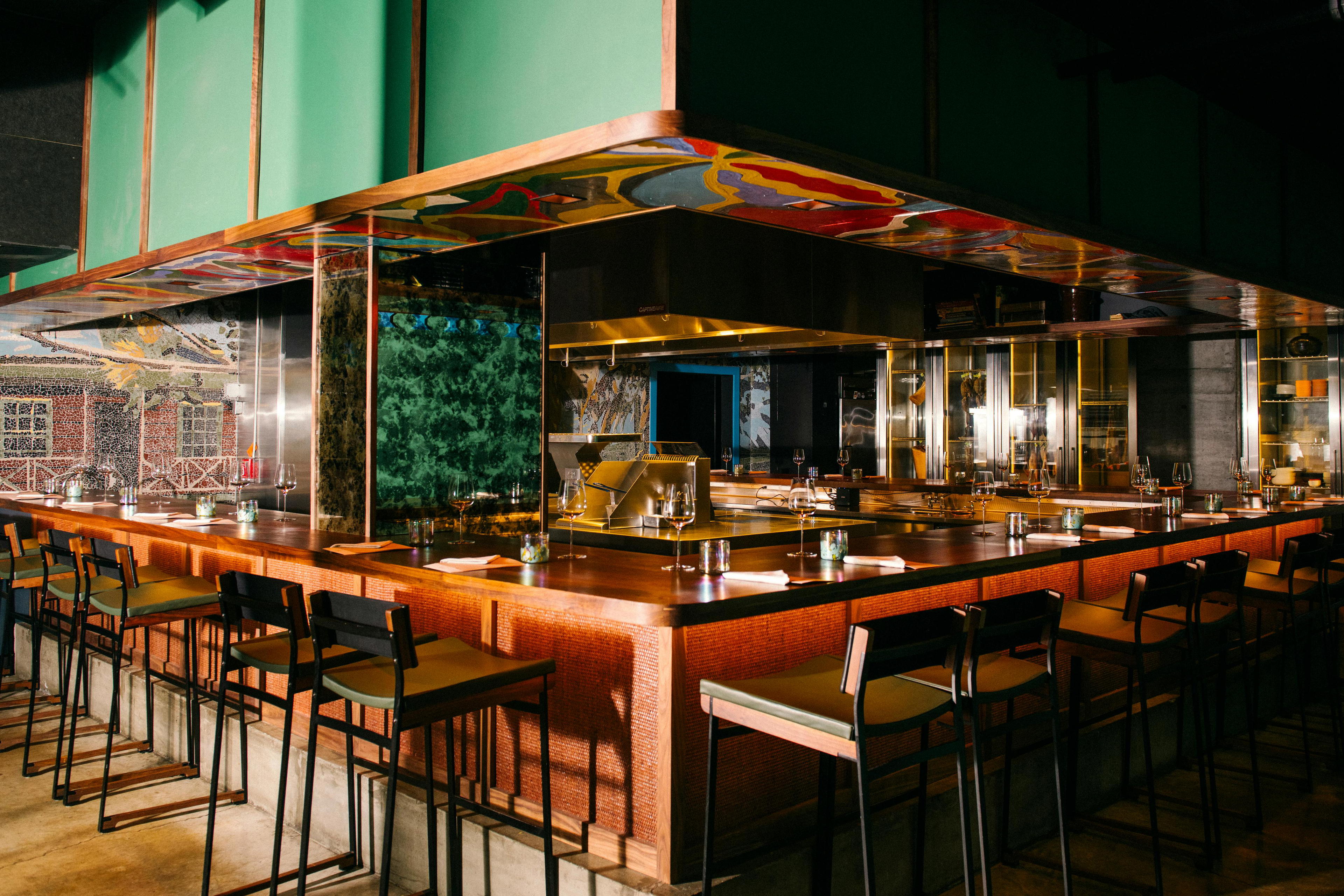
Small-room cocktail bars often gain prestige from scarcity, but scarcity can also make them brittle. The database record notes that Attaboy was once known for a trim capacity of 25 and that the space doubled in size in December 2025, adding a second bar leading. The expansion allows limited reservations, pop-ups, private events, and cocktail classes while keeping the original feel of the bar intact through a mirrored second bar area. For New York, that is a meaningful operational shift: the bar can accept more planned drinking occasions without giving up the compact counter culture that defines the address.
The timing also places the room in a new phase. Combined with the Milk & Honey history, the cocktail space is entering its 25th year, which makes it part of the physical record of American craft bartending rather than a revival-themed replica. In a city that tends to renovate away its own drinking history, continuity at a single address has value. The room’s expansion suggests a bar responding to demand and new formats, not a relic frozen in amber.
For the guest, the practical implication is simple: the experience remains intimate by New York standards, but it is no longer defined only by waiting for a seat in a tiny room. Limited reservations are part of the current format according to the venue record, and that matters for travelers trying to structure a Lower East Side night around dinner, late drinks, or a cross-town bar crawl.
Lower East Side context
Eldridge Street places Attaboy in a neighborhood with layered night-life identities. The Lower East Side has long moved between immigrant foodways, small music rooms, late-night drinking, and younger restaurant energy. Cocktail bars here often feel less formal than hotel bars uptown and less restaurant-bound than dining rooms downtown. That makes the neighborhood a natural home for a bar where the door is discreet, the room is low-lit, and the ordering conversation replaces a laminated menu.
The surrounding city matters for planning. Travelers using Our full New York City restaurants guide can pair the bar with dinner rather than treating it as a stand-alone destination. Those comparing where to stay should use Our full New York City hotels guide, because hotel location changes the rhythm of a New York drinking night more than many visitors expect. A Lower East Side base favors late walking transfers and short rides between downtown bars; a Midtown or uptown base means Attaboy becomes a planned stop rather than an incidental one.
For broader category mapping, Our full New York City bars guide gives the clearest peer context. The city’s drinks scene now extends well beyond Manhattan, but the Lower East Side retains a particular density of compact rooms where serious technique does not require formal dress. Readers building a fuller itinerary can also consult Our full New York City experiences guide and Our full New York City wineries guide, especially if the trip balances cocktails with cultural programming, retail tastings, or wine-focused evenings.
What the awards record actually tells you
Awards in cocktail culture need interpretation. A high placement in a global bar list may reflect visibility, travel patterns, judge access, press momentum, and the timing of a new concept. Attaboy’s record is stronger because it spans eras. From 2013 through 2025, the bar appears repeatedly across World’s 50 Best Bars and North America’s Leading Bars lists, with a 2022 North America #1 placement and a 2025 global #72 placement. That range shows both peak recognition and continued relevance after the initial speakeasy wave.
The Google review score adds a public-facing counterpoint: 4.3 from 1,821 reviews. That number sits in the real-world zone where a high-demand bar may draw strong praise from cocktail-literate guests and frustration from those expecting a conventional menu, quick seating, or a more obvious entrance. For a venue like this, the score should not be read like a hotel cleanliness metric. It reflects a format with built-in friction: no menu, intimate seating, and a service style that requires conversation.
The Pearl Recommended Bar listing in 2025 functions as another trust signal, but the heavier evidence remains the World’s 50 Best record. In practical terms, the award history places Attaboy in a peer set with destination cocktail rooms rather than casual neighborhood bars. It does not mean every guest wants that experience. It means the bar has been judged against international cocktail rooms for more than a decade and has remained in the conversation.
How to read the drink format
Attaboy’s defining feature is not simply that there is no menu. The defining feature is the transfer of decision-making from the printed page to the bartender-guest exchange. That changes how a drinker should order. Vague requests produce vague outcomes; better prompts give the bartender useful parameters. Base spirit, stirred or shaken, citrus or spirit-forward, bitter or soft, refreshing or boozy, and tolerance for sweetness all matter. The format rewards guests who can describe mood and structure without trying to micromanage the recipe.
The known signatures give a useful reference point without forcing the night into a greatest-hits exercise. The Paper Plane, Penicillin, and Greenpoint are attached to the address in the venue record, and each represents a different strand of modern cocktail thinking: equal-parts balance, smoky-spicy sour architecture, and Manhattan-family variation. Ordering one of them can be a historically grounded choice, especially for a first visit. Letting the bartender build from a preference can be more revealing of the current bar program.
This is also where the spirits collection angle becomes practical. A menu-driven bar tells the guest what the bar wants to make. A bespoke bar reveals what it can do with available bottles, modifiers, and staff judgment. The better version of this format is disciplined, not random. It should feel edited, even when the drink is improvised from a conversation.
Planning a night at Attaboy NYC
Attaboy NYC is at 134 Eldridge Street, New York, NY 10002. The database record does not list a public phone number, website, price range, dress code, or hours, so travelers should avoid building a rigid evening around unverified assumptions. The current record does indicate that the expanded format allows limited reservations, and that detail is important for anyone pairing the bar with dinner or multiple stops. In New York, a serious cocktail night works better when the first anchor is fixed and later stops are flexible.
Dress should be read through category and neighborhood rather than a posted code. This is a serious cocktail room on the Lower East Side, not a formal hotel bar. Smart casual clothing fits the setting without turning the evening into a costume. The more important preparation is conversational: know what style of drink is desired before reaching the bar, especially in a no-menu room.
Those comparing Attaboy with other American cocktail addresses should look beyond New York. Bar Leather Apron in Honolulu represents a meticulous, spirits-driven style in a different market. Julep in Houston offers another model of American cocktail identity, rooted in regional drinking culture. Equal Measure in Boston shows how newer East Coast rooms are building their own technical language. Against those peers, Attaboy’s distinction is historical depth combined with an active bespoke format.
A Tight Comparison
A short peer table to compare basics side-by-side.
| Venue | Notes | Price |
|---|---|---|
| Attaboy NYC | This venue | |
| The Long Island Bar | ||
| Dirty French | ||
| Superbueno | ||
| Amor y Amargo | ||
| Angel's Share |
Continue exploring
More in New York City
Bars in New York City
Browse all →Restaurants in New York City
Browse all →Hotels in New York City
Browse all →At a Glance
- Intimate
- Cozy
- Hidden Gem
- Sophisticated
- Date Night
- Special Occasion
- Speakeasy
- Seated Bar
- Booth Seating
- Craft Cocktails
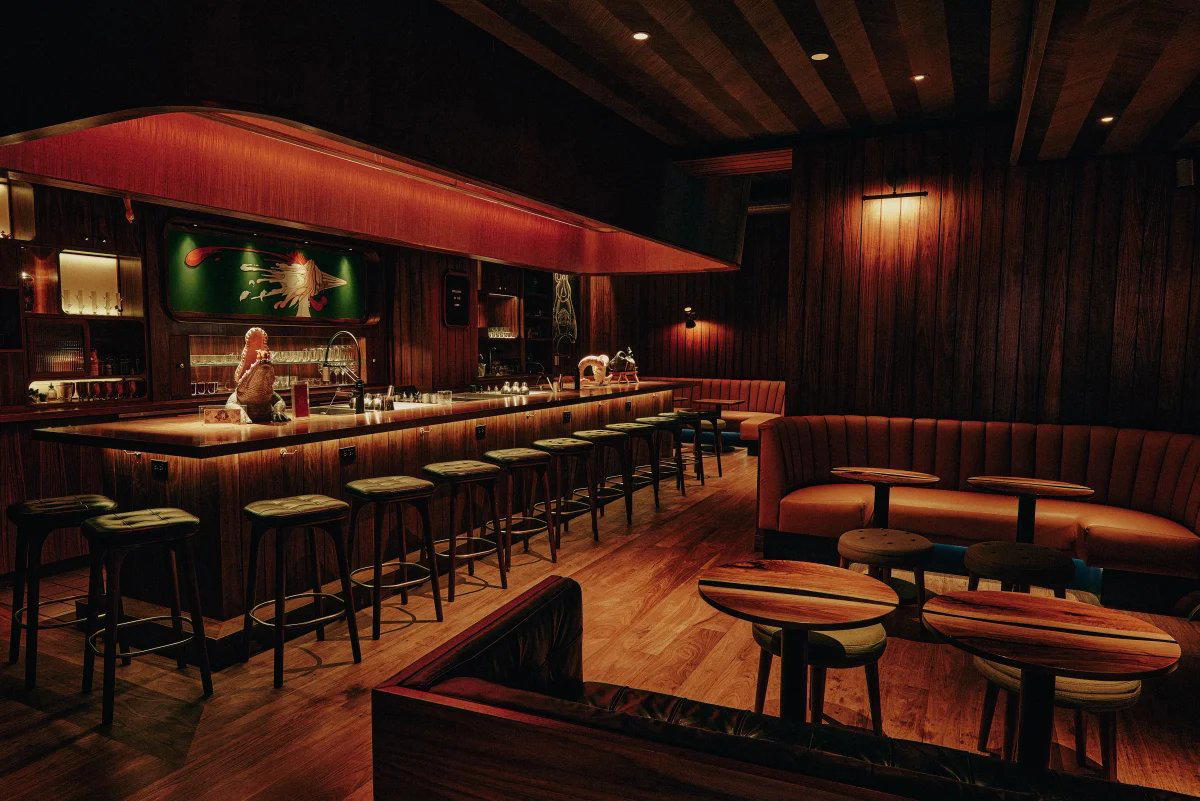
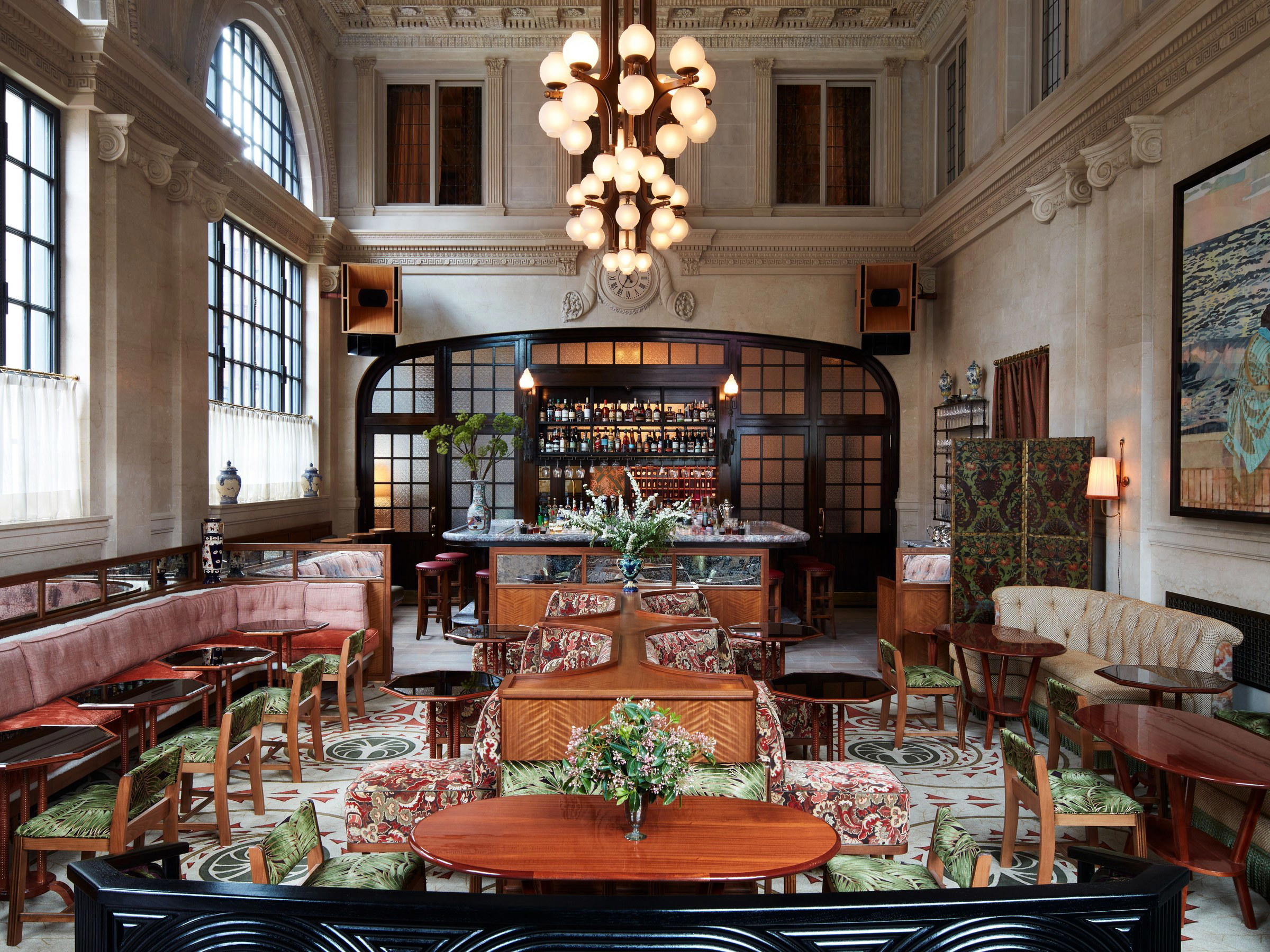
Candlelit, dark, cozy and intimate with great music and a warm, sophisticated atmosphere.