Amaya
Amaya sits in Colonia Juárez, a neighbourhood that has become the reference point for Mexico City's most considered cocktail programs. The bar operates in a register defined by craft precision and hospitality depth rather than spectacle, placing it alongside a small cohort of capital addresses where what happens behind the counter matters more than the room's theatrics.
- Address
- Calle Gral. Prim 95, Juárez, Cuauhtémoc, 06600 Ciudad de México, CDMX, Mexico
- Phone
- +52 55 5592 5671
- Website
- amayamexico.com
- Directions
- Get directions
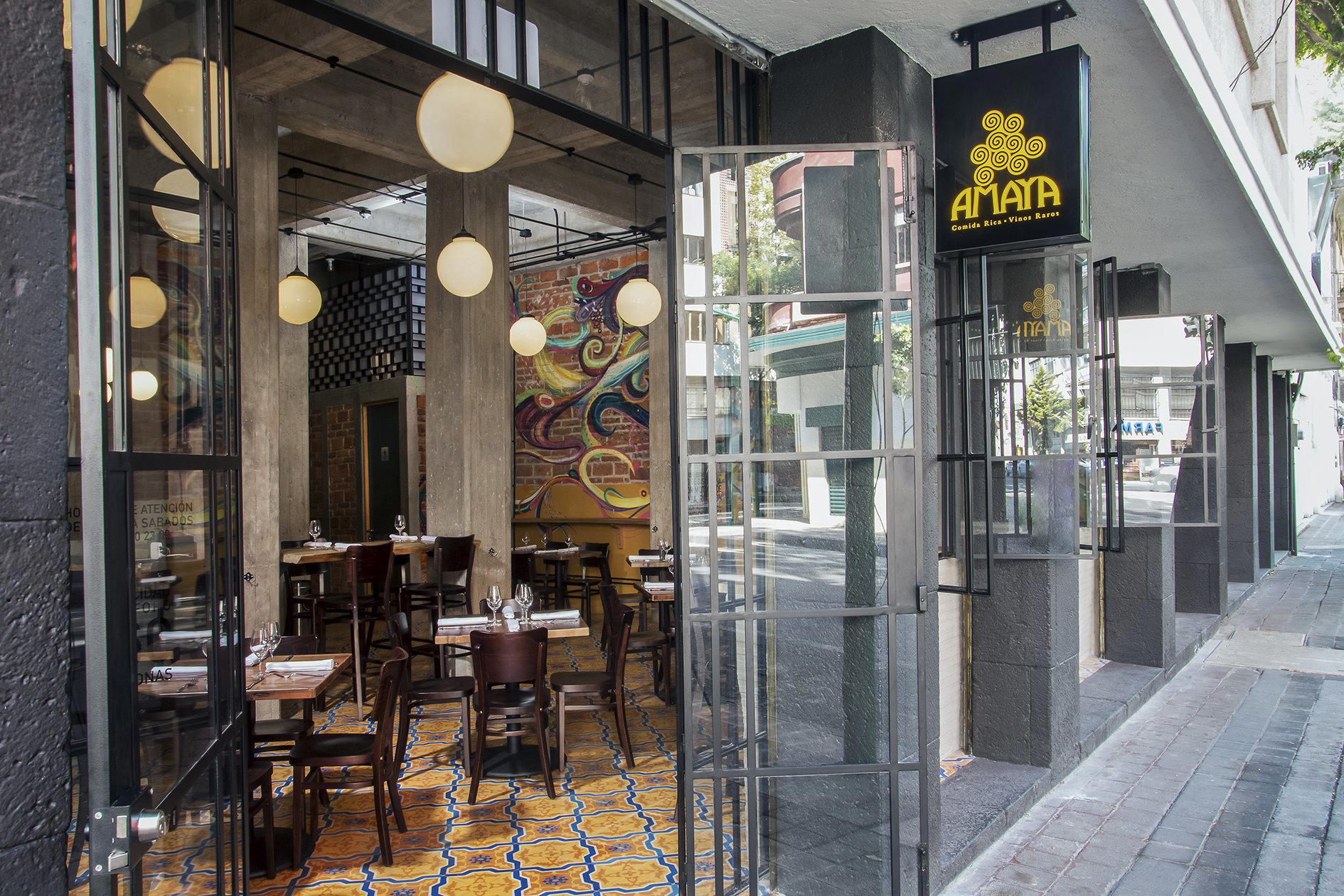
Colonia Juárez and the Bar That Earns Its Quiet
There is a particular kind of bar that Mexico City has been producing with increasing confidence over the past decade: rooms that don't announce themselves loudly, where the work is visible in the glass rather than in the design budget. Colonia Juárez, the neighbourhood surrounding Calle General Prim, has become the gravitational centre of this tendency. The streets here have cycled through art galleries, mid-century architecture, and a restaurant density that now rivals Roma Norte, and the bars that have taken root in the area reflect a similar seriousness. Amaya, a bar at Calle Gral. Prim 95 in Ciudad de México, sits in that context, in a part of the city where the audience has opinions and the bar scene has been forced to meet them.
What the Counter Communicates
The editorial angle that matters most at a bar like Amaya is not the room or the menu concept, but what the person behind the counter is actually doing. Mexico City's most discussed cocktail addresses have largely moved away from the novelty-driven formats that defined the early years of the craft movement here. The emphasis now, at the tier of bar that draws a knowing local crowd in Juárez, is on reading the guest, managing pace, and building drinks that reward attention without requiring explanation. This is the hospitality register that distinguishes a bar like Amaya from higher-volume operations further into the Centro or the louder corners of Condesa.
Across Mexico City's bar scene, the bartender's role has evolved in a direction more familiar to cities like Tokyo or London: the person behind the counter is part technician, part host, and part editor. They are making decisions about spirit selection, dilution, and sequence that reflect genuine training rather than template execution. Baltra Bar and Bar Mauro have both been cited in this context, operating programs that reward regular attendance and build a relationship between guest and bartender over multiple visits. Amaya occupies a similar position in Juárez specifically, where the local bar-going population is both informed and consistent.
Juárez as a Barometer
To understand Amaya's competitive placement, it helps to understand what Colonia Juárez has become as a dining and drinking district. Unlike Roma Norte, which has a longer established reputation and a tourist footfall to match, Juárez has retained a higher proportion of a local, professional audience even as its profile has risen. The bars that have found sustained traction here tend to be the ones that serve that audience well across repeat visits rather than converting first-time visitors on spectacle alone. Bijou Drinkery Room and Brujas operate in proximate neighbourhoods and reflect different expressions of the same underlying shift: Mexico City's bar culture is maturing past its reference phase and beginning to generate its own vocabulary.
The address on Calle General Prim places Amaya within walking distance of some of the city's most discussed restaurant openings of the past few years, which matters for a bar that likely draws as much post-dinner traffic as it does destination visits. In a city where the ritual of extending an evening across several addresses is deeply embedded in how people socialise, location within a walkable cluster is a structural advantage, not incidental detail.
Mexico's Broader Cocktail Geography
Amaya's position in the capital also needs to be read against what is happening in Mexico's wider bar scene. The country has produced a series of addresses in secondary cities that are drawing serious attention: Bekeb in San Miguel de Allende operates within a colonial-city context that brings a different kind of traveller; La Capilla in Tequila is a document of Mexican cocktail history rather than a contemporary program; Sabina Sabe in Oaxaca has built a reputation around mezcal and regional spirits that reflects where much of the country's most interesting spirits conversation is happening. Zapote Bar in Playa del Carmen and Arca in Tulum serve markets defined by resort tourism rather than local regulars.
None of these share Amaya's specific context, which is the challenge and the opportunity of operating a considered bar program in a capital city neighbourhood that is dense with both competition and an audience sophisticated enough to notice the difference. The bars that endure in this environment do so through consistency and craft depth, not through a single memorable visit. For a point of international comparison, Bar Leather Apron in Honolulu represents a similar model: a technically serious program in a market not automatically associated with cocktail culture, surviving on repeat local loyalty rather than tourist volume. Aruba Day Drink in Tijuana shows yet another variation, where border-city energy creates a different set of constraints and possibilities.
Planning a Visit
Calle General Prim 95 in Colonia Juárez is accessible by Metro (the Insurgentes station on Line 1 is within comfortable walking distance) or by the city's ride-share services, which are the practical default for most visitors moving between evening venues. The neighbourhood is most active from mid-evening onward, and bars in this cluster tend to build in crowd density after 9pm, particularly on Thursday through Saturday. For those building an evening across the area, the proximity to Juárez's restaurant and bar cluster on and around Amberes and Londres means Amaya works naturally as a destination in a longer sequence.
A Tight Comparison
Comparable venues nearby, for context on price, style, and recognition.
| Venue | Cuisine | Price | Notes |
|---|---|---|---|
| AmayaThis venue — the venue you are viewing | Not listed | $$$ | Not listed |
| Balagan | Not listed | $$$ | Tabacalera, cocktail_bar |
| Maison Artemisia | Not listed | $$$ | Roma Norte, cocktail_bar |
| Cantina "Tio Pepe" | Tabacalera, Bar | $$ | Not listed |
| Le Tachinomi Desu | Not listed | $$$ | Cuauhtemoc, sake_bar |
Continue exploring
More in Mexico City
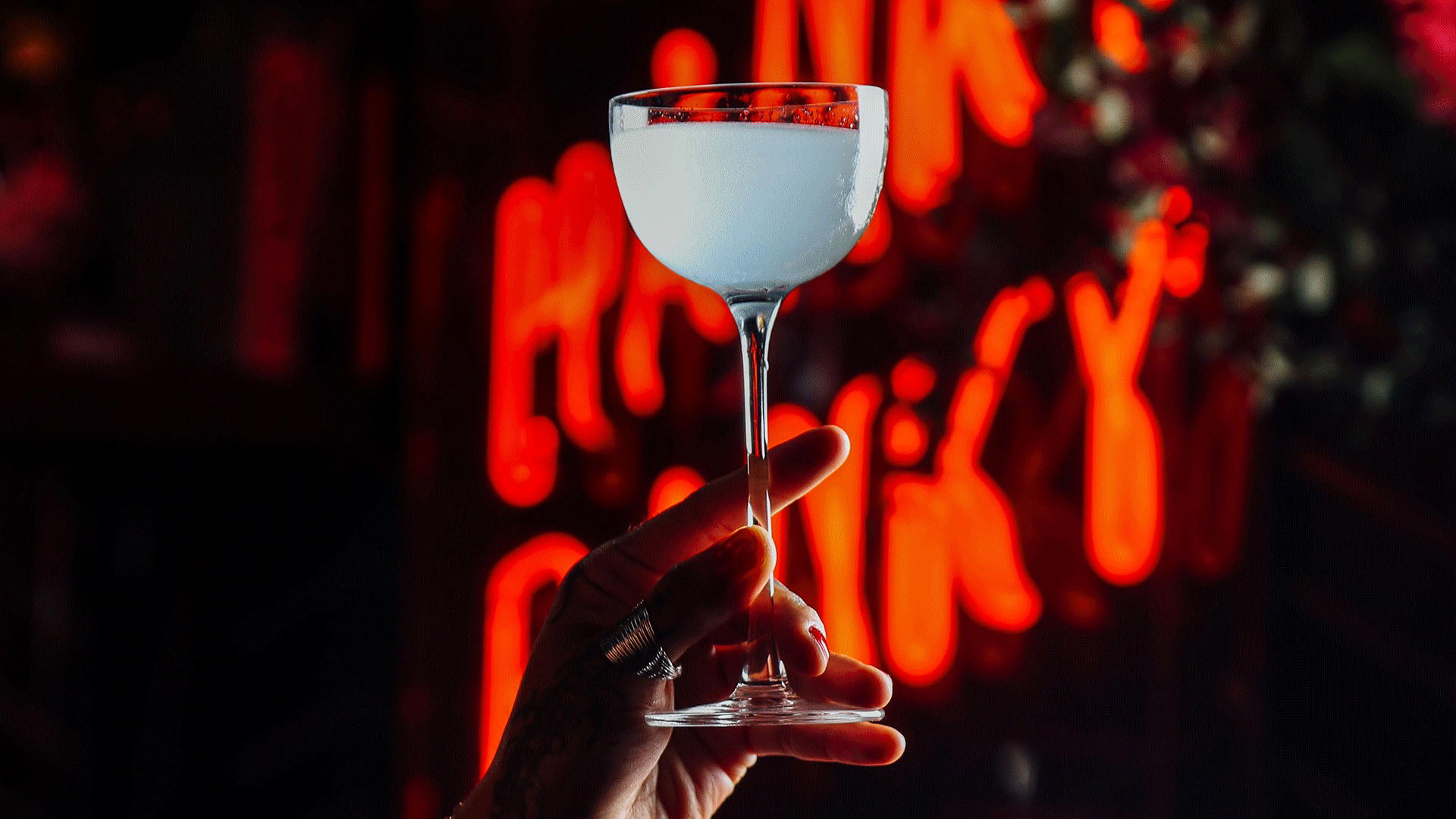
Bars in Mexico City
Browse all →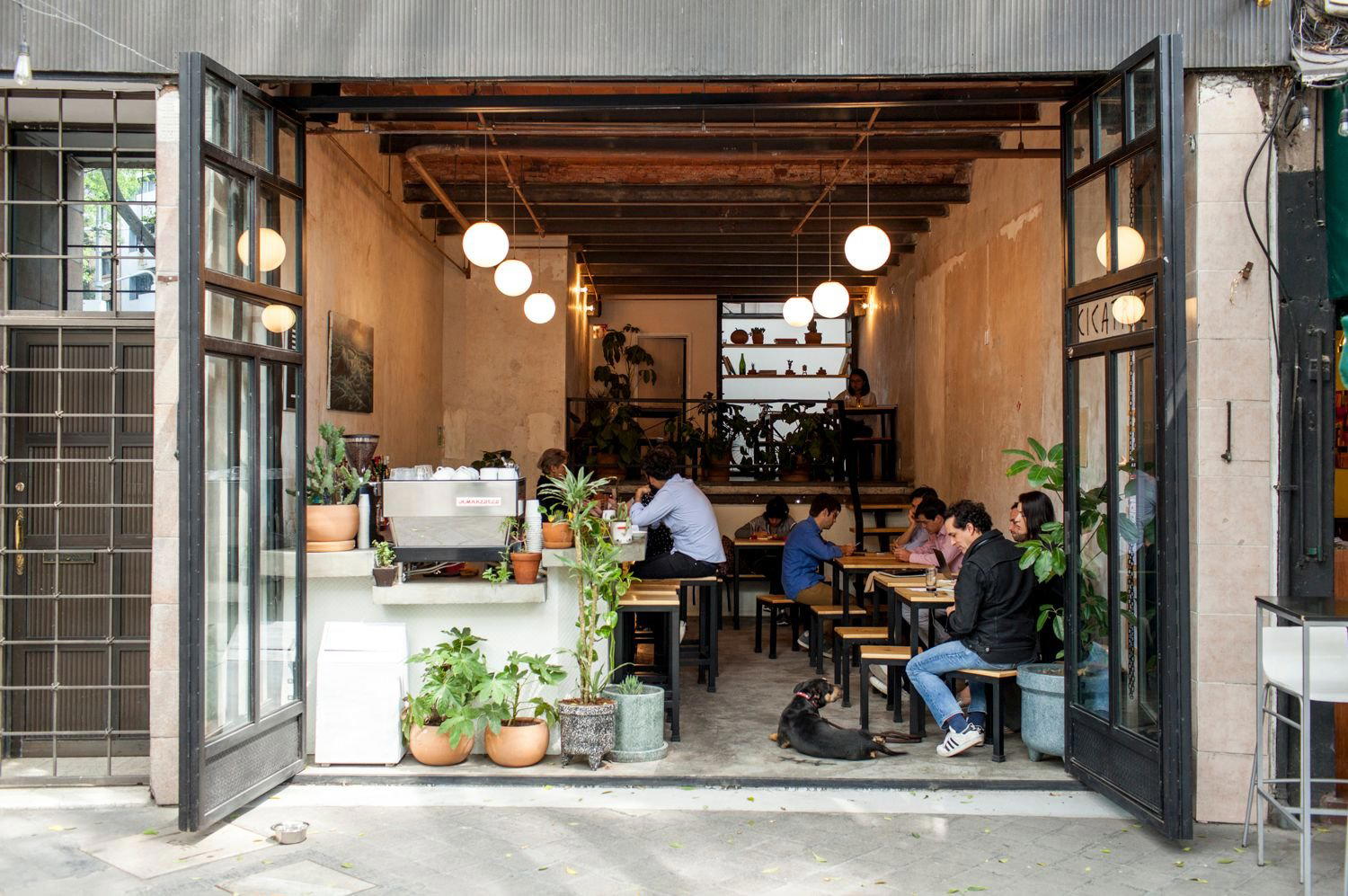
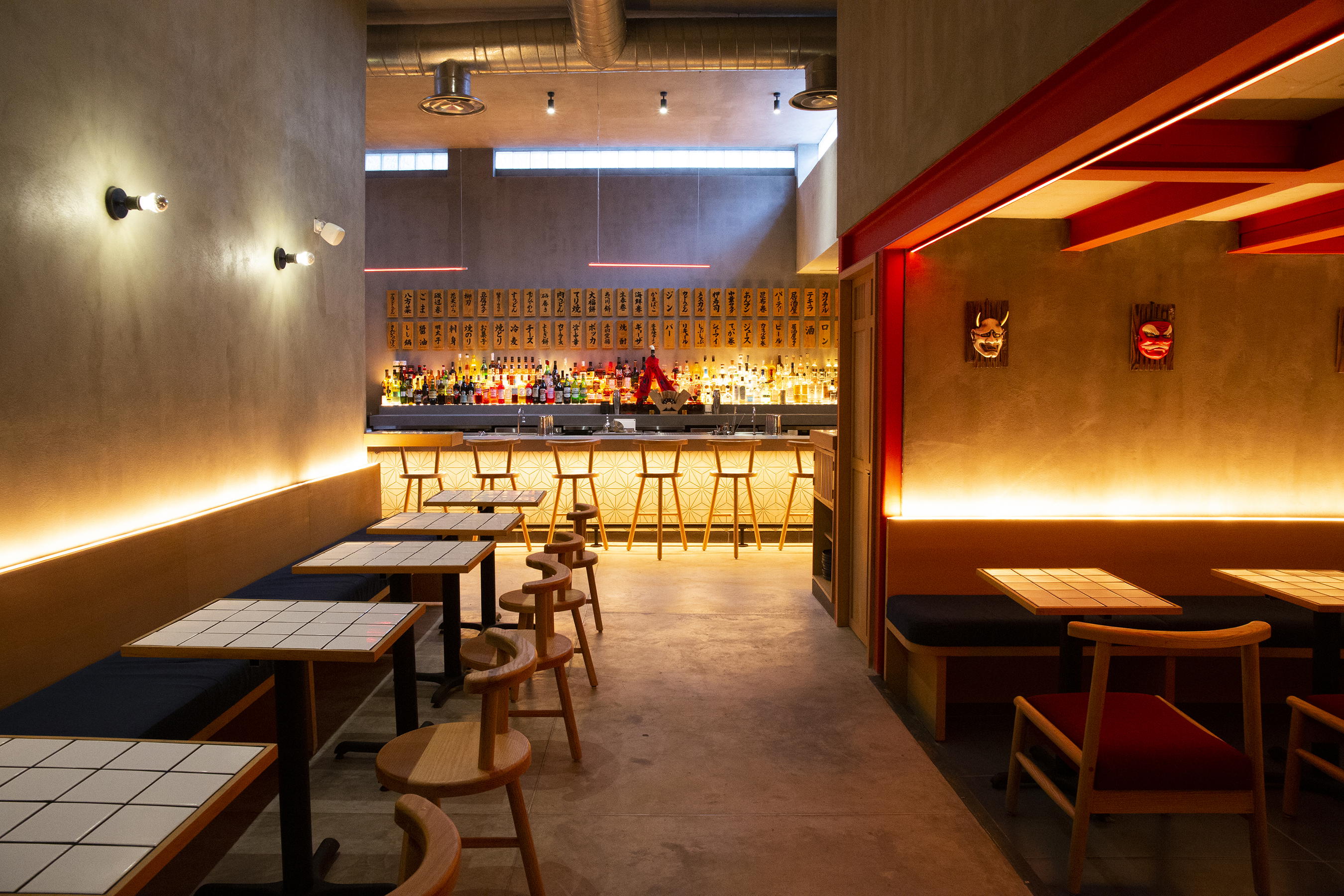
Restaurants in Mexico City
Browse all →
At a Glance
- Cozy
- Bohemian
- Trendy
- Intimate
- Date Night
- Casual Hangout
- Design Destination
- Seated Bar
- Lounge Seating
- Natural Wine
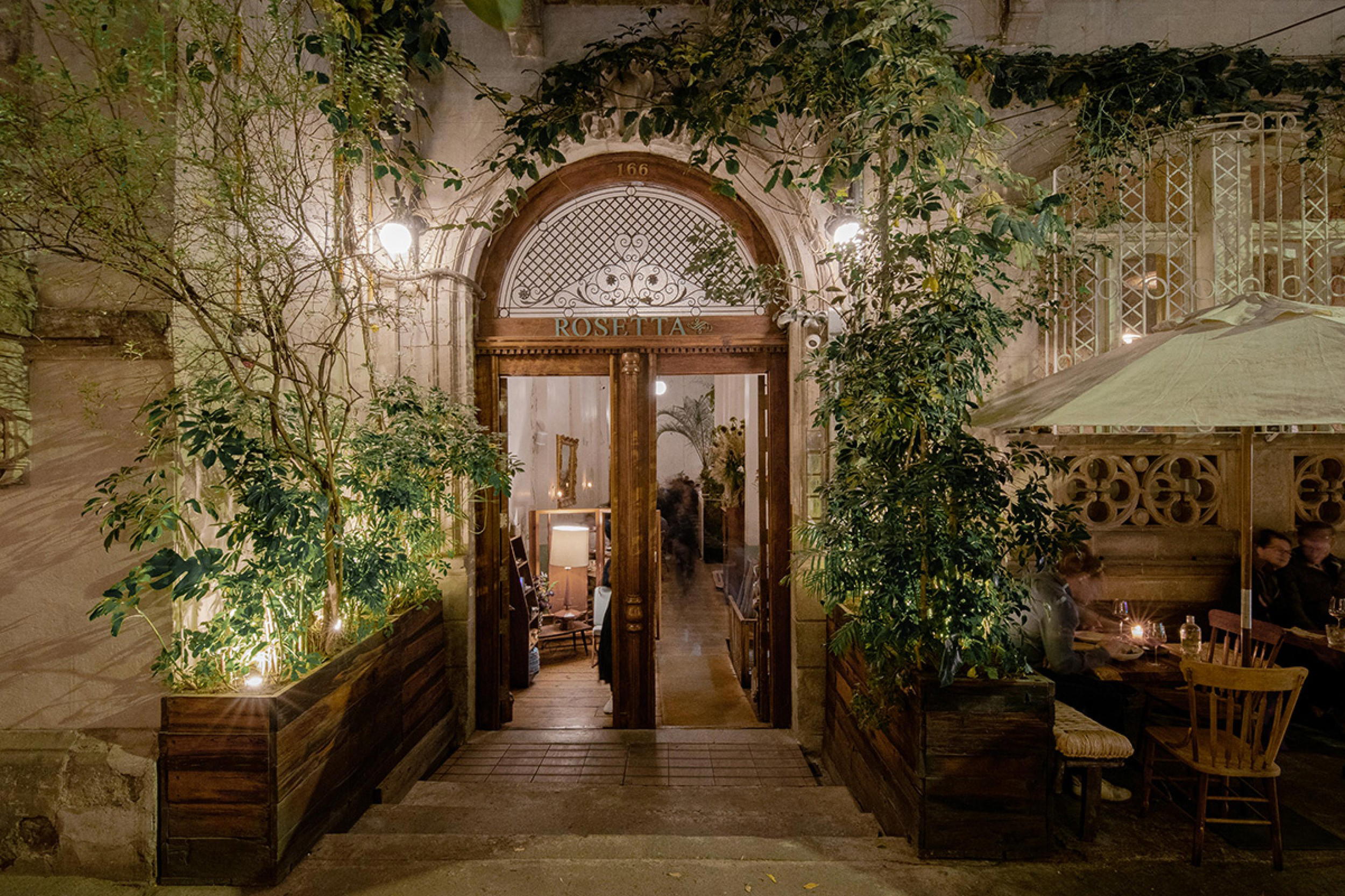
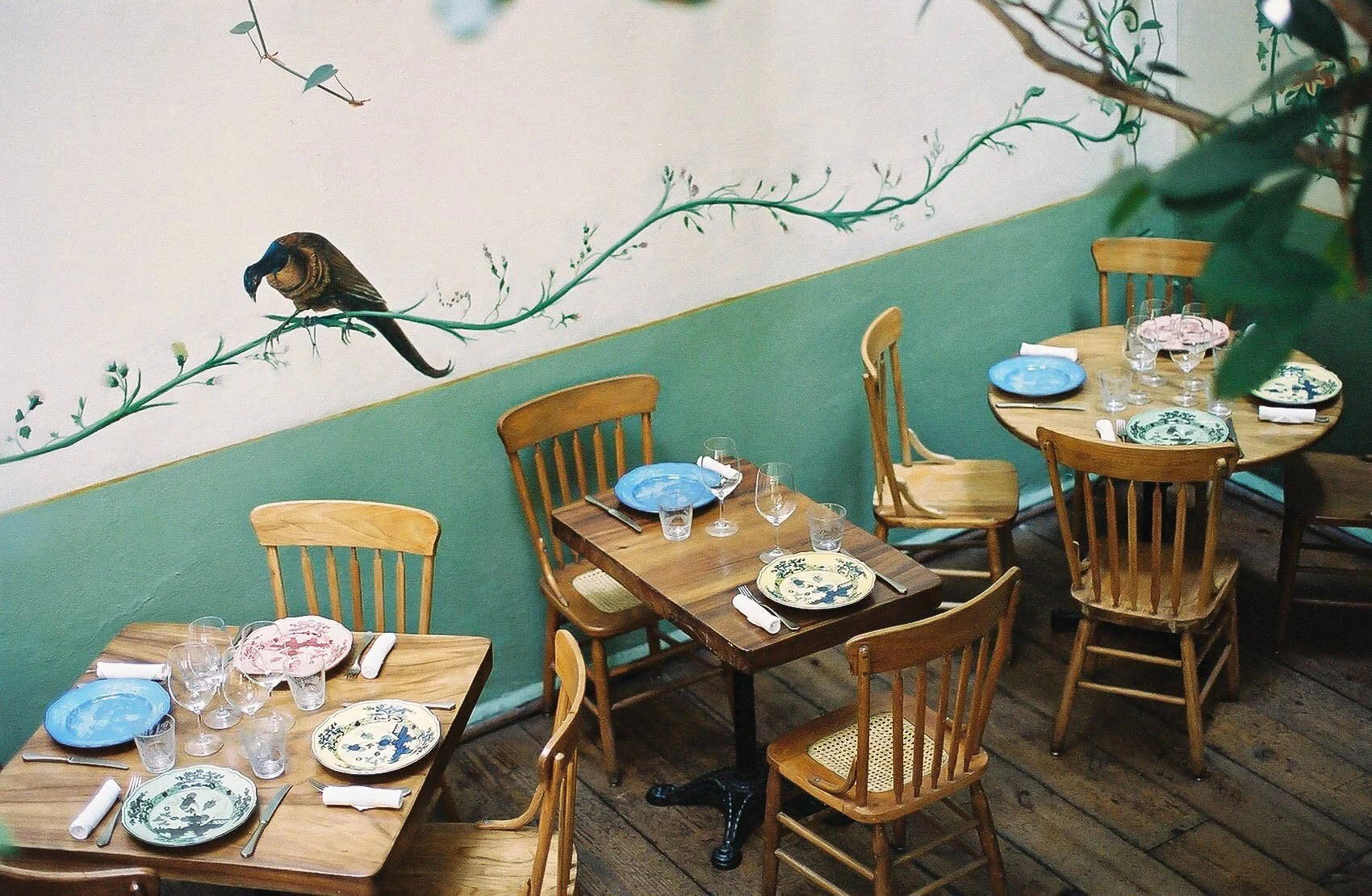
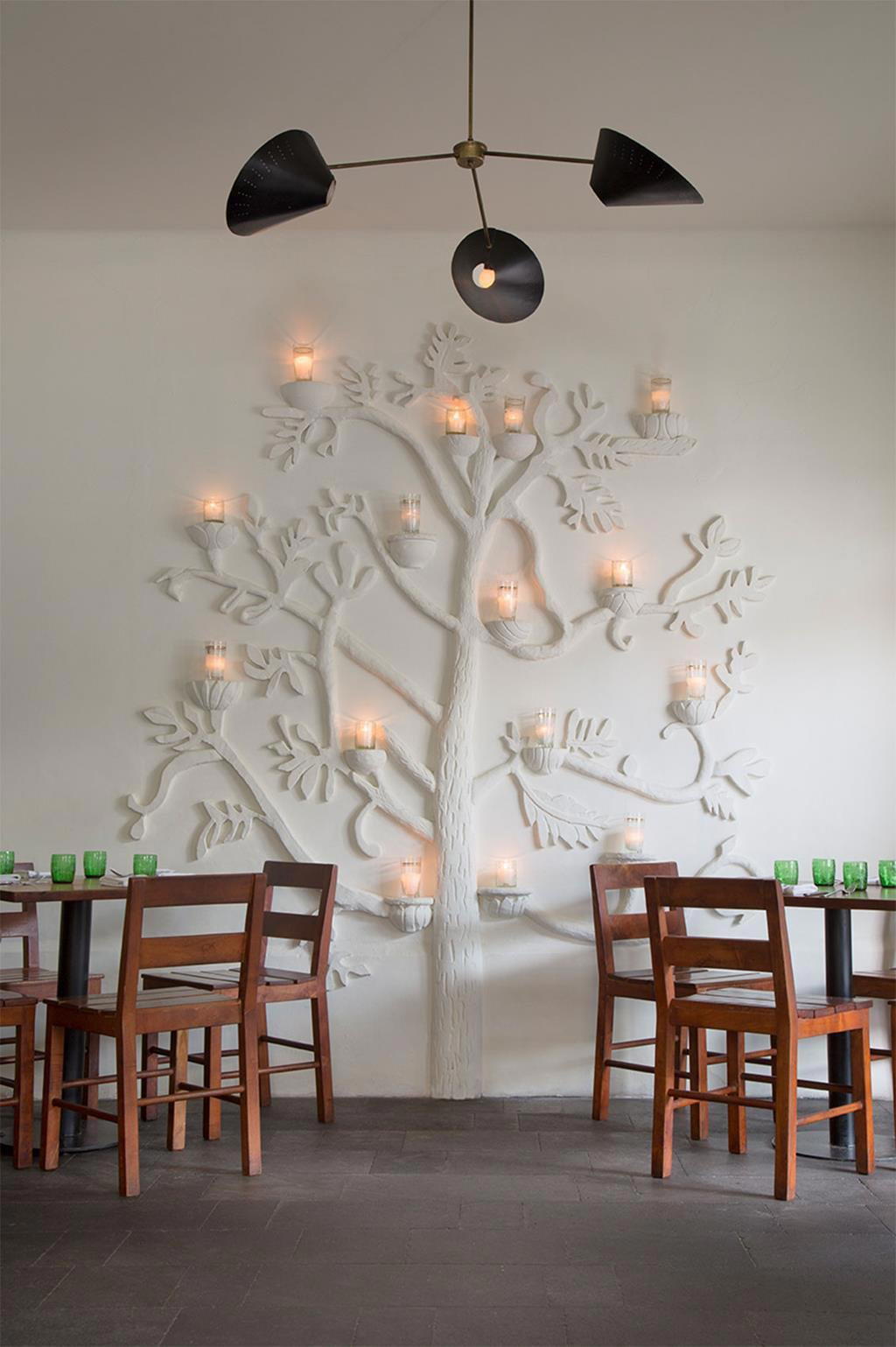
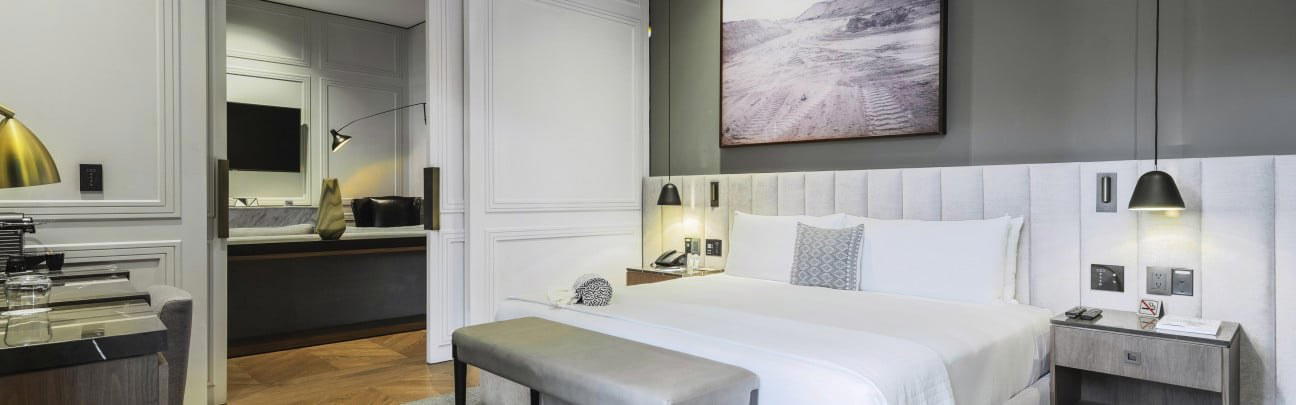
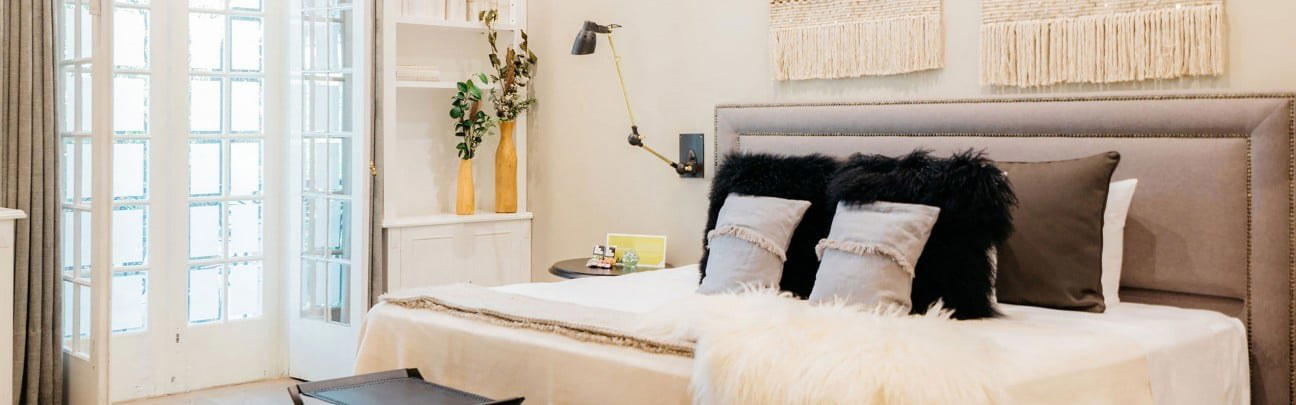
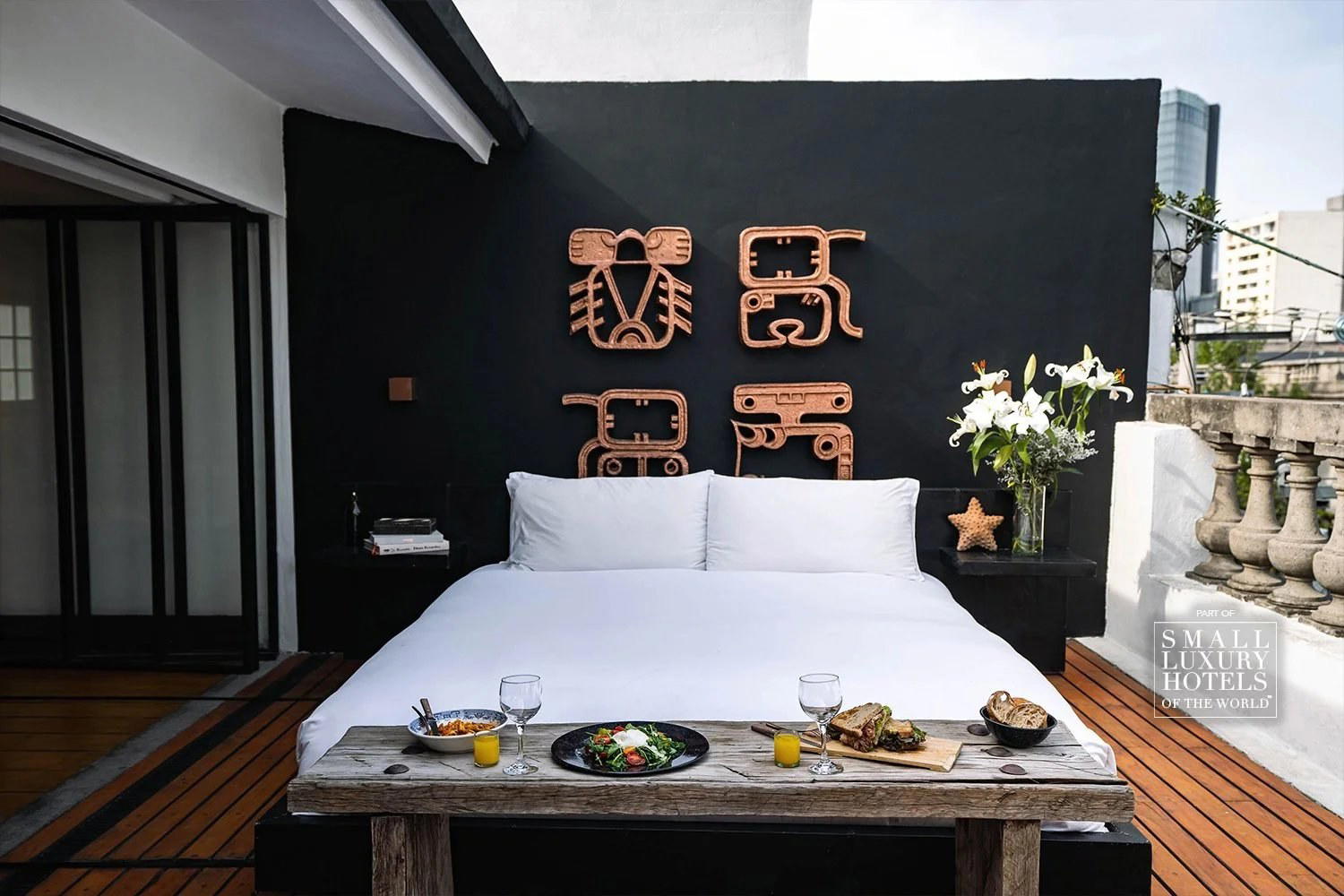
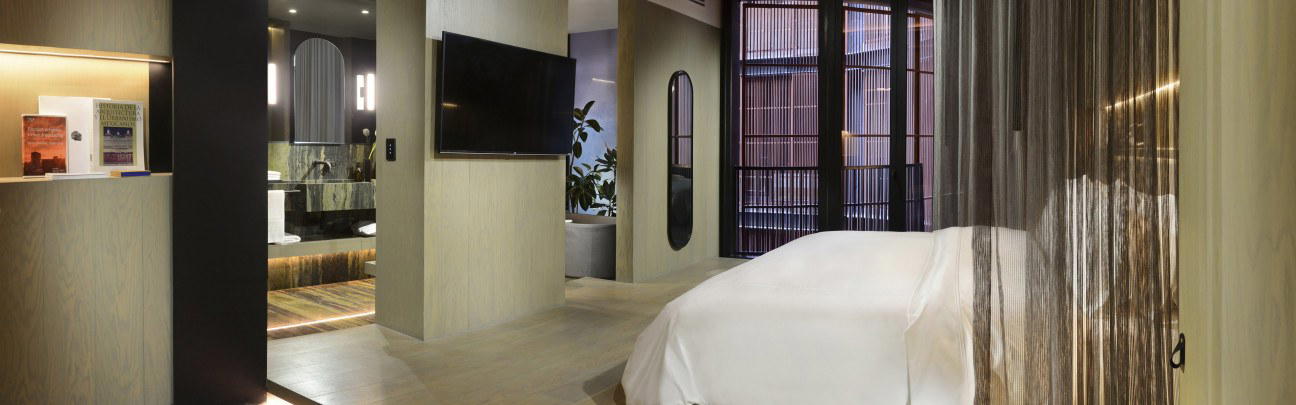
Cozy bohemian atmosphere with colorful Oaxacan tile, exposed brick, and urban-chic design featuring concrete columns.