Maison Artemisia
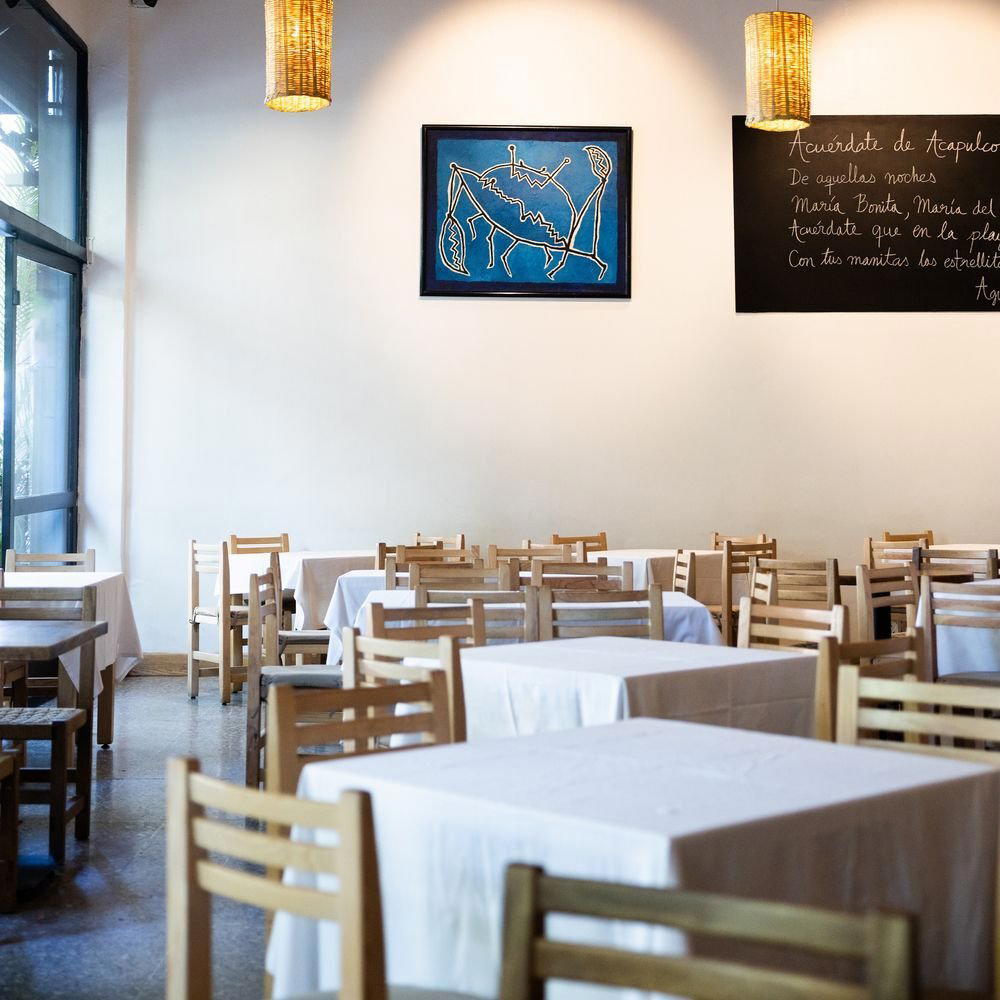
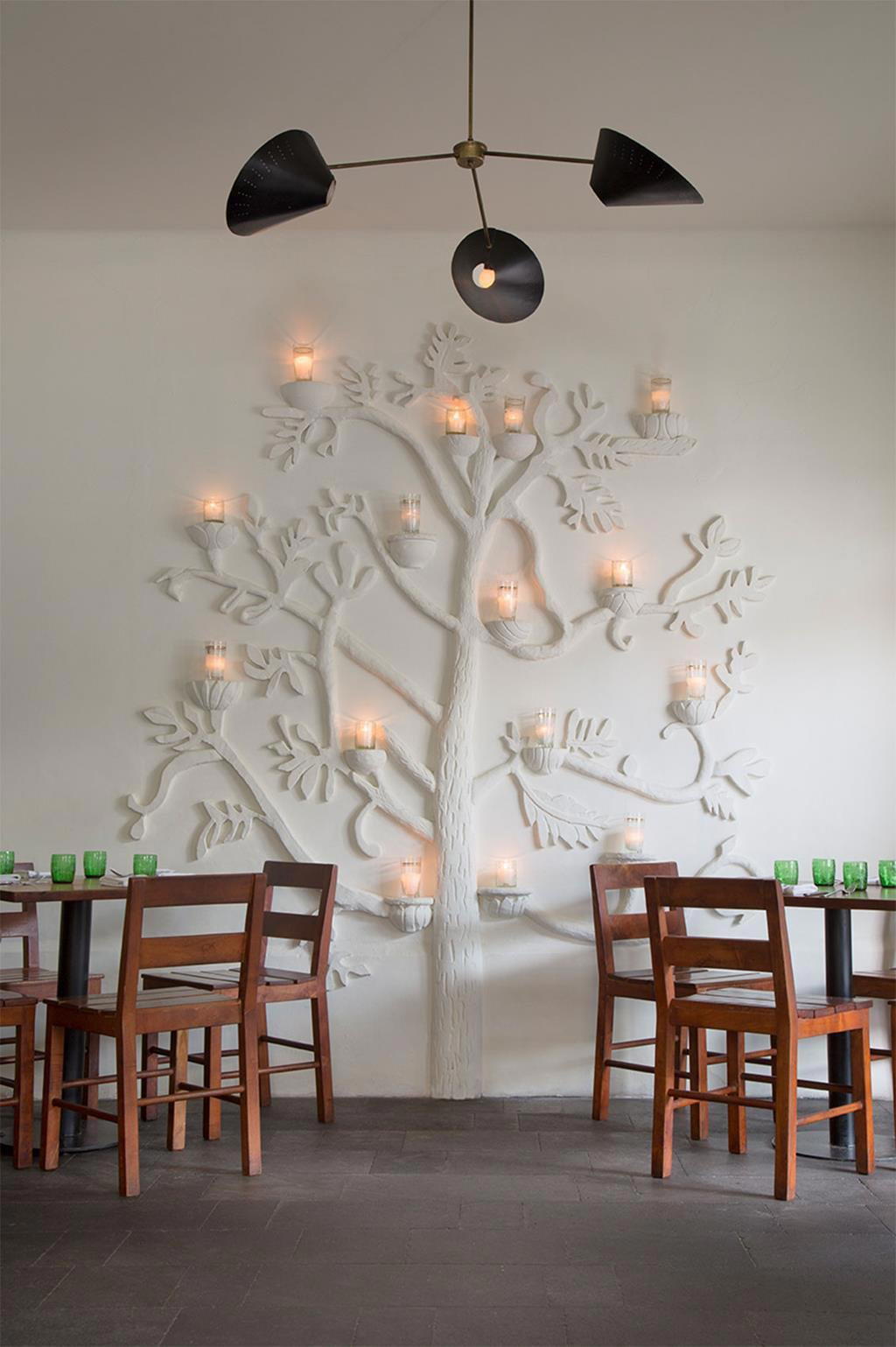
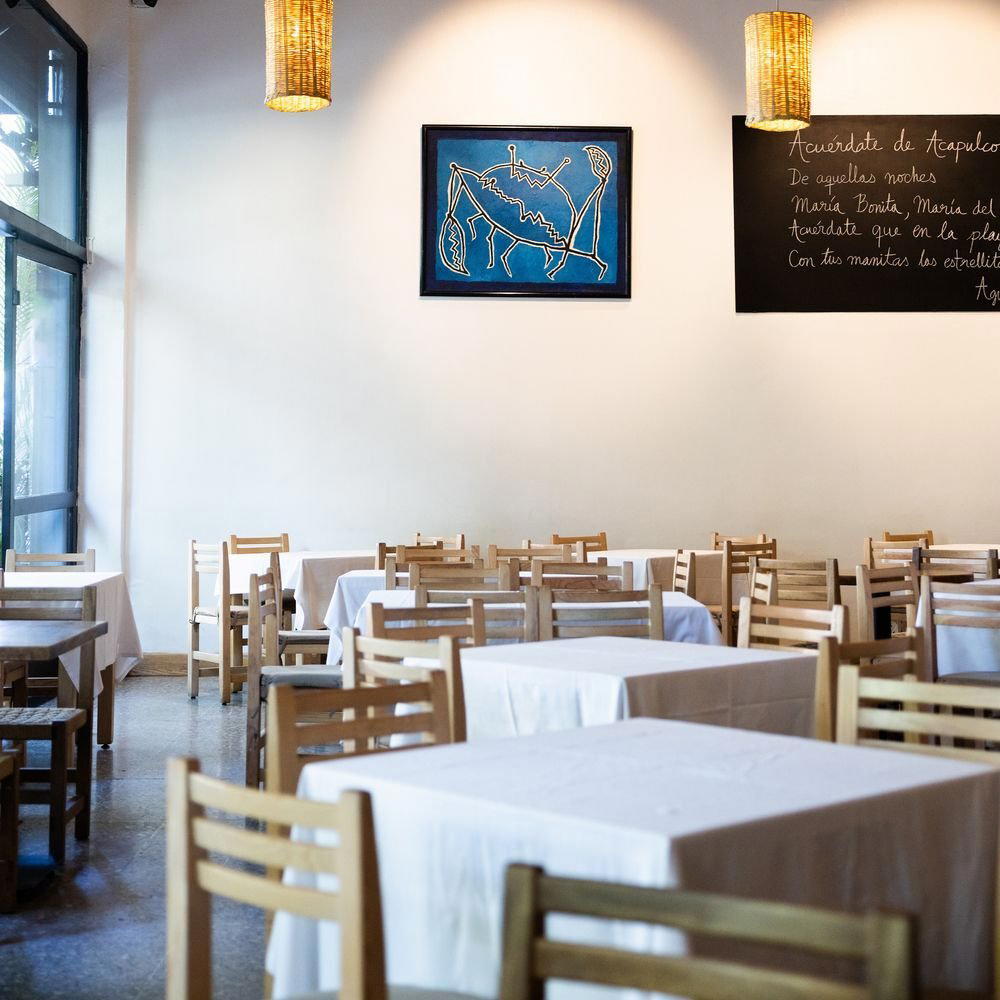
Maison Artemisia occupies a quiet address on Tonalá in Colonia Roma Norte, one of Mexico City's most considered dining corridors. The format and menu architecture here reflect the neighbourhood's broader shift toward restrained, ingredient-led cooking rather than high-volume spectacle. For visitors already tracking the city's serious restaurant tier, it belongs on the shortlist alongside the Roma-Condesa circuit's more established names.
Pearl is the En Primeur Club membership app — saves, bookings, and concierge access live there. Same editors, same standards.
- Address
- Tonalá 23, Roma Nte., Cuauhtémoc, 06700 Ciudad de México, CDMX, Mexico
- Phone
- +52 55 9036 3778
- Website
- maisonartemisia.com
- Directions
- Get directions
 Saves & bookings on Pearl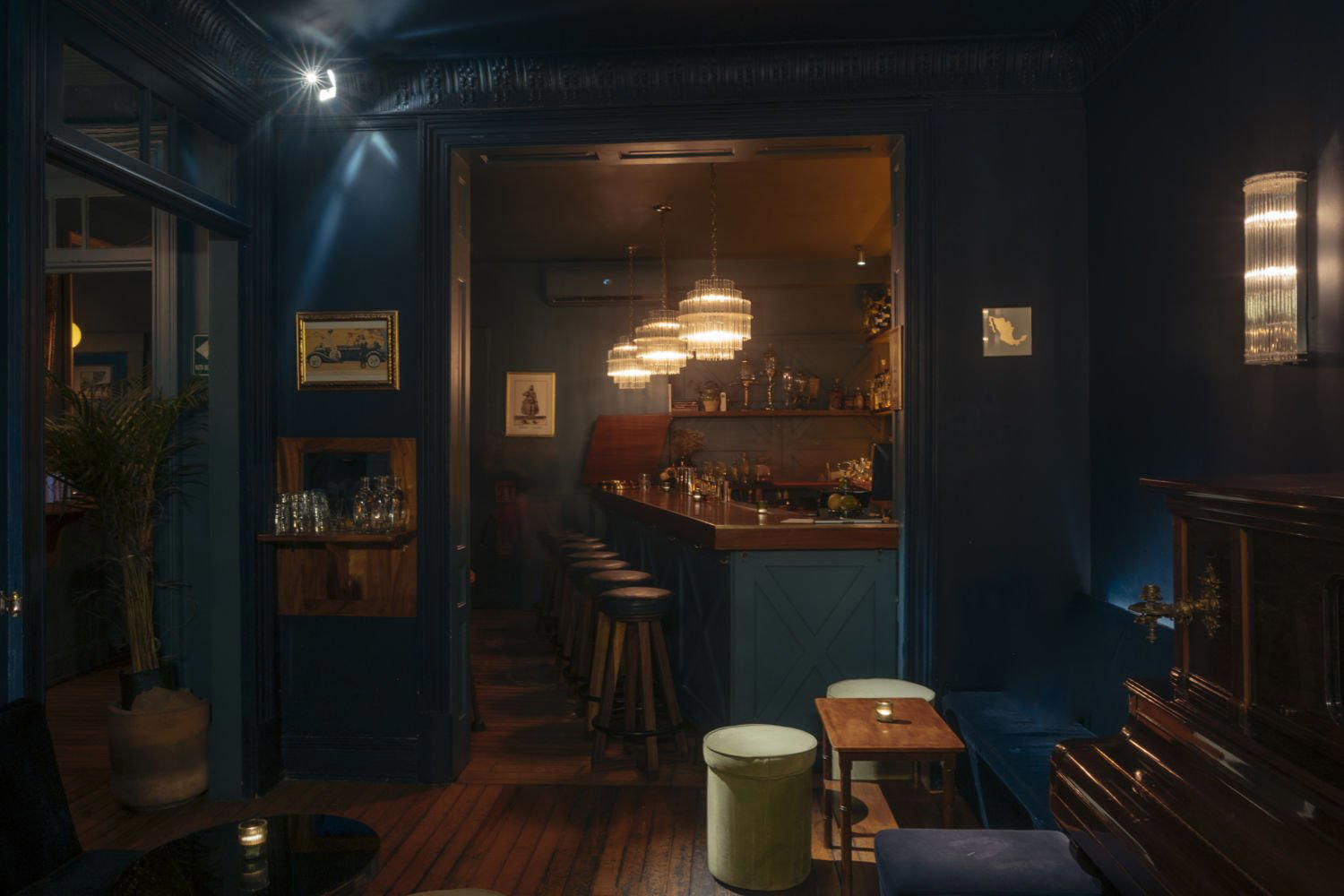
Colonia Roma Norte and the Quiet End of Tonalá
The blocks of Tonalá that run through Roma Norte have a particular register: tree-lined, low-rise, and populated by the kind of restaurants that don't need a sign you can read from across the street. Maison Artemisia sits at number 23 in this corridor, in a neighbourhood that has spent the last decade consolidating its position as Mexico City's most consistently serious dining district. This is not the Roma of mezcal bars and ceviche counters, though those exist nearby. The end of the street where Artemisia operates belongs to a quieter, more deliberate tier of the local scene.
Roma Norte's dining identity has evolved in a specific direction: smaller rooms, structured menus, and a clear preference for culinary traditions that require some explanation to the table. The neighbourhood draws a disproportionate share of Mexico City's most focused restaurants, and the concentration means that any serious address here is implicitly in conversation with strong neighbours. For context on the wider Roma-Condesa circuit, the full Mexico City restaurants and bars guide maps the district's current shape across cuisine types and price tiers.
Menu Architecture as Argument
In Mexico City's premium restaurant tier, menu structure has become a form of editorial statement. The division between tasting-menu-only counters, à la carte rooms, and hybrid formats carrying both options signals something about a kitchen's priorities and its intended relationship with guests. Restaurants that offer a single fixed progression make an implicit claim: the kitchen's logic matters more than the diner's spontaneity. Those that maintain à la carte alongside a structured menu are negotiating between two different ideas of hospitality.
How a menu is organised also tells you where the kitchen's confidence sits. The sequence of courses, the proportion of protein to vegetable, the moment at which acidity appears, the handling of carbohydrate — these are architectural decisions, not decorative ones. The most interesting kitchens in the Roma-Condesa tier tend to use structure to surface ingredients that wouldn't register on a conventional dish-by-dish card. A single component stretched across two or three moments in a progression reads completely differently from the same ingredient appearing once in an entrée position.
Maison Artemisia operates within this context. For a comparable reference point elsewhere in Mexico, the bar and dining program at Arca in Tulum offers an instructive contrast: a jungle-edge setting built around a wood-fire philosophy that prioritises theatricality of environment over menu architecture. The Tonalá address is doing something different in register, if not necessarily in ambition.
The Drinking Side of Roma Norte
A serious restaurant in this neighbourhood operates in close proximity to some of Mexico City's most technically accomplished bars. The cocktail program at any Roma Norte address benefits from, and is quietly measured against, a remarkably competitive local bar scene. Baltra Bar has sustained international recognition for its low-intervention approach and precise execution; Bar Mauro operates at a different register but with comparable seriousness of purpose. The nearby Bijou Drinkery Room and Brujas extend the district's range further, each representing a distinct approach to what a Mexico City bar can be in 2024.
This context matters because the wine and beverage program at any restaurant operating in this district is set against a high local standard. Guests who know the bar scene will arrive with calibrated expectations. The most common pattern at Roma Norte's premium tables is a short, considered wine list weighted toward natural and low-intervention producers, with a mezcal or spirits program that acknowledges the neighbourhood's preferences without trying to compete directly with specialist bars. The appetite for technical cocktail culture in this district is well-established, and the leading pairings tend to come from restaurants that work within their own logic rather than importing a bar program wholesale.
For a broader picture of where Mexico's drinking culture sits by region, the contrast between addresses like La Capilla in Tequila, which carries deep historical weight, El Gallo Altanero in Guadalajara, and the more studied contemporary programs in Roma Norte illustrates how differently the craft is being practised across Mexican cities right now.
Positioning Within the Mexico City Tier
Mexico City's serious restaurant market has stratified clearly in the post-2020 period. At the leading, a small group of tasting-menu destinations commands international attention and reservation wait times measured in weeks. Below that bracket, a much larger group of competent mid-market tables competes on value and volume. The interesting tier, and the one Roma Norte disproportionately occupies, sits between those two poles: structured, serious, and operating with enough restraint to let the food carry the room without the theatre of a prestige production.
Addresses in this middle tier tend to be evaluated against a different set of criteria than either category above them or below. Consistency matters more than spectacle. The ability to hold a room through a full progression without losing the thread matters more than a single signature dish. The ratio of tables to kitchen team tells you something about whether the kitchen has been set up to succeed or simply to fill covers.
For international visitors building a Mexico City itinerary, Roma Norte's mid-to-upper tier now competes seriously with comparable addresses in other Latin American capitals. The equivalent positioning in other Mexican cities, places like Bekeb in San Miguel de Allende or the more casual end of Aruba Day Drink in Tijuana, illustrates how geographically dispersed the country's serious food culture has become, even as Mexico City retains its density advantage.
Planning a Visit
Tonalá 23 is walkable from the core of Roma Norte and well within reach of Condesa. The neighbourhood is leading approached on foot or by taxi rather than by car; street parking is limited and the streets around Tonalá are narrow. For visitors arriving from further afield, Bar Leather Apron in Honolulu offers an interesting international comparison point for understanding the kind of serious, mid-scale hospitality program that shares a sensibility with this Roma Norte address, even across a very different city context. The practical recommendation for any restaurant at this tier in Mexico City is to book at least a week ahead for weekend slots, with midweek evenings offering more flexibility. Dress expectations in Roma Norte's serious dining rooms tend toward smart-casual: the neighbourhood skews younger and more creative than the historic centre's formal dining rooms, but the room's character usually sets the tone clearly enough on arrival.
Continue exploring
More in Mexico City
Bars in Mexico City
Browse all →
Restaurants in Mexico City
Browse all →
At a Glance
- Intimate
- Elegant
- Sophisticated
- Cozy
- Trendy
- Date Night
- Late Night
- Casual Hangout
- Live Music
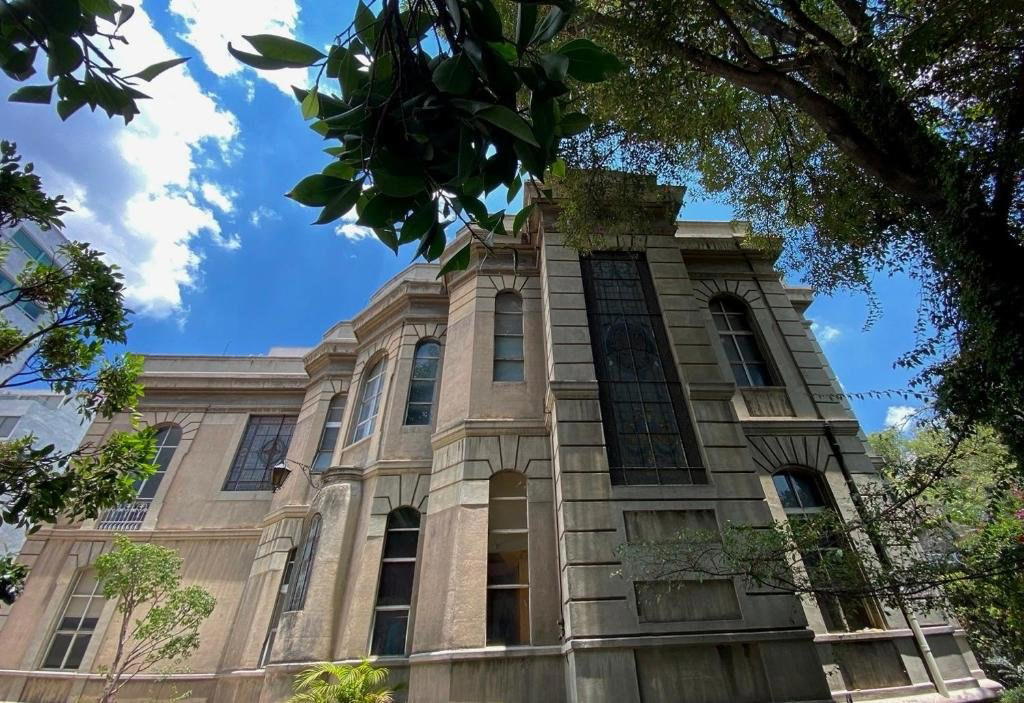
- Historic Building
- Seated Bar
- Lounge Seating
- Craft Cocktails
- Mezcal
- Classic Cocktails
Current opening hours
- Monday
- Closed
- Tuesday
- 6 PM–2 AM
- Wednesday
- 6 PM–2 AM
- Thursday
- 6 PM–2 AM
- Friday
- 6 PM–2 AM
- Saturday
- 6 PM–2 AM
- Sunday
- 6 PM–2 AM
Hours can change for holidays and private events. Last verified .
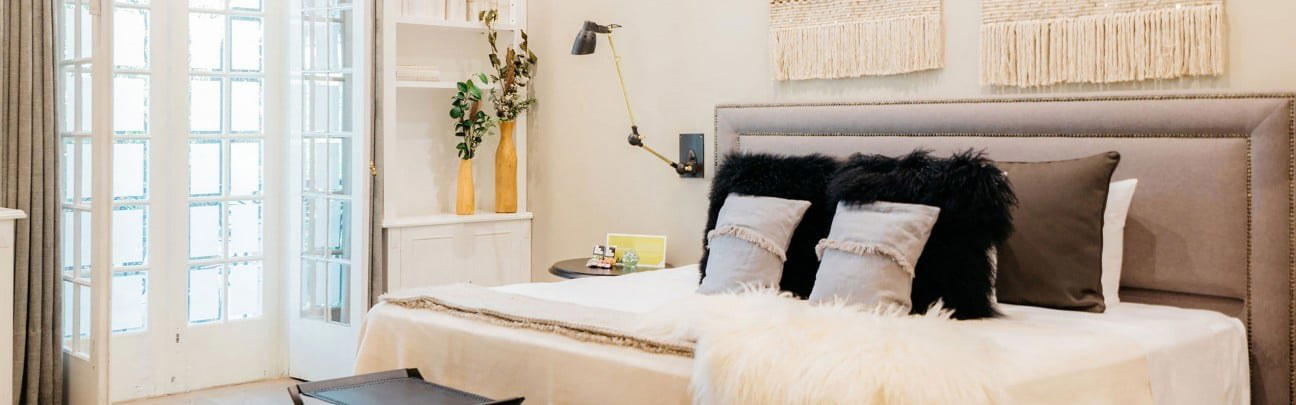
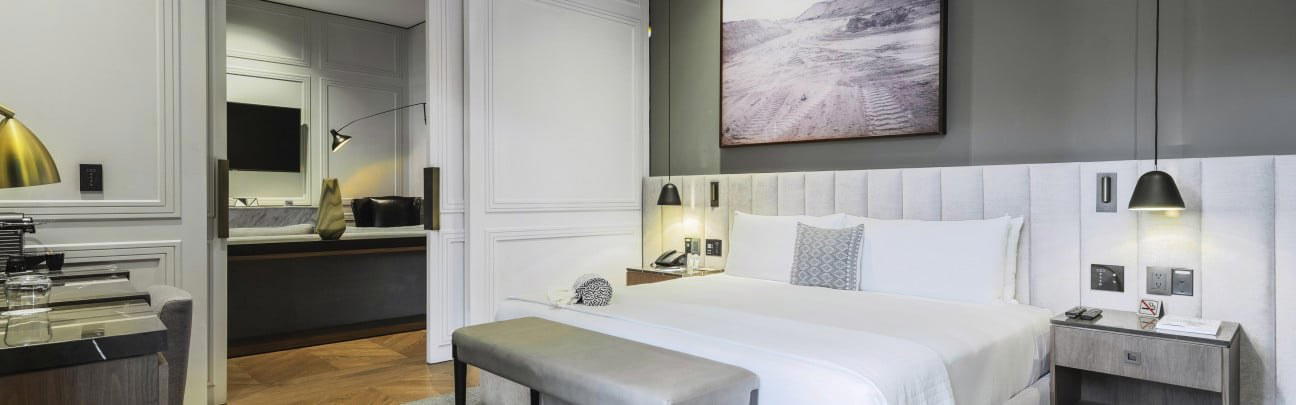
Sultry, stylish Victorian parlor atmosphere with dim lighting and intimate seating.
Know Before You Go
- Getting there
- Tonalá 23, Roma Nte., Cuauhtémoc, 06700 Ciudad de México, CDMX, Mexico