Where Colonia Juárez Comes to Drink Seriously
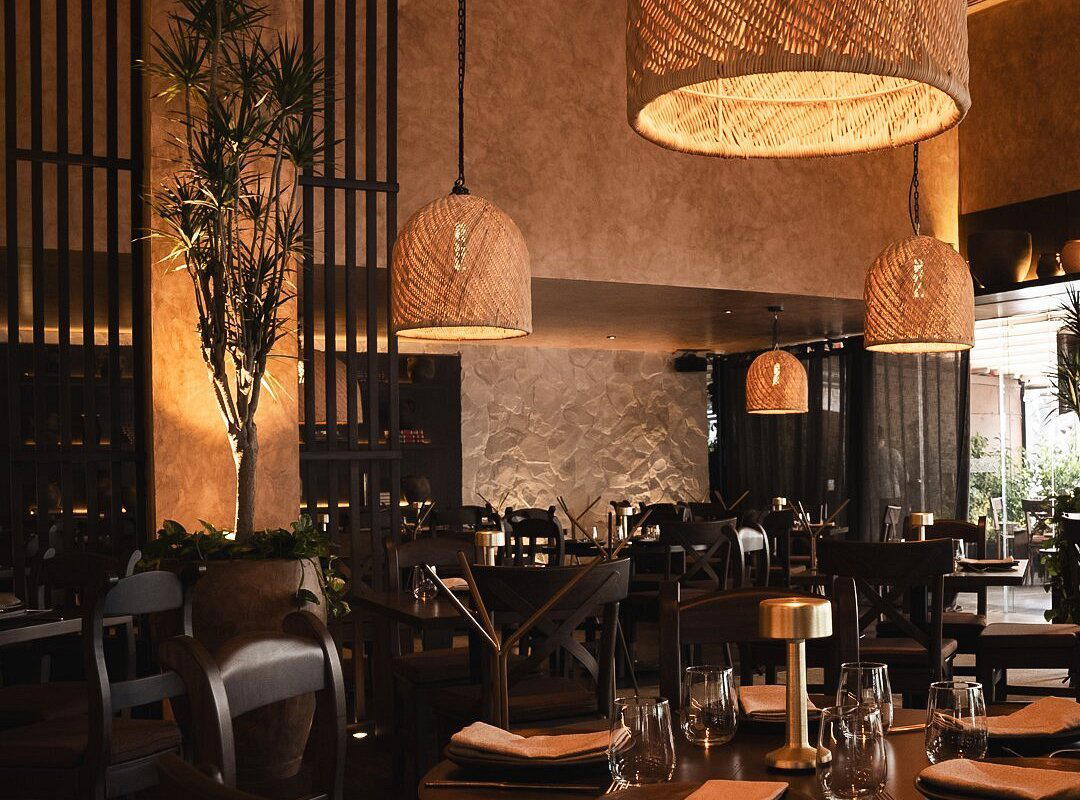
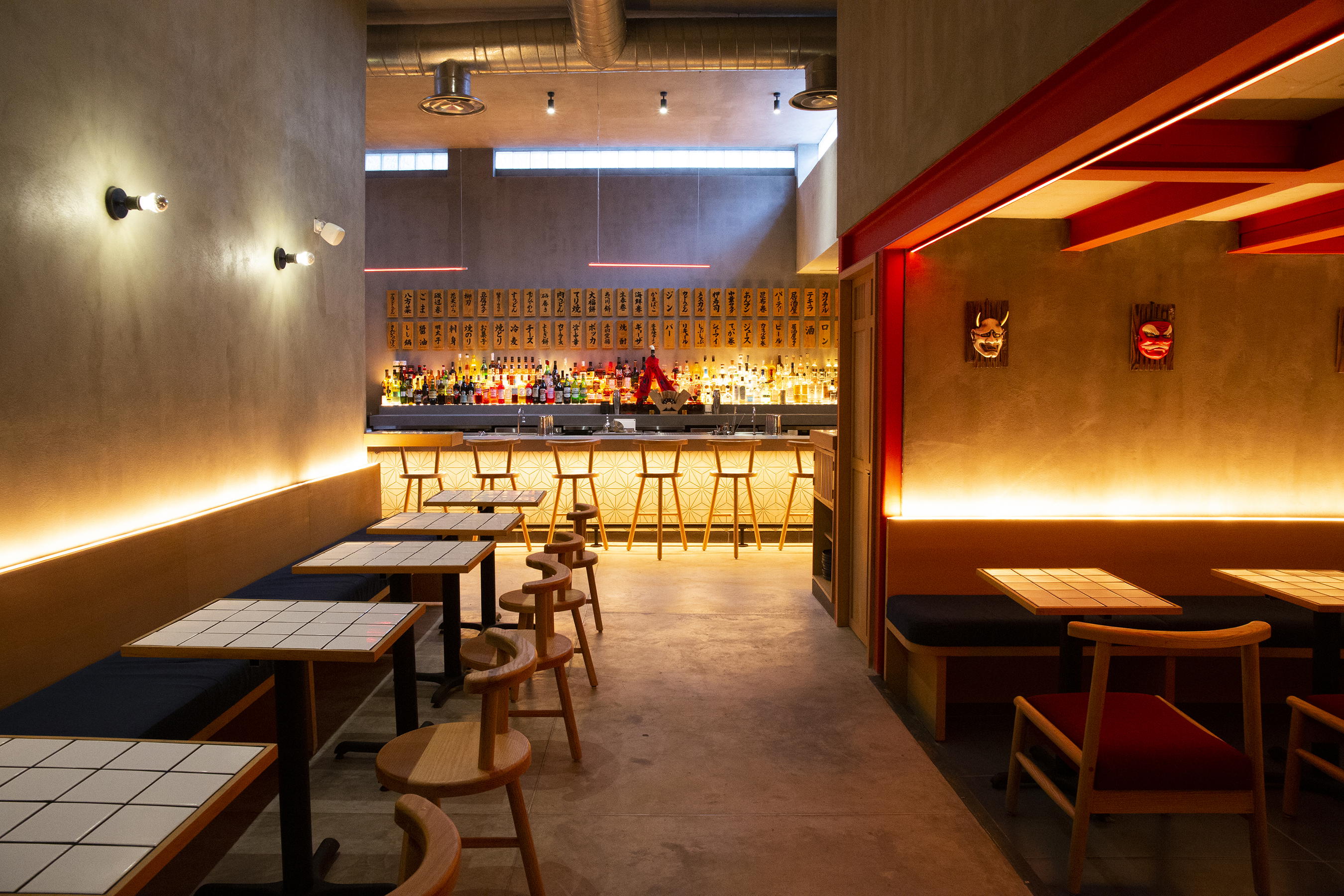
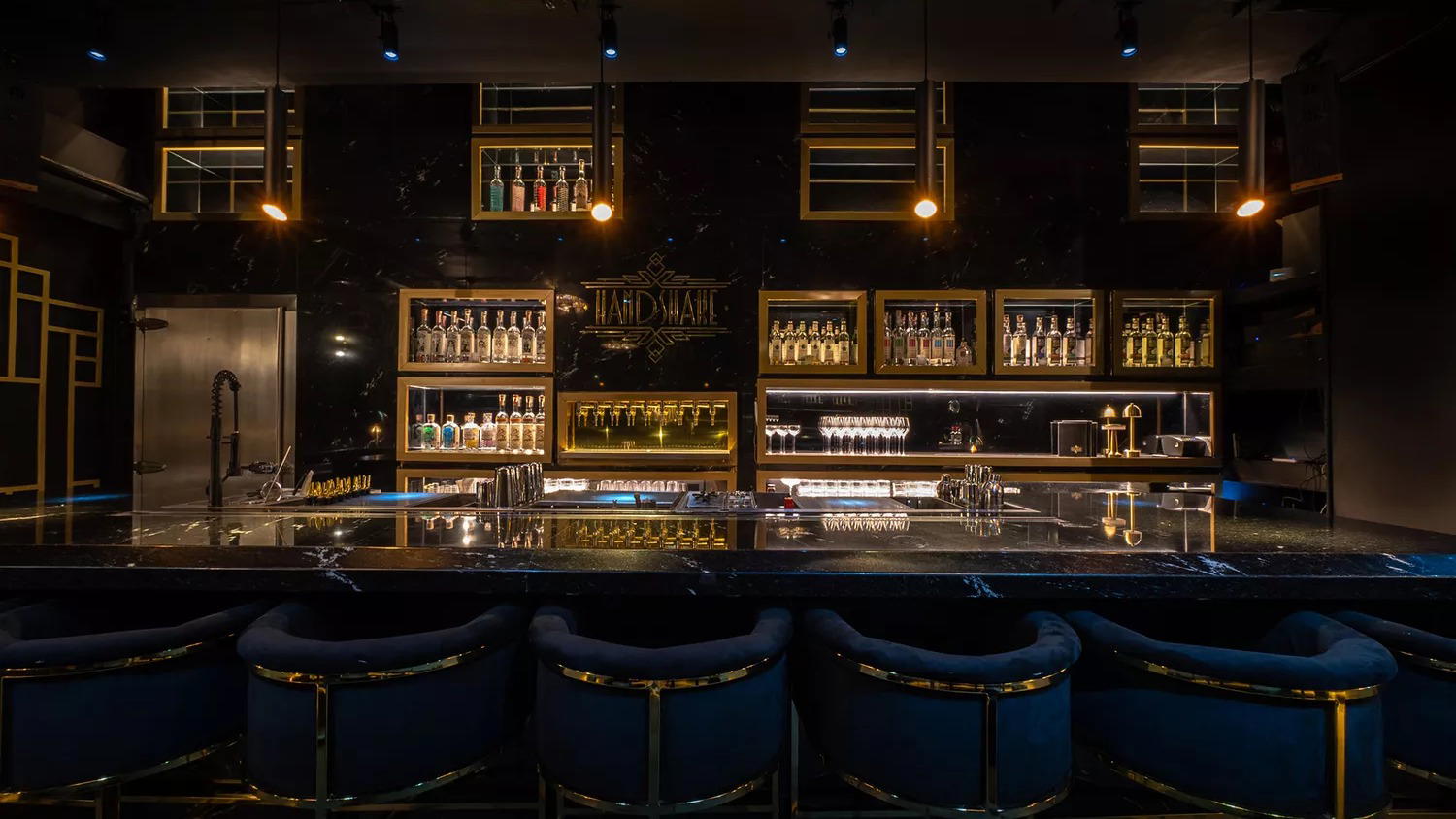
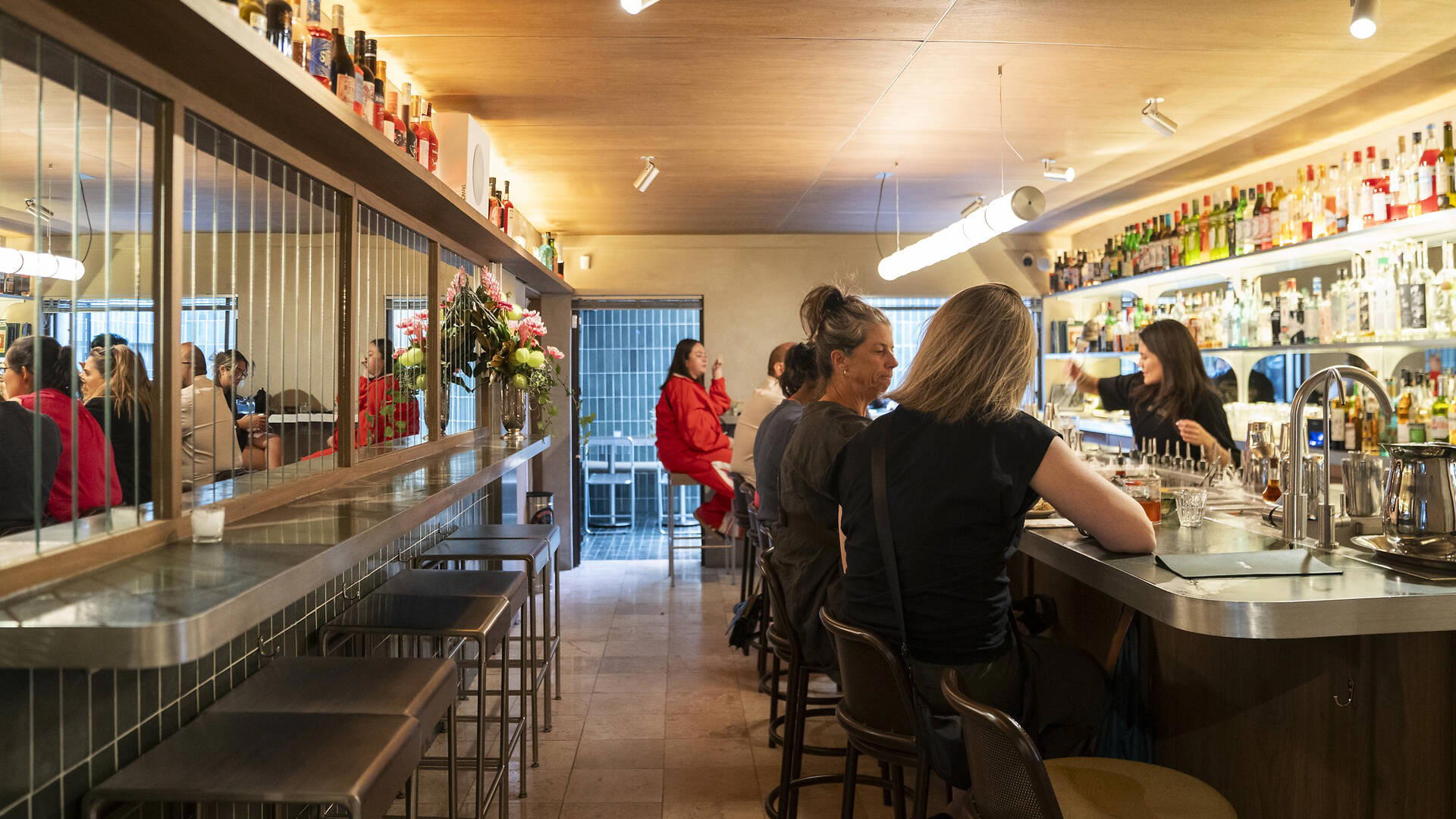
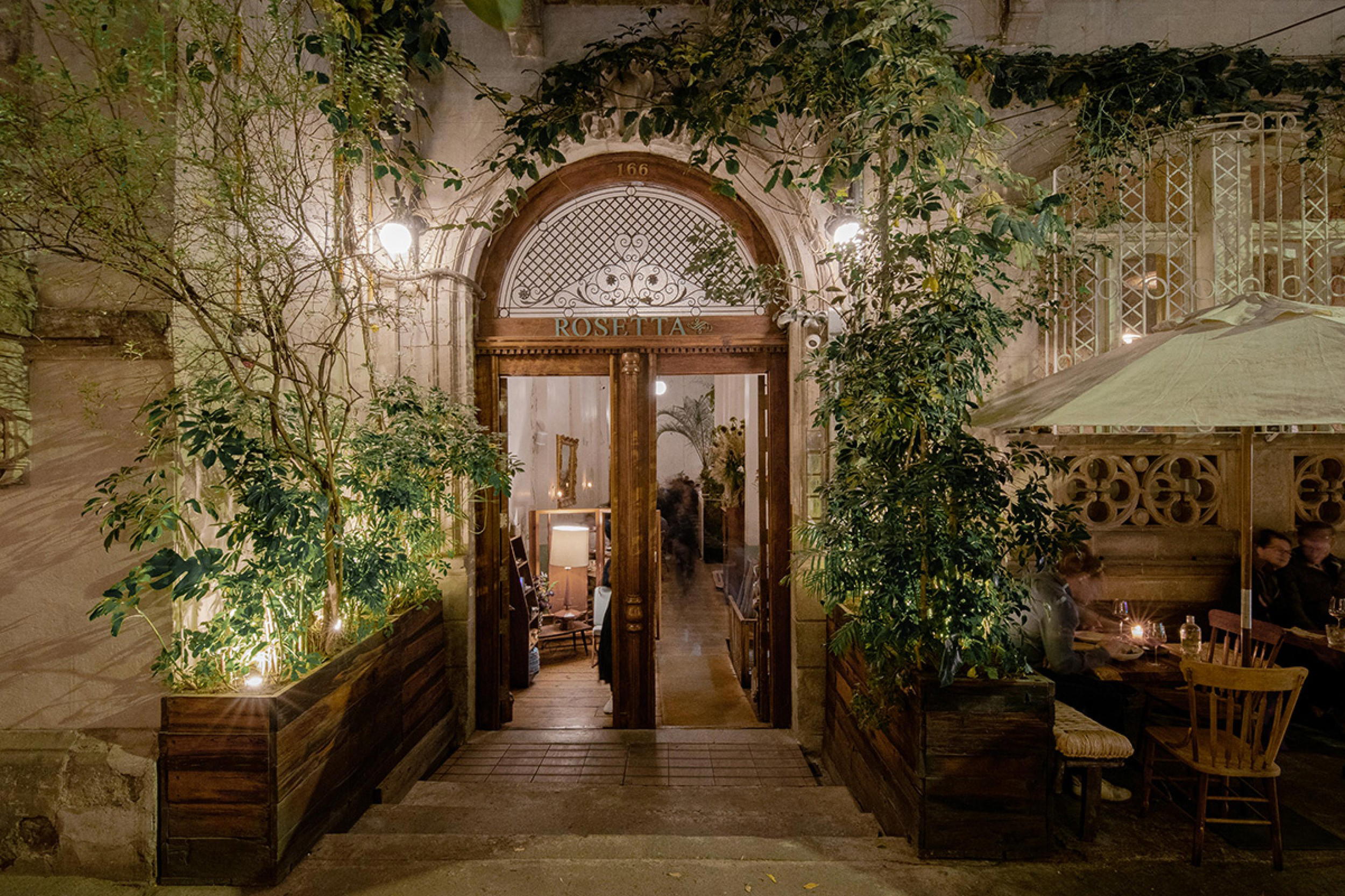
The stretch of Calle General Prim that cuts through Colonia Juárez has become one of Mexico City's most compressed corridors of considered drinking. Within a few blocks you find operations that would not look out of place in Copenhagen or Seoul, yet are grounded — in their spirits, their citrus, their fermented syrups — in distinctly Mexican raw material. Balagan, at number 66C, fits the Juárez pattern: a room that signals intent before anything arrives on the table, in a neighbourhood that has been absorbing cosmopolitan energy since at least the mid-twentieth century without surrendering its local character.
Juárez is not a tourist quarter in the way that Roma Norte or Condesa attract weekend itineraries. It draws a working crowd of architects, fashion people, and the kind of drinkers who know the difference between a bar that has a good mezcal list and a bar that actually understands mezcal. That demographic pressure keeps standards honest. A room that coasts on atmosphere alone tends not to last long here.
The Technique-Product Intersection
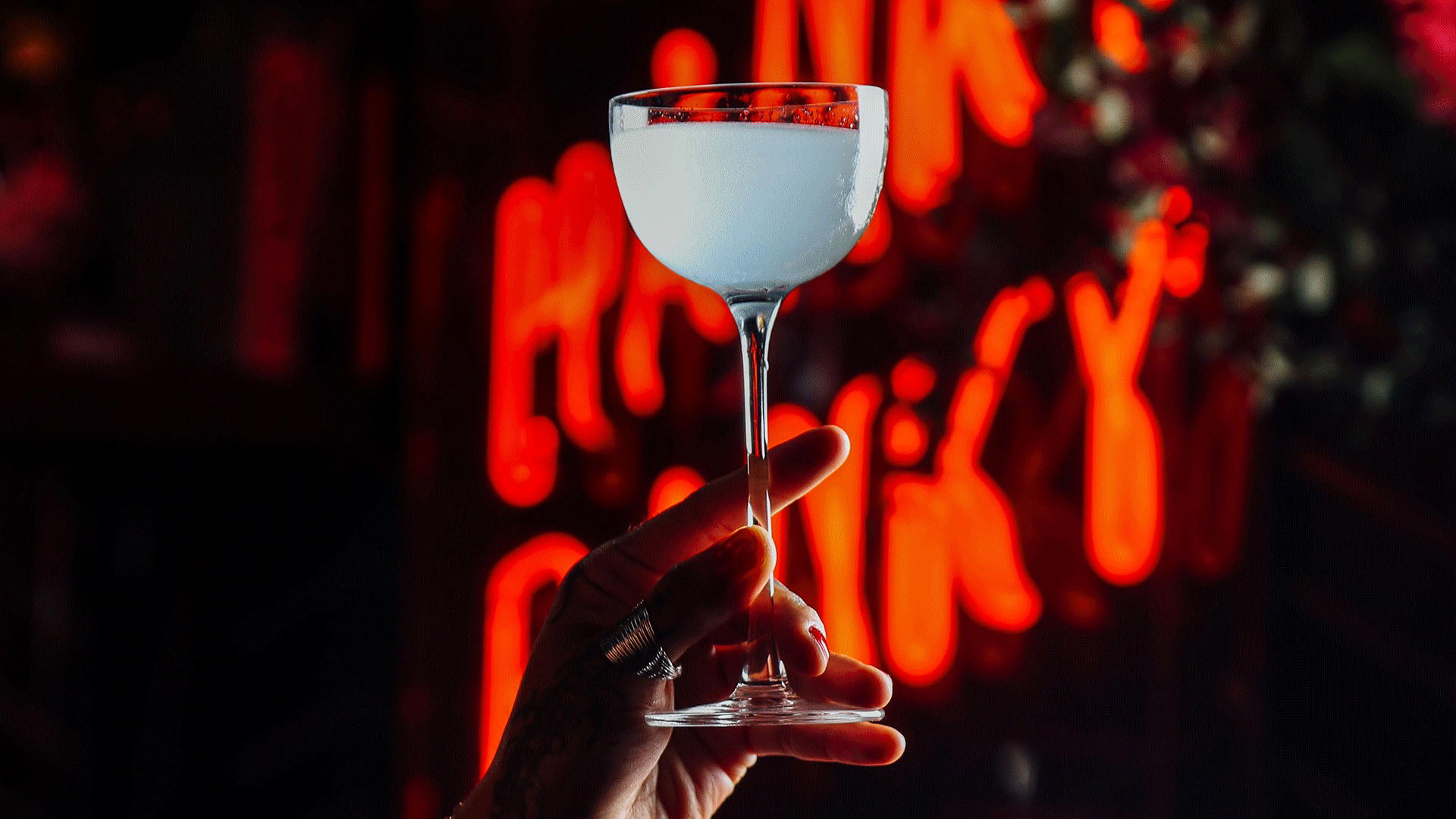
Mexico City's bar scene has spent the better part of the last decade working through a productive tension: international bartending methodology imported through training programs, competition circuits, and the movement of personnel between cities, applied to ingredients that have no direct equivalent anywhere else. Agave spirits alone present a spectrum of flavour complexity, the mineral register of a highland tequila blanco, the smoke gradients across different mezcal production regions, the underrepresented sotol and raicilla categories, that European and North American classical technique was simply not designed around. The bars that navigate this most convincingly are not the ones that treat Mexican spirits as exotica, but the ones that treat them as the baseline around which everything else is calibrated.
Balagan operates within that framework. The name itself, a term borrowed from Russian and Hebrew slang for a chaotic, theatrical spectacle, signals that the room is aware of its own cross-cultural positioning. That self-awareness tends to produce either something genuinely interesting or something that mistakes eclecticism for vision. In Juárez, the market is discerning enough that the former is the more likely survival strategy. Baltra Bar, further into Roma Norte, represents one version of this local-global synthesis; Bar Mauro approaches the same question from a more European-inflected anchor. Balagan's Juárez address places it in a slightly different competitive set, one where the room's own personality carries more weight than either heritage or imported prestige.
Reading the Neighbourhood
Colonia Juárez developed its current identity through a series of demographic shifts that brought in Middle Eastern, Jewish, and later broader international communities, leaving architectural and culinary traces that are still legible if you know where to look. The Lebanese and Spanish bakeries that survive on side streets a few blocks from Prim, the mid-century buildings repurposed as gallery spaces and studio apartments, these are not decorative context. They explain why a bar with a name drawn from Slavic and Semitic street language does not feel incongruous here. The neighbourhood has always been a place where things arrive from elsewhere and eventually become local.
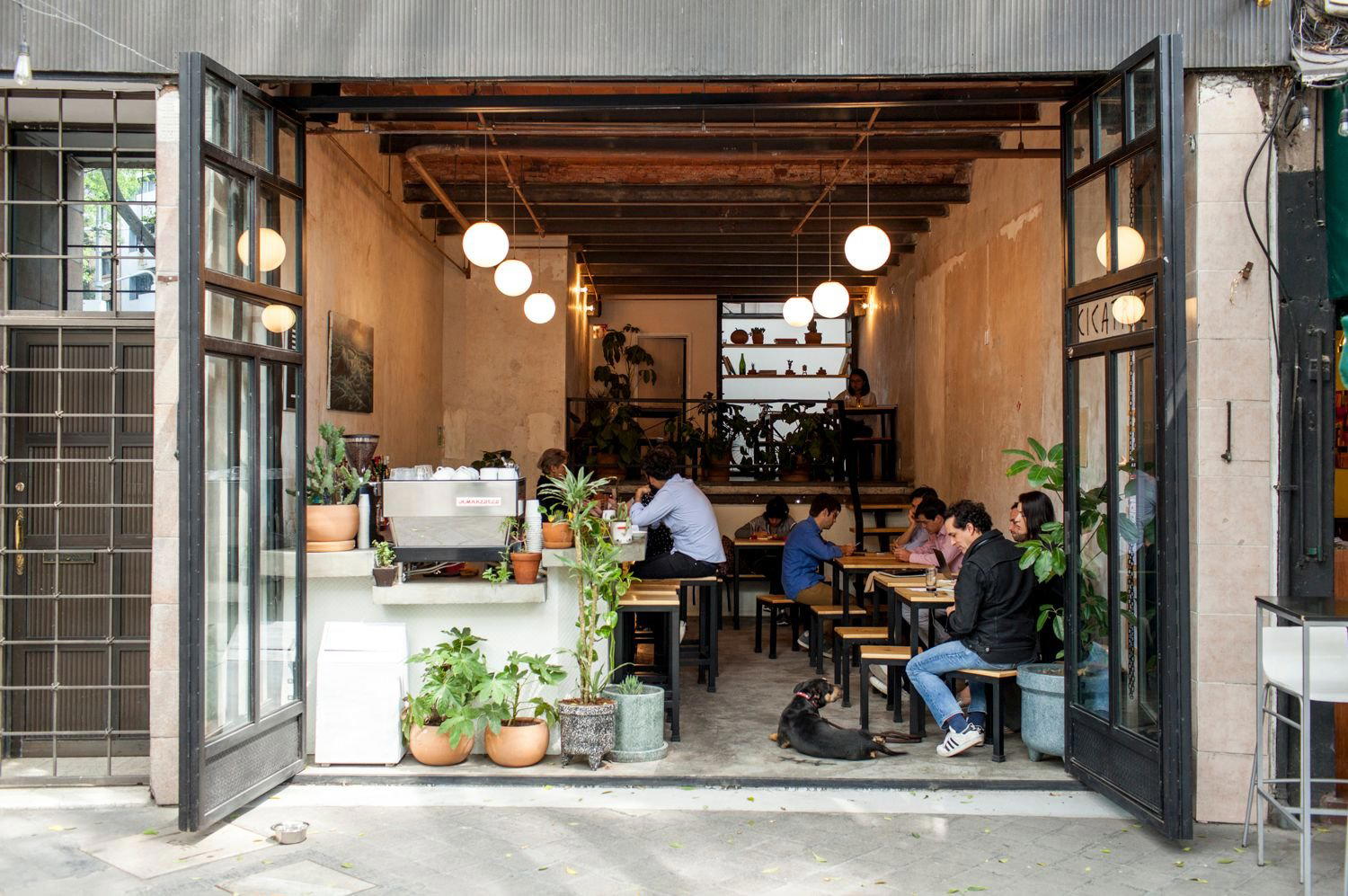
That history gives the better Juárez drinking rooms a particular quality: they feel settled rather than temporary, as though they belong to the street rather than being placed on top of it. Bijou Drinkery Room achieves this in its own register; Brujas does it differently again, with a more politically inflected identity. Balagan's position on Prim puts it in conversation with all of them.
How Balagan Fits the Broader Mexican Bar Moment
Mexico's drinking culture beyond the capital is worth understanding as context. Arca in Tulum built a reputation on ingredient-forward programming in a resort context. La Capilla in Tequila represents the historical anchor of the national spirits tradition. El Gallo Altanero in Guadalajara demonstrates how serious agave-focused programming reads outside the capital. Bekeb in San Miguel de Allende applies its own version of the technique-product argument in a colonial city context. What the capital adds to all of this is density and competitive pressure: Mexico City has enough serious bars within walking distance of each other that the standard for what counts as technically accomplished keeps moving upward.
Internationally, the comparison set for what Balagan is attempting has precedents. Bar Leather Apron in Honolulu applies Japanese-inflected precision to Pacific ingredients. Aruba Day Drink in Tijuana works a border-culture version of the same local-global negotiation. Coco Bongo in Cancun represents the mass-entertainment pole of the Mexican night-out spectrum, the opposite end from what Juárez's serious rooms are doing. Understanding where Balagan sits relative to that full range clarifies what it is trying to do.
Planning Your Visit
Balagan is at Calle General Prim 66C in Colonia Juárez, within the Cuauhtémoc borough, postcode 06600. The neighbourhood is well-served by the metro system and by the city's expanding cycling infrastructure, and Uber operates reliably in this part of the centro-adjacent zone. Juárez evenings tend to build from around 9pm, with the Prim corridor reaching its working density later than Roma or Polanco. For the most considered experience, arriving before the room fills gives you better access to staff attention and the kind of paced service that technical cocktail programs reward. No phone number or website is currently published in EP Club's verified data, so reservations are leading pursued through direct discovery on arrival or through Mexico City hospitality networks. Our full Mexico City guide covers the broader context for planning a drinking itinerary across the capital's neighbourhoods.