Cantina "Tio Pepe"
Among Centro Histórico's older cantina addresses, Cantina "Tio Pepe" on Avenida Independencia occupies a tier of Mexico City drinking that newer cocktail bars rarely replicate: the working-class pulquería-to-cantina tradition, where drinks arrive without ceremony and the room does the talking. It sits apart from the mezcal-forward craft bar scene that now defines the city's international reputation.
Pearl is the En Primeur Club membership app — saves, bookings, and concierge access live there. Same editors, same standards.
- Address
- Av Independencia 26, Colonia Centro, Centro, Cuauhtémoc, 06050 Ciudad de México, CDMX, Mexico
- Phone
- +52 55 5521 9136
- Directions
- Get directions
 Saves & bookings on Pearl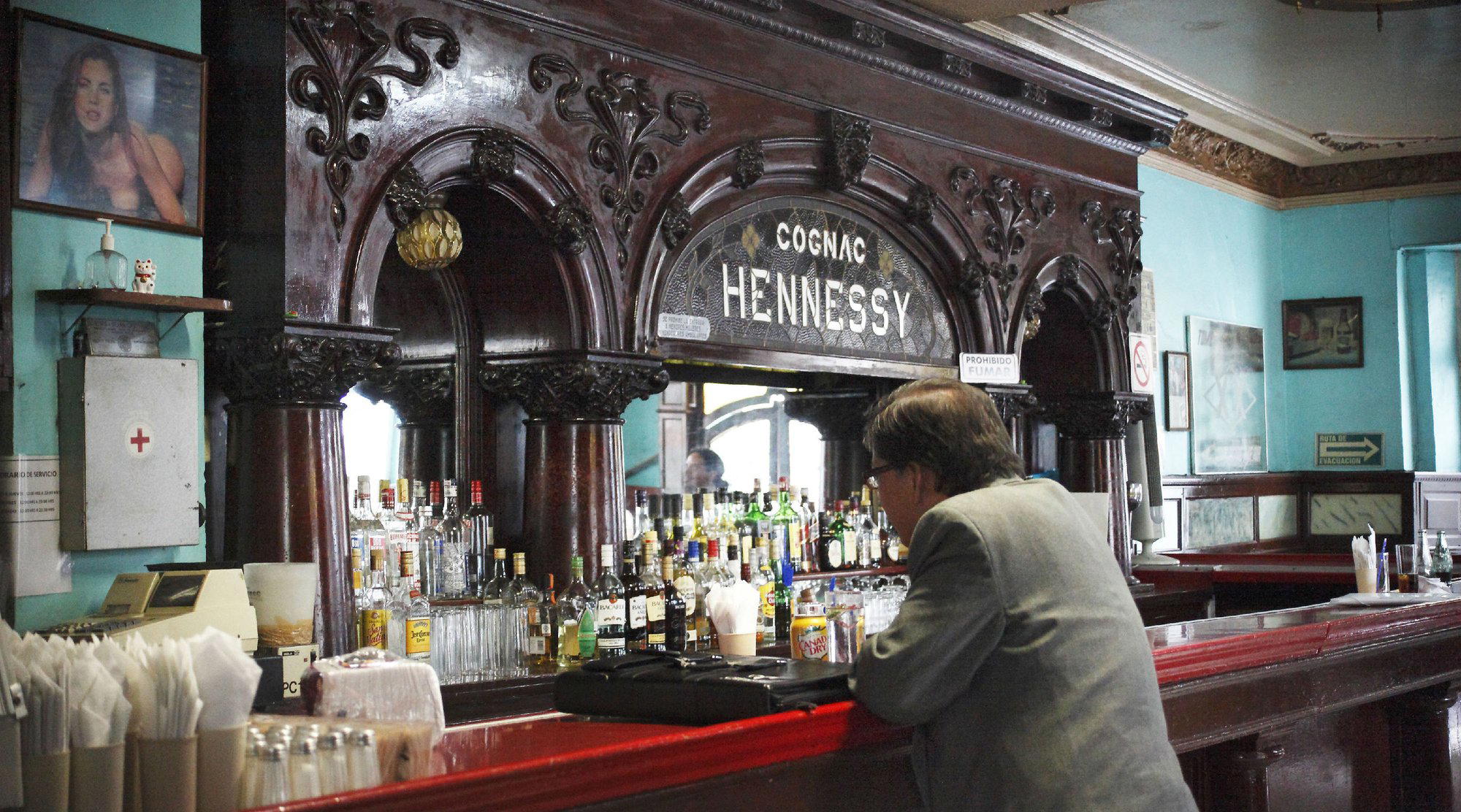
The Cantina Format in Centro Histórico: A Different Kind of Bar
Cantina "Tio Pepe" is a bar in Centro Histórico, Ciudad de México, with. On one side, a wave of internationally recognized cocktail programs, led by addresses like Baltra Bar and Bijou Drinkery Room, that have placed the city on the bar map through technical precision and sourcing discipline. On the other, a much older format: the cantina, which predates cocktail culture by generations and operates according to entirely different rules. Cantina "Tio Pepe", on Avenida Independencia in Colonia Centro, belongs to that second tradition, and understanding what it is requires understanding what cantinas are not.
Cantinas are not cocktail bars. They are not mezcalerías. They do not, as a rule, have tasting menus, curated spirits lists, or bartenders who trained in London or Copenhagen. They are social institutions rooted in the working-day rhythms of Mexico City's historic centre, where the point was always to drink alongside neighbors, eat something substantial, and stay long enough that the afternoon collapsed into evening. That format survived modernization largely because it never needed to modernize. The room's logic is its own argument.
Approaching Centro: What the Address Tells You
Avenida Independencia runs through one of the older commercial grids of Centro Histórico, a short distance from the Alameda Central and well within the dense pedestrian circulation that characterizes the barrio on weekdays. The area is not a tourism corridor in the way that Condesa or Roma are, it retains a functional, workaday character that makes it legible as the natural habitat of a traditional cantina. The streets here fill early with office workers, market vendors, and long-term residents of the centre who eat lunch between noon and three and treat the cantina as an extension of the neighborhood itself.
That context matters because cantinas in Centro operate on a different timetable than nightlife-oriented bars. This is daytime and early-evening drinking, with food, and the atmosphere at peak hours reflects that: conversation-heavy, unhurried, anchored to the meal rather than the cocktail. For readers who have spent time at Bar Mauro or Brujas, the register is entirely different.
The Cantina Tradition and What It Preserves
Mexico's cantinas occupy a specific niche in the country's hospitality history: semi-public spaces where alcohol service and food coexist under licensing rules that, historically, required establishments to serve food alongside drinks. The result was a format that bundled drinking with eating long before gastropubs made that pairing fashionable. The botanas tradition, in which small snacks arrive automatically or cheaply alongside orders, reflects a model of hospitality built around generosity rather than upselling.
That model has implications that align, unexpectedly, with contemporary conversations about waste and resource ethics in food service. The cantina kitchen has always operated on a principle of economy: no dish is elaborate, nothing is wasted, and the menu reflects what is available and affordable at market that day. It is a form of embedded sustainability that precedes the language of ethical sourcing by decades. Comparing this to the deliberate waste-reduction programs now adopted by higher-tier Mexico City restaurants, the cantina's approach is structural rather than programmatic, it was never designed to be wasteful because excess was never part of its economic logic.
This is the tradition that cantinas like Tio Pepe carry, not as a marketing position, but as a function of the format itself. Whether that tradition holds depends on management, neighborhood economics, and supply chains that vary by address.
How Tio Pepe Sits in the Broader Mexico Bar Scene
Mexico City's bar scene in 2024 is large enough to contain genuinely distinct tiers. The international-recognition tier, where Fifty Mils, Hanky Panky, and Baltra have all received attention from global rankings, operates at a different price and concept level than the cantina sector. Between those poles lies a mid-tier of mezcalerías, natural wine bars, and hybrid spaces that have multiplied across Roma and Condesa in the past decade.
Cantina "Tio Pepe" does not compete in any of those tiers. It represents something that the other tiers have largely moved away from: a format defined by access and frequency rather than occasion and aspiration. This is where the neighbourhood comparison to venues like Arca in Tulum or the production-forward model of El Gallo Altanero in Guadalajara becomes useful. Mexican drinking culture is not monolithic; it has geography, class, and function built into each format, and the cantina sits at a specific coordinate in that system.
For context beyond Mexico City, the cantina's closest analogue in the national drinking tradition might be the tequila-town bar culture exemplified by La Capilla in Tequila, where the beverage and the ritual are inseparable from the place. The cantina operates with that same logic applied to the urban centre.
Planning a Visit: What to Expect Logistically
Cantina "Tio Pepe" is located at Av Independencia 26, Colonia Centro, in the Cuauhtémoc borough, postal code 06050. It is walk-in friendly and open Monday through Saturday, 11:30 AM to 10 PM on weekdays and 11 PM on Friday and Saturday; Sunday is closed. The address is in the historic centre grid, accessible from multiple Metro lines including Hidalgo and Bellas Artes, both within comfortable walking distance. It is walk-in friendly, and no booking contact or website is listed. Arrival before or at the lunch hour, roughly noon to two in the afternoon on weekdays, reflects the traditional peak period for Centro cantinas and gives you the leading read on the format in its intended context. Weekend patterns differ, the workaday clientele that defines the atmosphere is largely absent, and the room's character shifts accordingly.
Readers looking for Mexico City's cocktail craft tier should consult our full Mexico City restaurants guide, which covers the full range from cantinas to internationally recognized programs. For comparison at the technical cocktail end of the spectrum, Bekeb in San Miguel de Allende and Aruba Day Drink in Tijuana show how the craft bar format translates across different Mexican cities. And for an international reference point, a bar that has also built a reputation around a specific format and place-based identity, Bar Leather Apron in Honolulu demonstrates what happens when a bar commits fully to a defined concept across a long run. Coco Bongo in Cancun represents the opposite end of that spectrum, high-volume spectacle, and the contrast clarifies how deliberately understated the cantina format remains.
The Essentials
Comparable venues nearby, for context on price, style, and recognition.
| Venue | Cuisine | Price |
|---|---|---|
| Cantina "Tio Pepe"This venue — the venue you are viewing | Tabacalera, Bar | $$ |
| La botica | Hipodromo de la Condesa, mezcaleria | $$ |
| Mezcalero Coyoacan | Villa Coyoacan, mezcaleria | $$ |
| El Palenquito | Roma Norte, mezcaleria | $$ |
| Bósforo | Tabacalera, mezcaleria | $$ |
| Zinco Jazz Club | Centro, lounge | $$ |
Continue exploring
More in Mexico City
Bars in Mexico City
Browse all →
Restaurants in Mexico City
Browse all →

At a Glance
- Classic
- Cozy
- Well Known
- Historic
- Casual Hangout
- After Work
- Historic Building
- Seated Bar
- Booth Seating
- Mezcal
- Tequila
- Classic Cocktails
Current opening hours
- Monday
- 11:30 AM–10 PM
- Tuesday
- 11:30 AM–10 PM
- Wednesday
- 11:30 AM–10 PM
- Thursday
- 11:30 AM–10 PM
- Friday
- 11:30 AM–11 PM
- Saturday
- 11:30 AM–11 PM
- Sunday
- Closed
Hours can change for holidays and private events. Last verified .
Warm, homely atmosphere with vintage charm featuring dark woodwork, stained glass, and a long glossy red bar evoking a bygone era.