Jones
Jones occupies a corner of the Tenderloin at 620 Jones Street, a block where San Francisco's dining scene collides with its grittier residential fabric. The address places it outside the obvious fine-dining corridors, which shapes both the clientele and the room's register. For the broader context of where Jones sits in the city's restaurant landscape, the EP Club San Francisco guide provides useful orientation.
Pearl is the En Primeur Club membership app — saves, bookings, and concierge access live there. Same editors, same standards.
- Address
- 620 Jones St, San Francisco, CA 94102
- Phone
- +14158452257
- Website
- 620-jones.com
 Saves & bookings on Pearl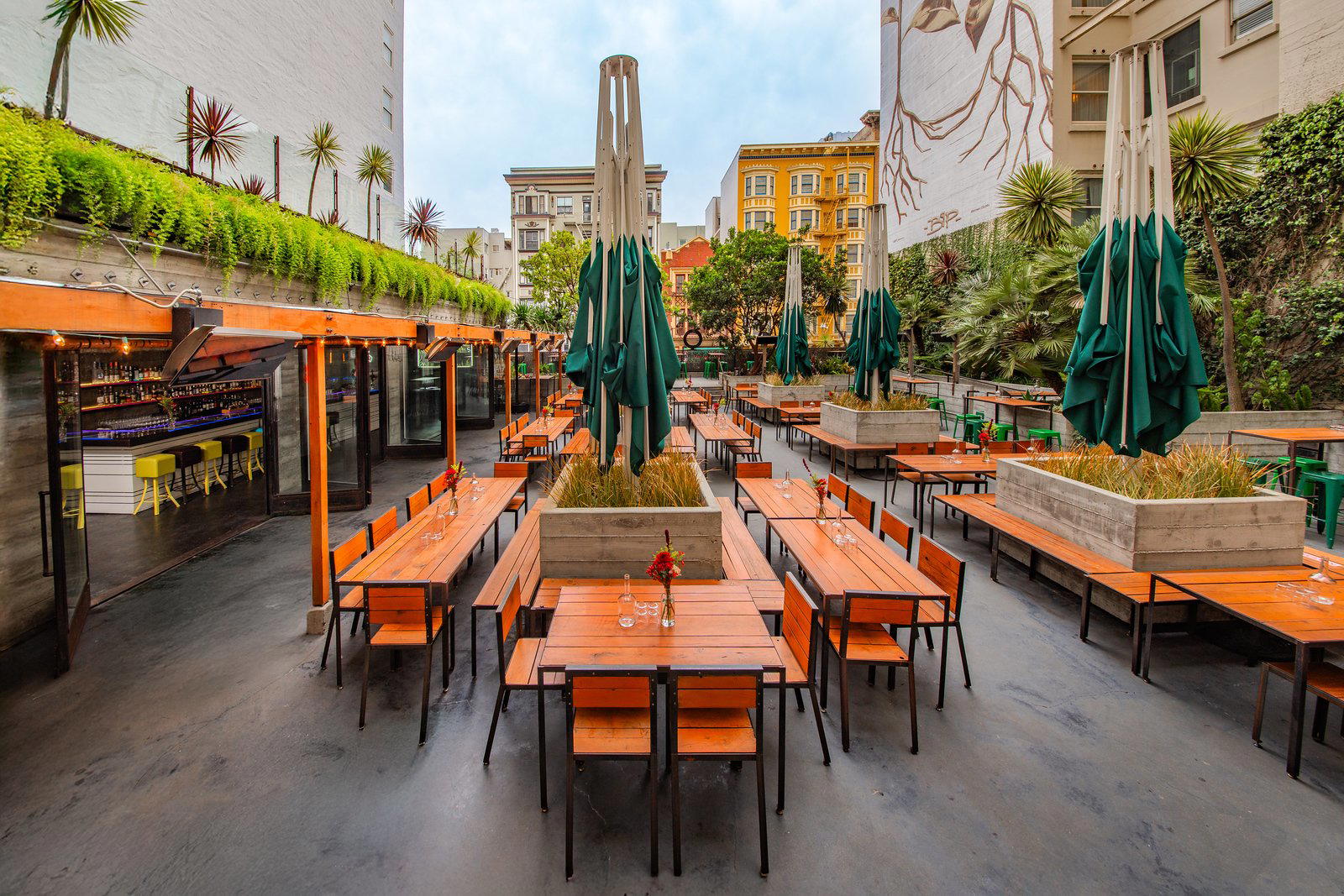
A Street Address That Sets the Terms
Jones is an American gastropub in San Francisco, with a casual dress code, recommended reservations, and an average spend of about $30 per person. While the city's premium restaurant cluster has historically concentrated along corridors like Hayes Valley, the Financial District, and the waterfront, Jones Street operates at a different frequency: denser, less curated, more resistant to the softening that comes with neighbourhood gentrification cycles. It is saying something about who it expects to walk through the door, and what kind of experience it intends to deliver once they do.
That spatial positioning matters because San Francisco dining in the current period has separated into two fairly distinct operating modes. On one side sit the tasting-menu houses, Lazy Bear, Atelier Crenn, Benu, Quince, and Saison among them, operating at the top of the city's price tier with multi-course formats, reservation lead times measured in months, and rooms designed to signal exactly what the guest is getting before the first amuse arrives. On the other side sit neighbourhood rooms that resist that register, drawing regulars rather than occasion diners, measuring success in return visits rather than reservation-list length. Jones lives closer to that second mode, and the Jones Street address enforces it.
The Room and What It Communicates
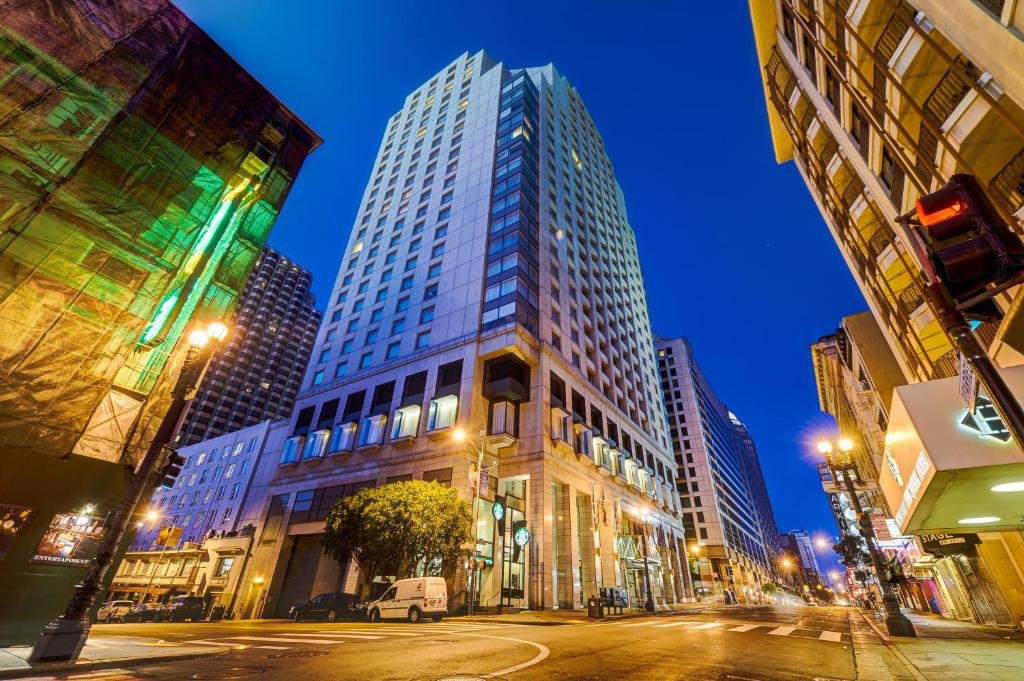
Approaching from the street, the physical environment at 620 Jones does not perform luxury in any conventional sense. The Tenderloin's ambient noise, traffic, sidewalk activity, the general density of a working urban block, does not dissolve at the entrance. Instead, the room absorbs it. The contrast with the muted, designed-for-concentration environment of a Hayes Valley tasting room is deliberate. A guest acclimatising to the Jones Street block has already set different expectations than one arriving at a valet stand on Fillmore.
What defines dining rooms in this bracket, across San Francisco and in comparable American cities, is the degree to which the front-of-house team carries the register of the experience. Without the scaffolding of a multi-course tasting format, a drinks pairing pre-determined by the kitchen, or a room architecture designed to signal prestige, the service team does the heavy lifting of communicating what kind of place this is.
Team Dynamic as the Central Variable
Across American restaurants that operate below the formal tasting-menu tier, the most durable critical distinction between good and forgettable rooms tends to come down to front-of-house cohesion. This is a city that has produced some of the country's most scrutinised service cultures, a tradition that runs from The French Laundry in Napa and Single Thread Farm in Healdsburg at the formal end, to more conversational registers across neighbourhood rooms throughout the Bay Area.
The sommelier function in rooms like this takes on a different shape than it does in a destination tasting-menu house. Rather than executing a predetermined pairing, a floor-level wine conversation has to read the table in real time: what the guests ordered, how the meal is progressing, what price signal is comfortable. That requires a different kind of expertise than the formal pairing track, and it tends to produce a more variable guest experience. The leading versions of this model, found across comparable rooms in cities from New Orleans to Chicago, treat the wine conversation as an extension of the kitchen's intention rather than a separate commercial transaction.
Where Jones Sits in the American Dining Conversation
At the summit sit the destination rooms with national and international draw: Le Bernardin in New York City, Providence in Los Angeles, Blue Hill at Stone Barns in Tarrytown, Addison in San Diego, The Inn at Little Washington, Bacchanalia in Atlanta, and internationally recognised rooms like Atomix in New York City and 8½ Otto e Mezzo Bombana in Hong Kong. Below that tier, the category fragments into neighbourhood rooms, casual fine-dining hybrids, and category-specific specialists. Jones operates in this lower-intensity but numerically larger segment of the dining market, where the competitive set is defined less by awards and more by the reliability of the guest experience across a regular week.
San Francisco's Tenderloin, specifically, has a track record of hosting rooms that outlast their trendier counterparts in more fashionable postcodes. The lower cost of occupation, the lack of a destination-dining foot-traffic premium, and the self-selecting nature of the clientele (nobody ends up on Jones Street by accident) tend to produce a different relationship between a room and its regulars than forms in Hayes Valley or the Financial District. This pattern repeats in comparable urban blocks in other American cities: the unfashionable address often correlates with better value, more consistent cooking, and a service culture shaped by repeat-guest relationships rather than first-impression management.
Planning a Visit
The Jones Street address in the Tenderloin is walkable from Union Square and within a short ride of most central San Francisco accommodation. The surrounding blocks operate at a different pace than the more trafficked dining corridors, which tends to mean easier arrival and less competition for nearby parking. This is practical advice for any room in a neighbourhood that experiences faster-than-average turnover in the restaurant stock: the most current information travels through local channels before it stabilises in national listings.
Booking and Cost Snapshot
Comparable venues nearby, for context on price, style, and recognition.
| Venue | Cuisine | Price | Awards | Notes |
|---|---|---|---|---|
| JonesThis venue — the venue you are viewing | Nob Hill, American Gastropub | $$ | , | |
| Dottie's True Blue Cafe | $$ | , | Tenderloin, Classic American Breakfast Cafe | |
| Pearl's Deluxe Burgers | Nob Hill, American Burgers | $$ | , | |
| Fish & Farm | $$ | , | Chinatown, Farm-to-Table American Gastropub | |
| Darwin Cafe | $$ | , | South of Market, American Sandwiches & Salads | |
| Roam Artisan Burgers | Marina, Artisan Burgers | $$ | , |
Continue exploring
More in San Francisco
Restaurants in San Francisco
Browse all →
Bars in San Francisco
Browse all →
Hotels in San Francisco
Browse all →
At a Glance
- Lively
- Trendy
- Cozy
- Brunch
- Casual Hangout
- Group Dining
- Rooftop
- Terrace
- Open Kitchen
- Craft Cocktails
- Local Sourcing
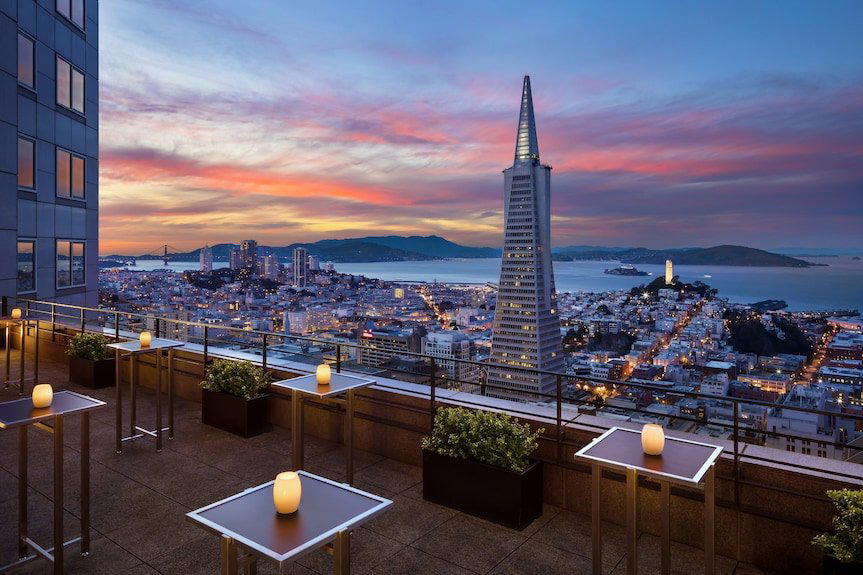
Comfortable yet sophisticated rooftop oasis with lush greenery, modern design, cozy heaters, and a refreshing escape from city streets.