
Falstaff Winery - Listed
Weingut Lustig is a rural Weinviertel DAC estate in Pulkau, shaped by loess soils, sunny Lower Austrian growing conditions, and a family history that reaches back to 1890. The draw is Grüner Veltliner in several tiers, supported by an organic farm identity, Sustainability Austria certification, and an appointment-only cellar or estate tasting format.

Pearl is the En Primeur Club membership app, where members save venues, book tables and use the concierge.

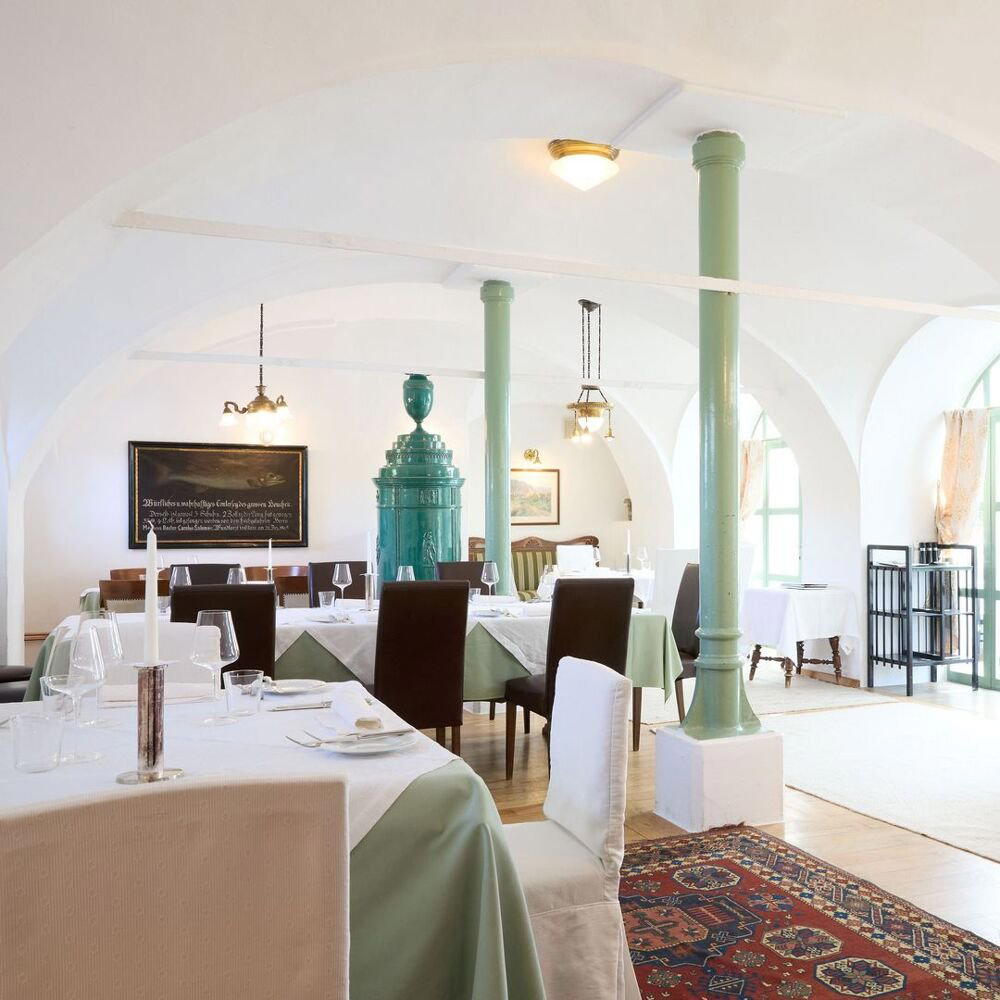
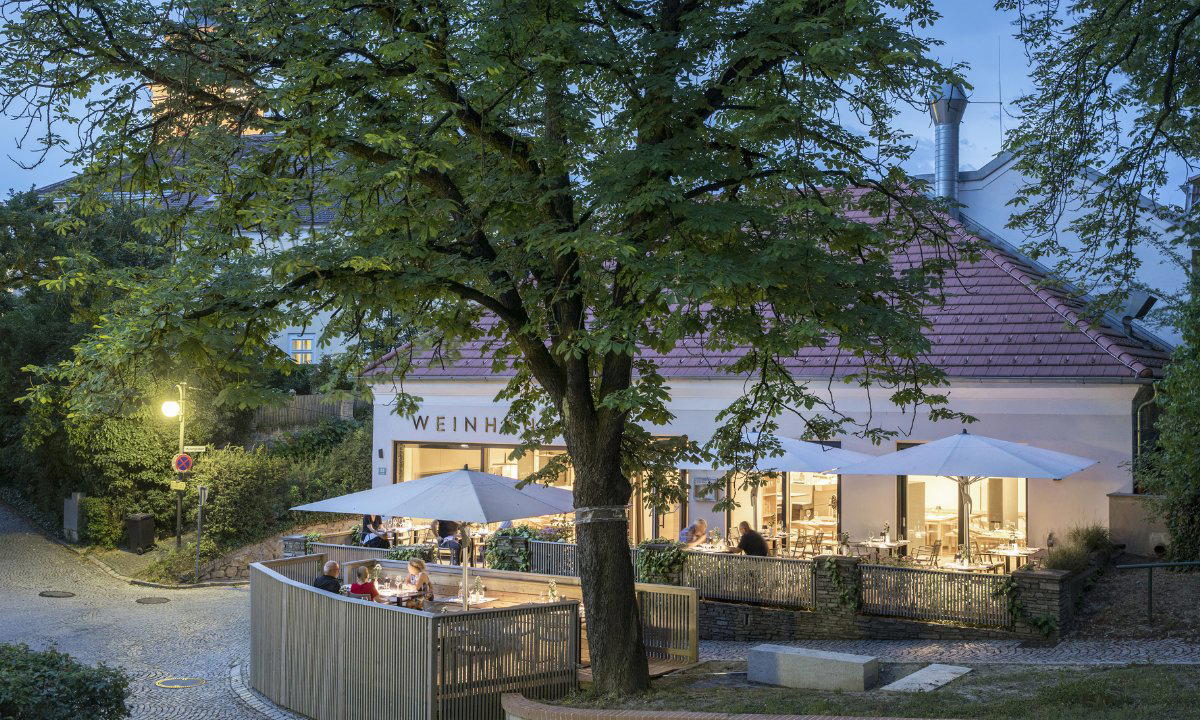
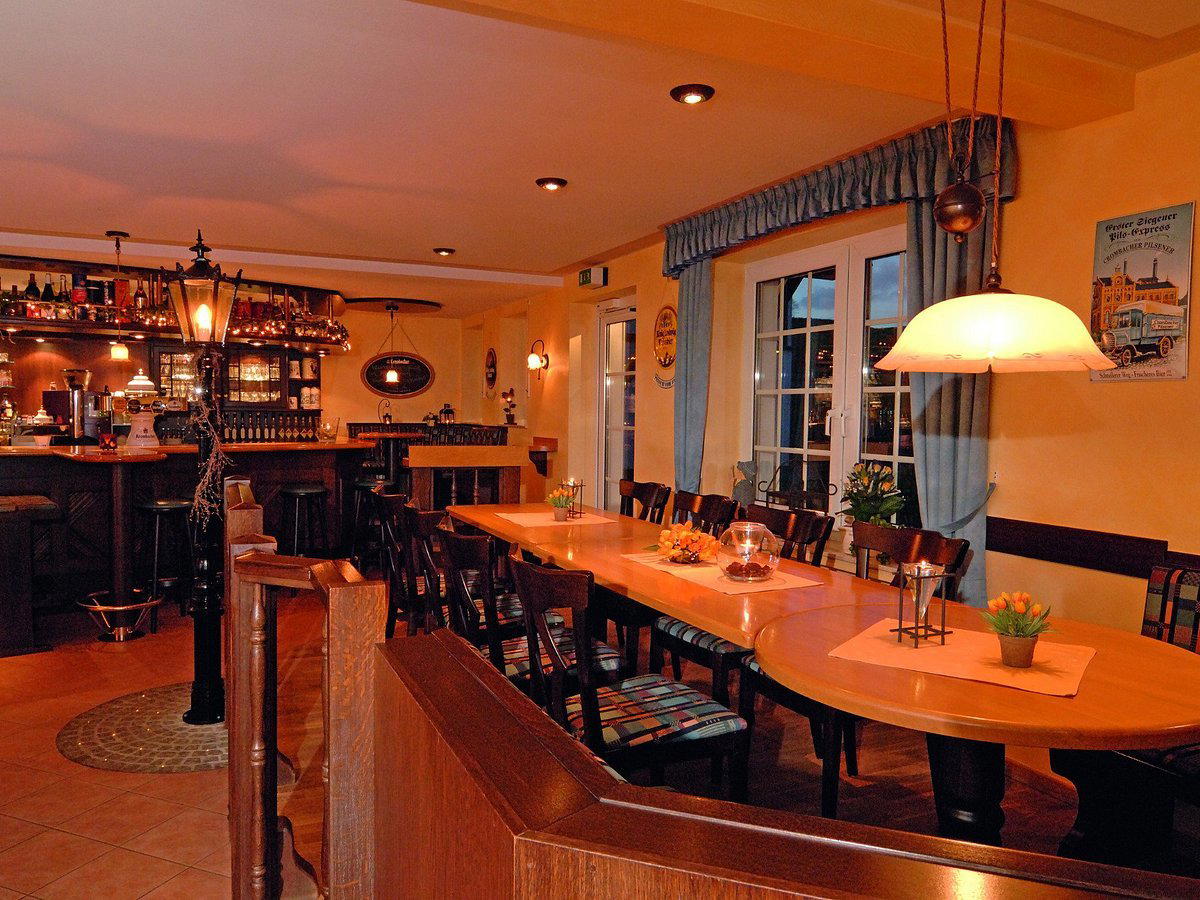
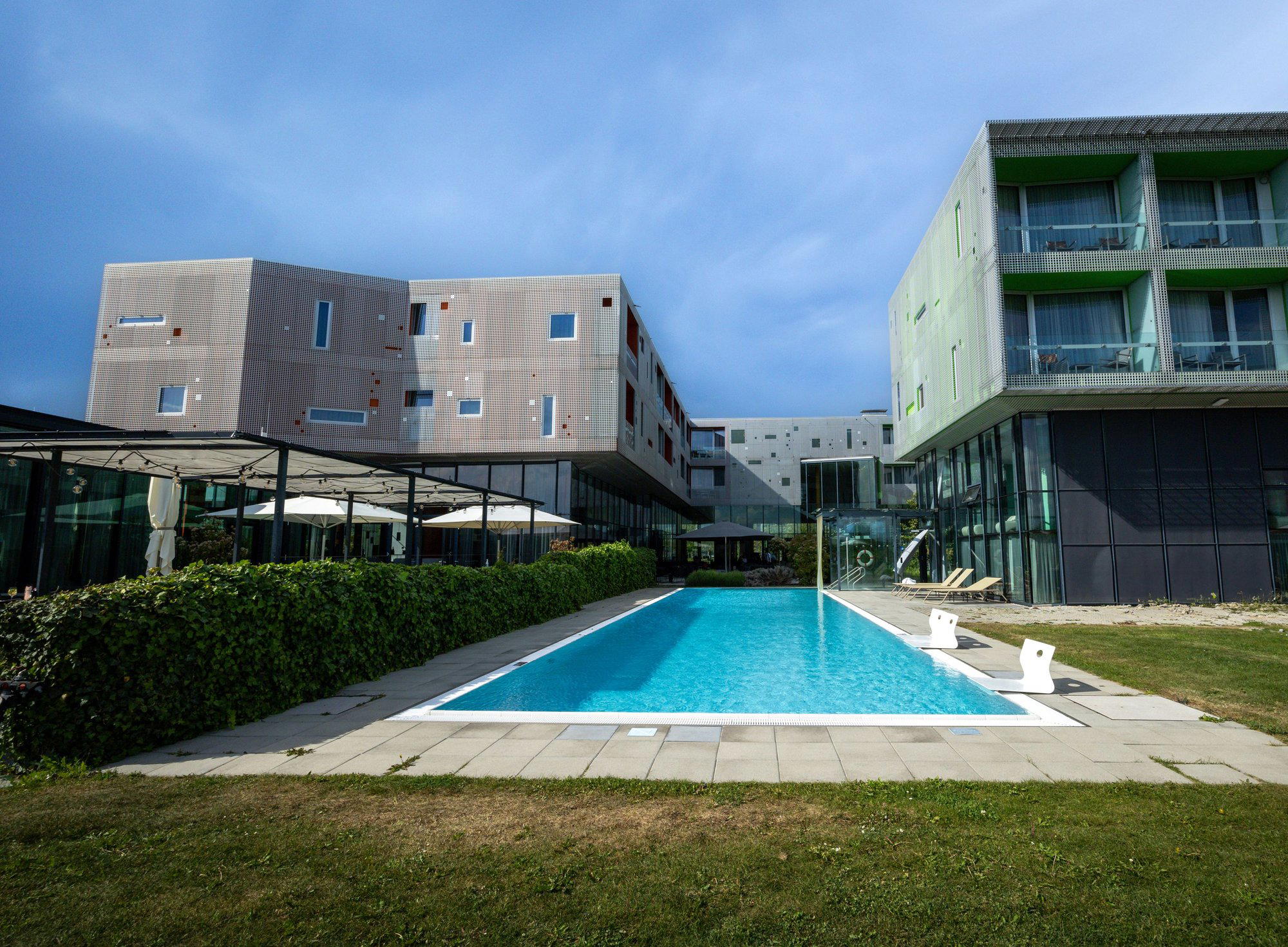
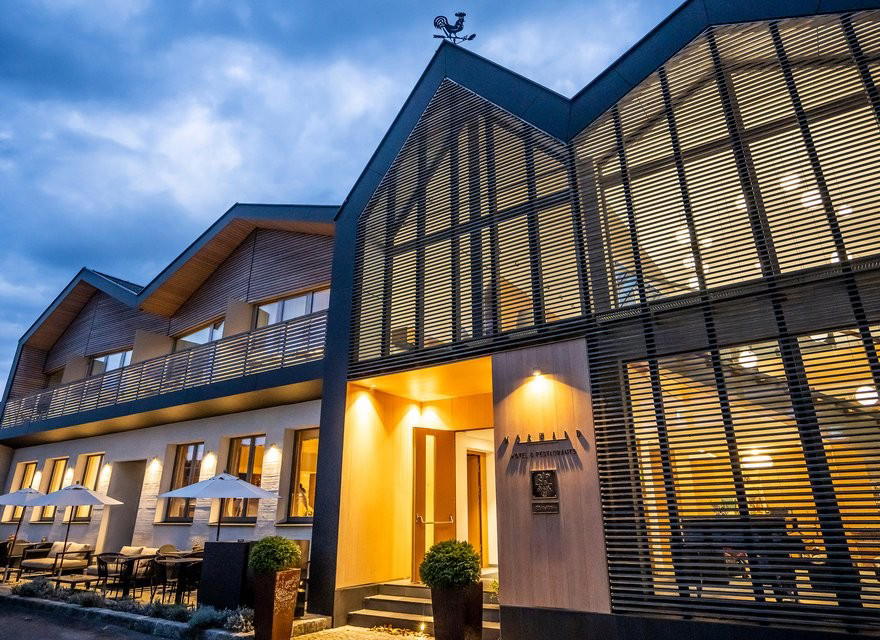
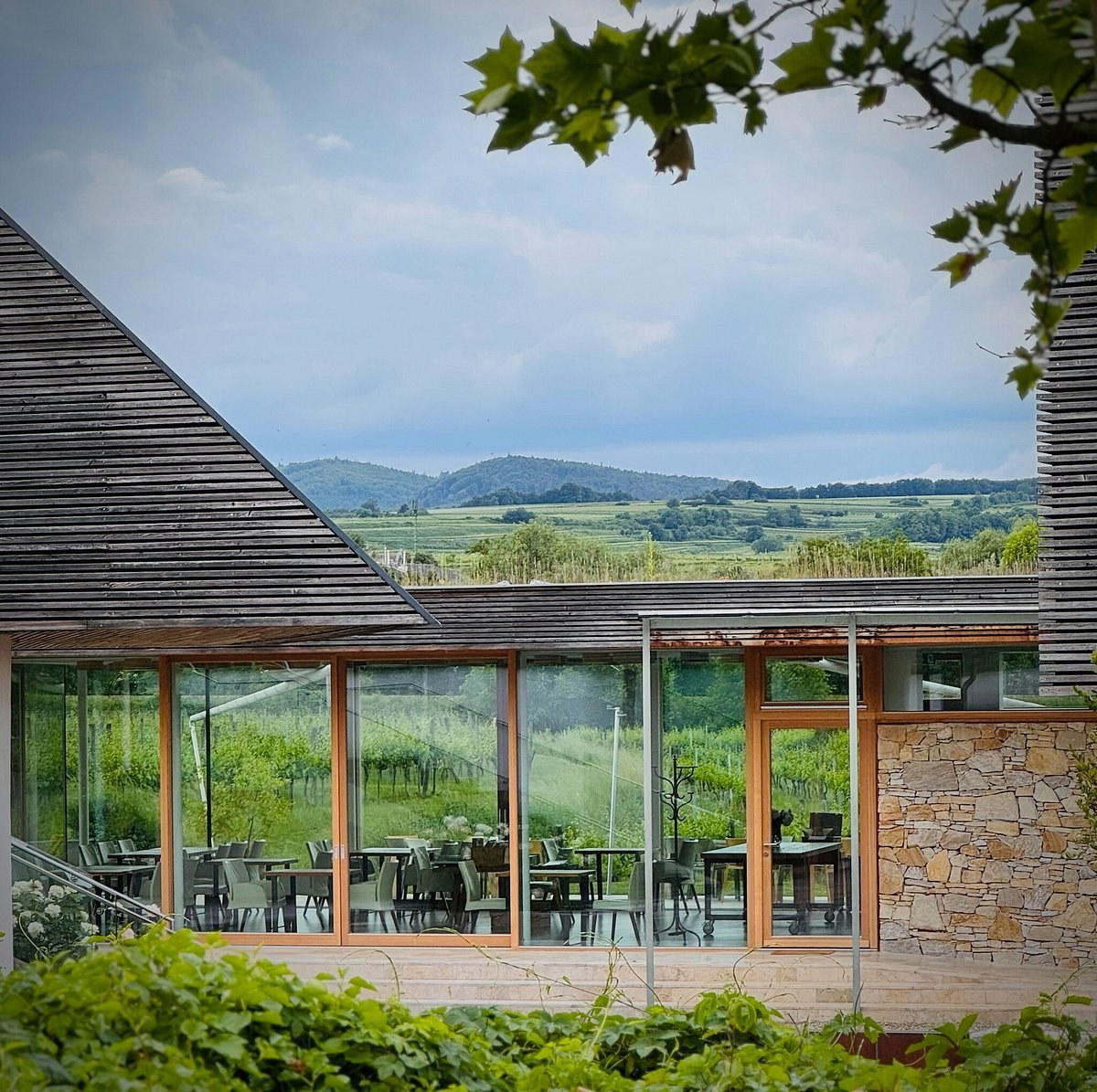
Weingut Lustig is a family winery in Pulkau with a quiet, rural character rather than a polished or theatrical one. The picture is simple: this is a traditional winery atmosphere in a Pulkau valley setting, with the emphasis placed on honest, product-centered winemaking. For EP Club readers, that makes the venue best understood as a rustic, classic, hidden-gem stop rather than a showpiece address built around spectacle.
The available confirmed details do not support a long list of specific claims about grape varieties, vineyard names, cellar formats, opening rules, awards, seat counts, or a detailed tasting program. The safest way to read Weingut Lustig is therefore through its mood and positioning: a rural family winery where the product is meant to stay at the center. It is a low-key Pulkau venue, not a place that should be described through accolades or invented hospitality details.
A quiet Pulkau winery with a product-first feel
The strongest confirmed fact about Weingut Lustig is its atmosphere. It belongs to the quieter side of Pulkau: rustic, classic, and family-run in feeling, with a rural valley setting that gives the visit its sense of place. The language around the winery points away from luxury staging and toward direct wine culture. That distinction matters for travelers deciding whether the stop matches their expectations.
Nothing in the record supports naming specific grapes, cuvées, vineyard parcels, soil types, certifications, tasting lengths, or service formats. Those details may exist elsewhere, but they are not part of the confirmed data. Rather than filling the gap with assumptions, the more useful editorial note is that Weingut Lustig should be approached as a traditional family winery in Pulkau whose appeal rests on honesty, rural character, and product-centered winemaking.
The price marker is also modest: Weingut Lustig is listed at $. That supports the idea of an accessible, unfussy winery rather than a luxury-driven destination.
What the information does, and does not, say
the confirmed information is intentionally narrow. We can say that Weingut Lustig is in Pulkau, that it presents a traditional family winery atmosphere, that the setting is rural and valley-like, and that the winemaking identity is described as honest and product-centered. We can also say that the tone is quiet, rustic, classic, and hidden-gem in character.
We cannot responsibly state a founding year, name a winemaker, describe a menu, list grape varieties, claim organic certification, specify an appointment policy, describe take-out or delivery, state allergy or dietary accommodations, or claim awards. In a premium venue guide, that restraint is important: it keeps the recommendation useful without turning thin public data into invented authority.
The result is a profile that is more about fit than exhaustive logistics. Weingut Lustig is likely to appeal to readers who value a grounded rural winery atmosphere and do not need a venue to perform polish. It is less suitable for readers looking for a highly documented tasting format, a confirmed hospitality schedule, or a guide entry built around named accolades.
How to read Lustig within a Pulkau wine itinerary
Within Pulkau, Weingut Lustig works well as a quiet, product-centered family winery stop. Its value is not in a confirmed ranking, a detailed published program, or a dramatic service model. Its value is in the character: traditional, rural, rustic, and focused on the wine rather than on showmanship.
Because the confirmed data is limited, planning should stay practical. Treat Weingut Lustig as one Pulkau winery to research directly before visiting, especially if you need current hours, tasting availability, accessibility details, group policies, or payment information.
For comparison, other dining and drinking options in Pulkau can be considered generically, but this profile should remain centered on Weingut Lustig itself. The clearest editorial takeaway is that it is a quiet rural family winery in Pulkau with a modest price marker and a product-first identity. That is enough to place it on the map for travelers who prefer classic, understated wine stops over polished showrooms.
Recognition history
Dated appearances from independent guides and award organizations, with the underlying list record or original source where available.
Falstaff Winery - Listed
Falstaff
Continue exploring
More in Pulkau
Wineries in Pulkau
All wineries in Pulkau →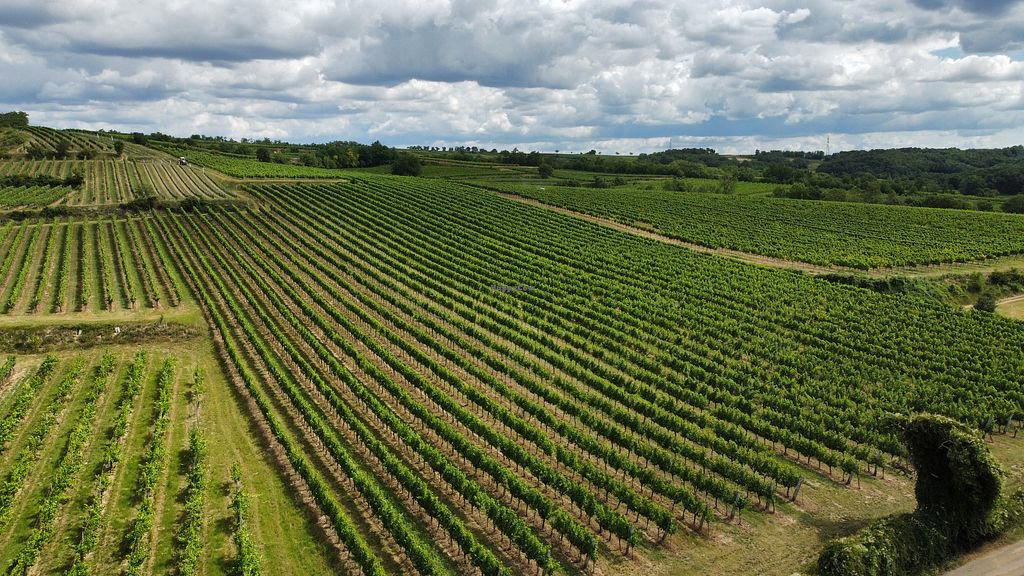
Bars in Pulkau
Browse all →
Details
- Quiet
- Rustic
- Classic
- Solo Exploration
- Wine Education
- Special Occasion
- Historic Building
- Estate Grounds
- Organic
- Sustainable
- Vineyard
- Grüner Veltliner
- Sauvignon Blanc
- Riesling
- Muskateller
- Zweigelt
- Still White
- Still Red
- Dessert
- Cellar Tasting
- Estate Tasting
Traditional family winery atmosphere in a rural Pulkau valley setting, with a focus on honest, product-centered winemaking rather than polished showmanship.