Weingut Franz Anton Mayer

Falstaff Winery - Listed
Weingut Franz Anton Mayer is a long-established Wagram producer in Kirchberg am Wagram, with roots dated to 1896 and a portfolio tied closely to loess-grown Austrian varieties. Grüner Veltliner, Roter Veltliner, Gelber Muskateller and Zweigelt frame the range, while vineyard-designate Ried Hochrain and newer sustainable lines give the estate a more contemporary edge.

Pearl is the En Primeur Club membership app, where members save venues, book tables and use the concierge.

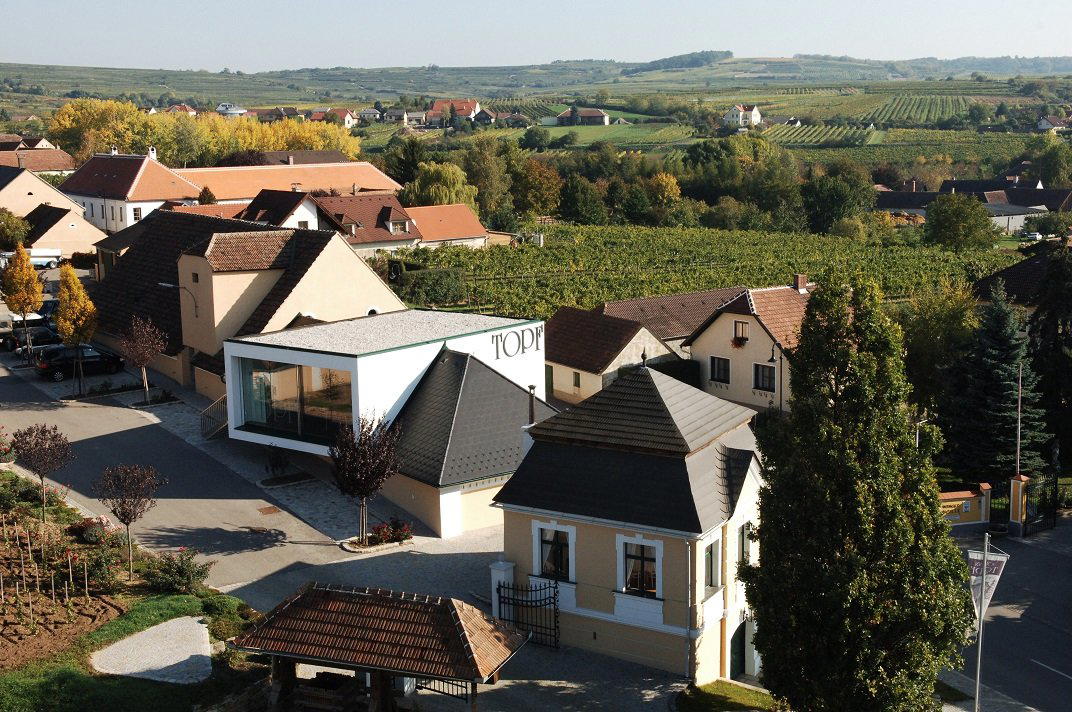
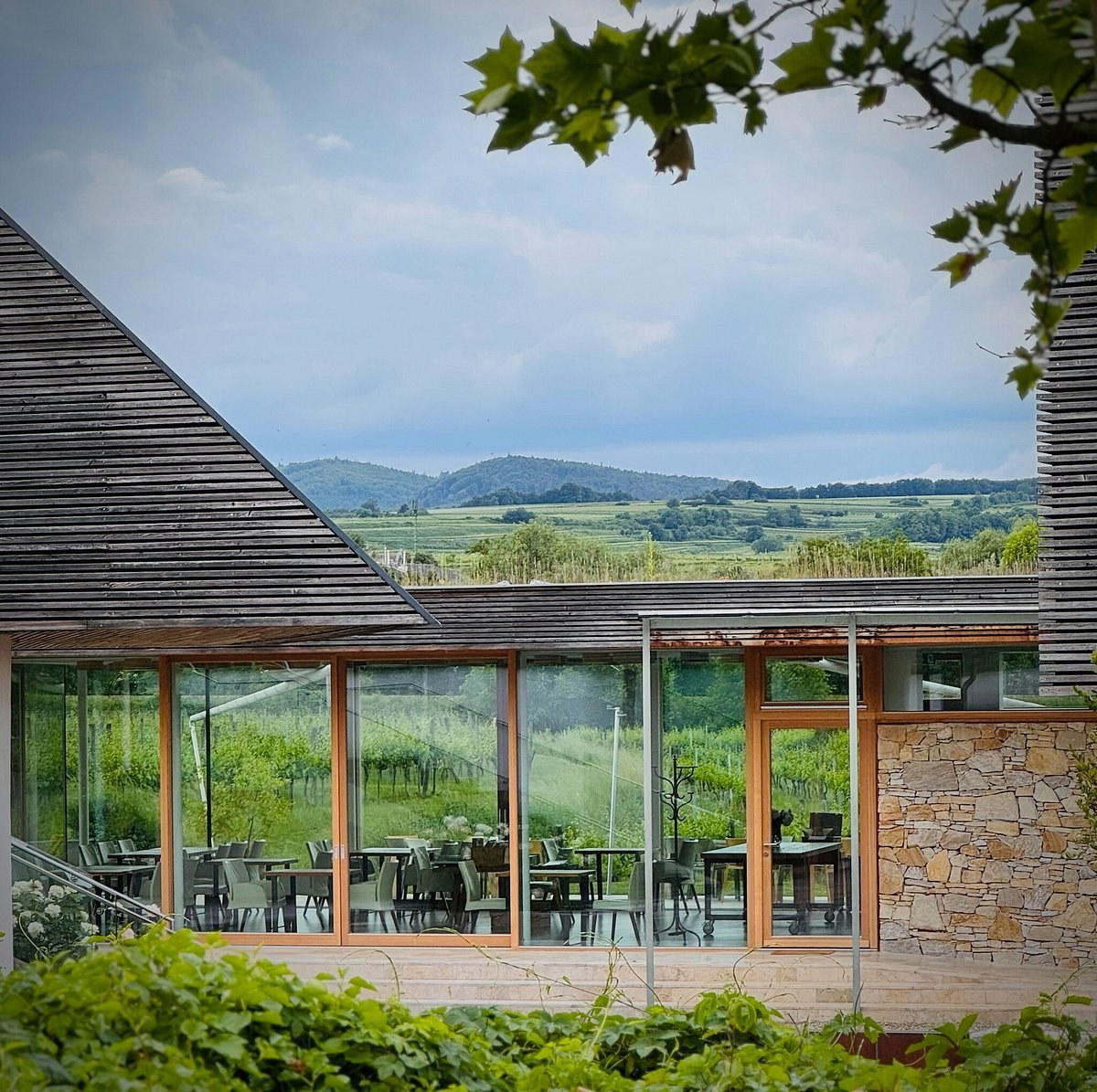
Kirchberg am Wagram is best approached through its landscape: a Wagram wine setting shaped by fertile loess soils, a quieter rural rhythm and a strong sense of regional identity. Within that context, Weingut Franz Anton Mayer is presented as a traditional Wagram winery with a modern, sustainable focus. The available descriptions emphasize authenticity, varietal character and a small, fine production style rather than spectacle or resort-style hospitality.
That makes the estate a useful reference point for travellers who want to understand Wagram wine through place rather than through an invented checklist of services. The profile is deliberately restrained: a winery in Kirchberg am Wagram, priced at $$, with a classic, quiet, rustic and sophisticated register. Specific claims about opening format, named bottlings, grape varieties, awards, founders, winemakers, tasting menus, food service or cellar-door amenities are not part of the record here, so the clearest reading is a compact one: this is a regional winery whose appeal rests on Wagram setting, loess-soil identity and a sustainable contemporary outlook.
Loess, Wagram character and regional specificity
Wagram’s wine identity is closely tied to its soils, and Weingut Franz Anton Mayer is described through that same regional lens. The key cue is the connection to fertile loess soils: not as background scenery, but as part of the way the winery’s profile is framed. For visitors comparing producers in Kirchberg am Wagram, that matters because it places the estate in a landscape-led tradition rather than a generic wine-country template.
The available language around the winery is also careful about scale. “Small” and “fine” production suggests a producer positioned around focus and character, not volume or broad entertainment infrastructure. Likewise, the emphasis on authenticity and varietal character points to wines intended to express type and place. Without details on specific grapes, labels or vineyard names, it would be misleading to turn that into a more granular portfolio description. The grounded point is broader but still useful: Weingut Franz Anton Mayer is presented as a Wagram estate where regional identity, sustainability and varietal expression are central to the appeal.
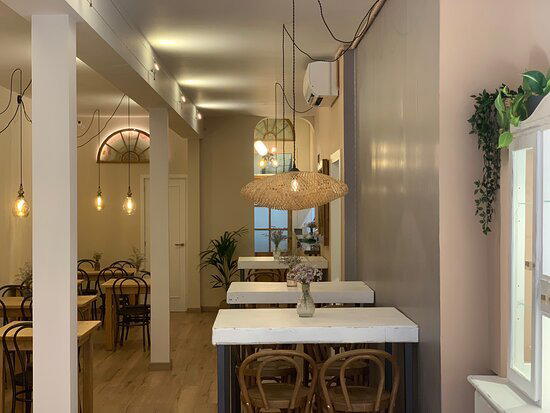
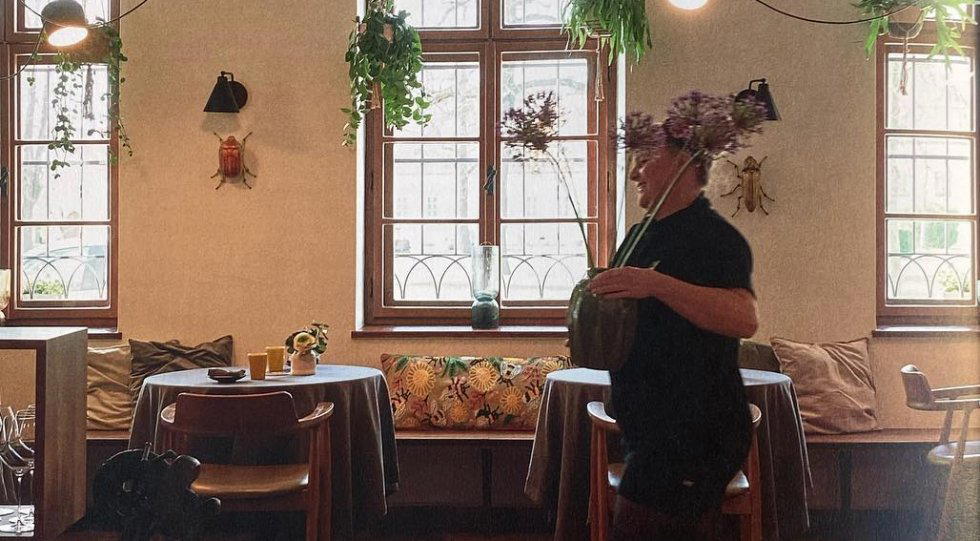
The style descriptors also help set expectations. Classic, quiet, rustic and sophisticated is a distinctive combination. It suggests a winery that does not need to be framed as flashy to be interesting. The value is in restraint: traditional Wagram atmosphere, modern sustainable positioning and the confidence of a place that lets soil and varietal character carry the story.
A traditional estate with modern lines
Weingut Franz Anton Mayer’s profile combines tradition with a modern, sustainable focus. That pairing is important because it avoids two common simplifications. The estate should not be described only as old-fashioned, because sustainability and contemporary focus are part of its presentation.
The more accurate editorial frame is a traditional Wagram winery that has a current sense of responsibility and refinement. Similarly, “varietal character” supports a discussion of clarity and grape expression, but not a list of particular bottlings or varieties unless separately verified.
For an EP Club reader, that distinction is useful. The winery is best understood as a grounded regional address rather than a page built around unsupported hooks. Its price level is listed as $$, placing it in a moderate bracket. Its tone is quiet and sophisticated, with rustic and classic elements. Its production is described as small and fine. Together, those details create a coherent picture without needing invented seat counts, appointment rules, award claims or named cellar lines.
Recognition should also be treated carefully. No clearly confirmed award or ranking is included in the record supplied. The venue therefore should not be presented as an award-led destination. Its case is simpler: a Kirchberg am Wagram winery associated with loess soils, authenticity, varietal character, sustainability and a modestly refined traditional setting.
How to place it in a Kirchberg am Wagram wine itinerary
For visitors building time in Kirchberg am Wagram, Weingut Franz Anton Mayer fits best as a regional wine stop to research directly before visiting.
The estate’s appeal is not dependent on those features. Its strengths are enough to shape expectations: Wagram setting, sustainable modern focus, fertile loess soils, small fine production and an atmosphere described as classic, quiet, rustic and sophisticated. That profile suits travellers who are interested in the relationship between place and wine style, and who prefer an authentic regional producer over a heavily staged experience.
Plan the rest of the day around Kirchberg am Wagram rather than assuming the winery provides every element of a visit. Dining, lodging and other activities should be checked separately with current local sources. Other dining in Kirchberg am Wagram can round out the itinerary, but this winery’s own profile is centered on wine, regional character and sustainable production rather than restaurant-style service.
In short, Weingut Franz Anton Mayer is most compelling when judged by what is actually known: a traditional Wagram winery in Kirchberg am Wagram, carrying a modern sustainable focus and a small, fine production style, with authenticity, varietal character and loess-soil identity at the center of its description.
Recognition history
Dated appearances from independent guides and award organizations, with the underlying list record or original source where available.
Falstaff Winery - Listed
Falstaff
Continue exploring
More in Kirchberg am Wagram
Wineries in Kirchberg am Wagram
All wineries in Kirchberg am Wagram →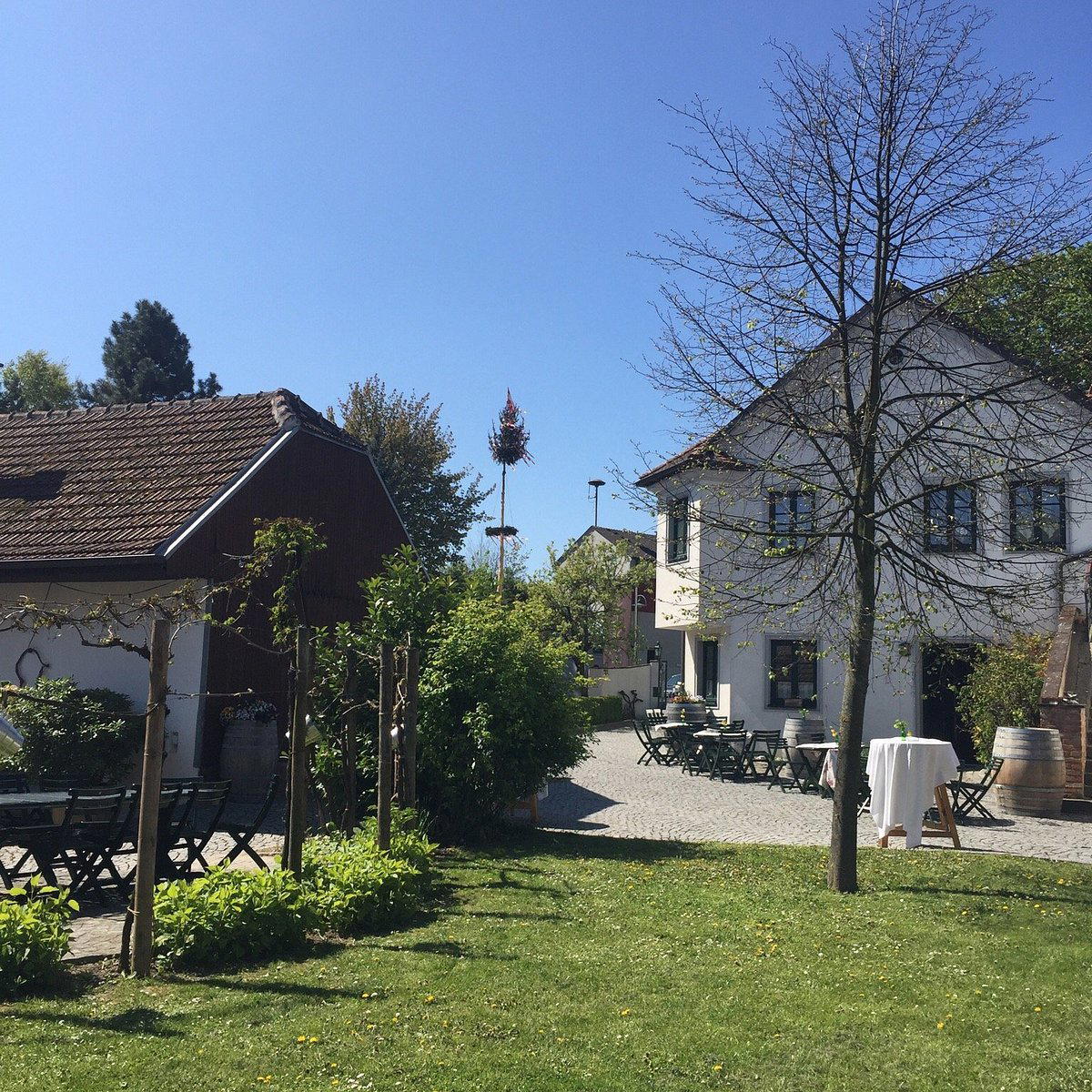
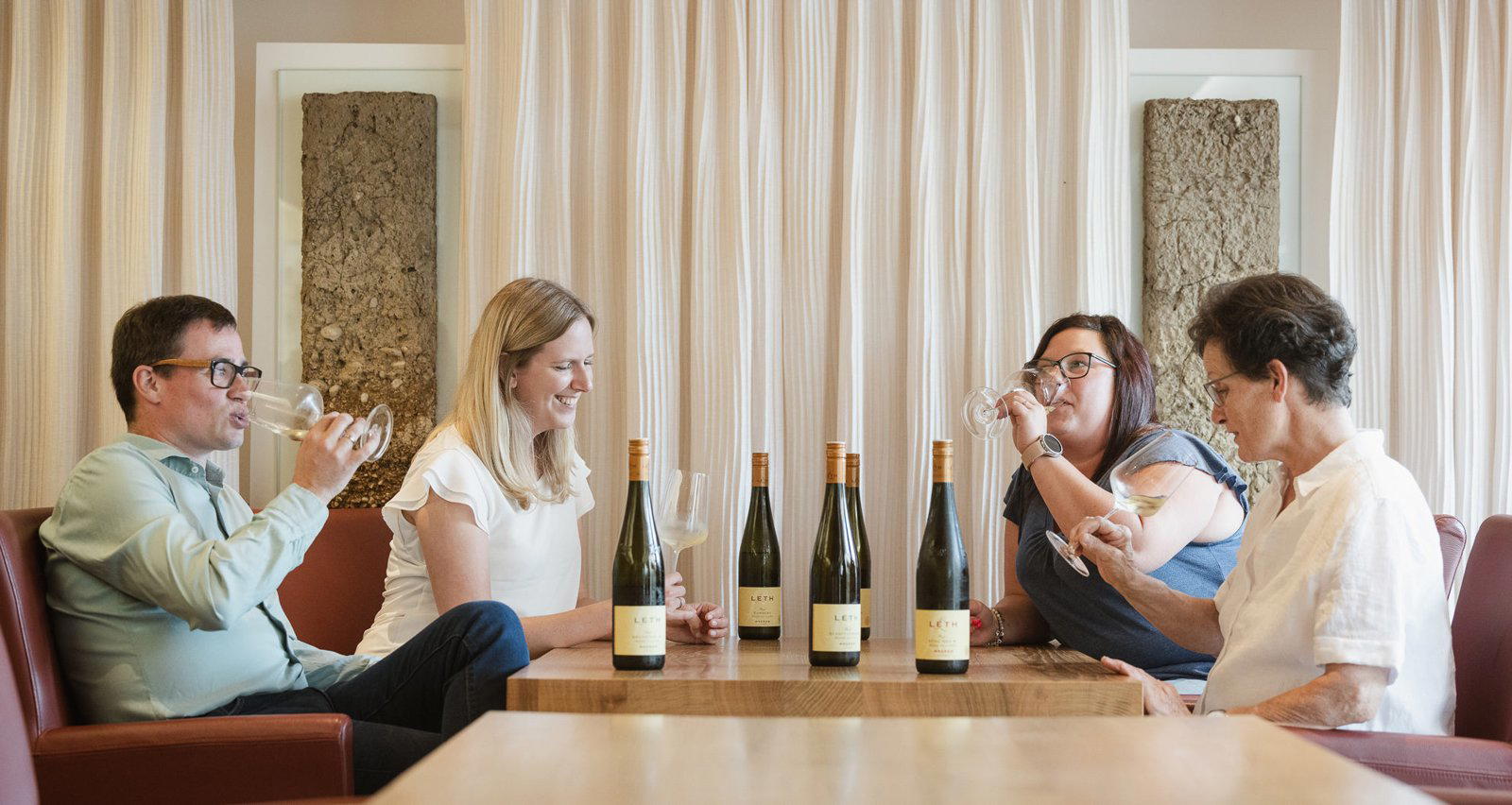
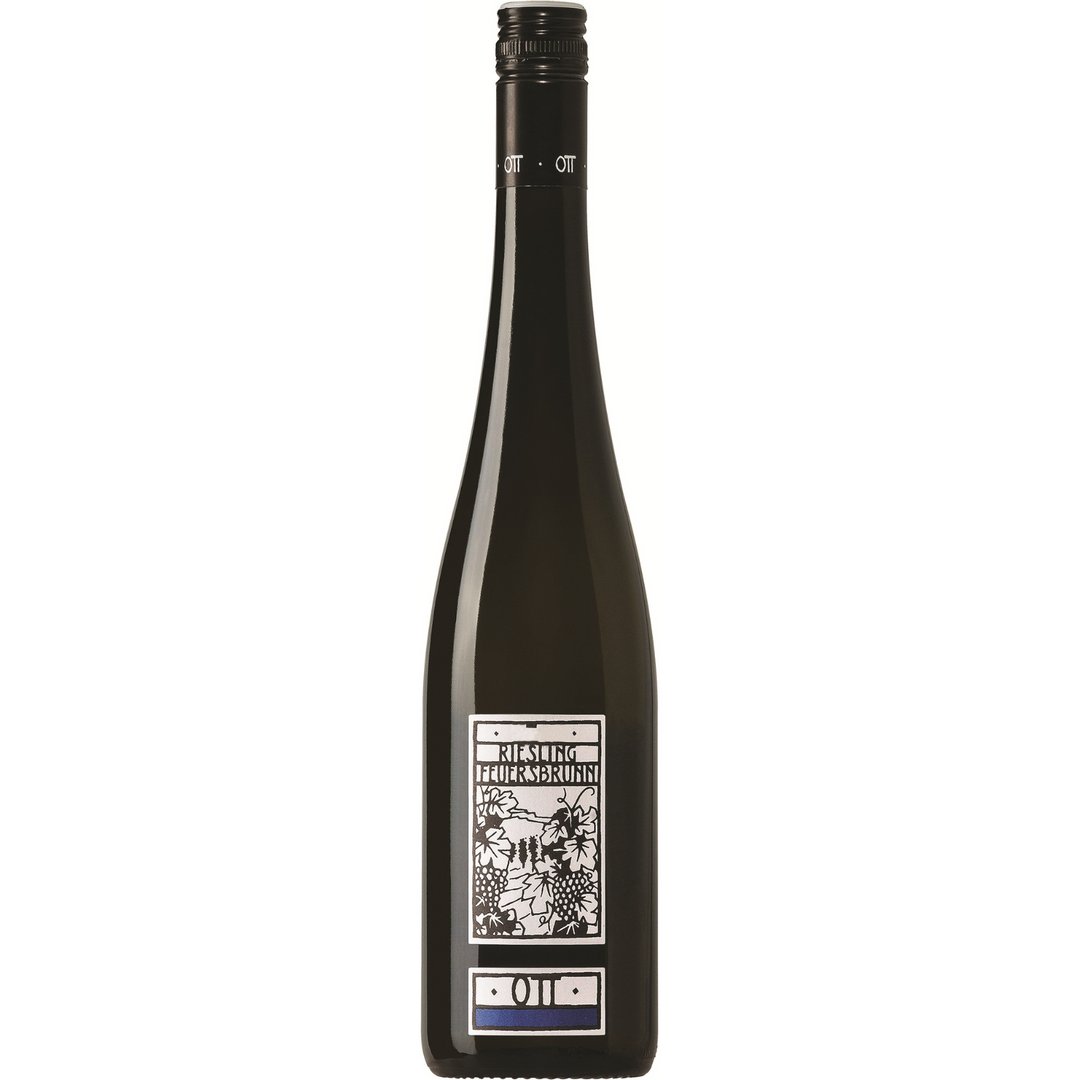
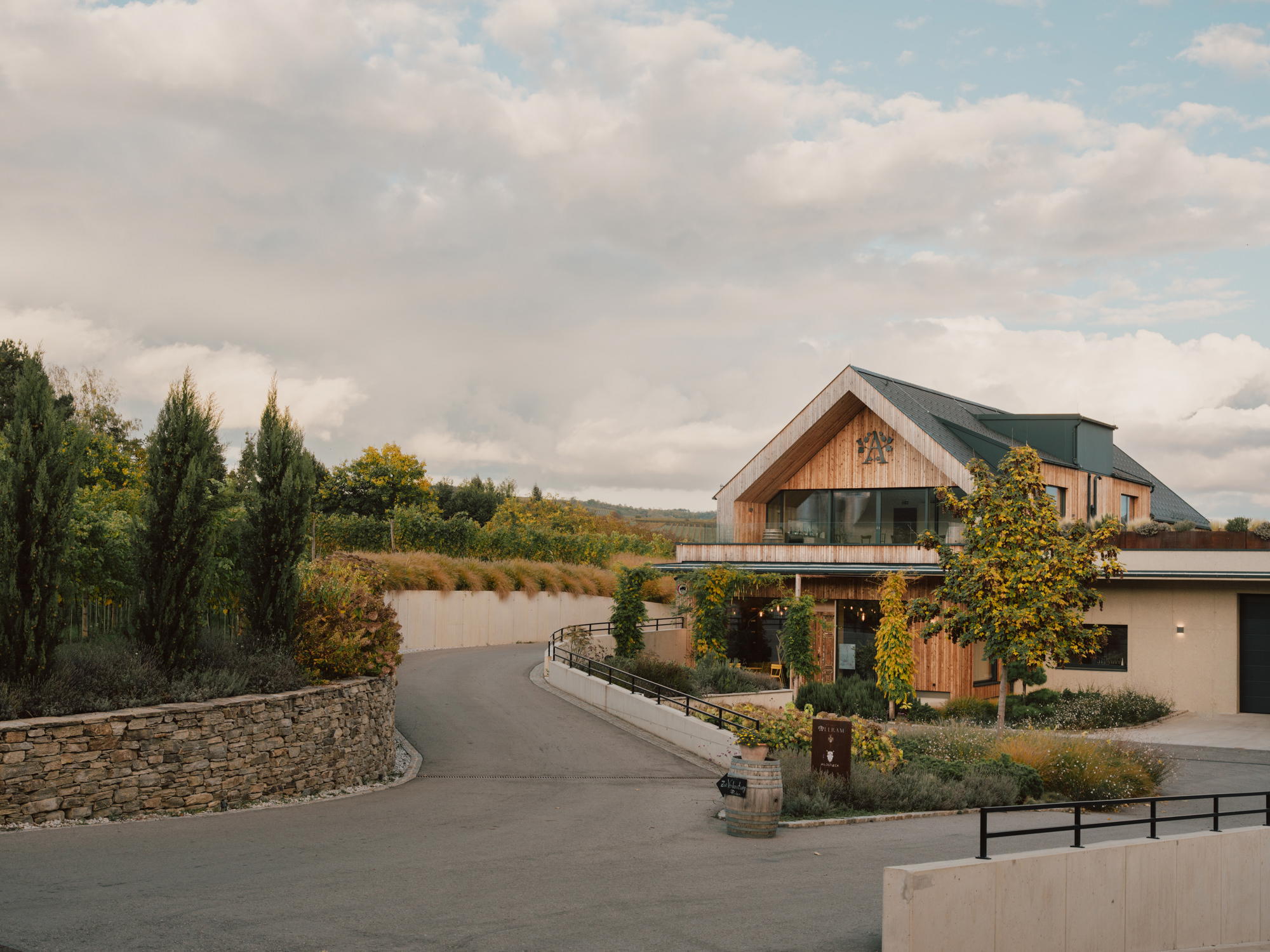
Bars in Kirchberg am Wagram
Browse all →
Restaurants in Kirchberg am Wagram
All restaurants in Kirchberg am Wagram →

Details
- Classic
- Quiet
- Rustic
- Sophisticated
- Solo Exploration
- Wine Education
- Special Occasion
- Group Outing
- Historic Building
- Estate Grounds
- Sustainable
- Vineyard
- Grüner Veltliner
- Roter Veltliner
- Gelber Muskateller
- Zweigelt
- Still White
- Still Red
- Sparkling
Traditional Wagram winery with a modern, sustainable focus and a small, fine production style; the available descriptions emphasize authenticity, varietal character, and the region's fertile loess soils.