Weibel Family Vineyards & Winery
Weibel Family Vineyards & Winery sits on Highway 175 in Hopland, Mendocino County's compact wine corridor, where smaller family-run producers operate at a deliberate remove from Napa's volume-driven model. For visitors tracing Mendocino's agricultural wine identity, it represents a grounded stop in a region that rewards patience.

Pearl is the En Primeur Club membership app — saves, bookings, and concierge access live there. Same editors, same standards.
- Address
- 3813 Hwy 175, Hopland, CA 95449
- Directions
- Get directions
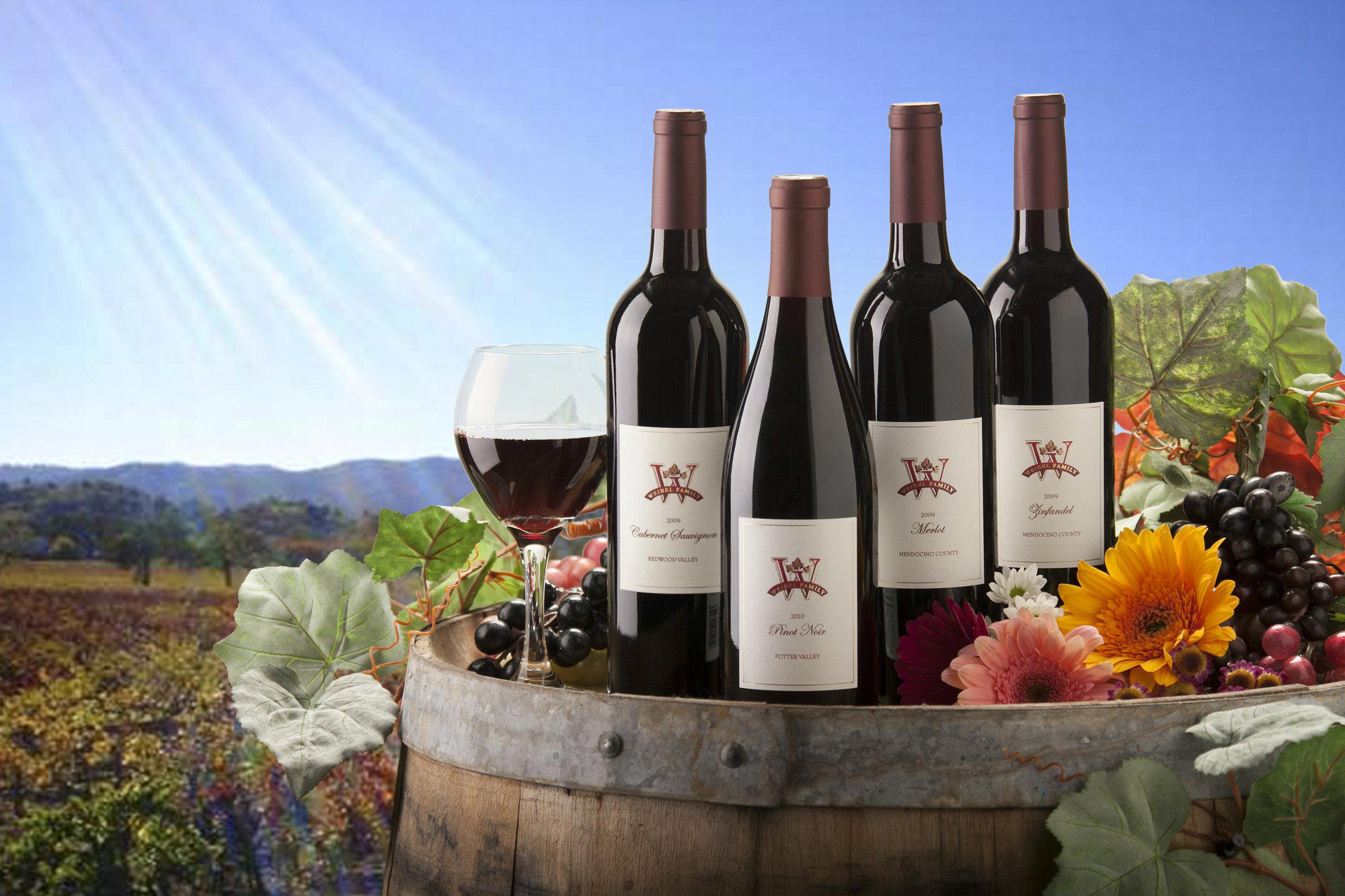
Mendocino's Highway 175 Corridor: Where Family Estates Define the Register
Mendocino County's wine identity has long operated on a different frequency from the Napa Valley corridor two hours south. Where Napa consolidated around Cabernet prestige and high-volume tasting infrastructure, the stretch of Highway 101 and its tributary roads through Hopland and the Redwood Valley cultivated something slower and more agrarian. Family-owned estates here tend to work smaller acreage, lean into the county's certified organic history, and attract visitors who arrive with a regional itinerary rather than a single-destination impulse. Weibel Family Vineyards and Winery, located at 3813 Highway 175 in Hopland, sits within that tradition.
That kind of recognition matters differently in Mendocino than it would in, say, Rutherford, where a similar signal gets absorbed into a dense competitive field. In Hopland, a smaller town whose wine community includes producers like Albertina Wine Cellars, Bonterra Vineyards, Boonville Road Wines, Brutocao Cellars, and Campovida, a 2025 award signal reads as meaningful curation within a modest-sized peer group.
The Cultural Weight of the Family Estate in California Wine
Family wineries in California carry a specific cultural logic that has shifted considerably since the 1990s. The consolidation era, which saw many family labels absorbed into portfolio conglomerates, gave the surviving independent operators a clearer identity by contrast. Properties that remained family-controlled through the 2000s and into the 2010s tend to occupy an interesting middle position: they carry generational knowledge about their land, but they also operate with the resource constraints that prevent them from scaling into high-visibility marketing. The result is often a more direct relationship between what grows on the property and what ends up in the bottle.
Mendocino County's agricultural roots reinforce that tendency. The region became the first in the United States to have a certified organically grown appellation designation, a distinction that shaped how its producers approach viticulture at a county-wide level. That context matters when reading any Hopland estate, including Weibel. Even without detailed production records in hand, the address situates the property within a growing community that has consistently prioritized farming credentials over marketing infrastructure.
This stands in recognizable contrast to California's other premium wine zones. Accendo Cellars in St. Helena and Alpha Omega Winery in Rutherford operate within a Napa framework where the benchmark is set by land values and Cabernet allocation lists. Adelaida Vineyards in Paso Robles and Alban Vineyards in Arroyo Grande bring Central Coast Rhone-variety credentials to bear on a different kind of prestige signaling. Mendocino, and Hopland specifically, makes a quieter case: the county's wine identity is built on land stewardship and producer independence rather than appellation cachet.
Hopland as a Wine Town: Compact, Agricultural, Deliberate
Hopland sits roughly two hours north of San Francisco on US-101, small enough that most of its significant wine producers are reachable within a short drive of each other. The town's character is agricultural rather than resort-oriented, which keeps the visitor experience grounded. There are no high-traffic hospitality corridors of the Yountville or Healdsburg variety. What exists instead is a concentration of working estates and tasting rooms that reward visitors who approach them with genuine interest in the region's output.
Highway 175, where Weibel sits, connects Hopland eastward toward Clear Lake, cutting through terrain that shifts from valley floor to hillside as you move away from 101. That physical address tells you something about the orientation of the estate: it's positioned on a route that moves between growing zones, rather than at the commercial center of town. For visitors planning a fuller Hopland itinerary, our full Hopland restaurants and wineries guide maps the area's key stops across categories.
The Hopland wine community places Weibel alongside producers who have made deliberate choices about scale and independence. Comparing the town's estate-level producers to operations like Alexander Valley Vineyards in Geyserville or Adelsheim Vineyard in Newberg clarifies the regional difference: Hopland's producers operate in a county that has built its wine reputation on agricultural integrity rather than appellation prestige, and that shapes both the wines and the visitor experience at every estate in town.
Reading the 2025 Pearl Star: What Recognition Means at This Scale
Award signals function differently across wine regions and producer scales. At large, well-capitalized Napa estates, a new recognition gets absorbed quickly into an existing trust infrastructure of prior awards, critical scores, and institutional visibility. It identifies the property as operating at a level of seriousness that distinguishes it from casual tasting-room operations, and it places it within a recognized competitive tier without the context of a long prior award history.
That kind of signal is useful for visitors trying to build a Hopland itinerary with some editorial discipline. The Hopland area has a range of tasting experiences, from large-format visitor centers to farm-gate operations. A recognized award at the prestige tier indicates a producer working with defined standards, which is a different proposition from simply being a well-located stop on a highway route.
For context on how prestige-level recognition plays out across California's independent wine scene, the range is wide. Andrew Murray Vineyards in Los Olivos built its recognition around Rhone varieties in a county still defining its premium identity. Properties like Aberlour and Achaia Clauss illustrate how estate recognition translates across very different wine cultures globally. What stays consistent is that recognition at the prestige tier, whatever the geography, indicates production-level seriousness rather than marketing investment.
Planning a Visit
Weibel Family Vineyards and Winery is located at 3813 Highway 175 in Hopland, California 95449. Visitors arriving from San Francisco should allow approximately two hours via US-101 north to Hopland. Hopland's wine community as a whole tends to reward visitors who plan a multi-estate day rather than a single-stop visit, and Weibel's Highway 175 address makes it a logical anchor for an eastern route out of town.
At a Glance
| Venue | Awards |
|---|---|
| Weibel Family Vineyards & WineryThis venue — the venue you are viewing | Not listed |
| Bonterra Vineyards | Falstaff Winery - Listed |
Continue exploring
More in Hopland
Wineries in Hopland
Browse all →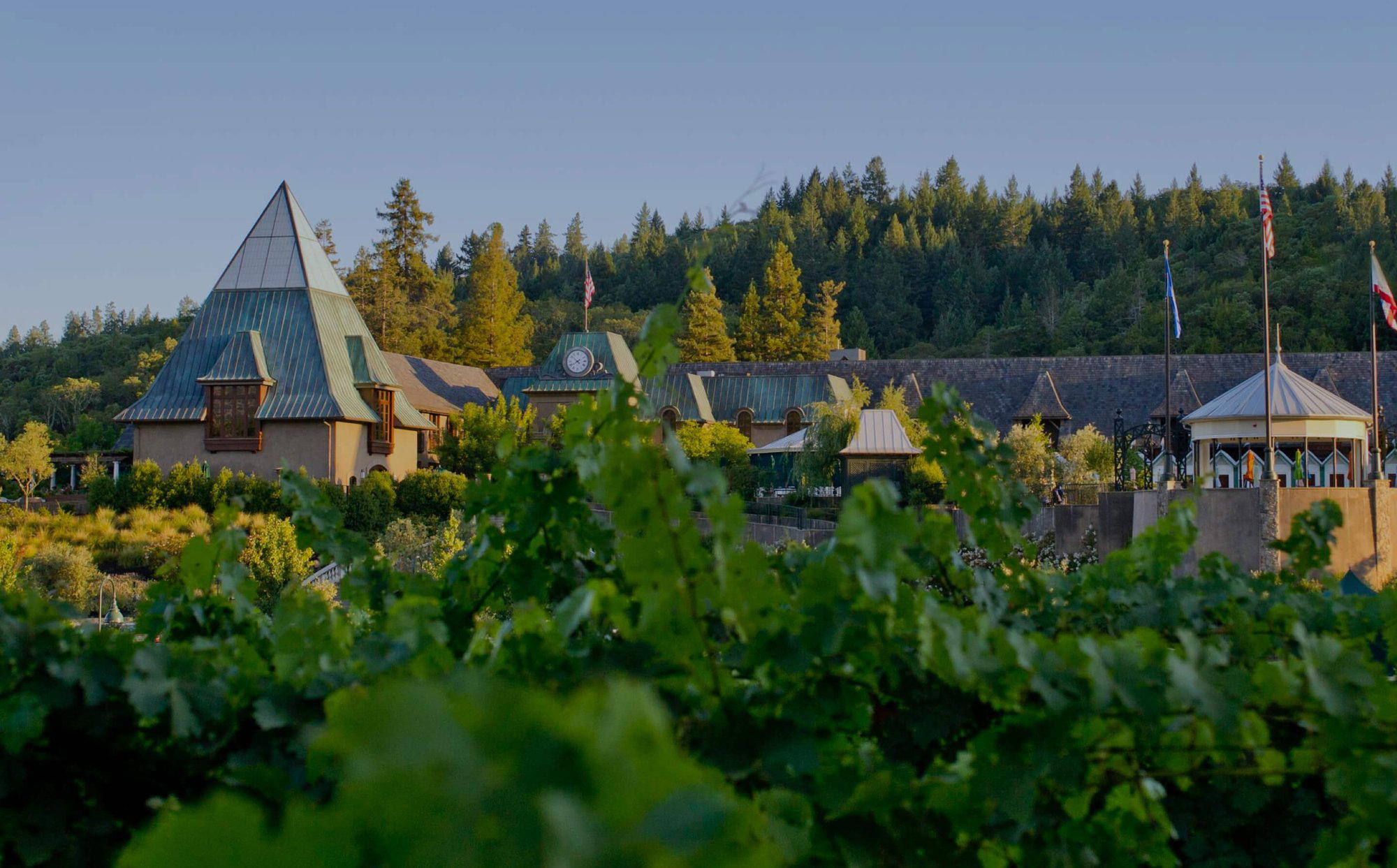
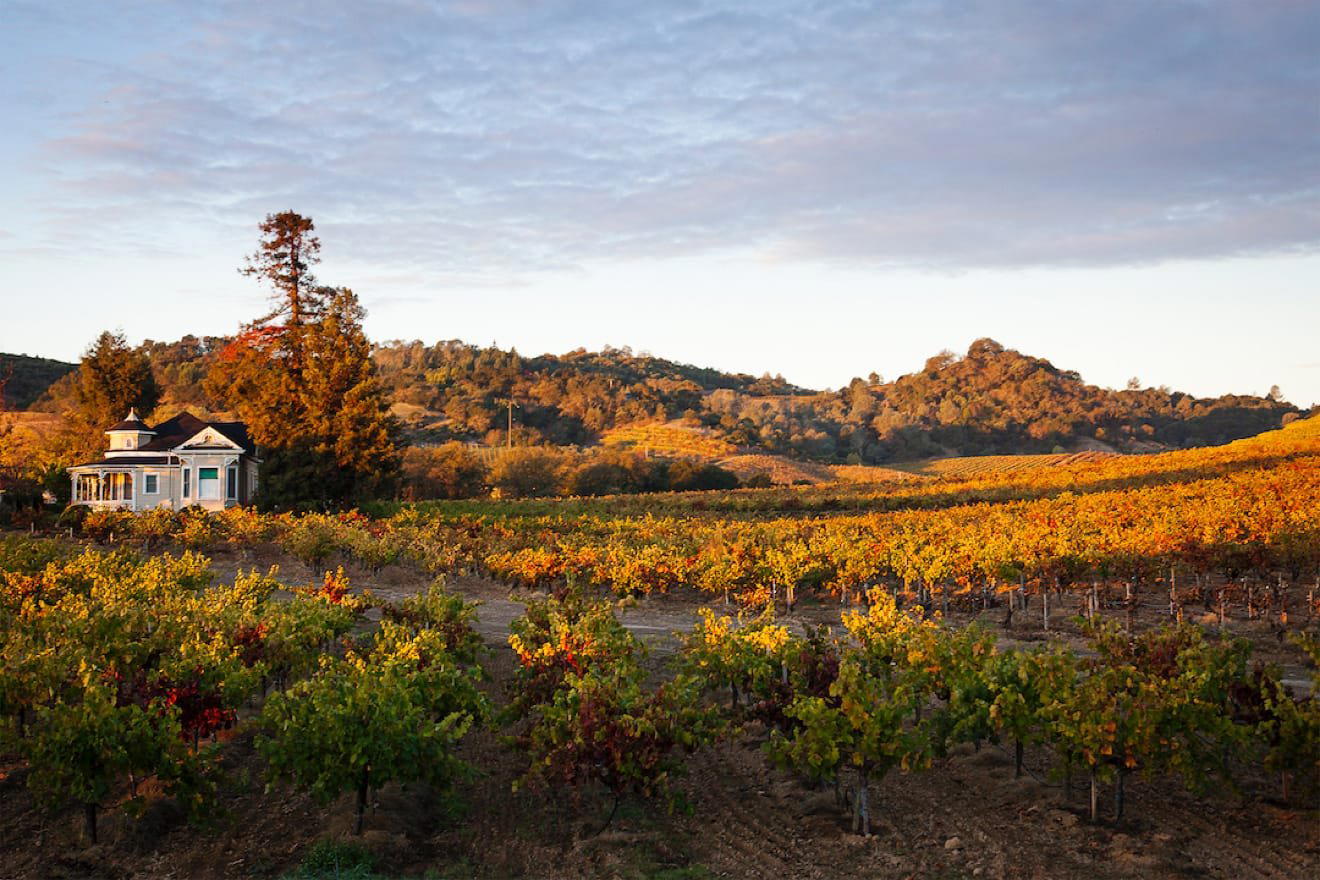
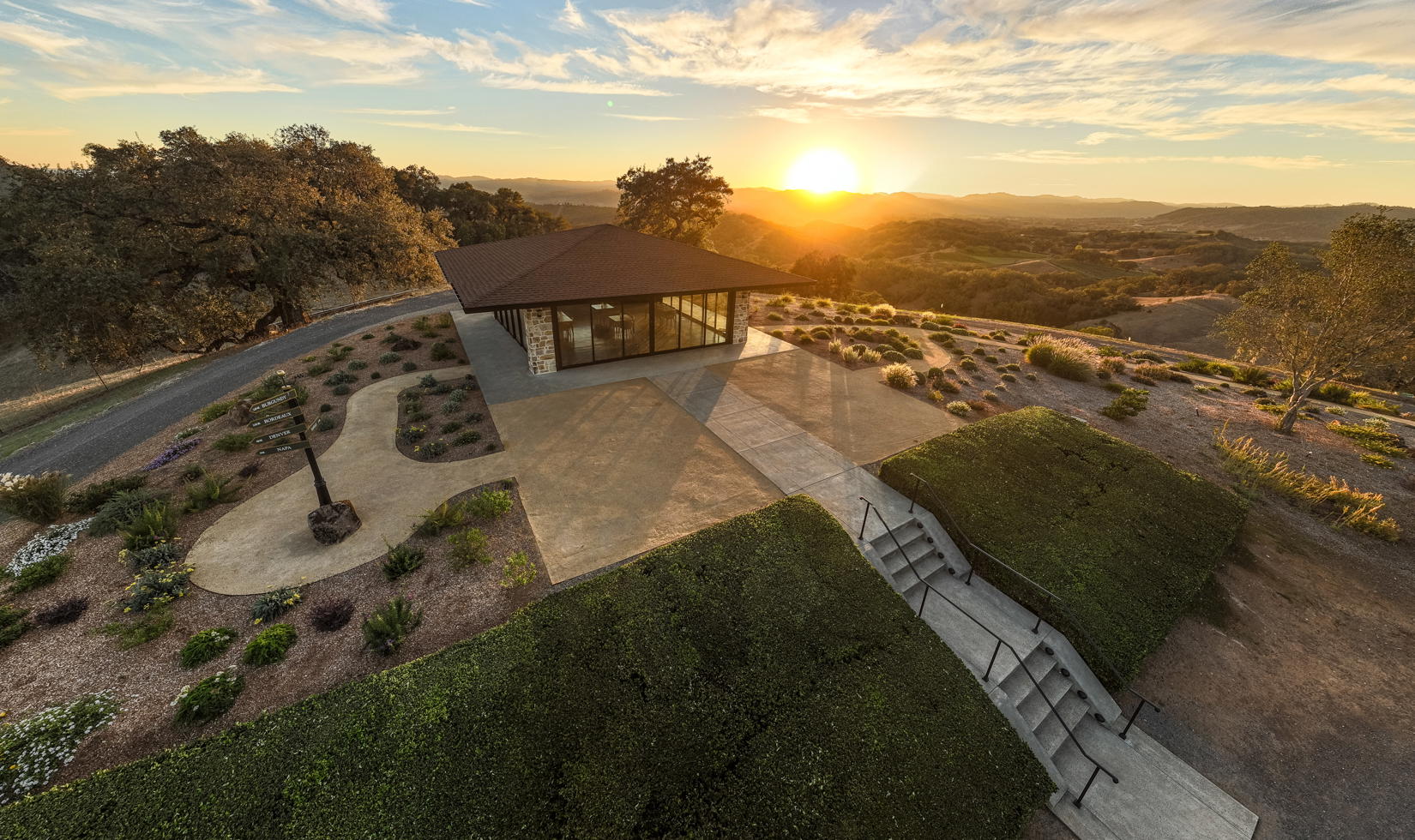
Bars in Hopland
Browse all →
Restaurants in Hopland
Browse all →
Details
- Rustic
- Scenic
- Quiet
- Classic
- Solo Exploration
- Wine Education
- Special Occasion
- Estate Grounds
- Vineyard Tour
- Private Tasting
- Organic
- Vineyard
- Sparkling
- Pinot Noir
- Zinfandel
- Sauvignon Blanc
- Cabernet Sauvignon
- Sparkling
- Still Red
- Still White
- Walk In Tasting
- Private Tasting
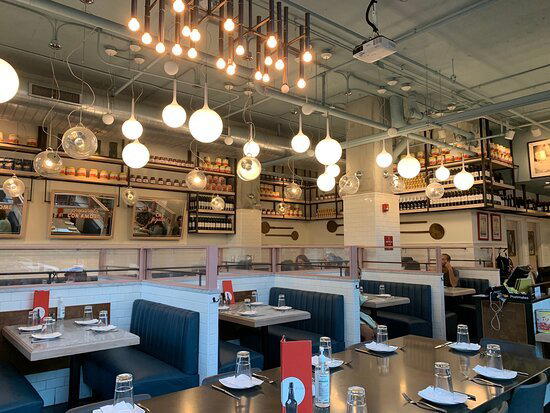
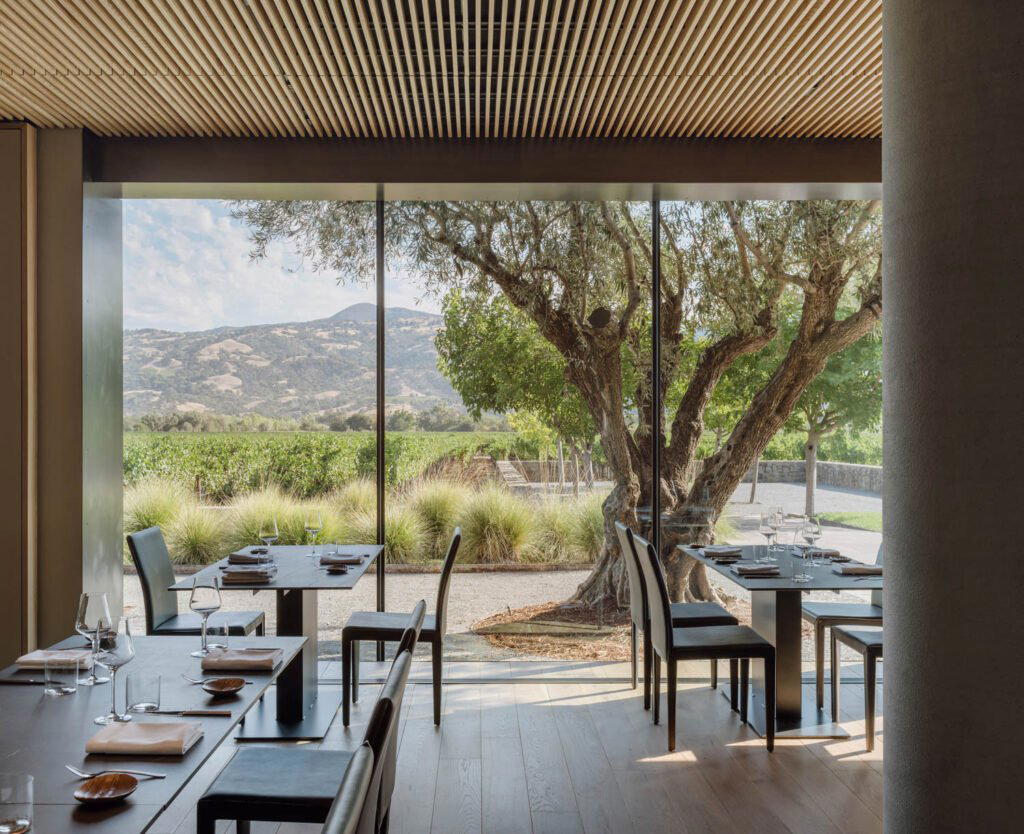
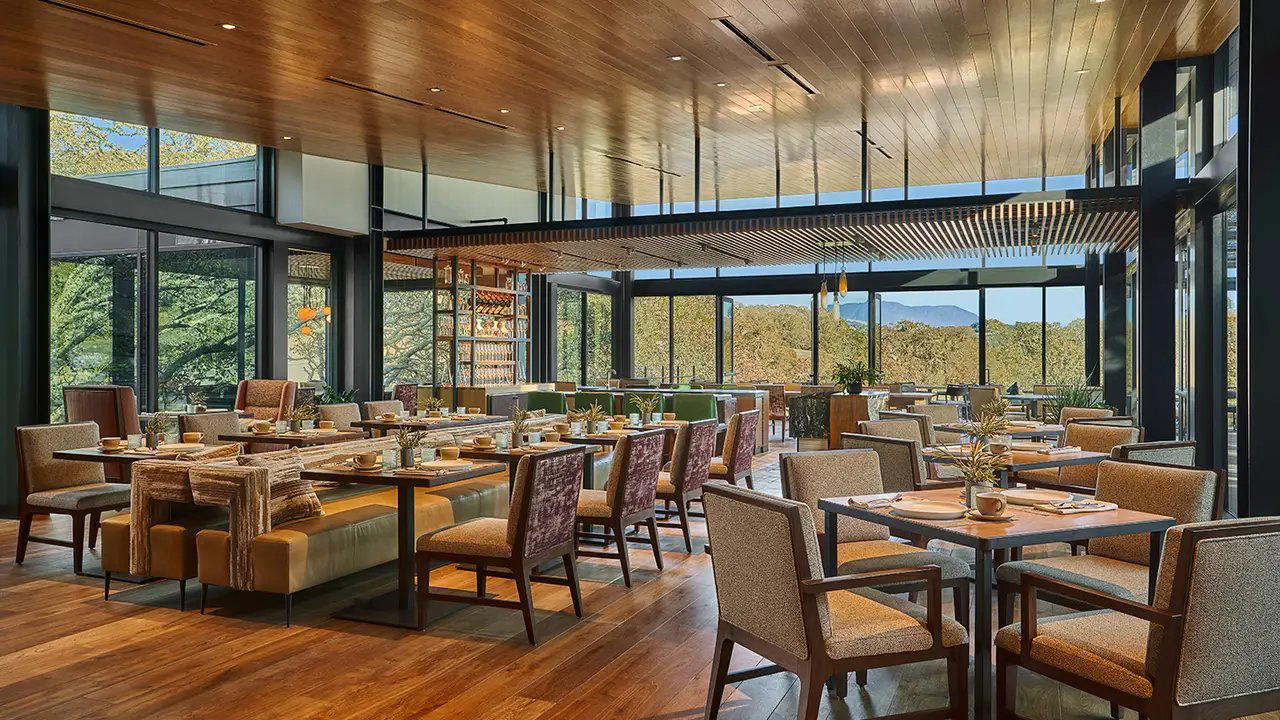
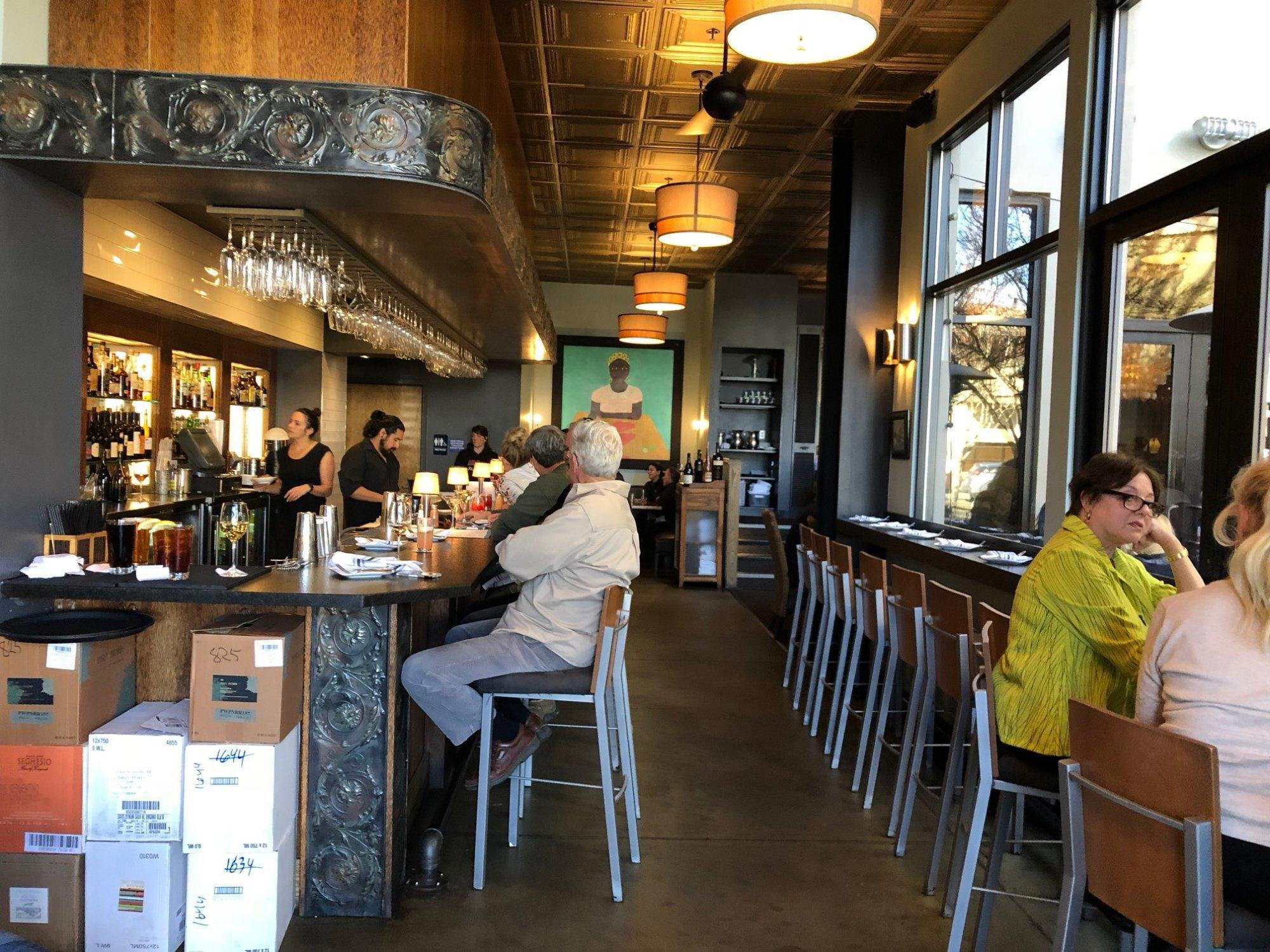
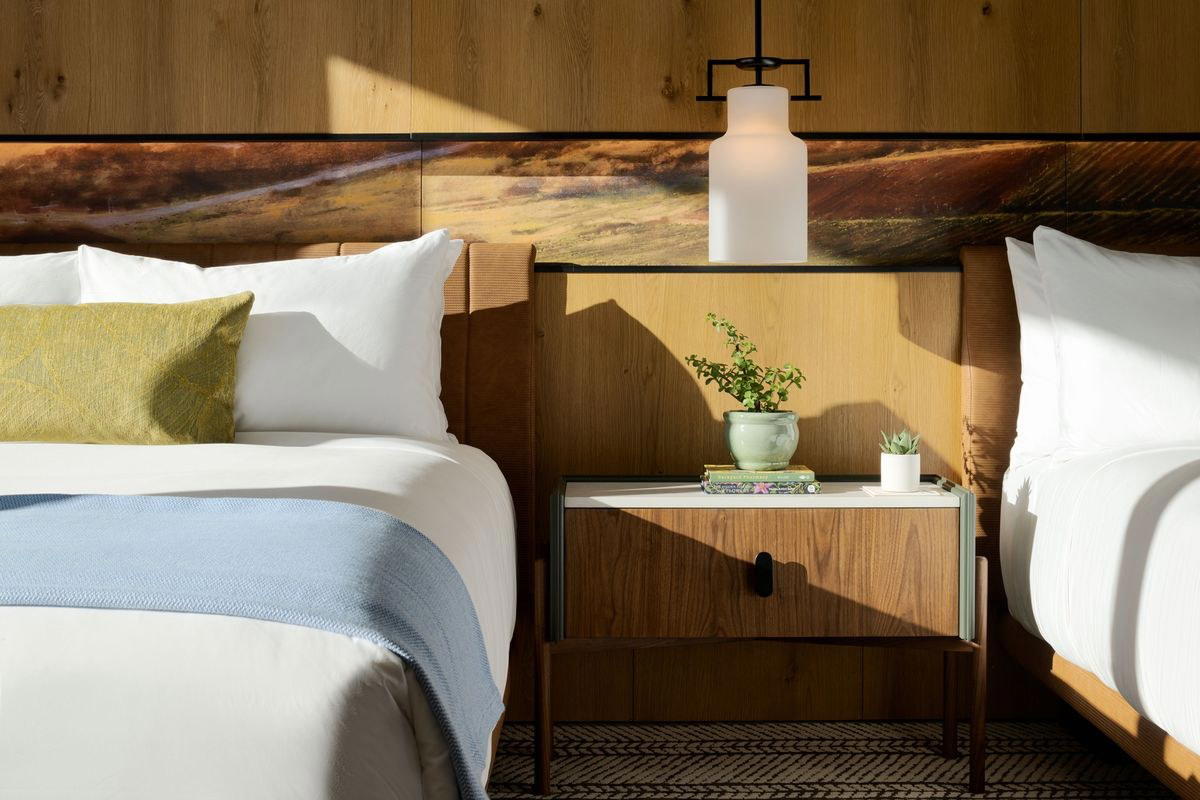
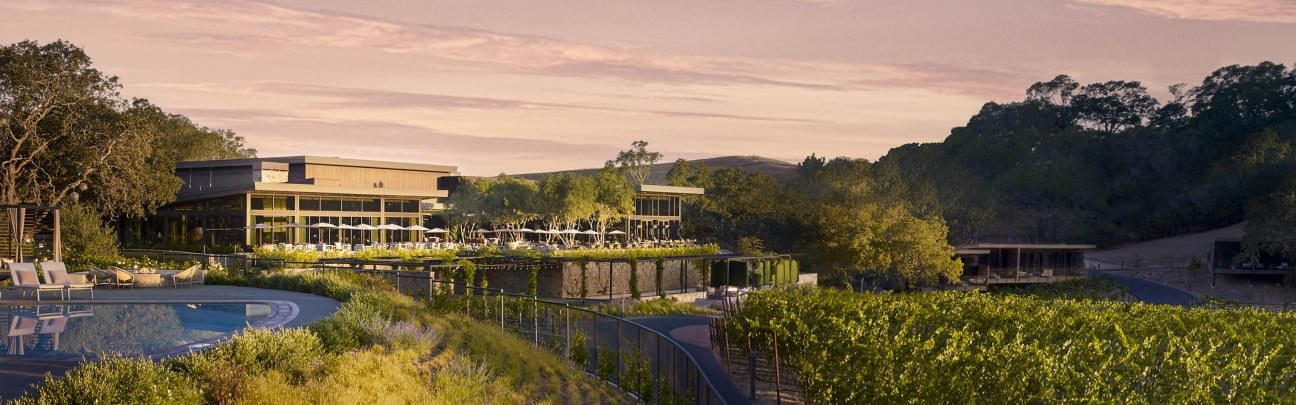
Rustic, scenic, and quietly assured, with a grounded estate feel rather than a flashy showcase.