Hotel Healdsburg


On Matheson Street at the edge of Healdsburg Plaza, Hotel Healdsburg positions guests within walking distance of the square's restaurants and tasting rooms while placing three of northern Sonoma's most significant wine regions within a short drive. The hotel's on-site restaurant is among the stronger dining options in town, making it a logical base for wine country travel that doesn't require a car for every meal.
Pearl is the En Primeur Club membership app — saves, bookings, and concierge access live there. Same editors, same standards.
- Address
- Matheson Street, 25, Healdsburg 95448, USA
- Phone
- +1.707.431.2800
- Website
- healdsburginn.com
- Directions
- Get directions
 Saves & bookings on Pearl
A Plaza Address in Wine Country's Quieter Capital
Hotel Healdsburg is a 4-star hotel in Healdsburg, California, with 56 rooms and a nightly rate from $574. Healdsburg occupies a different register than Napa. Where Napa has tilted toward resort scale and highway sprawl, Healdsburg has held onto its plaza-town format: a walkable square ringed by tasting rooms, restaurants, and independent shops, with serious wine country fanning out in three directions. Hotel Healdsburg sits on Matheson Street, directly adjacent to that plaza, which means the hotel's address is genuinely functional rather than aspirationally described. Guests step out onto the square rather than into a parking lot.
That geographic fact shapes how the hotel performs as a base. Dry Creek Valley, Alexander Valley, and the Russian River Valley are all within reach, covering a spread from structured Cabernet and Zinfandel country to the cooler-climate Pinot Noir and Chardonnay terrain that defines Russian River's identity. A guest who wants to cover all three in a long weekend can do so without the kind of mileage that turns wine tasting into commuting. Properties with comparable positioning in Napa, such as Auberge du Soleil in Napa, trade on similar regional-access logic, though Napa's AVA concentration means less stylistic range per drive.
The Hotel's Place in Healdsburg's Accommodation Tier
Healdsburg has developed a surprisingly competitive boutique hotel scene relative to its population. SingleThread Farm Inn anchors the town's upper tier with its farm-to-table integration and structured omakase format. The Madrona occupies a Victorian property with a design-forward renovation. Smaller properties like 27 North and Harmon Guest House offer more entry-level formats for guests whose priority is proximity over amenity depth.
Hotel Healdsburg sits in the mid-to-upper tier of this set, with a plaza-facing position that none of the smaller properties match for convenience. The hotel's design belongs to the category of spa-integrated, full-service boutique properties that proliferated in California wine country during the early 2000s, a format that trades the ranch-aesthetic of properties like Post Ranch Inn in Big Sur for urban-adjacent ease. For guests coming from San Francisco, a roughly ninety-minute drive north, the hotel reads as a weekend-length destination without requiring a rental car for daily logistics once checked in.
On-Site Dining as a Functional Asset
The hotel's restaurant is frequently cited as among the stronger options accessible from the plaza, which is a meaningful credential in a town where dining quality varies considerably once you move beyond the square's immediate perimeter. Wine country hotels with serious on-site restaurants occupy a distinct operating logic: the dining room extends the stay rather than simply feeding guests who couldn't book elsewhere. This dynamic is visible at other properties nationally, from Troutbeck in Amenia to Sage Lodge in Pray, where the restaurant anchors the experience rather than supplementing it.
At the hotel, that on-site dining relationship is particularly relevant given the hotel's proximity to a plaza already dense with restaurant options. Guests who want to eat well without booking ahead or competing for tables at Healdsburg's more demand-heavy spots have a credible alternative directly downstairs. That convenience factor compounds on evenings when the square's most popular rooms are booked weeks out.
Service Format in a Wine Country Context
The hotel's service model supports wine country itinerary planning. Northern Sonoma's geography is accessible but not self-explanatory: the three surrounding AVAs have different harvest windows, different tasting room policies, and different road networks, and most first-time visitors underestimate the planning required to move between them efficiently.
Hotels in this category have increasingly positioned concierge service as a genuine differentiator rather than a legacy amenity. At the hotel, the practical form this takes is itinerary-level wine country guidance: tasting room appointments, allocation access introductions, and the kind of harvest-season scheduling knowledge that shifts a visit from drive-and-drop-in to producer-level access. This is the kind of service that scales with the wine knowledge of the guest, providing basic orientation for casual visitors and deeper producer-contact facilitation for those arriving with a list of specific wineries to reach.
The spa adds a layer of recovery infrastructure that wine country weekends often require, particularly for groups spending afternoons on foot through vineyard visits before evening dinners. Properties of this type increasingly treat the spa as a functional component rather than a luxury add-on, and the hotel's footprint reflects that orientation. Comparable California properties handling the same recovery-and-relaxation calculus include Hotel Bel-Air in Los Angeles and, at a different scale, Four Seasons at The Surf Club in Surfside.
Seasonal Timing and Practical Planning
Healdsburg's demand peaks during harvest season, roughly September through November, when crush activity runs across all three surrounding AVAs and the town's hotels fill weeks in advance. Spring, when cover crops are in bloom and temperatures run cooler, draws a smaller but similarly wine-focused crowd without the peak-season pressure on availability or pricing. Summer weekends attract visitors more broadly, mixing wine country travelers with day-trippers from the Bay Area, which affects plaza restaurant availability more than the hotel's own operations.
For guests planning visits in the high-demand window, the plaza position means that even when restaurants on the square are fully committed, the on-site dining option remains accessible. The hotel's location also places it within walking distance of Healdsburg's tasting room concentration, reducing the car-and-driver logistics that winery-day itineraries in Napa typically require.
Guests comparing northern California wine country stays might also weigh the hotel against non-wine-country California properties, such as Kona Village, A Rosewood Resort in Kailua Kona or Little Palm Island Resort & Spa in Little Torch Key, where the trade is regional wine access for coastal isolation. The choice is structural: the hotel is a wine country base with urban-adjacent convenience, not a retreat property. For those whose priority is depth of producer access across multiple AVAs from a single address, the Matheson Street location continues to make a defensible case.
Cuisine and Awards Snapshot
Comparable venues nearby, for context on price, style, and recognition.
| Venue | Cuisine | Price | Awards | Notes |
|---|---|---|---|---|
| Hotel HealdsburgThis venue — the venue you are viewing | Contemporary boutique in wine country | $$$$ | 4-Star | Not listed |
| 27 North | French-style boutique with 18th-century antique furnishings and modern edgy vibe | $$$$ | 4-Star | Downtown |
| Harmon Guest House | modern eco-friendly design hotel | $$$$ | 4-Star | Healdsburg |
| Harmon Guest House | Eco-chic boutique with contemporary local influences | $$$$ | 4-Star | Downtown Healdsburg |
| h2hotel | Modern eco-conscious boutique hotel | $$$ | 4-Star | Healdsburg |
| Liora Estate | European-inspired boutique retreat | $$$$ | Not listed | Healdsburg Plaza |
Recognition history
Dated appearances from independent guides and award organizations, with the underlying list record or original source where available.
Design Hotels Member
Design Hotels
Mr & Mrs Smith Smith Seal of Approval
Mr & Mrs Smith
Michelin Selected
Michelin
Continue exploring
More in Healdsburg
Hotels in Healdsburg
Browse all →
Bars in Healdsburg
Browse all →
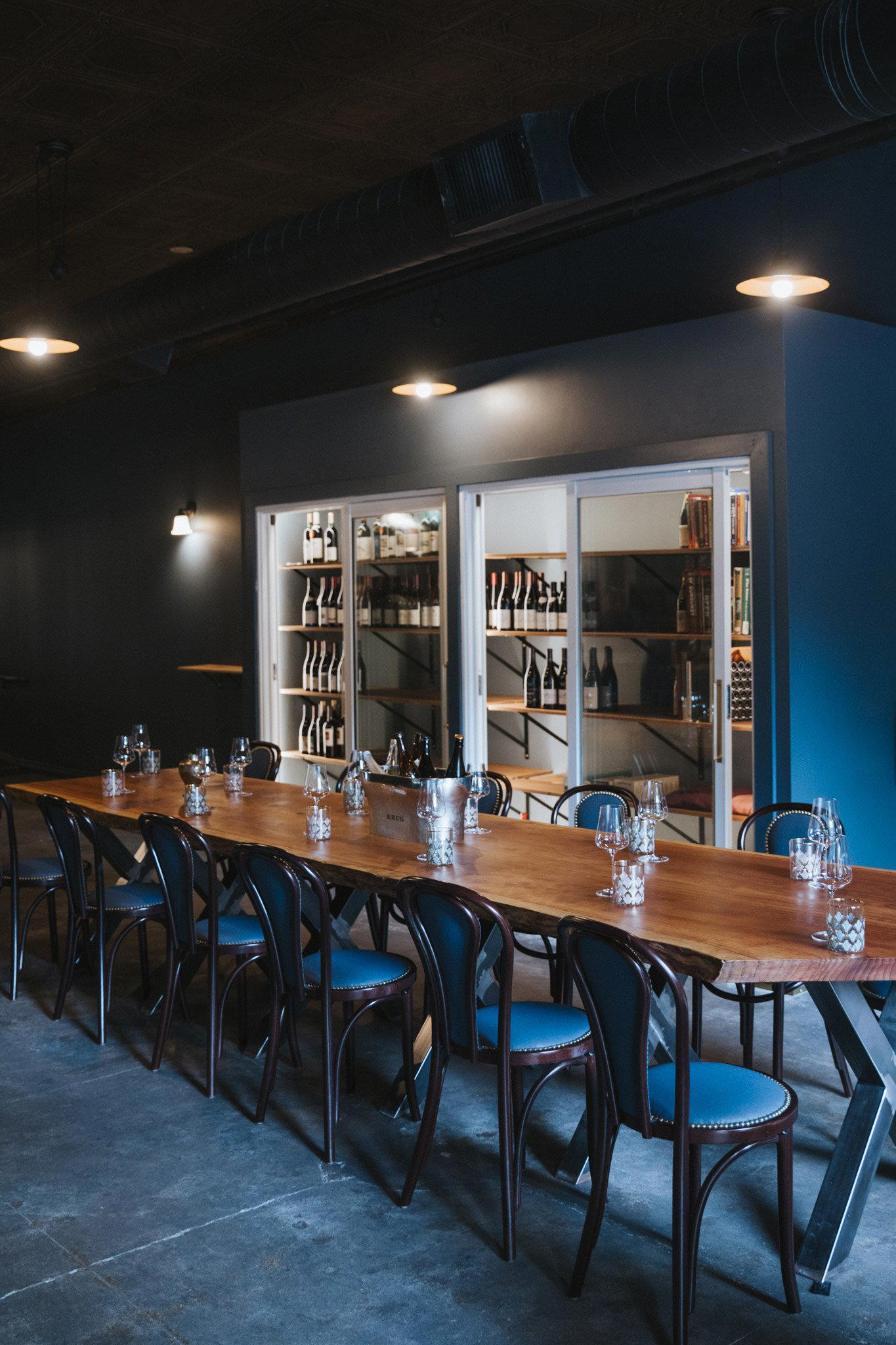
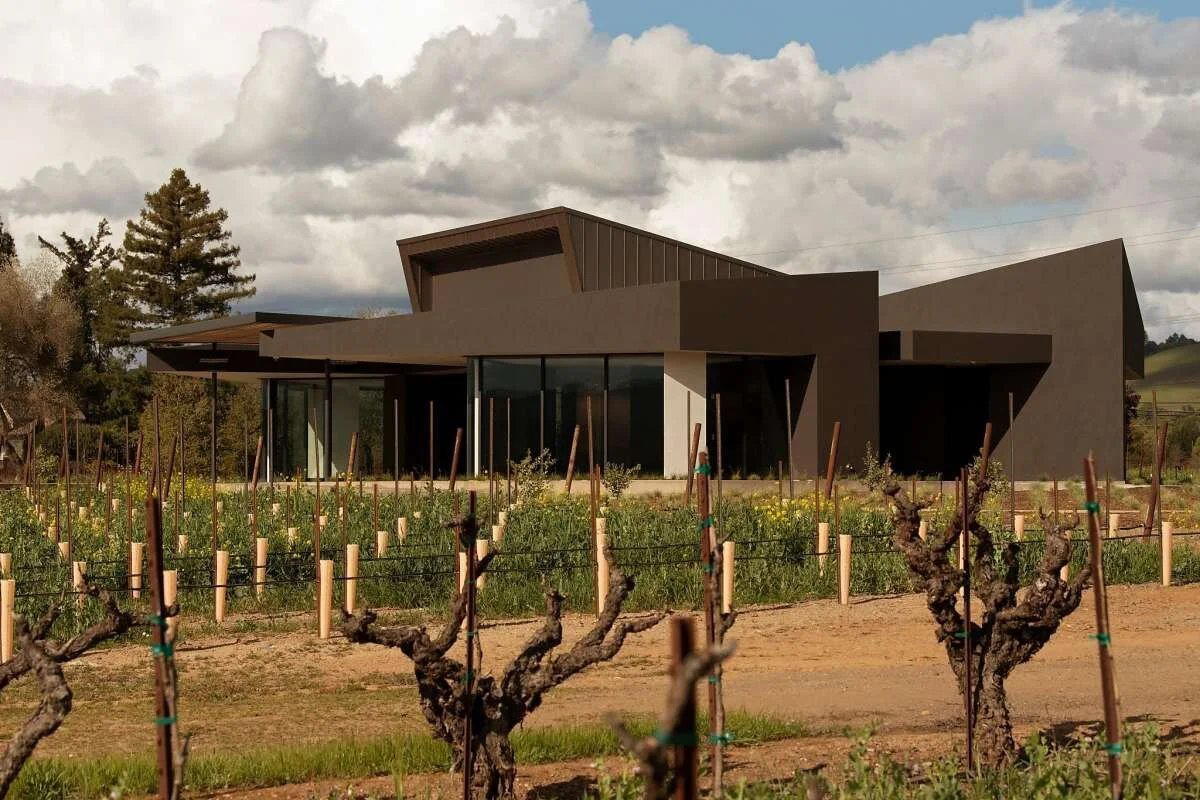
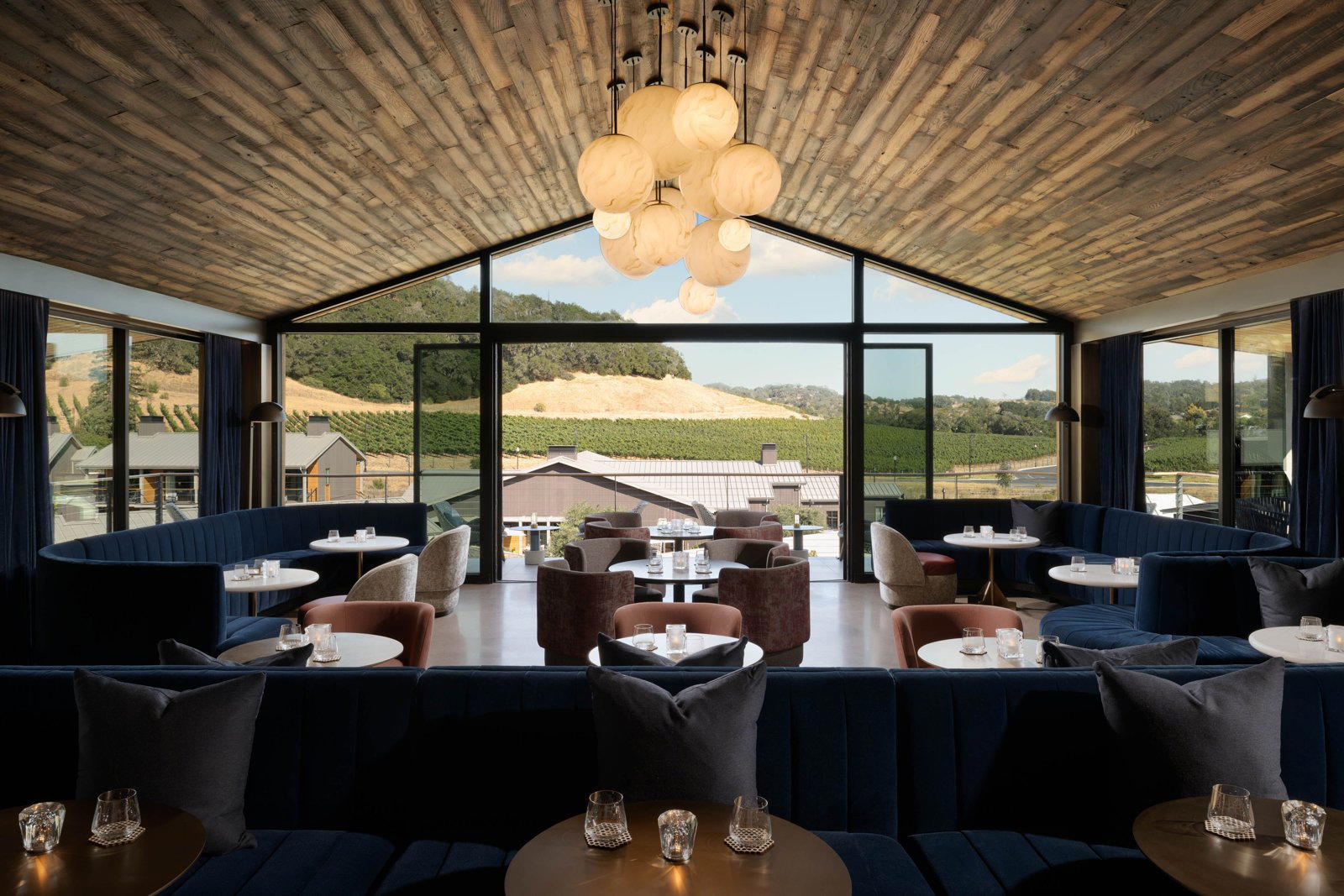
Restaurants in Healdsburg
Browse all →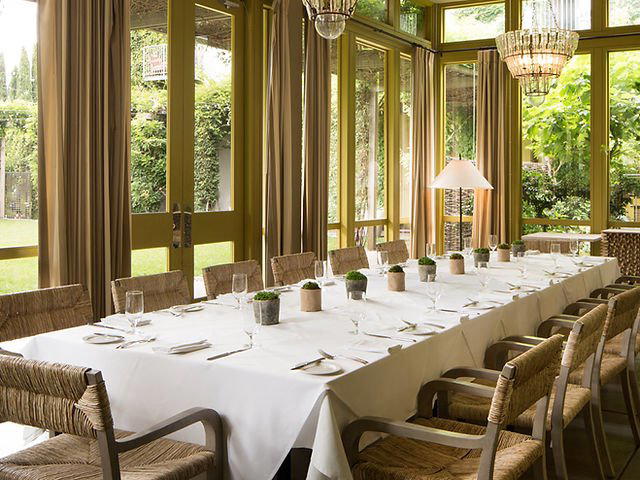
At a Glance
- Elegant
- Sophisticated
- Rustic
- Modern
- Romantic Getaway
- Weekend Escape
- Wi Fi
- Pool
- Spa
- Fitness Center
- Room Service
- Concierge
- Business Center
- Valet Parking
- EV Charging
- Street Scene
- Wi Fi
- Pool
- Spa
- Fitness Center
- Room Service
- Concierge
- Business Center
- Valet Parking
- EV Charging
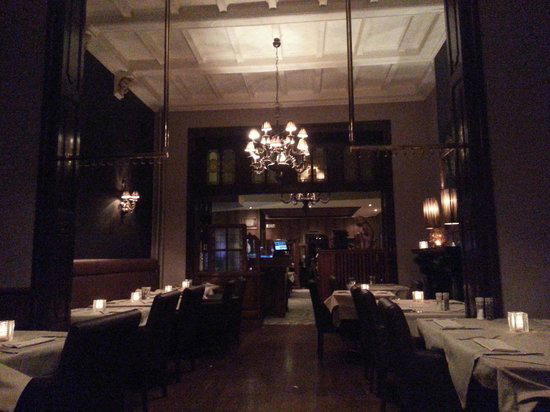
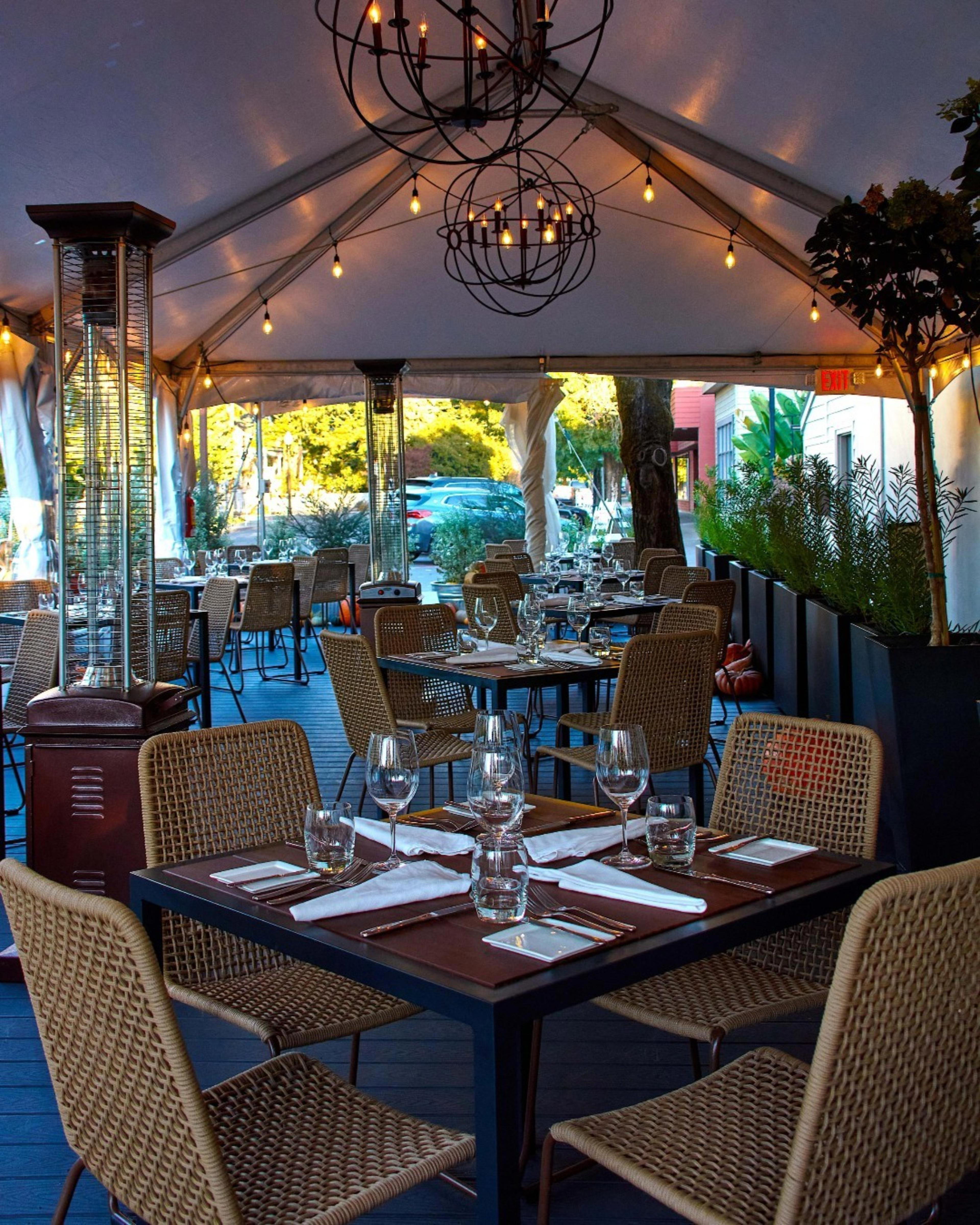
Subdued lighting with no harsh lights or loud noises, creating a relaxed and elegant atmosphere around the fireplace lobby and pool garden.