
Vina Čotar is a small Kras DO winery in Komen shaped by rock-cellar patience, organic production and a low-intervention grammar of spontaneous fermentation, long maceration and unfiltered bottlings. The draw is not trophy signalling but a strong Karst identity: Vitovska, Teran, Malvasia Istriana and other varieties interpreted through an intimate, cellar-led tasting format.
Pearl is the En Primeur Club membership app — saves, bookings, and concierge access live there. Same editors, same standards.
- Address
- Komen, Karst, Slowenien
- Directions
- Get directions
 Saves & bookings on Pearl
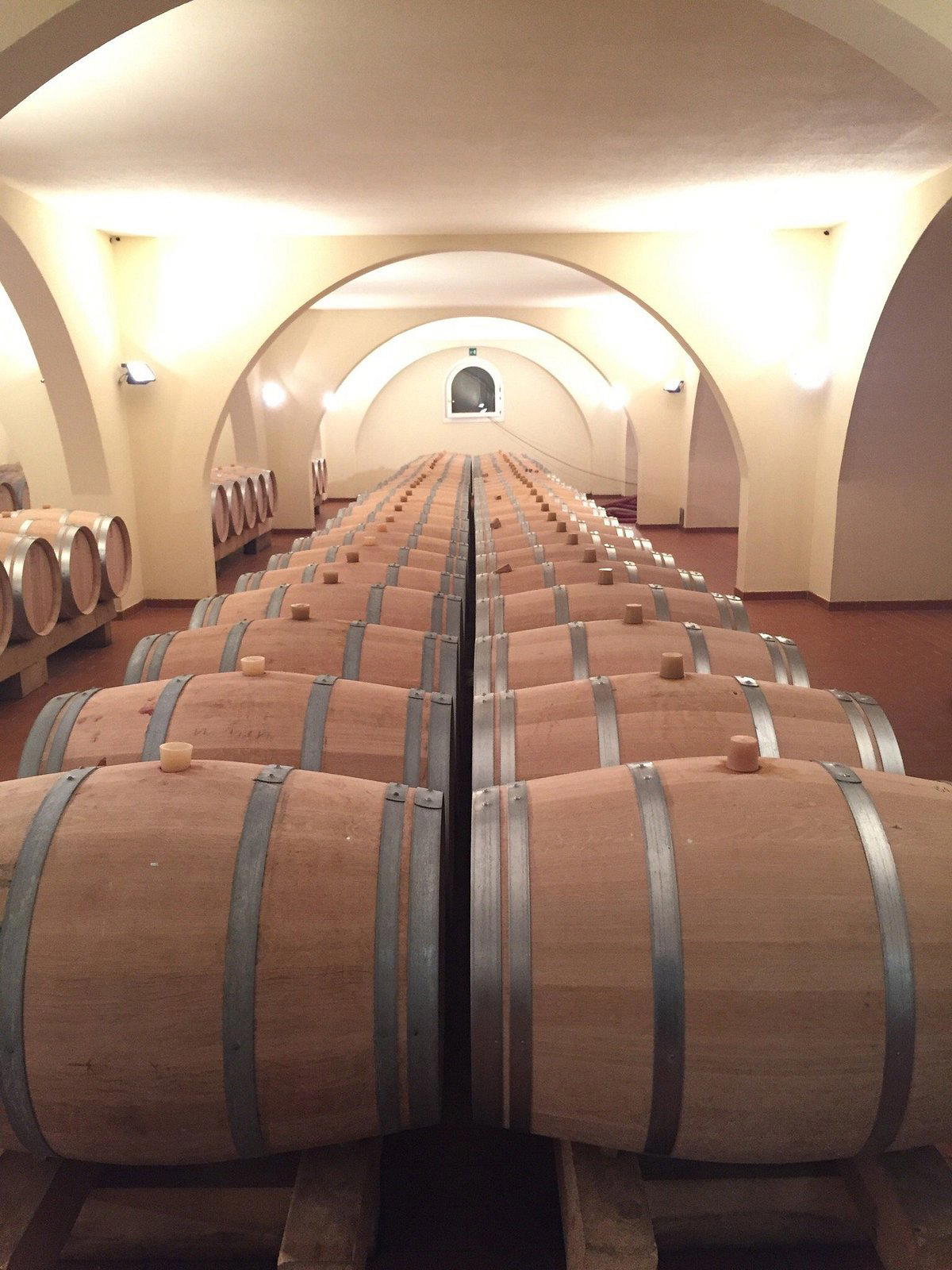
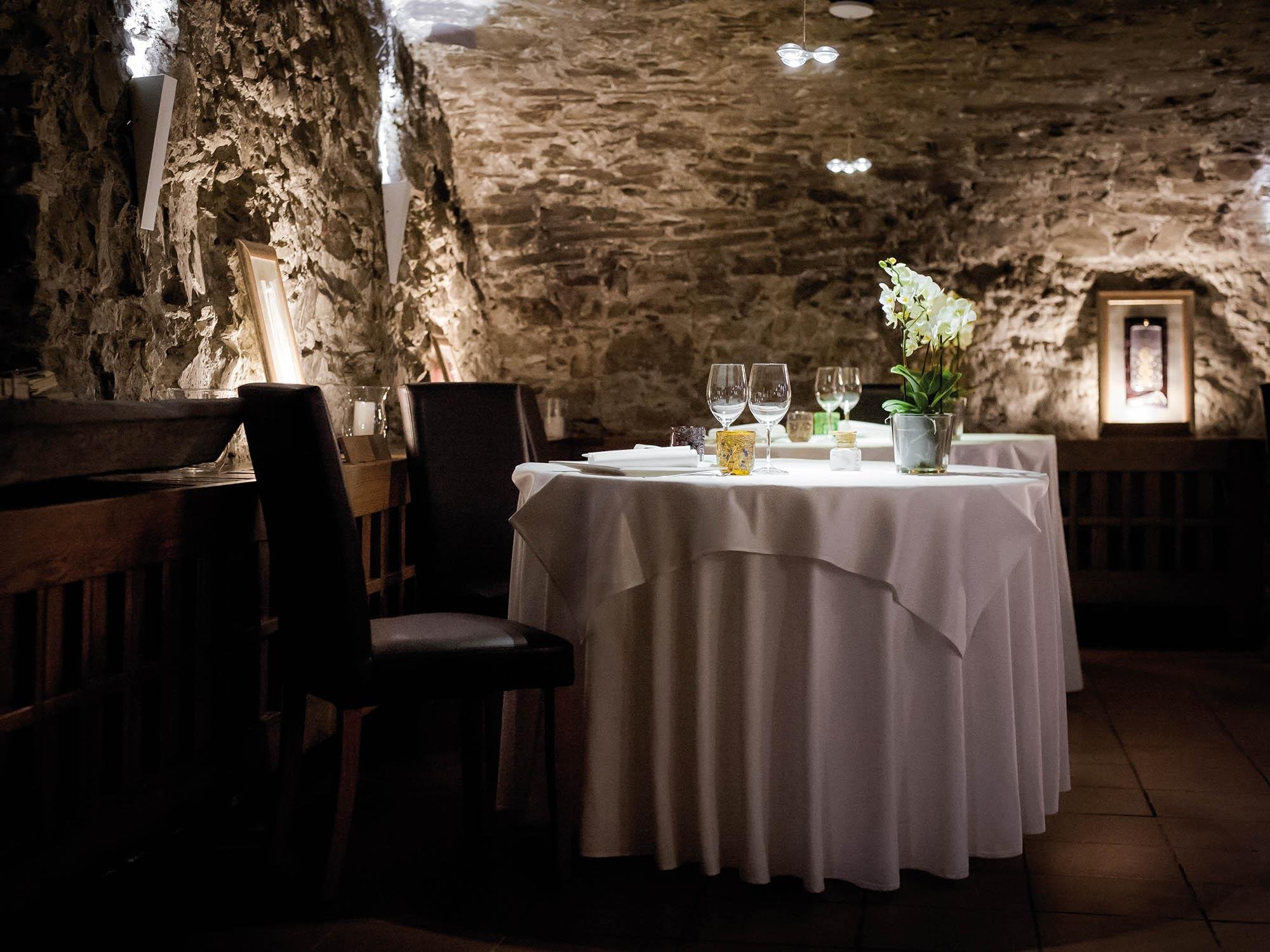
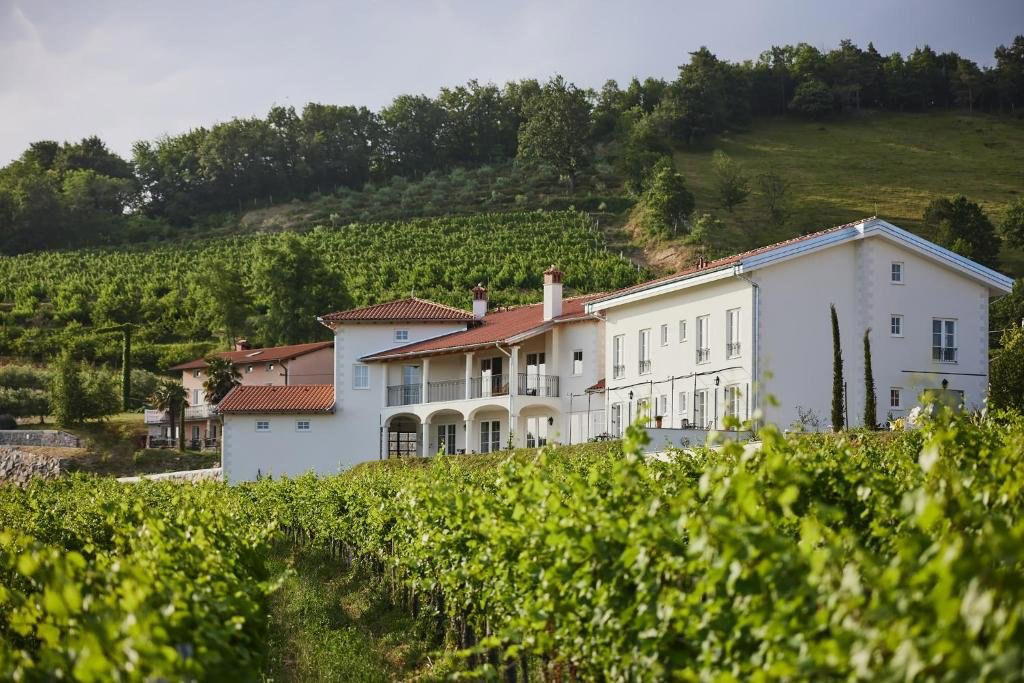
The first signal here is stone. In Komen, Vina Čotar is defined by an underground, rock-hewn cellar and a family-estate setting. The picture is cellar-led rather than glossy: rustic, quiet, intimate and scenic, with a strong sense of place. This is best understood as a focused stop for visitors who want the atmosphere of a natural, minimal-intervention winemaking estate without the distraction of unsupported claims about menus, formats or add-on hospitality.
Because the record for Vina Čotar is intentionally narrow, the safest way to read the venue is through what is confirmed: Komen, a rock-hewn underground cellar, a family estate, a $$ price level and a hidden-gem mood. The estate’s identity rests on place and cellar atmosphere. Specific grapes, tasting formats, production details, awards, service policies and visiting requirements are not confirmed here, so they should not be treated as part of the planning brief unless checked directly with the venue.
Karst identity expressed through cellar, quiet and sense of place
Vina Čotar’s appeal comes from the physical and emotional setting. A rock-hewn cellar naturally frames the visit around stone, temperature, shadow and time. That does not require inflated claims about a formal program or a long list of technical winemaking details. The atmosphere already says enough: underground, family-run in feeling, focused, rustic and intimate.
For travellers, that means the estate is likely to be more rewarding as a contemplative wine stop than as a broad hospitality venue. The draw is not a documented restaurant component, a confirmed food-pairing menu, a public score or a named award. It is the chance to encounter a Komen wine estate whose atmosphere is strongly tied to cellar and place.
The phrase “minimal-intervention winemaking” is part of the confirmed description, so it can be used carefully. The grounded point is broader and still useful: the winery belongs to the kind of wine experience where the cellar, the family-estate context and a restrained approach are central to the impression.
A small-feeling, quiet estate for drinkers who want cellar context
The visit should be approached with the expectations suggested by the confirmed atmosphere: rustic, quiet, intimate and scenic. Those words point to a venue that is better suited to visitors seeking focus and a sense of place than to travellers looking for a high-energy social stop.
That absence of detail is not a weakness if handled honestly. It simply means planning should be conservative. If timing, access, tasting availability or dietary needs matter, guests should confirm those details directly rather than relying on guide copy. What can be said with confidence is that winery’s identity is cellar-driven and intimate, with a rock-hewn setting that gives the estate a distinctive mood in Komen.
For travellers building a Komen itinerary, place the winery in the wine-focused part of the day. It should not be described as a restaurant, bar, hotel or general attraction with confirmed amenities beyond the winery atmosphere. Other dining, stays and evening options in Komen can be considered separately, but the reason to put the winery on the list is its cellar-led estate character.
How to read Vina Čotar in the wider Slovenian wine map
The winery should not be positioned through awards, rankings, exact production methods or named comparisons to other producers. The confirmed story is more direct: in Komen, it offers a focused, natural, cellar-driven atmosphere shaped by an underground rock-hewn cellar and a family-estate setting. That is enough to distinguish it from more generic wine-tourism stops without overstating what is known.
The better comparison is not to a list of named venues, but to the kind of experience a traveller wants. If the priority is a quiet, rustic, scenic and intimate estate with a strong sense of place, the winery fits the brief.
The reader decision is simple. Choose the winery for a concentrated Komen wine-estate experience built around stone, cellar atmosphere and a minimal-intervention sensibility. Treat the price level as $$, expect a hidden-gem mood, and verify practical arrangements directly before going.
Recognition history
Dated appearances from independent guides and award organizations, with the underlying list record or original source where available.
Falstaff Winery - Listed
Falstaff
Continue exploring
More in Komen
Wineries in Komen
Browse all →
Bars in Komen
Browse all →
Restaurants in Komen
Browse all →
At a Glance
- Rustic
- Quiet
- Intimate
- Scenic
- Solo Exploration
- Special Occasion
- Wine Education
- Cave Tasting
- Historic Building
- Private Tasting
- Organic
- Sustainable
- Vineyard
- Kras DO
- Vitovska
- Malvasia Istriana
- Teran
- Merlot
- Cabernet Sauvignon
- Still White
- Still Red
- Sparkling
- Orange
- Wine Tasting
- Barrel Tasting
An underground, rock-hewn cellar and family estate create a focused, natural, cellar-driven atmosphere with strong sense of place and minimal-intervention winemaking.