Viña Santa Ema

Viña Santa Ema is a Chilean winery based in Isla de Maipo, one of the country's most established Cabernet Sauvignon territories, awarded Pearl 2 Star Prestige recognition in 2025. The estate sits within the Maipo Valley's inner zone, where alluvial soils and Andean proximity define the growing conditions that have made this subregion a reference point for Chilean red wine. Contact the winery directly for current visiting arrangements and tasting options.
Maipo's Cabernet Heartland and Where Viña Santa Ema Sits Within It
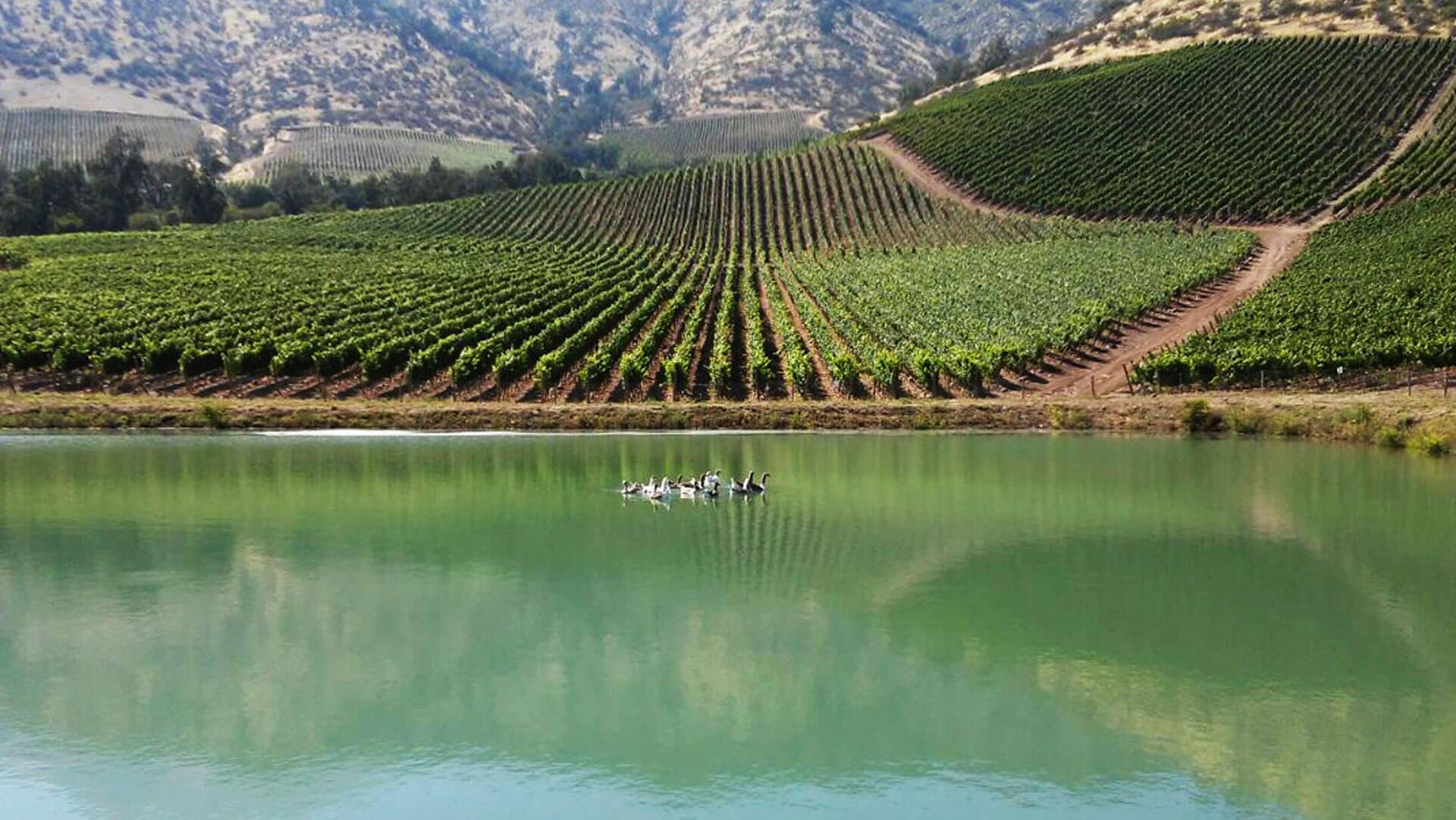
The drive south from Santiago into Isla de Maipo strips away the city quickly. Within forty minutes, the skyline gives way to vine rows running flat against the Andean foothills, with the Maipo River tracing the valley floor and cooling afternoon temperatures that the valley's growing reputation depends on. This is Chile's most scrutinised red wine territory, where Cabernet Sauvignon has been planted longer and evaluated more systematically than almost anywhere else in South America. In that context, a Pearl 2 Star Prestige award in 2025 is not a decorative credential — it places Viña Santa Ema inside a peer group defined by consistent production quality rather than marketing scale.
Isla de Maipo itself occupies a specific position within the broader Maipo Valley appellation. The subzone's combination of deep alluvial soils, reliable solar exposure, and cool Andean airflow at altitude creates conditions where Cabernet Sauvignon ripens with structural grip rather than soft tropical fruit. This is the profile that gave Chilean Cabernet its international foothold in the 1990s, and estates operating here today are either preserving that tradition or consciously departing from it toward fresher, cooler-climate styles. The 2025 recognition for Viña Santa Ema signals a place within the former current — wines that read as expressions of the valley's character rather than departures from it.
The Winemaking Framework That the Maipo Subregion Demands
Winemaking in the inner Maipo zone is shaped by a set of conditions that leave limited room for improvisation. The alluvial terraces close to the river deliver well-drained, gravelly substrates that stress the vine just enough to concentrate flavour without truncating the growing season. Estates that have operated here across multiple decades develop a detailed understanding of block-level variation , which parcels hold heat longest, which drain fastest after rainfall, where the Andean winds arrive first in the afternoon. This accumulated site knowledge functions as a form of institutional capital that newer plantings elsewhere in Chile have not yet had time to build.
For wineries like Viña Santa Ema, operating in Isla de Maipo positions the entire production program against a long history of critical comparison. Neighbouring producers including Viña De Martino and Viña Tarapacá have each developed distinct stylistic identities within the same postcode, which means the subzone rewards differentiation in approach even when the underlying terroir is shared. Across Chile, the question that separates premium tiers from mid-range production is typically how well an estate reads and translates site-specific detail rather than how much oak or extraction it applies , a point as true in Isla de Maipo as it is in Maule or Colchagua.
Chile's Premium Winery Tier: What a Pearl 2 Star Prestige Recognition Signals
Awards within Chile's wine sector have become increasingly meaningful as the country's critical infrastructure has matured. The Pearl 2 Star Prestige designation awarded to Viña Santa Ema in 2025 places the estate in a tier above foundational quality benchmarks and below the handful of estates commanding allocation-list status and trophy pricing. In practical terms, that means a winery where cellar-door visits and tastings remain accessible but where the wines in the glass reflect a level of production discipline that the rating is designed to certify.
For context, the Chilean wine sector ranges from high-volume commodity production in central valley zones to small-parcel, low-intervention estates in Itata, Bío-Bío, and Elqui that have attracted international critic attention in the past decade. Viña Santa Ema's position within the Pearl prestige framework aligns it with the established premium end of Maipo production , the kind of estate that operates with clear quality targets, defined appellation identity, and enough critical recognition to attract visitors with a serious interest in Chilean Cabernet rather than casual wine tourism. Comparable recognised estates elsewhere in Chile include Viña Casa Silva in San Fernando, which has built a distinct identity around Colchagua terroir, and Viña MontGras in Palmilla, where elevation has become a defining variable in premium tier production.
Further north within Chile's appellations, Viña Falernia in Vicuña demonstrates how altitude and aridity in the Elqui Valley create an entirely different stylistic register, while Pisco Alto del Carmen Distillery in Huasco and El Gobernador (Miguel Torres Chile) in Curicó represent how Spain's investment in Chilean viticulture has introduced a different production philosophy into the country's mid-south wine regions. Against that spread, Maipo's identity remains the most historically grounded Chilean appellation for structured red wine.
The Broader Isla de Maipo Scene
Isla de Maipo sits within Santiago's wider wine day-trip circuit, which has grown considerably as Chilean wine tourism has professionalised. The subzone is close enough to the capital that visits are practical without an overnight stay, and the concentration of producers within a compact geographic area makes it possible to visit two or three estates in a single afternoon without significant travel between them. That density also means the area has developed a supporting infrastructure of restaurants, accommodation options, and experience providers that cater to visitors arriving with wine as the primary interest.
For those planning time in the area, our full Isla de Maipo wineries guide maps the subzone's full producer landscape. Our full Isla de Maipo restaurants guide covers the dining options that have developed around the wine tourism circuit, and our full Isla de Maipo hotels guide covers accommodation for those extending a visit beyond a day trip. Our full Isla de Maipo bars guide and our full Isla de Maipo experiences guide cover the rest of what the area offers beyond the cellar door itself.
For international comparison, estates operating at the Pearl prestige tier in other wine-producing countries tend to share certain characteristics: a defined house style with consistent vintage-to-vintage expression, vineyard-level sourcing transparency, and cellar-door programs that go beyond a single generic tasting format. In Europe, producers like Abadía Retuerta in Sardón de Duero have developed integrated estate experiences built around this kind of institutional depth, while in Scotland, Aberlour represents how a long-established production site can sustain premium positioning across generations of visitors with serious category interest. The underlying principle transfers across categories: recognised quality at this tier is rarely about novelty and more consistently about clarity of identity. Viña Santa Rita in Buin, operating in adjacent Maipo territory, demonstrates how that long-form identity building looks at a larger estate scale within the same appellation.
Planning a Visit to Viña Santa Ema
Viña Santa Ema is located at Izaga 1096, Isla de Maipo, within the Región Metropolitana, accessible from Santiago via the southern highway network. The estate holds Pearl 2 Star Prestige recognition for 2025, which makes it a substantive stop for visitors with a specific interest in the Maipo appellation rather than a casual tasting tour. As current hours, booking arrangements, and tasting formats are not publicly confirmed in available data, contacting the estate directly before visiting is the practical approach. Visiting in the shoulder season between March and May, when the harvest period and its associated energy make estate visits particularly instructive, tends to give the clearest picture of how a Maipo producer is working with their fruit before it enters the cellar.
Frequently Asked Questions
What is Viña Santa Ema known for?
Viña Santa Ema is a Chilean winery in Isla de Maipo, one of Chile's historically significant Cabernet Sauvignon territories within the Maipo Valley appellation. The estate received Pearl 2 Star Prestige recognition in 2025, placing it within the recognised premium tier of Chilean wine production. The Maipo subzone's alluvial soils and Andean proximity make it a reference point for structured, age-worthy Chilean reds, and Viña Santa Ema's recognition reflects its position within that tradition.
What's the leading wine to try at Viña Santa Ema?
Isla de Maipo's strongest suit has historically been Cabernet Sauvignon, shaped by the subzone's gravelly alluvial terraces and cooler-than-expected temperatures driven by Andean airflow. Any visit to a Maipo estate awarded at the Pearl prestige level would logically centre on the estate's Cabernet-based range. Current tasting menu details and specific bottlings are not confirmed in available public data, so checking directly with the winery for the current tasting lineup before visiting is the practical step.
What's the leading way to book Viña Santa Ema?
A website and phone contact for Viña Santa Ema are not confirmed in current available data. The estate is located at Izaga 1096, Isla de Maipo, Región Metropolitana, and the most reliable approach for booking a visit is to contact them directly through channels listed on their current official materials. As a Pearl 2 Star Prestige-recognised estate, visits are likely to benefit from advance arrangement rather than walk-in arrival, particularly during the harvest season from March through May when production activity is at its peak.
Pricing, Compared
A short peer table to compare basics side-by-side.
| Venue | Classification | Awards | First Vintage | Notes |
|---|---|---|---|---|
| Viña Santa Ema | 1 awards | This venue | ||
| Viña Santa Rita | World's 50 Best | |||
| Viña Viu Manent | World's 50 Best | |||
| Bodegas RE | World's 50 Best | |||
| Viña Almaviva | World's 50 Best | |||
| Viñedos de Alcohuaz | World's 50 Best |
Access the Cellar?
Our members enjoy exclusive access to private tastings and priority allocations from the world's most sought-after producers.
Access the Concierge