Viña De Martino

Viña De Martino operates from Manuel Rodríguez 229 in Isla de Maipo, a Maipo Valley commune that has anchored Chilean Cabernet Sauvignon production for well over a century. Recognised with a Pearl 3 Star Prestige award in 2025, the winery sits within a regional peer set defined by terroir-led viticulture and serious critical standing. It represents a considered entry point into the Maipo Valley's upper tier.
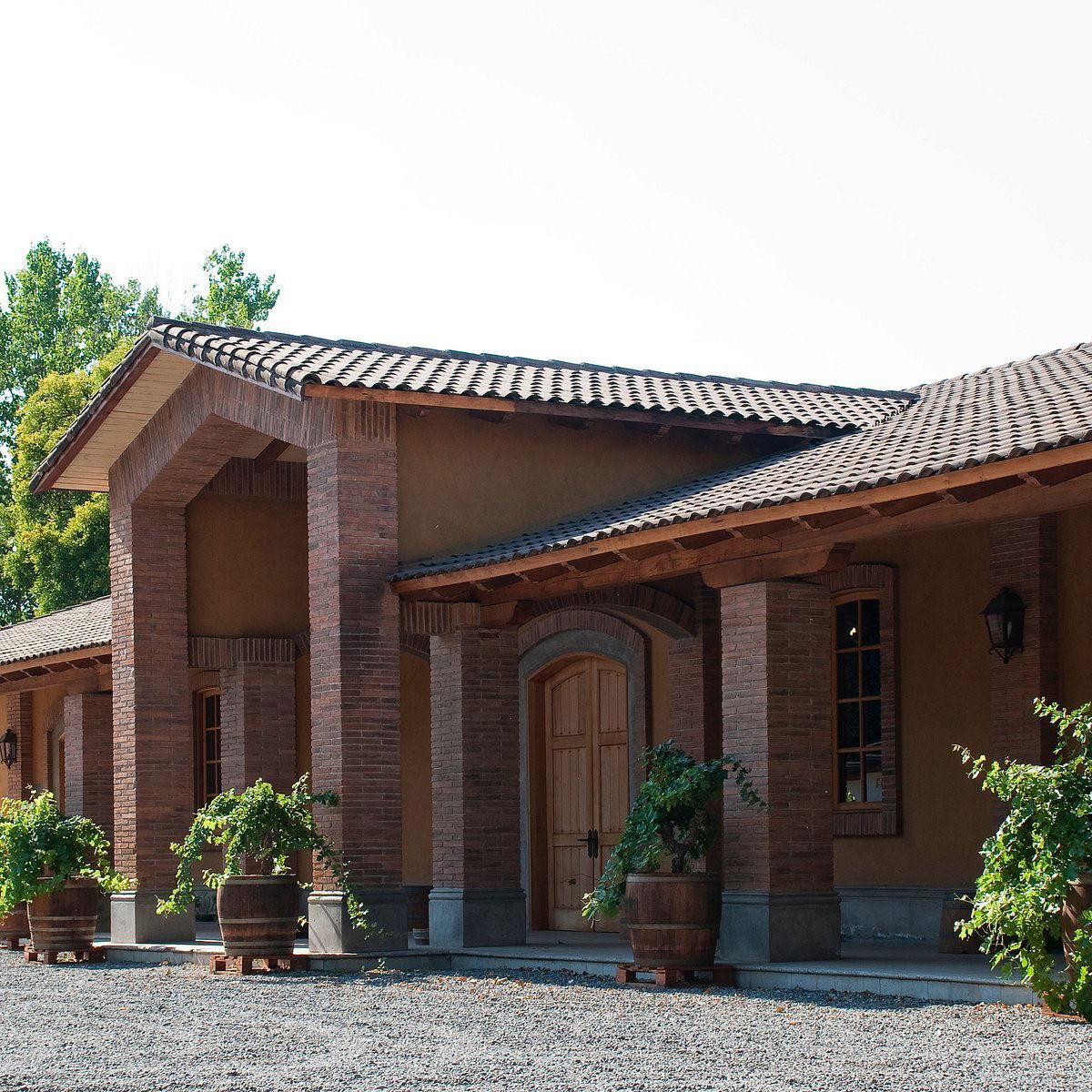
Where the Maipo Valley Shows Its Hand
The road into Isla de Maipo runs past smallholdings and rows of Cabernet Sauvignon that have been planted on this alluvial plain since the mid-nineteenth century. The Maipo River carved these soils over millennia, depositing the deep, well-drained gravels and sandy loams that have become as associated with structured Chilean red wine as any single geographical marker in South America. Visiting the commune is less about a single address and more about encountering the geological argument that Maipo's winemakers have been refining since Chilean viticulture first attracted international attention.
Viña De Martino sits at Manuel Rodríguez 229, inside that argument. The winery's 2025 Pearl 3 Star Prestige recognition places it in a tier where critical credibility carries weight, and where terroir transparency rather than sheer production volume defines positioning. That award classification, within EP Club's evaluation framework, signals consistent quality at a prestige level, putting De Martino alongside a small cohort of Chilean producers whose output merits attention from buyers and visitors who track critical assessments seriously.
What Maipo Alluvium Does to a Wine
To understand why Isla de Maipo produces the kind of Cabernet Sauvignon it does, you have to start with drainage. The gravelly soils force vine roots to descend rather than spread laterally, seeking moisture at depth and absorbing mineral complexity from subsoil layers that surface-fed vines never reach. The result, in well-managed blocks, is fruit with structural definition: tannins that resolve over time rather than requiring aggressive oak management to appear polished, and acidity that stays present without feeling imposed.
This is the terroir logic that has driven Maipo's reputation for Cabernet since the valley began exporting in volume, and it is the same geological context in which De Martino operates. The alluvial deposits vary across the valley floor, with some sub-zones producing lighter, earlier-drinking fruit and others yielding the kind of density associated with long-ageing wines. Producers working at a prestige tier tend to source from the areas where that tannin architecture is most consistent, selecting for depth rather than early approachability. Peers including Viña Tarapacá and Viña Santa Ema work within the same valley floor system, each navigating the variation in soil depth and gravel concentration that separates one block's output from another.
The Regional Conversation De Martino Enters
Chilean wine has spent the past two decades managing a tension between volume and positioning. The country's cost-competitive exports built market share through accessible price points, but a smaller cohort of producers has consistently pushed in the opposite direction, arguing through their bottles that Chilean terroir deserves evaluation against Napa, Bordeaux, and Burgundy rather than against entry-level Malbec from Mendoza. De Martino's prestige-tier recognition in 2025 places it inside that second cohort.
The valley's critical conversation does not operate in isolation from the rest of Chile's wine geography. Producers like Viña MontGras in Palmilla and Viña Casa Silva in San Fernando are making similar arguments from their respective Colchagua Valley bases, while further north, Viña Falernia in Vicuña is drawing attention to Elqui Valley as a serious alternative terroir. Each producer enters a different geological chapter of the same broader story about what Chilean soil can do when producers stop engineering wines for international palatability and start letting the land determine the outcome.
Beyond Chile, the comparison set for a prestige-tier winery in an established valley extends internationally. Abadía Retuerta in Sardón de Duero offers a useful European reference point: a producer working in a well-defined geological corridor, leaning into site-specific expression rather than brand-led homogeneity. The operational philosophy, whatever the continent, is the same: let drainage, aspect, and soil structure do the argumentative work that marketing cannot.
Isla de Maipo as a Wine Destination
The commune of Isla de Maipo is approximately forty kilometres southwest of Santiago, close enough for a half-day visit without requiring an overnight stay, though the density of serious producers in the area makes a full day the more sensible choice. The Metropolitan Region wine circuit is not as well-organised for visitors as, say, the Colchagua Valley's tourist infrastructure around Santa Cruz, but that relative informality works in favour of visitors who prefer direct, unmediated access to production facilities over packaged wine tourism.
Arriving by car from Santiago on Route 5 south and turning west toward the commune is the standard approach. Public transport connections exist but are slow, and the ability to move between multiple addresses in the area justifies the logistics of a rental car or private transfer. Timing a visit for the late afternoon, when the valley's characteristic afternoon breeze has tempered the midday heat, is worth considering during summer months; the Maipo Valley runs warm from December through February, and tasting conditions are more comfortable in cooler light.
For visitors building a full regional itinerary, the surrounding area includes other producers at comparable standing levels. See our full Isla de Maipo wineries guide for the broader map. The commune also has options across other categories: our full Isla de Maipo restaurants guide, our full Isla de Maipo hotels guide, our full Isla de Maipo bars guide, and our full Isla de Maipo experiences guide cover adjacent needs for visitors planning an extended stay in the valley.
Visitors planning broader Chilean wine trips who want to cross-reference Maipo Valley styles against producers working in very different geographical conditions might also consider Pisco Alto del Carmen Distillery in Huasco or El Gobernador (Miguel Torres Chile) in Curicó as contrasting reference points. The differences in climate, soil type, and altitude between Huasco, Curicó, and Maipo map directly onto the differences in the wines, and experiencing them in sequence makes the terroir argument viscerally clear in a way that reading about it cannot.
For distillery comparison from an entirely different tradition, Aberlour in Aberlour and Viña Santa Rita in Buin both demonstrate, in their respective contexts, how site and production tradition interact to create consistent house character across decades. That consistency is what prestige-tier recognition tends to reward, across categories and continents.
Planning a Visit to Viña De Martino
The physical address is Manuel Rodríguez 229, Isla de Maipo, in the Región Metropolitana. Specific opening hours, booking requirements, tasting format, and price information are leading confirmed directly with the winery before arrival, as these details are subject to change and vary by season. Given De Martino's 2025 Pearl 3 Star Prestige standing, demand for visit slots may be higher than the address's rural setting might suggest; contacting ahead is the safer approach rather than arriving unannounced.
Frequently Asked Questions
What's the leading wine to try at Viña De Martino?
The Maipo Valley's geological profile, specifically its deep alluvial gravels and dry continental climate, makes Cabernet Sauvignon the variety most likely to show the winery's terroir credentials in a single glass. De Martino's Pearl 3 Star Prestige recognition in 2025 suggests the producer is working at the upper end of the regional quality range, and any prestige-tier selection from the estate's Isla de Maipo blocks is likely to reflect that valley-floor depth and structural complexity most directly. Specific current releases are leading checked with the winery directly.
Why do people go to Viña De Martino?
Isla de Maipo is one of Chile's oldest and most critically regarded wine communes, and De Martino's 2025 Pearl 3 Star Prestige award puts it among the producers in the area that serious wine visitors prioritise. The combination of a well-established valley address and current critical recognition makes it a coherent stop for anyone building a Maipo Valley itinerary rather than a casual or incidental visit. Visitors tend to arrive with an existing interest in Chilean Cabernet and terroir-led production.
Can I walk in to Viña De Martino?
Given the winery's Pearl 3 Star Prestige standing and its location on a named street in Isla de Maipo, it is a functioning production facility with visitor capacity, but whether walk-in access is available on a given day is not confirmed in current public data. Contacting the winery before arriving is the practical approach. Website and phone details are leading sourced through current search results, as this information is subject to change.
When does Viña De Martino make the most sense to choose?
If your itinerary centres on understanding Maipo Valley Cabernet Sauvignon at a prestige production level, De Martino's 2025 Pearl 3 Star Prestige recognition makes it a strong anchor point for that visit. Autumn (March through May) is typically the most active period in the valley, with harvest bringing production staff and equipment into full operation and the chance to observe winemaking decisions in real time. Summer visits are possible but logistically warmer; spring offers moderate conditions and pre-harvest vineyard access that shows vine development clearly.
How does Viña De Martino's Pearl 3 Star Prestige recognition compare to other Isla de Maipo producers?
EP Club's Pearl 3 Star Prestige designation, awarded to Viña De Martino in 2025, places it in the upper tier of critically evaluated producers in the Región Metropolitana wine zone. Within Isla de Maipo specifically, that level of recognition signals consistent quality rather than occasional excellence, which matters when selecting a winery for a serious visit rather than a casual tasting stop. Comparing directly to neighbouring estates such as Viña Tarapacá and Viña Santa Ema requires checking their current EP Club classifications, but De Martino's 2025 award confirms its standing within the valley's prestige cohort.
Where the Accolades Land
A quick comparison pulled from similar venues we track in the same category.
| Venue | Classification | Awards | First Vintage | Notes |
|---|---|---|---|---|
| Viña De Martino | 1 awards | This venue | ||
| Viña Santa Rita | World's 50 Best | |||
| Viña Viu Manent | World's 50 Best | |||
| Bodegas RE | World's 50 Best | |||
| Viña Almaviva | World's 50 Best | |||
| Viñedos de Alcohuaz | World's 50 Best |
Access the Cellar?
Our members enjoy exclusive access to private tastings and priority allocations from the world's most sought-after producers.
Access the Concierge