
Viña MontGras sits in the Palmilla commune of Chile's Colchagua Valley, earning a Pearl 3 Star Prestige rating in 2025. The estate operates within one of the country's most consequential red-wine corridors, where Carmenère and Cabernet Sauvignon reach consistent ripeness against the Andean foothills. Plan a visit around the harvest season for the fullest sense of the property in production.
Colchagua's Colchagua Context: Wine Country in the O'Higgins Region
The road into Palmilla runs through some of the most productive vineyard land in South America. The O'Higgins Region — known administratively as the Libertador General Bernardo O'Higgins Region — contains the Colchagua Valley appellation, a name that has accumulated serious international recognition over the past two decades as a source of structured, sun-driven red wines. The valley floor sits roughly 180 kilometres south of Santiago, shielded from Pacific fog by the Coastal Range and warmed by a continental climate that pushes Carmenère, Cabernet Sauvignon, and Syrah to full phenolic maturity with regularity.
Within this corridor, the Palmilla commune represents a specific inland pocket where altitude and drainage patterns produce wines that tend toward density over freshness. Estates here are competing not just with each other but with the broader Colchagua peer set , producers like Viña Maquis, also based in Palmilla, and larger regional anchors such as Viña Casa Silva in San Fernando and Viña Santa Rita in Buin. The presence of multiple established estates in this zone means buyers have genuine points of comparison, and wines that earn prestige-level recognition here are doing so against a field that takes quality seriously.
Viña MontGras: A Prestige-Tier Position in Palmilla
Against that competitive backdrop, Viña MontGras has secured a Pearl 3 Star Prestige rating for 2025, placing it inside the upper tier of recognised estates operating from the Palmilla address. The Pearl rating system rewards consistency, provenance integrity, and production quality assessed across a defined scoring framework, and a 3 Star Prestige designation signals a property operating well above the regional baseline. For context, this is the same tier in which serious Colchagua producers compete when they export to markets that use third-party evaluation as a trust signal , Europe, North America, and premium Asian importers among them.
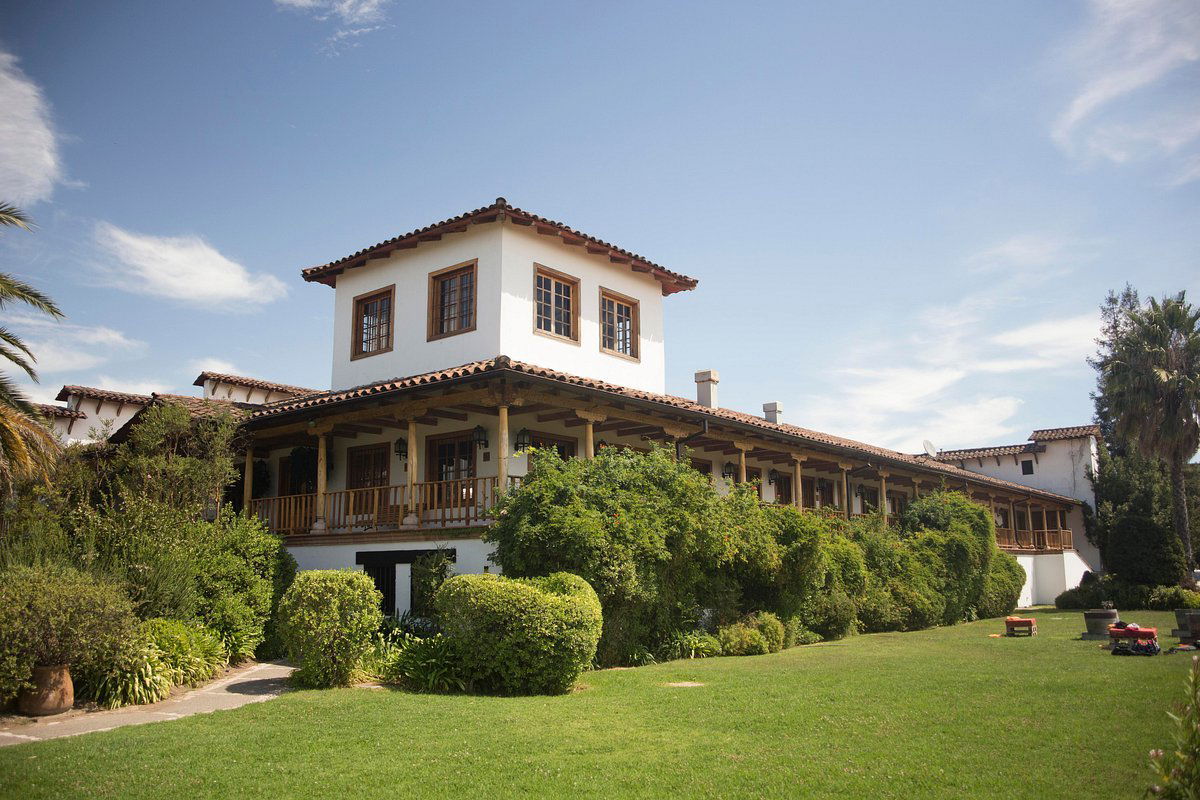
The estate's physical address on Camino Isla de Yáquil places it on a rural access road through the commune, consistent with the estate-winery model common across Colchagua: the vineyard is the production site, and any visitor experience flows from the land itself rather than from an urban hospitality operation. Arrival involves a landscape that reads as working agriculture first, hospitality infrastructure second, which is exactly what serious wine tourism in this part of Chile tends to deliver.
What the Winemaking Tradition Looks Like Here
Colchagua winemaking has gone through a recognisable arc over the past thirty years. The early 1990s saw heavy international investment and a focus on extractive, heavily oaked red wines calibrated to score well in export markets. By the 2010s, a counter-movement had taken hold across Chile's quality-focused estates, prioritising site expression, reduced new-oak influence, and longer integration times. MontGras has operated within this evolving framework, and a 2025 prestige recognition suggests the estate's current production approach is being evaluated favourably against the more refined standards now applied to Chilean fine wine.
Carmenère, the variety most associated with Chilean identity and historically with Colchagua specifically, remains the evaluative lens through which many international buyers assess estates in this commune. The variety arrived in Chile from Bordeaux before phylloxera and was grown for decades under the misidentification of Merlot before DNA testing in the 1990s confirmed its true character. Estates that handle Carmenère with precision , controlling its tendency toward green, pyrazine-driven characters when harvested early , tend to be those with the deepest understanding of their particular blocks. For comparable regional approaches to Chilean fine wine production, Viña De Martino in Isla de Maipo offers an instructive reference point, as does Viña Seña in Panquehue, which operates at the Aconcagua premium end and has defined what Chilean fine wine can achieve in export markets.
Placing MontGras in the Chilean Wine Hierarchy
Chilean wine operates on a clear tier structure when it comes to prestige allocations and export pricing. At the leading sit a handful of ultra-premium labels , single-vineyard or blended flagships that trade in small allocations. Below that sits a substantial middle tier of estate wines with geographic specificity and production discipline. MontGras competes in and around this middle-to-upper band, and the 2025 prestige recognition confirms the estate's positioning above the commodity tier that still dominates Chilean supermarket shelves internationally.
For comparison, other notable Chilean operations receiving international recognition include Viña Falernia in Vicuña, which operates in the completely different Elqui Valley context of the Norte Chico, and the El Gobernador (Miguel Torres Chile) in Curicó, where Spanish investment has brought European winemaking frameworks into central Chile's valleys. These estates share a commitment to appellation specificity that distinguishes them from generic Chilean blends, and MontGras in Palmilla fits naturally within this group of geographically committed producers.
Beyond Chile, the global prestige winery conversation includes estates operating on completely different traditions. Abadía Retuerta in Sardón de Duero in Spain shows how an estate can build a distinct prestige identity outside an established DO framework, while Aberlour in Aberlour demonstrates the long-maturation premium model in a completely different category. These comparisons illustrate that Viña MontGras's 3 Star Prestige designation places it within a recognised international framework for estate quality, not simply a Chilean regional marker.
Visiting Viña MontGras: What to Know Before You Go
Palmilla sits within the broader Colchagua tourism corridor, which has developed substantially as a wine-travel destination. The commune is accessible from the Pan-American Highway via regional roads, with Santa Cruz serving as the main service town for visitors exploring the valley. The harvest window, running from approximately February to April depending on the variety, brings the estate into full operational mode and represents the most rewarding time to visit any working Colchagua property.
Because no specific booking method, hours, or pricing data are available in this record, visitors should confirm operational details directly with the estate before travelling. Winery visits in Colchagua generally follow a reservation model, and arriving without prior arrangement at a production-focused estate during harvest is inadvisable. For broader planning across the region, our full Palmilla wineries guide covers the commune's estates in detail, and our full Palmilla restaurants guide provides options for dining around any cellar visit.
Travellers building a Colchagua itinerary around Viña MontGras should also consult our full Palmilla hotels guide for accommodation options in the area, our full Palmilla bars guide for evening options in the commune, and our full Palmilla experiences guide for activities that extend a wine-country visit beyond the cellar door. The Pisco Alto del Carmen Distillery in Huasco offers context on Chile's broader spirits tradition for those extending northward after the valley.
Frequently Asked Questions
- What kind of setting is Viña MontGras?
- Viña MontGras operates from a rural estate address in the Palmilla commune of Chile's Colchagua Valley, O'Higgins Region. The setting is agricultural rather than resort-style, consistent with working estate wineries in this part of central Chile. It holds a Pearl 3 Star Prestige rating for 2025, which confirms it as a serious production estate rather than a purely tourism-oriented facility. Pricing details are not publicly listed in current records; contact the estate directly for current visit options.
- What's the signature bottle at Viña MontGras?
- Specific current release information is not available in this record. Colchagua estates at the prestige tier typically anchor their flagship offerings around Carmenère, Cabernet Sauvignon, or premium blends. The 2025 Pearl 3 Star Prestige recognition signals a production portfolio that meets third-party quality thresholds applied across the Chilean fine wine market. For detailed release information, check the winery's current export listings or consult a specialist Chilean wine importer.
- What should I know about Viña MontGras before I go?
- The estate sits in Palmilla, within the Colchagua Valley, approximately 180 kilometres south of Santiago. It carries a Pearl 3 Star Prestige award for 2025, placing it in the upper tier of recognised estates in the region. No current booking method or visitor pricing data is available in this record, so confirm visit logistics directly with the estate. The harvest season (roughly February to April) is the most active and instructive period to visit any working Colchagua winery.
- How hard is it to get in to Viña MontGras?
- Colchagua wineries at the prestige level typically operate on a reservation basis, particularly during harvest. No website, phone number, or booking platform is listed in the current record for Viña MontGras, which means availability and access should be confirmed through direct contact or via a local wine tour operator based in the Santa Cruz area. A Pearl 3 Star Prestige rating suggests the estate has a defined hospitality offering, but the scale and format of that offering are not confirmed in available data.
Peers in This Market
Comparable venues for orientation, based on our database fields.
| Venue | Classification | Awards | First Vintage | Notes |
|---|---|---|---|---|
| Viña MontGras | 1 awards | This venue | ||
| Viña Santa Rita | World's 50 Best | |||
| Viña Viu Manent | World's 50 Best | |||
| Bodegas RE | World's 50 Best | |||
| Viña Almaviva | World's 50 Best | |||
| Viñedos de Alcohuaz | World's 50 Best |
Access the Cellar?
Our members enjoy exclusive access to private tastings and priority allocations from the world's most sought-after producers.
Access the Concierge