Turley Wine Cellars

Falstaff Winery - Listed
Under winemaker Tegan Passalacqua, Turley has pursued old-vine Zinfandel and Petite Sirah from some of California's most storied vineyard sites since its first vintage in 1993. The tasting experience draws visitors to Vineyard Drive in the heart of Templeton Gap wine country.

Pearl is the En Primeur Club membership app — saves, bookings, and concierge access live there. Same editors, same standards.
- Address
- 2900 Vineyard Dr, Templeton, CA 93465
- Phone
- (805) 434-1030
- Website
- turleywinecellars.com
- Directions
- Get directions
Old Vines, New Recognition: Turley and the Paso Robles Identity Question
The Templeton Gap sits in a climatic corridor between the Pacific and the warmer inland reaches of Paso Robles, and that thermal swing defines what grows well here. Diurnal temperature swings of 40 to 50 degrees Fahrenheit are common across the summer, producing grapes that carry both concentration and acid retention — a combination that gives old-vine Zinfandel a structural backbone that warmer coastal-bypass appellations rarely achieve. Turley Wine Cellars, operating from Vineyard Drive since its first vintage in 1993, has spent three decades working within that condition.
California Zinfandel has always occupied an awkward position in serious wine discourse. The grape is frequently dismissed as a fruit-forward crowd-pleaser while simultaneously commanding devoted allocations among collectors who follow specific old-vine sources. The distinction matters because old-vine Zinfandel — vines ranging from 80 to over 100 years old, behaves differently from younger plantings. Yields drop, berries shrink, and the concentration-to-weight ratio shifts in a direction that rewards age. Turley's program has long been oriented around sourcing from heritage vineyards precisely because the base material operates at a different level than modern plantings. Winemaker Tegan Passalacqua has built a reputation for articulating site-level differences across multiple vineyard-designated bottlings, treating the grape with the same sourcing discipline more commonly associated with single-vineyard Pinot Noir producers in Burgundy or Oregon.
The broader Paso Robles wine region has, over the past decade, segmented into distinct producer camps. The dominant commercial identity remains Rhône-driven, with Grenache, Syrah, and Roussanne plantings proliferating across the Westside and East Side appellations. Producers like Adelaida Vineyards in Paso Robles work in that Rhône-inflected register. Turley operates in a narrower, older tradition, its focus anchored to Zinfandel and Petite Sirah in a region that has largely moved past those varieties in its prestige marketing. That positioning creates an interesting tension: the winery's recognition comes not from following the region's prevailing direction but from deepening a counter-current that prioritises heritage varietals and heritage vine age.
Within Templeton specifically, the producer concentration on Vineyard Drive and its surrounding corridors includes estates working across a range of scales and styles. Epoch Estate Wines represents the Rhône-forward luxury tier of Templeton production, while AmByth Estate has carved out a biodynamic and native-yeast niche that attracts a different kind of specialist visitor. Bella Luna Estate Winery, Castoro Cellars, and Donati Family Vineyard round out a local peer group that covers a broader price and style range. Turley's Pearl 3 Star distinction places it at the prestige end of this set, alongside producers in the region that prioritise provenance and vineyard designation over volume.
For comparison beyond the immediate area, the old-vine sourcing philosophy Turley follows has analogues in producers like Alban Vineyards in Arroyo Grande, who have built similar reputations through deep commitment to specific varietals in a region not primarily defined by those grapes. The contrast with Napa's prestige tier, where producers such as Accendo Cellars in St. Helena and Alpha Omega Winery in Rutherford operate within an established Cabernet-dominated canon, is instructive. Turley has built its credibility outside the dominant varietal prestige structure, which is a harder path and, when it works, a more durable signal of quality.
The Tasting Experience on Vineyard Drive
Arriving on Vineyard Drive from the Templeton Gap corridor puts you on one of California's quieter prestige wine roads. The landscape is working agricultural land, with little of the manicured hospitality infrastructure that defines Napa or even parts of the Santa Ynez Valley. Turley's address at 2900 Vineyard Drive places it in this working agricultural context, and that setting is part of what makes the experience read differently from a hospitality-first winery visit. The production orientation comes through in the physical environment before you've tasted anything.
Across California's premium wine zones, the tasting room has evolved into an architectural statement and a revenue-optimised hospitality format. Wineries like Alexander Valley Vineyards in Geyserville or Andrew Murray Vineyards in Los Olivos represent one version of that visitor-focused approach. Turley has historically attracted visitors through the wines themselves rather than through destination-hospitality programming, the draw is the lineup of vineyard-designated Zinfandels and Petite Sirahs across multiple growing seasons, which rewards knowledge and repeat visits. Visitors with interest in old-vine California and the evolution of Passalacqua's sourcing program across vintages will find more here than casual visitors expecting a broad hospitality format.
Planning a Visit
Templeton sits along US-101, roughly midway between San Luis Obispo to the south and Paso Robles to the north, making it a logical stop on a Westside wine route rather than a standalone destination for most travellers. The nearest commercial airports are San Luis Obispo County Regional and, for those combining a longer Central Coast itinerary, Santa Barbara. For visitors building a full Templeton day, the concentration of producers on Vineyard Drive and the surrounding area means multiple visits can be structured without significant driving. The full Templeton restaurants and wineries guide covers the broader circuit in detail.
Turley's production is allocated, and demand for vineyard-designated bottles consistently outpaces availability. Visitors interested in acquiring specific bottlings should check mailing list and direct-purchase options in advance of a visit rather than assuming tasting room availability will cover all labels.
For the comparative tasting visitor, the type who tracks old-vine California as a category rather than visiting a single property, Turley sits alongside a national peer group that includes Rhône-specialist producers like Adelsheim Vineyard in Newberg in the Oregon Pinot conversation, and European heritage producers at the level of Achaia Clauss in Patras and Aberlour in terms of longevity and varietal identity. The common thread is producers who have held a consistent identity through decades of category drift. Turley, now in its fourth decade of production, belongs in that conversation.
Price and Positioning
Comparable venues nearby, for context on price, style, and recognition.
| Venue | Cuisine | Price | Awards | Notes |
|---|---|---|---|---|
| Turley Wine CellarsThis venue — the venue you are viewing | Templeton, Zinfandel, Petite Sirah | $10–20 | Falstaff Winery - Listed | Not listed |
| Bella Luna Estate Winery | Templeton, Sangiovese, Nebbiolo | $20–30 | Not listed | Not listed |
| ONX Wines | Not listed | $30–50 | Not listed | Templeton Gap District, Grenache, Mourvèdre |
| Pomar Junction Vineyard & Winery | Not listed | Not listed | Not listed | El Pomar District, Cabernet Sauvignon, Syrah |
| Donati Family Vineyard | Not listed | Not listed | Not listed | Templeton Gap District, Cabernet Sauvignon, Cabernet Franc |
| Rotta Winery | Templeton, Paso Robles AVA | Not listed | Not listed | Not listed |
Recognition history
Dated appearances from independent guides and award organizations, with the underlying list record or original source where available.
Falstaff Winery - Listed
Falstaff
Continue exploring
More in Templeton
Wineries in Templeton
Browse all →
Bars in Templeton
Browse all →
Restaurants in Templeton
Browse all →
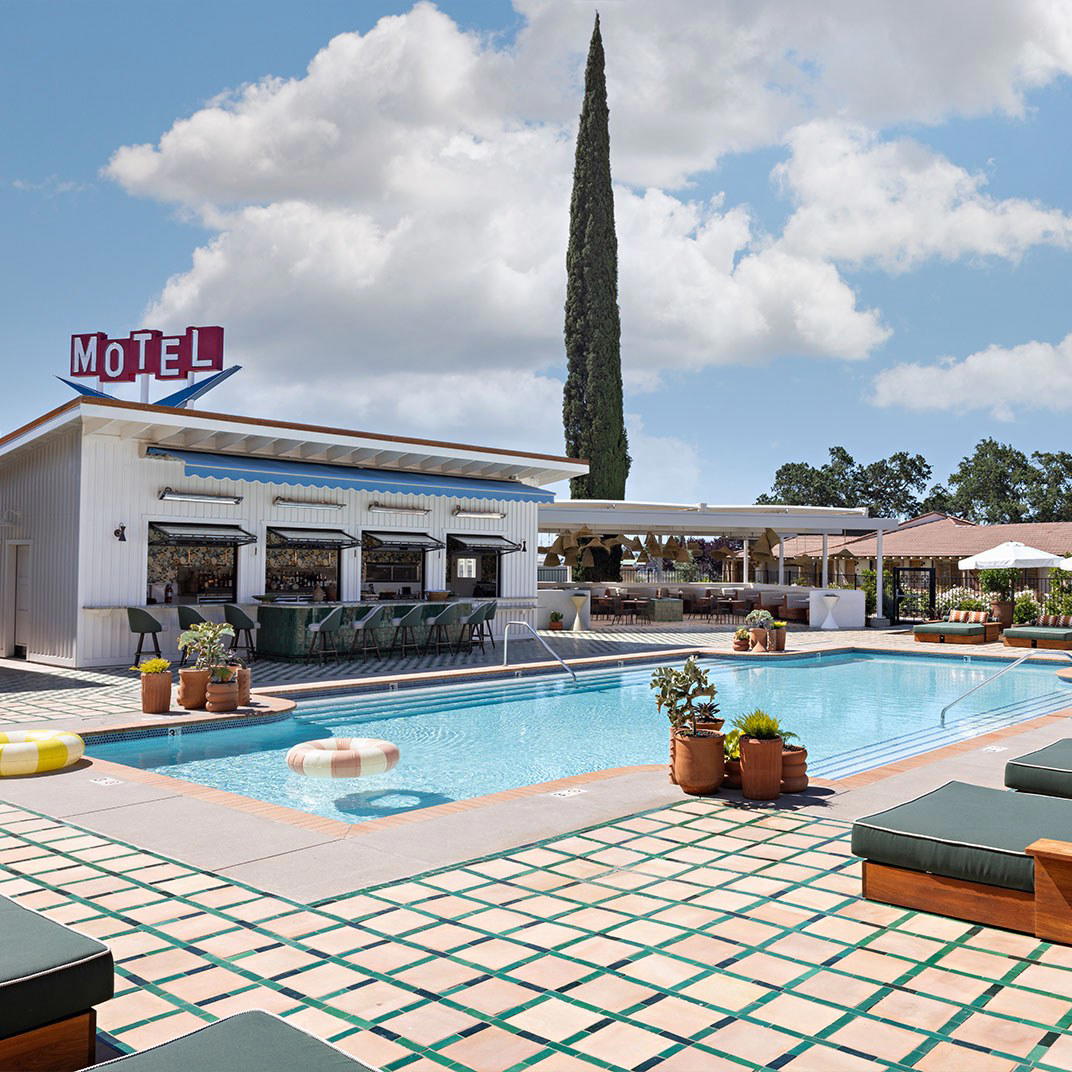
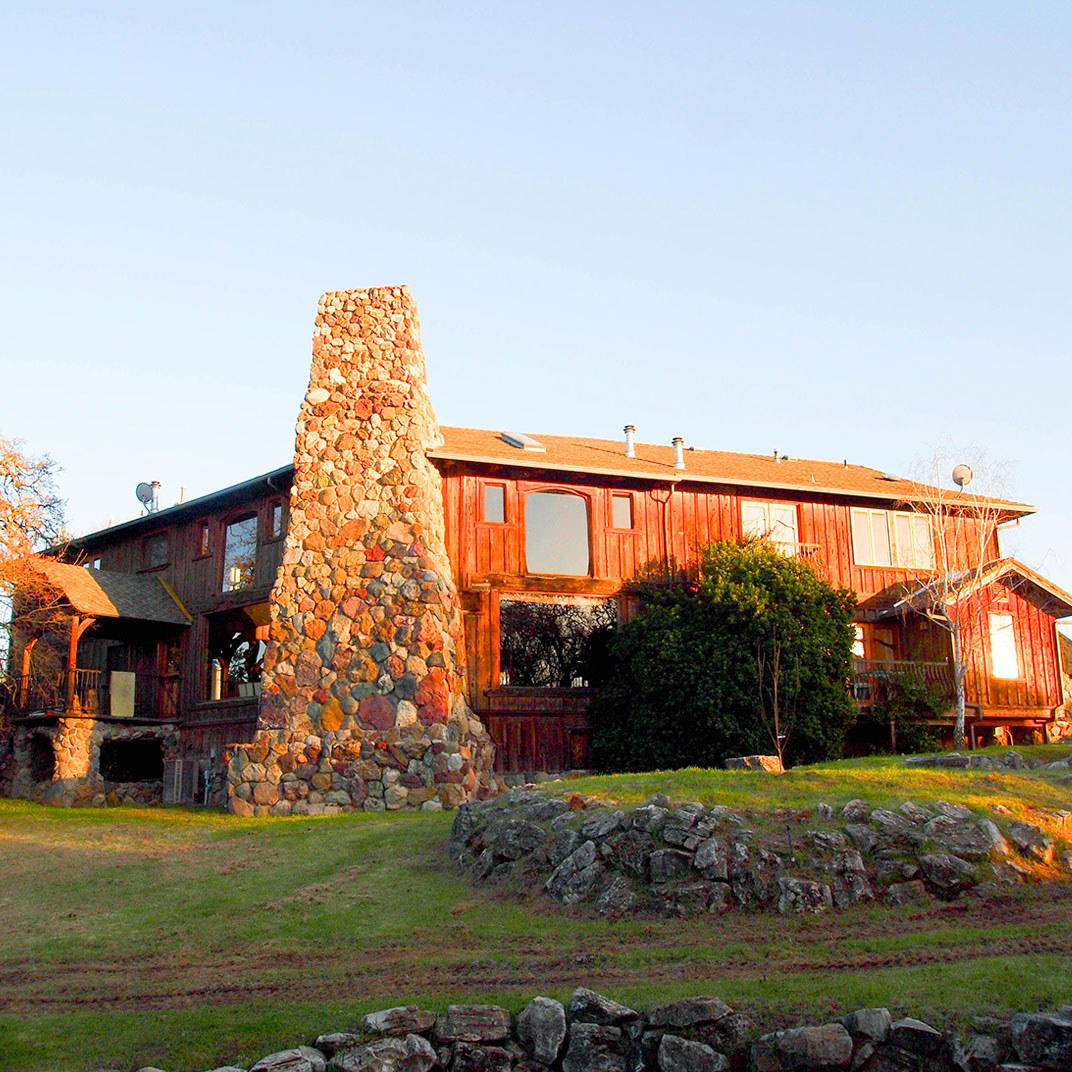
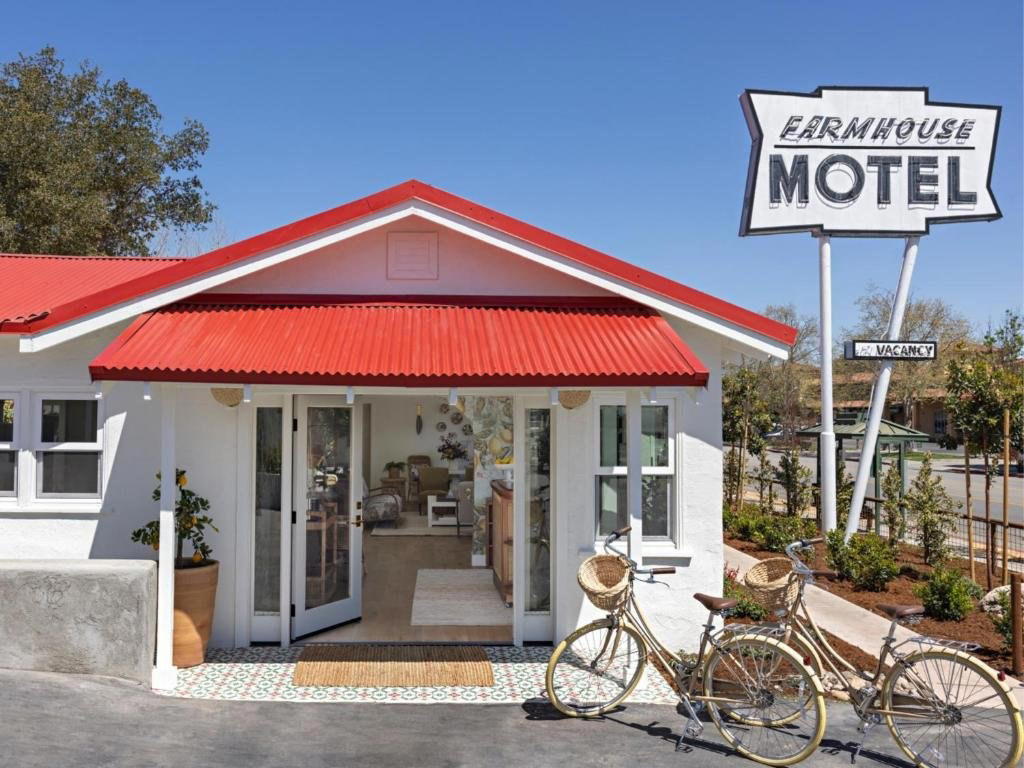
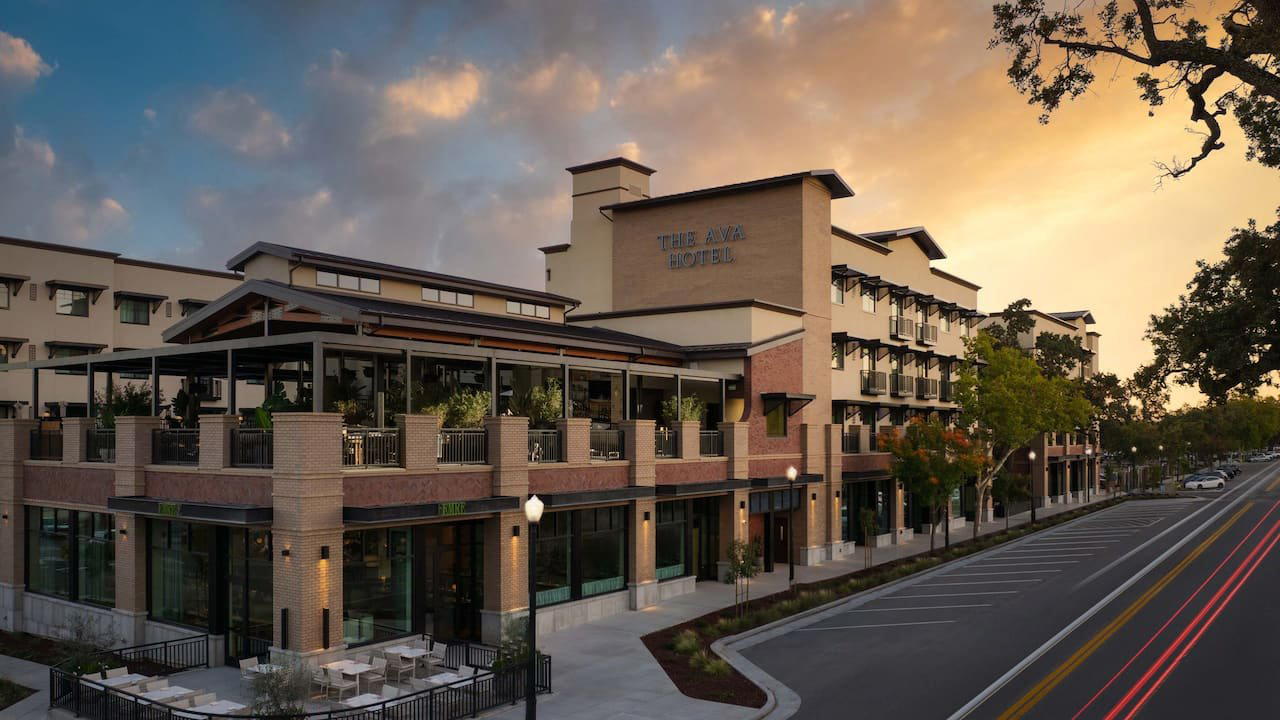
Details
- Rustic
- Classic
- Intimate
- Wine Education
- Solo Exploration
- Historic Building
- Organic
- Vineyard
- Zinfandel
- Petite Sirah
- Grenache
- Grenache Blanc
- Still Red
- Barrel Tasting
- Old Vine Tasting
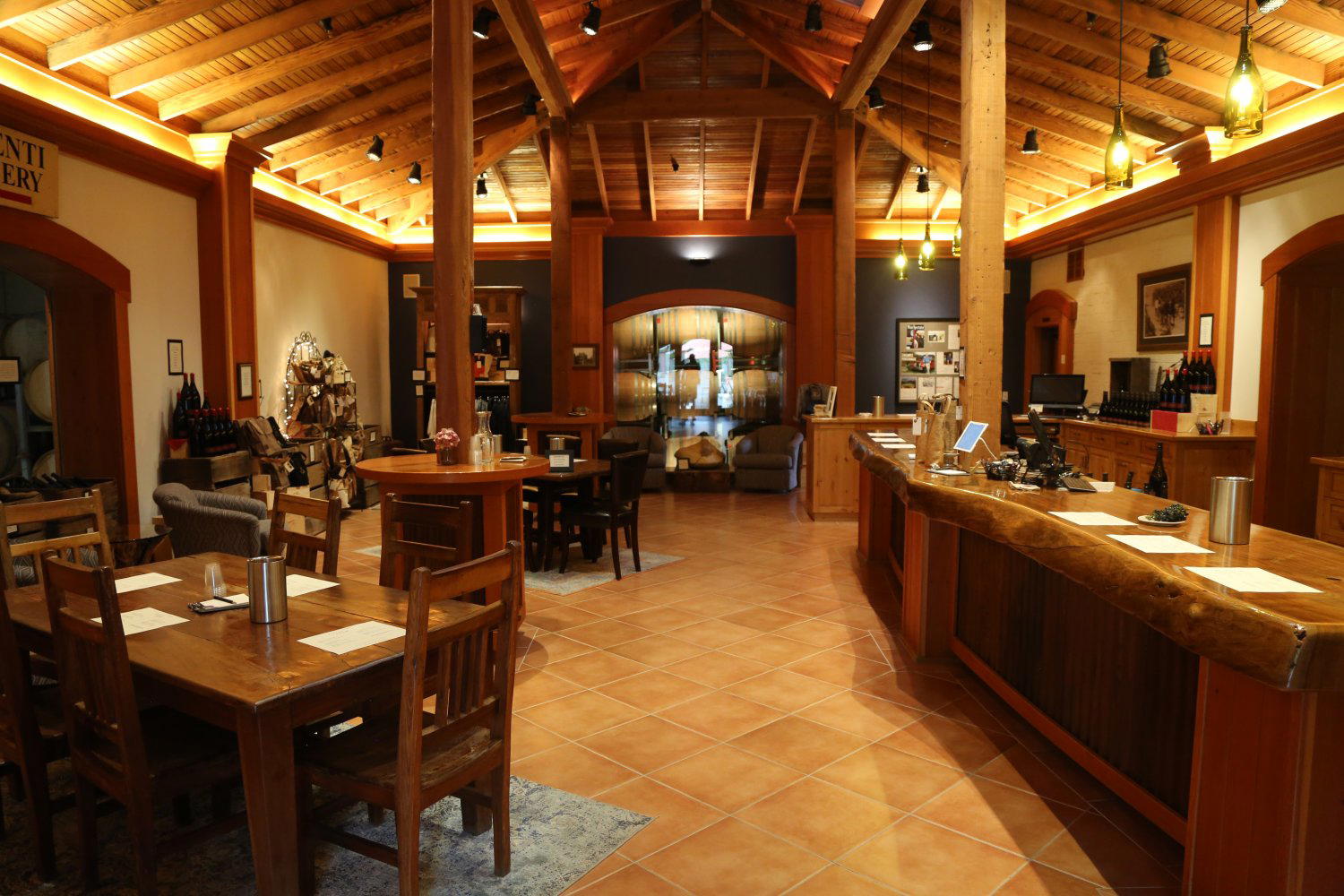
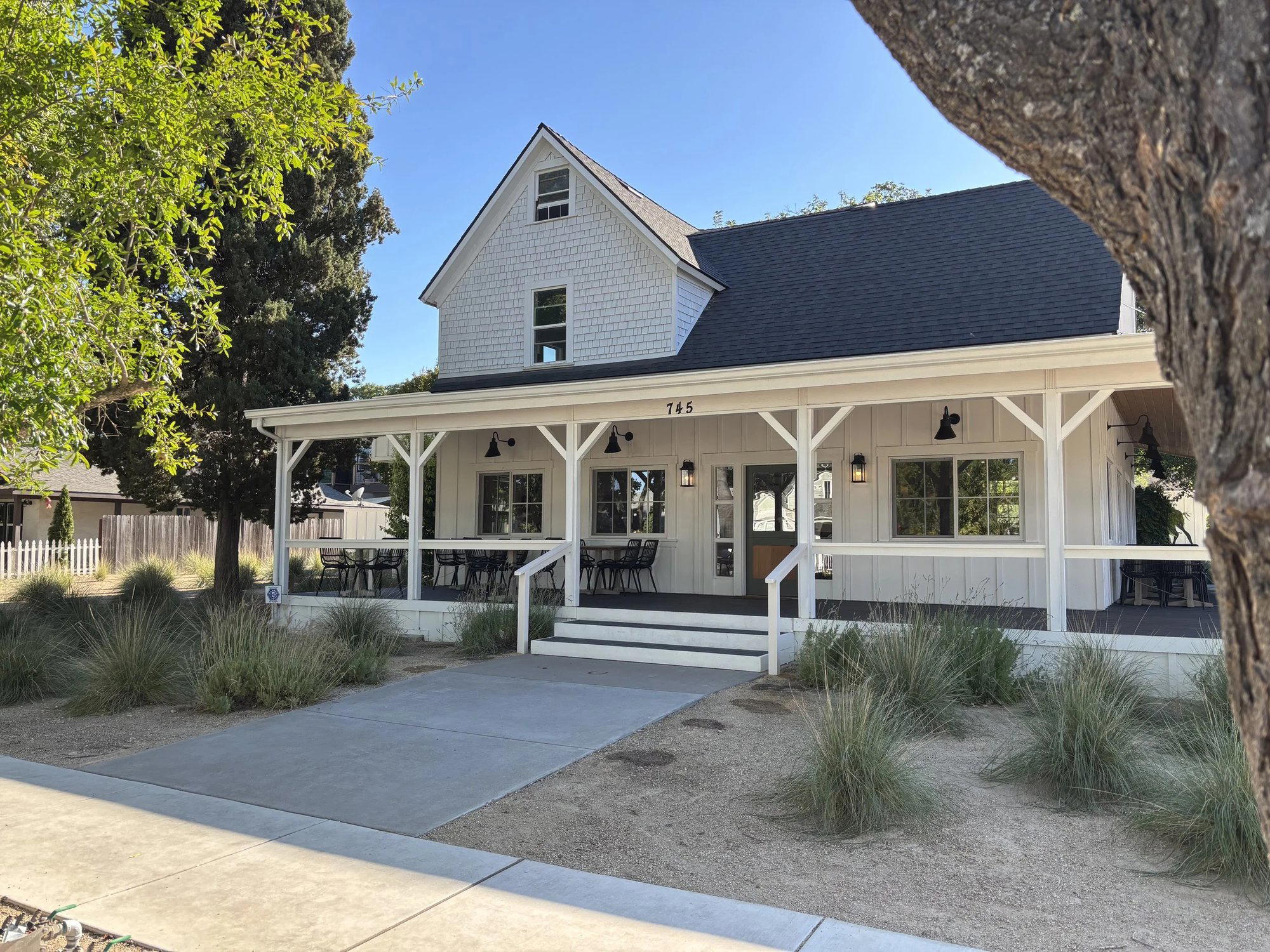
Comfortable and welcoming with a cozy tasting room featuring historic elements and a lovely outdoor patio.