AmByth Estate
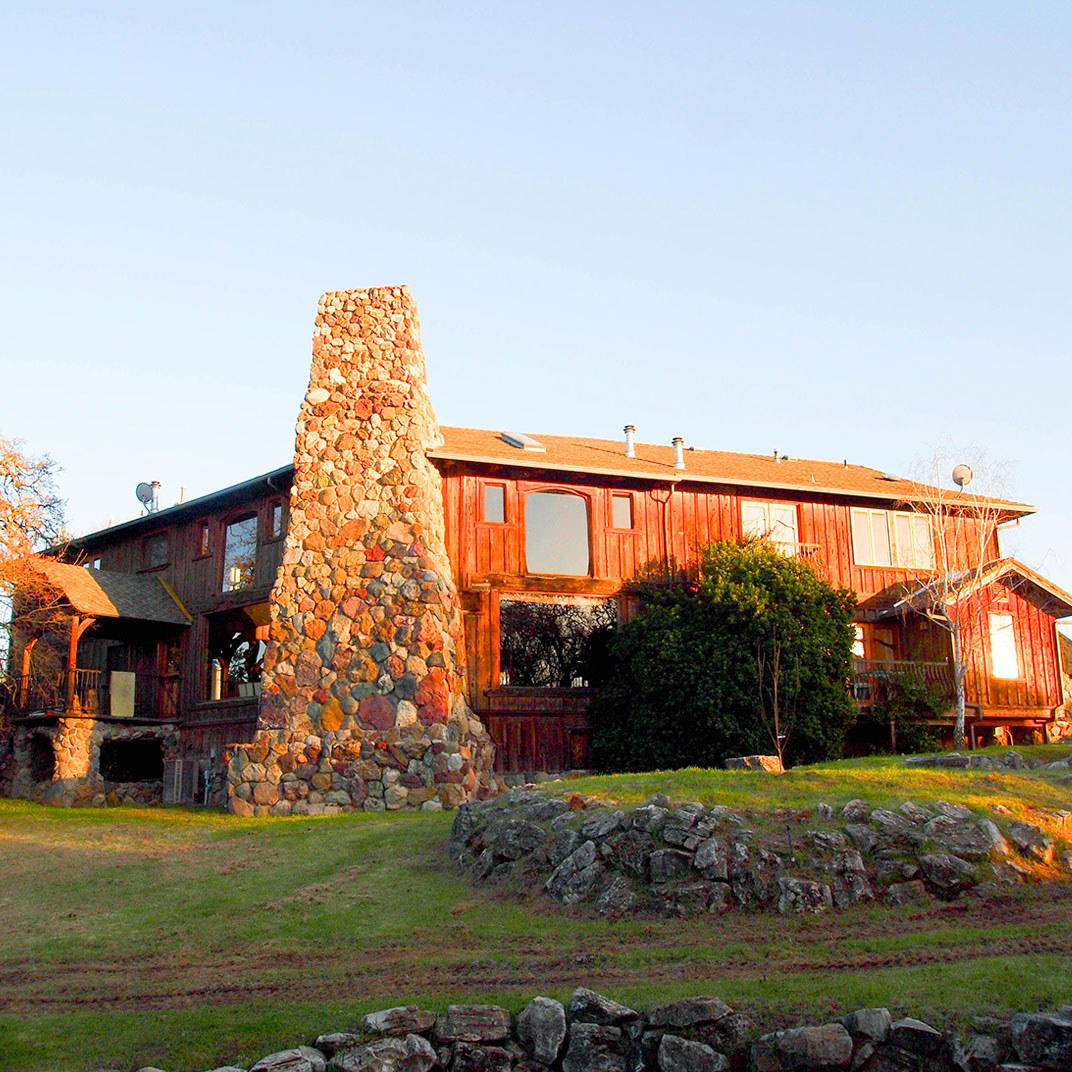
AmByth Estate in Templeton sits at the quieter, more uncompromising end of Paso Robles wine country. The estate occupies a distinct position among its Templeton peers: fewer concessions to commercial palatability, more fidelity to place.

Pearl is the En Primeur Club membership app — saves, bookings, and concierge access live there. Same editors, same standards.
- Address
- 510 Sequoia Ln, Templeton, CA 93465
- Phone
- (805) 319-6967
- Website
- ambythestate.com
- Directions
- Get directions
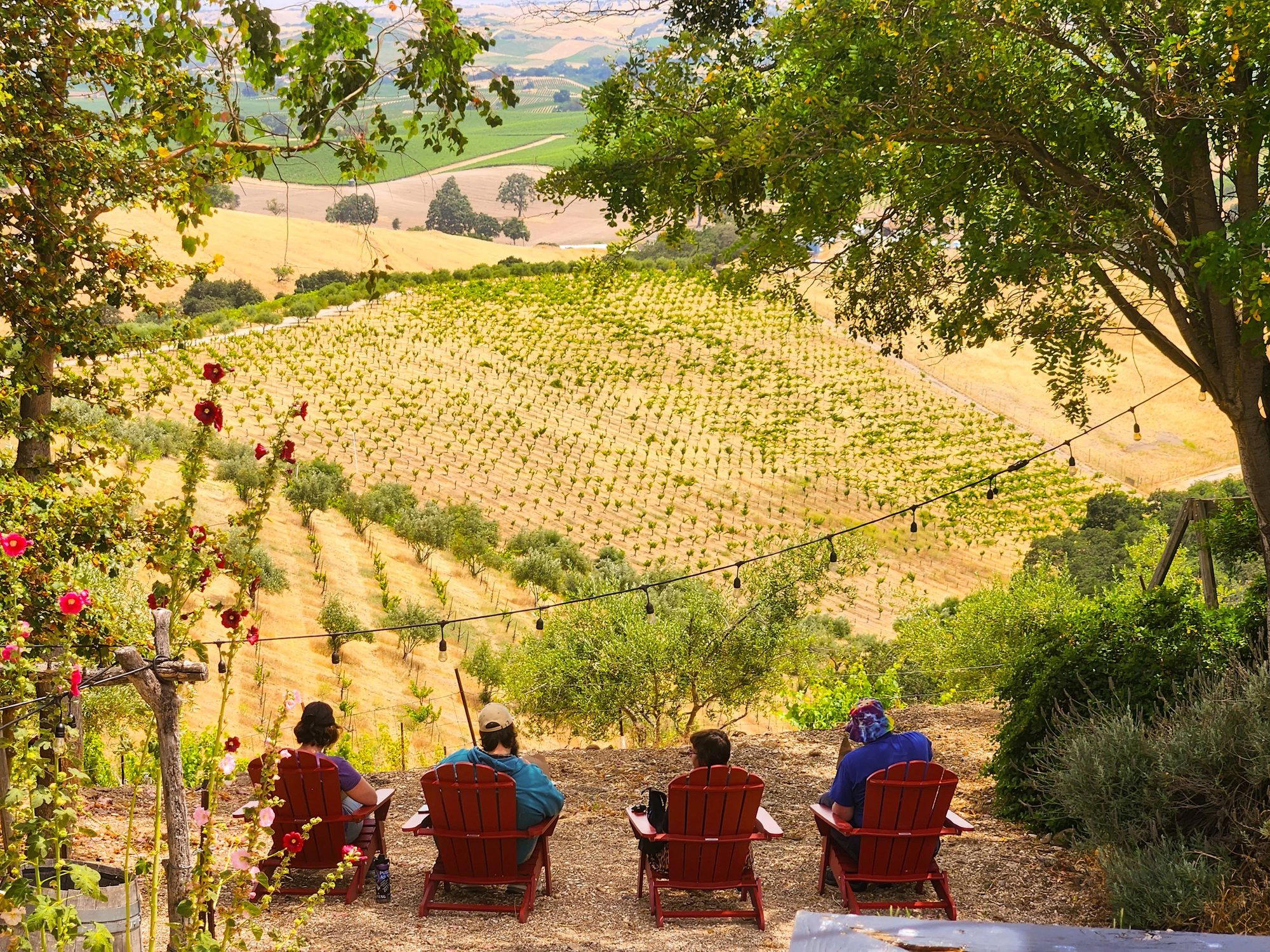
Where Calcareous Soil Speaks Louder Than Marketing
Approach the Templeton Gap on a late afternoon and the air changes before the landscape does. The Pacific-driven wind that funnels through the gap from the coast drops temperatures sharply by early evening, and the hillside vineyards catch that shift in ways the valley floor cannot. This is the physical reality that defines a smaller tier of Paso Robles producers — those for whom the gap's diurnal swing is not a talking point but an operating condition. AmByth Estate, at 510 Sequoia Lane in Templeton, sits inside that condition every vintage.
The Templeton sub-region has attracted serious attention precisely because the gap's thermal corridor allows varieties that would struggle in warmer inland Paso Robles sites. Calcareous soils — limestone-rich, well-drained, low-fertility, force vine roots deeper and concentrate flavor at lower yields. This is the same geological logic that pulls producers to parts of Burgundy or the Priorat, and Templeton's producers who commit to that logic rather than supplement it with irrigation and manipulation tend to produce wines that read differently from those made in warmer, more generous conditions. AmByth fits that description, placing it in a smaller cohort of the Paso Robles appellation than its address alone might suggest.
How AmByth Sits in the Templeton Producer Tier
Templeton's wine scene is denser and more varied than its small-town character implies. On one end, larger estate operations make Rhône-influenced blends and Bordeaux varietals for broad distribution. On the other, a tighter group of producers makes wines where intervention is minimal and vintage variation is accepted rather than corrected. AmByth belongs to the latter group.
For context, Epoch Estate Wines and Turley Wine Cellars operate at similarly focused levels in the broader Paso Robles area, though with different varietal emphases and production philosophies. Closer to AmByth geographically, Bella Luna Estate Winery, Castoro Cellars, and Donati Family Vineyard represent the range of production approaches operating out of the same Templeton zip code. AmByth's award signals it operates toward the more rigorous end of that range.
Nationally, the estate joins a group of California producers that have staked their identity on unmanipulated, place-driven winemaking. Alban Vineyards in Arroyo Grande built a comparable reputation over decades for treating Rhône varieties as site-specific rather than stylistically flexible. Adelaida Vineyards in Paso Robles and Andrew Murray Vineyards in Los Olivos offer further regional reference points for producers whose Rhône-inflected work reads as distinctly Californian in structure but not in excess. AmByth's positioning is legible against all of them.
Terroir as the Editorial Subject
What separates Templeton Gap wines from those produced further east in Paso Robles is not primarily variety selection but the conditions under which those varieties ripen. The diurnal temperature range in the gap, often 50 degrees Fahrenheit between midday and midnight during the growing season, preserves acidity and slows ripening in ways that make alcohol management easier and phenolic maturity more achievable without overripe flavor profiles. The calcareous subsoil adds a mineral tension to wines that the sandier soils further from the gap do not produce in the same way.
AmByth's estate wines are grown and made within these conditions, which means the wine's character is substantially determined before any cellar decision is made. That is the defining feature of terroir-expressive winemaking: the land sets the parameters and the producer works within them rather than around them. This is a different value proposition from the warm, approachable Paso Robles style that many visitors expect. If you arrive at AmByth expecting soft, plush, fruit-forward wines in the style of a warmer inland producer, the estate's wines will read as austere by comparison. If you arrive understanding that the tension and structure are the point, the wines deliver substantial interest.
The same logic applies across disciplines and regions. Accendo Cellars in St. Helena applies comparable site-specificity to Napa Cabernet. Adelsheim Vineyard in Newberg has built decades of work around Willamette Valley Pinot's capacity to carry place rather than production style. Alexander Valley Vineyards in Geyserville and Alpha Omega Winery in Rutherford represent further examples of estates where geography shapes the wine's identity at the most fundamental level. AmByth belongs to this broader tradition of estate-first, site-specific California winemaking.
Planning a Visit
Templeton sits along Highway 101 between San Luis Obispo and Paso Robles, and AmByth Estate's Sequoia Lane address is accessible from that corridor. The Templeton Gap area has enough concentrated winery density to build a focused half-day or full-day itinerary without significant driving. Visitors building a broader San Luis Obispo County itinerary can cross into adjacent territories: Achaia Clauss in Patras and Aberlour in Aberlour offer international reference points for understanding how estate-based production philosophies translate across radically different wine cultures, which adds useful comparative framing to a California wine trip. Our full Templeton restaurants guide covers the broader dining and drinking scene in the area for visitors planning an overnight stay.
Walk-in availability cannot be assumed at this level of production commitment.
What the 2025 Award Reflects
For a Templeton estate operating at the quieter, lower-intervention end of the Paso Robles spectrum, that recognition functions as a signal to visitors that the estate's approach has been assessed and validated against regional peers.
The designation does not guarantee any particular style preference will be satisfied. It signals that the wines deliver on their own stated terms, which, at AmByth, are the terms set by the Templeton Gap's soils, climate, and the estate's commitment to minimal intervention. Visitors who understand that distinction arrive better calibrated and leave with more useful opinions about what they've tasted.
Comparable Venues
Comparable venues nearby, for context on price, style, and recognition.
| Venue | Cuisine | Price | Notes |
|---|---|---|---|
| AmByth EstateThis venue — the venue you are viewing | Counoise | Not listed | Not listed |
| Donati Family Vineyard | Cabernet Sauvignon, Cabernet Franc | Not listed | Templeton Gap District |
| Bella Luna Estate Winery | Sangiovese, Nebbiolo | $20–30 | Templeton |
| Castoro Cellars | Zinfandel, Cabernet Sauvignon | $20–30 | Templeton |
| PasoPort Winery | Nebbiolo, Chenin Blanc | Not listed | Paso Robles Westside |
| Epoch Estate Wines | Grenache, Syrah | $50–100 | York Mountain |
Continue exploring
More in Templeton
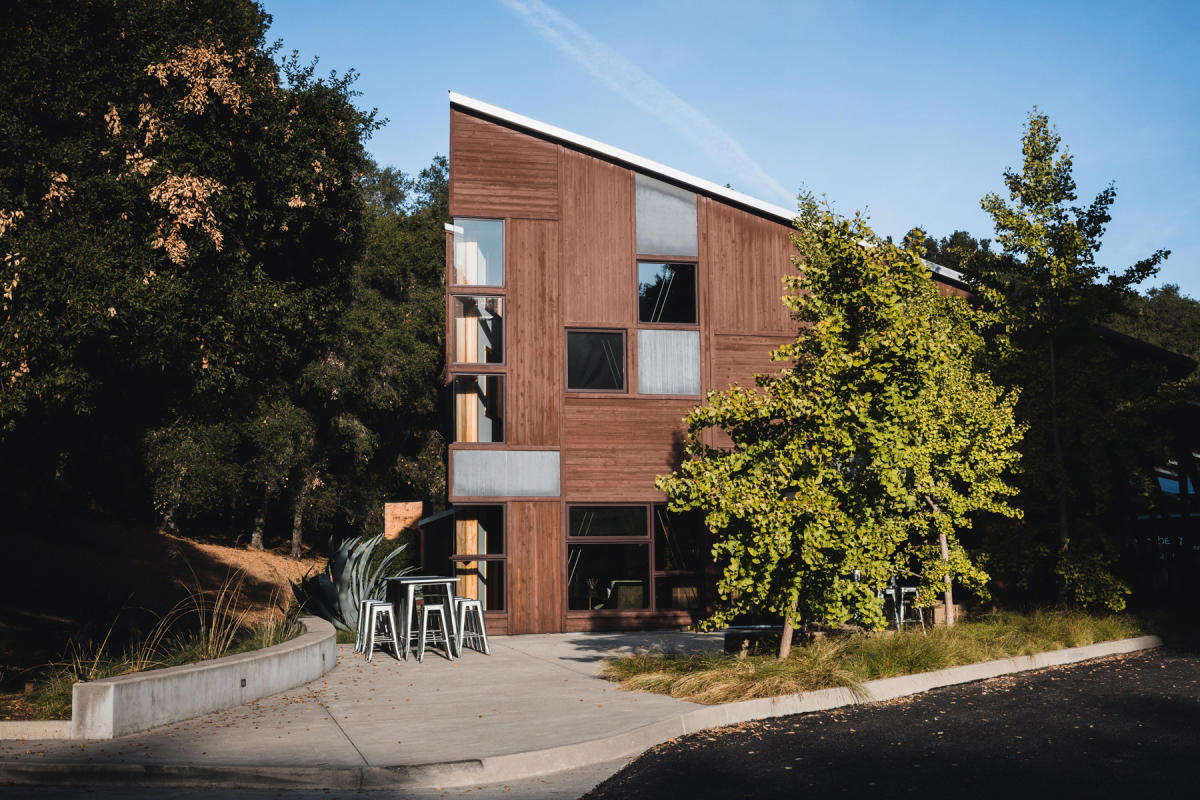
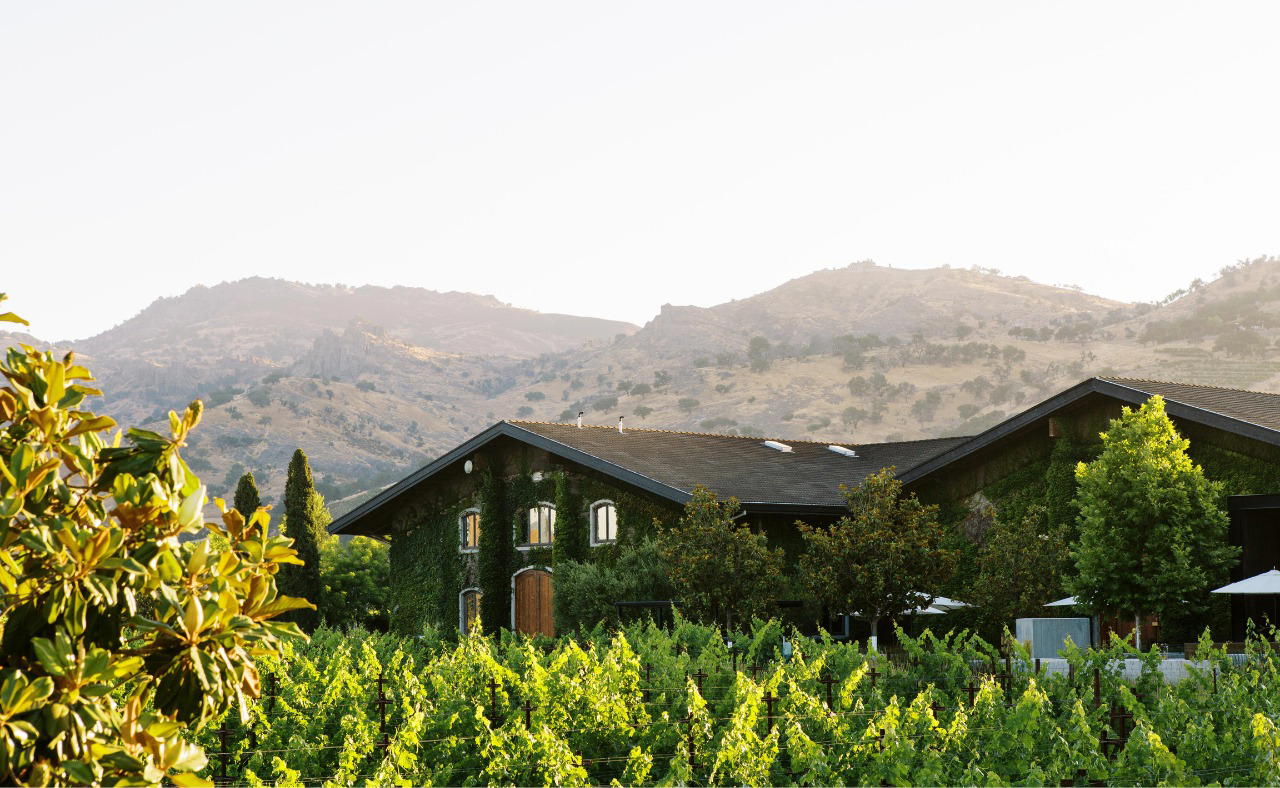
Wineries in Templeton
Browse all →
Bars in Templeton
Browse all →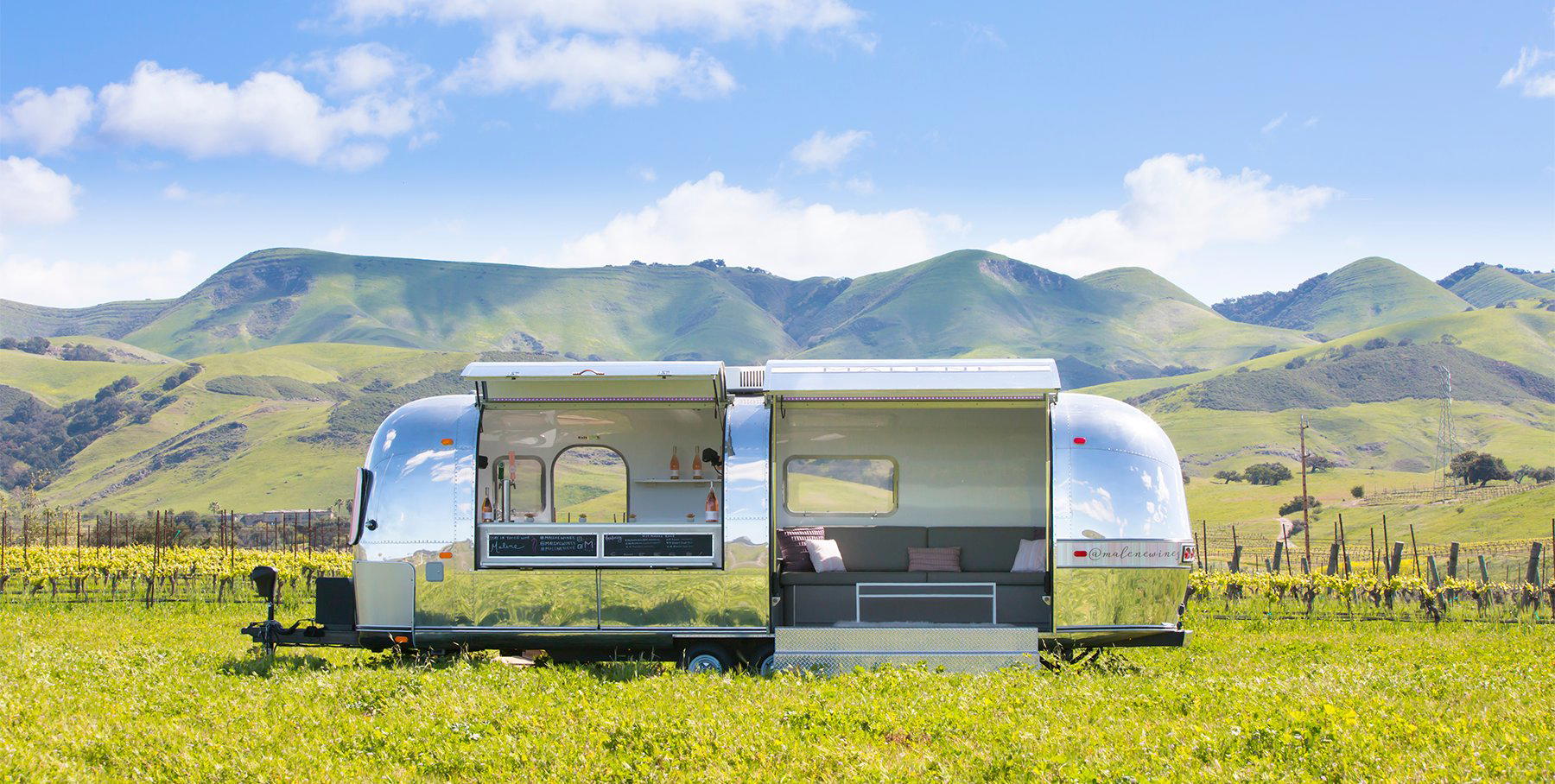
Restaurants in Templeton
Browse all →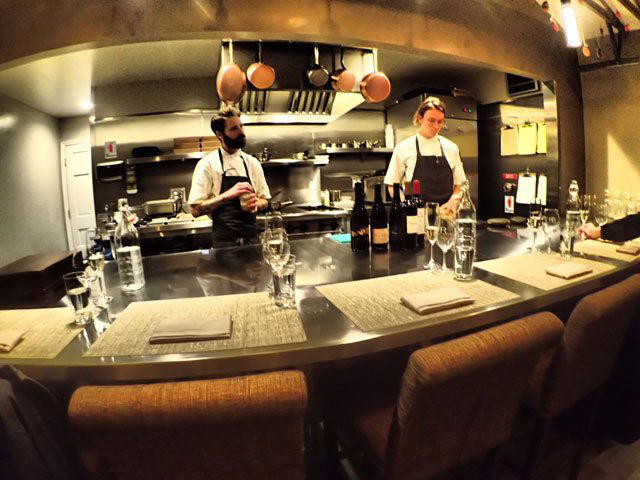
Details
- Rustic
- Scenic
- Intimate
- Elegant
- Solo Exploration
- Wine Education
- Special Occasion
- Vineyard Tour
- Estate Grounds
- Panoramic View
- Biodynamic
- Organic
- Dry Farmed
- Vineyard
- Mountain
- Counoise
- Still Red
- Still White
- Amphora
- Private Tasting
Serene and quiet hilltop setting with far-reaching vineyard and coastal mountain views, fostering an intimate and authentic natural winemaking atmosphere.