Titus Vineyards
Titus Vineyards operates along the Silverado Trail in St. Helena. Positioned within Napa Valley's allocation-driven upper tier, the property sits on one of the appellation's most storied corridors, where estate identity and terroir specificity carry more weight than volume. A considered address for serious Napa exploration.
Pearl is the En Primeur Club membership app — saves, bookings, and concierge access live there. Same editors, same standards.
- Address
- 2971 Silverado Trail N, St Helena, CA 94574
- Phone
- +1 707-963-3235
- Website
- titusvineyards.com
- Directions
- Get directions
 Saves & bookings on Pearl
The Silverado Trail and the Estates That Define It
The Silverado Trail runs parallel to Highway 29 but operates in a different register entirely. Where the valley's main artery carries tasting-room traffic and tourist commerce, the Trail has historically been the address of choice for estate-focused producers who prioritise vineyard access over footfall. Titus Vineyards, at 2971 Silverado Trail N in St. Helena, sits within that tradition.
St. Helena itself has developed a split identity in Napa. The town hosts approachable tasting rooms and a restaurant strip that draws day visitors, but its eastern edge, where the Silverado Trail defines the boundary, is where the more appointment-led, terroir-focused producers have traditionally anchored. Neighbouring producers like Dana Estates and Chappellet Winery operate in this same discipline. Understanding Titus means understanding that competitive set first.
The 2-Star level, specifically, marks Titus as a recognised estate producer.
For the visiting guest, that calibration matters. It indicates a property where the hospitality format has earned structured recognition, not simply a well-located parcel with a functioning tasting room. Comparable recognition in the St. Helena area goes to properties like Accendo Cellars and Brand Napa Valley, both of which operate in the same intentional, appointment-oriented mode. The rating, in other words, is a peer-set indicator as much as a quality signal.
Food Pairing and the Evolving Hospitality Format on the Trail
One of the more significant shifts across premium Napa properties over the past decade has been the move toward integrated food-and-wine hospitality. The simple pour-and-explain tasting format that dominated the valley through the 1990s and 2000s has given way, at the upper end, to structured pairing experiences where culinary programming is treated as an extension of the winemaking narrative rather than a marketing add-on.
Properties along the Silverado Trail have been among the more deliberate adopters of this format. The logic is consistent with their appointment-based model: if a guest is already committing to a scheduled visit rather than a walk-in, extending that visit to include a thoughtfully composed pairing sequence costs little in operational complexity and adds considerably to the coherence of the experience. Titus Vineyards occupies exactly this kind of address, where the format expectations from guests arriving via the Trail are different from those arriving at Highway 29 storefronts.
For context, this shift is visible across California's premium wine regions. Adelaida Vineyards in Paso Robles and Alban Vineyards in Arroyo Grande have both developed hospitality programmes that tie culinary elements to estate identity, and Alpha Omega Winery in Rutherford, just south of St. Helena, runs one of the more structured pairing formats in Napa proper. The expectation, increasingly, is that a 2-Star Prestige property offers something closer to that curated experience than to an open-pour bar.
Napa's Cabernet Framework and Where Estate Producers Sit
Napa's identity as a Cabernet Sauvignon appellation is not incidental. The valley's commercial and critical architecture was built around that grape, and the St. Helena sub-appellation, with its mix of valley-floor alluvial soils and hillside volcanic terrain, has historically produced Cabernet with a particular profile: structured, age-capable, and dependent on site specificity for differentiation. That last point is what separates the estate-focused producers from the larger négociant-style operations that source broadly across the valley.
Estate or single-vineyard producers in this tier typically make allocation decisions early in the sales cycle, meaning that building a relationship with the property, whether through mailing list membership or repeat tasting room visits, is the primary access mechanism. Charles Krug, one of Napa's oldest producing estates, operates on a different scale but within the same framework of terroir narrative and direct-to-consumer sales that defines the Trail's producers. The difference is that newer-era estate producers like Titus have built their identity around a smaller, more deliberate output rather than historical volume.
Visitors planning a Trail itinerary benefit from understanding this dynamic. The allocation-based model means that a confirmed reservation is recommended before arrival.
The Broader California Estate Context
Titus sits within a California winery tier that includes producers well outside Napa who operate on comparable principles of estate discipline and allocated output. Andrew Murray Vineyards in Los Olivos and Alexander Valley Vineyards in Geyserville represent the same appointment-led, estate-focused approach in different appellations. Adelsheim Vineyard in Newberg extends that framework into Oregon's Willamette Valley. What links these properties is not geography but operational philosophy: limited production, direct-to-consumer sales, and hospitality formats designed for engagement rather than volume throughput.
Within Napa specifically, Artesa Vineyards and Winery in Napa offers a point of contrast. Artesa operates at a larger scale and draws visitors partly through its architectural presence, while Trail producers like Titus operate in a quieter register, where the physical setting and the tasting experience itself carry the brand weight. Neither approach is superior; they serve different visitor intentions, and understanding which category a property occupies is especially useful planning tool available.
Planning a Visit: Practical Considerations
Titus Vineyards is located at 2971 Silverado Trail N, St. Helena, CA 94574. The Silverado Trail is a direct drive from central St. Helena and connects easily with Highway 29 at multiple points, making it possible to combine a Trail itinerary with visits to valley-floor producers in the same half-day. Given the appointment-based model that characterises this end of the Trail, advance contact with the winery before visiting is the standard approach rather than the exception.
St. Helena as a base offers access to the full range of Napa's tasting formats. For a broader view of dining and winery options across the town, the EP Club St. Helena guide maps the area's hospitality by tier and style. Visitors focused on food-and-wine pairing at the estate level will find the Trail's appointment-led producers one consistent delivery of that format in the appellation.
For those extending beyond California, the EP Club network covers premium wine properties internationally, including Aberlour in Aberlour and Achaia Clauss in Patras, two addresses that illustrate how estate identity and hospitality investment operate across entirely different production traditions. The operating principle, however, is consistent: properties that earn structured recognition do so through a combination of sourcing discipline, format coherence, and a hospitality experience that extends meaningfully beyond the glass.
Recognition, Side-by-Side
Comparable venues nearby, for context on price, style, and recognition.
| Venue | Cuisine | Price | Notes |
|---|---|---|---|
| Titus VineyardsThis venue — the venue you are viewing | Cabernet Sauvignon, Cabernet Franc | $$$ | Not listed |
| Merryvale Vineyards | Cabernet Sauvignon, Chardonnay | $$$ | St. Helena |
| Keenan Winery | Cabernet Sauvignon, Merlot | $$$ | Spring Mountain District |
| Corison Winery | Cabernet Sauvignon | $$$ | St. Helena |
| GRO Wines | St. Helena AVA | $$$ | St. Helena |
| Failla Wines | Chardonnay, Pinot Noir | $$$ | St. Helena |
Continue exploring
More in St. Helena
Wineries in St. Helena
Browse all →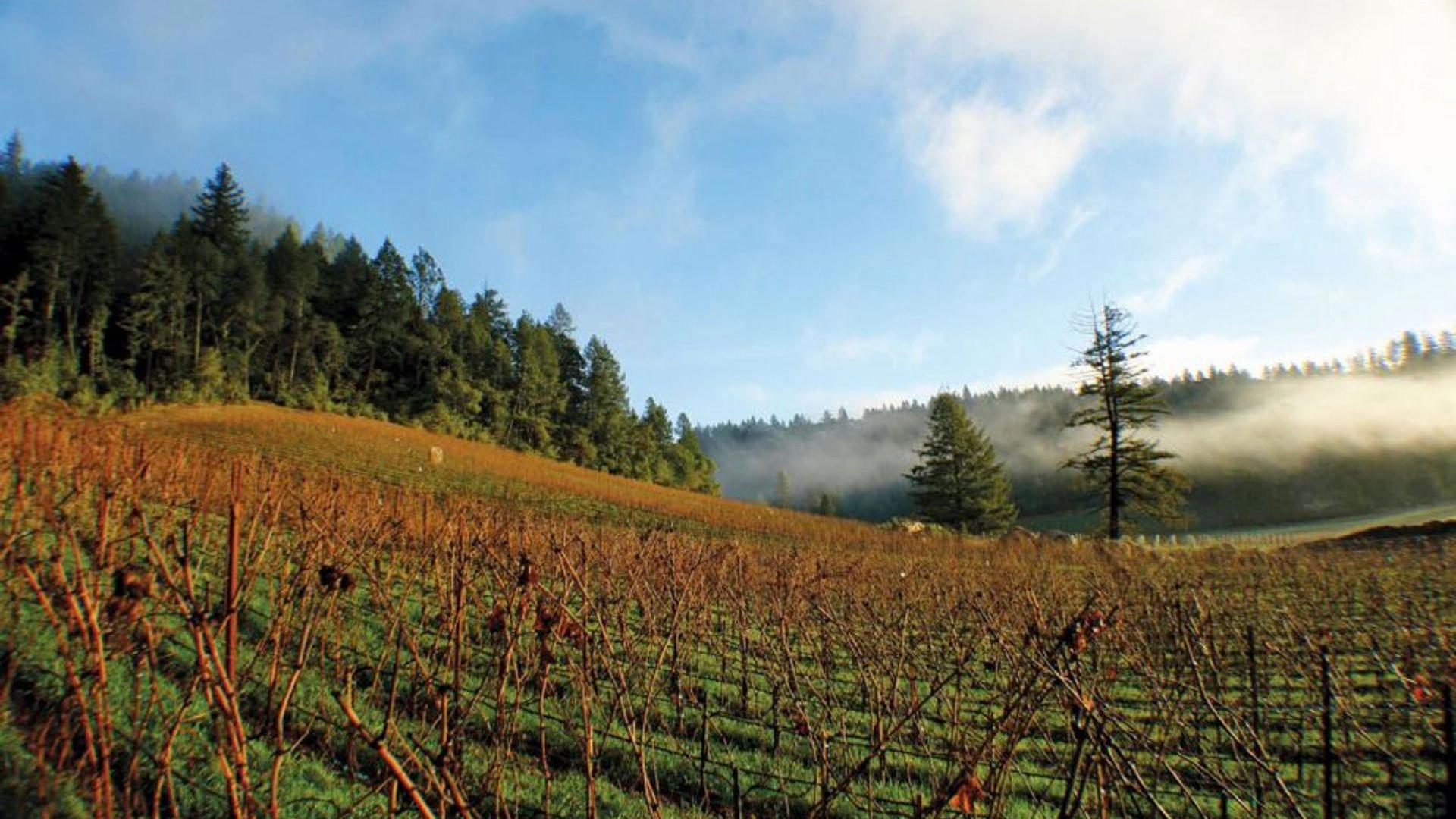
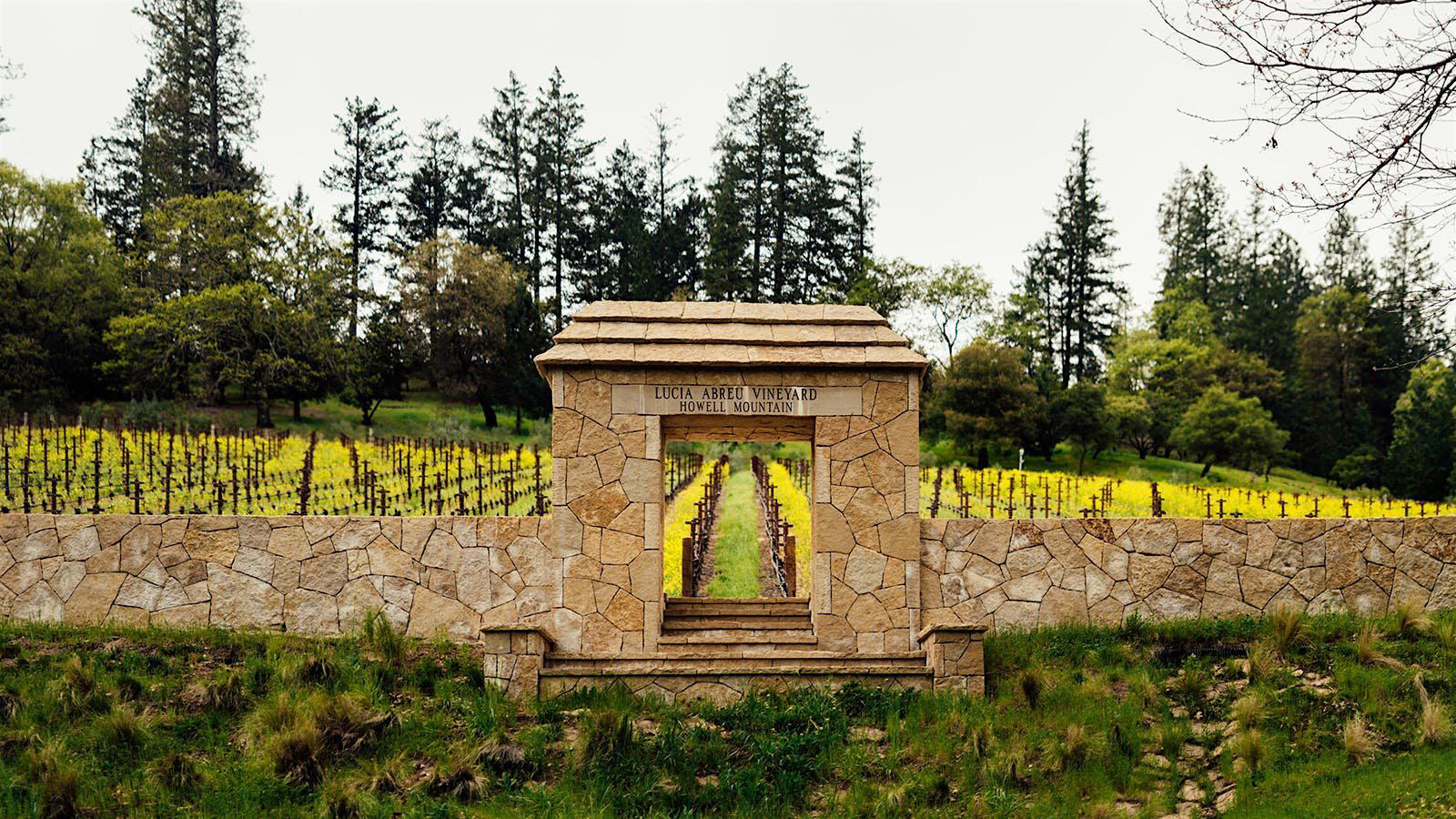

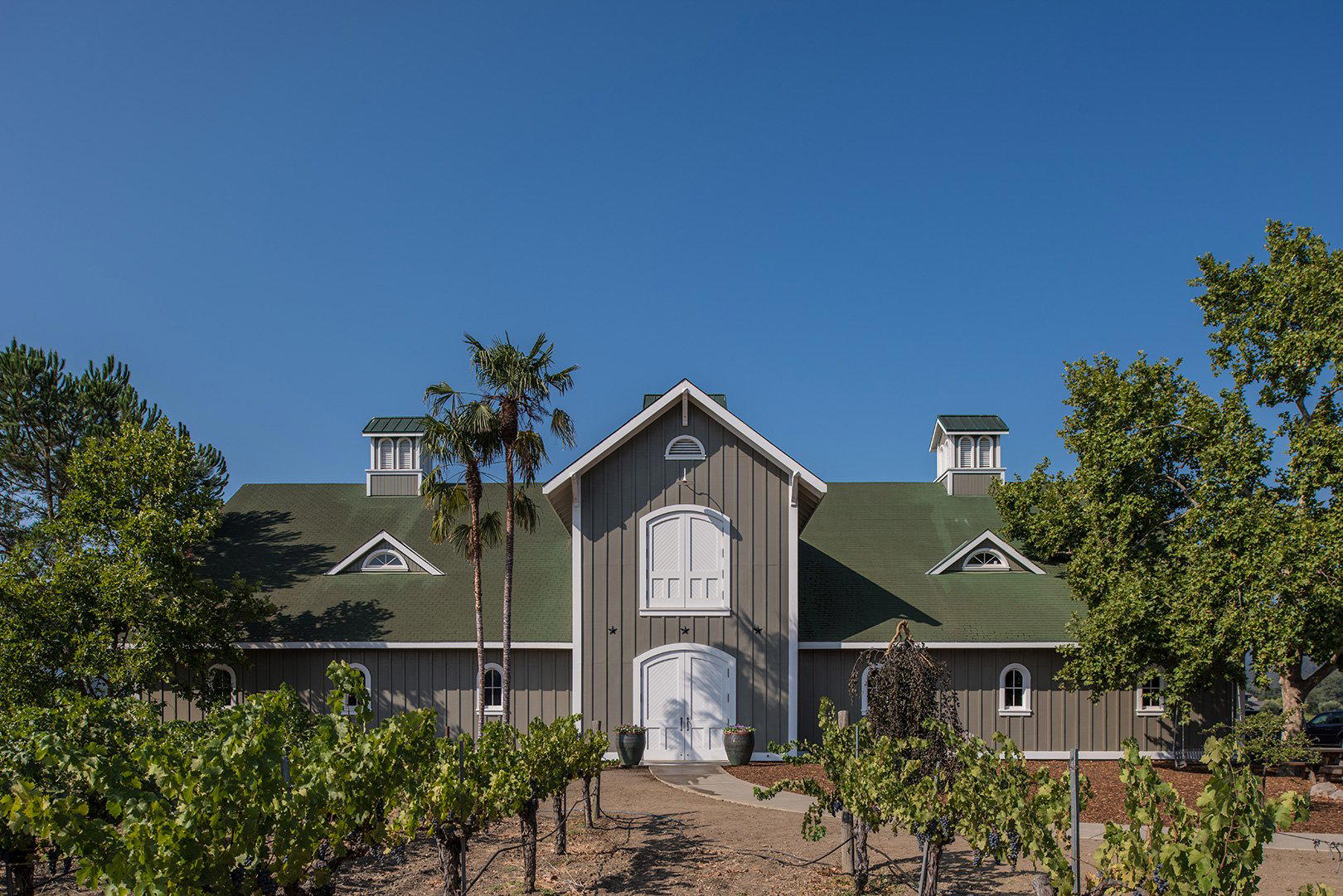
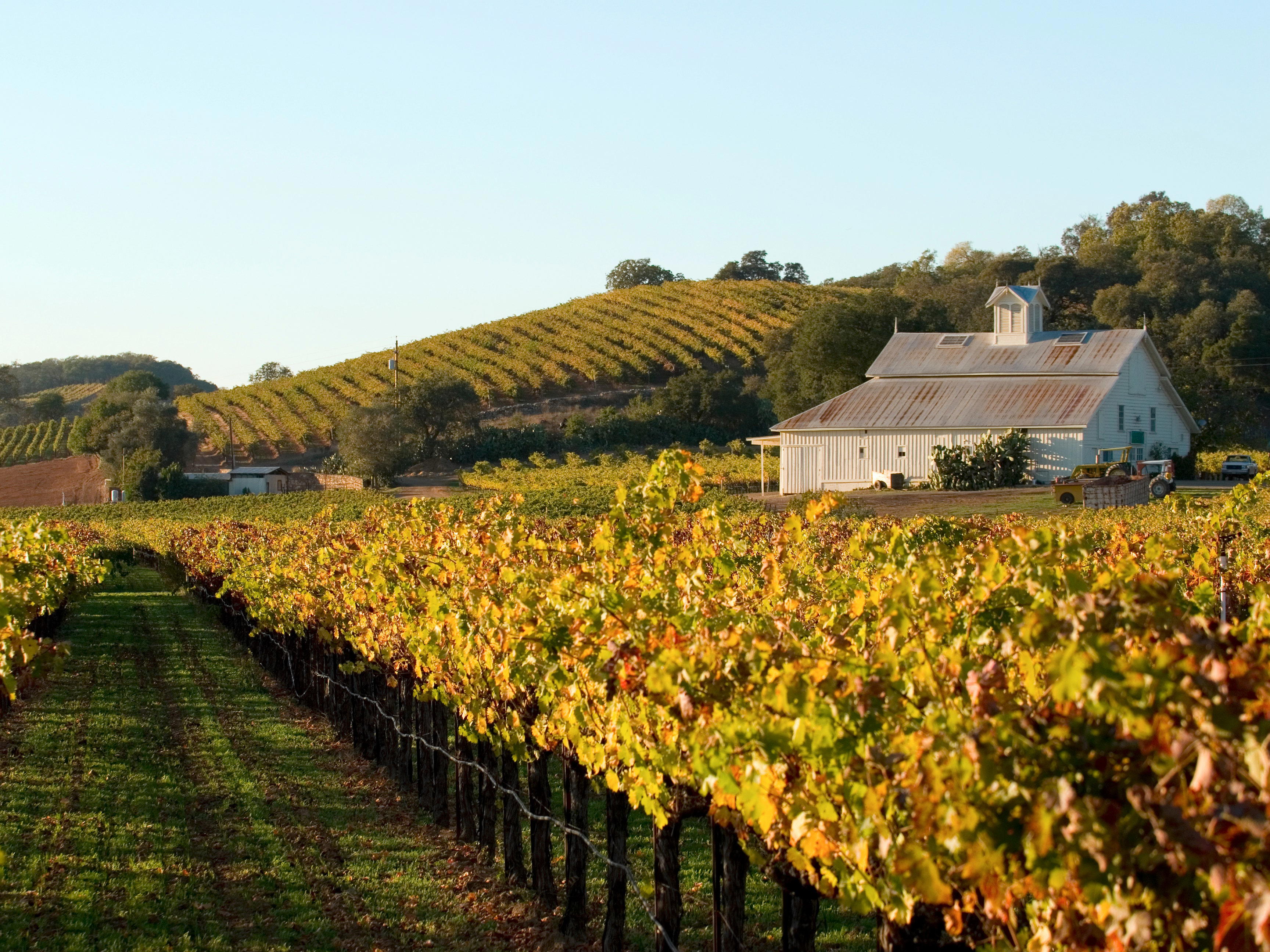
Bars in St. Helena
Browse all →
Restaurants in St. Helena
Browse all →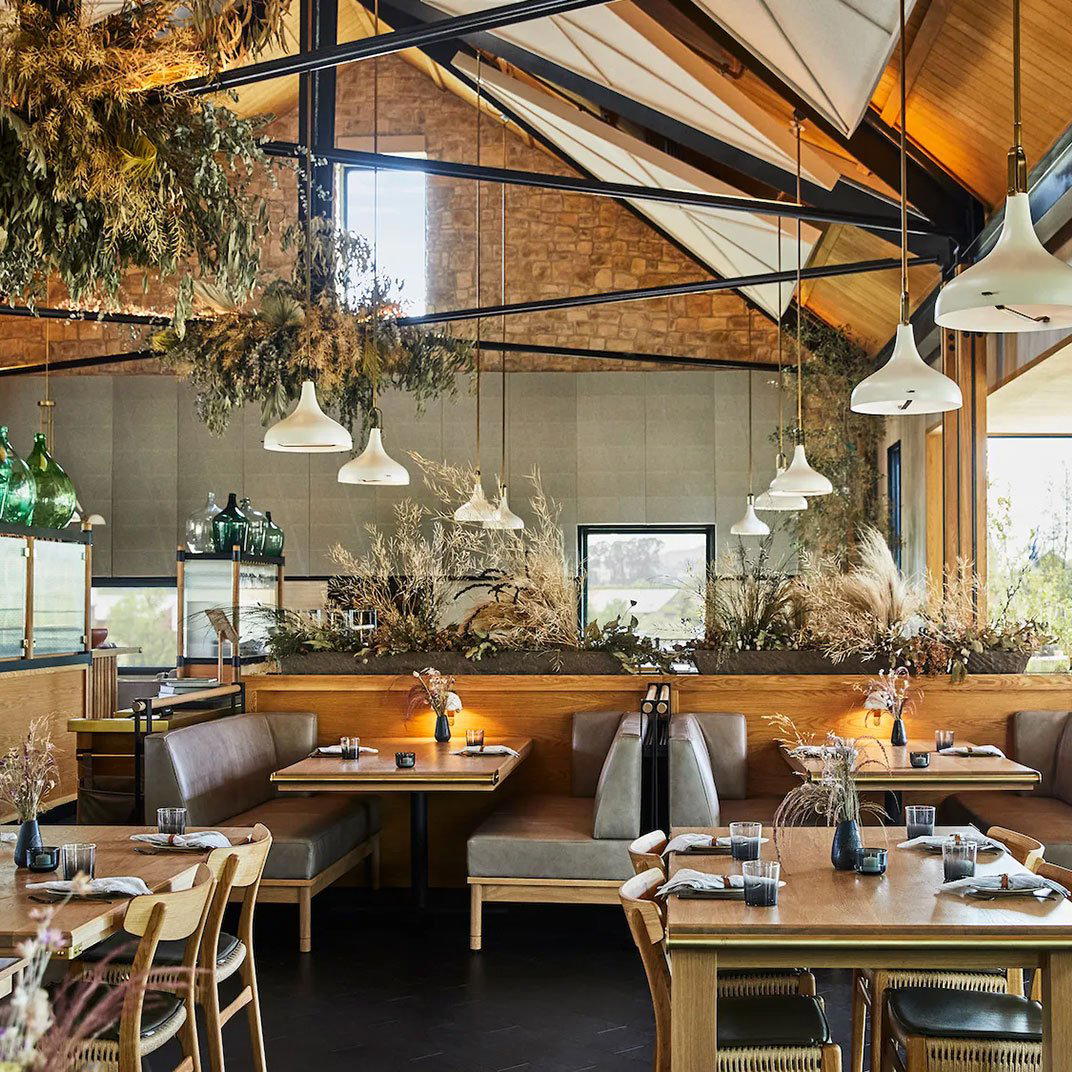





At a Glance
- Scenic
- Elegant
- Rustic
- Intimate
- Wine Education
- Special Occasion
- Group Outing
- Vineyard Tour
- Estate Grounds
- Barrel Room
- Panoramic View
- Vineyard
- Garden
- Napa Valley AVA
- Cabernet Sauvignon
- Cabernet Franc
- Malbec
- Petit Verdot
- Merlot
- Zinfandel
- Petite Sirah
- Sauvignon Blanc
- Still Red
- Still White
- Seated Tasting
- Private Tasting
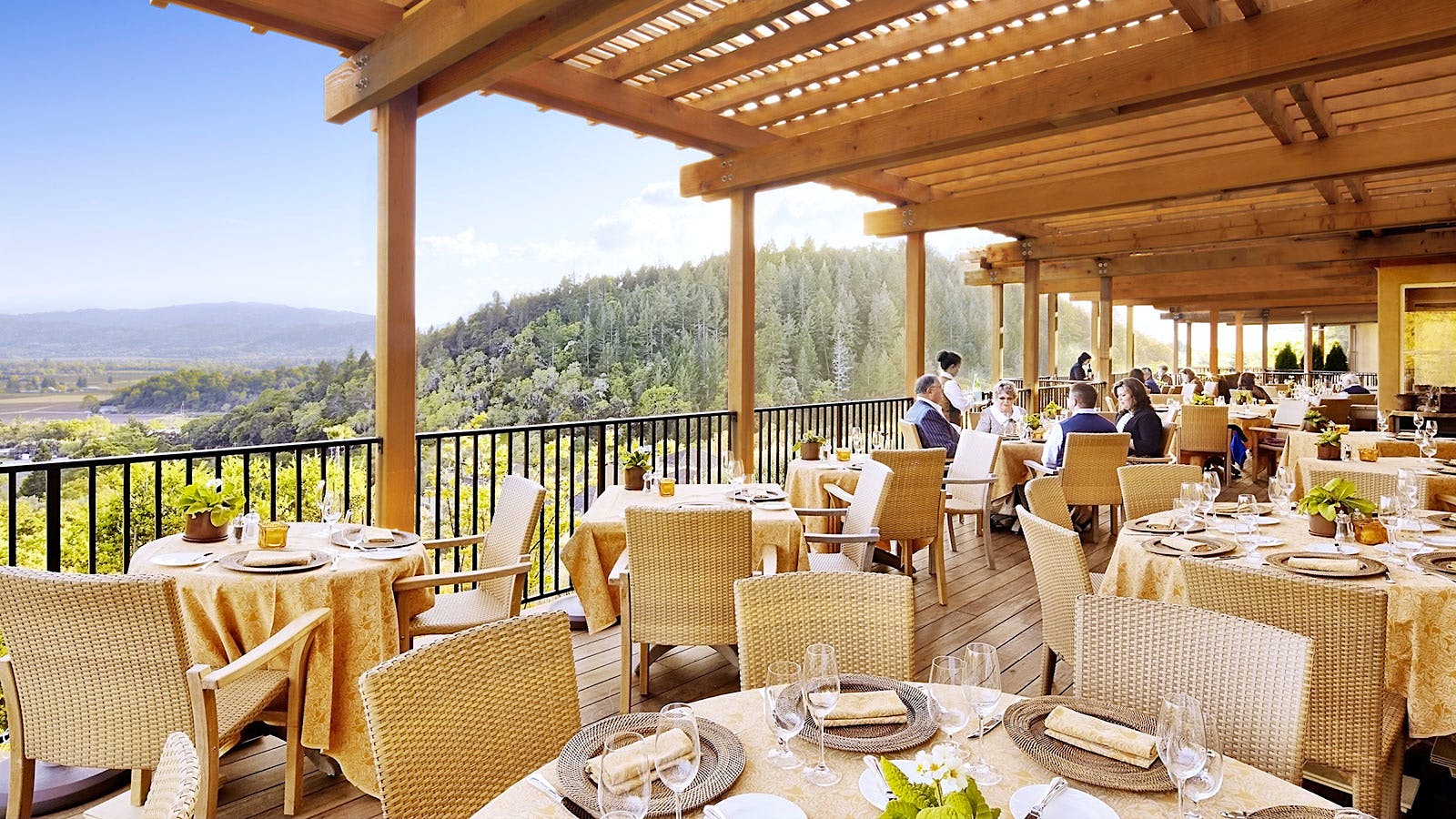
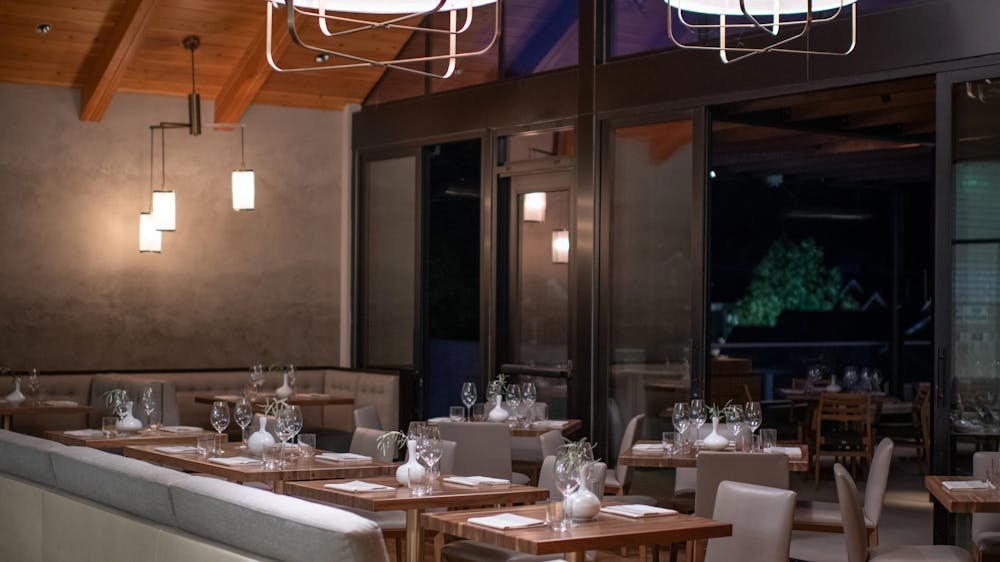
Sleek yet warm modern tasting room overlooking vineyards with picturesque views; relaxing, personal atmosphere praised for knowledgeable hospitality.