GRO Wines
The winery operates in one of California's most competitive Cabernet corridors, where allocation-model producers compete on vineyard access and critical recognition rather than volume. Visitors planning a tasting should confirm current booking arrangements directly, as access policies at prestige-tier Napa houses vary considerably.
Pearl is the En Primeur Club membership app — saves, bookings, and concierge access live there. Same editors, same standards.
- Address
- St. Helena, United States
- Website
- growines.com
 Saves & bookings on Pearl
St. Helena's Prestige Tier: Where GRO Wines Sits
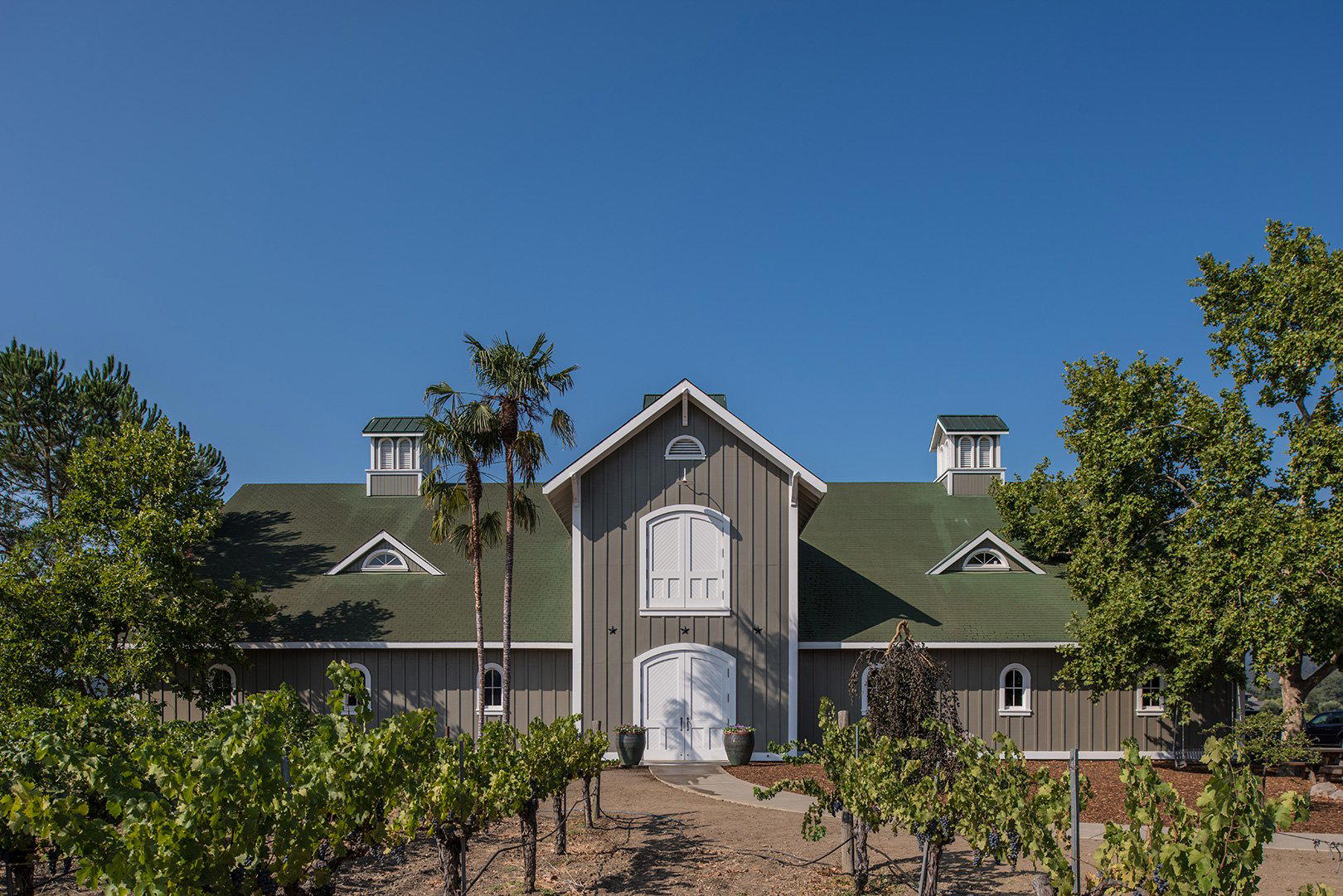
St. Helena has always occupied a particular position in Napa Valley's internal hierarchy. Flanked by Rutherford to the south and Calistoga to the north, it concentrates some of the appellation's oldest Cabernet Sauvignon plantings alongside a newer generation of small-production houses that have steadily redrawn what premium Napa looks like. That redrawn map no longer runs solely through large estate brands. It increasingly runs through smaller, critically recognised producers whose recognition comes through rating bodies and allocation lists rather than visitor-centre foot traffic. GRO Wines. It is a winery in St. Understanding what that placement means requires some context about how St. Helena's prestige tier has shifted over the past decade and where producers earning that level of recognition tend to position themselves.
A Recognition System and What It Signals
It sits within a tiered evaluation framework that weights wine quality, critical standing, and the consistency of a producer's output against its comparable set. For a St. Helena winery to hold that designation in 2025 places it in direct comparison with well-capitalised neighbours such as Accendo Cellars, Brand Napa Valley, and Dana Estates, all of which compete in the same narrow band of Napa production where vineyard sourcing, winemaking restraint, and critical reception define the competitive set. The award signals that GRO Wines is operating within that conversation, not merely adjacent to it.
This matters because St. Helena's prestige tier has become increasingly stratified. Established names like Charles Krug, which has operated in the valley since the 1860s and represents the historical anchor of the appellation, and Chappellet Winery, with its Pritchard Hill plantings dating to the late 1960s, represent one strand of St. Helena's identity: historical depth, large vineyard holdings, and a reputation built over generations. Against that backdrop, producers earning prestige ratings without the benefit of a five-decade track record are implicitly making an argument about quality over time.
The Evolution Question: How Prestige Producers Change
Editorial angle on any St. Helena producer in 2025 has to reckon with the evolution question. Napa's premium segment has been in a state of structural change since roughly the mid-2010s, when a wave of small-production, allocation-first houses began challenging the estate-scale model that had defined valley prestige since the 1990s. The shift was partly viticultural, partly economic, and partly about taste: critics and collectors began rewarding restraint, site specificity, and lower intervention at the same time that rising land values made large holdings increasingly difficult to assemble from scratch. New entrants either bought into existing estate infrastructure or built credibility through carefully sourced fruit from established vineyards, then earned their place through scores and word-of-mouth within the collector community.
GRO Wines fits the profile of a producer whose current standing reflects accumulated critical momentum rather than inherited infrastructure. It tells you where the producer sits now. What the broader Napa pattern does tell you is that prestige-tier producers at this level have generally navigated the tension between growth and exclusivity with some deliberateness: limiting production to protect quality signals, tightening allocation channels, and occasionally repositioning stylistically in response to critical feedback. The producers in GRO's comparable set that have held or improved their ratings over the past five years have tended to do so by resisting volume pressure and staying close to their strongest vineyard sources.
For comparison, the broader California winemaking scene shows how varied these evolutionary paths can be. Adelaida Vineyards in Paso Robles built prestige through a combination of estate farming and Rhône-variety focus over decades. Alban Vineyards in Arroyo Grande established its critical position through early commitment to varieties that the broader California market eventually followed. Alpha Omega Winery in Rutherford operates in GRO's immediate geographic neighbourhood and represents the Napa model of Bordeaux-variety focus with a broader production base. Each trajectory is different; the common thread is that prestige-tier standing at any California winery in 2025 reflects a series of choices that compounded over time, not a single vintage or decision.
St. Helena as a Production Address
The St. Helena appellation carries specific viticultural meaning that any prestige producer there benefits from by association and is simultaneously held to account by. The valley floor soils in this stretch of Napa, predominantly deep alluvial deposits with some volcanic influence on the eastern benchlands, produce Cabernet Sauvignon with a particular combination of structure and mid-palate weight that has drawn comparisons to the Pauillac model in Bordeaux. That association has never been merely stylistic flattery: the soil profiles, diurnal temperature swings, and vine age in St. Helena's established blocks have genuinely shaped a regional style that critics have recognised consistently across producers and decades.
Operating in that context places specific demands on producers. Vineyard access in St. Helena is constrained by the simple fact that particularly desirable blocks have long-term relationships with existing wineries. New or scaling producers either inherit those relationships, pay acquisition premiums for estate fruit, or build credibility on secondary sources before earning access to the valley's benchmark sites.
Other producers in the immediate area operating at comparable recognition levels include Accendo Cellars and Brand Napa Valley, both of which sit within the same prestige conversation and draw from the valley's upper-tier vineyard sources. Visitors with a serious interest in Napa's current critical hierarchy should treat the winery as part of a tasting itinerary that maps this tier rather than treating any single producer as a standalone destination.
California in a Wider Frame
St. Helena's prestige tier sits at the summit of a California wine hierarchy that extends well beyond Napa. Adelsheim Vineyard in Newberg anchors Oregon's Willamette Valley Pinot tradition at a similar prestige level. Alexander Valley Vineyards in Geyserville represents the Sonoma strand of premium Cabernet production. Andrew Murray Vineyards in Los Olivos and Artesa Vineyards and Winery in Napa each illustrate how California's premium tier has diversified beyond the Napa Cabernet monoculture that defined the state's international reputation in the 1990s and 2000s. Even producers outside the American frame, such as Achaia Clauss in Patras and Aberlour in Scotland, point to how regional prestige systems operate on similar principles of accumulated critical recognition and site-specific distinctiveness across different production contexts.
The winery, from its St. Helena address, competes within the internationally scrutinised slice of that broader hierarchy.
Planning a Visit
At the prestige tier in St. Helena, reservation-only access is the prevailing model rather than the exception: most producers at this level have moved away from walk-in availability, and the practical reality is that contacting the winery directly or checking its website for current access information is the only reliable path. Allocation list membership, where it applies, often precedes tasting access at houses operating at this recognition level. Visitors planning a St. Helena itinerary around prestige producers should allow adequate lead time and treat booking confirmation as a prerequisite rather than an assumption. The winery operates by appointment only.
Budget and Context
Comparable venues nearby, for context on price, style, and recognition.
| Venue | Price | Notes |
|---|---|---|
| GRO WinesThis venue — the venue you are viewing | $$$ | Not listed |
| The Prisoner Wine Company | $$$ | St. Helena, Zinfandel, Cabernet Sauvignon |
| Corison Winery | $$$ | St. Helena, Cabernet Sauvignon |
| Barnett Vineyards | $$$ | Spring Mountain District, Cabernet Sauvignon, Petit Verdot |
| Merryvale Vineyards | $$$ | St. Helena, Cabernet Sauvignon, Chardonnay |
| Crocker & Starr Wines | $$$ | St. Helena, Cabernet Franc, Cabernet Sauvignon |
Continue exploring
More in St. Helena
Wineries in St. Helena
Browse all →

Bars in St. Helena
Browse all →

Restaurants in St. Helena
Browse all →
At a Glance
- St. Helena AVA