
Terra Kisi Winery is a small Tbilisi-area producer working through Georgian qvevri tradition, natural winemaking and a portfolio that spans Kisi, Khikhvi, Mtsvane, Krakhuna, Chardonnay and Saperavi. Its profile is strongest for travelers trying to understand how Kakheti’s grape culture translates into an urban winery format rather than a vineyard-resort model.

Pearl is the En Primeur Club membership app — saves, bookings, and concierge access live there. Same editors, same standards.

Terra Kisi Winery is best framed as a boutique winery in Tbilisi with a Georgian-heritage atmosphere rather than as a large, spectacle-driven wine venue. The draw is its focus on qvevri winemaking and a style that blends indigenous Georgian influence with French influence. That makes it a useful stop for travelers who want a quieter, more grounded introduction to Georgian wine culture while staying within the city.
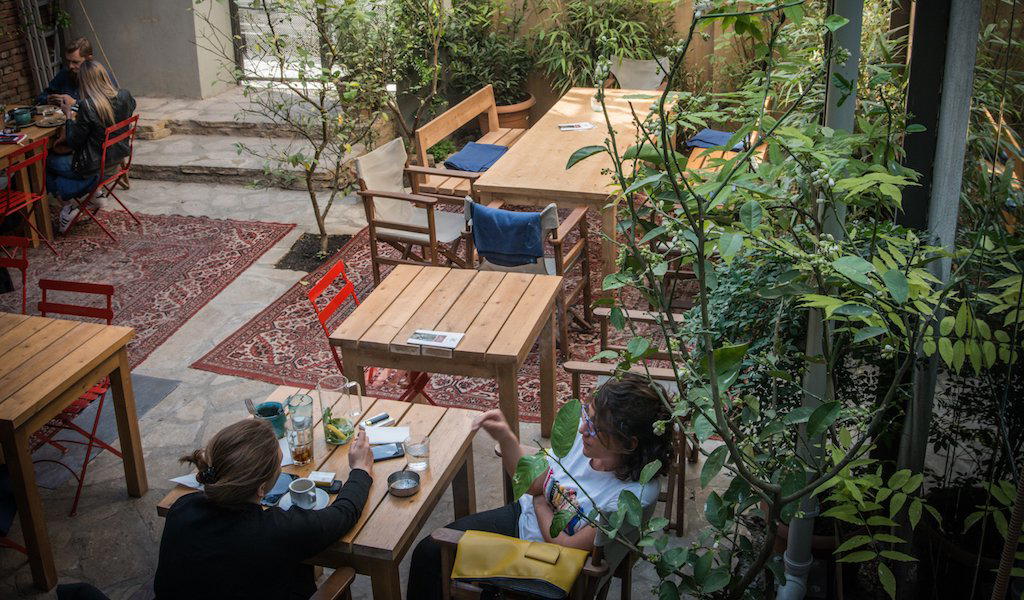
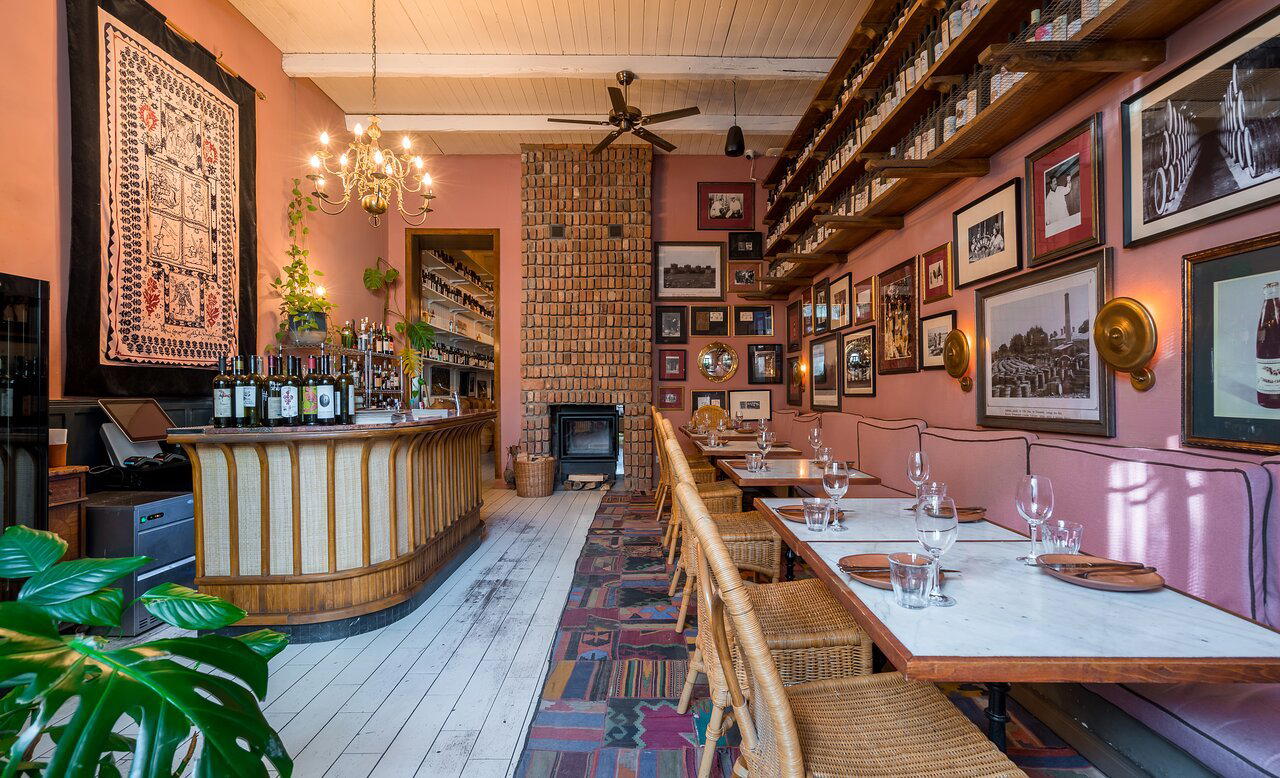
The appeal here is not built on a long list of confirmed amenities, awards, production figures or named dishes. The reliable picture is simpler: Terra Kisi Winery is described as rustic, quiet, authentic and somewhat hidden-gem in character. Visitors should therefore approach it as a place for atmosphere and wine context, not as a fully documented restaurant, bar or estate experience with every service detail publicly established.
Qvevri tradition translated into a compact Tbilisi winery
The clearest feature is the winery’s focus on qvevri winemaking. In Georgian wine culture, qvevri are more than decorative heritage objects; they are central to how many people understand the country’s wine identity. For a traveler in Tbilisi, a venue organized around that tradition offers a direct point of contact with one of Georgia’s most recognizable wine practices.
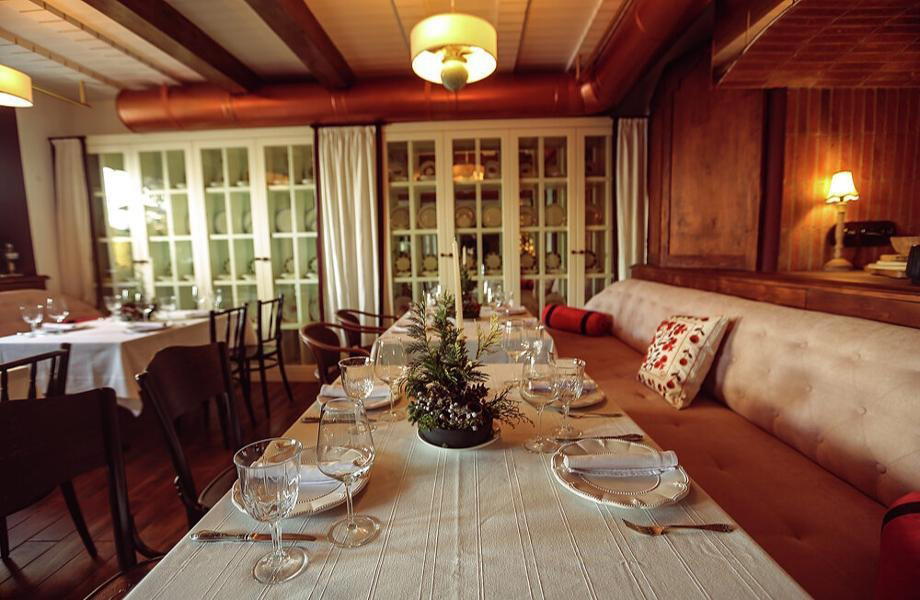
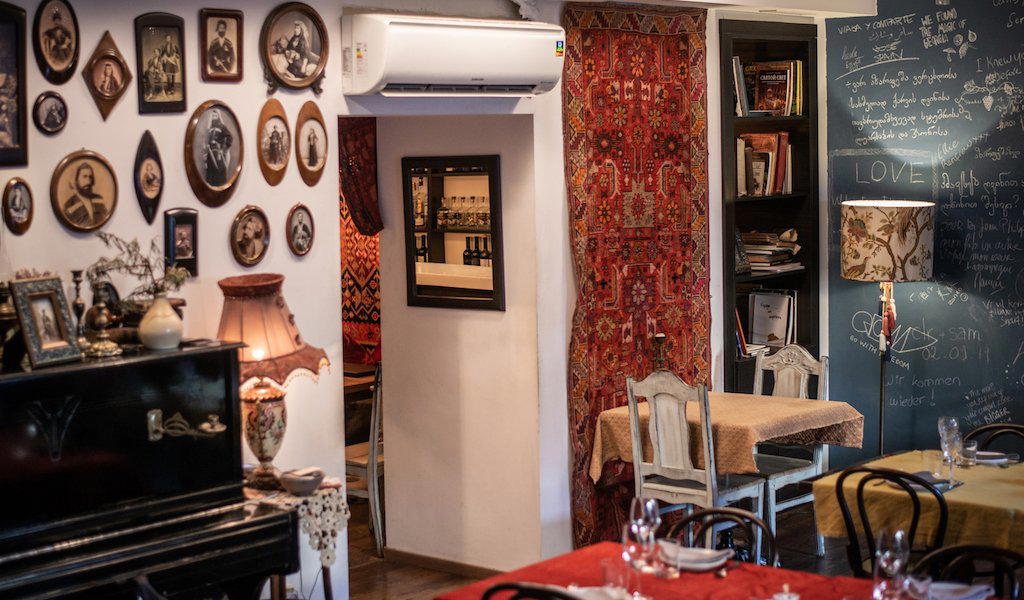
Terra Kisi Winery’s atmosphere is described as boutique and rooted in Georgian heritage. That matters because the venue’s strength is not confirmed through a named chef, a precise tasting format, a published seat count, a particular menu structure or a documented awards history. Its editorial value comes from the character of the place: Georgian heritage, qvevri focus, indigenous influence and a quieter setting.
The French influence should be read carefully and broadly. It is as part of the venue’s identity, but the available facts do not support claims about specific training, named techniques, winemaking staff, bottle ranges or production scale. The safest interpretation is that winery presents Georgian qvevri culture with some French-influenced sensibility, without turning that into a more detailed technical claim than the public record supports.
Kakheti as reference point, Tbilisi as access point
For planning purposes, particularly important location fact is simple: the winery is in Tbilisi. No more specific address, district or landmark should be treated as here. That city-level location is still meaningful, because Tbilisi is where many visitors first encounter Georgian wine before deciding whether to explore the country more deeply.
A Tbilisi winery with a qvevri focus can help orient travelers to the broader language of Georgian wine without requiring the page to invent details about tastings, vineyard access, food pairings or appointment rules. The profile supports a more modest recommendation: consider the winery when you want a quiet, authentic-feeling venue that emphasizes Georgian winemaking heritage.
The atmosphere is also part of the planning value. “Rustic,” “quiet,” “” and “authentic” point toward a lower-key experience than a high-polish hospitality venue. Those descriptors do not confirm the size of the room, the availability of tours, the presence of a formal tasting menu or any specific service model. They do, however, give a useful expectation: this is better suited to guests seeking calm and context than those looking for a loud, nightlife-style stop.
Treat the winery primarily as a winery venue in Tbilisi and confirm practical details directly with the venue before making plans.
How to place it within a Georgian wine itinerary
The winery fits best as a focused Tbilisi stop for visitors interested in qvevri, Georgian heritage and a quieter boutique-winery atmosphere. It is especially relevant for travelers who want their wine itinerary to include a setting that feels connected to local tradition rather than a generic tasting stop.
The price category is as $$. That suggests a moderate positioning, but it should not be converted into a specific spend, tasting fee or bottle price. Without confirmed menus or packages, the price marker is best used only as a broad planning signal.
When comparing it with other dining or drinking options in Tbilisi, keep the comparison general. The winery is not being recommended here because of a confirmed award, a famous kitchen, a landmark address or a detailed published program. It is distinctive because the profile is coherent: boutique Georgian winery atmosphere, qvevri focus, indigenous and French influences, rustic quietness and an authentic hidden-gem feel.
The honest editorial case is therefore concise: choose the winery if you want a Tbilisi venue centered on Georgian qvevri identity in a quiet, heritage-rooted setting. Do not choose it on the basis of assumptions about named grape varieties, formal tasting appointments, production numbers, food service, awards or detailed cellar practices. With expectations set correctly, it can function as a grounded, low-key way to place Georgian wine culture into a Tbilisi itinerary.
Recognition history
Dated appearances from independent guides and award organizations, with the underlying list record or original source where available.
Falstaff Winery - Listed
Falstaff
Continue exploring
More in Tbilisi
Wineries in Tbilisi
Browse all →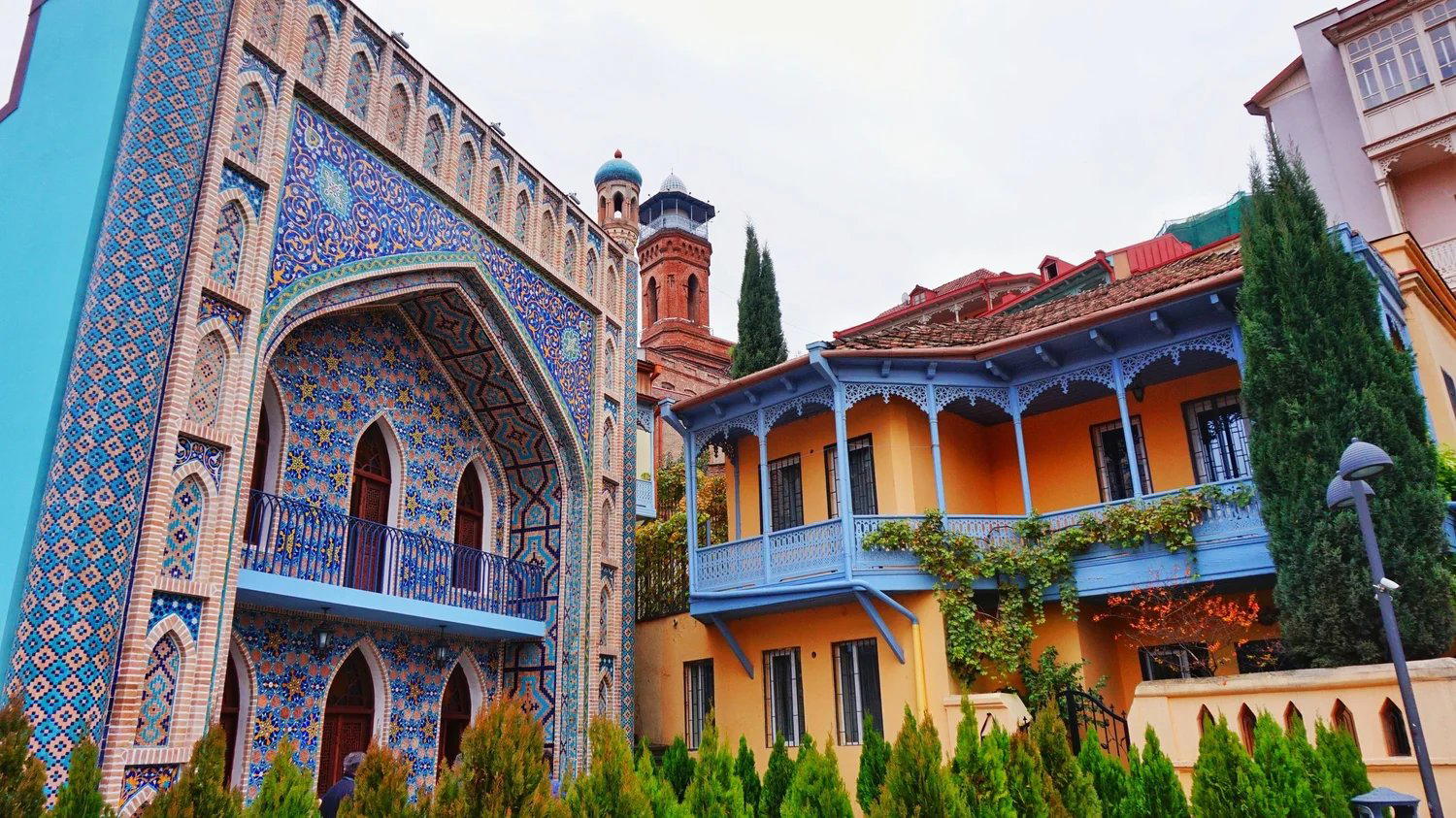
Bars in Tbilisi
Browse all →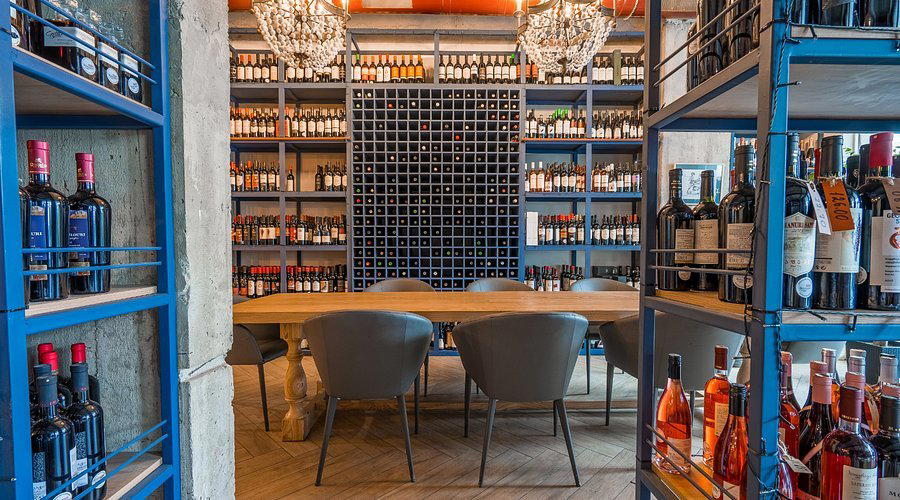
Restaurants in Tbilisi
Browse all →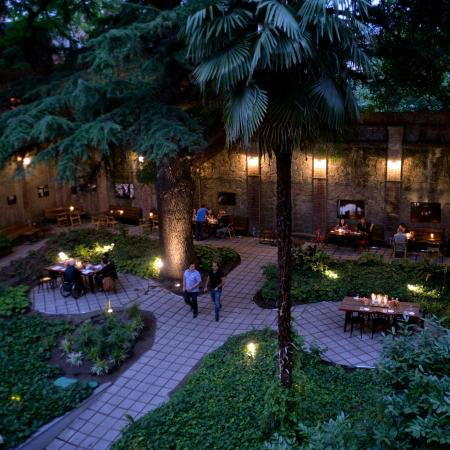


At a Glance
- Rustic
- Quiet
- Wine Education
- Solo Exploration
- Group Outing
- Kakheti
- Kisi
- Khikhvi
- Chardonnay
- Mtsvane
- Krakhuna
- Saperavi
- Still White
- Orange
- Still Red
- Winery Visit
- Tasting
A boutique winery atmosphere rooted in Georgian heritage, with a focus on qvevri winemaking and a blend of indigenous and French influences.