Tapanappa

Tapanappa occupies a precise address in Piccadilly Valley, one of the Adelaide Hills' coolest and most elevation-driven sub-regions.. For anyone tracing how South Australian cool-climate viticulture has matured, Piccadilly Valley is the argument, and Tapanappa is a primary piece of evidence.
Pearl is the En Primeur Club membership app — saves, bookings, and concierge access live there. Same editors, same standards.
- Address
- 15 Spring Gully Rd, Piccadilly SA 5151
- Phone
- +61 8 7324 5301
- Website
- tapanappa.com.au
- Directions
- Get directions
 Saves & bookings on Pearl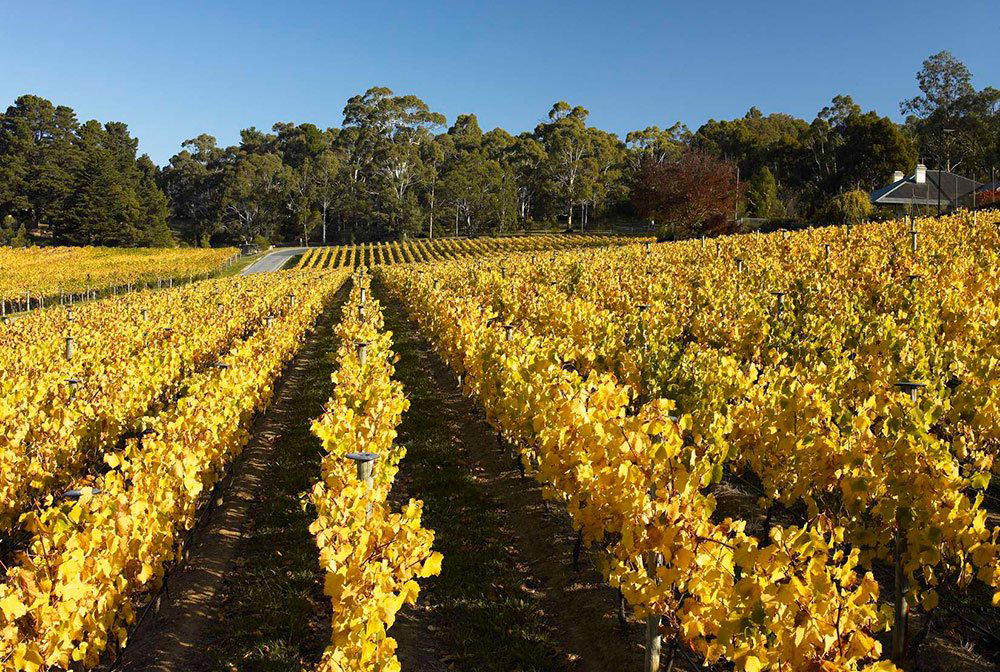
Piccadilly Valley and the Logic of Elevation
The Adelaide Hills is not a monolithic region. It fractures into distinct thermal pockets as altitude rises, and Piccadilly Valley sits among the coolest of them, with elevations that strip heat summation down to levels more associated with Tasmania or the southern reaches of Victoria than the rest of South Australia. The result is a growing season that stretches, an acid retention that stays intact, and a phenolic development that rarely rushes. Wineries that have chosen to work here, rather than in the warmer plains below, have made a structural decision about what kind of wine they want to make.
Tapanappa, at 15 Spring Gully Road, is one of the producers that has organised itself entirely around that decision. The address places it in a sub-region where late ripening is not a liability but an asset, where Chardonnay and Pinot Noir have the elongated hang time that allows flavour complexity to build without sacrificing the tension that defines the style. Tapanappa represents the kind of producer that shaped the valley's reputation rather than arrived after it was established.
How the Land Reads in the Glass
Piccadilly Valley's soils shift between sandy loams and decomposed granite, and the distinction matters. Granite-derived sites tend to produce wines with a mineral register that is difficult to replicate elsewhere, a combination of textural grip and saline precision that persists through fermentation and into the finished wine. The valley's orientation also channels cool air from the Mount Lofty Ranges, keeping canopy temperatures moderated even during peak summer, which is what allows acidity to remain a structural backbone rather than a problem to be managed.
At elevations where producers like Tapanappa operate, the comparison shifts away from warmer Adelaide Hills appellations and toward producers in regions where restraint is the default register. The cool-climate Pinot and Chardonnay tradition in Australia runs from Mornington Peninsula through Gippsland, where Bass Phillip in Gippsland has built a comparable reputation for site specificity and low-intervention precision, to the refined pockets of South Australia that Tapanappa calls home.
What distinguishes Piccadilly Valley as a sub-region is the consistency of its thermal signature. Unlike areas that warm dramatically in February and force harvest decisions, the valley's diurnal range stays wide through the critical final weeks of ripening. That gap between daytime highs and overnight lows is what locks in aromatic complexity and keeps the wine tasting like a place rather than a season.
Prestige Recognition in Context
Ratings at this level in the Australian fine wine context function less as individual snapshots and more as accumulated evidence, reflecting consistency across vintages, site expression, and the kind of winemaking discipline that does not change with market trends.
Within South Australia, the producers typically grouped at this recognition tier include names like Bird in Hand in Adelaide Hills, which works a different temperature corridor of the Hills with a broader portfolio, and, at the warmer, Cabernet-led end of the state, producers across the Barossa and McLaren Vale whose identity is built on extraction and age-worthiness rather than the cool-climate precision Tapanappa pursues. The distinction matters: these are not interchangeable experiences.
For comparison across other Australian regions, the field of prestige-rated producers includes the long-established names of All Saints Estate in Rutherglen, where the focus is fortified wine and heritage rather than cool-climate varietals, and Angove Family Winemakers in Renmark, operating in a dramatically warmer Riverland climate. The contrast in regional identity underlines how different the Piccadilly Valley proposition is: this is not a region that competes on warmth, volume, or accessibility of style.
The Adelaide Hills in Broader Australian Context
South Australia's wine identity has been shaped disproportionately by two warm-climate benchmarks: the Barossa's Shiraz and Coonawarra's Cabernet. The Adelaide Hills, and Piccadilly Valley within it, represents a corrective tradition that has been building since the 1970s, when early plantings established that the region could sustain varieties that struggle in the rest of the state. That history is now long enough that the area's cool-climate credentials are not aspirational but documented, with decades of vintage data supporting the case for Chardonnay and Pinot Noir as the region's structural anchors.
The producers that have stayed closest to the valley's original logic, working at elevation with varieties suited to the thermal signature, have built portfolios that age in ways that surprise visitors expecting forward, fruit-dominant Australian wine. The tannin structure in a Piccadilly Pinot from a cooler vintage reads more like a cool-continental register than a New World one, and the leading Chardonnays from the area carry an acid drive that extends their drinking window well beyond what warmer-climate equivalents can sustain.
This regional identity sits in deliberate contrast to the commercial giants of Australian wine. Where Casella Family in Griffith operates at scale for a global market, or Brown Brothers in King Valley covers a wide stylistic range for broad accessibility, Piccadilly Valley producers have largely held to a narrower brief: site-specific, lower-volume, structured for ageing rather than immediate consumption.
Planning a Visit
Tapanappa is located at 15 Spring Gully Road in Piccadilly, SA 5151, in a part of the Adelaide Hills that rewards deliberate travel rather than spontaneous stops. The valley sits roughly 30 minutes southeast of the Adelaide CBD by road, though the drive itself involves elevation gain and switchbacks that make the approach feel more removed than the distance suggests. Visitors planning a day across the Hills would do well to combine Piccadilly with the adjacent Lenswood and Summertown areas, which share a similar cool-climate identity and collectively make a case for the Hills as a serious alternative to Barossa-focused itineraries.
For context on how other premium Australian producers handle visitation and allocation, the contrast with more visitor-infrastructure-heavy operations like Brokenwood in Hunter Valley or Cape Mentelle in Margaret River is instructive. Those regions have invested heavily in cellar-door tourism infrastructure; Piccadilly Valley has tended toward a more production-focused model, where the wine is the primary object and the experience is built around it.
In Context: Similar Options
Comparable venues nearby, for context on price, style, and recognition.
| Venue | Cuisine | Price | Notes |
|---|---|---|---|
| TapanappaThis venue — the venue you are viewing | Chardonnay, Pinot Noir | $$ | Not listed |
| S.C. Pannell | Grenache, Shiraz | $$ | McLaren Vale |
| Kay Brothers | Shiraz, Grenache | $$ | McLaren Vale |
| Spinifex | Shiraz, Grenache Noir | $$ | Barossa Valley |
| Joshua Cooper Wines | Winery | Not listed | Heathcote |
| Mountain Ridge Winery | Shoalhaven Coast | $$ | Shoalhaven Heads / Berry – Coolangatta Mountain ridge |
Recognition history
Dated appearances from independent guides and award organizations, with the underlying list record or original source where available.
Falstaff Winery - Listed
Falstaff
Continue exploring
More in Piccadilly Valley
Wineries in Piccadilly Valley
Browse all →
Bars in Piccadilly Valley
Browse all →
Restaurants in Piccadilly Valley
Browse all →


At a Glance
- Scenic
- Rustic
- Elegant
- Quiet
- Intimate
- Wine Education
- Solo Exploration
- Special Occasion
- Vineyard Tour
- Estate Grounds
- Panoramic View
- Vineyard
- Mountain
- Piccadilly Valley
- Chardonnay
- Pinot Noir
- Riesling
- Still White
- Cellar Door Tasting
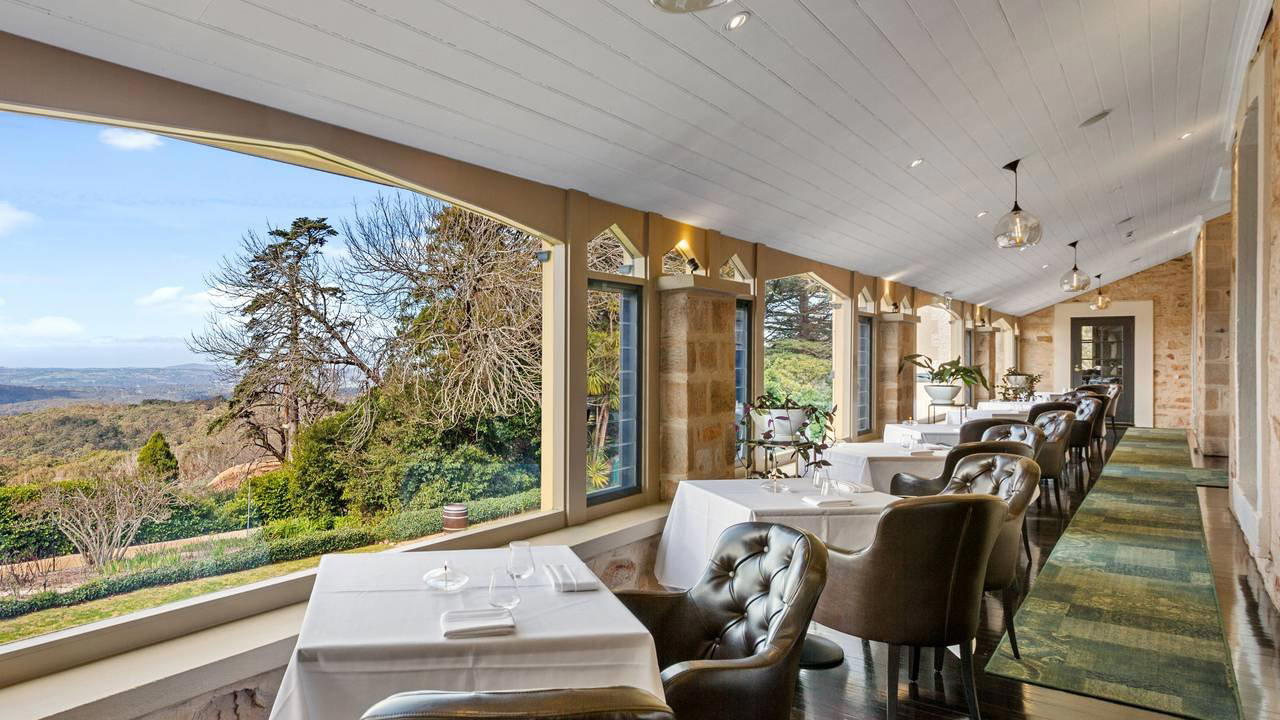
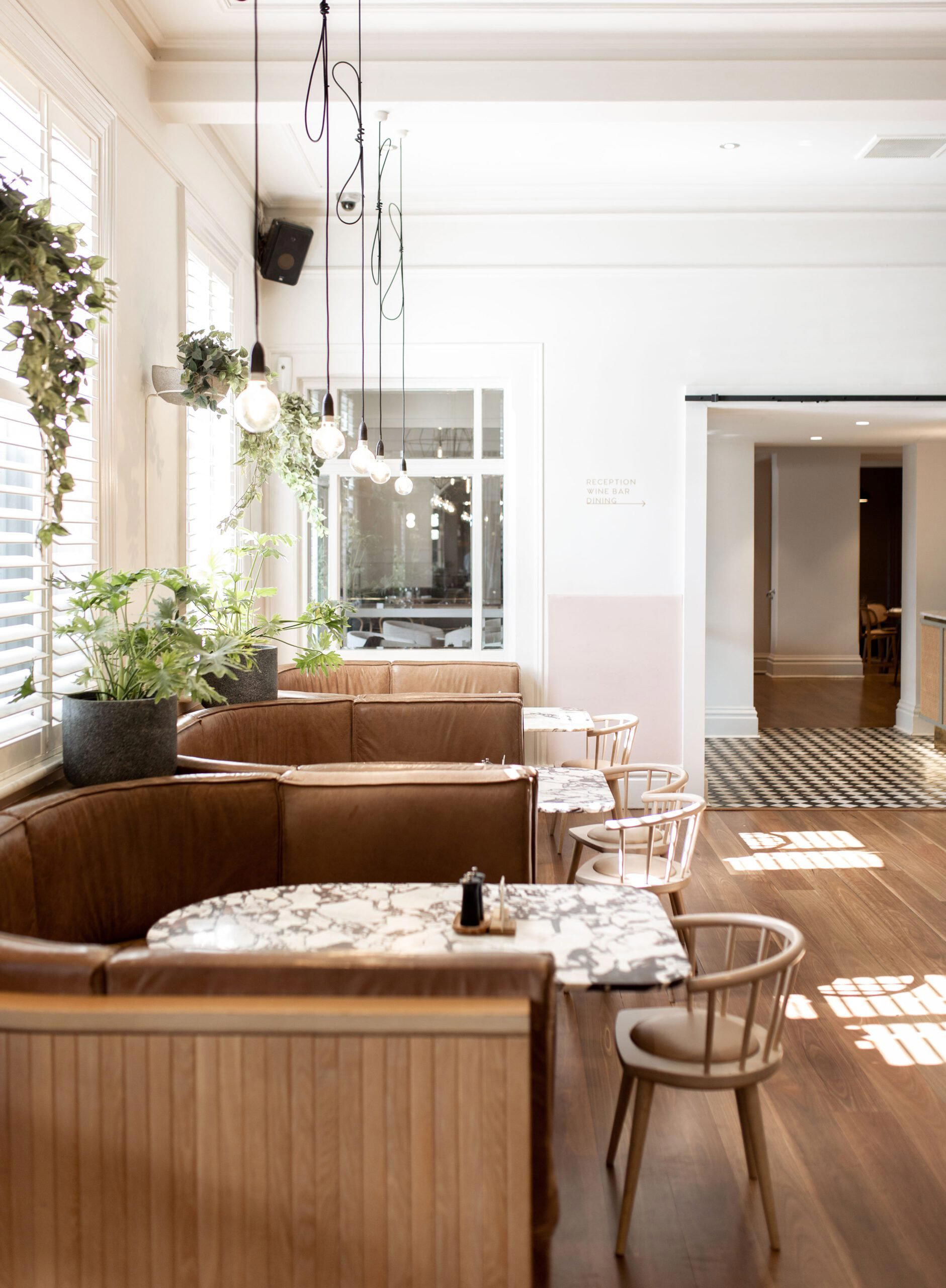
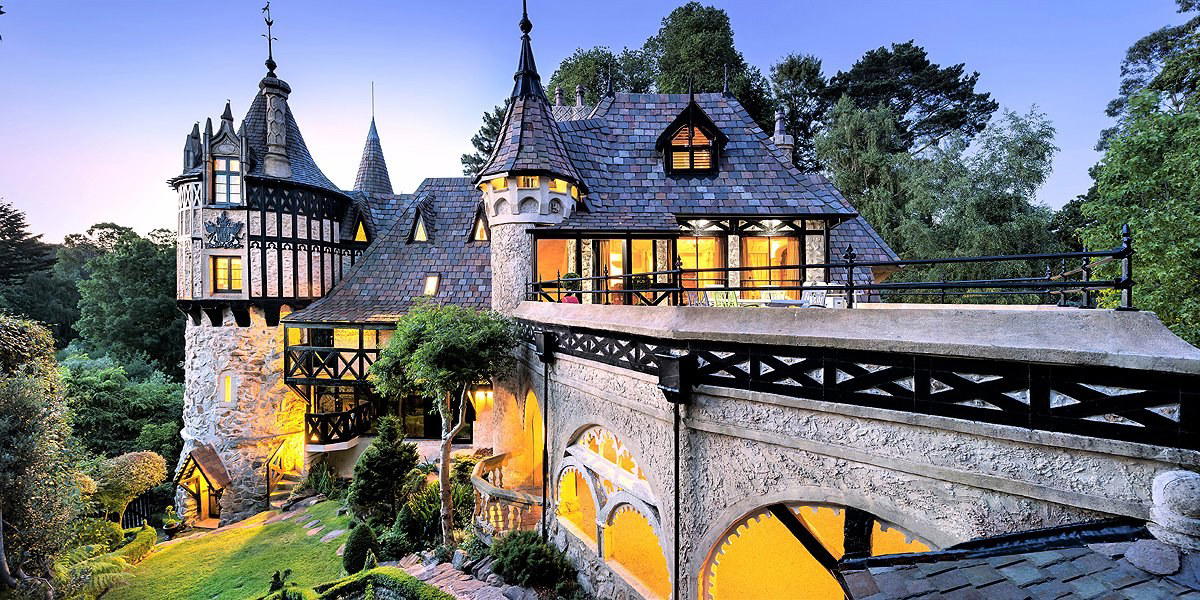
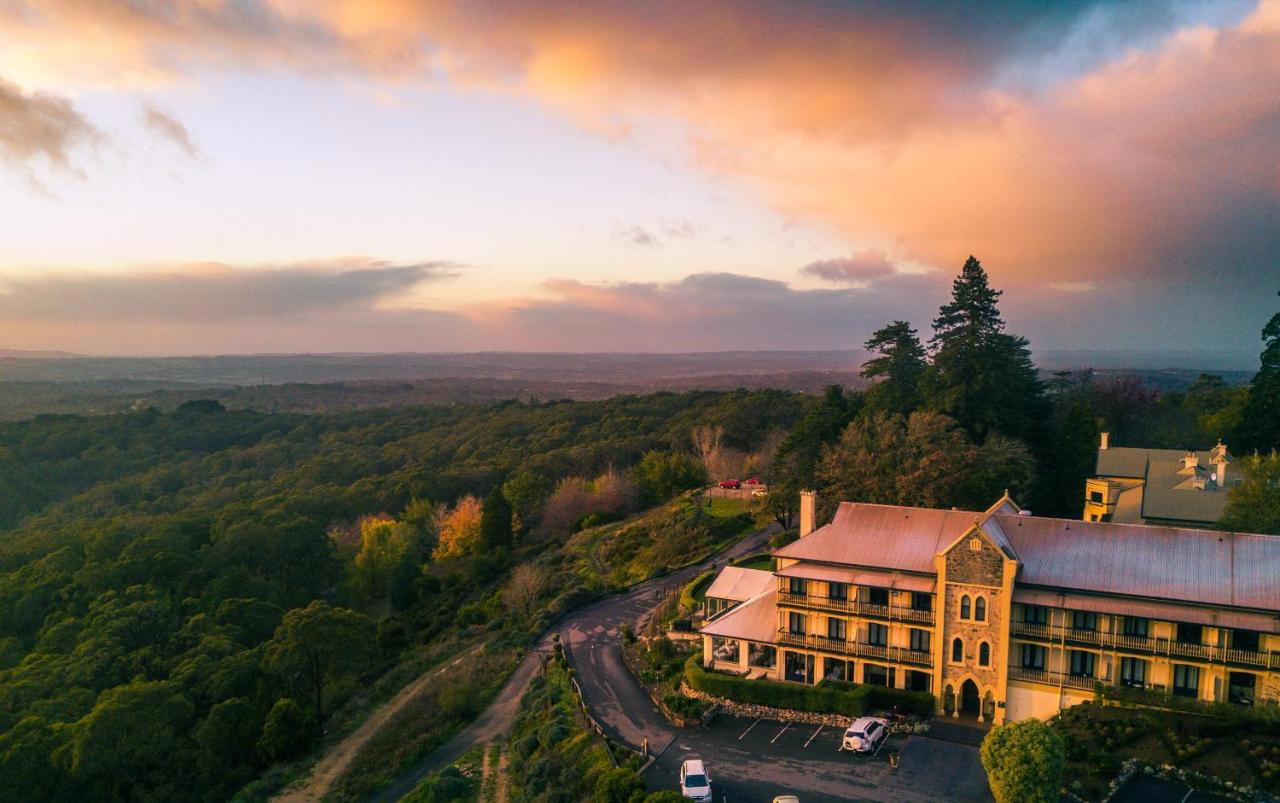
Pleasant, spacious cellar door with beautiful vineyard outlook, relaxed atmosphere well-suited for enjoying tastings and escaping the hustle.