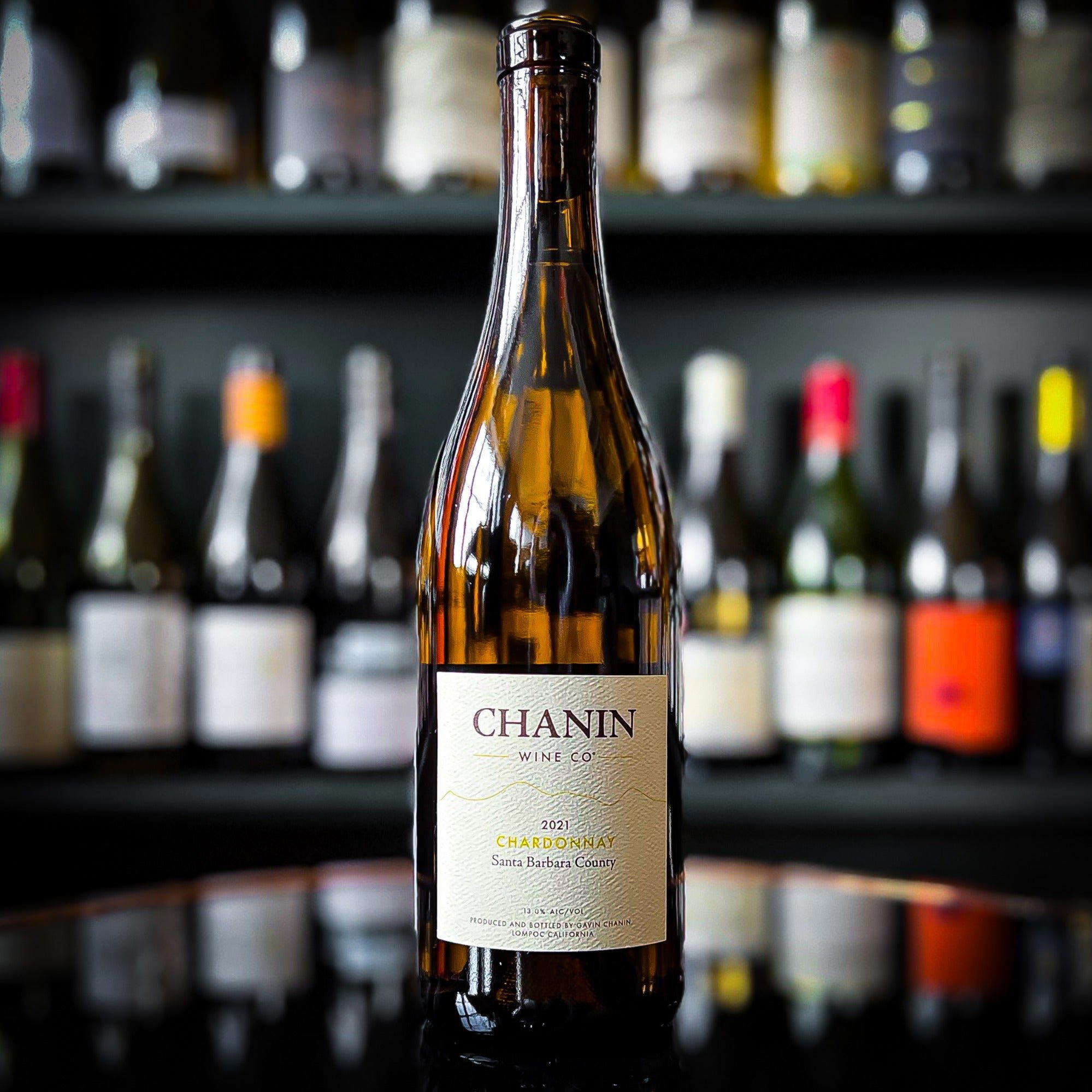
Chanin Wine Co.
Chanin Wine Co. operates from Lompoc's Wine Ghetto, a compact industrial corridor that has become one of California's most concentrated addresses for Pinot Noir and Chardonnay.. For visitors tracking Santa Barbara County's restraint-led wine movement, it is a logical stop on any serious itinerary.

Pearl is the En Primeur Club membership app — saves, bookings, and concierge access live there. Same editors, same standards.
- Address
- 300 N 12th St, Lompoc, CA 93436
- Phone
- (805) 345-6544
- Website
- chaninwine.com
- Directions
- Get directions
Lompoc's Wine Ghetto and the Case for Industrial Cool
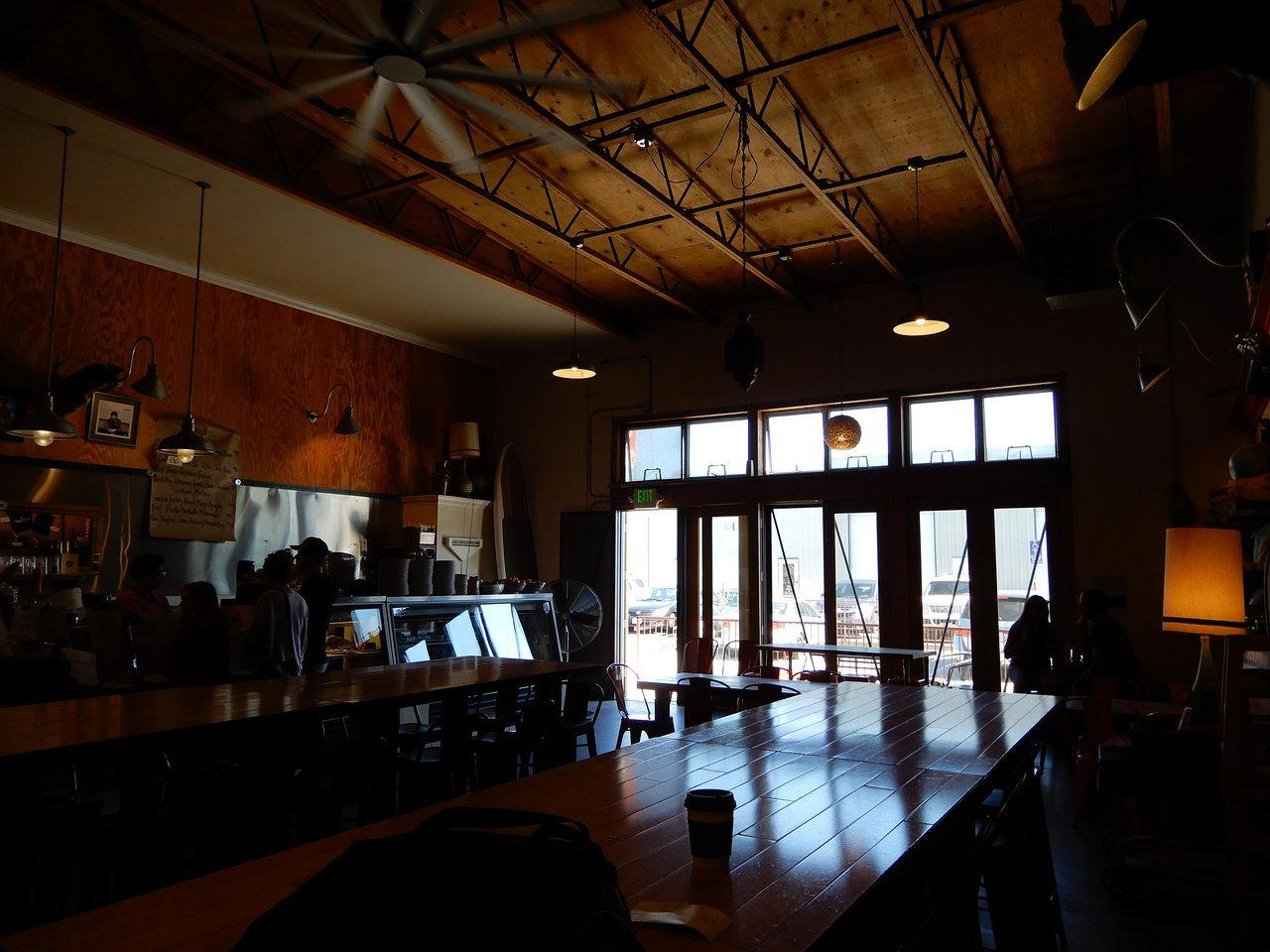
There is a particular quality to wine districts that have formed inside repurposed industrial space rather than around vineyard estate houses. Lompoc's Wine Ghetto, a cluster of working producers operating out of warehouse units along the city's grid streets, belongs to this category. The format strips away the ceremony: no sweeping driveways, no manicured grounds, just the product in the glass and the conversation around it. Chanin Wine Co. at 300 N 12th Street, occupies that environment, and the tasting experience is shaped by it in ways that matter to anyone who finds estate-house theatre a distraction from the wine itself.
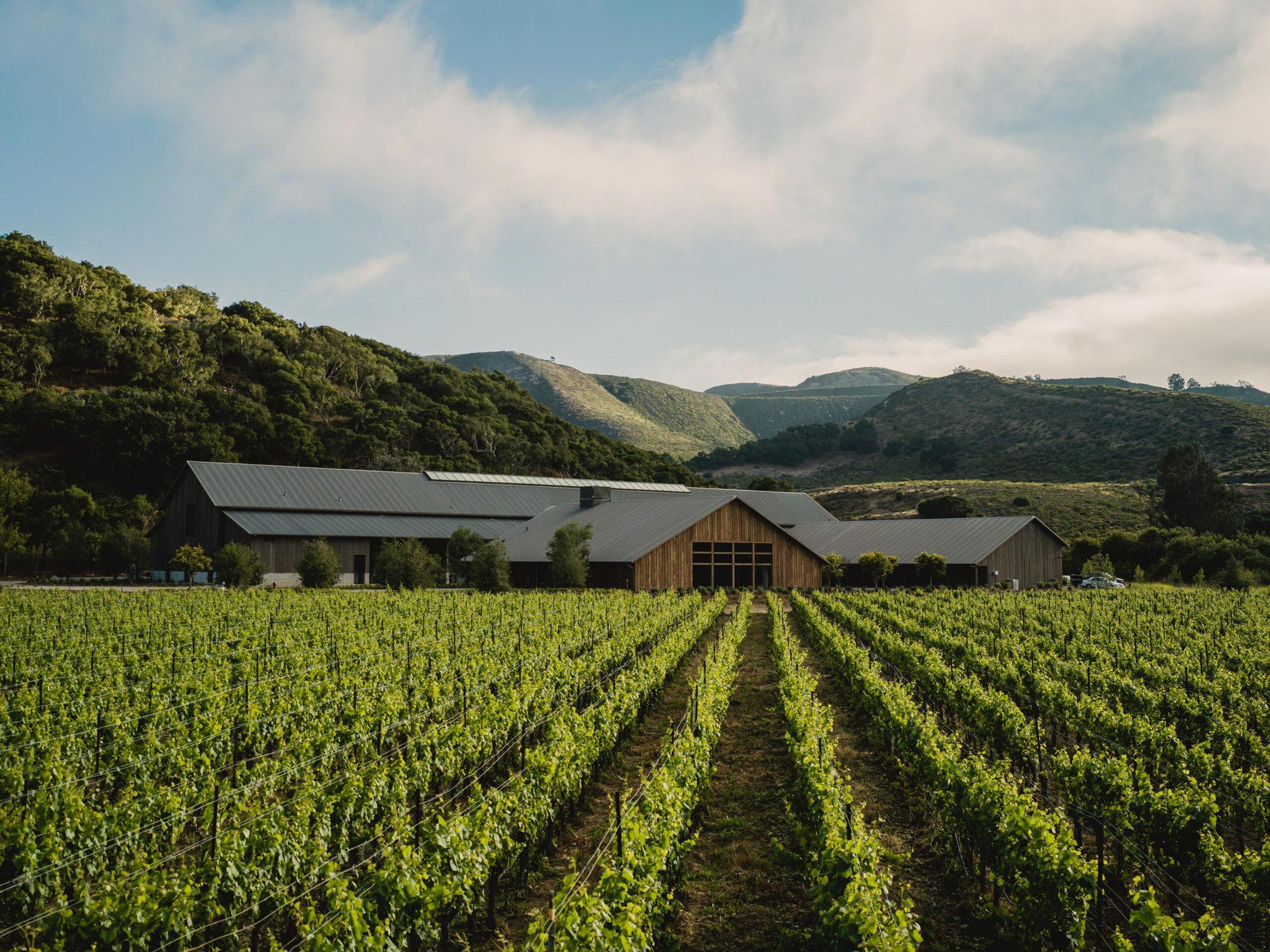
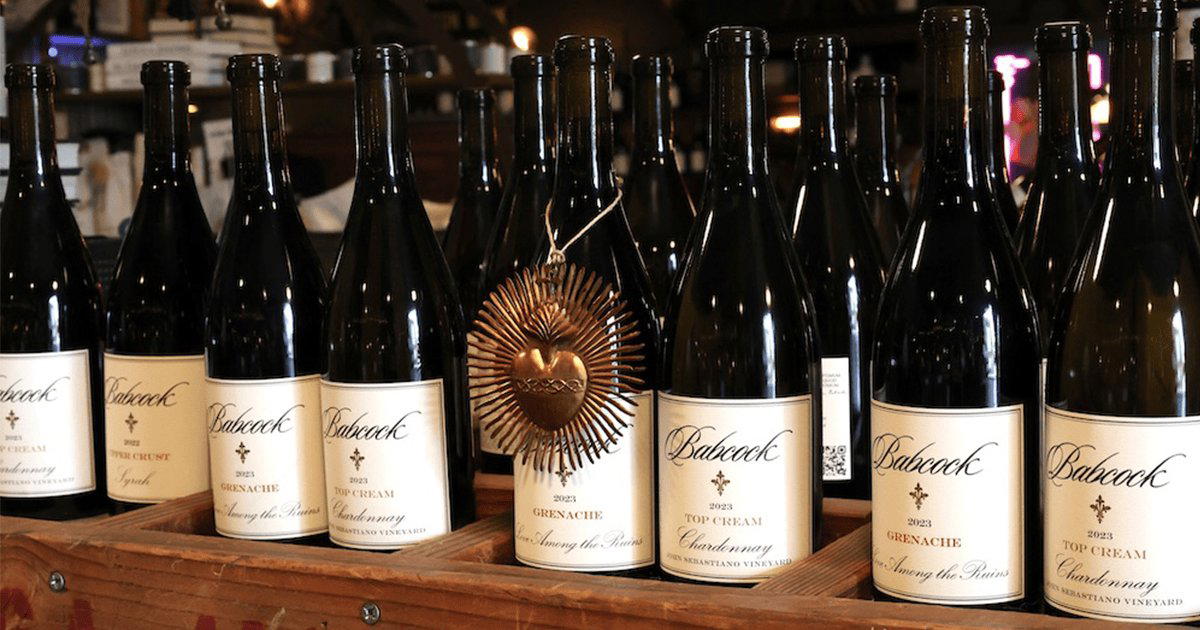
The Wine Ghetto model is not unique to Lompoc, but few places have executed it with the concentration of serious producers that this stretch of Santa Barbara County has accumulated. Brewer-Clifton Winery, Fiddlehead Cellars, and Babcock Winery and Vineyards operate nearby, creating a walking circuit that rewards visitors willing to plan across multiple tastings in a single afternoon. The density is part of the argument for Lompoc as a destination in its own right, distinct from the Santa Ynez Valley's more tourist-oriented wine corridor.
A Prestige-Tier Producer in a Low-Ceremony Setting
For context, that rating tier is reserved for producers where quality consistency, regional expression, and overall program depth have been verified against a competitive field. It is not a participation credential.
The competition in this space is real: Santa Barbara County has developed a dense roster of producers working with similar source material, which means differentiation comes through vineyard selection, handling philosophy, and the discipline to let vintage variation speak rather than smooth it out. Chanin's recognition within that context carries weight.
Broader California comparisons are instructive. Napa's premium tier is dominated by Cabernet programs with price points and allocation structures that operate on different logic entirely. Producers like Accendo Cellars in St. Helena or Alpha Omega Winery in Rutherford work within that Cabernet-forward framework. Chanin represents a different California argument: that the state's most interesting Pinot Noir and Chardonnay conversation is happening in the cool coastal counties, not in the valley floor estates that dominate the broader market narrative.
The Tasting Room Experience: What to Expect
Tasting rooms in the Wine Ghetto tend toward the functional rather than the theatrical, and that is not a criticism. The warehouse-unit setting at Chanin means the environment communicates seriousness about the product over hospitality staging. Visitors arrive at a working winery address rather than a designed visitor experience, and the interaction that follows tends to be more technically grounded as a result. Staff conversations in this format typically track closer to what is actually in the glass: vineyard source, growing season conditions, where a particular bottling sits relative to the broader portfolio.
For visitors accustomed to estate tastings at properties like Adelaida Vineyards in Paso Robles or Alban Vineyards in Arroyo Grande, the tonal shift in Lompoc is noticeable. The Wine Ghetto's producers are largely built around trade and allocation relationships rather than walk-in visitor volume, which means tasting room access is worth confirming in advance. Checking Chanin's current hours and booking availability before visiting is direct planning, not optional due diligence.
The concentrated cluster of producers along this corridor also means a single visit to Lompoc can cover significant ground. Factoring in stops at Fiddlehead Cellars and Brewer-Clifton alongside Chanin creates a tasting arc that maps the range of approaches operating within the same cool-climate source material. That kind of lateral comparison, tasted across a single afternoon, is more instructive than any single estate visit.
Santa Barbara County's Cool-Climate Case
Santa Barbara County's wine identity rests on transverse mountain ranges that pull cold Pacific air directly inland, a geography that distinguishes it from most of California's other premium wine regions. The result is a growing season defined by long hang time and relatively low alcohol potential, conditions that suit Pinot Noir and Chardonnay in ways that have attracted producers from Burgundy-trained backgrounds and restraint-oriented philosophies for decades.
That regional character connects to a wider network of cool-climate producers across the American West. Adelsheim Vineyard in Newberg operates within Oregon's Willamette Valley framework, where comparable Pacific influence shapes Pinot programs at a different latitude. The conversation between these two regions, California's Santa Barbara coast and Oregon's Willamette, is one of the more interesting ongoing debates in American wine, with Santa Barbara increasingly asserting parity on quality and distinctiveness of site. Chanin's positioning within that Santa Barbara argument, recognised at the prestige tier, reflects a program that has developed a coherent regional voice rather than simply tracking global fashion.
Producers working adjacent Rhone and Syrah programs, like Andrew Murray Vineyards in Los Olivos, add texture to the county's overall range without displacing the Pinot and Chardonnay narrative. The breadth makes Santa Barbara County a more complete wine destination than a single-variety region, even as the cool-climate Burgundian program remains its clearest critical identity.
Planning a Visit to Chanin Wine Co.
Chanin Wine Co. is located at 300 N 12th Street in Lompoc, within the Wine Ghetto cluster. Visitors coming from Santa Barbara city travel roughly an hour northwest; those arriving from San Luis Obispo approach from the north on the 101 corridor. Lompoc itself is a working agricultural and industrial town rather than a wine tourism village, which keeps accommodation options modest. Most visitors base themselves in Santa Barbara or Buellton and drive up for a focused tasting session rather than an overnight stay. For a broader view of what the city's wine scene offers in a single trip, the full Lompoc restaurants and wineries guide maps the circuit usefully.
Given that Wine Ghetto producers frequently operate limited tasting room hours and some work primarily by appointment, confirming current availability directly with Chanin before making the drive is the reliable approach.
For comparison across California's wider premium wine geography, producers like Alexander Valley Vineyards in Geyserville illustrate how different the Sonoma-Napa corridor operates, both in variety profile and visitor infrastructure. The Wine Ghetto model is deliberately leaner, and for visitors who find that focus clarifying rather than limiting, Chanin Wine Co. is a logical destination within it.
Style and Standing
Comparable venues nearby, for context on price, style, and recognition.
| Venue | Cuisine | Price | Awards | Notes |
|---|---|---|---|---|
| Chanin Wine Co.This venue — the venue you are viewing | Pinot Noir, Chardonnay | Not listed | Not listed | Not listed |
| The Hilt | Winery | $50–100 | Not listed | Lompoc |
| Sanford Winery | Pinot Noir, Chardonnay | Not listed | Not listed | Sta. Rita Hills |
| Domaine de la Cote | Pinot Noir, Chardonnay | Not listed | Falstaff Winery - Listed | Lompoc Wine Ghetto |
| Fiddlehead Cellars | Sauvignon Blanc, Pinot Noir | $10–20 | Not listed | Lompoc Wine Ghetto |
| Sandhi Wines | Chardonnay, Pinot Noir | Not listed | Falstaff Winery - Listed | Lompoc |
Continue exploring
More in Lompoc
Wineries in Lompoc
Browse all →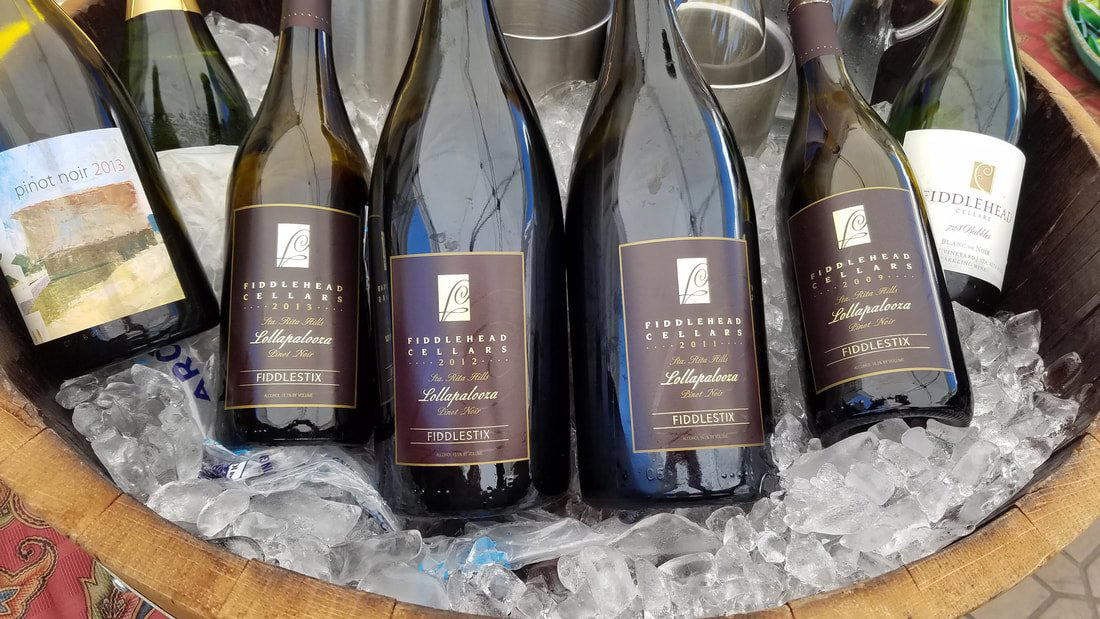
Bars in Lompoc
Browse all →

Restaurants in Lompoc
Browse all →

Details
- Rustic
- Intimate
- Elegant
- Wine Education
- Solo Exploration
- Private Tasting
- Sustainable
- Organic
- Vineyard
- Pinot Noir
- Chardonnay
- Still Red
- Still White
- Private Tasting
Elegant and refined atmosphere focused on authentic wine tasting in a spacious Lompoc winery facility emphasizing vineyard character and balance.