Skyview Los Alamos

Skyview Los Alamos sits along Highway 101 in the Santa Ynez Valley, where wine country's working-town character meets an increasingly polished hospitality scene. The property occupies a position between the area's historic motor-lodge heritage and the design-conscious lodging that has reshaped Los Alamos over the past decade. For travelers moving between Santa Barbara and wine country's northern edge, it offers a practical and atmospheric base.
Pearl is the En Primeur Club membership app — saves, bookings, and concierge access live there. Same editors, same standards.
- Address
- 9150 US-101, Los Alamos, CA 93440
- Phone
- +1 805 344 0104
- Website
- skyviewlosalamos.com
 Saves & bookings on Pearl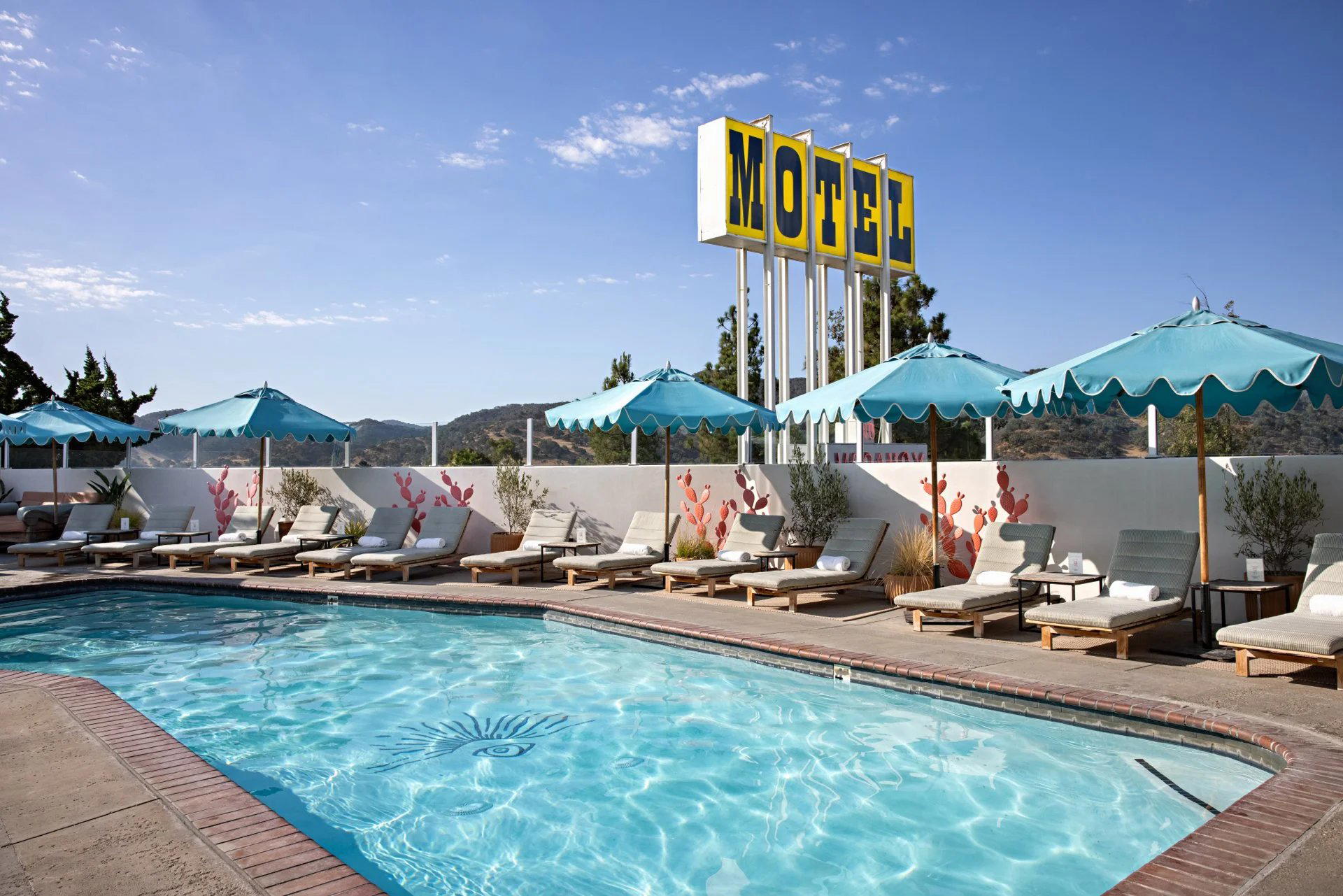
Where Highway 101 Meets Wine Country's Working Edge
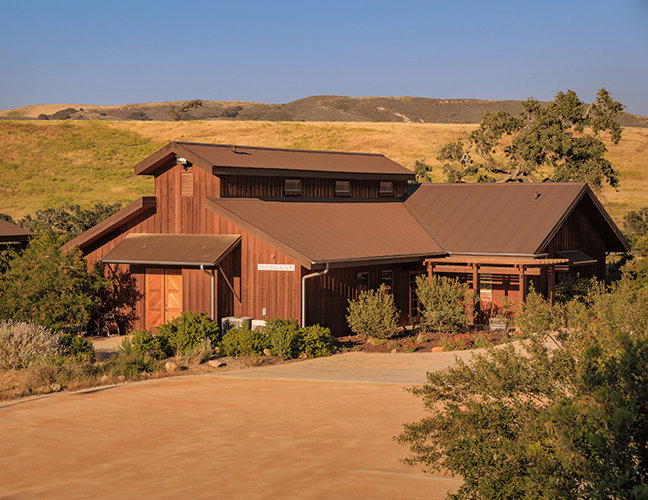
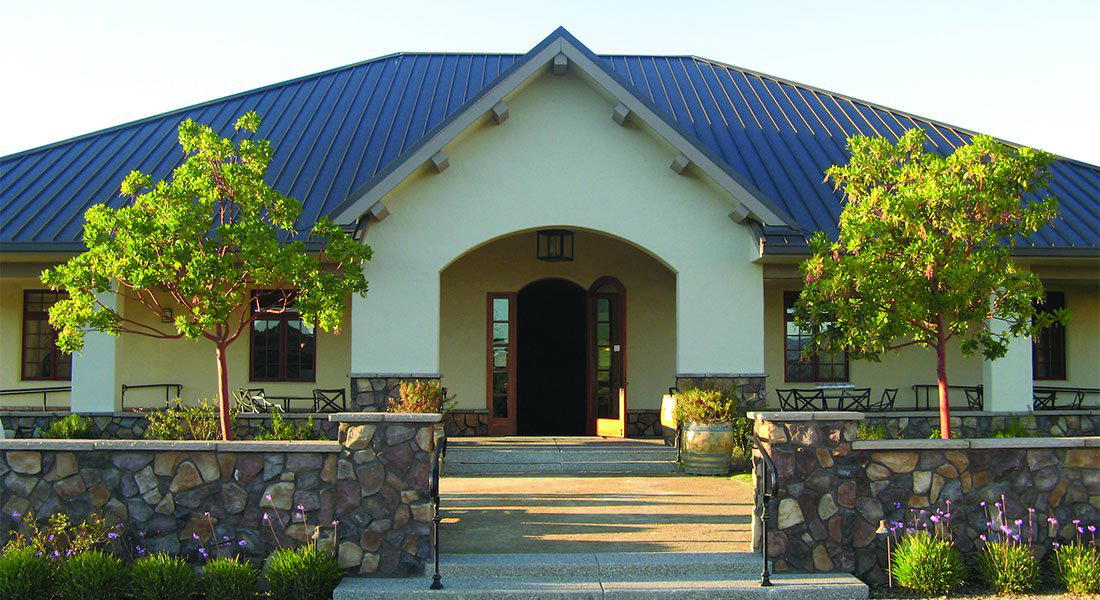
Los Alamos sits roughly midway between Santa Barbara and San Luis Obispo, and for most of the twentieth century that position made it a pass-through rather than a destination. The town's character was shaped by ranching, the railroad, and the kind of modest commercial strip that Highway 101 deposited across rural California. What changed the calculus was wine: as the Santa Ynez Valley's reputation for Rhône varieties, Pinot Noir, and Grenache-forward blends built through the 2000s and 2010s, the town found itself at the northern boundary of a serious wine corridor, and travelers began staying rather than stopping. Skyview Los Alamos, addressed at 9150 US-101, lands squarely inside that transition. The property sits on the highway itself, which means the visual approach is honest about what this town is: a strip of low commercial buildings framed by oak-studded hills, not a manicured resort lane. That directness is, in its own way, a form of editorial curation.
A Setting Shaped by the Valley's Scale
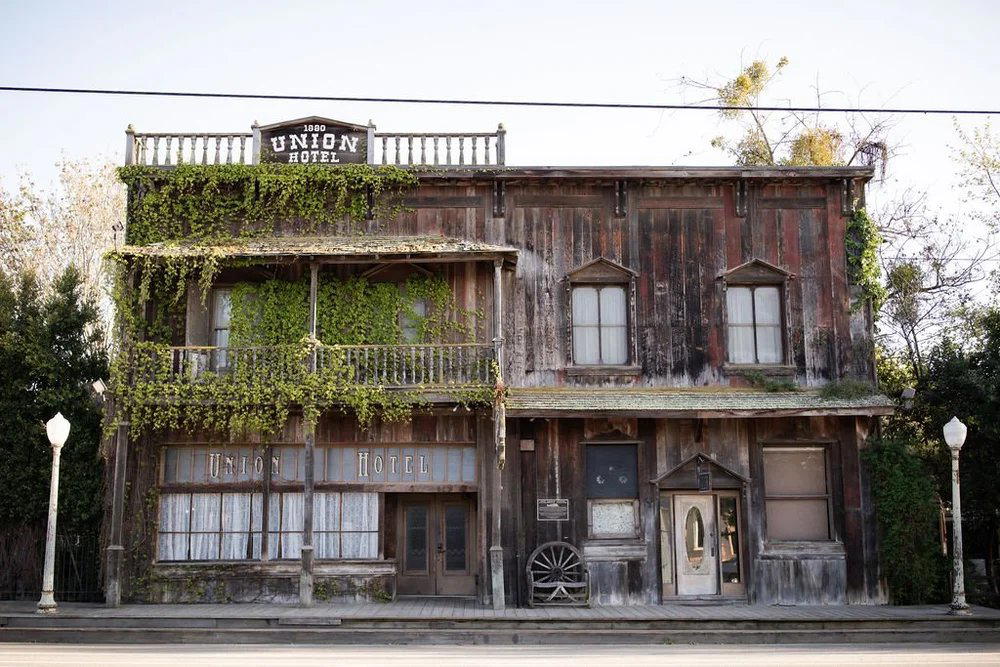
The Santa Ynez Valley rewards travelers who understand its proportions. This is not Napa, where tasting rooms queue at intervals along a single road and the infrastructure of wine tourism has been perfected over decades. Los Alamos operates at smaller scale, with a walkable stretch of Bell Street hosting a rotating cast of wine bars, bottle shops, and weekend-only tasting rooms that function less like attractions and more like an ongoing conversation between producers and a self-selecting audience. Properties like 1880 Union Hotel and the Alamo Motel anchor the town's lodging inventory alongside Skyview, each occupying a different register of the same small-town-with-ambitions identity. Skyview's highway-facing position makes it the most immediately legible of the three from a traveler arriving from the south on 101.
For context on how this kind of intimate wine-country lodging compares at the upper end of the California spectrum, properties like Auberge du Soleil in Napa, Bernardus Lodge & Spa in Carmel Valley, and Post Ranch Inn in Big Sur represent the fully resourced end of the California wine-and-landscape stay. Skyview belongs to a different, less infrastructure-heavy tier, one that positions itself closer to the town's actual grain rather than above it.
The Service Conversation in Small-Town Hospitality
In smaller wine-country properties, service is less about departments and more about individual encounters. The guest-to-staff ratio at boutique highway-fronting motor lodges tends to mean that the person who checks you in is often the same person who answers a question about which Bell Street producer is open on a Tuesday afternoon, or which road accesses the valley's less-trafficked back vineyards. This flattening of the service structure can work either as informality or as genuine local knowledge, depending on who is staffing the desk and how the property invests in that role.
The broader shift in premium small-lodging service, visible at properties across the country from Troutbeck in Amenia to SingleThread Farm Inn in Healdsburg, is toward anticipatory rather than reactive hospitality: recommendations loaded before arrival, itineraries built around specific producer relationships, timing calibrated to avoid the Saturday rush at tasting rooms that have become too popular for their own good.
Placing Skyview in the American Boutique Lodging Spectrum
The American boutique lodging scene has developed a clear tiering in the years since the design-motel revival of the early 2010s. At the top of that range sit properties like Amangiri in Canyon Point, where architecture and landscape operate as the primary experience, or Hotel Bel-Air in Los Angeles, where legacy and setting command their own premium. At the other end of the range, the revived motor-lodge format, updated with better design and a curated regional identity, has found its audience among travelers who want location and character without the overhead of a full-service resort. Skyview sits in that second cohort, positioned by its highway address and Los Alamos context rather than by amenity depth.
Properties in this tier succeed when they read the room correctly: travelers arriving are usually self-directed, have researched their wine producers in advance, and want a base rather than a destination. The motel-revival format, well-executed, asks less of the property and more of the town it sits in. Los Alamos, with its Bell Street wine culture and proximity to producers across the broader Santa Ynez appellation, is a town that can hold that weight. For reference on how landscape-integrated lodging operates elsewhere across the Western United States, Sage Lodge in Pray, Amangani in Jackson Hole, and Ambiente, A Landscape Hotel in Sedona each illustrate how the relationship between property and terrain can be the primary editorial argument for a stay.
Planning Your Stay
Los Alamos is accessible directly from Highway 101, making Skyview direct to reach from Santa Barbara (approximately 55 miles north) or from San Luis Obispo to the north. The town's Bell Street commercial strip is walkable from the highway-facing properties, though wine-country exploration into the broader Santa Ynez and Los Olivos areas requires a car. Weekend traffic on 101 during the Santa Ynez harvest season, typically September through November, can extend drive times from Santa Barbara. Midweek arrivals offer quieter access to tasting rooms that run reservation-only on weekends. Visitors planning wine-focused itineraries should cross-reference Skyview's booking with producer calendars, as several Bell Street operations maintain limited or weekend-only hours.
Cuisine and Awards Snapshot
Comparable venues nearby, for context on price, style, and recognition.
| Venue | Cuisine | Price | Awards | Notes |
|---|---|---|---|---|
| Skyview Los AlamosThis venue — the venue you are viewing | mid-century motel revived with modern rustic luxury | $$$ | , | |
| Alamo Motel | Renovated 1950s motor court motel with Georgia O'Keeffe-inspired minimalist design | $$ | 2-Star | Los Alamos |
| 1880 Union Hotel | Historic Old West stagecoach hotel restored to luxury standards with vintage authenticity. | $$$$ | , | Los Alamos |
| The Brick Hotel | Historic boutique hotel blending 1888 architecture with modern amenities | $$$ | , | Downtown Oceanside |
| Carmel Valley Ranch | Luxury California ranch resort with organic modern and rustic elements. | $$$$ | , | Carmel Valley |
| The Coachman Hotel | Renovated mid-century motel with modern comforts | $$ | , | South Lake Tahoe |
Continue exploring
More in Los Alamos
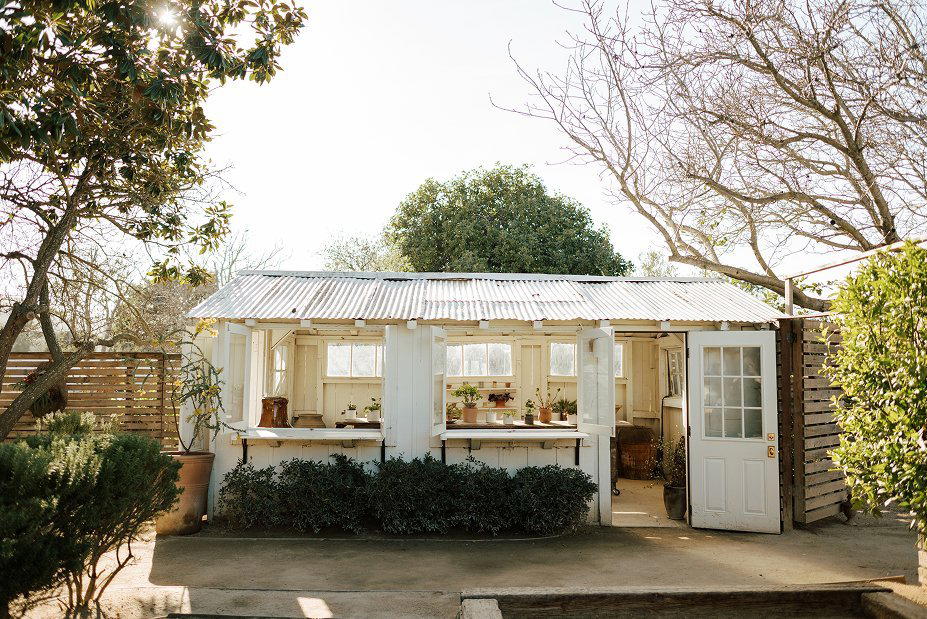
Hotels in Los Alamos
Browse all →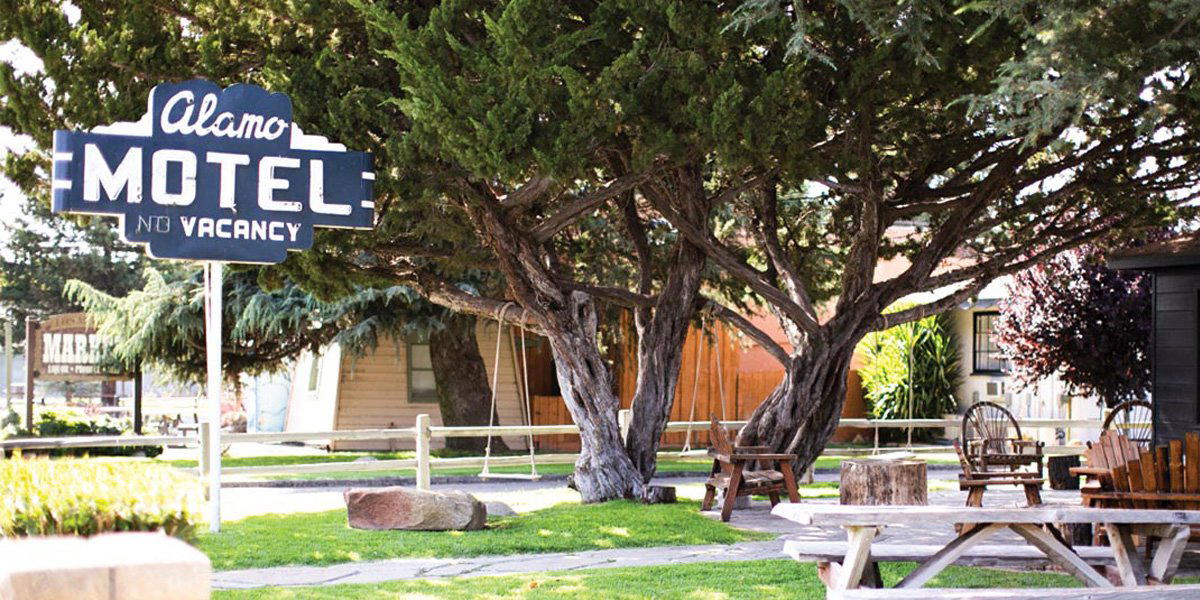
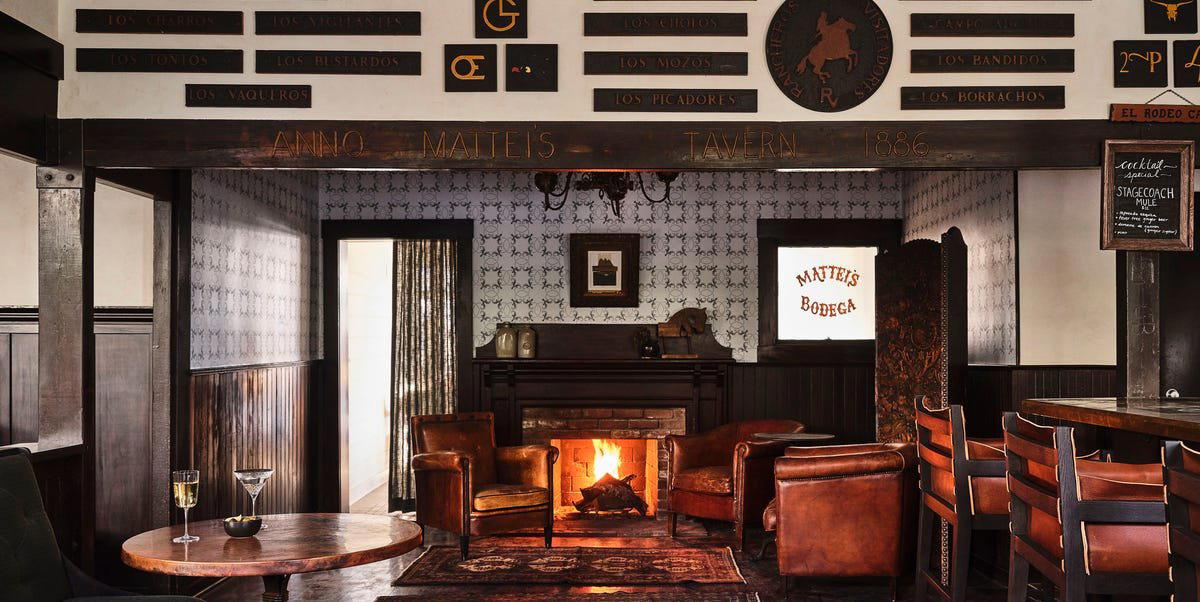
Bars in Los Alamos
Browse all →
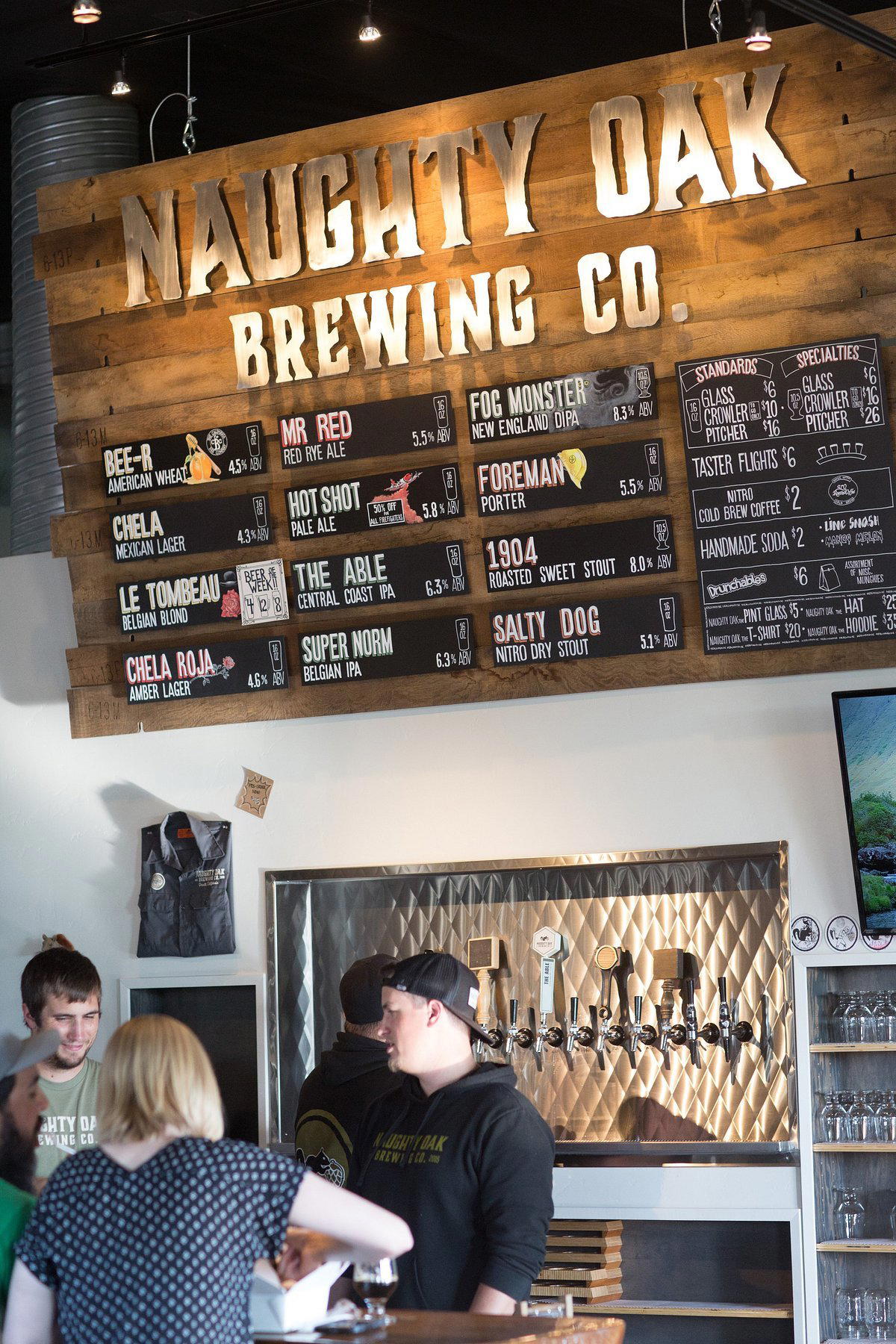
Restaurants in Los Alamos
Browse all →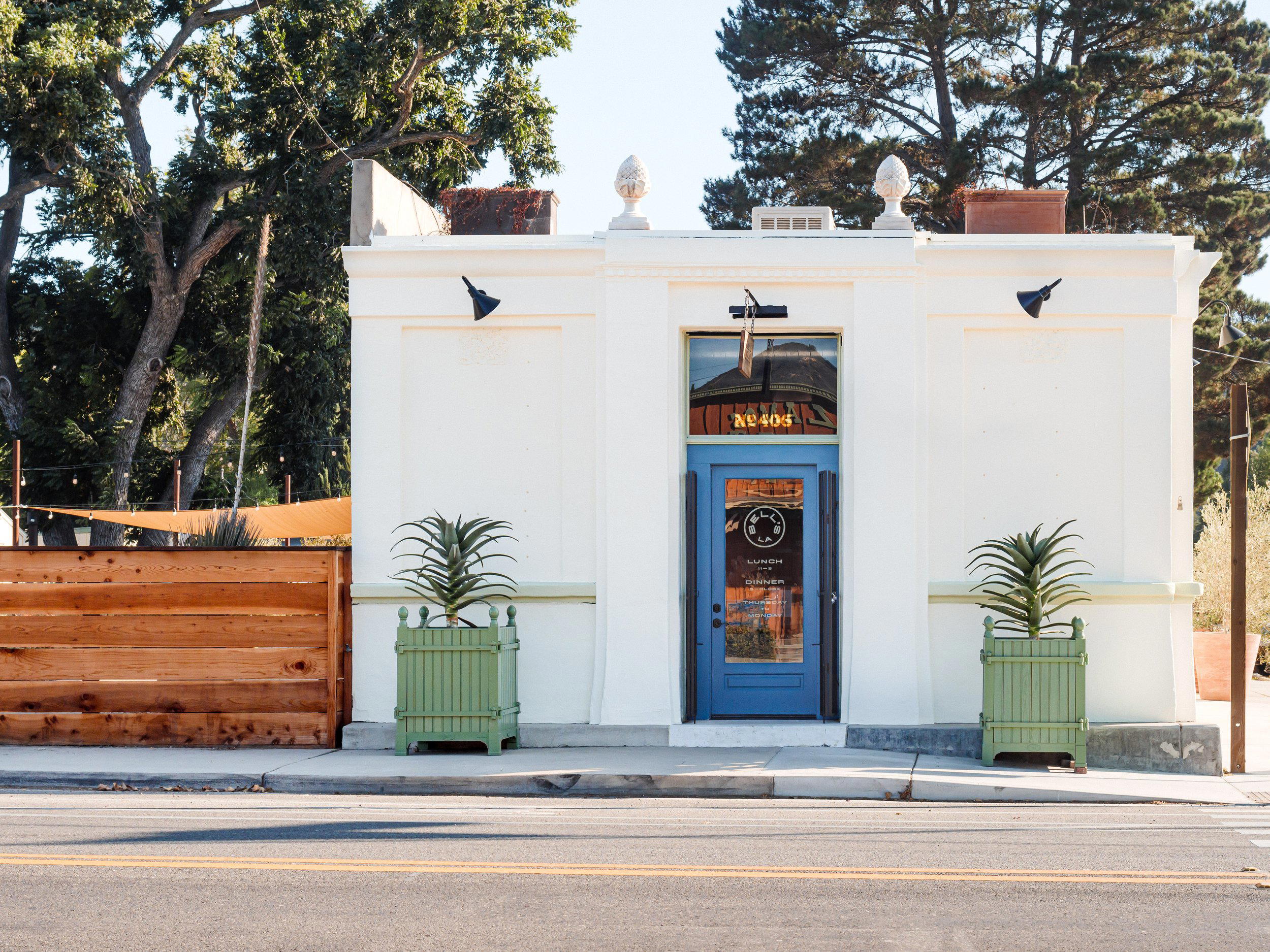

At a Glance
- Modern
- Rustic
- Scenic
- Cozy
- Romantic Getaway
- Weekend Escape
- Panoramic View
- Terrace
- Pool
- Wifi
- Room Service
- Fireplace
- Restaurant
- Ev Charging
- Mountain
- Vineyard
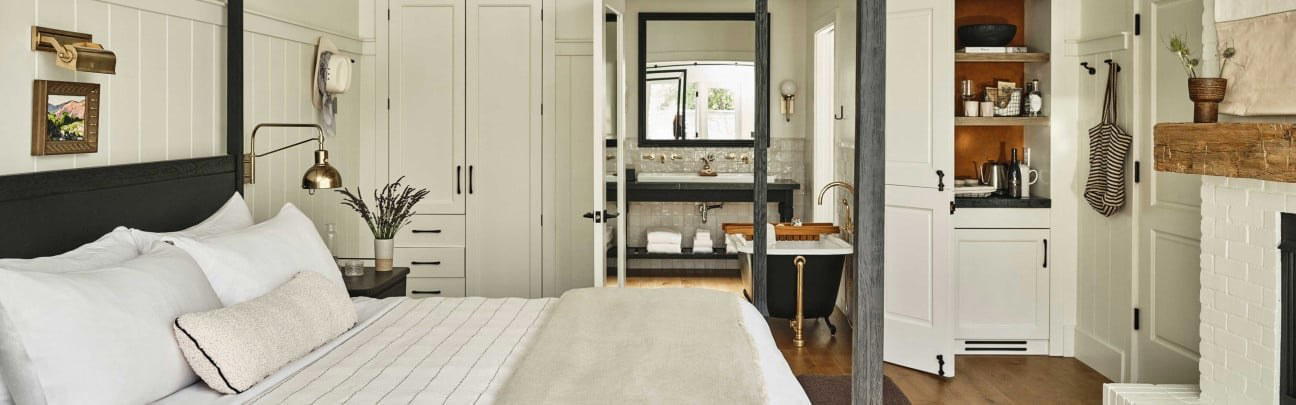
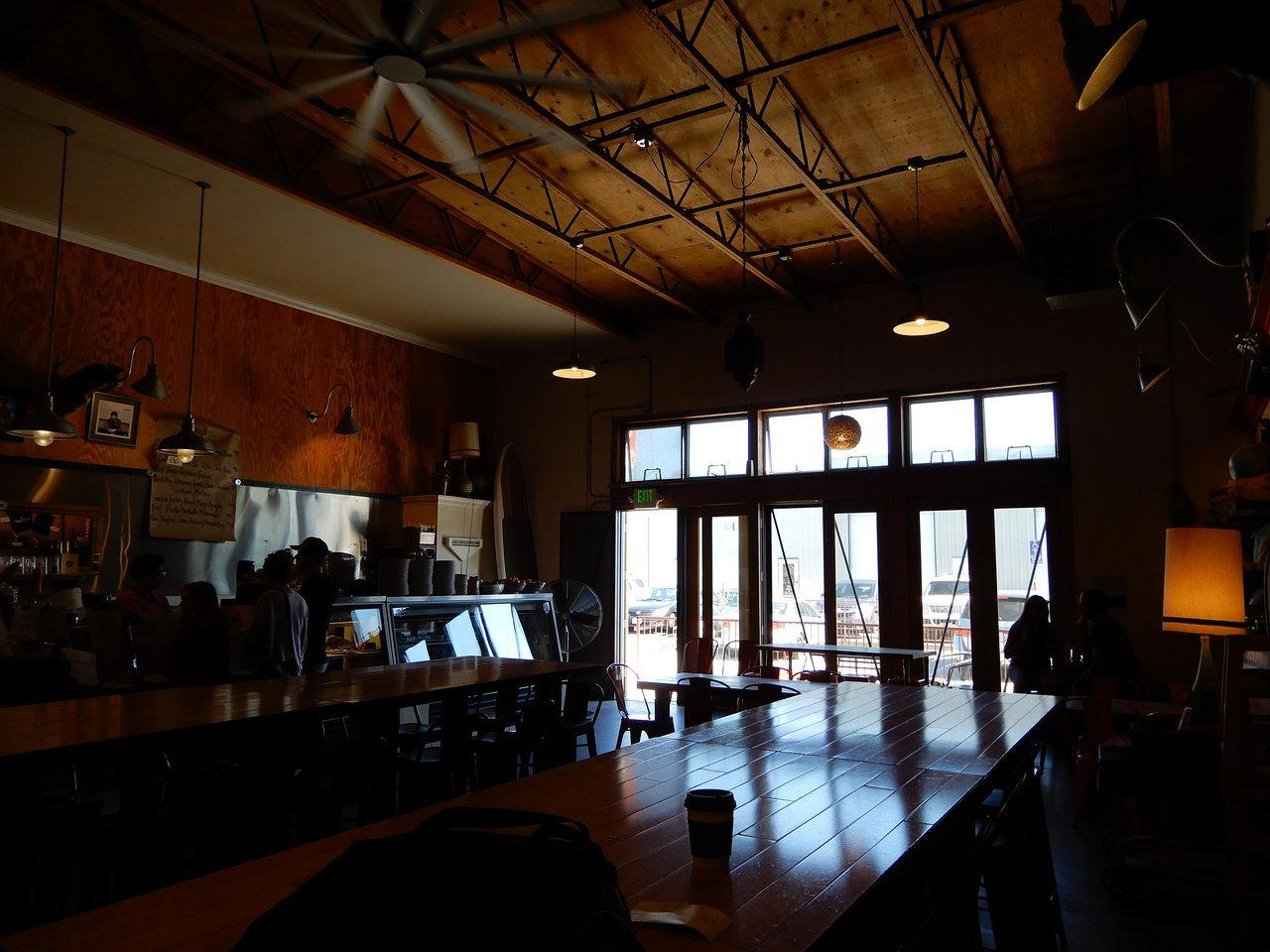
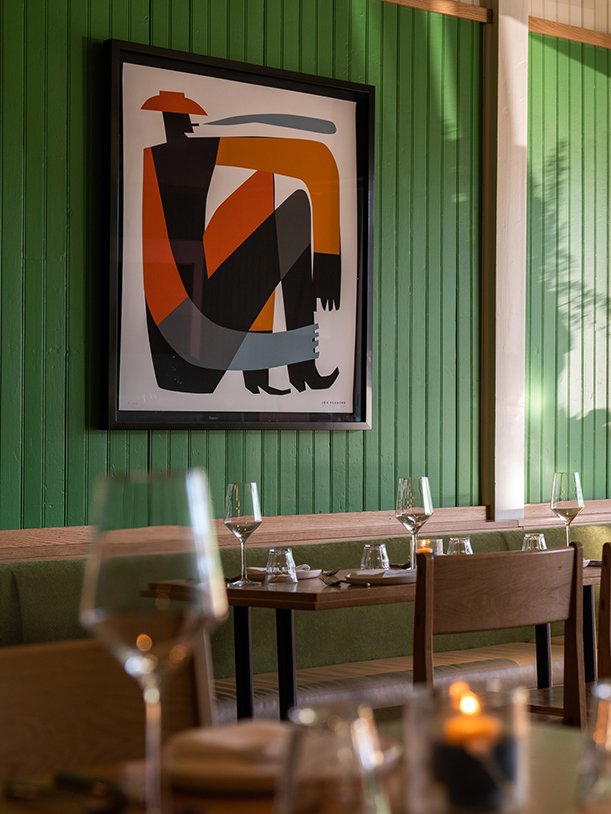
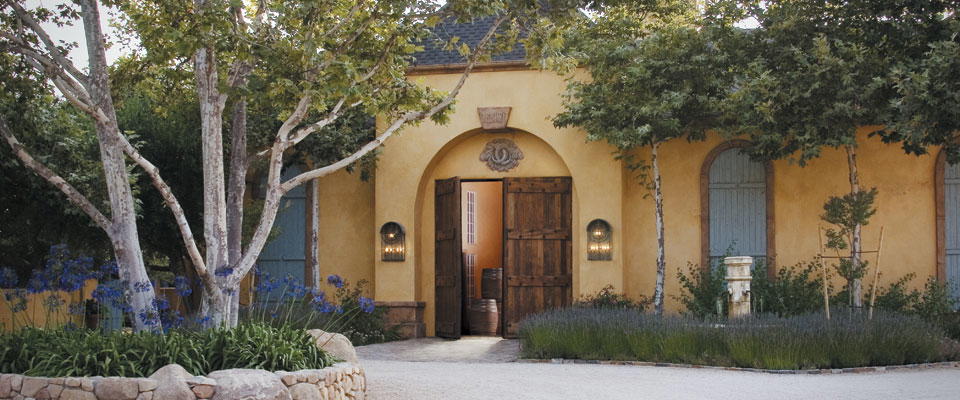
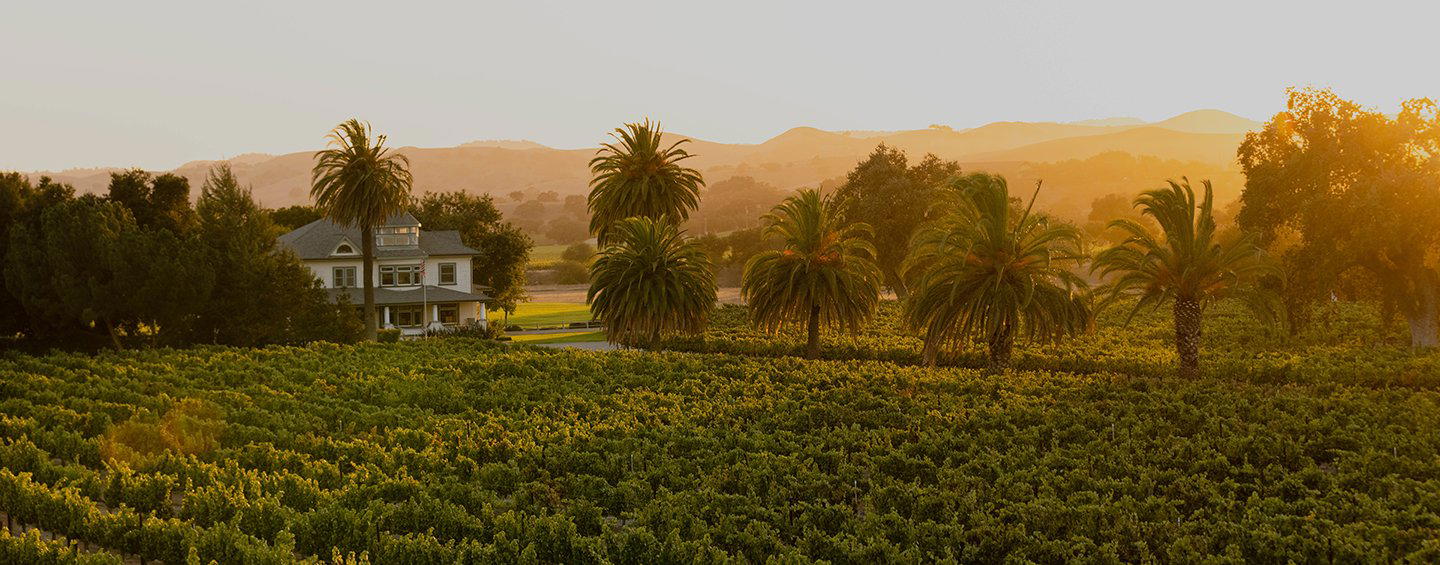
Warm organic interiors with hardwood floors, whitewashed walls, fire pits, and a relaxed wine-country vibe.