Brewer-Clifton Winery
Brewer-Clifton Winery operates out of Lompoc's Wine Ghetto, the industrial corridor that became Santa Barbara County's most concentrated address for small-production Burgundian-style wine. For those tracking the Santa Rita Hills appellation seriously, this is a foundational stop.

Pearl is the En Primeur Club membership app — saves, bookings, and concierge access live there. Same editors, same standards.
- Address
- 329 N F St, Lompoc, CA 93436
- Phone
- (805) 735-9184
- Website
- brewerclifton.com
- Directions
- Get directions
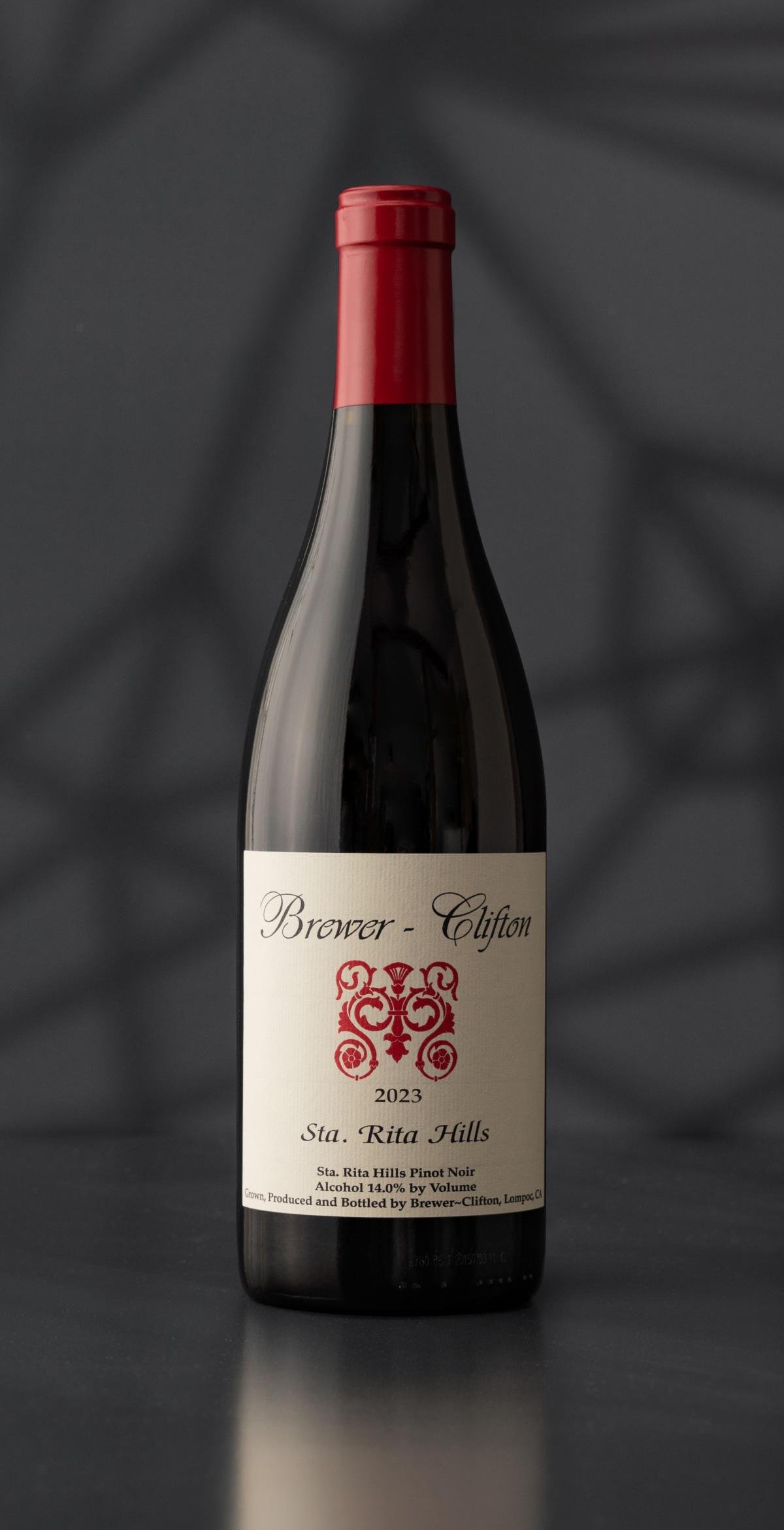
Lompoc and the Case for Cold-Climate California
Santa Barbara County's wine identity has always been shaped by geography rather than branding. The transverse mountain ranges that funnel Pacific air directly inland create growing conditions that share more with Burgundy's cool-season logic than with Napa's sun-driven model. Lompoc sits at the western edge of that corridor, close enough to the ocean that fog lingers well into the morning and afternoon temperatures rarely spike the way they do thirty miles east. The result, across the Santa Rita Hills AVA that surrounds the town, is fruit that ripens slowly and retains acidity that warmer-climate Pinot Noir and Chardonnay rarely achieve.
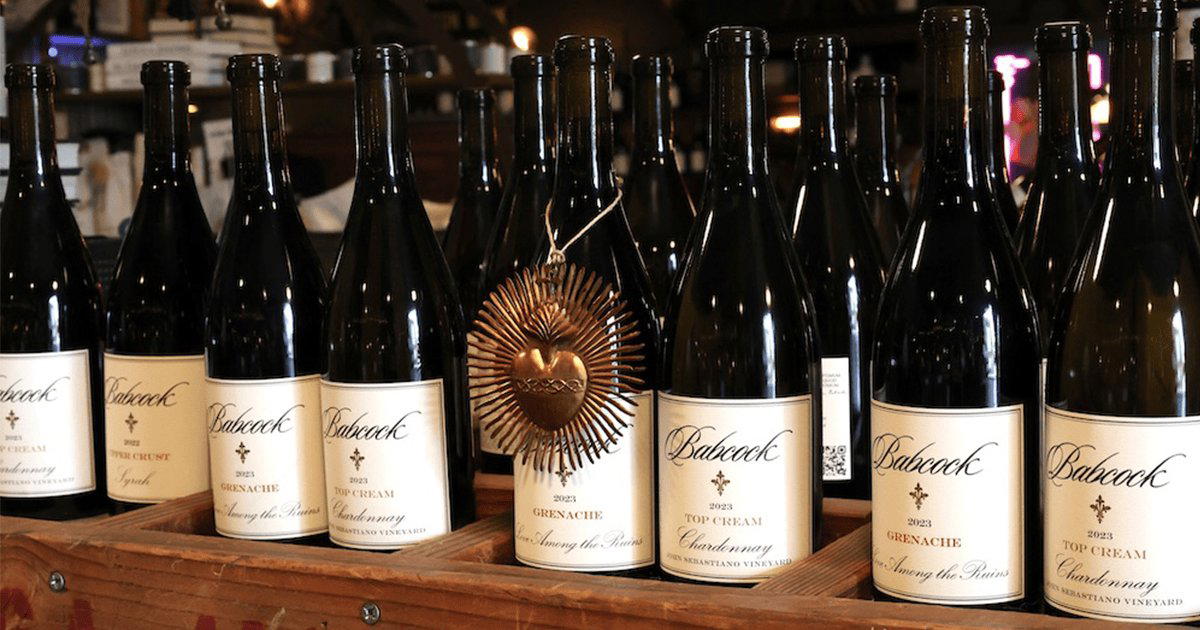
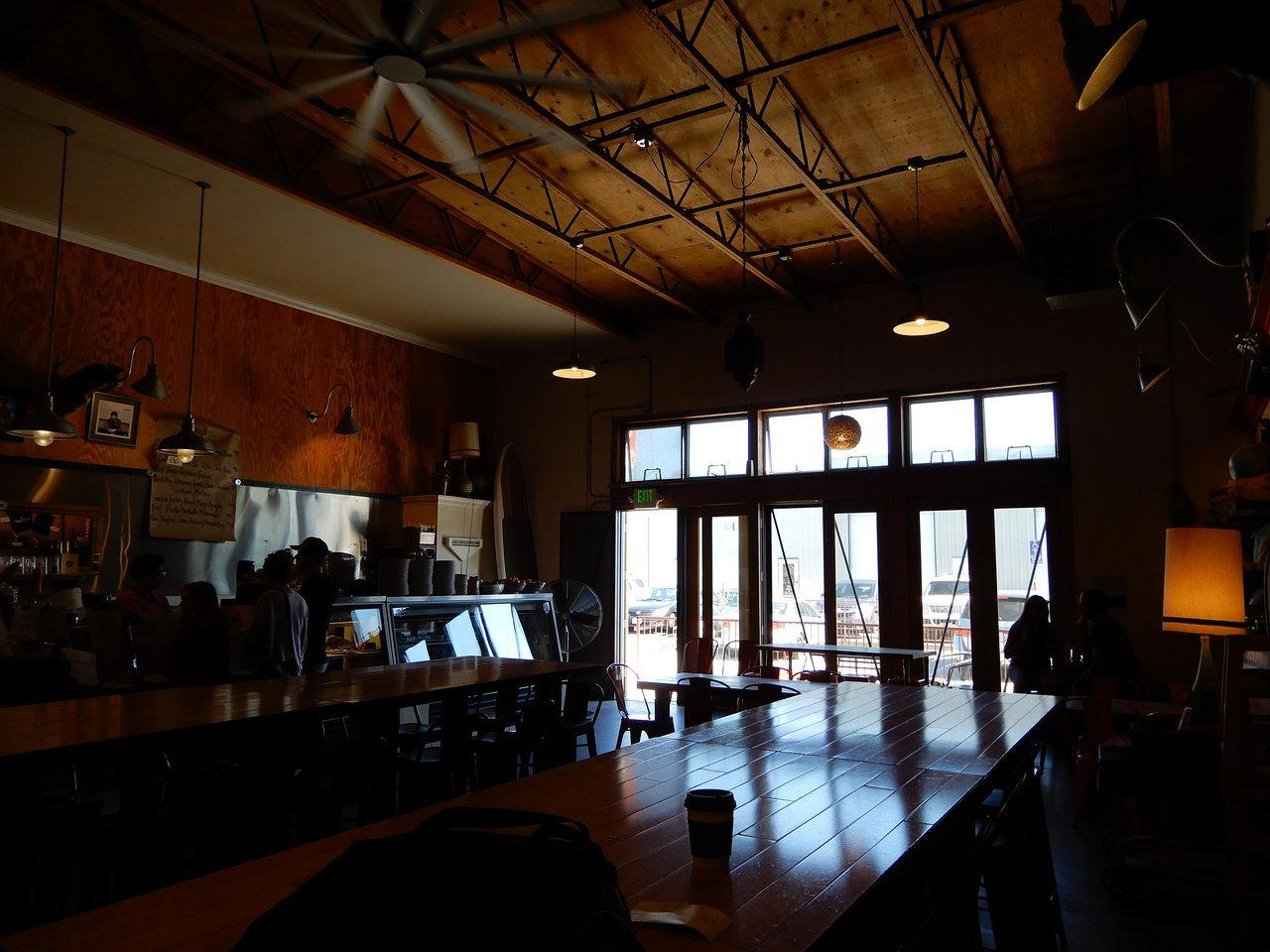
Brewer-Clifton Winery is positioned squarely inside that appellation argument. Located at 329 N F St in Lompoc, the winery sits in the informal cluster of production facilities and tasting rooms that locals call the Wine Ghetto, an industrial block where small-production houses operate out of converted warehouses and share the kind of density more commonly associated with urban wine districts than agricultural towns. Nearby producers including Fiddlehead Cellars, Chanin Wine Co., and Babcock Winery & Vineyards make the block worth an extended afternoon rather than a single stop. Our full Lompoc restaurants guide covers how to build a day around the area.
A Winemaking Philosophy Rooted in Appellation Over Formula
California's premium Pinot Noir market has long operated in tension between two camps: producers who seek concentration and extraction, chasing scores that reward density, and those who work toward transparency, letting site and season speak rather than technique. Brewer-Clifton has consistently aligned with the latter position. The winery's founding premise was that the Santa Rita Hills could produce Pinot Noir and Chardonnay that required nothing beyond careful vineyard sourcing and minimal intervention to compete with the reference points of Burgundy or Oregon's Willamette Valley.
That stance carries operational consequences. Single-vineyard designations are a structural feature of the program, not a marketing decision. When a producer commits to vineyard-designated wines, they are effectively betting that their fruit sources are good enough to stand alone, without blending cover or oak-forward winemaking to smooth the differences. It is a discipline that separates appellation-focused California producers from those who use appellation names but blend toward a house style. For comparison, Tyler Winery and Sanford Winery operate in the same regional tradition, each with its own sourcing and stylistic positioning within the Santa Barbara Pinot conversation.
The philosophy extends to Chardonnay, which in lesser hands can become a vehicle for butter and vanilla rather than a document of place. Brewer-Clifton's Chardonnay program has historically pointed toward restraint, with fruit brightness and mineral tension taking precedence over textural weight. This is not a universally popular position in a market that still rewards richness, but it is a coherent one, and it has earned the winery a following among drinkers who approach California white wine the way they approach Burgundian Chablis or Côte de Beaune.
It is a signal to allocate-list subscribers and serious collectors that the producer belongs in the conversation alongside California's most respected small-production houses.
For calibration: this is the tier where you find producers operating allocation models rather than walk-in retail, where secondary market prices reflect demand that outpaces supply, and where the decision to visit or join a mailing list is worth treating as an actual decision rather than a casual impulse. Producers in this bracket across California and Oregon include names like Accendo Cellars in St. Helena and Adelsheim Vineyard in Newberg, each recognized within their own regional tier structures. For broader California context, Adelaida Vineyards in Paso Robles, Alban Vineyards in Arroyo Grande, Alexander Valley Vineyards in Geyserville, Alpha Omega Winery in Rutherford, and Andrew Murray Vineyards in Los Olivos represent the range of approaches and AVAs that make California's premium wine geography worth understanding as a whole rather than region by region in isolation.
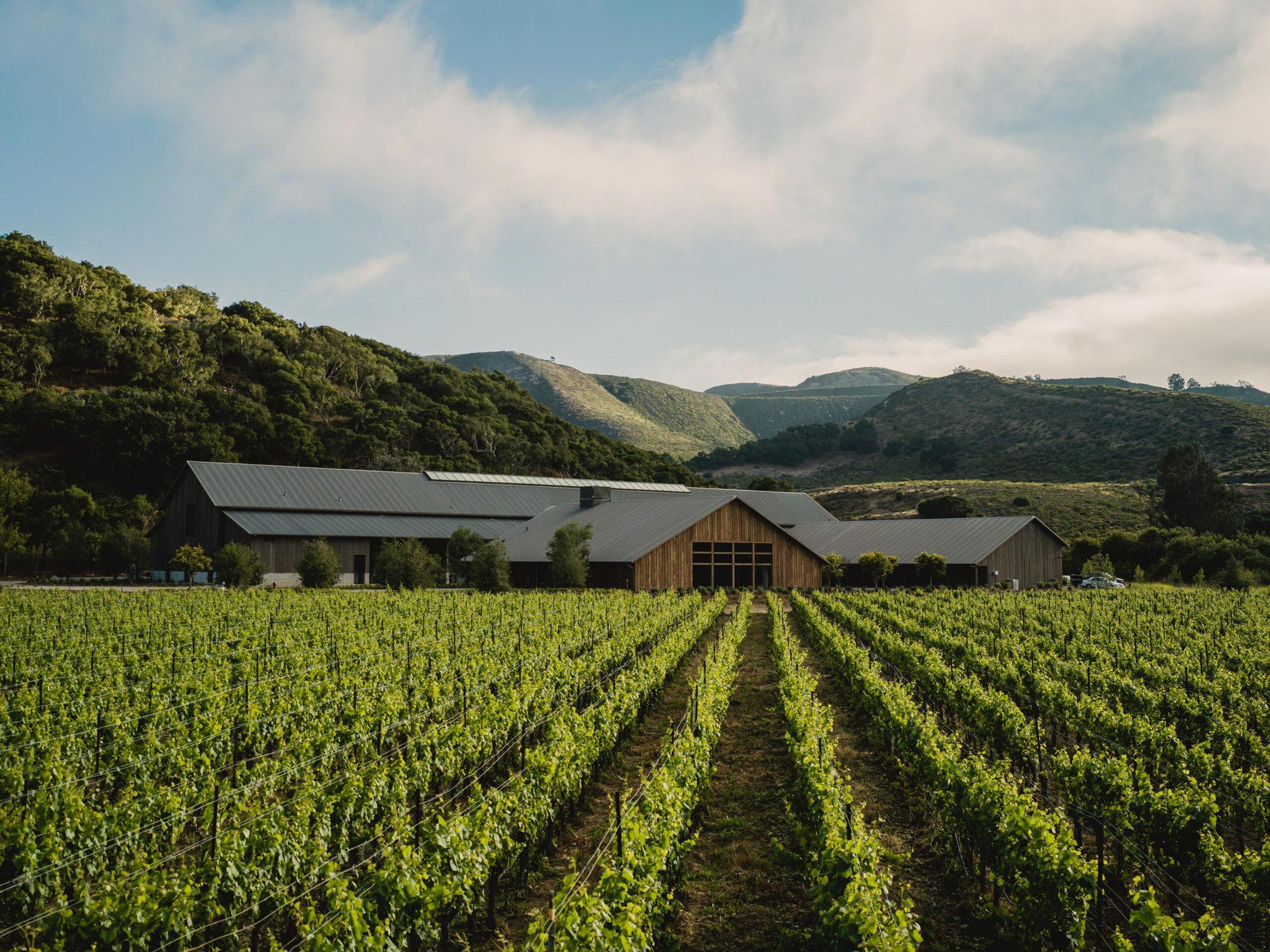
The Santa Rita Hills AVA was formally established in 2001, carved out of the larger Santa Barbara County appellation to recognize the specific climatic and soil conditions of the western Santa Ynez Valley. The appellation's defining characteristic is temperature differential: warm enough to ripen Pinot Noir and Chardonnay fully, cool enough to preserve the acidity that gives those varieties their structure and ageability. Diurnal swings of twenty degrees or more between day and night are common during the growing season, a condition that slows ripening and concentrates flavor without requiring aggressive irrigation or canopy management.
Within that AVA, Brewer-Clifton occupies a position defined by vineyard access and stylistic commitment. The winery does not operate as a large-scale negociant blending across appellations. Its identity is tied to specific blocks within the Santa Rita Hills, which makes vintage variation a feature of the program rather than something to be engineered away. In years where the appellation produces lean, high-acid wines, Brewer-Clifton's bottles will reflect that. In warmer, more generous years, the same. This kind of transparency is what serious wine drinkers come to Lompoc to find, and it is what separates the Wine Ghetto's most focused producers from the broader California Pinot market.
For international reference points in the same philosophical register, Aberlour in Aberlour and Achaia Clauss in Patras each represent the kind of place-driven production identity that serious collectors recognize across categories and countries.
Planning a Visit to Brewer-Clifton
The winery's address at 329 N F St puts it in the heart of Lompoc's production district, reachable by car from Santa Barbara in under an hour. The Wine Ghetto format means visits tend to be self-directed rather than resort-scale experiences: you arrive, taste, ask questions, and leave with a clearer sense of the appellation than most tasting room visits anywhere in California will give you. Given the winery's prestige rating and the allocation nature of California's top-tier Pinot programs, confirming tasting availability before traveling is sensible. The area rewards staying over rather than day-tripping from Los Angeles, given the density of serious producers within walking or short driving distance in the same block.
Price and Positioning
Comparable venues nearby, for context on price, style, and recognition.
| Venue | Cuisine | Price | Awards | Notes |
|---|---|---|---|---|
| Brewer-Clifton WineryThis venue — the venue you are viewing | Midtown Lompoc, Pinot Noir, Chardonnay | Not listed | Not listed | Not listed |
| Babcock Winery & Vineyards | Not listed | $30–50 | Not listed | Sta. Rita Hills, Pinot Noir, Chardonnay |
| Tyler Winery | Lompoc, Chardonnay, Pinot Noir | $50–100 | Not listed | Not listed |
| Domaine de la Cote | Not listed | Not listed | Falstaff Winery - Listed | Lompoc Wine Ghetto, Pinot Noir, Chardonnay |
| Flying Goat Cellars | Not listed | $20–30 | Not listed | Lompoc Wine Ghetto, Pinot Noir, Chardonnay |
| Sanford Winery | Not listed | Not listed | Not listed | Sta. Rita Hills, Pinot Noir, Chardonnay |
Continue exploring
More in Lompoc
Wineries in Lompoc
Browse all →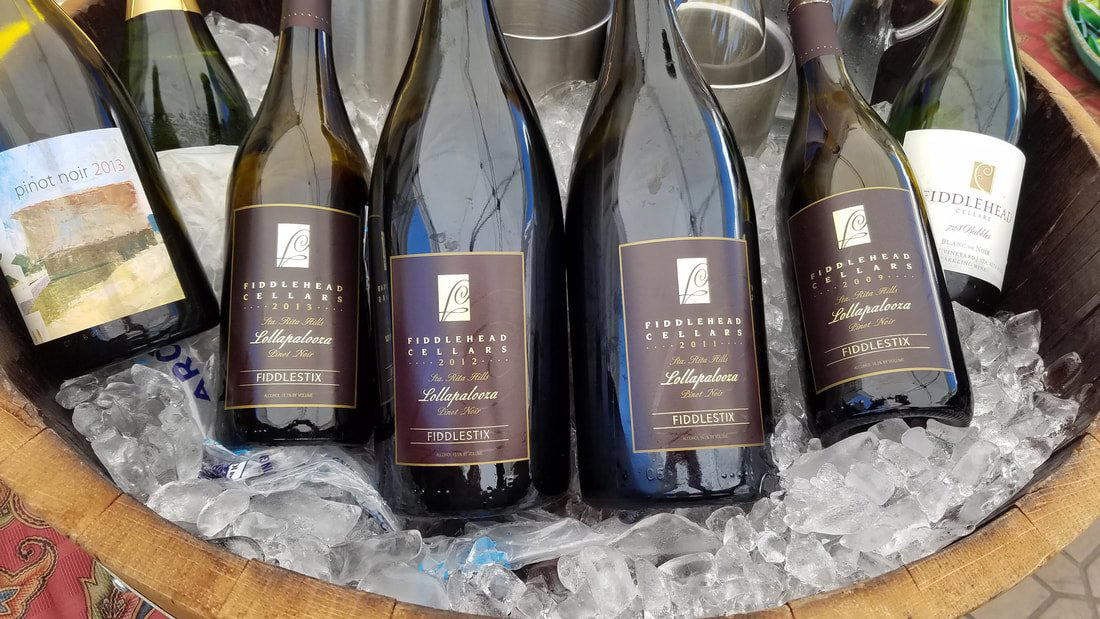
Bars in Lompoc
Browse all →


Restaurants in Lompoc
Browse all →

Details
- Rustic
- Intimate
- Sophisticated
- Wine Education
- Solo Exploration
- Special Occasion
- Estate Grounds
- Pinot Noir
- Chardonnay
- Still Red
- Still White
- Private Tasting
Industrial space transformed into a fantastic tasting room with a Zen-like, meditative quality focused on honest, internationally prominent wines.