Rippon Vineyard


Rippon Vineyard sits on the western shore of Lake Wānaka, where schist soils and high-altitude cold nights define some of Central Otago's most site-specific wines. Rated Pearl 4 Star Prestige by EP Club in 2025, it represents a benchmark for how Southern Alps terroir translates into the glass. The setting alone draws visitors, but the wine keeps them paying attention.
 Discover on Pearl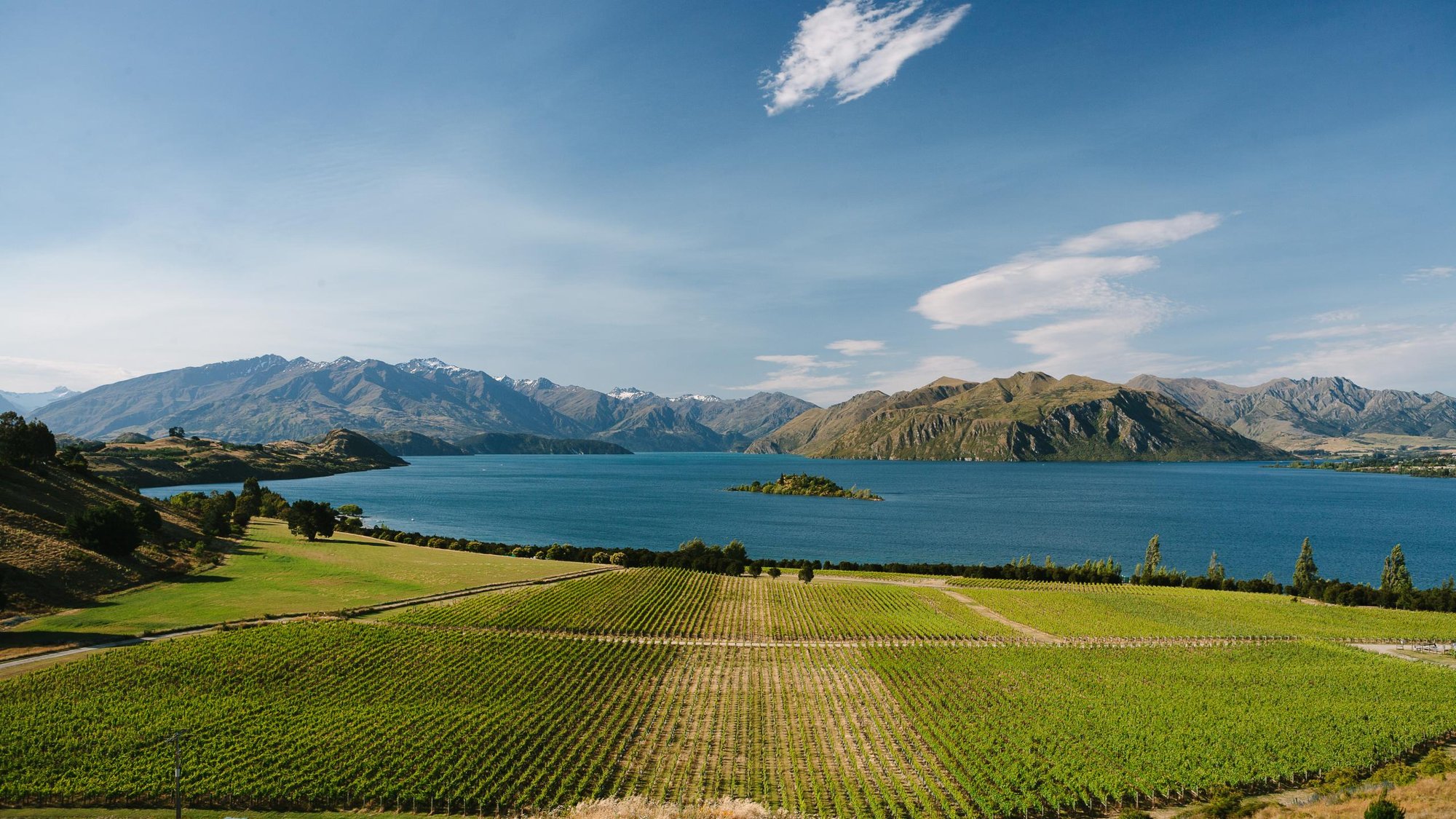
Where the Lake Meets the Vine
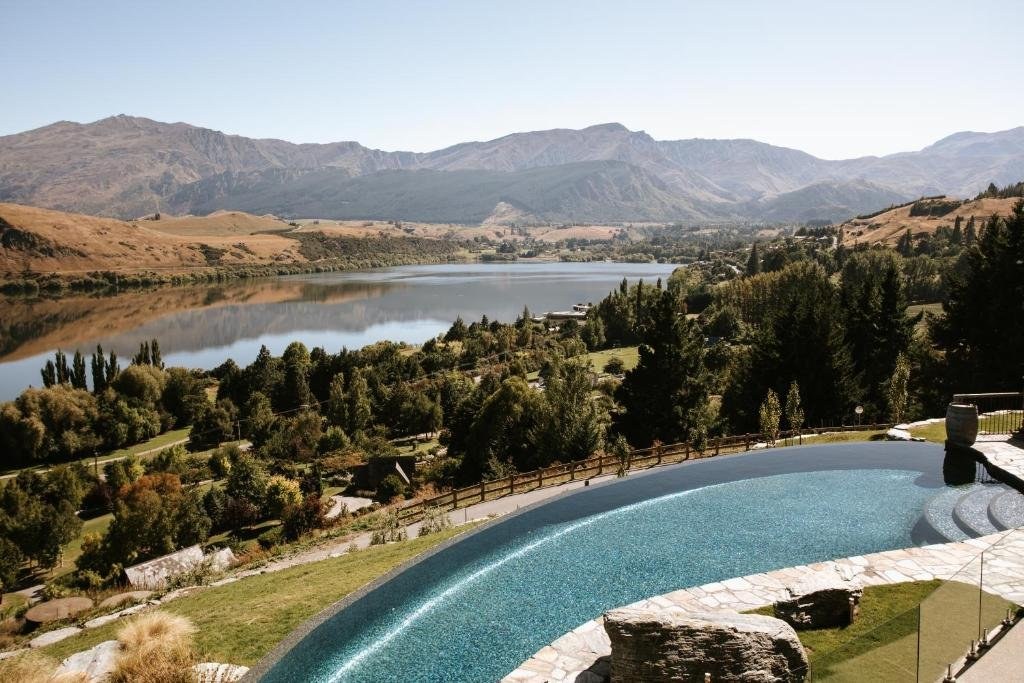
Approach Rippon Vineyard along Wānaka Mount Aspiring Road and the view arrives before the gate does. Lake Wānaka opens up to the left, flat and steel-grey or bright sapphire depending on the hour, with the Buchanan Range rising behind it. The vines run down toward the water in tight rows on glacially worked schist terrain — a visual that appears on more wine labels and travel itineraries than almost any other in the South Island. The scene is not incidental to the wine. It is, in the most literal agronomic sense, the wine.
Central Otago has spent the past three decades establishing itself as one of the world's credible Pinot Noir regions, not on marketing but on a specific set of environmental conditions: high altitude, extreme diurnal temperature swings, low rainfall, and ancient schist and loess soils that stress the vine in ways that concentrate flavour without sacrificing acidity. Rippon occupies some of the most pronounced of these conditions on the northern fringe of Lake Wānaka, at elevations and on aspects that push growing-season intensity to a level few New Zealand sites can match.
Terroir as the Central Argument
The argument Central Otago makes through its leading vineyards is essentially about cold nights and dry air. When daytime heat builds phenolic ripeness and nighttime temperatures drop sharply, the vine retains acid and aromatic precision that warmer regions lose. Rippon's position on the lake shore adds a moderating influence — water mass buffers frost risk and extends the ripening window , while the surrounding mountains create a rain shadow that keeps canopies dry and disease pressure low. The result is a vineyard that can ripen fruit fully without overripening it, a balance that underpins the structural precision Central Otago Pinot carries at its most expressive.
Schist soils are the other variable. Unlike the deeper alluvial loams of Marlborough or the clay-limestone of Burgundy, schist breaks down into thin, fast-draining layers that push roots deep in search of water and nutrients. Vines on schist tend toward lower yields and more concentrated fruit, which is why properties working this geology across Central Otago , including Felton Road Wines in Bannockburn , sit in a distinct tier compared to flatland or river-terrace sites. The mineral signature that shows up in wines from this geology is not a marketing metaphor; it reflects the actual mineral composition of the parent rock moving through the root system over decades of vine age.
Rippon's site is among the older planted in Central Otago, and vine age matters here in the same way it matters in Burgundy or the Barossa. Older vines develop deeper root architecture, draw from a wider mineral profile, and produce smaller berry clusters with more concentrated flavour compounds. That accumulated site history is one reason Rippon carries EP Club's Pearl 4 Star Prestige rating into 2025 , a designation that signals positioning at the upper tier of New Zealand wine production.
How Rippon Sits in the New Zealand Wine Conversation
New Zealand's fine wine identity has historically been dominated by Marlborough Sauvignon Blanc, but the category has fragmented meaningfully over the past decade. The current premium tier is contested by Pinot-focused Central Otago producers, Chardonnay houses in Hawke's Bay and Kumeu (see Kumeu River Wines), and estate-driven operations across Martinborough, where Ata Rangi has held a benchmark position for Pinot since the 1980s. Rippon operates in this conversation as a site-specific terroir producer rather than a volume or varietal brand.
The comparison with Marlborough's major players is instructive. Properties like Cloudy Bay Vineyards in Blenheim and Wairau River Wines in Rapaura work a cooler, maritime-influenced climate optimised for aromatic whites at scale. Rippon's work sits at the opposite end of that spectrum: a single estate, focused on red wine expression from a specific microclimate, where the winemaking argument is about restraint and site fidelity rather than house style applied across a range of sources. Greystone Wines in Waipara occupies a comparable niche in the South Island's limestone belt, approaching terroir expression with similar rigour from a completely different geology.
Internationally, the frame of reference that makes most sense for understanding Rippon's position is the Burgundy model of site primacy , the idea that the place, not the producer's intervention, should be the dominant voice in the wine. Properties applying this logic globally, whether Craggy Range in Hastings or producers with deep European roots like Bosman Family Vineyards, tend to prioritise vineyard management over cellar technique. That orientation shapes what ends up in the glass in ways that are legible even to those without a technical vocabulary for wine.
Wānaka as a Wine Destination
Wānaka occupies an interesting position in New Zealand tourism. Smaller and less infrastructurally dense than Queenstown forty minutes to the south, it retains a character shaped by the lake and the surrounding wilderness rather than by hospitality development. The town draws visitors oriented toward outdoor activity , the database record for the region references stand-up paddleboarding, jetboating, and skydiving as representative of the activity range , and wine tourism here exists alongside that context rather than separate from it. Visiting a vineyard like Rippon is often a morning or late-afternoon activity bracketed by time on the water or in the mountains, which gives it a different rhythm than a dedicated wine-region itinerary in, say, Marlborough or Hawke's Bay.
That context affects how the wines are encountered. Tasting Pinot Noir at altitude, looking out over a glacial lake after a morning on the water, is a specific kind of sensory framing that winemakers in flat agricultural regions cannot replicate. Whether that amplifies the perceived quality of the wine is a question for cognitive scientists, but it is a real part of the Rippon experience that visitors consistently reference.
For a fuller picture of what Wānaka offers beyond the vineyard, our full Wānaka wineries guide covers the regional wine scene in depth. The Wānaka restaurants guide, bars guide, hotels guide, and experiences guide round out the planning picture for a multi-day visit.
Planning Your Visit
Rippon Vineyard is located at 246 Wānaka Mount Aspiring Road, a short drive west from the town centre along the lake shore. The site is accessible by car and the road itself offers views of the vineyard descending toward the water before you arrive. Visiting during the harvest season , broadly March through April in Central Otago , gives access to the vineyard in its most active period, though the schist landscape reads well across all seasons, and winter visits, with snow on the Buchanan peaks above, carry their own logic. Given Wānaka's position as a destination that sees significant summer pressure between December and February, timing a visit to shoulder season (October to November or April to May) tends to mean a quieter experience on the road and in the cellar.
Specific opening hours, tasting formats, and booking requirements are not available in our current data. Contact the vineyard directly before making the drive, particularly outside peak season, to confirm access arrangements.
Peer Set Snapshot
These are the closest comparables we have in our database for quick context.
| Venue | Awards | Notes |
|---|---|---|
| Rippon Vineyard | 50 Best Vineyards #44 (2025); Pearl 4 Star Prestige | This venue |
| Ata Rangi | 50 Best Vineyards #100 (2025); Pearl 4 Star Prestige | |
| Bosman Family Vineyards | Pearl 2 Star Prestige | |
| Cloudy Bay Vineyards | 50 Best Vineyards #26 (2025); Pearl 4 Star Prestige | |
| Craggy Range | 50 Best Vineyards #41 (2022); Pearl 4 Star Prestige | |
| Diemersfontein | Pearl 1 Star Prestige |
Continue exploring
More in Wānaka
Wineries in Wānaka
Browse all →
Bars in Wānaka
Browse all →
Restaurants in Wānaka
Browse all →
At a Glance
- Scenic
- Rustic
- Elegant
- Intimate
- Romantic Getaway
- Solo Exploration
- Wine Education
- Special Occasion
- Estate Grounds
- Panoramic View
- Terrace
- Biodynamic
- Organic
- Vineyard
- Mountain
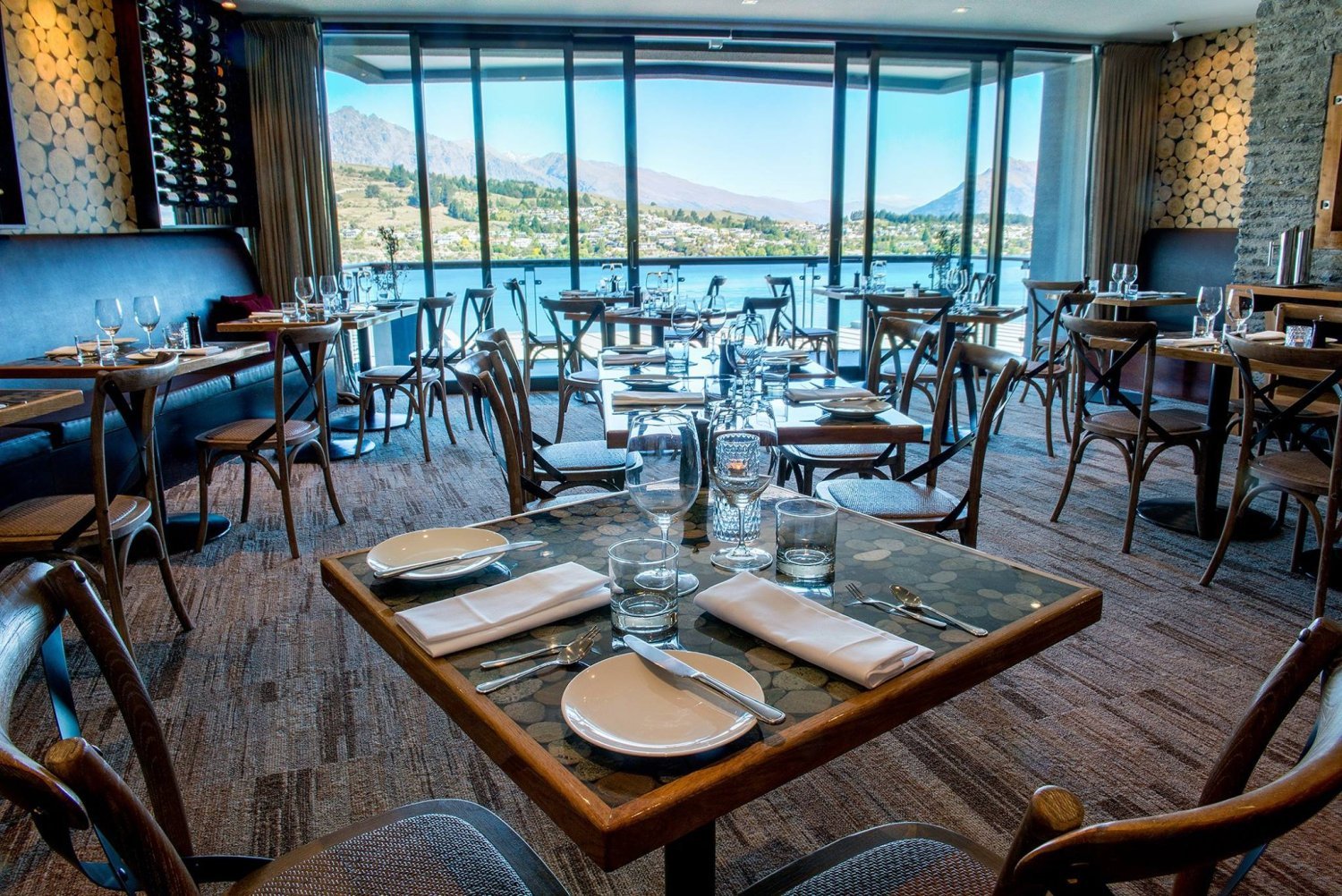
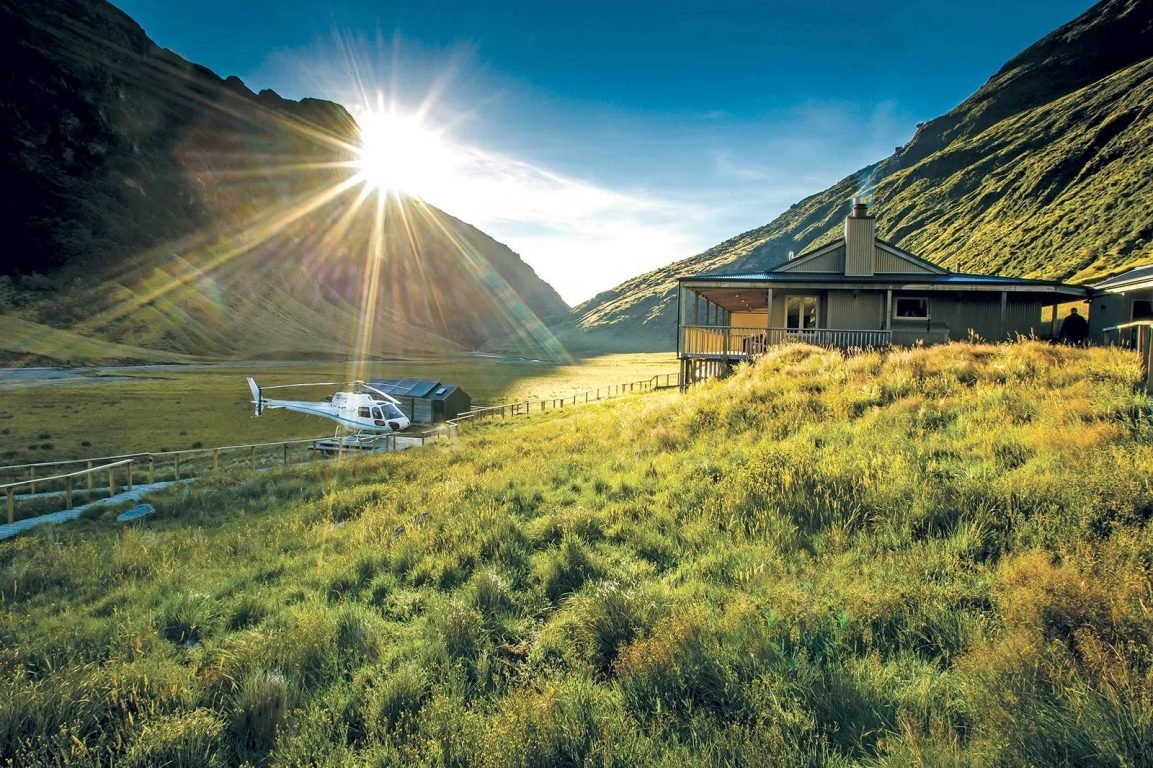
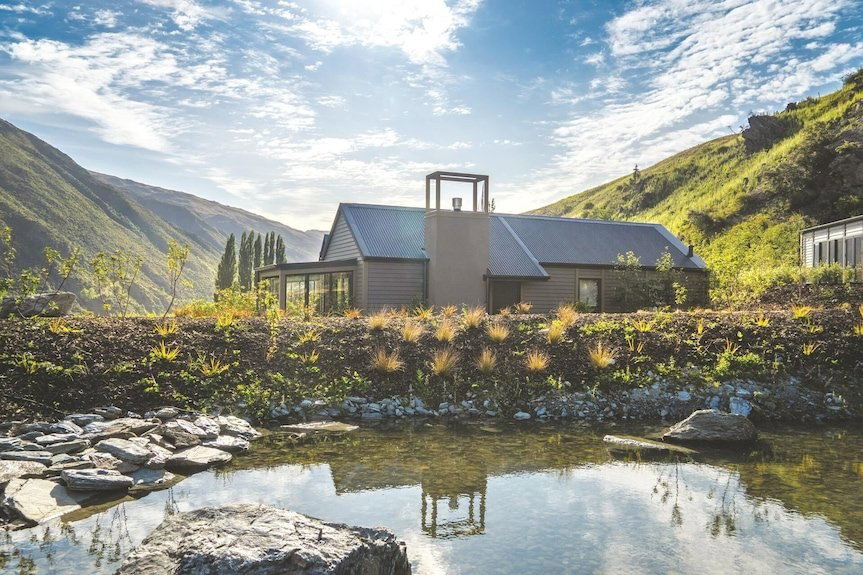
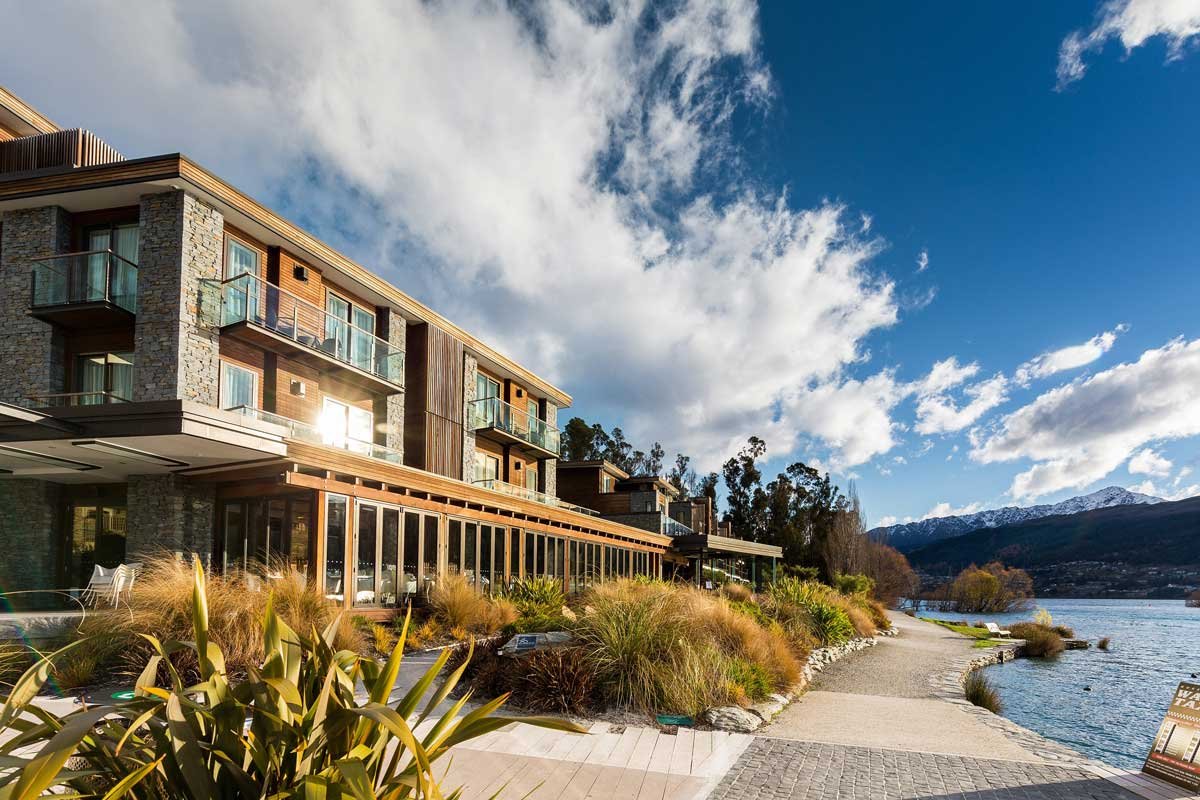
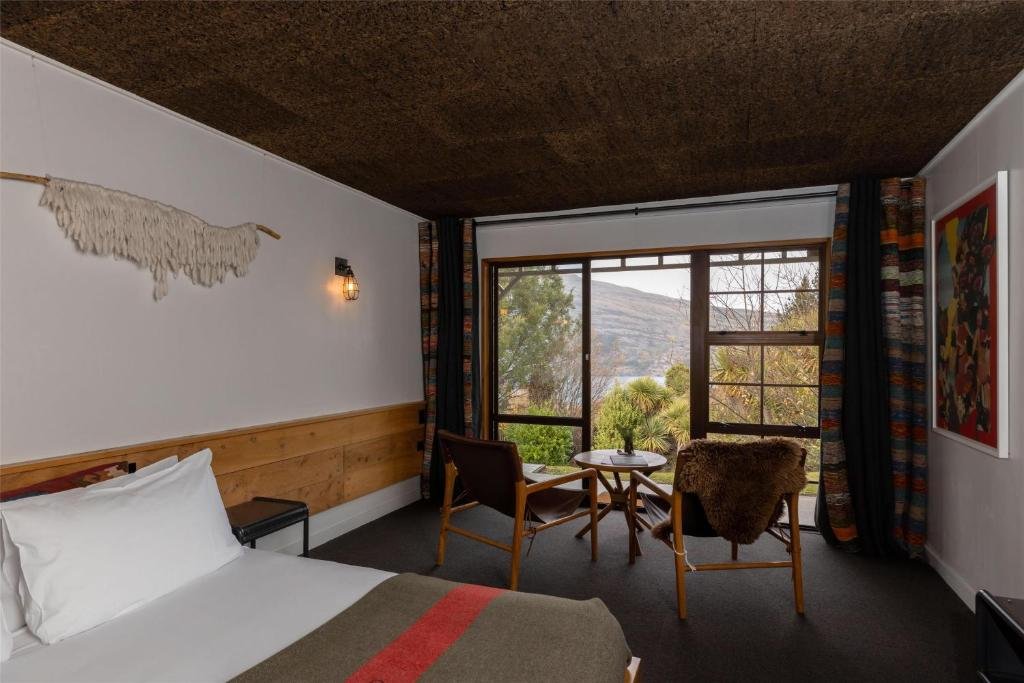
Stunning lakeside views with a serene, picturesque atmosphere enhanced by the vineyard setting and elegant cellar door.