Alma Rosa Winery & Vineyards
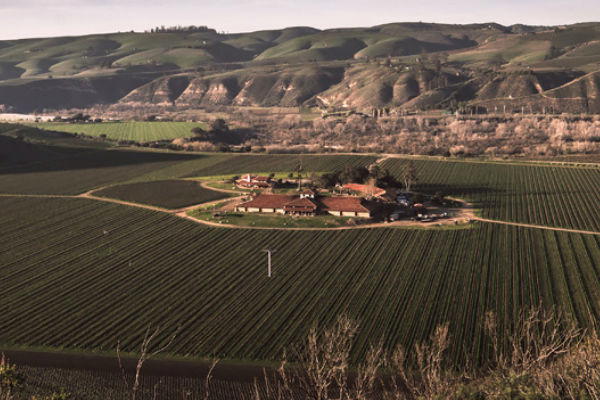
Alma Rosa Winery & Vineyards sits on Santa Rosa Road in Buellton, where the cold Pacific air that funnels through the Santa Ynez Valley shapes wines that trade in restraint rather than extraction.

Where the Wind Does the Work
Drive west out of Buellton on Santa Rosa Road and the temperature drops before the elevation does. The Santa Rita Hills, or more precisely, the gap in the coastal range known as the Transverse Ranges, act as a wind tunnel, pulling marine air from the Pacific inland every afternoon with enough regularity that winemakers here plan around it the way farmers elsewhere plan around rain. At 7250 Santa Rosa Road, Alma Rosa Winery & Vineyards sits inside that climatic corridor, and the address is less a postal detail than a statement of intent. In Santa Barbara County, where you plant relative to this east-west gap determines almost everything about what ends up in the bottle.
This stretch of road has become a benchmark for California's cooler-climate wine conversation. The combination of sandy, low-nutrient soils and persistent afternoon winds forces vines to work harder for less, producing fruit with natural acidity and more restrained alcohol levels than warmer inland California appellations typically generate. That framework, stress-driven viticulture yielding wines of structural tension rather than broad fruit weight, is what draws serious wine drinkers to this corridor, and Alma Rosa is one of the names that defines it.
Santa Barbara County's Cooler-Climate Position
California wine tends to be discussed through Napa's Cabernet lens, but Santa Barbara County has built a distinct identity around Burgundian varieties. Pinot Noir and Chardonnay thrive here not because the winemakers have decided to imitate Burgundy, but because the climate imposes similar conditions: cool growing seasons, diurnal temperature swings, and soils that don't produce the kind of physiologically ripe, high-sugar grapes that California's warmer regions generate. The result is a regional style that sits closer to Willamette Valley or Sonoma Coast in character than to Napa Valley, and Alma Rosa operates firmly within that tradition.
Among the wineries along Santa Rosa Road and the broader Santa Rita Hills appellation, there is a recognizable peer group focused on minimal intervention and site transparency. Crawford Family Wines and Ken Brown Wines work in this same register, as do Lafond Winery & Vineyards and Standing Sun Wines. Further afield in Buellton, Jonata takes a different path with Rhône and Bordeaux varieties, illustrating how even within a single town the stylistic range is wider than the county's Pinot-and-Chardonnay reputation suggests.
It is a signal worth reading carefully: at this recognition tier, the standard being measured is not just the quality of individual bottles but the coherence of a program across vintages and varieties. For visitors building a serious tasting itinerary through Santa Barbara County, that credential functions as a calibration point.
The Land as Argument
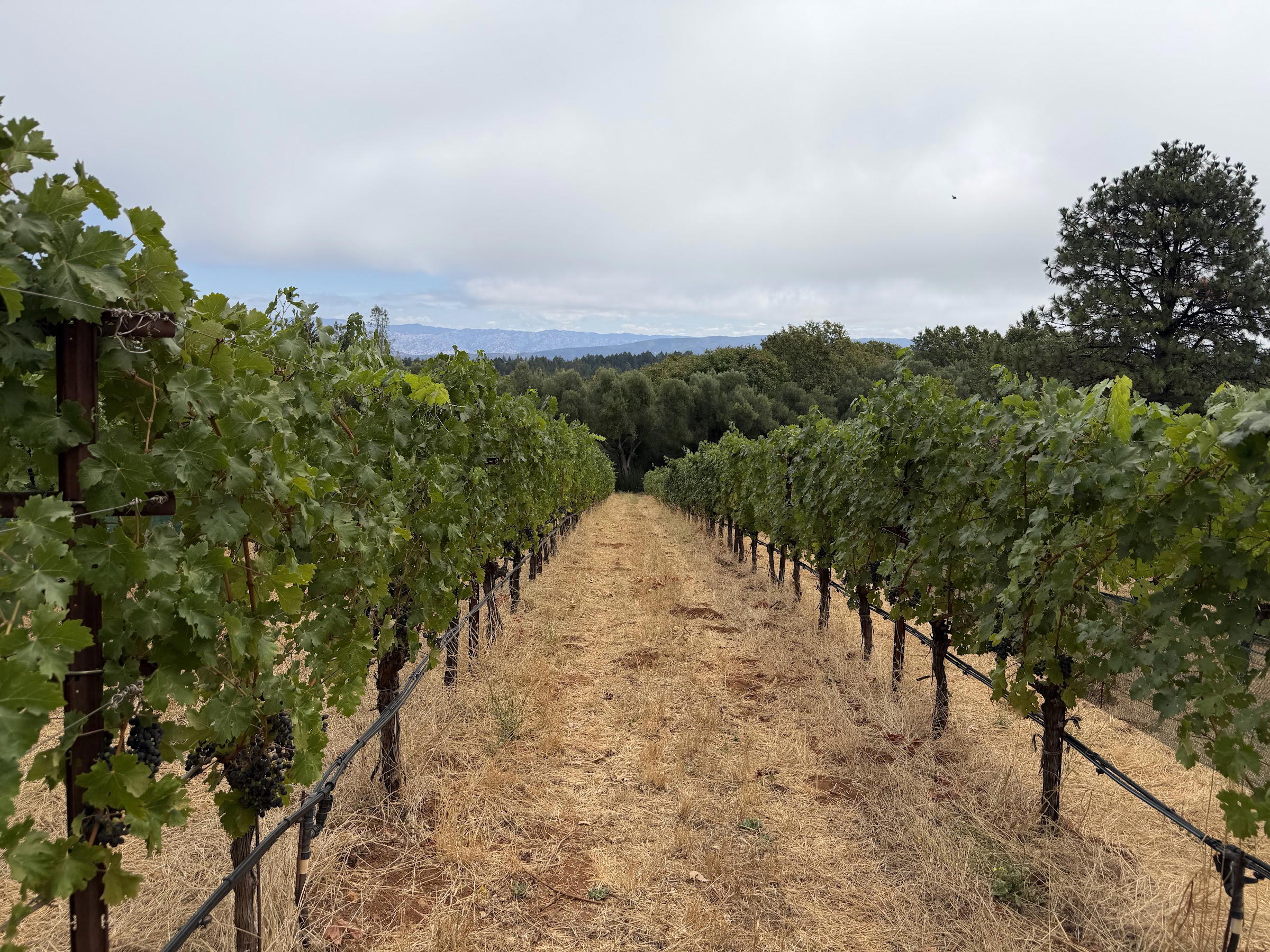
The soils along Santa Rosa Road are predominantly Sta. Rita Hills sandy loam and Lompoc clay, both of which share one useful characteristic: they drain quickly and hold little water, forcing vine roots to grow deep. Deep-rooted vines draw from a more complex mineral profile and produce smaller berries with thicker skins, which in turn means higher skin-to-juice ratios and more structural tannin. For Pinot Noir, a variety that can easily become overripe and jammy in warmer California conditions, this kind of site stress is a feature rather than a limitation.
The Pacific influence is measurable in the growing degree day counts for this appellation, which are among the lowest in California wine country. Harvest in the Santa Rita Hills typically runs later than in warmer appellations to the north and east, and picking decisions here are often driven by flavor development rather than sugar accumulation, a distinction that matters when you're trying to achieve wines with length and complexity rather than immediate fruit impact.
Compare this framework to what drives decisions at, say, Alban Vineyards in Arroyo Grande with its Rhône focus, or Adelaida Vineyards in Paso Robles where limestone soils and a different diurnal range produce a different expression of tension. Or look further north to Adelsheim Vineyard in Newberg, where Oregon's Willamette Valley draws the same cooler-climate Pinot playbook from volcanic and sedimentary soils. Each region makes a distinct argument for its terroir, and the Santa Rita Hills' argument is built on cold afternoons, deep sandy soils, and a vine stress that tilts the wines toward savory minerality rather than forward fruit.
Planning a Visit Along Santa Rosa Road
The Santa Rosa Road corridor rewards a focused half-day rather than a rushed multi-winery sprint. Buellton itself functions as the practical base for this part of Santa Barbara County: it sits at the junction of Highway 101 and Highway 246, making it the logical hub before or after visiting the tasting rooms strung along Santa Rosa Road heading west. The town is modest in ambiance but efficiently positioned, and most visitors pair a morning of wine tasting with lunch in the adjacent Solvang or Los Olivos, both within fifteen minutes by car.
For context on what the broader Santa Barbara County wine scene offers beyond this corridor, our full Buellton restaurants and wineries guide maps the range from this cooler western stretch through to warmer-climate producers to the east. Those planning a wider California wine trip might also cross-reference producers at other prestige-tier California addresses: Accendo Cellars in St. Helena, Alpha Omega Winery in Rutherford, and Alexander Valley Vineyards in Geyserville all operate in different California climatic registers and offer useful counterpoints to what the Santa Rita Hills corridor produces. For Rhône variety comparison in a Southern California context, Andrew Murray Vineyards in Los Olivos is the obvious nearby reference.
International comparison points are instructive too. The restraint-driven, terroir-transparent approach that defines the leading Santa Rita Hills producers shares philosophical ground with old-world houses like Aberlour and Achaia Clauss in Patras, producers in entirely different categories who nonetheless share a commitment to place expression over production intervention. The methodological kinship, even across categories, is worth noting for visitors who approach wine through a site-first lens.
Frequently asked questions
What's Alma Rosa Winery & Vineyards's location?
Alma Rosa Winery & Vineyards is located at 7250 Santa Rosa Rd, Buellton, CA 93427, Buellton.
What's the signature bottle at Alma Rosa Winery & Vineyards?
Alma Rosa is rooted in the Santa Rita Hills appellation, where the marine gap in the coastal range pulls cold Pacific air across the vineyards on Santa Rosa Road. That climate points the program toward Pinot Noir and Chardonnay, the varieties that perform most consistently in Sta. Rita Hills sandy loam and Lompoc clay soils.
Why do people go to Alma Rosa Winery & Vineyards?
Visitors who want to understand how wind and marine influence shape Pinot and Chardonnay will find the setting as instructive as the glass. It's also a practical anchor for a focused half-day along the Santa Rosa Road corridor out of Buellton.
How far ahead should I plan for Alma Rosa Winery & Vineyards?
Santa Rosa Road wineries attract serious wine-focused visitors rather than casual drop-ins, and tasting availability can tighten during peak California wine season from late spring through harvest in October. Booking a week or two ahead is sensible for weekend visits, and more lead time is advisable if you're planning around a harvest-period trip to Buellton. check the venue's official channels at 7250 Santa Rosa Rd, Buellton, CA 93427 to confirm current reservation requirements.
What makes Alma Rosa Winery & Vineyards worth seeking out in the broader Santa Barbara County wine scene?
While Santa Barbara County produces wine across a range of styles and appellations, Alma Rosa operates squarely within the Sta. Rita Hills, one of the county's most precisely defined sub-appellations, where marine influence and diurnal temperature swings are most pronounced. For visitors travelling from Buellton, the winery at 7250 Santa Rosa Rd sits along the corridor that concentrates the appellation's most discussed estates.
Who is Alma Rosa Winery & Vineyards best for?
Alma Rosa is a focused stop for drinkers already oriented toward cool-climate Burgundian varieties rather than those seeking a broad California tasting-room experience. It suits wine-forward travellers using Buellton as a base for the Santa Rosa Road corridor.
In Context: Similar Options
| Venue | Price | Awards |
|---|---|---|
| Alma Rosa Winery & VineyardsThis venue (the venue you are viewing) | $50–100 | Not listed |
| Lafond Winery & Vineyards | $20–30 | Not listed |
| Racines | $50–100 | Falstaff Winery - Listed |
Request a visit to Alma Rosa Winery & Vineyards
Tell us when you would like to go and how many people, and we put the request to the estate and reply to you by email.
Continue exploring
More in Buellton
Wineries in Buellton
All wineries in Buellton →
Bars in Buellton
Browse all →


Details
- Scenic
- Intimate
- Quiet
- Rustic
- Special Occasion
- Group Outing
- Wine Education
- Private Tasting
- Vineyard Tour
- Estate Grounds
- Panoramic View
- Sustainable
- Organic
- Vineyard
- Garden
- Pinot Noir
- Chardonnay
- Syrah
- Grenache
- Pinot Blanc
- Pinot Gris
- Still Red
- Still White
- Still Rosé
- Estate Tasting
- Guided Tasting
- Private Tasting
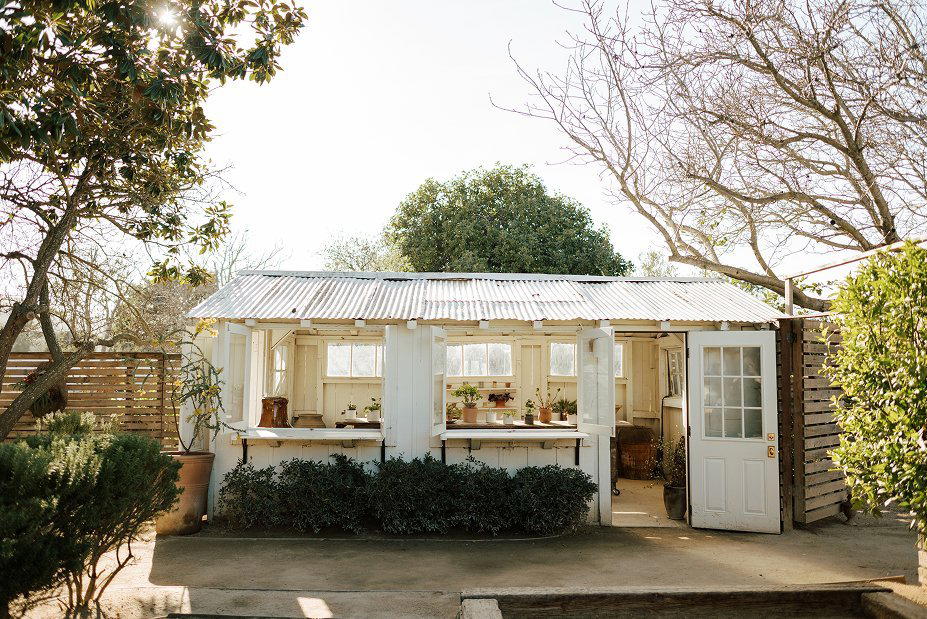
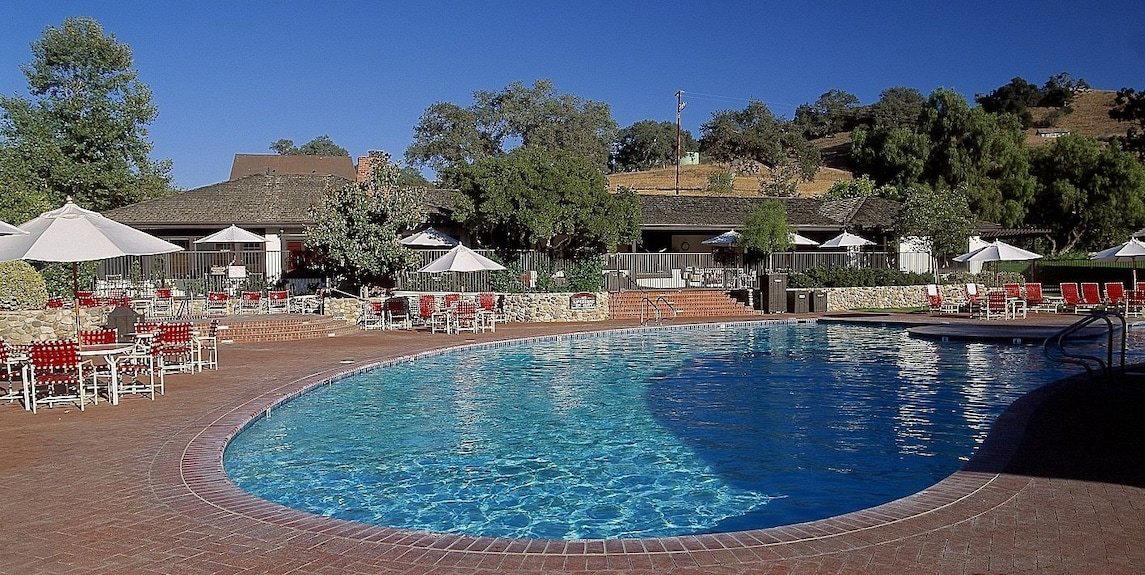
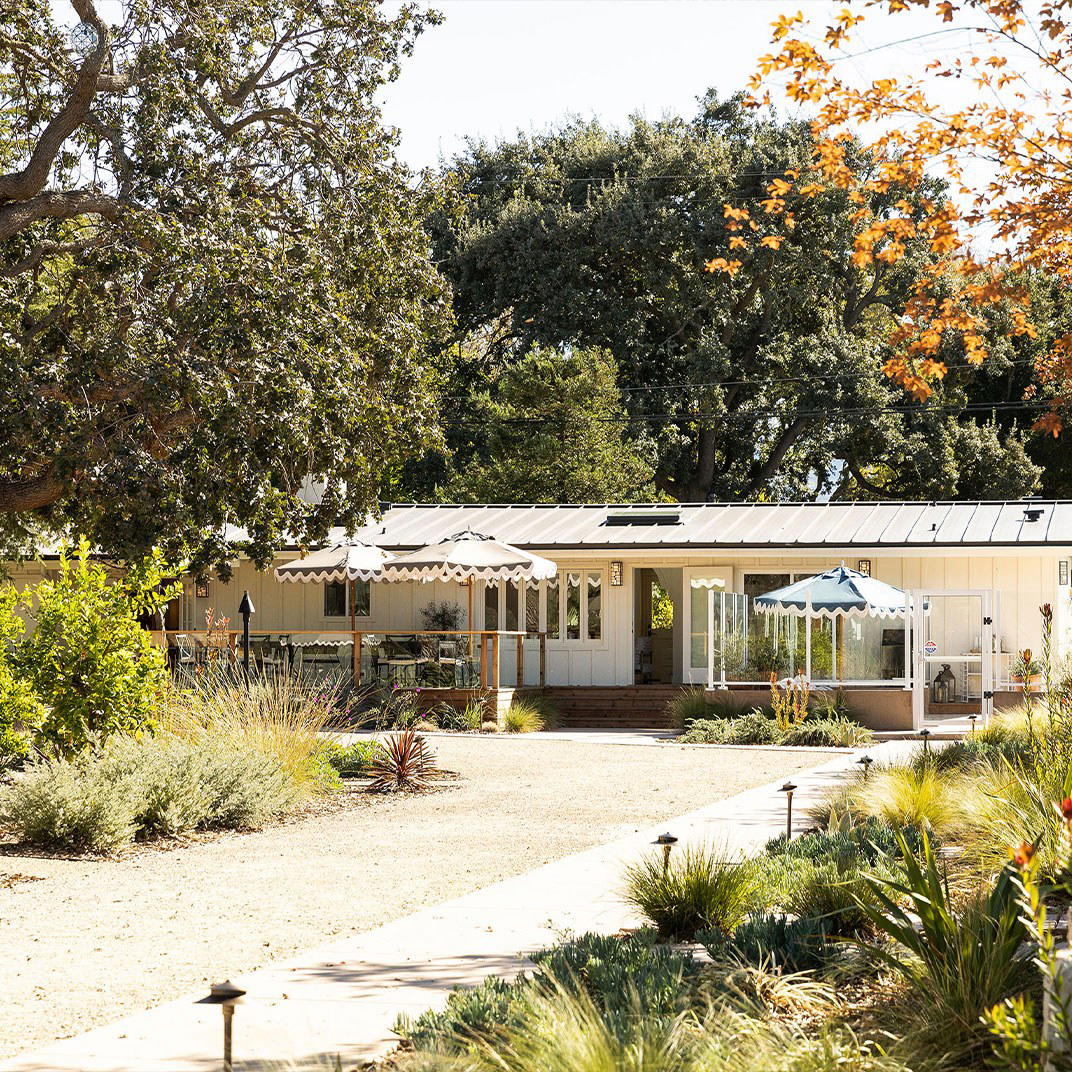
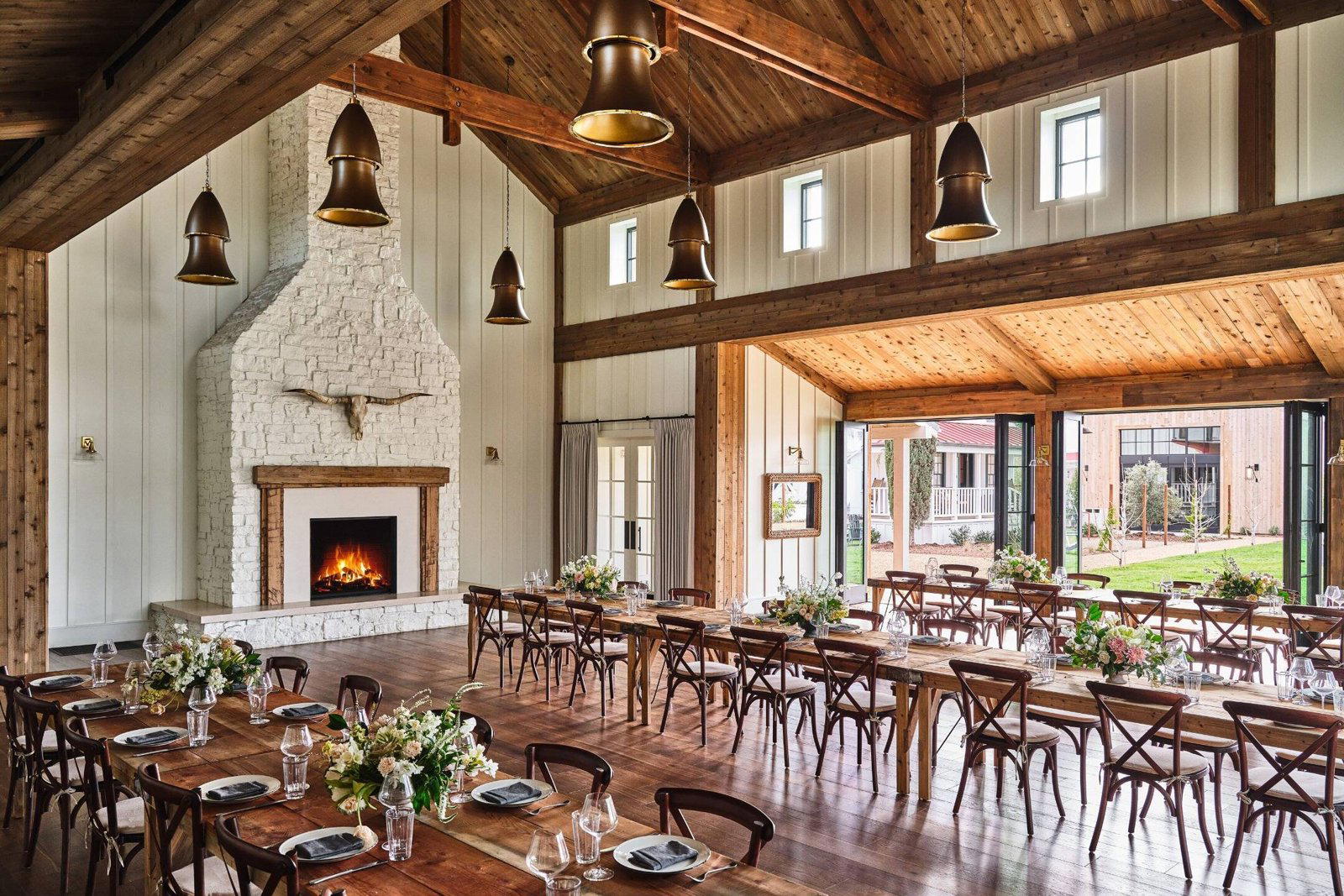
Thoughtfully paced, intimate estate tastings set among rolling vineyards, ancient oaks, and wide-open skies create a deeply personal and scenic atmosphere.