
Falstaff Winery - Listed
Querce Bettina is a small Brunello-focused estate tied to Montalcino’s southwest slopes, with Sangiovese Grosso at the center of its identity. Its scale, organic farming language, 29-hectare mixed agricultural setting, and export-heavy production place it closer to a serious estate winery than a tourism-led cellar door.

Pearl is the En Primeur Club membership app, where members save venues, book tables and use the concierge.

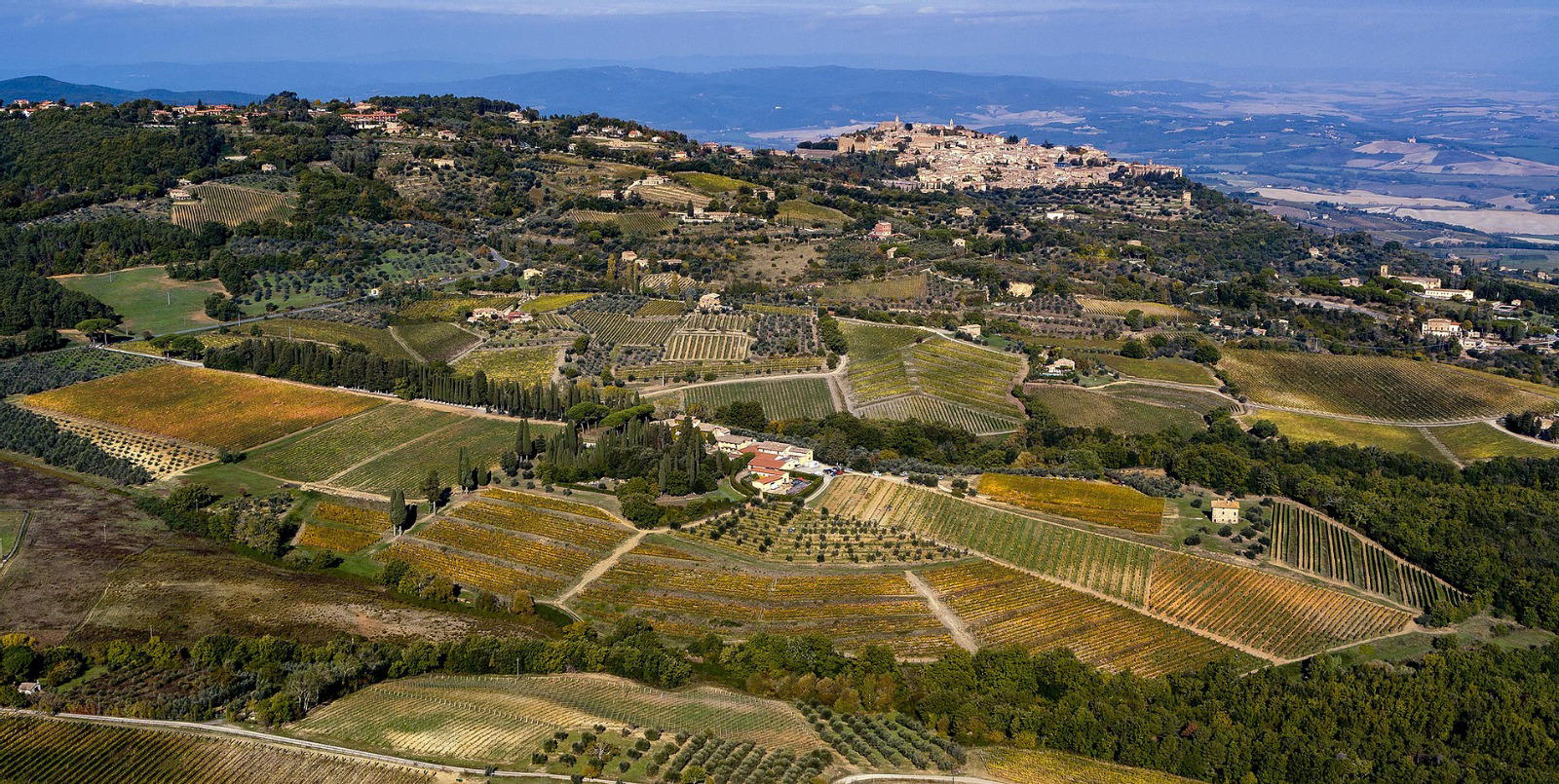
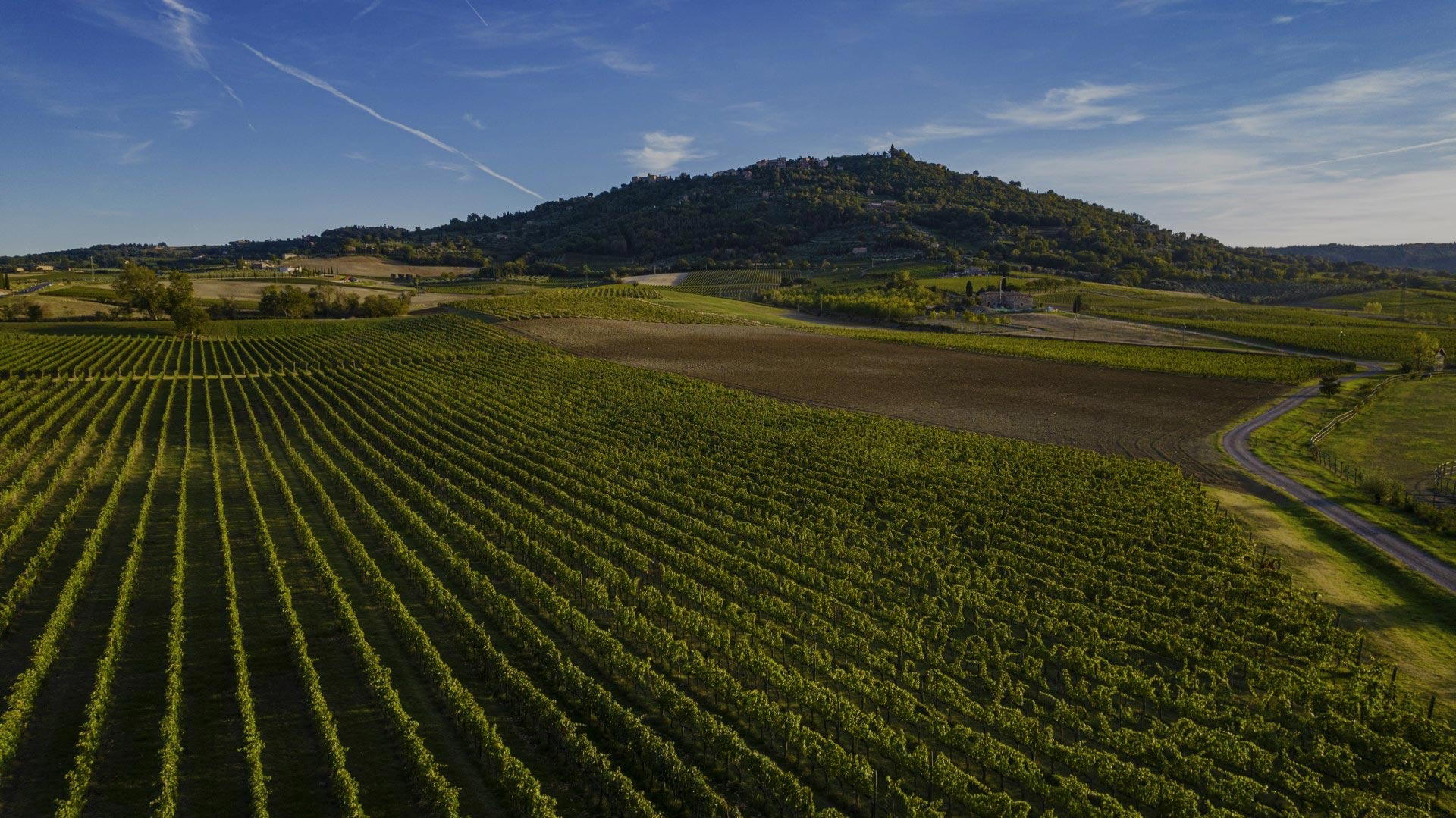
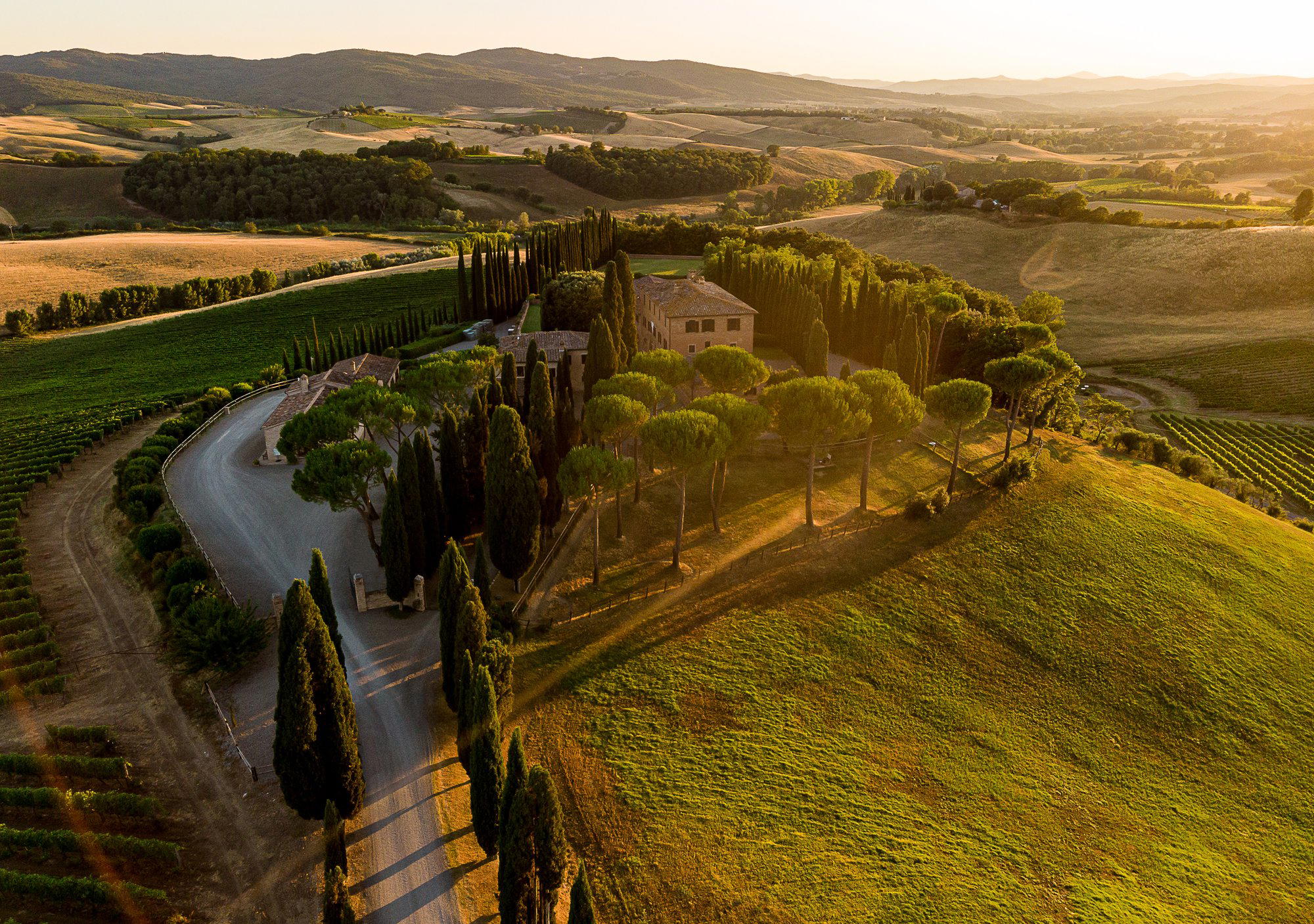
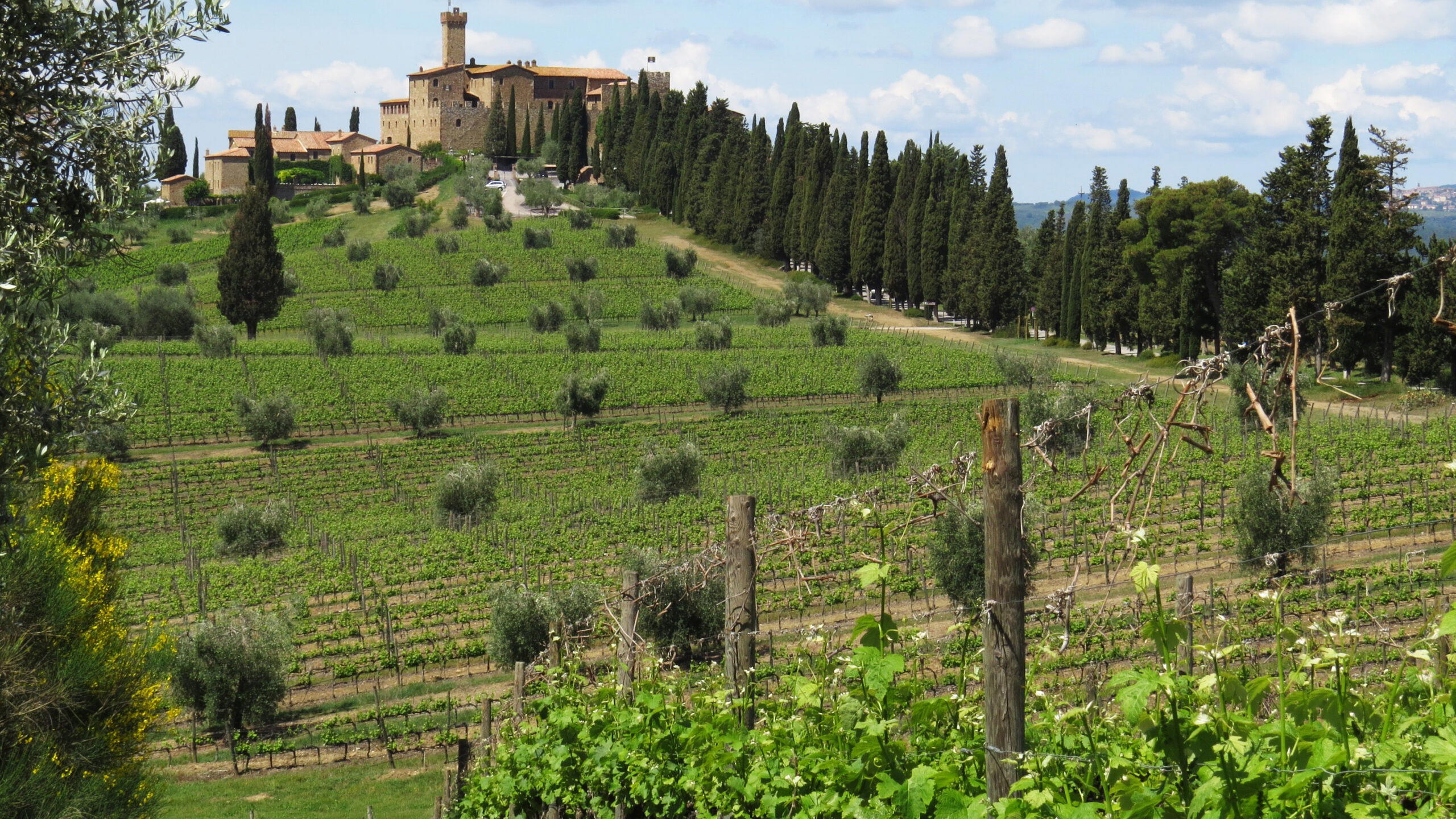
Approaching this part of southern Tuscany, the wine story is written less by cellar theatrics than by altitude, exposure, and agricultural restraint. Querce Bettina sits on the southwest side of Montalcino at about 440 meters, in a rural estate setting where vineyards share the land with olive groves, arable plots, and Mediterranean scrub. That mixed-use pattern matters: Brunello country is often discussed through prestige, but the better lens here is land management, especially when a small Sangiovese Grosso holding is framed within a broader Tuscan farm rather than a single-purpose vineyard operation.
The estate’s public identity is built around Brunello di Montalcino DOCG and Rosso di Montalcino DOC, the two categories that define how Montalcino communicates both immediacy and ageworthy ambition. Founded in 1992, with vineyards planted in 1999, a cellar completed in 2005, and the first Brunello produced in 2009, the chronology reads as a slow-build estate rather than a recent label chasing appellation heat. In a region where reputation can outpace substance, that gradual sequence is a useful signal.
Southwest Montalcino, Sangiovese Grosso, and the discipline of small scale
Montalcino’s power in the fine-wine market comes from a narrow proposition: Sangiovese, interpreted through altitude, slope, exposure, and long maturation. Querce Bettina works inside that proposition with a compact vineyard footprint: 1 hectare devoted to Brunello di Montalcino DOCG and 1.4 hectares to Rosso di Montalcino DOC within a 29-hectare estate. The remaining land is not decorative background. Olive groves, arable crops, and scrub point to the older Tuscan model of an agricultural property where wine is the prestige product but not the only expression of place.
The production scale, about 15,000 bottles a year, puts the estate in a small-output bracket. That number is important because Brunello’s global market can reward expansion, yet a limited footprint keeps the conversation tied to parcel identity and selection. Around 70 percent of production is exported, which also changes the lens: this is not merely a local tasting stop serving passing wine tourists, but a producer whose bottles carry Montalcino’s name into international channels.
The portfolio is deliberately narrow: Rosso di Montalcino, Brunello di Montalcino, and a Brunello Riserva released only in stronger vintages, alongside Grappa di Brunello and organic extra virgin olive oil. That structure makes sense in Montalcino. Rosso offers earlier access to the estate’s Sangiovese language, Brunello carries the appellation’s long-form identity, and Riserva functions as a selection tier rather than an automatic annual extension.
Organic language, export ambition, and a new ownership chapter
Current chapter is tied to La Faretra, the agricultural estate led by Massimo Guercilena, which finalized its acquisition of Querce Bettina in the second half of 2025. In wine regions with high land values, acquisitions often signal consolidation; here the editorially useful point is how the transaction is framed around continuity, sustainability, and export strength rather than a reset. Enologist Giacomo Tonini is named in connection with the new phase, giving the production side a clear technical lead without turning the estate story into a personality profile.
Organic farming principles sit at the center of the estate’s stated approach to Sangiovese Grosso. The broader land composition reinforces that claim more convincingly than rhetoric alone: a small vineyard area inside a 29-hectare property gives room for biodiversity, olive production, and non-vine agriculture. In Tuscany, that kind of estate ecology can be more persuasive than a long list of cellar details, especially when the wines are meant to speak through appellation and site rather than technical display.
Renovation and expansion work on the cellar places the estate in a transition moment. The more interesting question is not whether the property becomes more polished for visitors, but whether investment preserves the small-estate logic that gives the wines their identity. In the Brunello category, growth can dilute the cues that make a producer compelling: limited scale, clear grape focus, and a direct relationship between land and bottle.
How to read the estate in a Gavorrano itinerary
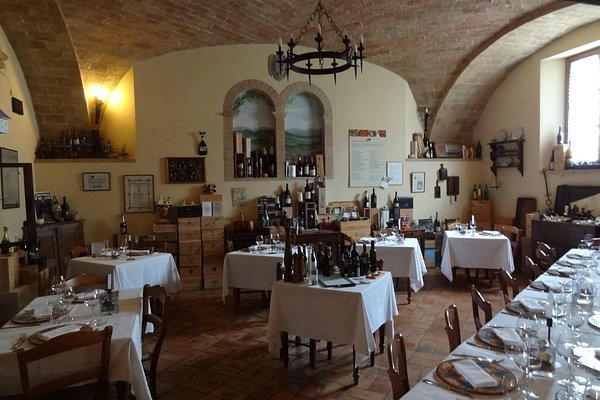
For travelers planning around Gavorrano, Querce Bettina belongs in the wine portion of a broader Maremma and Montalcino itinerary rather than as a casual drop-in. The visit format is appointment-led and private tasting oriented, with a quiet estate mood and a casual dress code. The strongest reason to choose it is education: Sangiovese Grosso, Brunello hierarchy, and the way a small mixed agricultural property can present Montalcino without resorting to spectacle.
Its price positioning sits in the $$$ tier, which aligns with a premium estate rather than a quick cellar-counter stop. The experience makes sense for solo wine study or a special-occasion tasting, less so for groups or family-led touring. The estate is not positioned around food pairing or outdoor hospitality programming; the point is wine, place, and the structure of a restrained Brunello portfolio.
For wider planning, EP Club’s Gavorrano coverage can help build a fuller trip around the cellar visit: start with Our full Gavorrano wineries guide, then cross-check dining, hotels, bars, and local programming through Our full Gavorrano restaurants guide, Our full Gavorrano hotels guide, Our full Gavorrano bars guide, and Our full Gavorrano experiences guide. Regional wine readers can also keep tabs on nearby and broader producer pages including Le Falene, Rigoloccio, Rocca di Frassinello, Sequerciani, Tenuta Fertuna, 3GP SRL in Treviso, 47 Anno Domini in Trebaseleghe, A Mano Wine in Noci, »der Steiner« Hans Steiner in Podersdorf am See, and & Handwein in Mannheim.
Recognition history
Dated appearances from independent guides and award organizations, with the underlying list record or original source where available.
Falstaff Winery - Listed
Falstaff
Continue exploring
More in Gavorrano
Wineries in Gavorrano
All wineries in Gavorrano →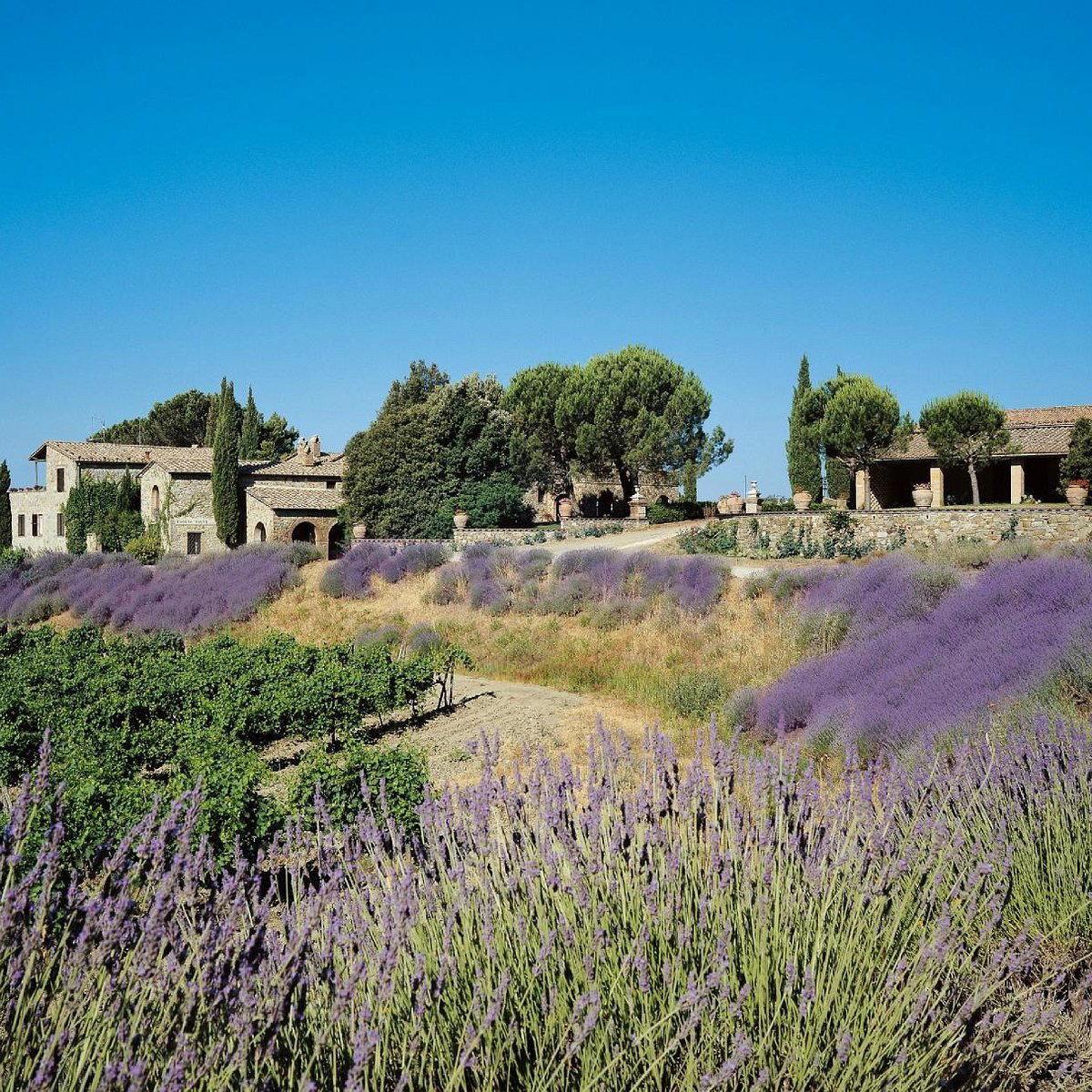
Bars in Gavorrano
Browse all →

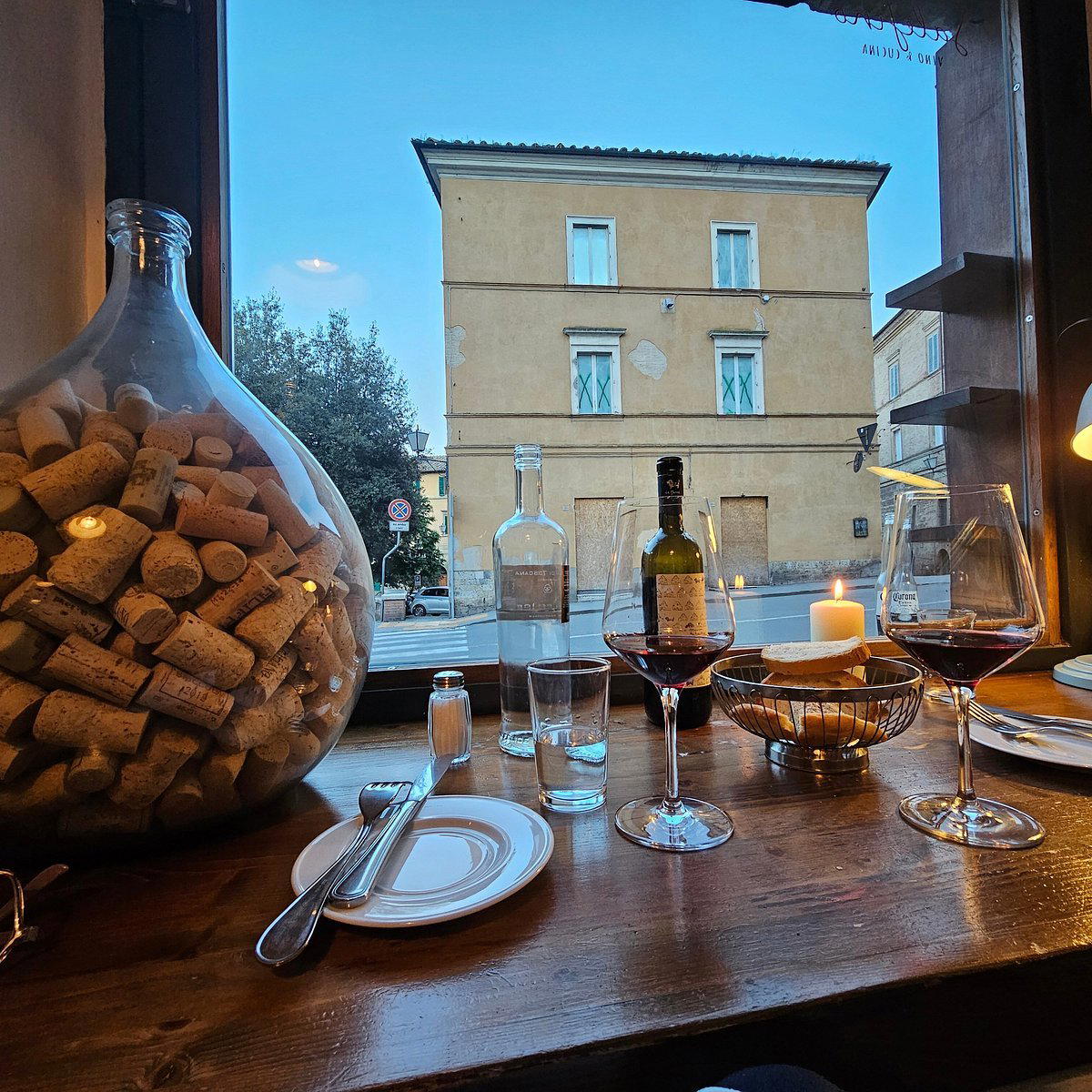
Restaurants in Gavorrano
Browse all →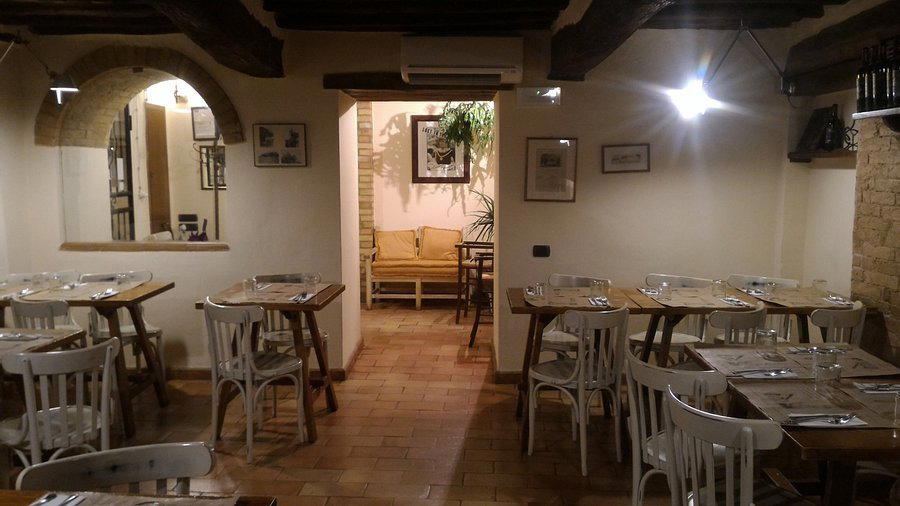
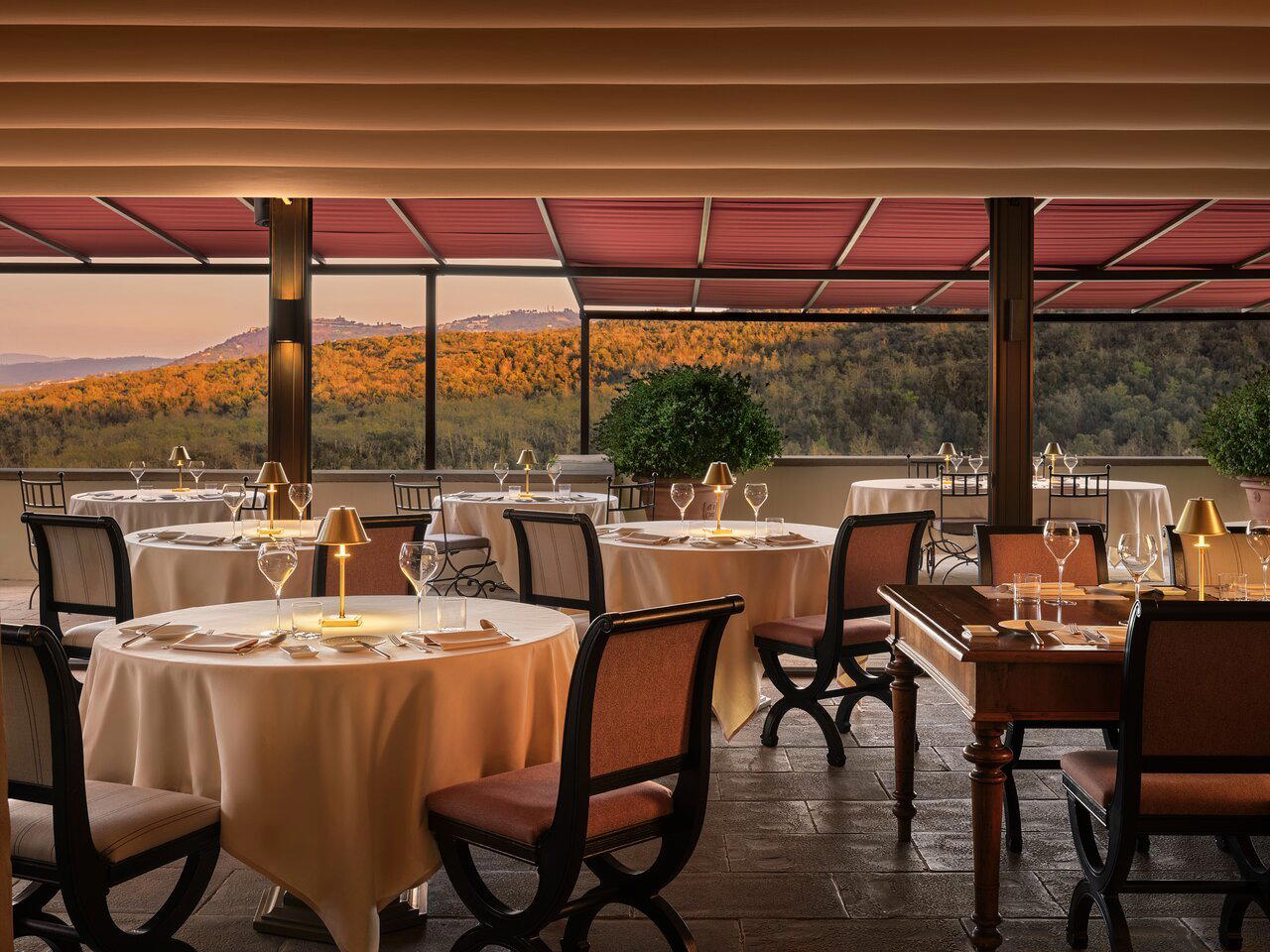
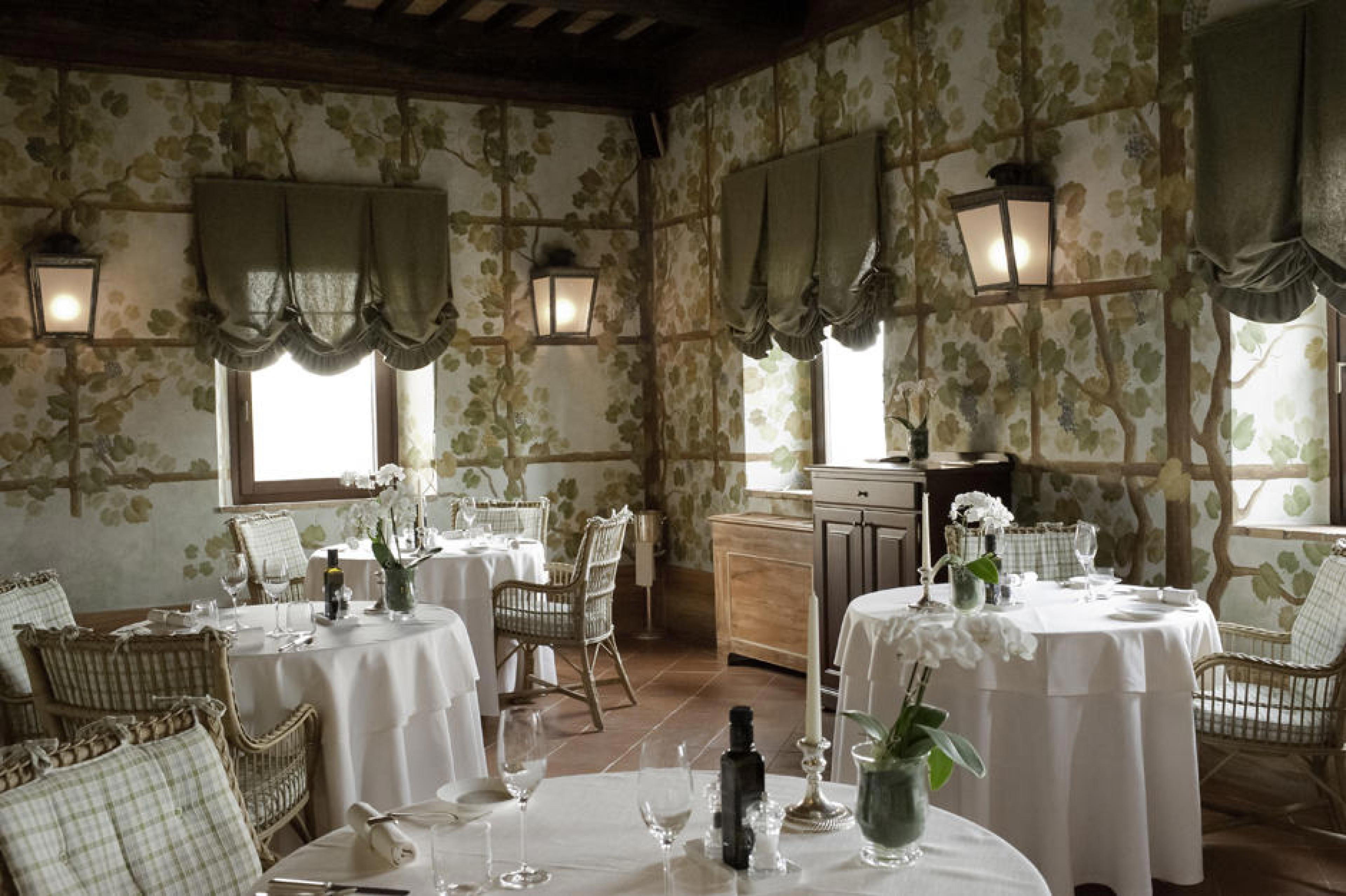
Details
- Classic
- Quiet
- Rustic
- Scenic
- Solo Exploration
- Special Occasion
- Wine Education
- Historic Building
- Vineyard Tour
- Estate Grounds
- Private Tasting
- Organic
- Mountain
- Vineyard
- Sangiovese Grosso
- Still Red
- Private Tasting
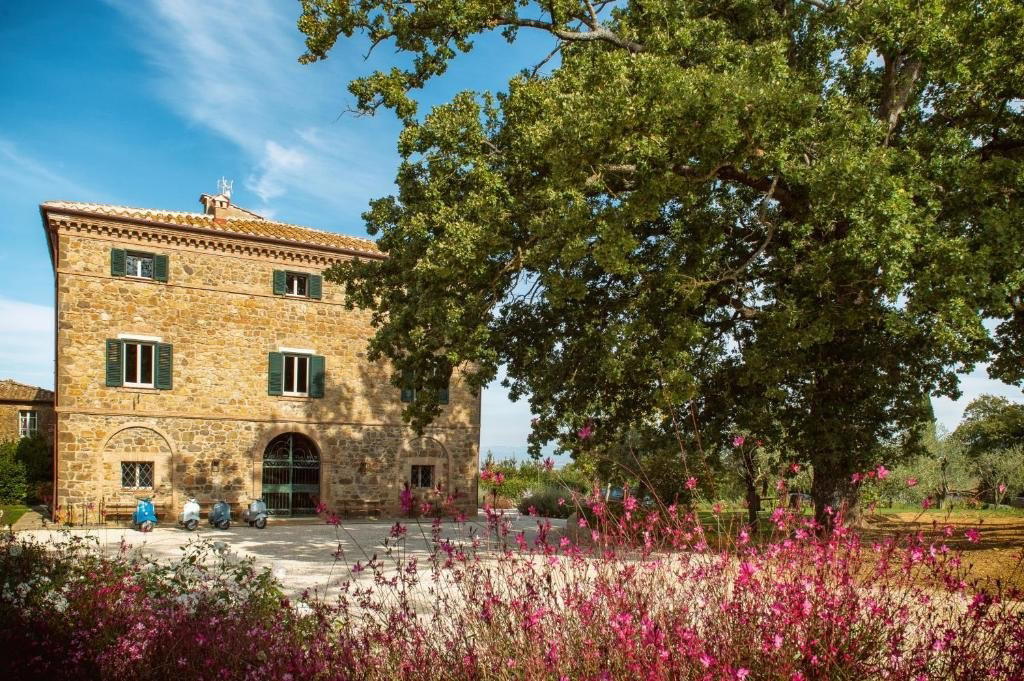
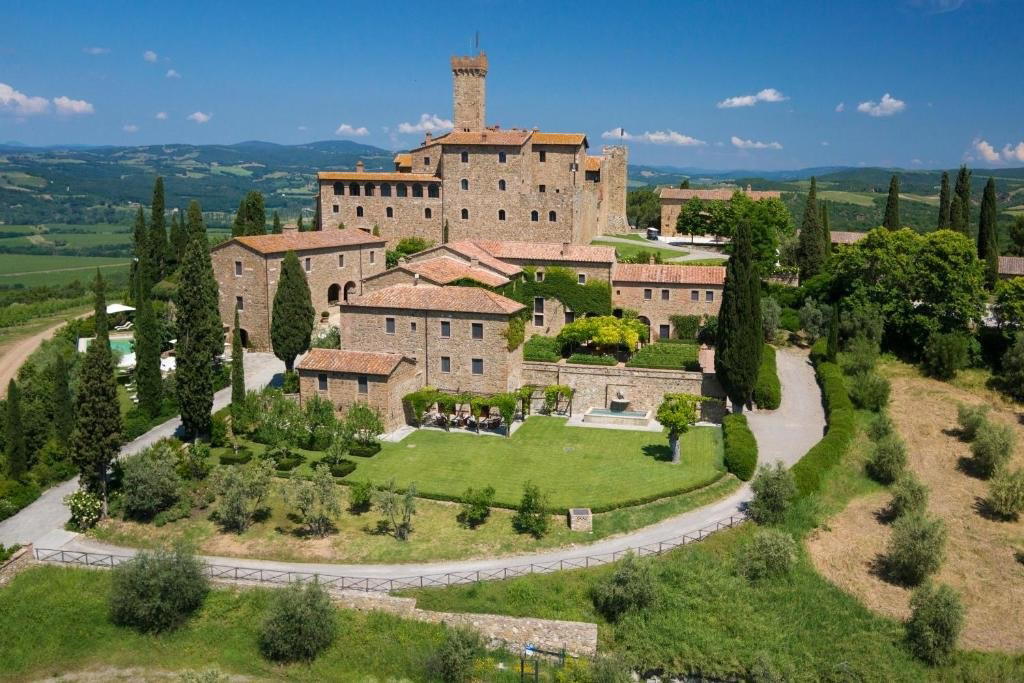
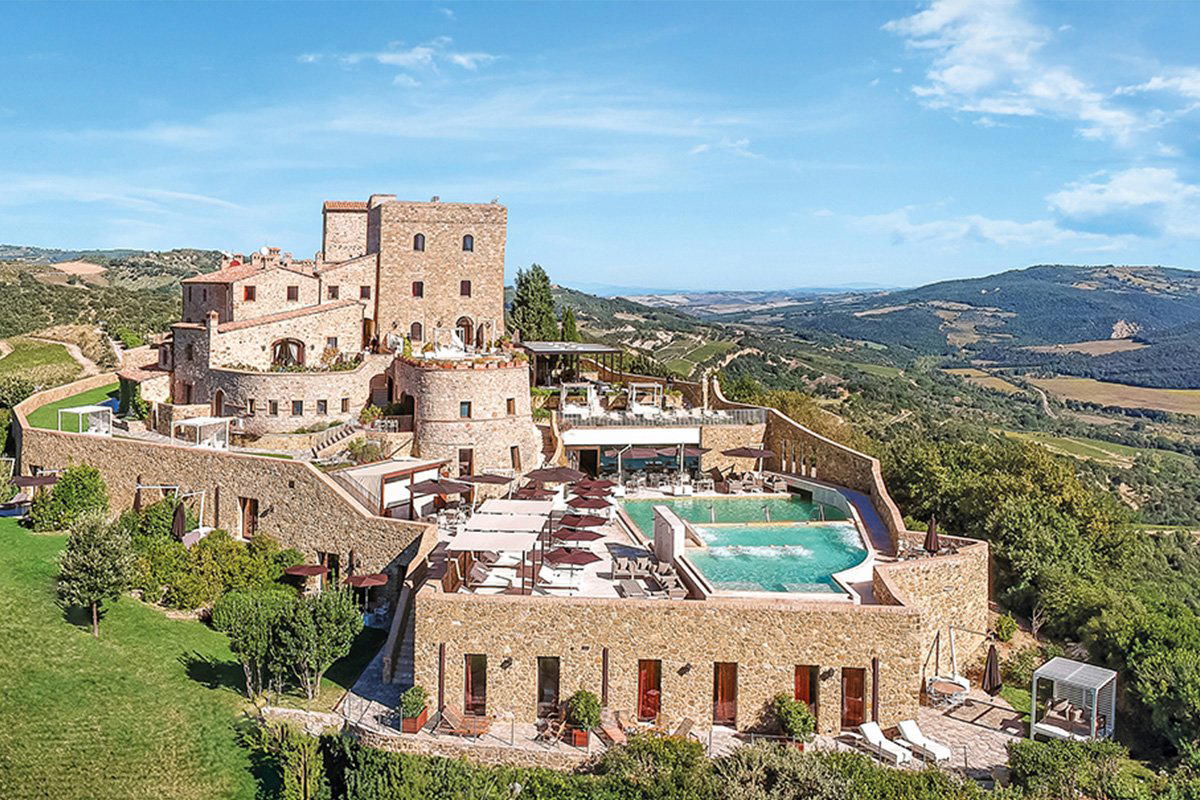
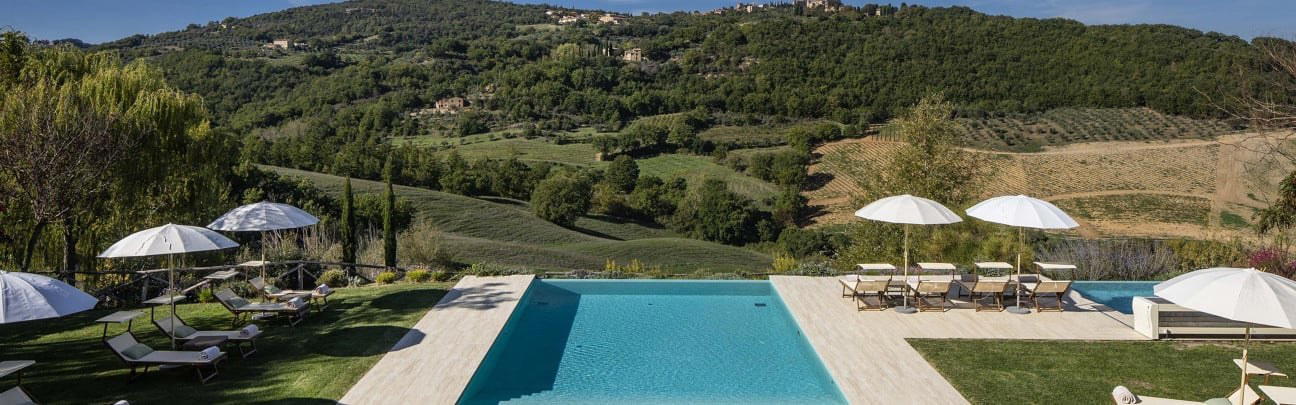
Classic Tuscan estate atmosphere shaped by a family-owned, small-scale winery set on the southwest slopes of Montalcino at about 440 meters elevation, with a strong heritage narrative and countryside setting.