Oso Libre Winery
The winery operates from its address at 7383 Vineyard Dr, within a stretch of the Westside that has become a reference point for estate-focused production in San Luis Obispo County. For visitors building a serious Paso itinerary, it earns a dedicated stop rather than a passing visit.

Pearl is the En Primeur Club membership app — saves, bookings, and concierge access live there. Same editors, same standards.
- Address
- 7383 Vineyard Dr, Paso Robles, CA 93446
- Phone
- (805) 238-3378
- Website
- osolibre.com
- Directions
- Get directions
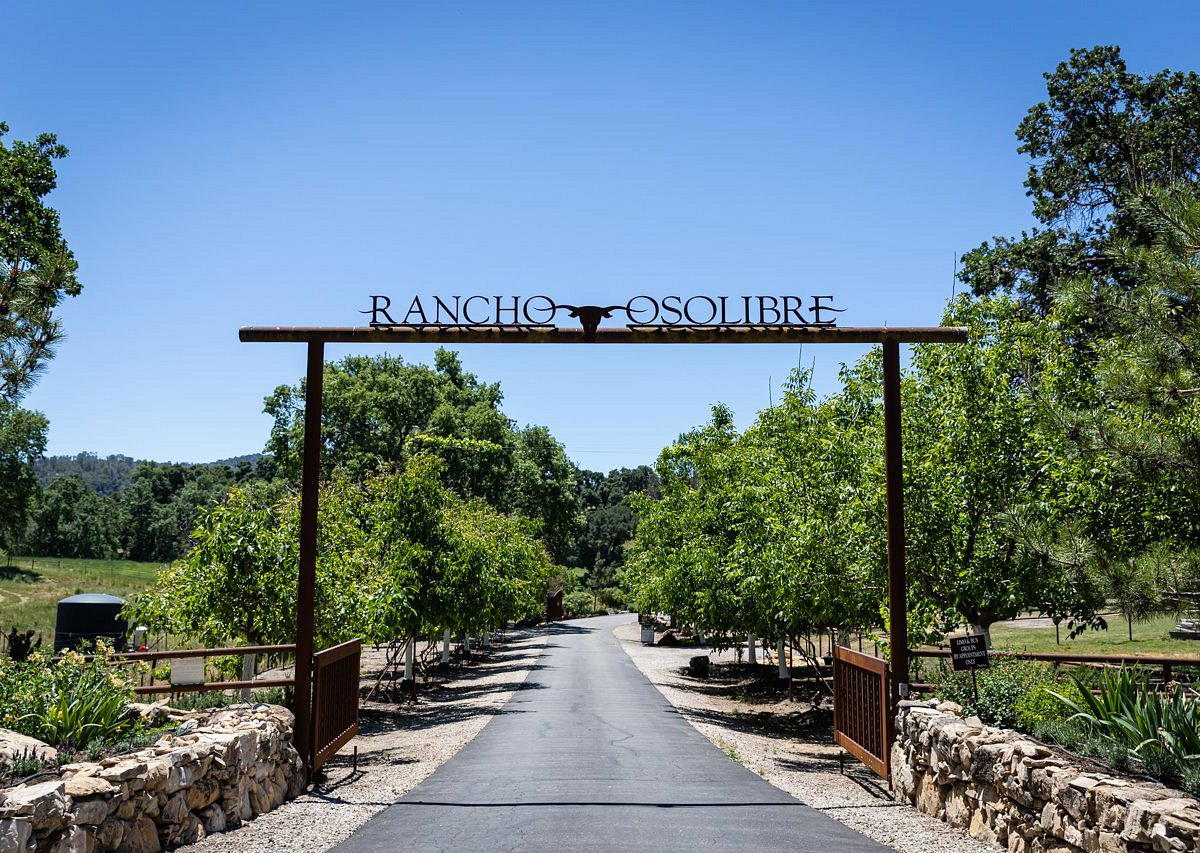
Vineyard Drive and the Westside Argument
The Westside of Paso Robles has been making a quiet case for itself for some years now. Where the Eastside tends toward warmer, more approachable fruit profiles suited to high-volume output, the Westside's limestone-heavy soils and marine-influenced diurnal temperature swings — sometimes 50 degrees Fahrenheit between afternoon highs and overnight lows — create conditions that reward patience and precision. Producers along Vineyard Drive, in particular, occupy a corridor where elevation changes and calcareous outcroppings compress the varietal conversation toward Rhône and Bordeaux varieties that can hold their acidity without intervention. Oso Libre Winery sits along that stretch, at 7383 Vineyard Dr, in the company of producers who have collectively argued that Paso Robles is not one wine region but several, depending on which side of Highway 46 you are standing.
In a county where the number of bonded wineries has grown substantially over the past two decades, that kind of independent recognition functions as a meaningful signal. Wineries earning Prestige-tier ratings tend to operate with clear production philosophies, limited yields, estate or closely sourced fruit, and deliberate winemaking decisions, rather than volume strategies. Whether Oso Libre follows the Rhône-leaning model common on the Westside or pursues a different varietal path, the award credential implies a house style worth engaging with seriously.
The Approach Behind the Label
Small Westside producers on Vineyard Drive tend to fall into one of two camps. The first prioritizes farming transparency: estate-grown fruit, low-intervention cellar work, and wine that reads as a direct expression of the site. The second uses the same sourcing discipline but applies a more interventionist approach in the winery, seeking a particular stylistic outcome rather than raw site expression. The distinction matters to the visitor who wants to understand what they are tasting, and the Pearl Prestige designation at Oso Libre suggests a producer that has committed clearly to one direction rather than hedging between them.
Paso Robles' Westside has historically attracted winemakers with training or philosophical debts to the Rhône Valley. Varieties like Syrah, Grenache, Mourvedre, and Viognier have found genuine homes in this part of San Luis Obispo County, in ways that the Central Valley or warmer Eastside blocks do not replicate. The limestone subsoils that run beneath much of Vineyard Drive bear a functional resemblance to the garrigue-draped hillsides of the Southern Rhône, at least in terms of what they ask of the vine: deep root systems, water stress during the growing season, and a mineral imprint on the finished wine. For a producer at this address to earn Prestige-level recognition in 2025 is, in context, a statement about what this specific soil and climate can deliver.
Where Oso Libre Sits in the Paso Conversation
Paso Robles has a tiered producer hierarchy that visitors quickly learn to read. At the top of the visibility scale sit operations like DAOU Vineyards, whose hilltop estate and Cabernet-driven program have become reference points for the region's premium ambitions, and Halter Ranch Vineyard, whose large certified-organic estate spans both Westside appellations and produces across multiple varieties. Further along the spectrum, producers like Herman Story Wines have built devoted followings through allocation models and a deliberately unconventional house style. Adelaida Vineyards represents the longer-established Westside estate model, with decades of farming history on calcareous soils. Bianchi Winery approaches the market from a different angle, balancing approachability with production scale.
That positioning carries implications for how to plan a visit: this is not a drop-in destination during peak weekend traffic in October, but a stop that benefits from advance contact and some sense of what the house is doing.
For a broader survey of where Oso Libre fits among Paso Robles' wine and food offerings, the EP Club Paso Robles guide provides neighbourhood-level context across the full range of producers and dining options in the region.
California Comparisons Worth Making
The California wine conversation at the Prestige level runs well beyond Paso Robles, and it is worth situating Oso Libre within that wider frame. On the Napa side, producers like Accendo Cellars in St. Helena, Alpha Omega Winery in Rutherford, and Artesa Vineyards and Winery in Napa operate in a price tier shaped by land values and Cabernet demand that Paso Robles has not historically matched. That gap has made the Central Coast interesting to buyers seeking serious wine at prices that do not carry a Napa premium. Further south, Alban Vineyards in Arroyo Grande has defined what Rhône varieties can achieve in San Luis Obispo County at the highest level of ambition, while Andrew Murray Vineyards in Los Olivos has pursued a similar argument in the Santa Ynez Valley. In Oregon, Adelsheim Vineyard in Newberg sits within a Pinot-driven tradition that rarely intersects with what Westside Paso producers are doing, but the comparison clarifies what makes the Central Coast's own approach, warmer, broader in varietal scope, less dependent on a single grape, distinctive on its own terms. Beyond California, Alexander Valley Vineyards in Geyserville offers a Sonoma County parallel for estate-focused multi-varietal production at a similar scale of ambition.
Planning a Visit to Vineyard Drive
Paso Robles' wine country operates on a rhythm defined by harvest season, which runs roughly from late August through October for most varieties. Spring and early summer offer cooler temperatures and less visitor congestion, making them the better windows for a considered tasting experience at smaller producers. Weekend traffic on Vineyard Drive intensifies significantly from September through November, and producers at the Prestige tier are rarely set up for walk-in volume during those periods. Reaching out in advance is the standard expectation at this level, and the Vineyard Drive address means visitors will need a car, the corridor is not accessible on foot or by public transport from Paso Robles proper.
Oso Libre's website and direct contact information are not listed in current public databases, which suggests either a private or allocation-focused model or a booking structure that operates through existing club members and referrals. That pattern is consistent with how some of the more considered smaller Westside producers manage demand. Visitors planning a Paso Robles itinerary that includes multiple Prestige-rated stops should build in lead time of at least several weeks and approach this kind of producer as they would a winery with a formal membership tier: directly, with specific questions about current availability and tasting formats.
Peers You’d Cross-Shop
Comparable venues nearby, for context on price, style, and recognition.
| Venue | Cuisine | Price | Notes |
|---|---|---|---|
| Oso Libre WineryThis venue — the venue you are viewing | Cabernet Sauvignon, Mourvèdre | Not listed | Not listed |
| Niner Wine Estates | Willow Creek District AVA | $30–50 | Willow Creek District |
| Sixmilebridge Vineyards | Cabernet Sauvignon, Merlot | Not listed | Adelaida District |
| Bianchi Winery | Cabernet Sauvignon, Merlot | $30–50 | Paso Robles |
| Sextant Wines | Cabernet Sauvignon, Grenache | $20–30 | El Pomar District |
| Alta Colina | Syrah, Grenache | $30–50 | Adelaida District |
Continue exploring
More in Paso Robles
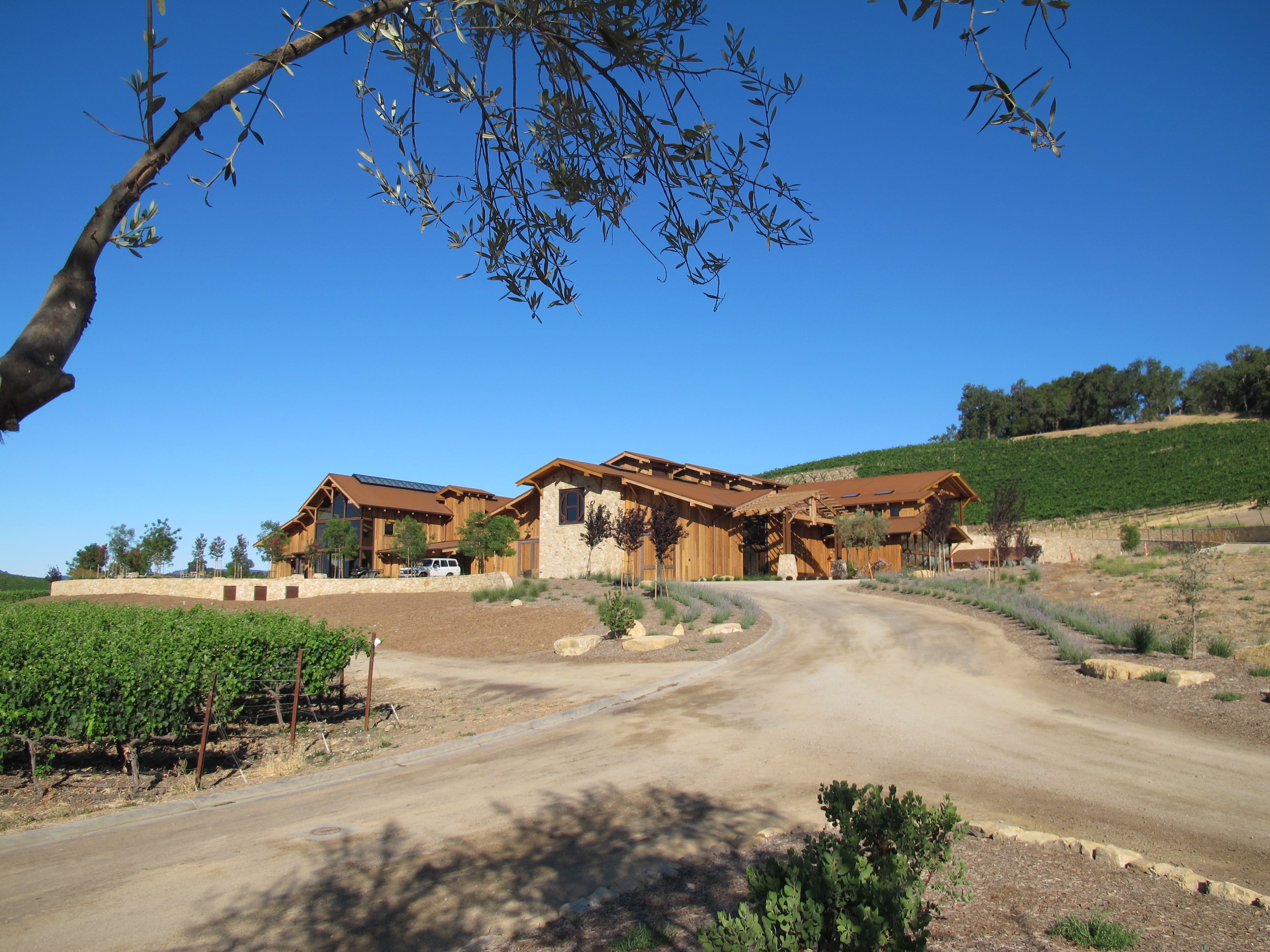
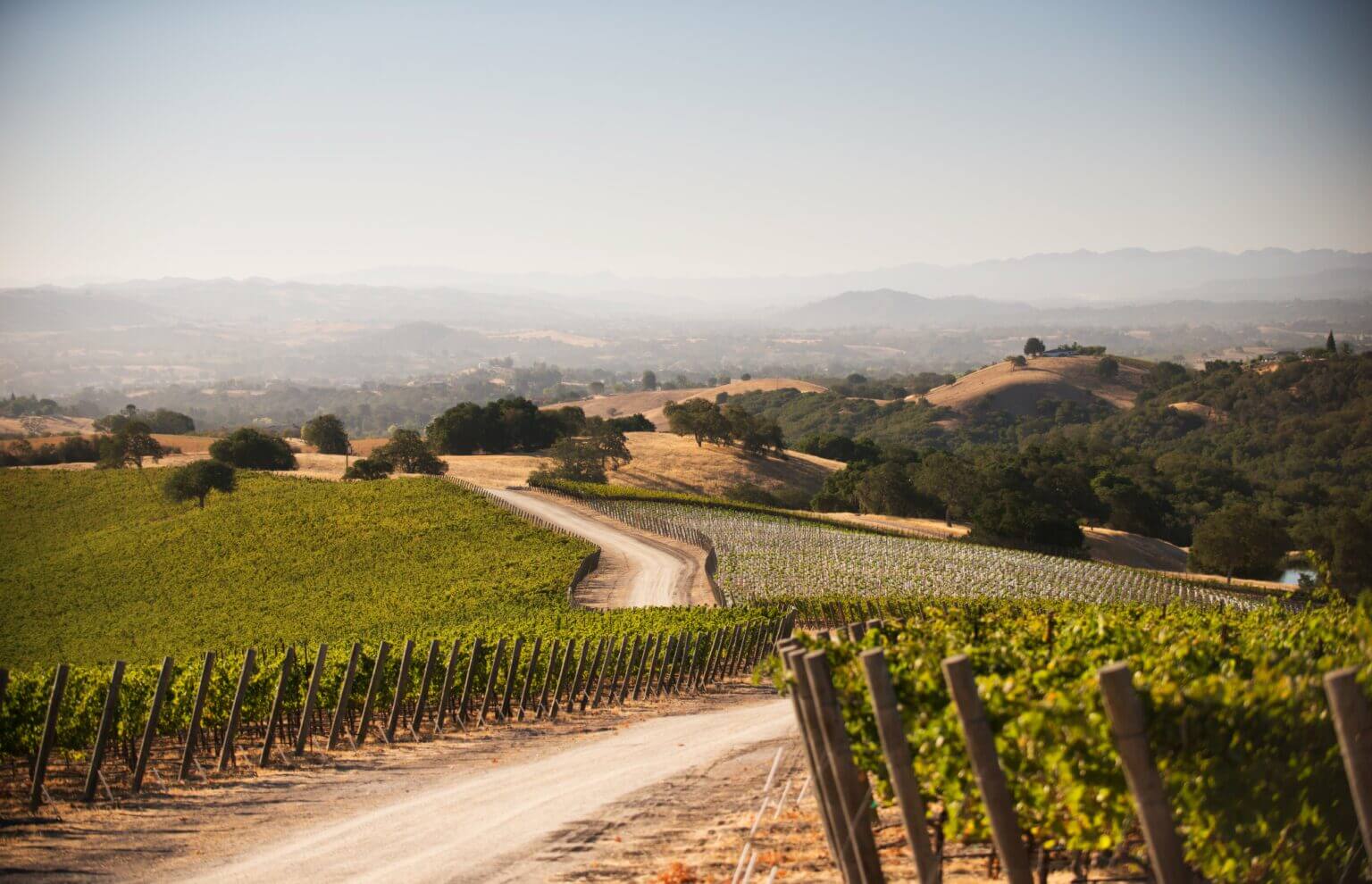
Wineries in Paso Robles
Browse all →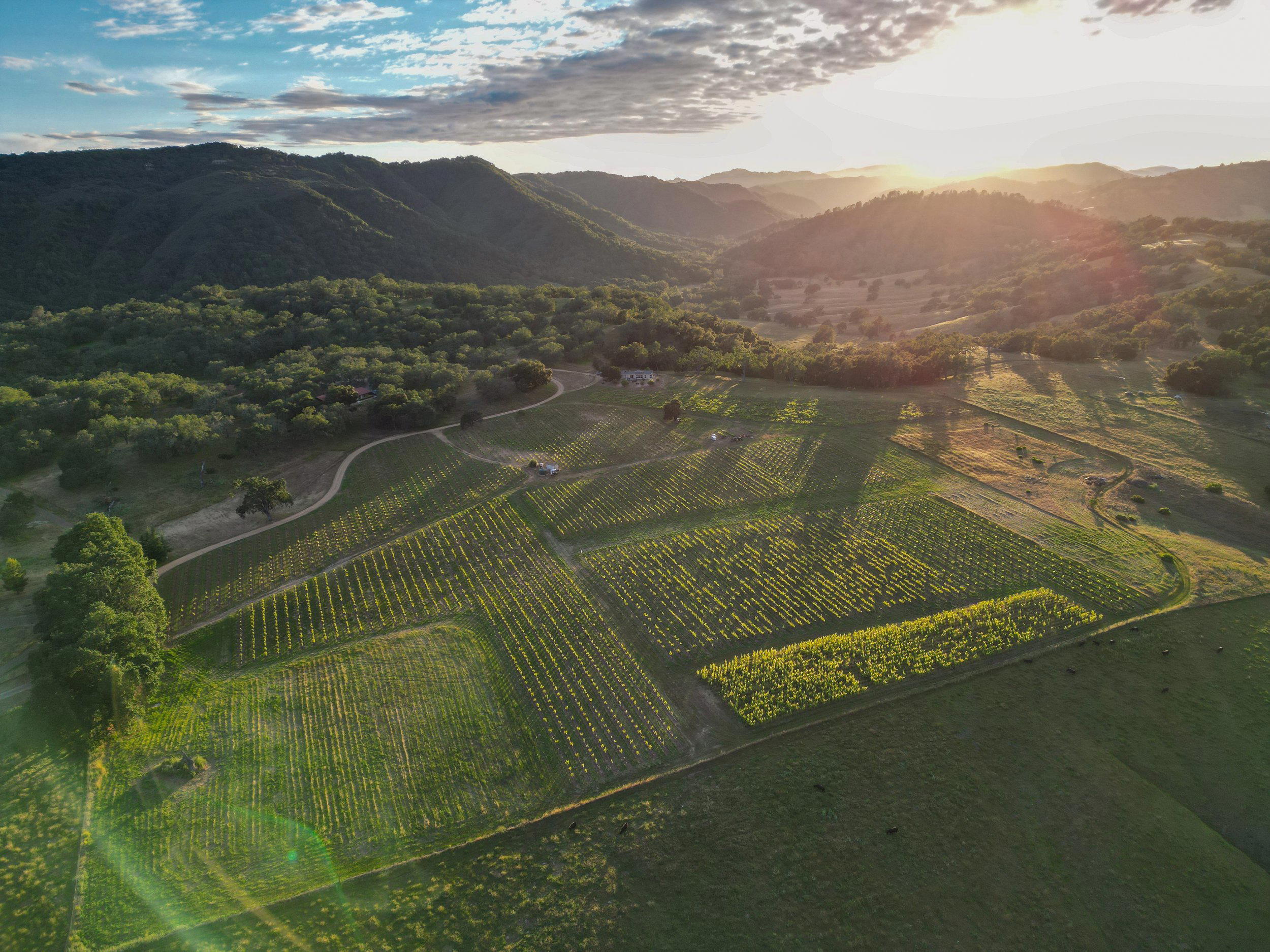
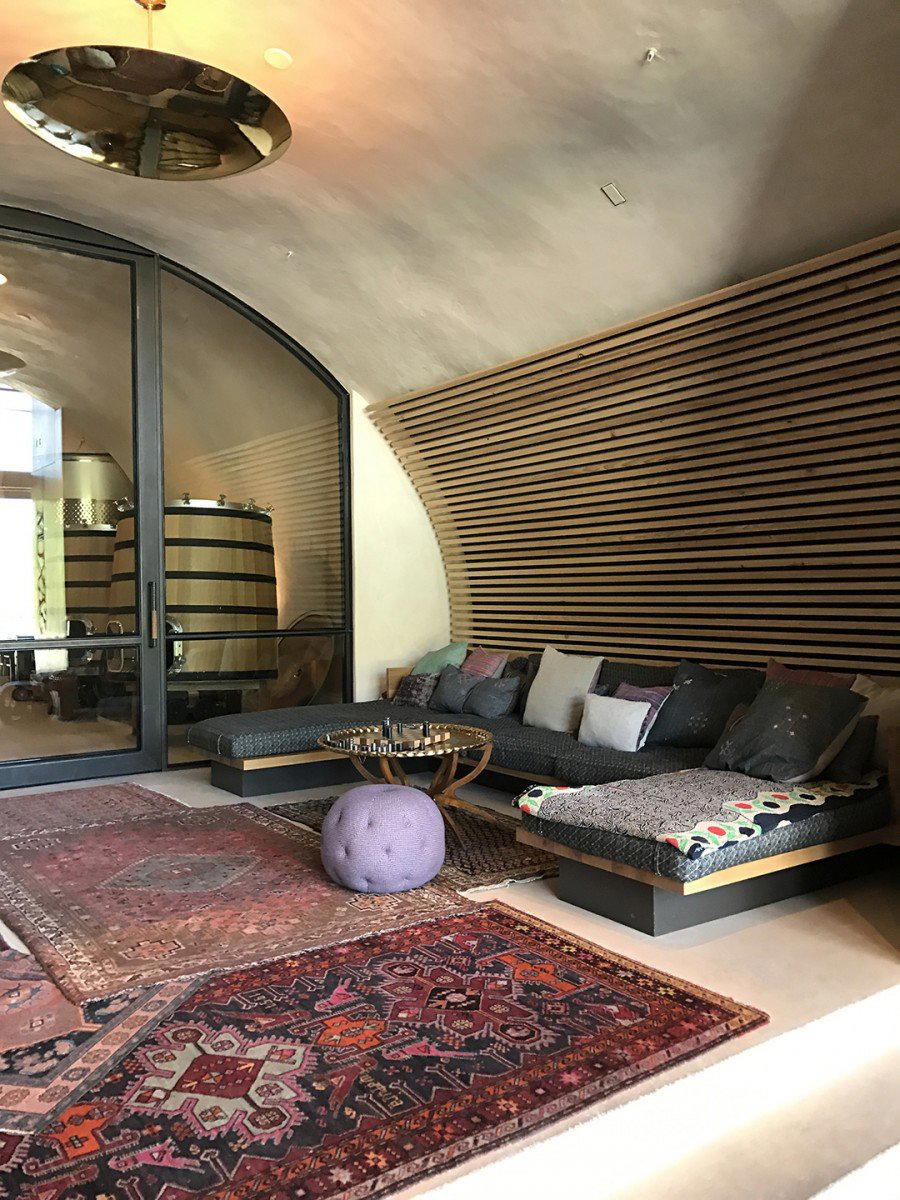
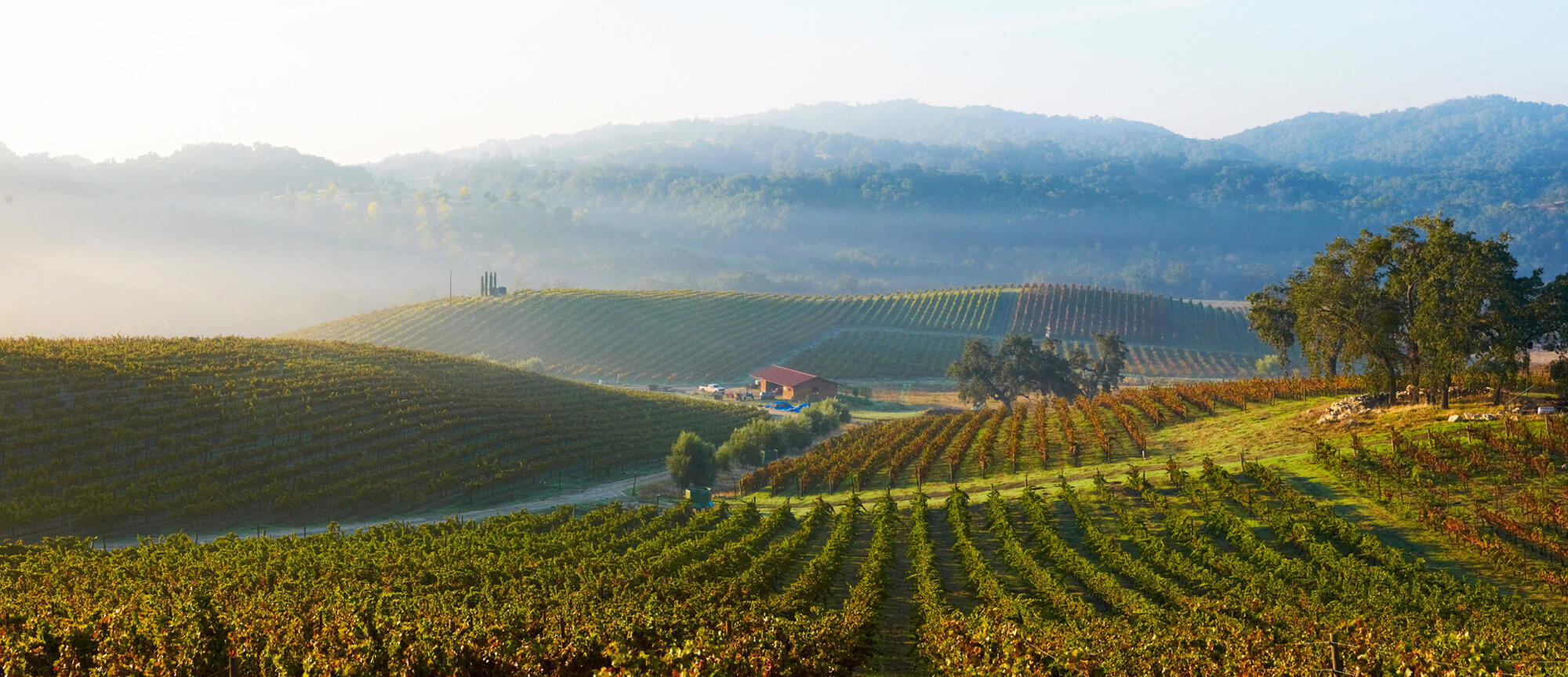
Bars in Paso Robles
Browse all →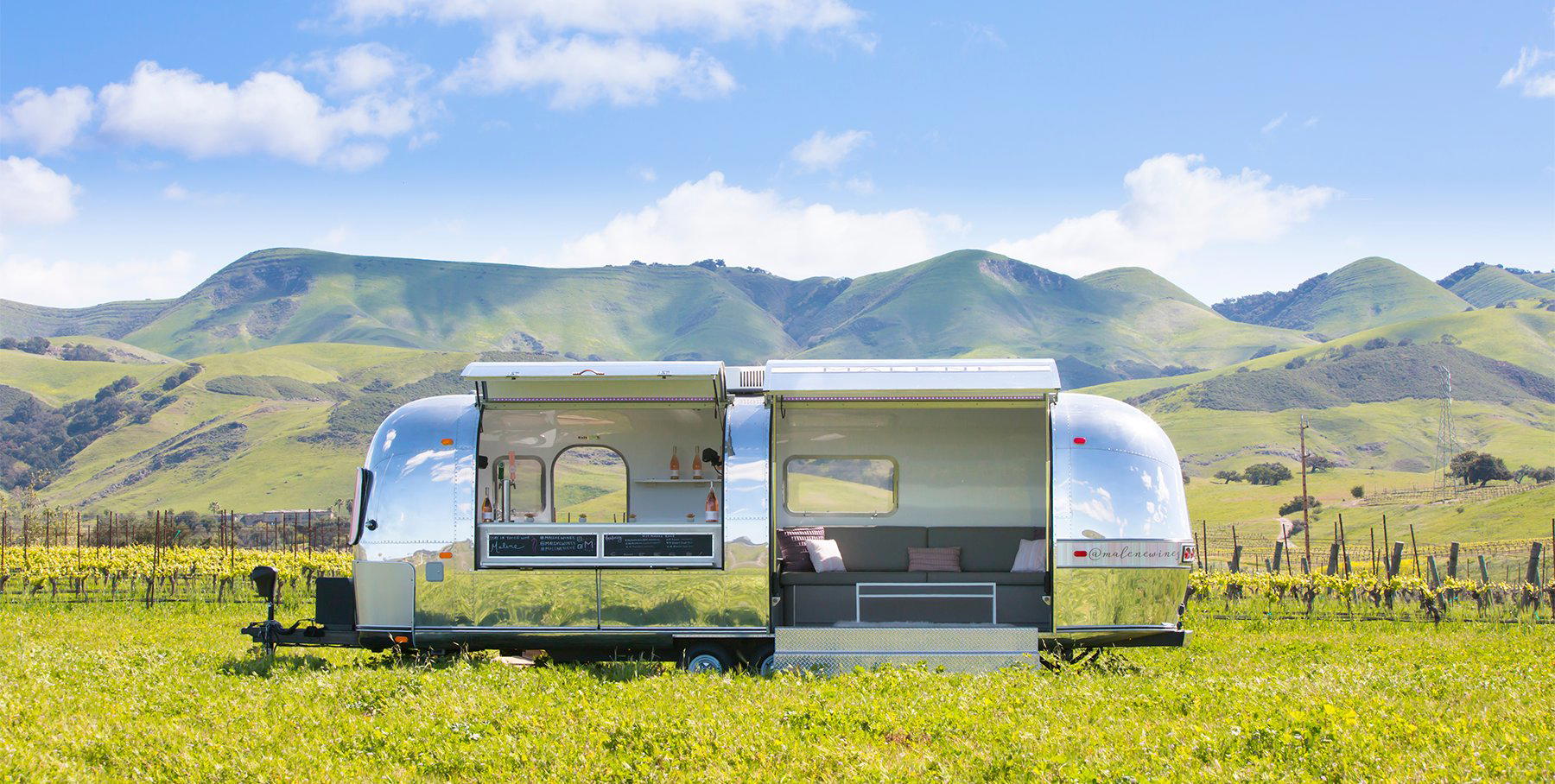
Restaurants in Paso Robles
Browse all →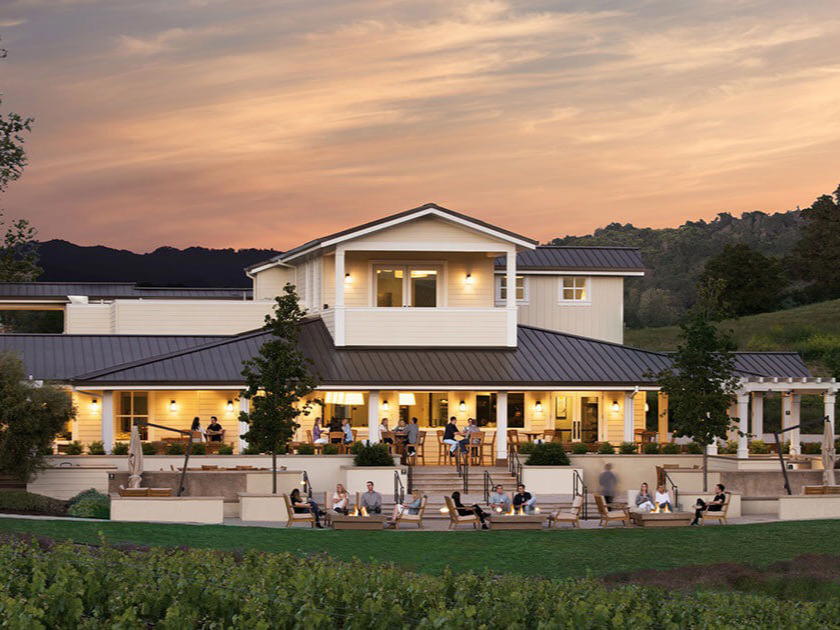
Details
- Rustic
- Scenic
- Cozy
- Intimate
- Group Outing
- Family
- Wine Education
- Estate Grounds
- Picnic Area
- Panoramic View
- Sustainable
- Vineyard
- Mountain
- Cabernet Sauvignon
- Mourvèdre
- Primitivo
- Viognier
- Still Red
- Patio Tasting
- Guided Tasting
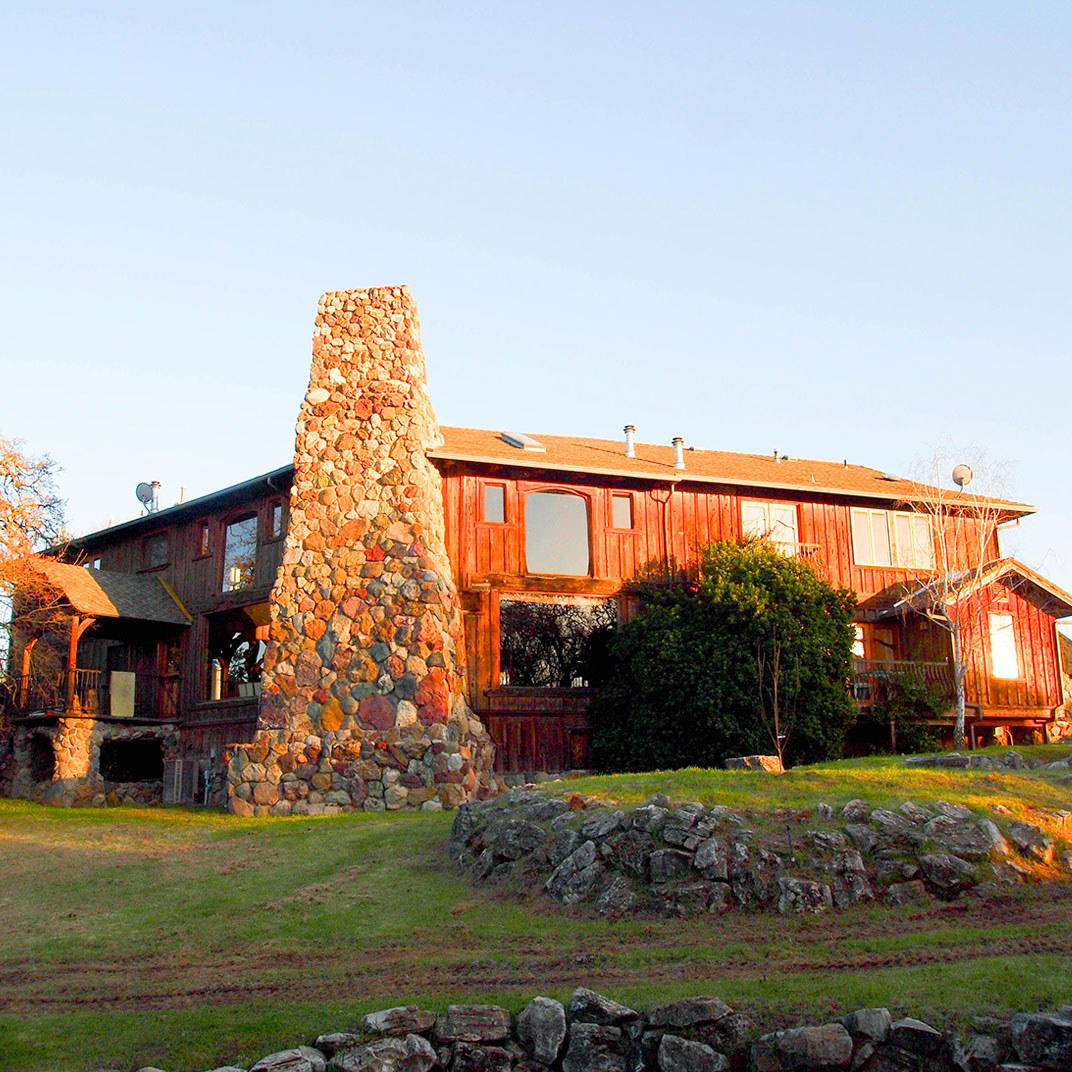
Casual rustic vibe with open-air tasting room, scenic patio overlooking vineyards and roaming animals, offering a relaxing and natural ranch atmosphere.