Sextant Wines
Sextant Wines operates along the CA-46 corridor that bisects Paso Robles wine country. The winery positions itself within a regional scene that increasingly matches Old World technical discipline to Central Coast terroir, making it a reference point for visitors tracking how Paso's identity has shifted beyond its Cabernet comfort zone.

Pearl is the En Primeur Club membership app — saves, bookings, and concierge access live there. Same editors, same standards.
- Address
- 2324 CA-46, Paso Robles, CA 93446
- Phone
- (866) 833-9463
- Website
- sextantwines.com
- Directions
- Get directions
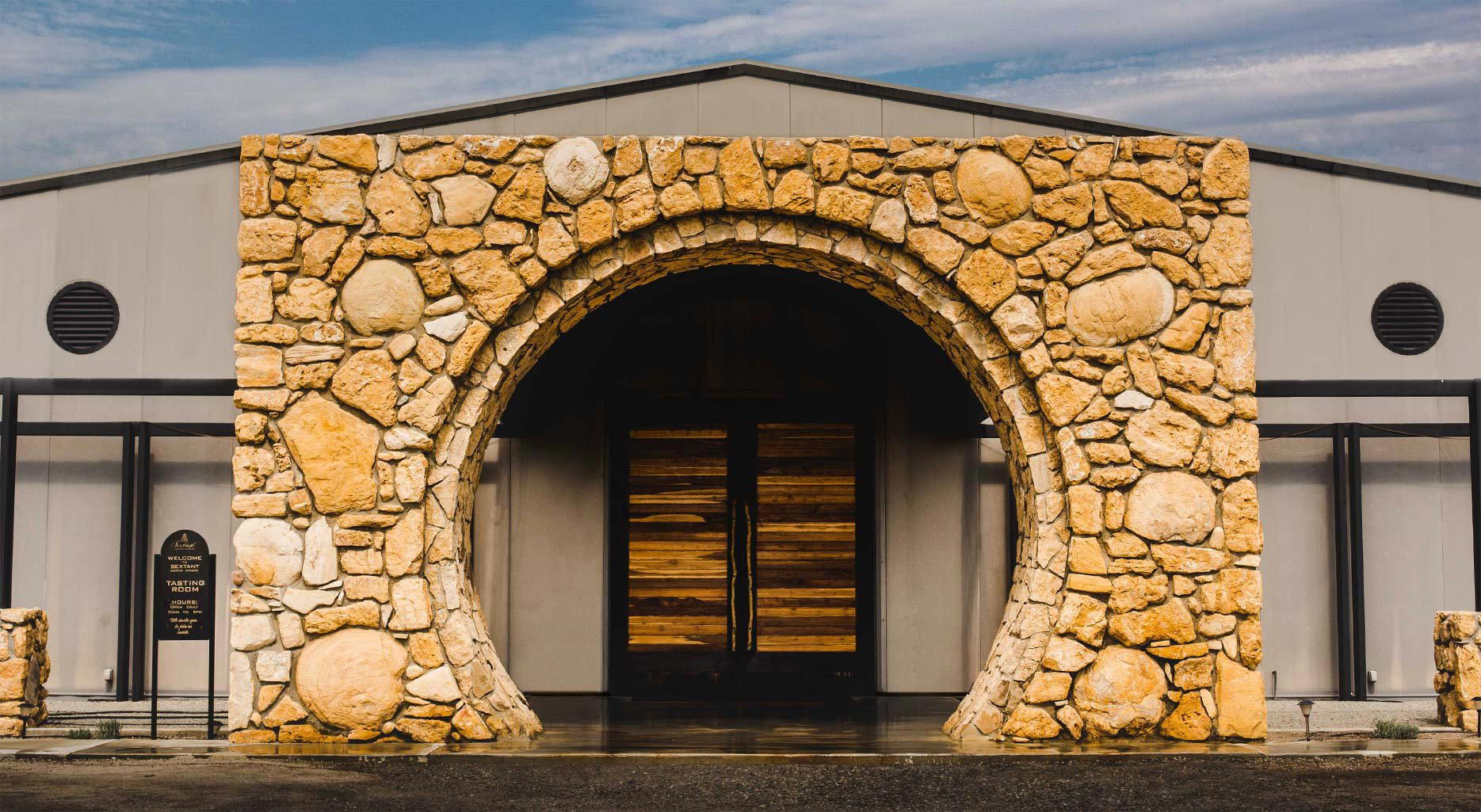
Where the Highway Meets the Vine
The CA-46 corridor through Paso Robles is one of California's more instructive wine roads. Drive it on a clear morning and you pass through a landscape that shifts between limestone ridgelines, alluvial fans, and high-desert scrub, all within a few miles. The diurnal temperature swings here can exceed 50 degrees Fahrenheit between afternoon and midnight, a climatic fact that concentrates acids and aromatics in ways that have drawn winemakers trained in Burgundy, Rhône, and Iberia to treat this terrain as something worth taking seriously. Sextant Wines, positioned along that highway at 2324 CA-46, sits inside this broader story of a wine region still negotiating its own identity.
Paso Robles and the Question of Technique
Understanding where Sextant fits requires understanding what Paso Robles has become. A generation ago, the region's reputation rested heavily on extracted, high-alcohol Cabernet Sauvignon. That era hasn't ended, but it has been complicated. A younger cohort of producers, some with European training, some drawing on California's own deep Rhône and Bordeaux scholarship, began asking what Central Coast terroir could express when handled with restraint. The result is a region now running two simultaneous conversations: the blockbuster-Cab tradition and a more texturally focused, acid-driven counter-movement.
The imported-technique question is central to Paso's current period. At wineries like Halter Ranch Vineyard, estate farming at scale shapes a house style that leans on site specificity. At Herman Story Wines, a more instinctive, high-intensity approach defines the program. DAOU Vineyards has built its identity around a Cabernet benchmark with explicit Bordeaux-chateau aspirations. Each of these producers answers the technique question differently, and that diversity is what makes Paso worth tracking as a region rather than a single-narrative appellation.
For visitors building an itinerary around Paso's more considered producers, the CA-46 address is a practical anchor: the corridor connects the East and West sides of the appellation and puts Sextant within reach of a range of producers on both ends of the stylistic spectrum.
The Central Coast Terroir Argument
What makes Paso Robles terrain genuinely interesting to producers trained elsewhere is the combination of factors that don't resolve neatly into any European comparison. The Templeton Gap, a break in the Santa Lucia Range, pulls marine air inland each afternoon, tempering heat that would otherwise produce overripe fruit. Soils shift from the calcareous clay-limestone of the west side, which producers compare favorably to parts of the Rhône, to the sandy, alluvial character of the east side, which handles Cabernet Sauvignon and Italian varietals differently.
This is a region where global technique genuinely meets indigenous product, because the raw material resists easy analogies. Winemakers who arrive with Burgundy instincts find that Paso Grenache doesn't behave like Châteauneuf-du-Pape, and those with Napa experience find that the acid retention here changes the calculus for aging potential. The result is a terroir that rewards producers willing to let the site inform the method rather than imposing a formula. That adjustment process, visible across a generation of Paso winemaking, is the substantive story behind any individual producer's positioning.
For reference points at other California appellations where this technique-meets-terroir tension plays out differently, Alban Vineyards in Arroyo Grande offers a Rhône-focused counterpoint to the south, while Accendo Cellars in St. Helena and Alpha Omega Winery in Rutherford represent how Napa resolves similar questions at the Bordeaux-varietal end. Further afield, Adelsheim Vineyard in Newberg shows how Oregon handles the Burgundy-technique problem in a genuinely cooler climate.
That distinction matters for how a visitor should approach the visit. Producers at this tier in Paso tend to attract a more engaged visitor, one interested in the decisions behind a vintage rather than a simple brand introduction. At Adelaida Vineyards, west-side farming and estate certification signal similar seriousness. At Bianchi Winery, a longer regional history anchors the program. Each of these producers has earned positioning through track record rather than scale, and Sextant's rating places it in that company.
Planning a Visit
Sextant Wines sits at 2324 CA-46, Paso Robles, CA 93446, on a corridor that serves as the main east-west artery through the appellation. The address makes it accessible from downtown Paso Robles in either direction and positions it well for visitors combining a half-day itinerary across multiple producers. For current hours, booking requirements, and tasting formats, checking directly through the winery's own channels is the reliable approach, as tasting-room policies at this tier of producer can shift seasonally. Paso Robles as a wine destination rewards planning: harvest season through late autumn brings the highest traffic, and weekday visits consistently offer more focused time with pours and staff. For a fuller picture of what else the region offers across food and wine, our full Paso Robles restaurants and wineries guide maps the broader scene.
Visitors coming from further afield can use Sextant's CA-46 position as a logical midpoint in a Central Coast circuit that extends south toward Andrew Murray Vineyards in Los Olivos or north toward producers in the Alexander Valley, where Alexander Valley Vineyards in Geyserville anchors a different California tradition. For those interested in how California's larger institutional producers handle the same terroir-versus-technique tension, Artesa Vineyards and Winery in Napa offers a useful reference at a different scale and price point. Internationally, Aberlour in Aberlour and Achaia Clauss in Patras represent entirely different traditions of place-specific production worth understanding for context.
Comparison Snapshot
Comparable venues nearby, for context on price, style, and recognition.
| Venue | Cuisine | Price | Awards | Notes |
|---|---|---|---|---|
| Sextant WinesThis venue — the venue you are viewing | Cabernet Sauvignon, Grenache | $20–30 | Not listed | Not listed |
| Sixmilebridge Vineyards | Cabernet Sauvignon, Merlot | Not listed | Not listed | Adelaida District |
| Whalebone Vineyard | Cabernet Sauvignon, Zinfandel | $30–50 | Not listed | Adelaida District |
| Benom Winery | Cabernet Sauvignon, Grenache | Not listed | Not listed | Tin City |
| Niner Wine Estates | Willow Creek District AVA | $30–50 | Not listed | Willow Creek District |
| Denner Vineyards | Syrah, Grenache | $30–50 | Falstaff Winery - Listed | West Paso Robles |
Continue exploring
More in Paso Robles
Wineries in Paso Robles
Browse all →
Bars in Paso Robles
Browse all →
Restaurants in Paso Robles
Browse all →
Details
- Rustic
- Scenic
- Cozy
- Wine Education
- Solo Exploration
- Estate Grounds
- Panoramic View
- Sustainable
- Vineyard
- Mountain
- Cabernet Sauvignon
- Grenache
- Syrah
- Zinfandel
- Merlot
- Viognier
- Still Red
- Still White
- Still Rosé
- Reserve Tasting
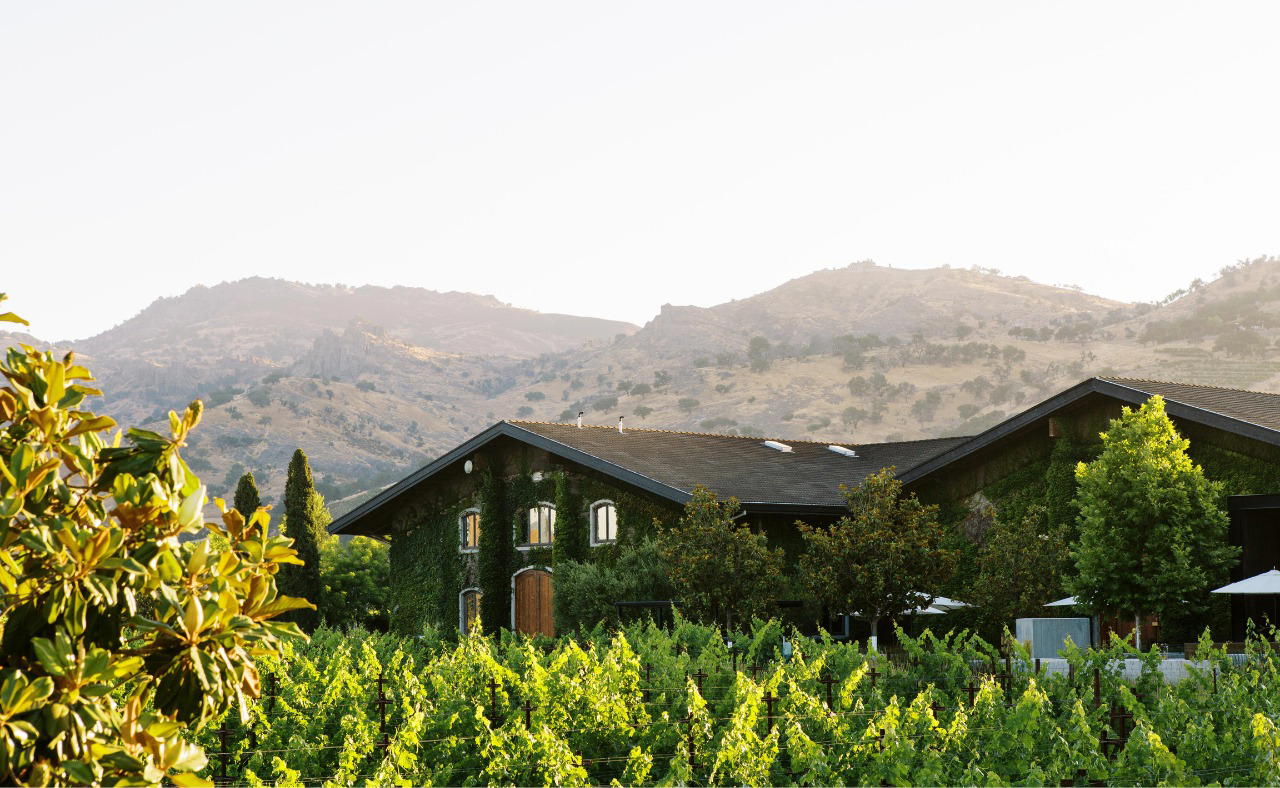
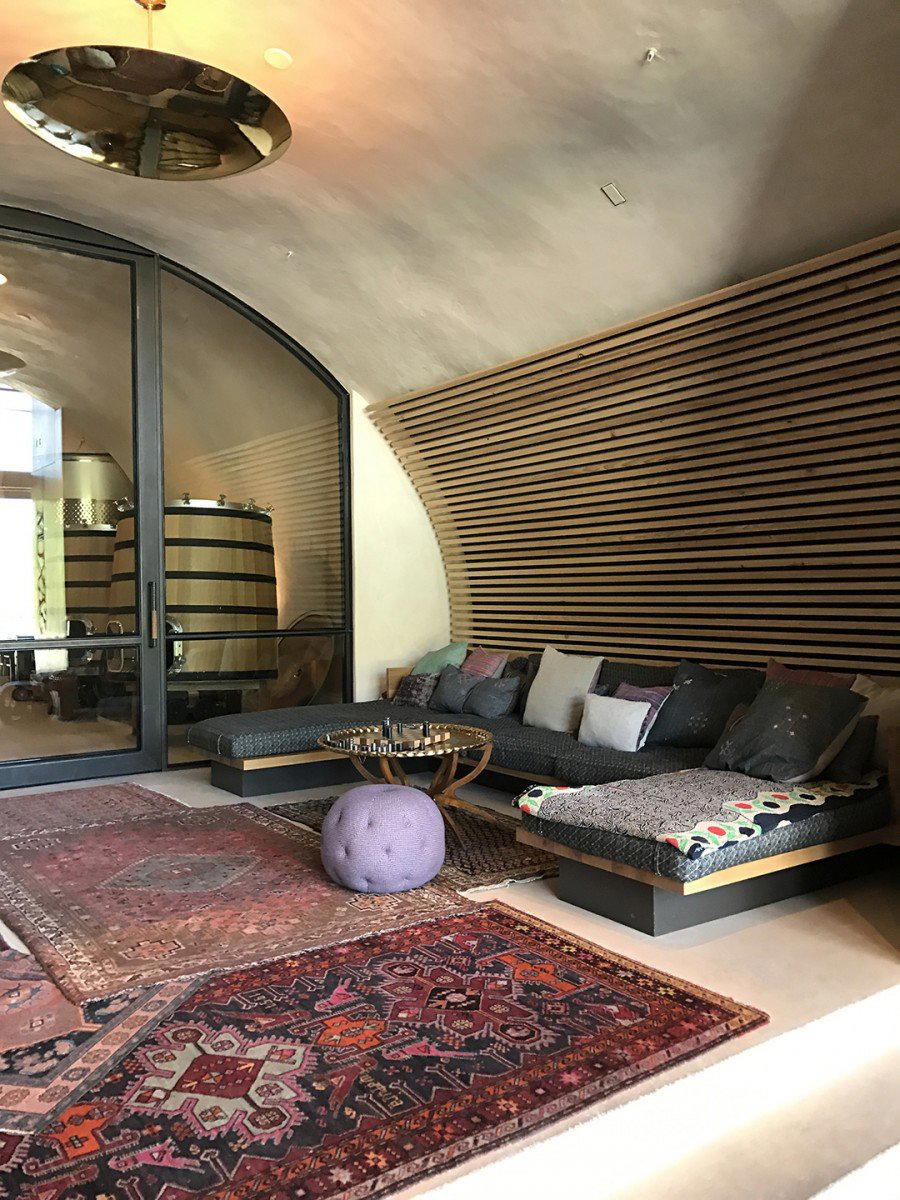
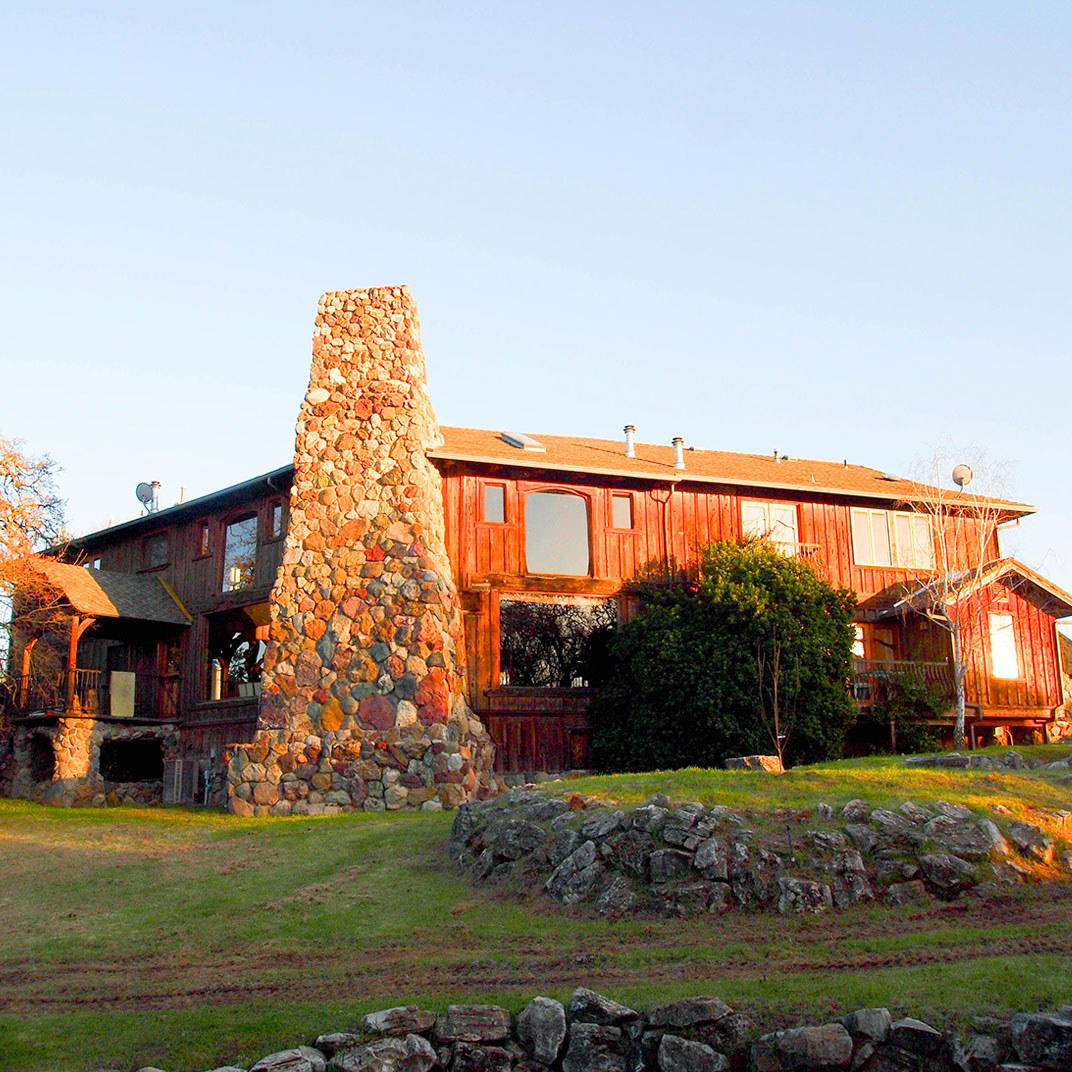
Relaxing atmosphere with wood carved waves on the ceiling enhanced by blue optic lights creating an illusion of flowing water, large windows, and dramatic countryside views.