Mullineux & Leeu Family Wines

Mullineux & Leeu Family Wines operates from Leeu Estates on Dassenberg Road in Franschhoek. The estate sits within the Franschhoek Valley's upper tier of terroir-driven producers, where site specificity and minimal intervention define the conversation. It belongs to a comparable set measured more by provenance discipline than by volume or visitor scale.
Pearl is the En Primeur Club membership app — saves, bookings, and concierge access live there. Same editors, same standards.
- Address
- Leeu Estates Dassenberg Road Franschhoek, Cape Town, 7690
- Phone
- +27 21 492 2224
- Website
- mlfwines.com
- Directions
- Get directions
 Saves & bookings on Pearl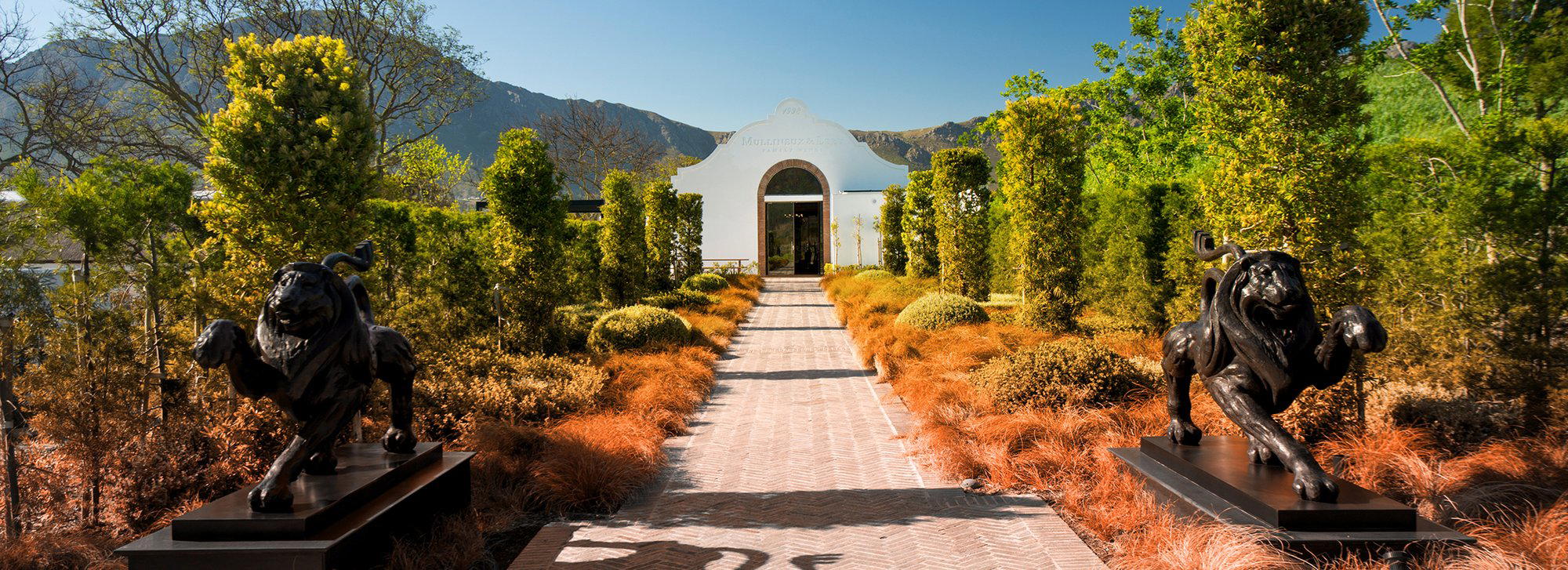
Where Franschhoek's Terroir Argument Gets Serious
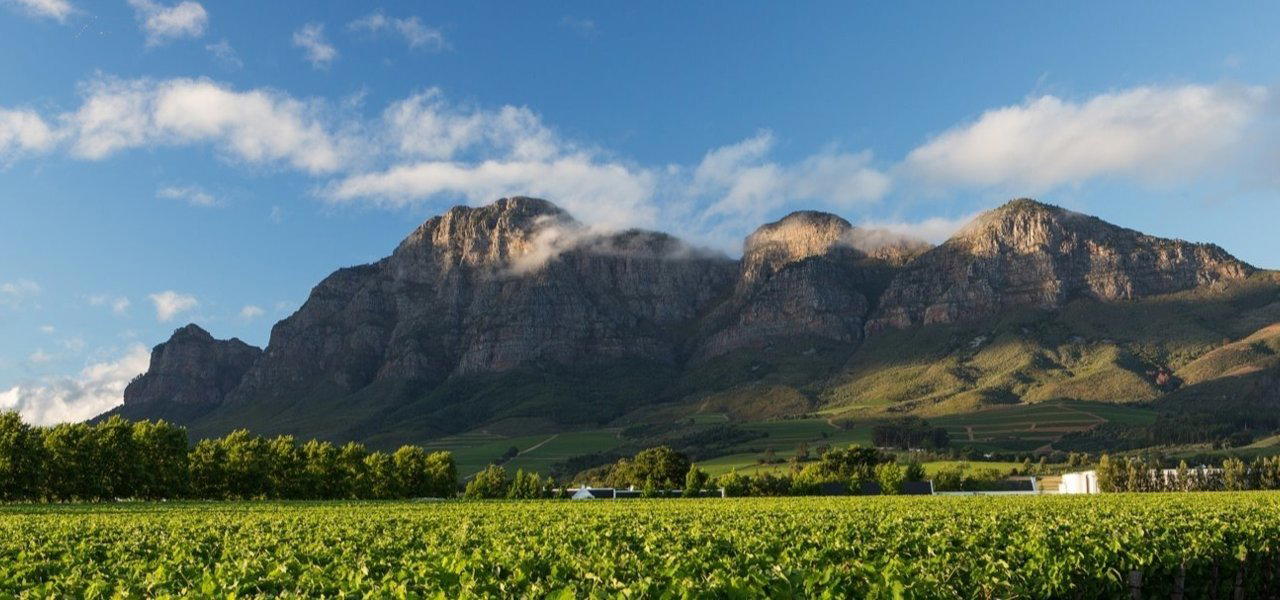
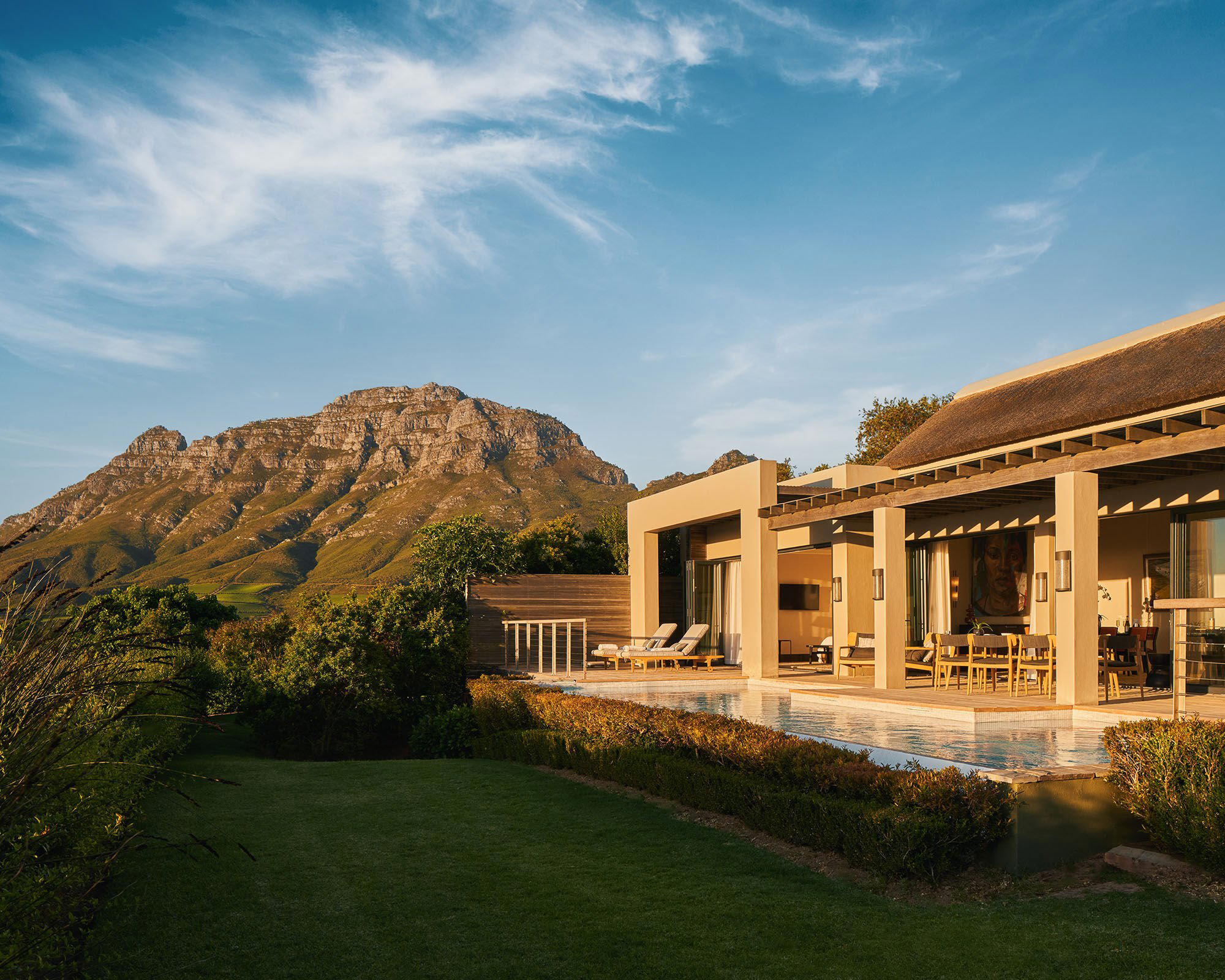
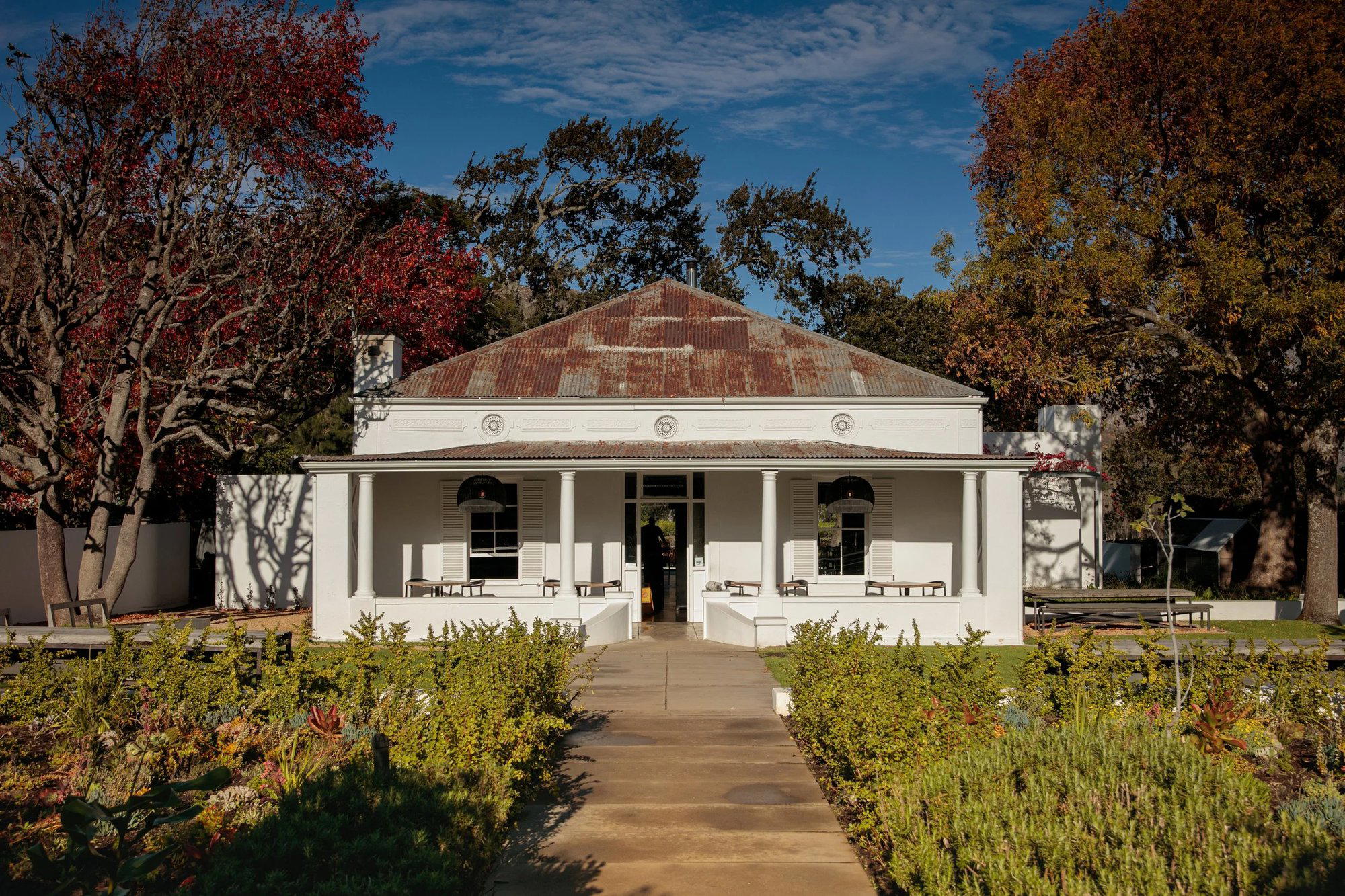
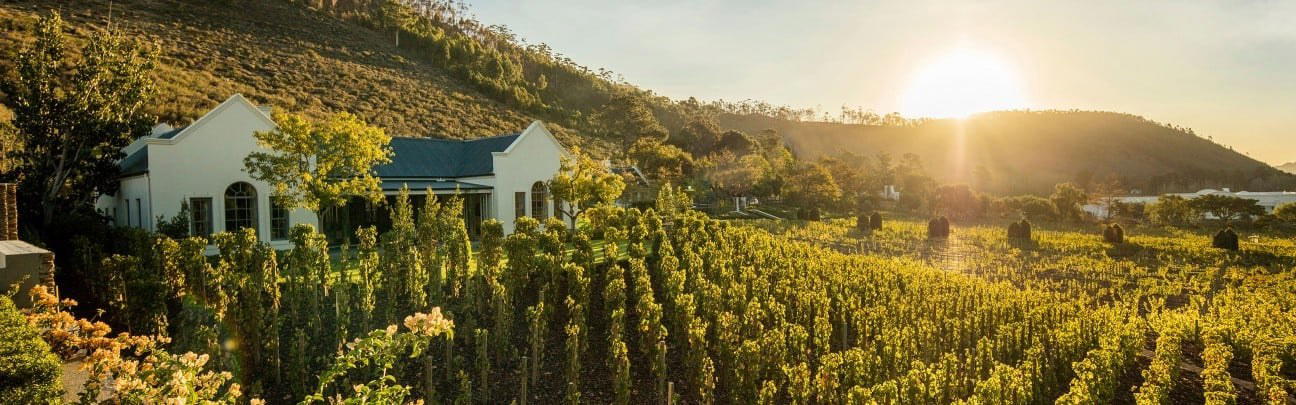
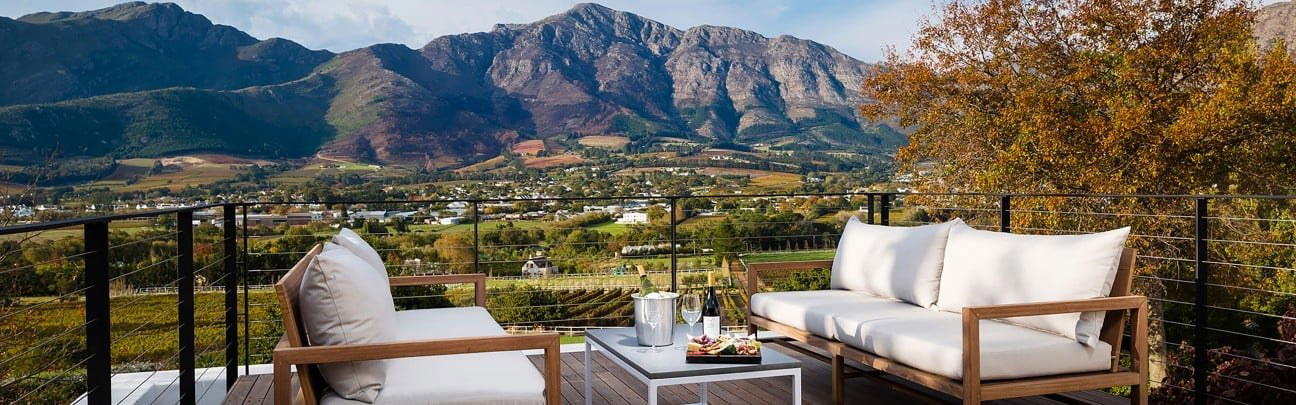
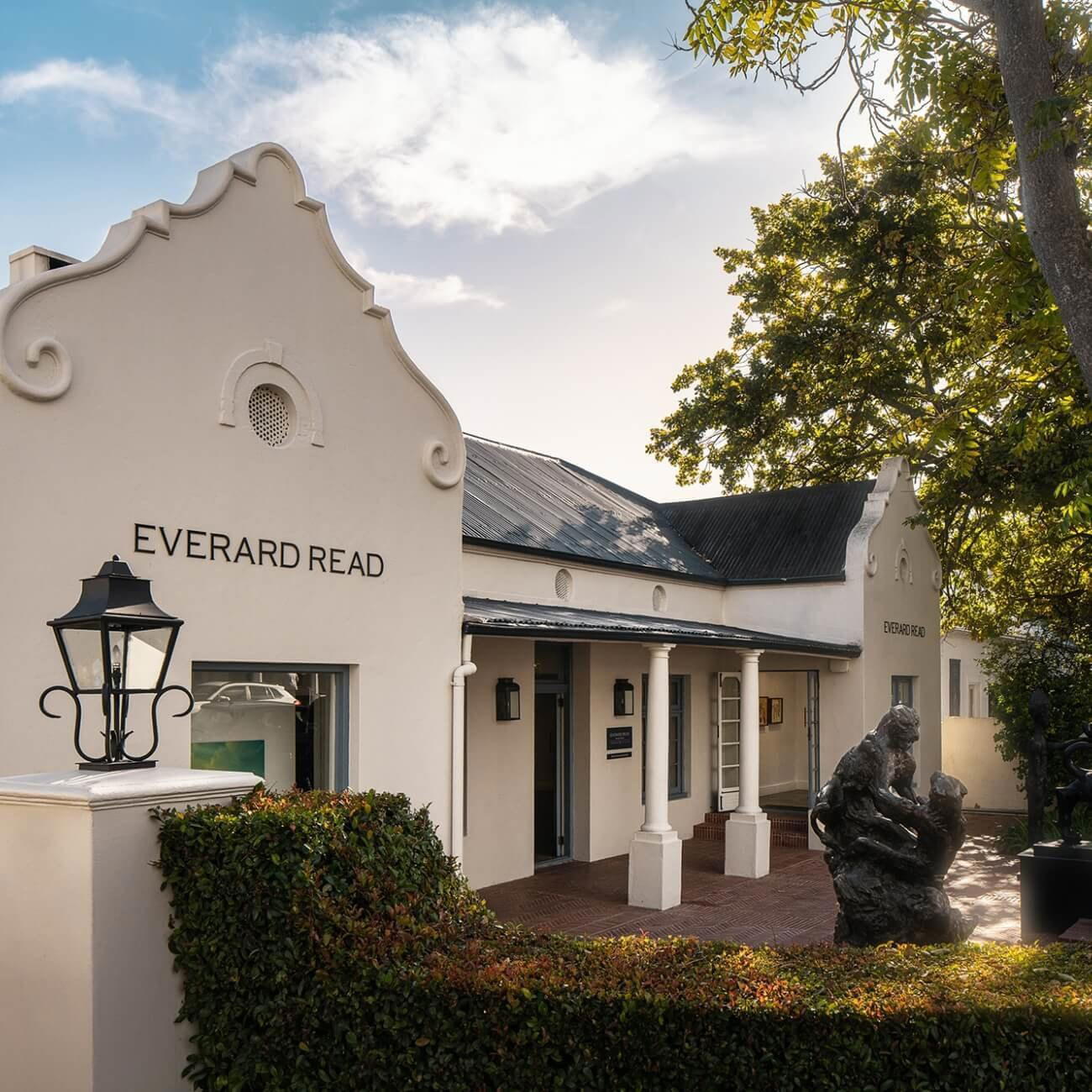
The road to Leeu Estates along Dassenberg Road climbs away from Franschhoek's busier tourist corridor into quieter vineyard country, where the valley's mountain amphitheatre frames the view and the temperature drops a degree or two relative to the village floor. Arriving at Mullineux & Leeu Family Wines, the physical context does a lot of the editorial work before a bottle is opened: the Cape Dutch architecture, the mountain backdrop, the relative stillness. The Franschhoek Valley has been producing wine since the late seventeenth century, when Huguenot settlers planted the first vines in soil that would prove unusually expressive of both altitude and granite influence. Mullineux & Leeu operates inside that long tradition while belonging to a more recent wave of producers who treat terroir as something to argue for rather than simply inherit.
Where Mullineux & Leeu Sits in the Franschhoek comparable set
Franschhoek's premium wine producers divide, roughly, into two operational models. The first is the historic estate format: large footprints, diversified revenue across wine, restaurant, accommodation, and tourism. Babylonstoren, Boschendal, and La Motte Wine Estate all operate this way, offering full-day experiences that bundle wine with food, gardens, and accommodation. The second model is more focused: a tighter range of wines, a defined sourcing philosophy, and a reputation built on the bottle rather than the visitor experience. Mullineux & Leeu belongs, in its winemaking identity at least, to this second cohort, despite being housed within the broader Leeu Estates hospitality infrastructure.
For comparison, Haute Cabrière and Anthonij Rupert Wyne (L'Ormarins) operate in Franschhoek's same premium register, each with their own sourcing logic and stylistic identity. The valley's collective award density reflects how seriously the appellation is now taken by international critics who previously defaulted to Stellenbosch when naming South Africa's serious wine addresses.
The Sourcing Philosophy Behind the Wines
The Mullineux name in South African wine is associated with a specific argument about provenance: that Swartland's Schist and Granite soils produce materially different wines, and that the producer's job is to make that difference legible in the glass rather than smooth it over. The Leeu Estates base in Franschhoek adds a valley floor and mountain slope dimension to that sourcing story, with cooler growing conditions than the Swartland and soils that trend toward the decomposed granite and clay profiles typical of the upper Franschhoek catchment.
This matters in a Cape Winelands context where the sourcing conversation has become increasingly sophisticated. Producers elsewhere in the region, including Constantia Glen in Cape Town and Vergelegen Wine Estate in Somerset West, have built their reputations on demonstrating that South African terroir can be as site-specific as any European appellation. Mullineux & Leeu's dual-geography identity, with roots in Swartland and a physical home in Franschhoek, positions it as a bridge between two distinct soil and climate arguments rather than a single-appellation producer.
For visitors who arrive with a specific wine curiosity rather than a general tourism agenda, that dual identity is the useful entry point. The estate's wines carry provenance markers that reward attention: the difference between a Schist-series and a Granite-series expression, or between fruit sourced at altitude versus valley floor, is the kind of textural and structural variation that distinguishes this tier of Cape winemaking from the broader commercial field. Producers working at similar levels of sourcing discipline in other South African regions include Creation Wines in Hermanus and, on the white wine side, Graham Beck Wines in Robertson, though each operates with a distinct varietal and stylistic focus.
The Leeu Estates Setting and What It Adds
The Leeu Estates address on Dassenberg Road situates Mullineux & Leeu within a broader hospitality infrastructure that includes accommodation and a restaurant, making it one of the few Franschhoek wine producers where a full overnight stay can be organised around the wines themselves rather than treating the cellar visit as a day-trip addition. This sets it apart from more cellar-door-only operations in the valley and brings it closer in format to the estate model that Neethlingshof Estate in Stellenbosch and Val de Vie Estate in Paarl have developed in their respective appellation contexts.
Franschhoek's mountain-ringed geography creates growing conditions that shift noticeably with elevation. Vineyards on the upper slopes benefit from cooler nights and later ripening, which preserves acidity in a climate that can push ripeness faster than in Burgundy or the Northern Rhône. The valley's Huguenot-era farming legacy, combined with more recent investment in altitude viticulture, gives producers here a range of site types that Stellenbosch's more uniform topography doesn't always match. For a producer committed to expressing site-level differences, Franschhoek's geographic variety is an asset rather than a complication.
Planning Your Visit
Mullineux & Leeu Family Wines is located at Leeu Estates, Dassenberg Road, Franschhoek, 7690. Given the estate's prestige-tier positioning and the hospitality infrastructure at Leeu Estates, advance planning is advisable: tasting appointments require booking, and the overlap between the wine program and the broader Leeu Estates accommodation offering means availability for walk-in visits is not guaranteed. Visitors travelling from Cape Town should allow time for the drive via the N1 and R45, with Franschhoek's single main valley road making Dassenberg Road easy to locate on the northern approach to the village. Timing a visit for the South African autumn harvest months of February through April puts you in the valley during one active winemaking period, when cellar activity and the post-harvest energy in the vines adds a different dimension to any tasting experience.
Cuisine Context
Comparable venues nearby, for context on price, style, and recognition.
| Venue | Cuisine | Price | Notes |
|---|---|---|---|
| Mullineux & Leeu Family WinesThis venue — the venue you are viewing | Syrah, Grenache | $$$ | Not listed |
| Haute Cabrière | Chardonnay, Pinot Noir | $$$ | Franschhoek |
| Vrede en Lust Wine Estate | Syrah, Cabernet Sauvignon | $$$ | Franschhoek |
| Mont Rochelle | Sauvignon Blanc, Chardonnay | $$$$ | Franschhoek |
| Boschendal | Chardonnay, Sauvignon Blanc | $$$ | Groot Drakenstein Valley, Franschhoek |
| Chamonix Wine Farm | Chardonnay, Pinot Noir | $$$ | Franschhoek |
Recognition history
Dated appearances from independent guides and award organizations, with the underlying list record or original source where available.
Falstaff Winery - Listed
Falstaff
Continue exploring
More in Franschhoek
Wineries in Franschhoek
Browse all →
Bars in Franschhoek
Browse all →
Restaurants in Franschhoek
Browse all →
At a Glance
- Elegant
- Sophisticated
- Rustic
- Intimate
- Wine Education
- Special Occasion
- Solo Exploration
- Vineyard Tour
- Estate Grounds
- Panoramic View
- Organic
- Dry Farmed
- Mountain
- Vineyard
- Swartland WO
- Syrah
- Grenache
- Cinsault
- Chenin Blanc
- Grenache Blanc
- Clairette Blanche
- Roussanne
- Verdelho
- Viognier
- Semillon Gris
- Still White
- Still Red
- Private Tasting
Refined and contemplative atmosphere highlighting the precision, texture, and mineral depth of the wines in an elegant estate setting.