
Mt Uncle Distillery, located at Walkamin on the Atherton Tablelands outside Cairns, holds a Pearl 2 Star Prestige rating (2025) and operates from one of Australia's most climatically distinct distilling environments. The tropical highlands deliver raw ingredients shaped by altitude, volcanic soil, and intense seasonal rainfall, conditions that no southern Australian distillery can replicate. For spirits with a genuine sense of place, the address matters.
 Discover on Pearl
Pearl is the En Primeur Club membership app — saves, bookings, and concierge access live there. Same editors, same standards.
- Address
- 1819 Chewko Rd, Walkamin QLD 4872
- Phone
- +61 7 4086 8008
- Website
- mtuncle.com
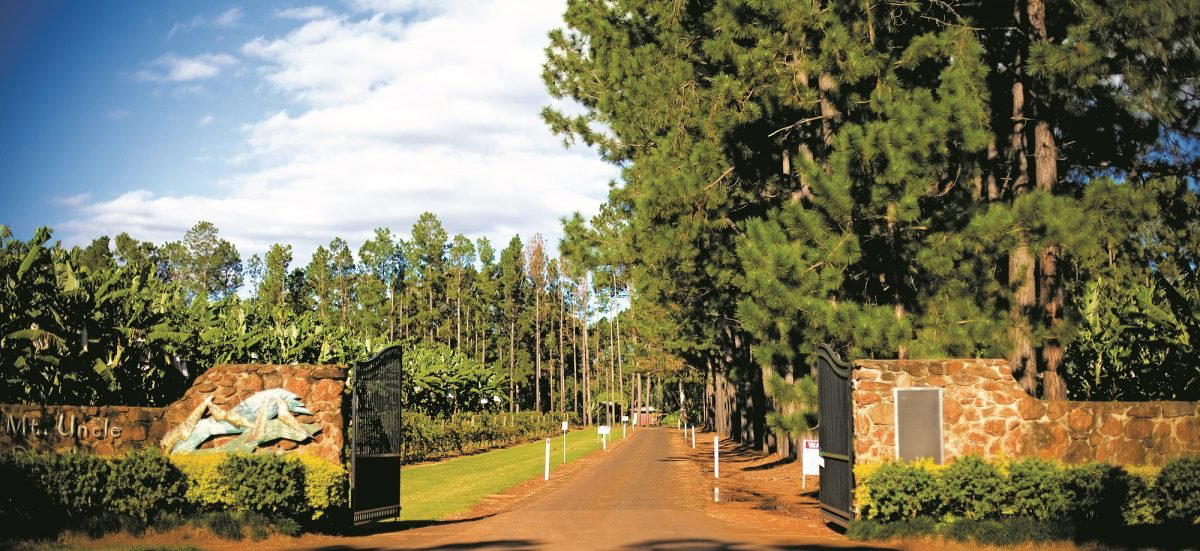
Tropical Altitude and the Case for Tablelands Terroir
Australia's craft spirits conversation has long defaulted to temperate latitudes: the cool southern states, the established gin corridors of Melbourne and Sydney, the heritage rum country around the Queensland coast. Mt Uncle Distillery, operating from Walkamin on the Atherton Tablelands at roughly 700 metres above sea level, sits outside that frame entirely. The Tablelands are not where most people expect to find a producer with recognition in 2025, and that geographic surprise is itself an editorial point. When a distillery earns serious recognition from a location that most of the industry hasn't properly mapped, the terroir is usually doing something worth examining.
The Atherton Tablelands have long fed Far North Queensland with produce that the coastal lowlands cannot grow at the same quality: macadamias, coffee, tropical fruits, dairy from cattle that graze at altitude. The same conditions that support those agricultural outputs, volcanic red soil, a distinct dry season, rainfall patterns driven by the wet tropics, and a diurnal temperature range that coastal Cairns never achieves, shape what goes into the still at Walkamin.
What Volcanic Soil and Wet Season Rainfall Actually Do to a Spirit
Terroir is a concept borrowed from wine, but its logic applies wherever agriculture feeds production. The Tablelands' basaltic soils retain moisture through the dry season and deliver a particular mineral richness to the crops grown in them. Sugarcane grown at this altitude matures differently than coastal lowland cane: slower, with a different Brix profile and more complex congener potential. Tropical fruits cultivated at Walkamin carry flavour compounds shaped by the combination of intense UV, warm days, and cooler nights, the same diurnal swing that viticulture uses to build acid structure in grapes. Mt Uncle works with this agricultural environment rather than importing neutral base spirits from elsewhere, which is what separates a genuinely place-specific producer from a blending and bottling operation dressed in local branding.
This approach has parallels in Australian wine. Bass Phillip in Gippsland built its reputation on a single cool-climate site that produces Pinot Noir unlike anything from warmer Australian regions. Henschke in the Eden Valley draws on old-vine material rooted in specific geological formations. The argument in each case is the same: location is not incidental, it is structural. Mt Uncle's recognition in 2025 signals that the same logic is now being applied, and validated, in the tropical spirits category.
A Distillery Address That Requires Some Commitment
The address, 1819 Chewko Road, Walkamin QLD 4872, is not somewhere you pass through. The Atherton Tablelands sit approximately 80 kilometres southwest of Cairns by road, with the ascent through the rainforest ranges forming part of the experience. Most visitors arrive from Cairns via the Gillies Highway or the Kennedy Highway, each offering a different profile of the transition from coastal tropics to highland plateau. That distance functions as a filter: the people who make it to Walkamin are generally there with purpose, not on impulse. Cellar door visits at this type of producer tend to carry more depth of conversation than drop-in urban tasting rooms, and the drive through the wet tropics fringe is worth factoring into the itinerary as a destination in its own right.
For points of comparison on how Australian producers use their regional address as part of the visitor proposition, Brown Brothers in King Valley and Leading's Wines in Great Western both demonstrate that the journey to a working production site, away from city amenity, shapes how the product is received. At Mt Uncle, the landscape you cross to get there is the same landscape that explains what's in the bottle.
Positioning Within the Australian Craft Spirits Field
Australia's craft distilling sector expanded rapidly through the 2010s, with much of the growth concentrated in gin. The category has matured and stratified since then. At the recognised end of the market, producers now need demonstrable regional identity, a coherent raw material philosophy, and production discipline that can withstand independent assessment. Mt Uncle's Pearl 2 Star Prestige rating (2025) places it in the upper tier of that recognised cohort, alongside producers like Archie Rose Distilling Co in Sydney, which has built its recognition on botanical sourcing discipline and consistent programme depth.
The comparison is instructive rather than competitive. Archie Rose operates from an urban production facility with a strong gin and whisky focus built around supply-chain transparency. Mt Uncle's point of difference is geographic specificity of a different order: the raw materials are not sourced from third-party suppliers and redirected through a city operation, they grow within the climatic system that defines the distillery's address. Bundaberg Rum Distillery in coastal Queensland represents an older model of Queensland spirits identity built on scale and heritage. Mt Uncle represents a newer model built on altitude, provenance, and recognition by a peer assessment framework that wasn't available to producers a decade ago.
For visitors calibrating where Mt Uncle sits against broader Australian producer culture, the Angove Family Winemakers in Renmark and All Saints Estate in Rutherglen offer reference points for how long-standing regional identity and awards recognition interact in Australian beverage production. Bird in Hand in Adelaide Hills, Blue Pyrenees Estate in the Pyrenees, and Brokenwood in Hunter Valley each illustrate how a specific regional identity, once established, becomes the primary driver of critical reputation. Mt Uncle is at that inflection point in the tropical spirits category.
Beyond Australia, producers like Cape Mentelle in Margaret River and Accendo Cellars in St. Helena demonstrate how terroir-specific production earns a premium positioning that transcends category norms. Aberlour in Aberlour remains the clearest international reference for what geographic specificity can do to a spirits category over time: a name that functions as a provenance claim first, a product category second. Mt Uncle is not there yet by tenure, but the structural argument for why Walkamin spirits should carry regional identity weight is already in place.
Planning the Visit
Mt Uncle Distillery operates from 1819 Chewko Road, Walkamin QLD 4872, on the Atherton Tablelands. The drive from Cairns takes roughly 90 minutes depending on the route and conditions. The 2025 recognition provides independent verification of production quality. For those combining the Tablelands with other Far North Queensland experiences, Casella Family in Griffith offers a contrasting model of scale-driven regional production that clarifies what makes the Mt Uncle approach structurally different.
Continue exploring
More in Cairns
Restaurants in Cairns
Browse all →
At a Glance
- Rustic
- Scenic
- Cozy
- Group Outing
- Solo Exploration
- Wine Education
- Estate Grounds
- Garden
- Sustainable
- Garden
- Mountain
Peaceful and lush with manicured gardens, roaming peacocks, and a rustic-industrial tasting room surrounded by banana plantations and agave fields.