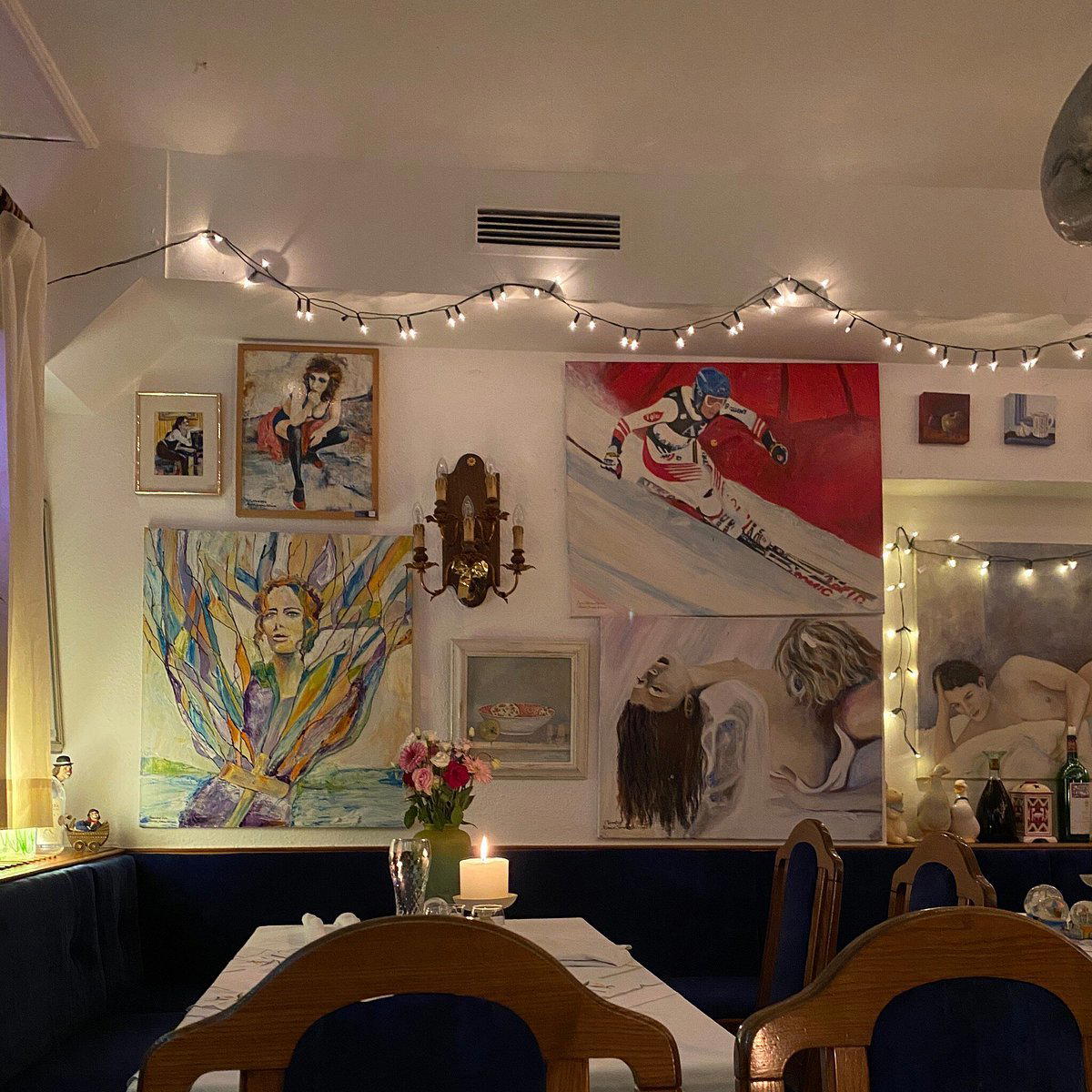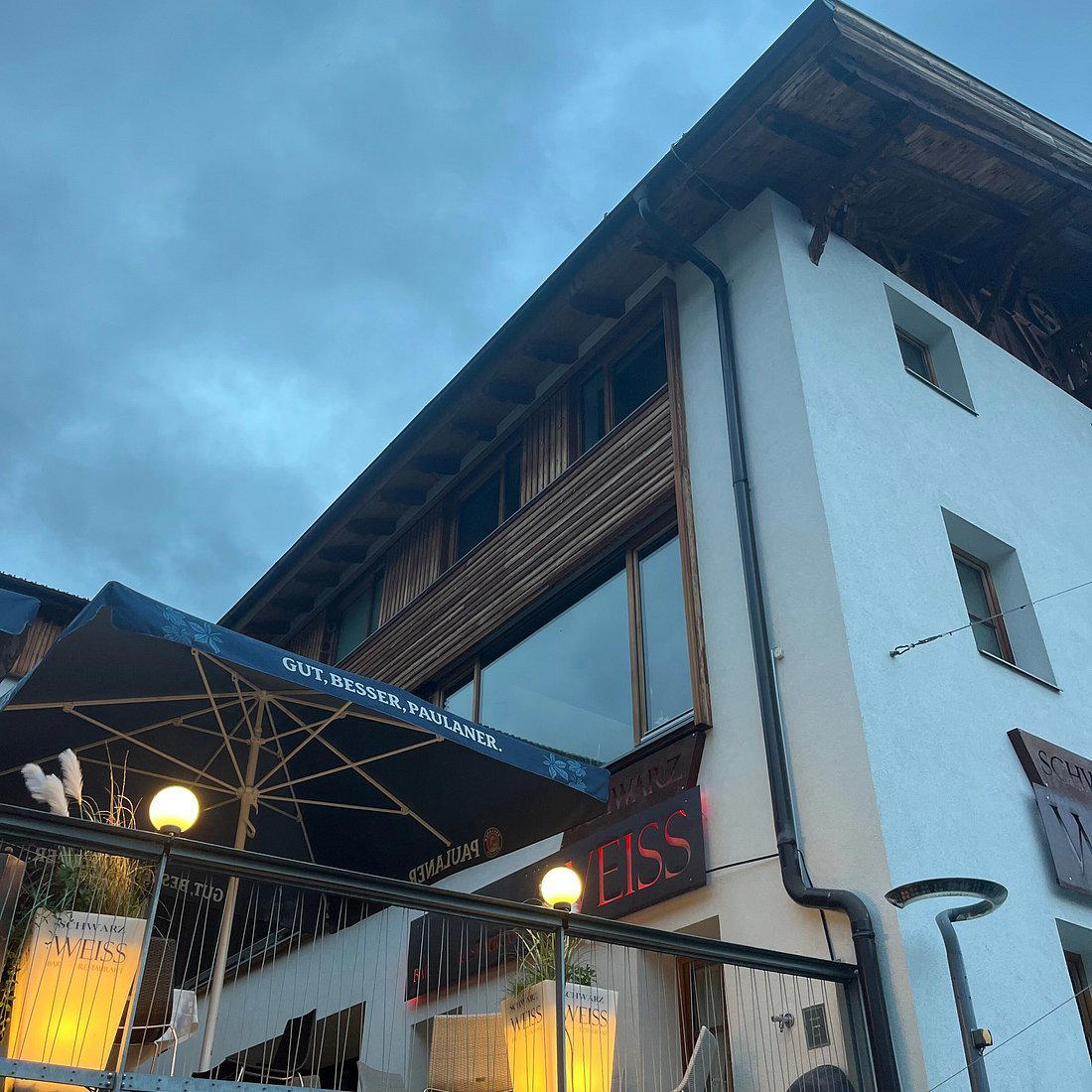
Mountain Spirits Distillery in Axams, Austria, holds a Pearl 1 Star Prestige award (2025), placing it among the recognised tier of Austrian craft distilleries operating in alpine conditions. The Axams location, high in the Innsbruck valley, connects the operation to a tradition of mountain-influenced spirits production that distinguishes the Tyrolean region from lowland Austrian producers.
 Discover on Pearl
Pearl is the En Primeur Club membership app — saves, bookings, and concierge access live there. Same editors, same standards.
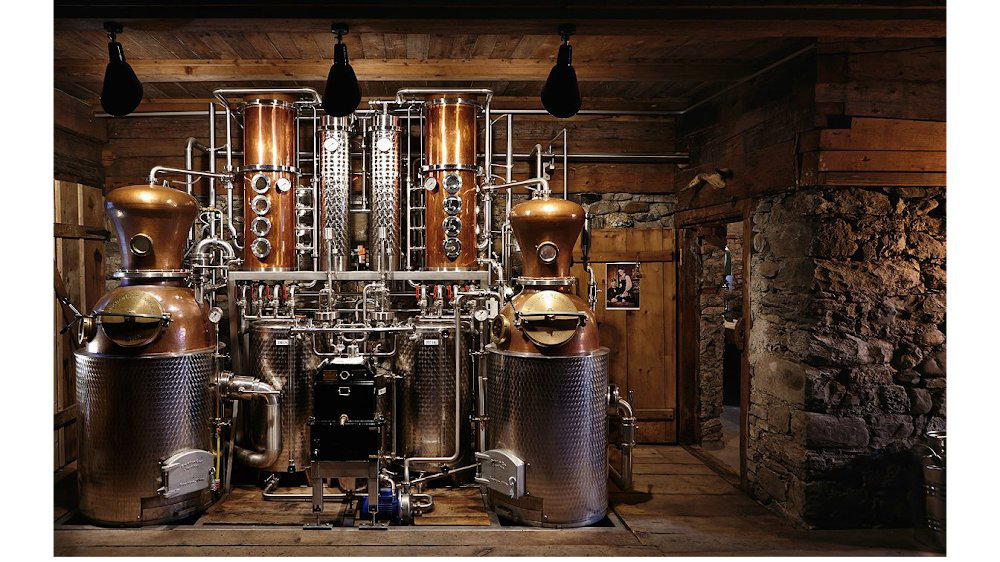
Where Alpine Altitude Meets Craft Distillation
The Tyrolean valley above Innsbruck is not the first place most spirits drinkers think of when mapping Austria's craft production scene. That instinct points east, toward the wine-forward belts of Burgenland and the Wachau, where estates like Weingut Kracher in Illmitz and Weingut Emmerich Knoll in Dürnstein have anchored Austria's international reputation for generations. But the alpine west has its own distinct production logic, shaped by altitude, cold-climate botanicals, and a centuries-long tradition of small-scale distillation that predates the country's modern wine identity. Mountain Spirits Distillery in Axams operates within that tradition, and its 2025 Pearl 1 Star Prestige recognition signals recognition for its craft spirits output.
The Tyrolean Distillation Tradition in Context
Austria's craft spirits sector has fragmented considerably over the past decade. On one side sit the longstanding wine-adjacent distilleries, many of them family operations using surplus fruit from wine estates to produce schnaps and eau-de-vie as a secondary income stream. On the other sits a newer generation of purpose-built distilleries, some drawing explicit influence from Scottish or American production methods, others staying close to the alpine raw-material tradition. For comparison, 1310 Spirit of the Country Distillery in Sierning and 1404 Manufacturing Distillery in Sankt Peter-Freienstein represent the broader Austrian craft scene operating at different elevations and with different raw-material access than a Tyrolean operation would have.
Axams sits at roughly 900 metres in the Axamer Lizum catchment, and the environmental conditions at that altitude bear directly on production. Cold nights extend during much of the year, botanical growth cycles differ from lowland Austria, and water sources draw from glacial and snowmelt systems rather than river-valley aquifers. These are not incidental background details. In distillation, as in winemaking, the provenance of water and the mineral profile of a region's botanicals translate into measurable differences in the finished spirit. The same argument that wine estates like Weingut Wohlmuth in Kitzeck make about Styrian terroir expressing itself through Sauvignon Blanc applies, with different vocabulary, to alpine spirits producers working with locally sourced material.
Pearl 1 Star Prestige: What the Recognition Signals
The Pearl 1 Star Prestige award (2025) places Mountain Spirits Distillery in a defined recognition tier. In the context of Austrian craft production, this kind of formal assessment matters more than it might in longer-established international categories, because the Austrian craft spirits sector lacks the centuries-old appellations and grading hierarchies that wine regions can draw on for credibility signals. Awards therefore carry disproportionate weight as proxies for quality positioning, both for consumers and for trade buyers looking to distinguish serious producers from the broader field of small-batch operations.
For context across Austria's recognised producers, Weingut Pittnauer in Gols and Weingut Heinrich Hartl in Oberwaltersdorf have built credibility in the wine space through a combination of organic and biodynamic credentials and consistent critical recognition. The mechanism is different in spirits, where there is no equivalent of a DAC appellation or a Smaragd classification to situate a producer, but the underlying dynamic is the same: third-party recognition creates a shorthand that allows a producer to communicate quality to an audience that cannot rely solely on regional reputation.
The Alpine Terroir Argument for Spirits
The concept of terroir in distillation is contested in ways that it is not in wine. Critics argue that distillation is a process of extraction and transformation that strips out the subtle mineral and botanical markers that viticulture preserves. Advocates counter that altitude, water chemistry, and raw-material provenance survive the process in ways that are detectable. The strongest evidence for the latter position comes from producers working at meaningful elevation with locally sourced ingredients, where the contrast to lowland equivalents is large enough to produce a clear difference in character.
Axams is well-positioned to make that argument. The Tyrolean mountains generate a distinct botanical palette compared to the Pannonian plains that supply much of eastern Austria's fruit-spirit production. The same regional differentiation that separates Weingut Bründlmayer in Langenlois (Kamptal, continental, loess-dominated) from a Styrian producer like Wohlmuth (cooler, higher, more mineral-driven) applies geographically to the spirits category, even if the regulatory and cultural frameworks have not caught up with that distinction yet.
Austrian distilleries operating outside the alpine zone, including A. Batch Distillery in Bergheim and Abfindungsbrennerei Franz in Leithaprodersdorf, have access to different source materials and operate under different production conditions. The comparison is instructive because it helps locate where Mountain Spirits Distillery sits on the Austrian production map: it is a high-altitude operation in the western alpine zone, which is a meaningfully different category from the fruit-spirit and wine-adjacent distilleries that dominate the eastern and central parts of the country.
Axams as a Spirits Destination
Axams is not a drinks-tourism destination in the way that the Wachau or Burgenland are for wine, and that asymmetry matters for anyone planning a visit with spirits in mind. The town is primarily known as a ski resort base and as a residential community in the greater Innsbruck area. That means the infrastructure around Mountain Spirits Distillery, including hotels, restaurants, and transport links, is oriented toward alpine tourism rather than cellar-door-style hospitality. Visitors arriving from Innsbruck, which is approximately 10 kilometres west, will find good regional and international connections into the city for accommodation and dining, but the distillery itself should be planned as a specific destination stop rather than one node in a dense drinks-tourism itinerary.
For those building a broader Austrian spirits and wine itinerary, the 1516 Brewing Company Distillery in Vienna offers a counterpoint from the urban end of the spectrum, and a detour to Weingut Scheiblhofer Distillery in Andau in Burgenland or Aberlour in Aberlour for international comparison context illustrates how differently distillation culture expresses itself across climates and traditions.
Planning a Visit
Contact Mountain Spirits Distillery directly for current visit arrangements and operating hours. Visitor access and format should be confirmed directly. Visitors arriving from outside Austria will find Innsbruck well-served by rail from Munich, Vienna, and Zurich, making the Tyrolean capital a practical base for day trips to Axams. For those focused specifically on the broader craft production world, combining a Tyrolean alpine visit with time in the wine regions of eastern Austria offers a useful contrast in how different environments shape what ends up in the glass.
In Context: Similar Options
Comparable venues nearby, for context on price, style, and recognition.
| Venue | Cuisine | Price | Awards | Notes |
|---|---|---|---|---|
| Mountain Spirits DistilleryThis venue — the venue you are viewing | Winery | , | 1 recognition | |
| Koskij Distillery | Winery | , | 1 recognition | Vienna |
| Weingut Hutter Distillery | Grüner Veltliner, Riesling | $$ | 1 recognition | Mautern an der Donau |
| Weingut Stadlmann | Rotgipfler, Zierfandler | $$ | 1 recognition | Traiskirchen |
| Aeijst Gin Distillery | Südsteiermark | $$ | 1 recognition | Sankt Nikolai im Sausal |
| 2B Hemp Gin Distillery | Winery | , | 1 recognition | Graz |
Continue exploring