Mollydooker

Falstaff Winery - Listed
Mollydooker is a McLaren Vale winery. Located at 23 Coppermine Rd, it operates within one of South Australia's most grape-grower-dense subregions, where iron-rich soils and maritime-influenced climate define the style of fruit that reaches the winery. A reference point for visitors tracing McLaren Vale's premium tier.

Pearl is the En Primeur Club membership app — saves, bookings, and concierge access live there. Same editors, same standards.
- Address
- 23 Coppermine Rd, McLaren Vale SA 5171
- Phone
- +61 8 8323 6500
- Website
- mollydookerwines.com.au
- Directions
- Get directions
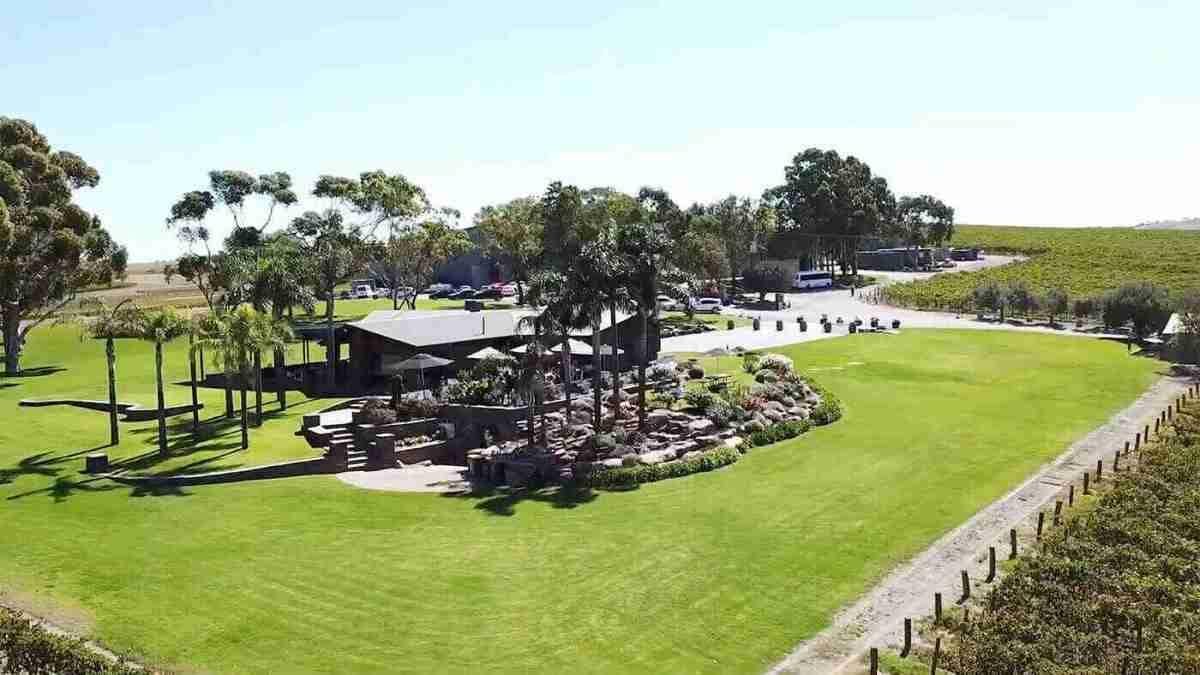
Where McLaren Vale's Soils Do the Talking
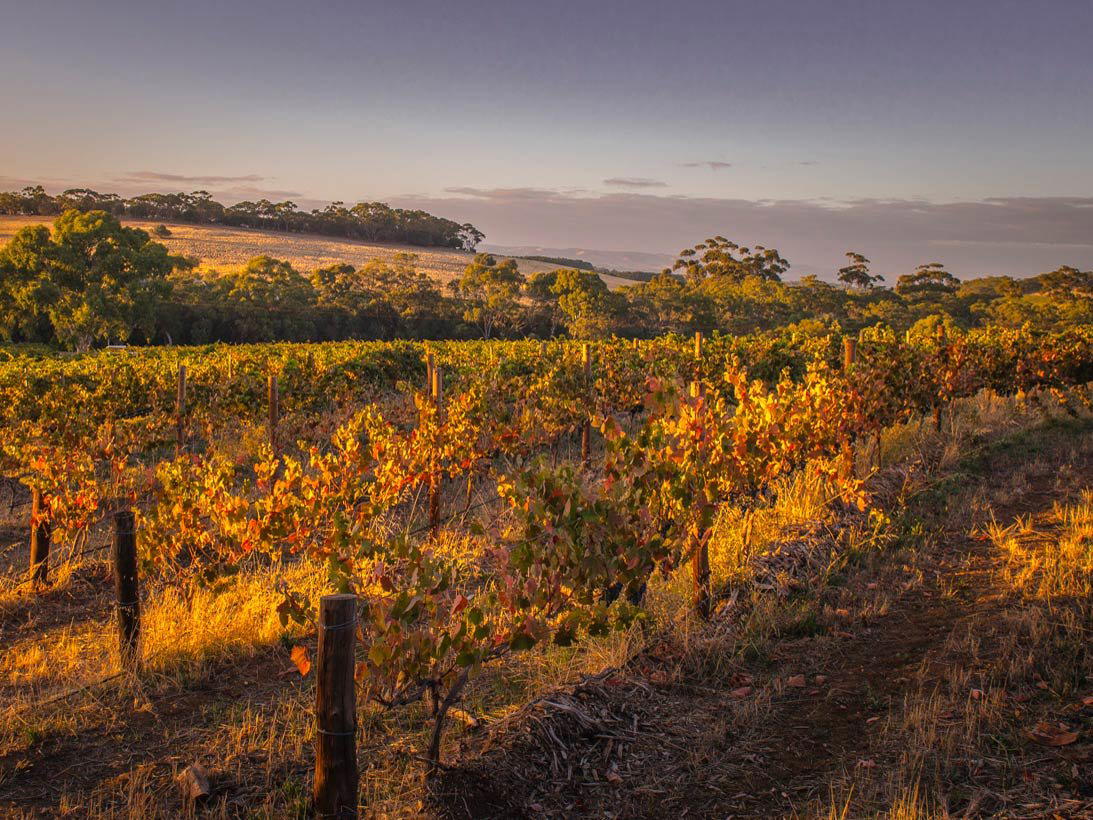
The drive along Coppermine Road into McLaren Vale's interior tells you something before you arrive anywhere. The red-brown ironstone flats give way to patches of ancient almond orchards and dry-grown vine rows whose canopies sit low to the ground, trained by decades of hot summers and cooling afternoon sea breezes rolling in from Gulf St Vincent. This is not a region where fruit is coaxed into ripeness — it arrives with conviction, and the winemakers who work here know that their primary job is to get out of the way. Mollydooker, at 23 Coppermine Rd, sits inside that tradition.
McLaren Vale's particular terroir argument rests on soil diversity more than any single variety. Within a few kilometres, you move between deep sandy loams, grey-brown cracking clays, and the iron-rich red soils that give the region much of its structural reputation. Shiraz grown on those red soils tends to carry a density of fruit that separates McLaren Vale from the cooler, finer-boned Shirazes of places like the Clare Valley or the Grampians.
The Sourcing Logic Behind McLaren Vale's Premium Producers
Understanding what separates McLaren Vale's prestige tier from its broader production base requires a look at how fruit is sourced and selected. The region has always mixed estate-grown and grower-contract fruit, and the producers who sit at the top of any critical ranking tend to be the ones with the clearest story about where their grapes come from and why those specific blocks matter. Soil type, vine age, and canopy management decisions made at the growing end translate directly into what ends up in bottle.
This sourcing discipline is not uniform across the region. Some producers prioritise volume and regional blending across a wide grape-grower network. The difference shows in the concentration and specificity of the resulting wines. Regions like Blewitt Springs and Willunga in McLaren Vale's south have attracted particular attention from prestige-tier producers for their sandy soils over ironstone, which produce Shiraz with a distinctly different texture to fruit grown on heavier clay-based parcels further north.
For context, McLaren Vale's prestige-tier producers operate in a competitive set that includes d'Arenberg, with its long track record of single-vineyard releases, and Hardys (Tintara), whose heritage anchors the region's winemaking history. At a smaller scale, Bondar Wines and Dandelion Vineyards have built their reputations on site-specific sourcing and transparency about the individual parcels that contribute to each label. Gemtree Wines adds another reference point on the organic and biodynamic end of that conversation, where how the soil is managed is as much part of the brand story as where the vines are located.
Climate, Variety, and the McLaren Vale Advantage
McLaren Vale occupies a Mediterranean climate zone roughly 40 kilometres south of Adelaide, with warm, dry summers and mild, wet winters. The proximity to the coast means the Shiraz that defines the region's premium output rarely tips into overripe, jammy territory — a quality concern that has historically dogged warmer Australian regions. Instead, the leading McLaren Vale Shiraz tends to carry dark-fruit concentration alongside a freshness that comes from those afternoon sea breezes, which slow ripening in the final weeks before harvest and preserve acid structure in the fruit.
Grenache has grown significantly in prestige across McLaren Vale over the past decade, driven partly by a generational shift in winemaking preference toward lighter extraction and more textural, mid-weight styles. Old vine Grenache, some of it planted in the early twentieth century, forms the backbone of several of the region's most interesting releases. Cabernet Sauvignon occupies a smaller but historically significant share of plantings, with the warmest inland subzones producing Cabernet that competes seriously with Coonawarra and the broader Limestone Coast for concentration and ageing potential.
Beyond South Australia, this kind of climate and variety focus finds analogues in producers like Bass Phillip in Gippsland, where site specificity and a narrow varietal focus drive premium positioning, or Bird in Hand in Adelaide Hills, where the cooler elevation produces a contrasting style to McLaren Vale's warmer-climate output. Interstate, All Saints Estate in Rutherglen and Angove Family Winemakers in Renmark represent the warm-climate South Australian and Victorian tradition from different angles, while Leading's Wines in Great Western and Blue Pyrenees Estate in Pyrenees point to Victoria's alternative premium red-wine geography. Even outside wine entirely, the broader conversation about provenance and terroir runs through Archie Rose Distilling Co in Sydney, where grain sourcing and local character drive the spirits program in a way that mirrors how the leading McLaren Vale producers think about their fruit.
Planning Your Visit
McLaren Vale is most accessible as a day trip or overnight stay from Adelaide, with the main township sitting around 40 kilometres south of the city. The Coppermine Road address places Mollydooker toward the working interior of the region rather than the main Main Road strip that functions as the public face of McLaren Vale wine tourism. Visiting in the March-to-May window after harvest gives you the region at its most active, with winemakers present and the vintage year's work visible in tanks and barrels if you have the right introductions. Spring, from September through November, offers a different character, green vine rows, cooler air, and fewer visitors competing for cellar door time.
For a fuller account of what the region offers across restaurants, cellar doors, and accommodations, the full McLaren Vale restaurants guide maps the broader picture. Among reference points on the premium and heritage ends of the regional spectrum, d'Arenberg and Hardys (Tintara) both offer established visitor infrastructure alongside their wine programs. For readers who like to cross-reference against international prestige producers, Aberlour in Aberlour and Accendo Cellars in St.
Where It Fits
Comparable venues nearby, for context on price, style, and recognition.
| Venue | Cuisine | Price | Awards | Notes |
|---|---|---|---|---|
| MollydookerThis venue — the venue you are viewing | Shiraz, Cabernet Sauvignon | $20–30 | Falstaff Winery - Listed | Not listed |
| Yangarra Estate Vineyard | Grenache, Shiraz | $10–20 | Not listed | Blewitt Springs |
| MMAD Vineyard | grenache, shiraz | Not listed | Not listed | Blewitt Springs |
| Koomilya | Shiraz, Cabernet Sauvignon | Not listed | Not listed | McLaren Vale |
| Thistledown Wines | Grenache, Shiraz | $50–100 | Not listed | McLaren Vale |
Recognition history
Dated appearances from independent guides and award organizations, with the underlying list record or original source where available.
Falstaff Winery - Listed
Falstaff
Continue exploring
More in McLaren Vale
Wineries in McLaren Vale
Browse all →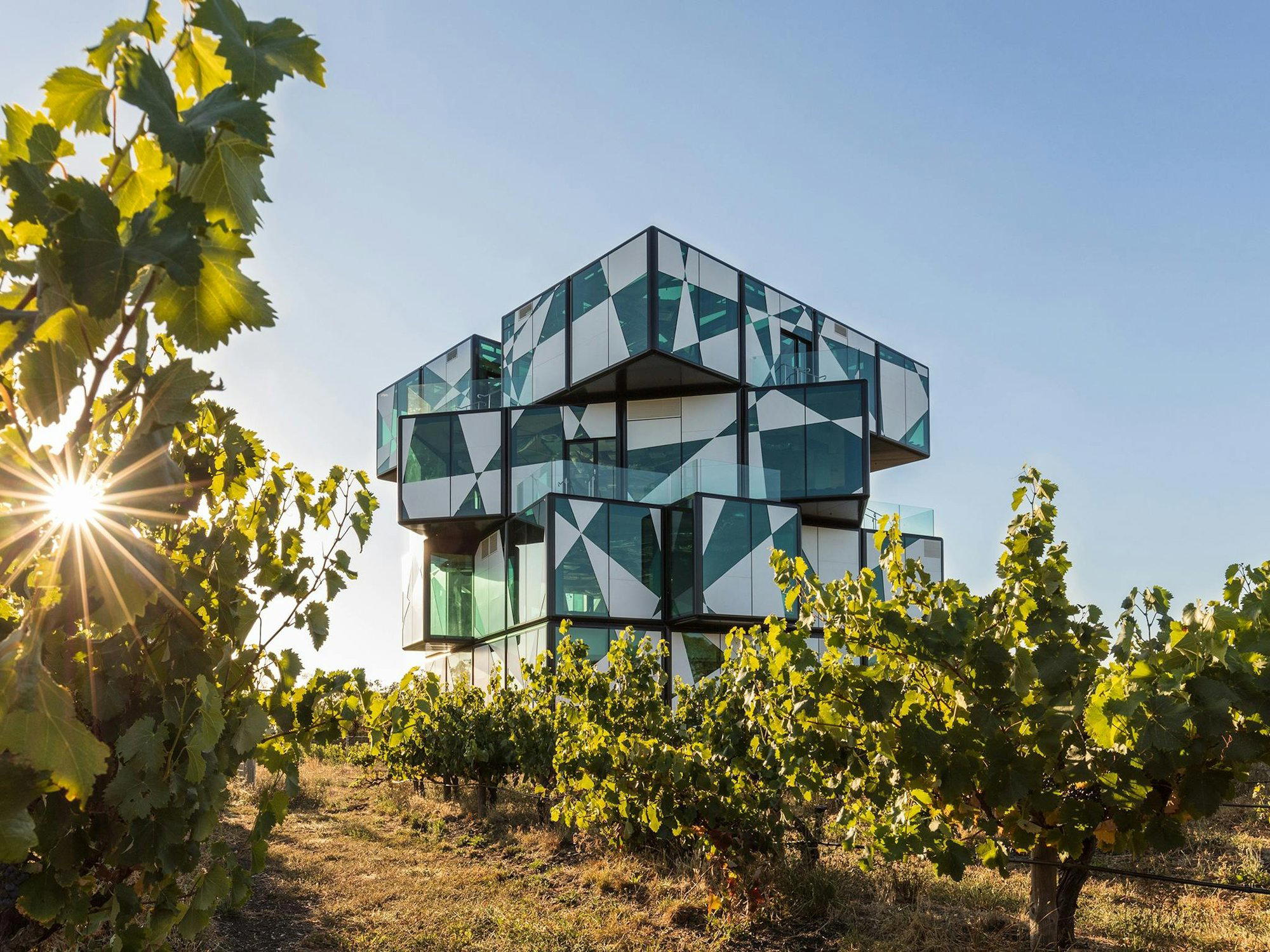
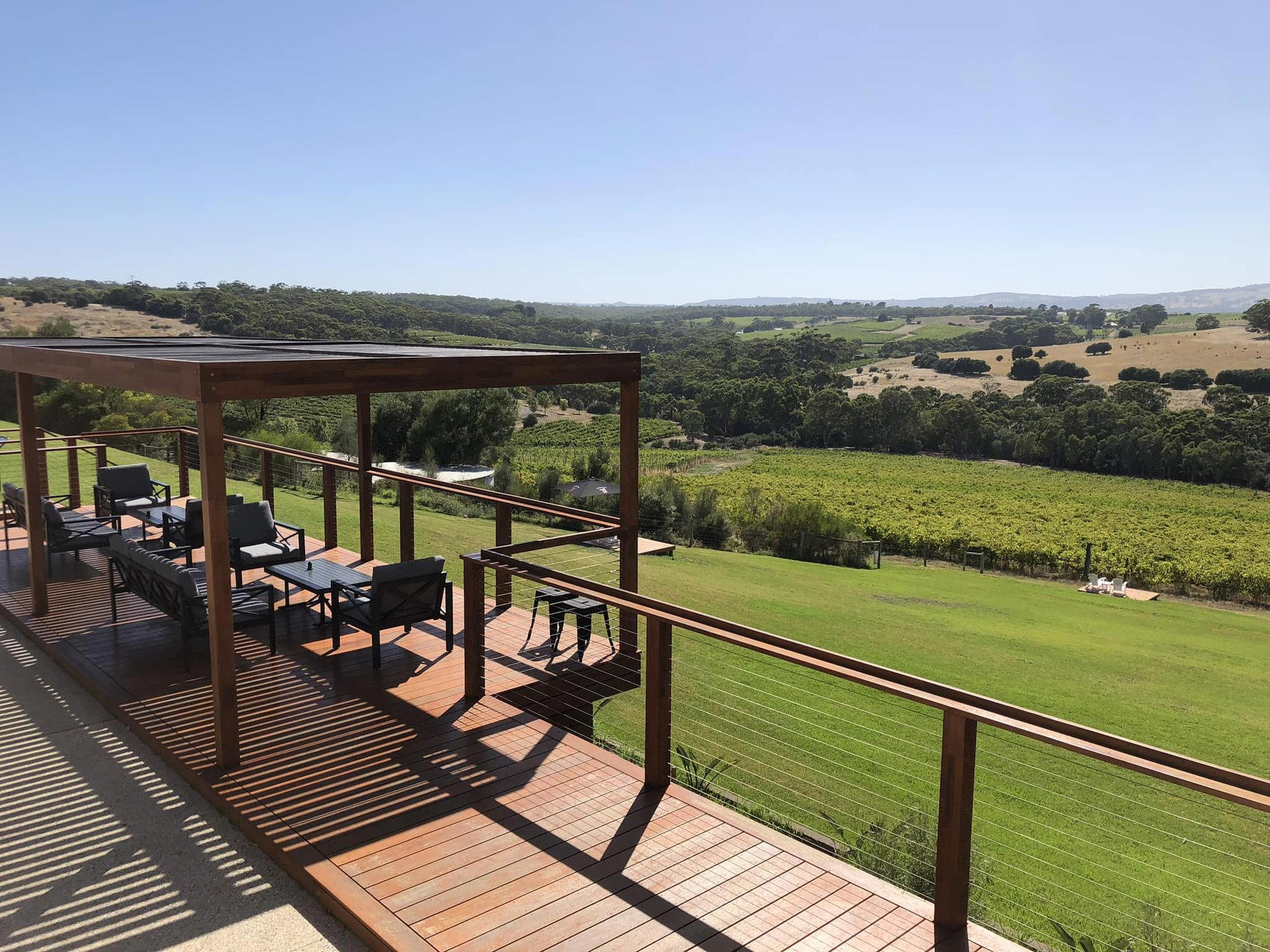
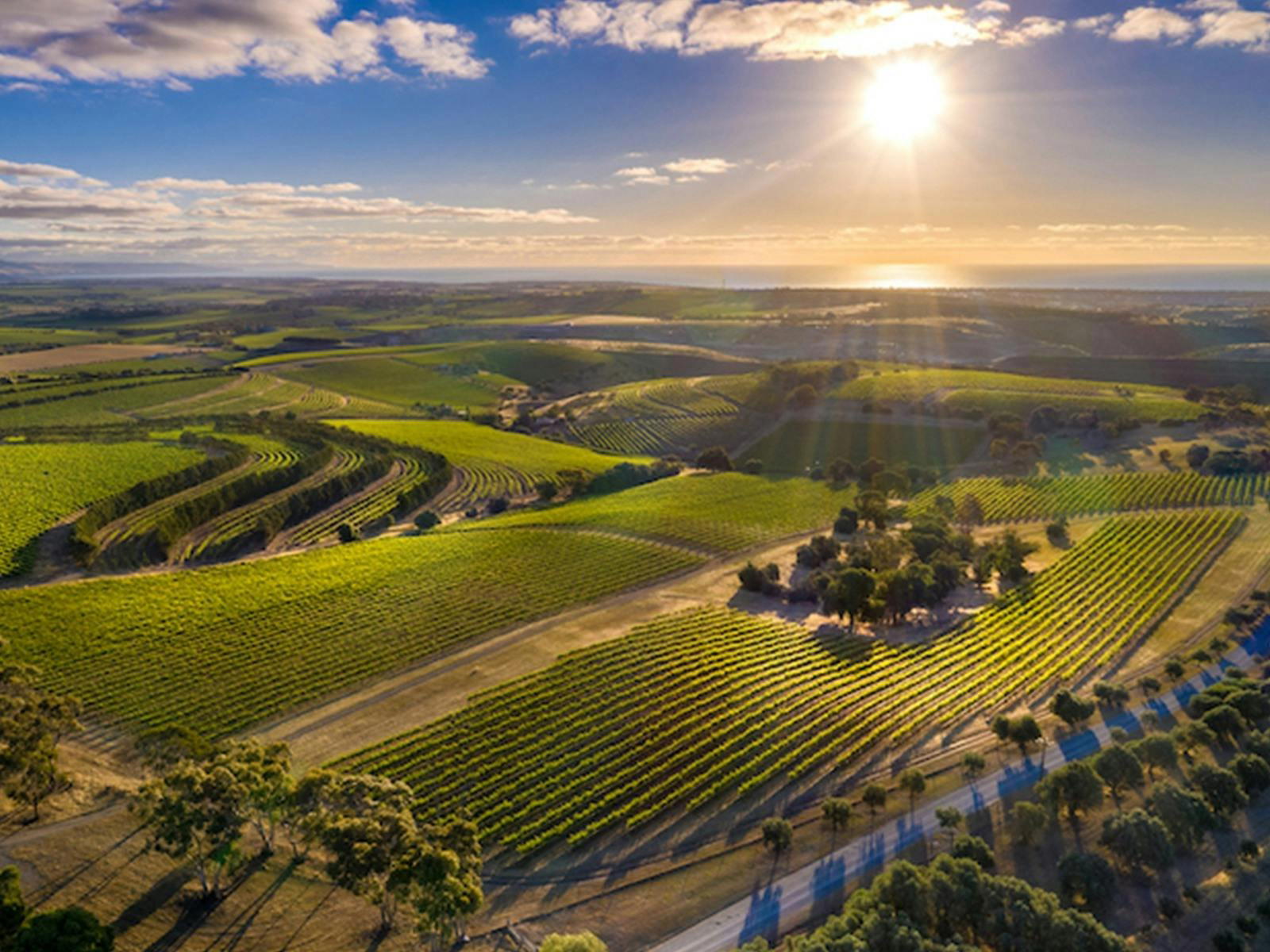
Bars in McLaren Vale
Browse all →
Restaurants in McLaren Vale
Browse all →

Details
- Scenic
- Rustic
- Well Known
- Whimsical
- Group Outing
- Celebration
- Wine Education
- Vineyard Tour
- Panoramic View
- Sustainable
- Vineyard
- Shiraz
- Cabernet Sauvignon
- Merlot
- Verdelho
- Still Red
- Still White
- Sparkling
- Cellar Door Tasting
- Premium Tasting
- Guided Tasting
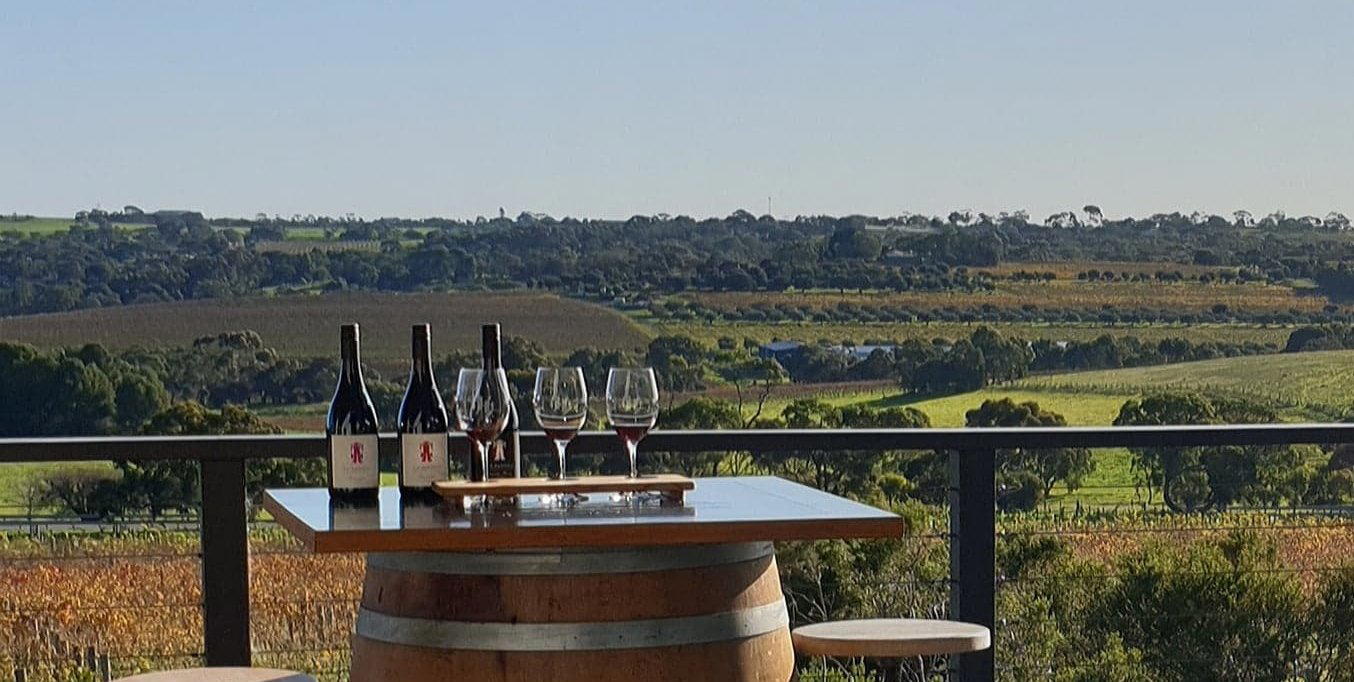
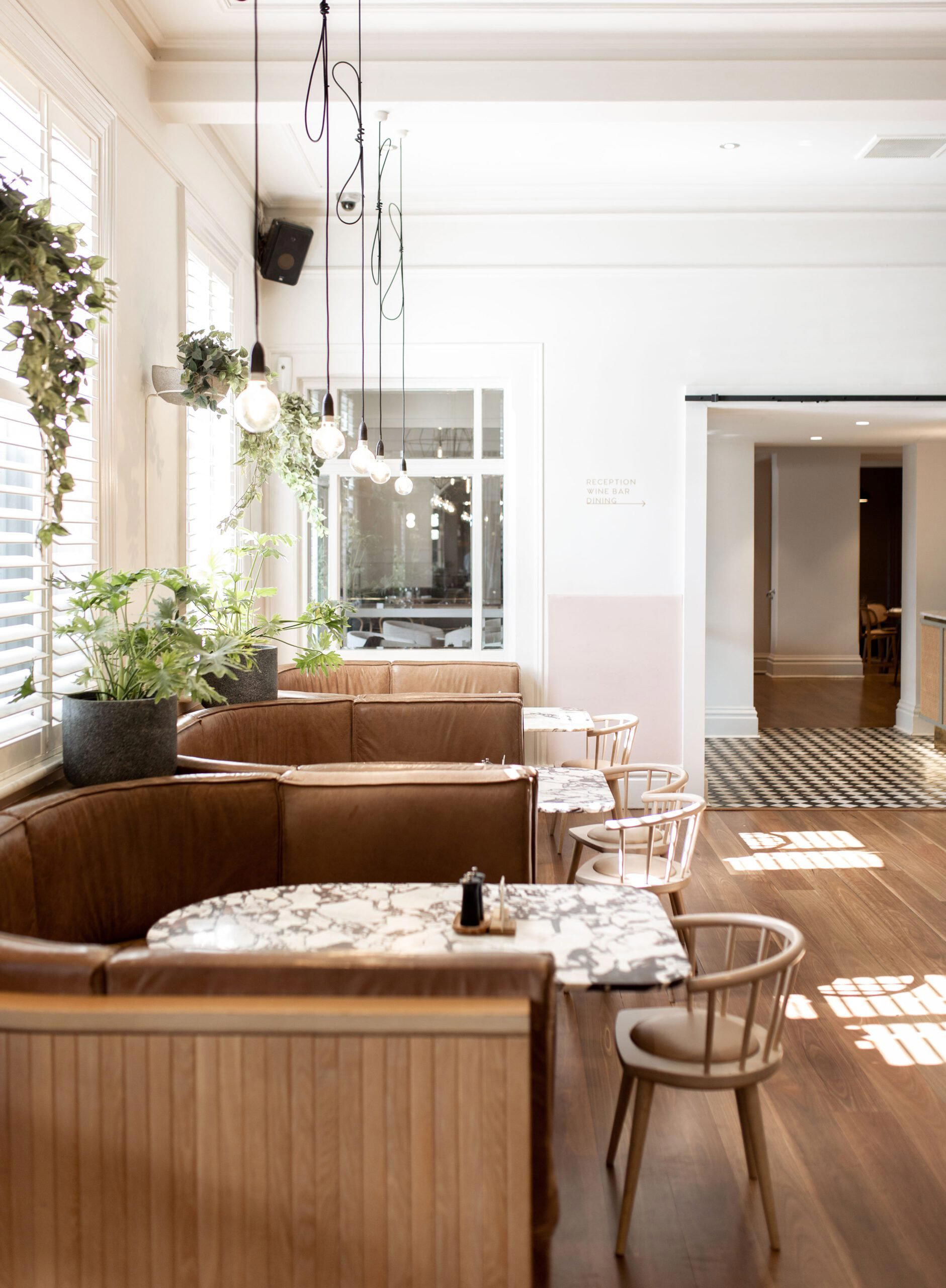
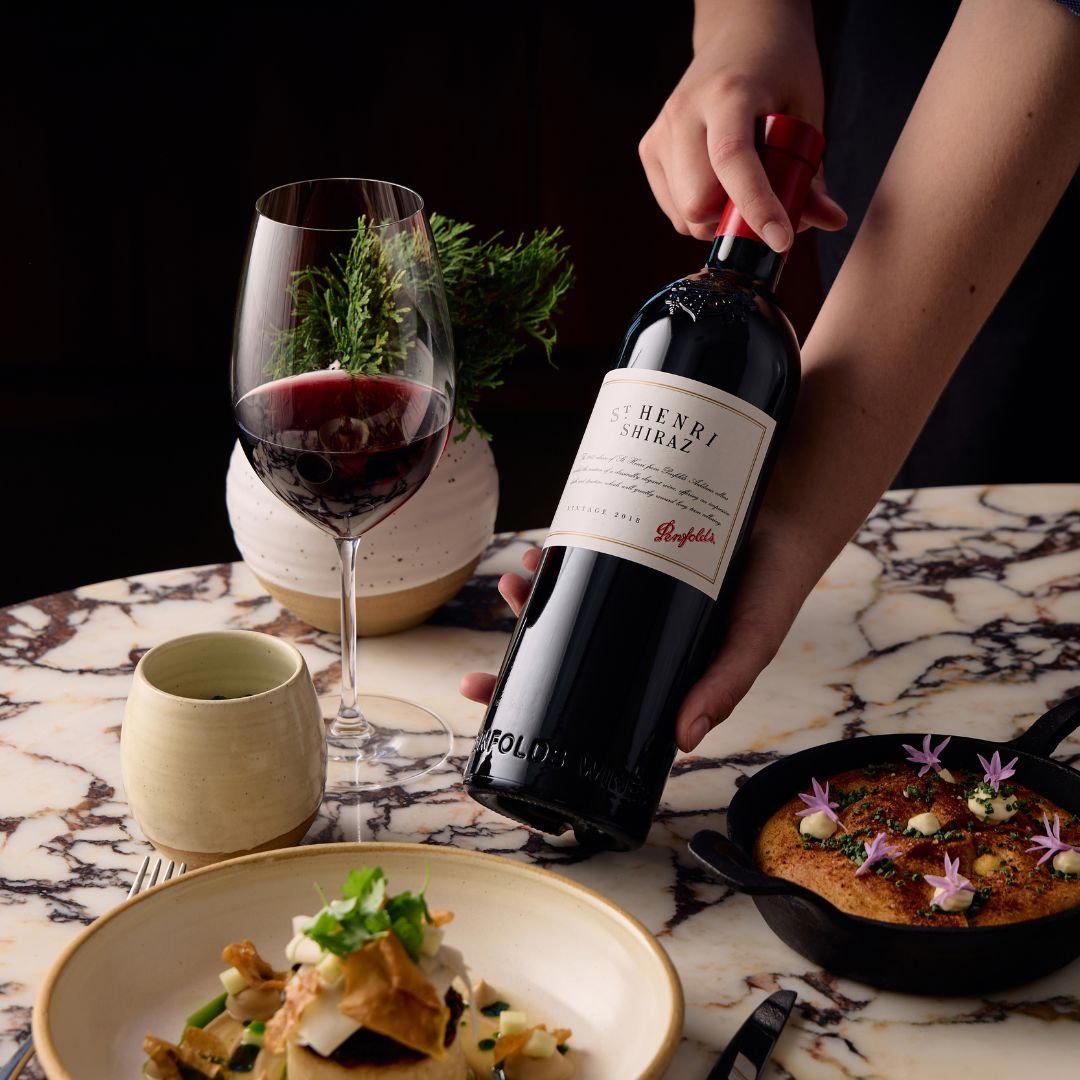
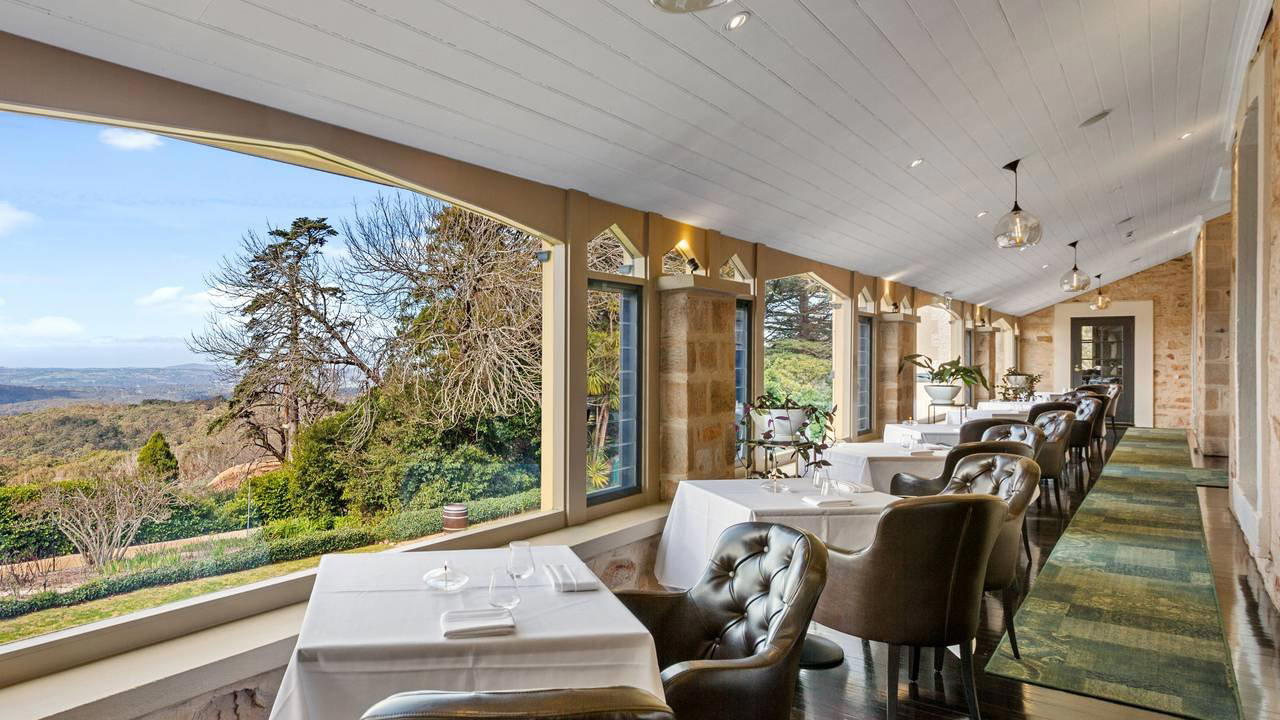
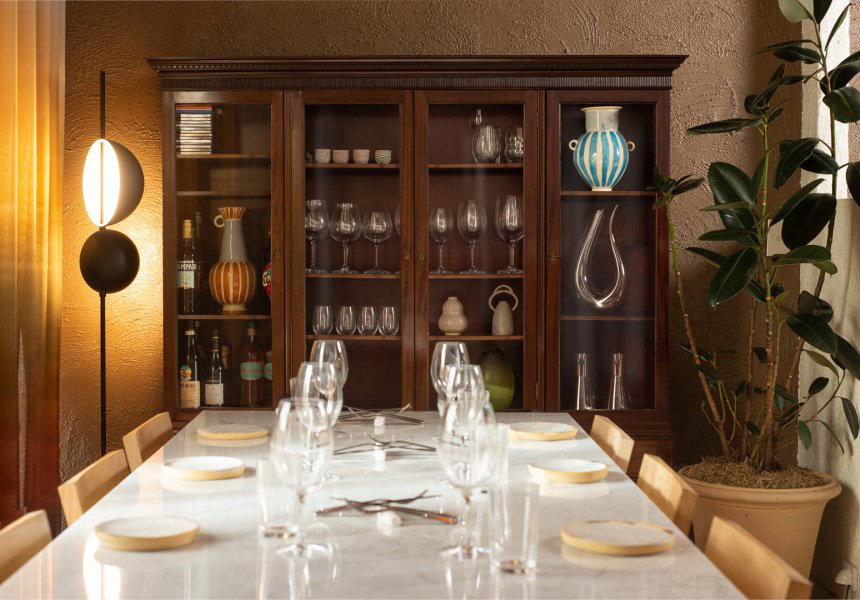
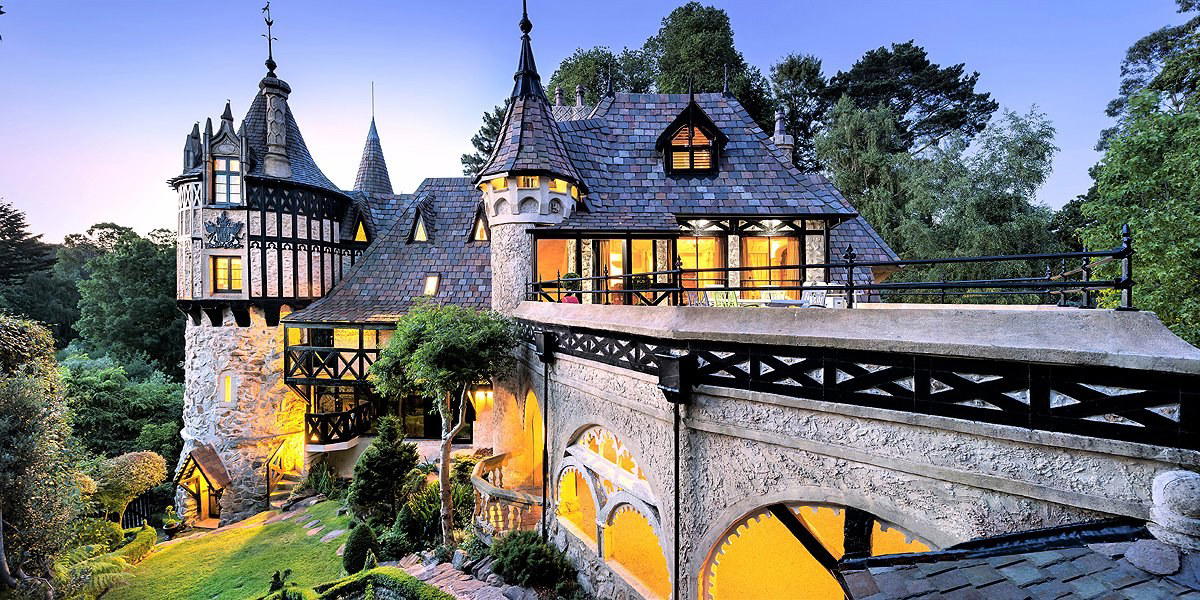
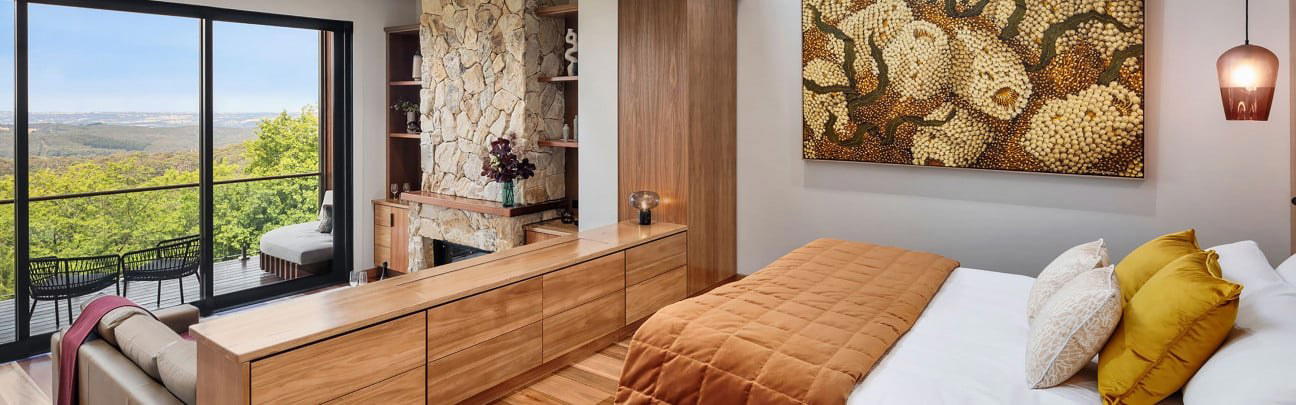
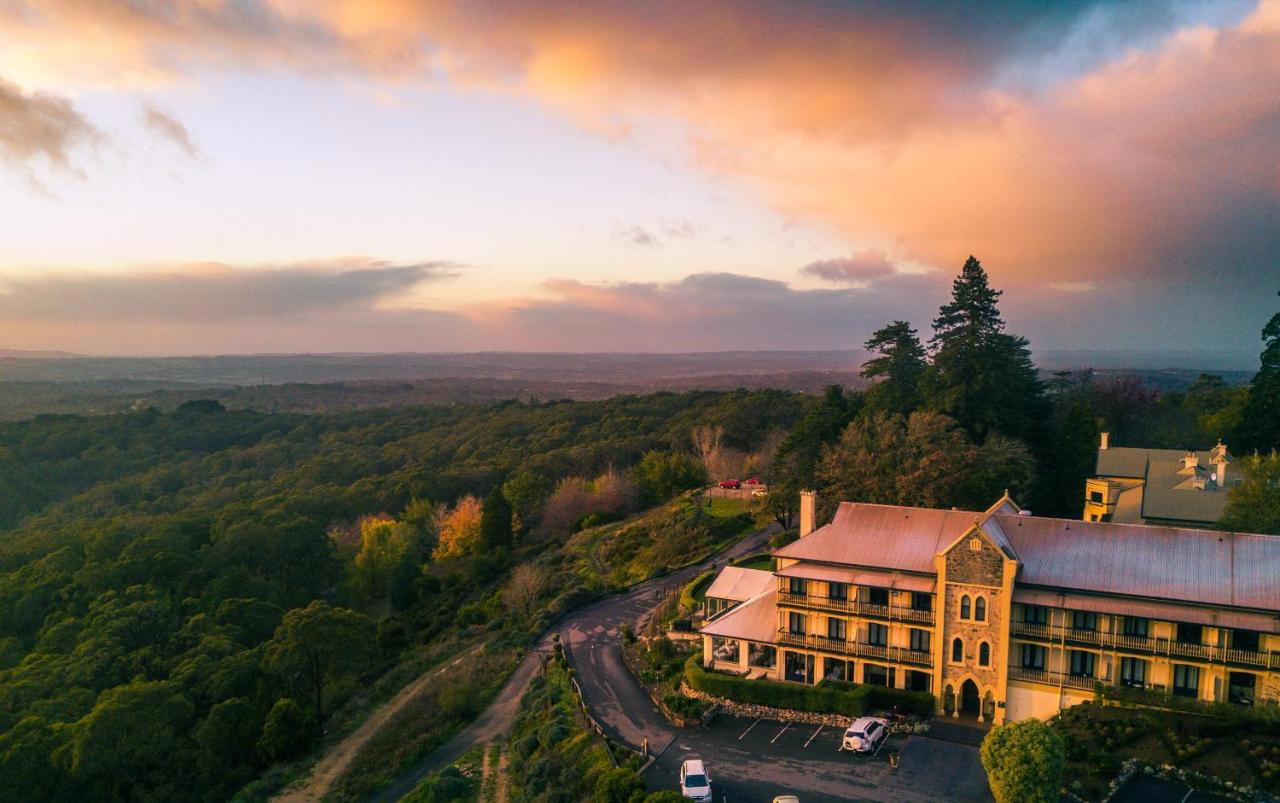
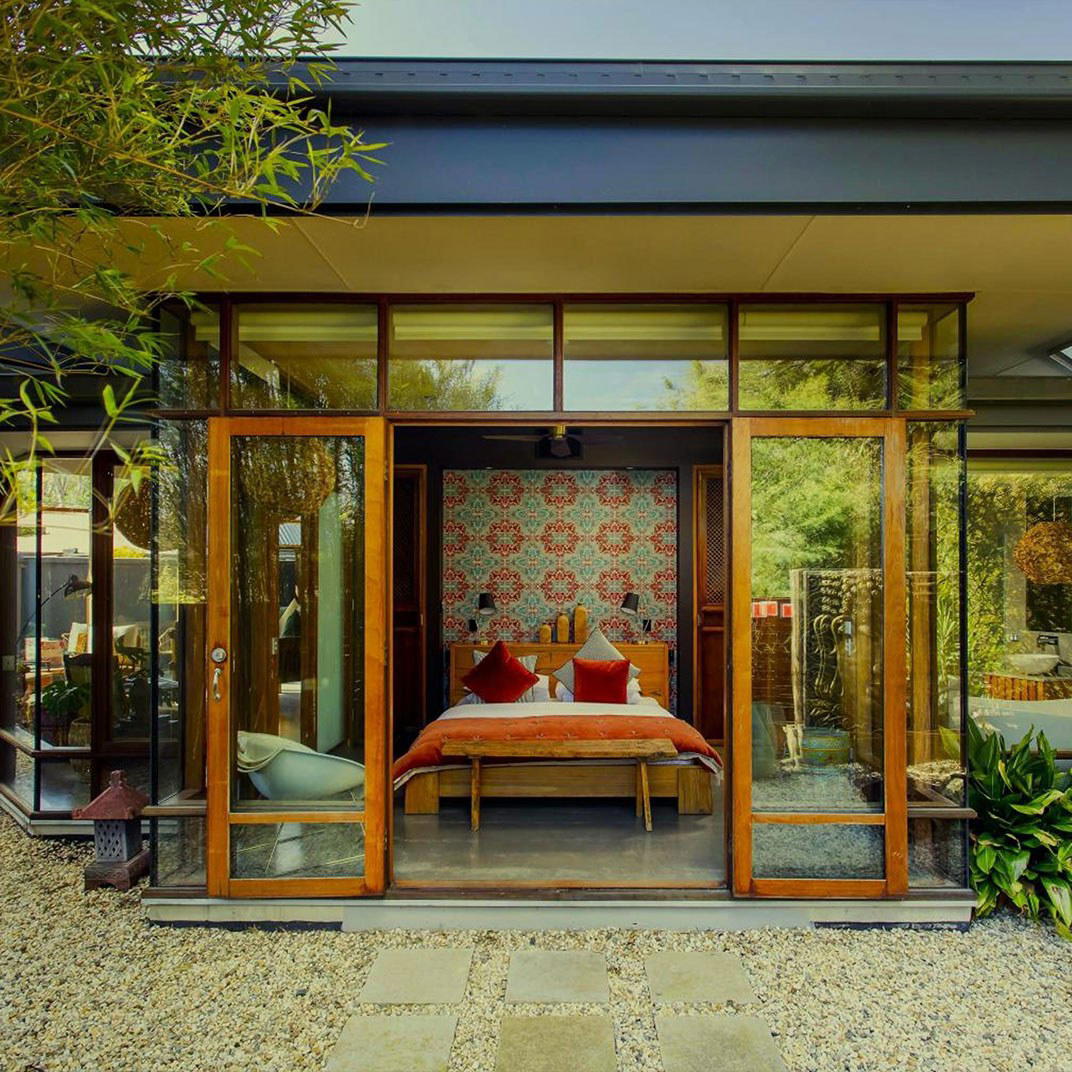
Beautifully designed cellar door with dark green walls, plants, wildflower murals, comfortable seating, and dramatic vineyard views creating a fun, welcoming atmosphere.