
Bodega Ontañón puts Rioja’s wine-tour tradition into a more theatrical register: part working cellar, part art-and-mythology installation, part family winery. The stronger editorial reason to go is its link between Logroño hospitality and Sierra de Yerga fruit, with Tempranillo, Graciano, Garnacha and white varieties framed through guided tastings rather than a conventional cellar stop.

Pearl is the En Primeur Club membership app — saves, bookings, and concierge access live there. Same editors, same standards.
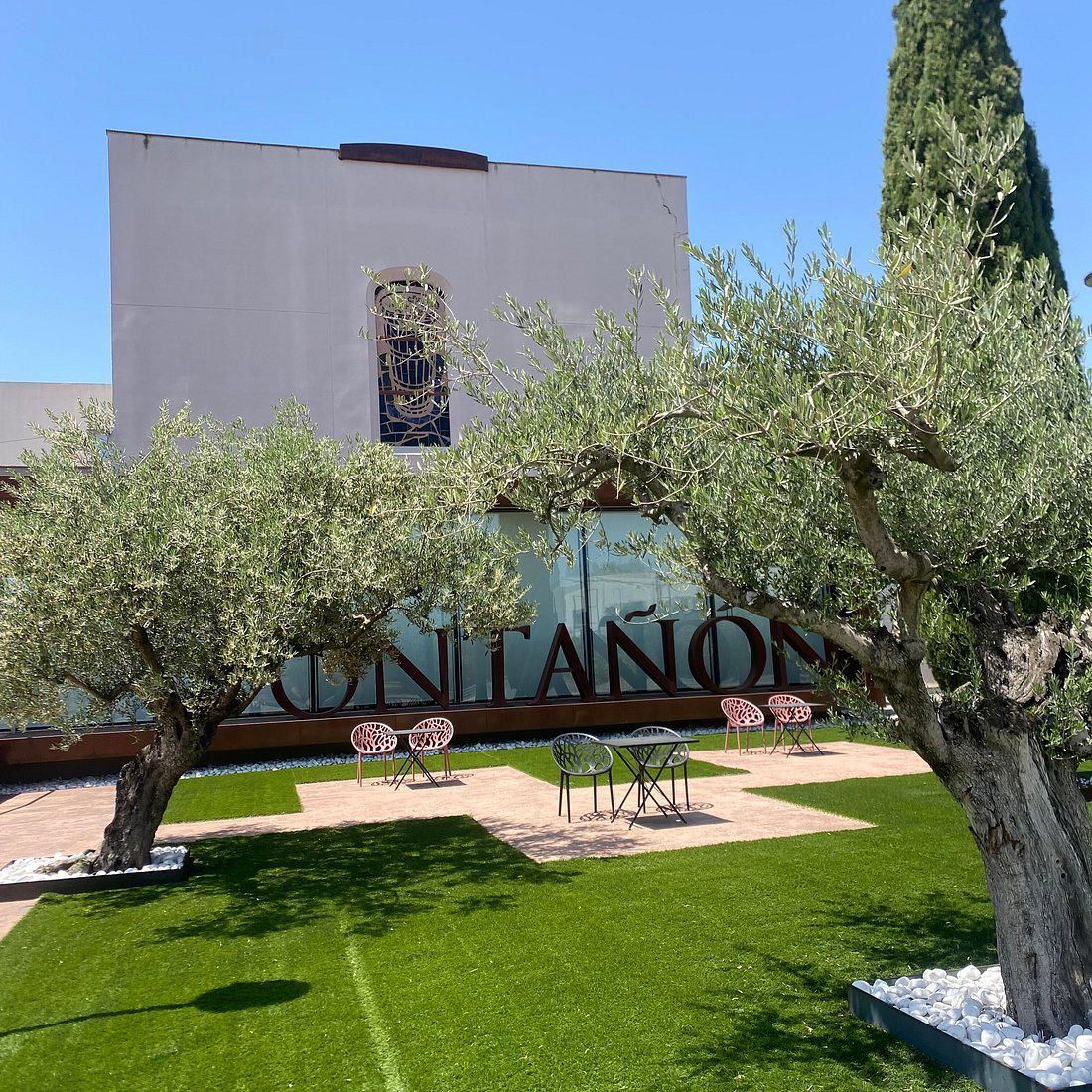
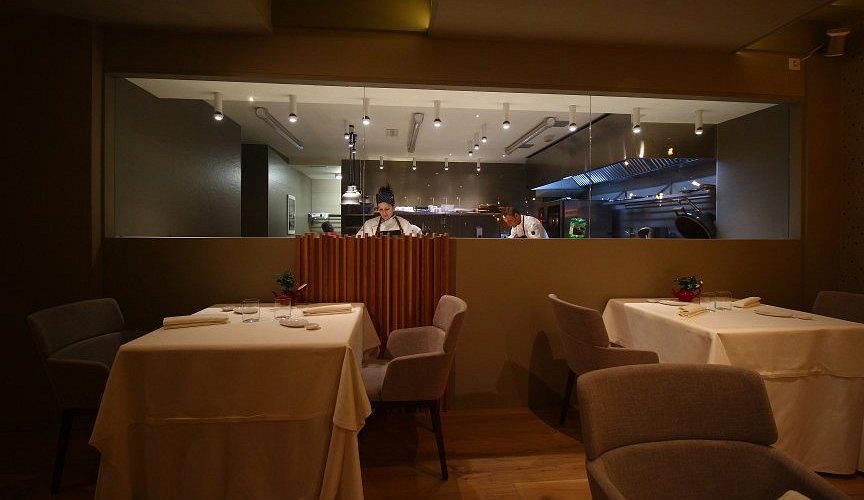
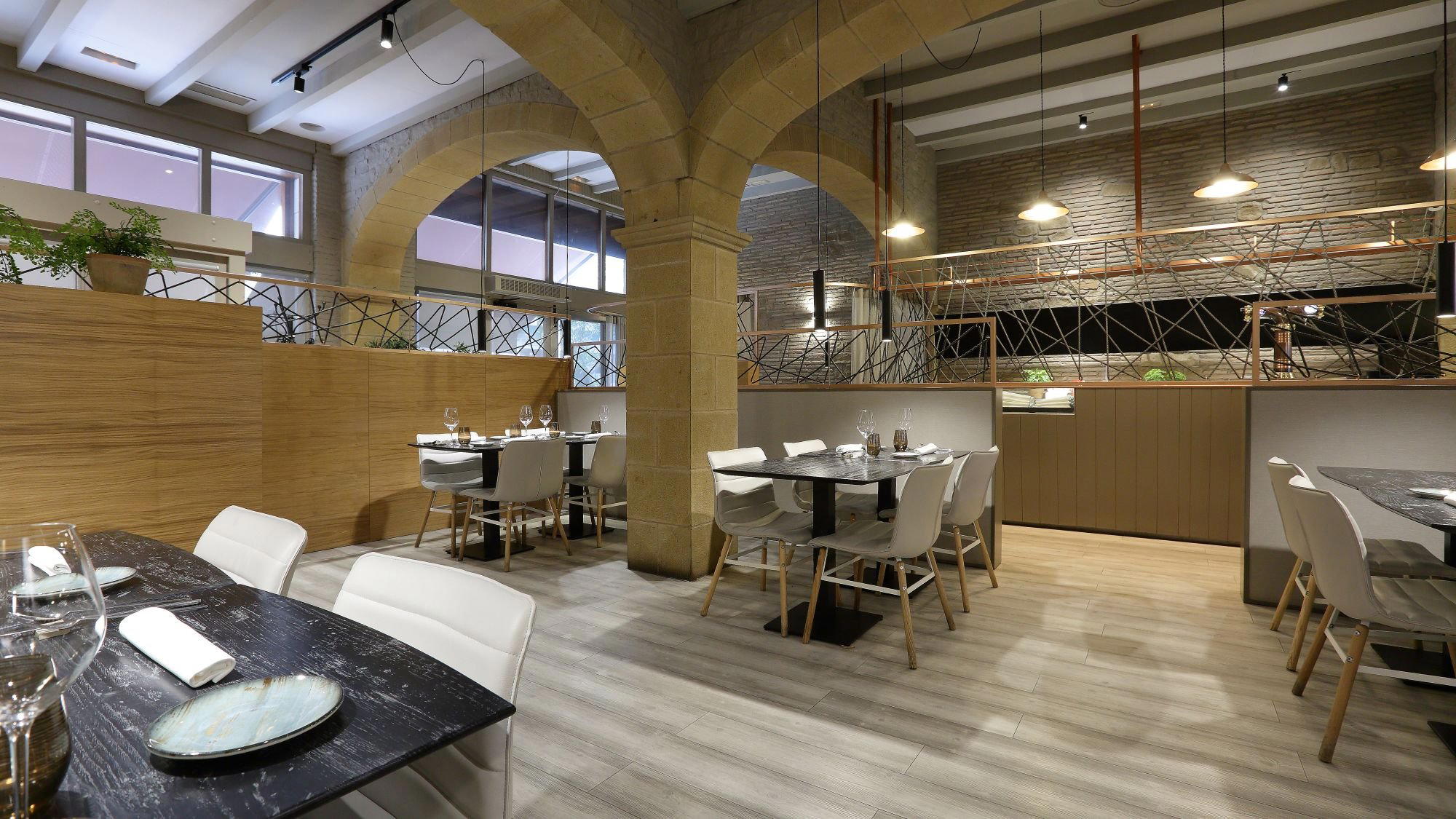
Approaching Bodega Ontañón, the first cue is architectural rather than agricultural. Rioja often sells itself through stone villages, barrel rooms and vineyard horizons; here, the experience begins at the urban edge of Logroño, where a contemporary Y-shaped winery sets up a different proposition. Inside, the cellar route moves through stainless tanks, cask rooms, symbolic God of Wine sculptures, a wine bar and a patio, turning a working Rioja bodega into a staged lesson in land, craft and local mythology.
That theatricality matters because Rioja tourism can easily flatten into a familiar sequence: cellar, barrel, tasting glass. Bodega Ontañón uses the format to explain how Rioja Oriental fruit enters the wider DOCa Rioja conversation. The family estate works with 250 hectares of vineyards and production of around 70,000 cases a year, placing it in a scale where hospitality, export visibility and vineyard identity all have to coexist. This is not the tiny garage-winery model, and it is not a purely industrial stop. Its strength is translation: taking the climate and varieties of the Sierra de Yerga and making them legible to visitors who may know Rioja only as a label on a wine list.
Sierra de Yerga fruit, read through a Logroño cellar
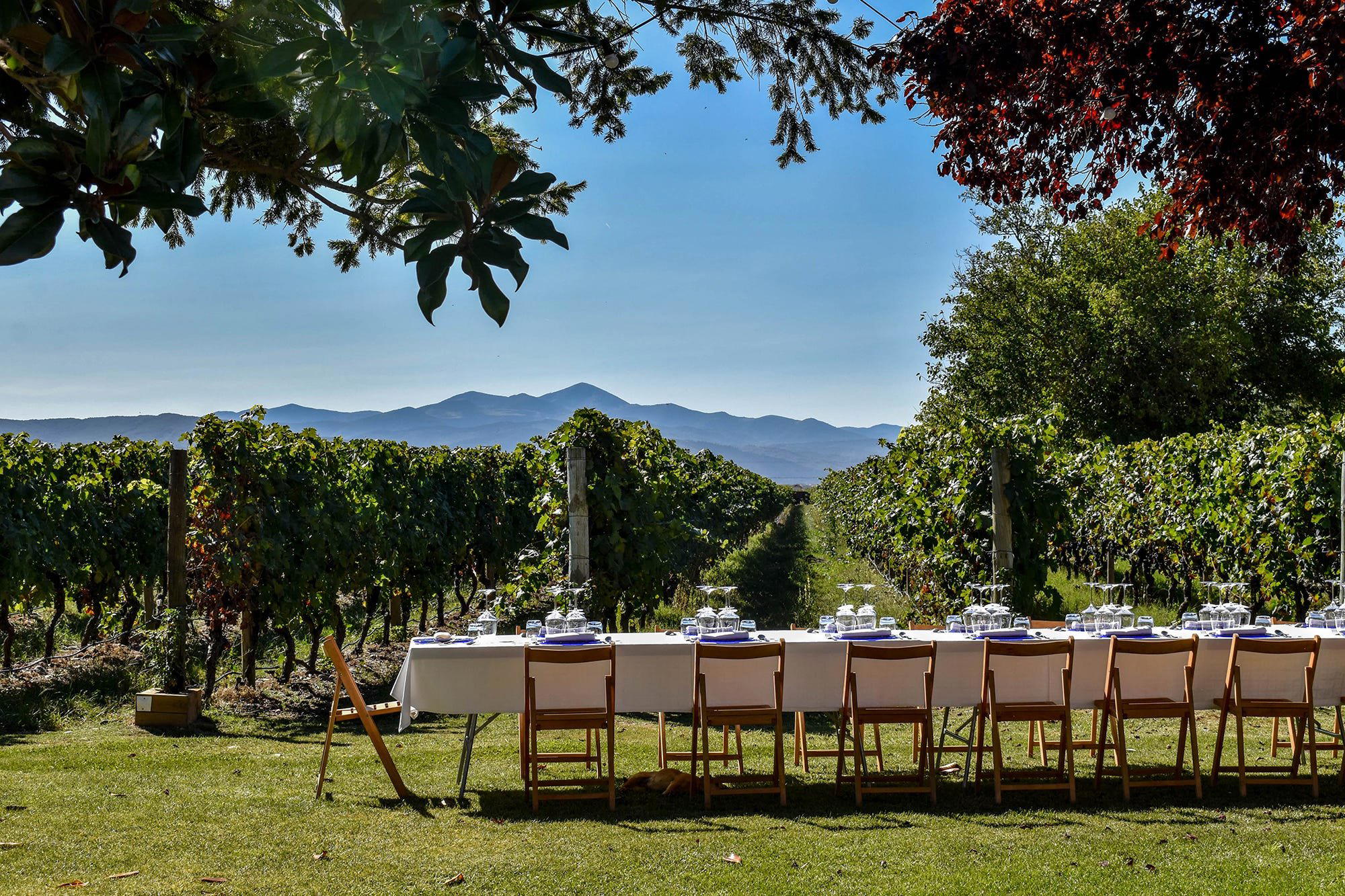
The more interesting story sits outside the tasting room, in the high-altitude plots near Quel in Rioja Oriental. The vineyards are associated with short, hot, dry summers, cold winters and an annual rainfall figure of about 400 liters. August nights rarely exceed 16°C, while daytime temperatures do not surpass 33°C, a contrast that helps explain why acidity and aromatic lift matter in these wines rather than sheer ripeness alone.
Tempranillo remains the spine of the regional argument, and here it is joined by Garnacha, Graciano, Viura, Tempranillo Blanco and Moscatel. Graciano is particularly useful in the Rioja context because it brings acidity and perfume to blends that might otherwise lean too heavily on Tempranillo’s familiar structure. The estate’s average vine age is given as 35 to 40 years, with sandy-loam soils, broad exposures and terraces contributing to a vineyard picture that is more textured than the simple “warm-zone Rioja” shorthand suggests.
Rioja DOCa status gives the wines their regulatory frame, but the visitor experience is built around a more direct question: what does this side of Rioja taste like when altitude, sandier soils and family-scale farming are foregrounded? The answer is not delivered through technical jargon alone. It comes through the route from tank to barrel room to tasting, where still reds, whites, rosé and dessert wines can be understood as part of a single regional vocabulary rather than as isolated pours.
Art, mythology and the modern Rioja tour
The “Temple of Wine” idea could easily tip into gimmickry, but in Rioja’s visitor economy it serves a practical purpose. Many travelers arrive in Logroño with limited time and a strong interest in wine culture, not just production. Bodega Ontañón packages cellar education, family history and visual storytelling into a format that works for groups, couples, families and first-time Rioja visitors. The mood is conversational rather than hushed, with enough design and theatrical framing to keep the visit from feeling like a technical seminar.
The estate dates to 1973 and belongs to the multi-generational Pérez Cuevas family, with Rubén Pérez Cuevas named as winemaker. Those details are useful less as biography than as credentials for continuity: Rioja’s strongest producers tend to balance inherited vineyard knowledge with enough modern hospitality to meet current travel expectations. Sustainable farming is part of the production philosophy, with organic practices also associated with the estate, and that matters in a region where climate pressure makes altitude, water, vine age and site management increasingly central to quality.
Cellar program includes guided tours with tasting, group tastings, tapas pairing and vineyard-focused experiences. Standard visits run roughly 60 to 120 minutes, while the more expansive vineyard experience is listed at about six hours. Spanish and English are offered for tours, which makes this a more accessible stop for international travelers using Logroño as a base. The wine bar, La Sacristía, gives the visit a softer landing after the cellar route, shifting the mood from production explanation to table culture.
Portfolio range also helps the tour avoid a single-note reading of Rioja. Crianza, Reserva and Gran Reserva categories sit alongside Vino de Zona, Vino de Viñedo Singular and Vino de Municipio bottlings, reflecting the region’s move toward more place-specific labelling. Ontañón Natura, a Tempranillo with no added sulphites, gives another point of entry into the current conversation around lower-intervention winemaking, though the broader identity remains classic Rioja rather than radical natural wine.
How to place it in a Logroño wine itinerary
For travelers building a Rioja trip around Logroño, this is a strong early stop because it explains the region visually and structurally. It is better suited to visitors who want context, architecture and guided interpretation than to those chasing a silent, vineyard-only tasting. The on-site lot, outdoor seating, wine bar, patio and group-friendly format make it practical for mixed-interest parties, including families. Children are accommodated, dogs are not.
The city also rewards a wider itinerary. For a broader look at local cellars, use Our full Logroño wineries guide, then map meals through Our full Logroño restaurants guide, stays through Our full Logroño hotels guide, drinks through Our full Logroño bars guide and activities through Our full Logroño experiences guide. Within the Logroño wine file, further reading includes Arizcuren Bodegay Viñedos, Bardos, Bodega Matsu, Bodegas Darien and Bodegas del Marqués de Vargas.
Travelers comparing Spanish and European winery styles can also bookmark 3 Ases Bodegas y Viñedos in Quintanilla De Arriba, 4Kilos Vinícola in Felanitx, Aalto Bodegas y Vinedos in Quintanilla De Onesimo Valladolid, »der Steiner« Hans Steiner in Podersdorf am See and & Handwein in Mannheim. The winery belongs on the Logroño shortlist for travelers who want Rioja explained through terroir, art and cellar architecture in a single visit.
Recognition history
Dated appearances from independent guides and award organizations, with the underlying list record or original source where available.
Falstaff Winery - 3 Stars
Falstaff
At a Glance
- Classic
- Scenic
- Elegant
- Well Known
- Lively
- Rustic
- Group Outing
- Wine Education
- Romantic Getaway
- Celebration
- Family
- Barrel Room
- Estate Grounds
- Vineyard Tour
- Design Destination
- Private Tasting
- Sustainable
- Organic
- Vineyard
- Rioja Doca
- Tempranillo
- Garnacha
- Graciano
- Viura
- Tempranillo Blanco
- Moscatel
- Still Red
- Still White
- Still Rosé
- Dessert
- Group Tasting
- Guided Tour With Tasting
- Tapás Pairing
- Vineyard Tour With Tasting
Multi-generational family winery known as the “Temple of Wine”, combining contemporary architecture and artistic elements with classic Rioja cellar spaces; tours move from stainless tanks and cask rooms guarded by symbolic ‘God of Wine’ sculptures to a cozy wine bar and patio, creating a cultural, educational yet relaxed atmosphere.