
Falstaff Winery - Listed
A heritage-led Alentejo wine estate in Évora, Quinta de São José de Peramanca ties its identity to granite, vineyard land, and a baroque manor-house setting beside a 17th-century chapel. The draw is terroir rather than spectacle: 34 hectares, about 15.5 planted to vines, a guided tasting format, and a tiered Pêra-Grave portfolio spanning still white and red wines.

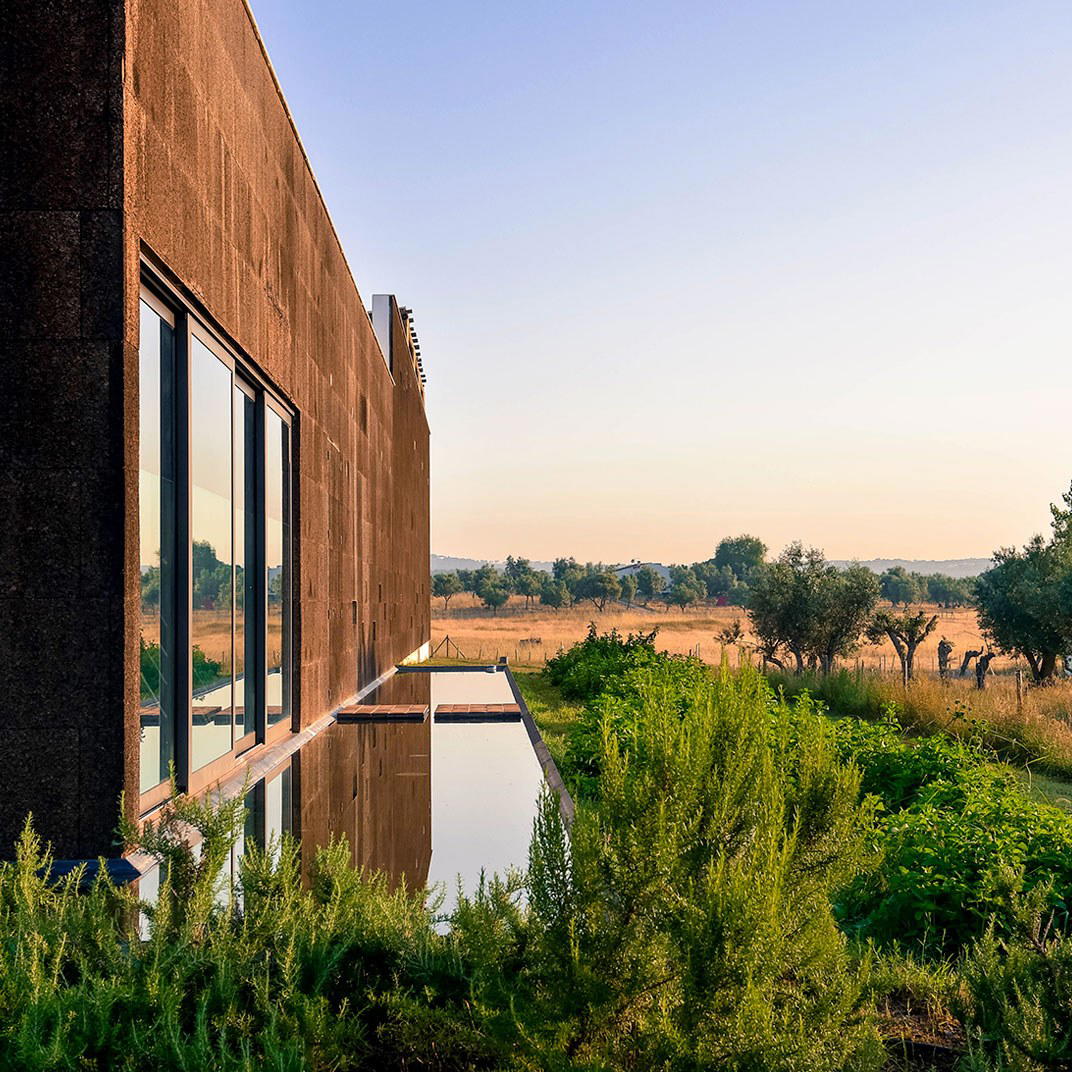
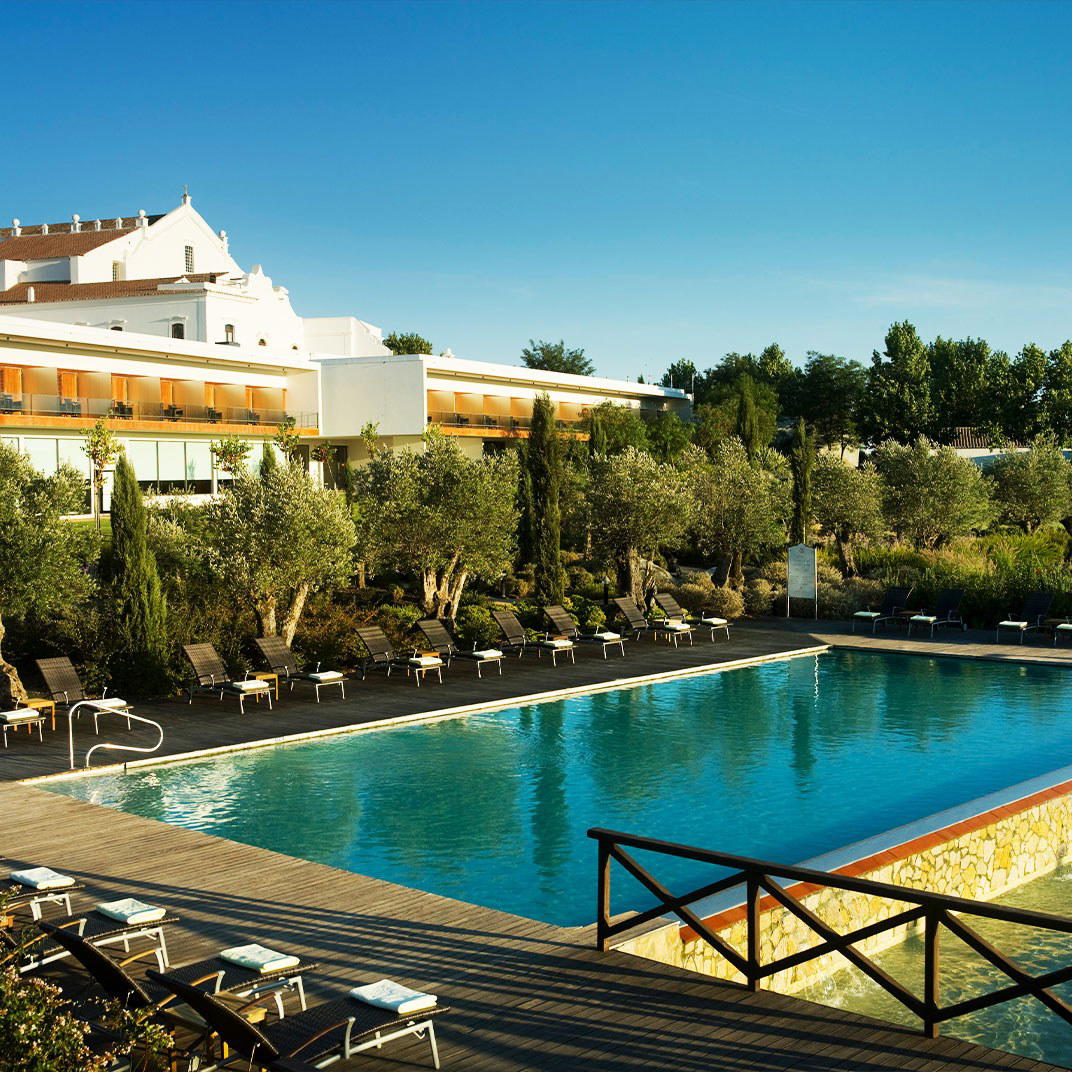
Approaching Quinta de São José de Peramanca in Évora, the wine story begins with the setting. Vineyard rows, oscillating granite stones, a baroque manor house, and an adjacent 17th-century chapel give the estate a calm, rural atmosphere rooted in place. The appeal is not built on restaurant spectacle; it is a historic manor-house winery where architecture, landscape, and regional wine storytelling shape the visit from the first impression onward.
Quinta de São José de Peramanca belongs to Évora, where the surrounding vineyards and granite landscape help frame the estate’s sense of terroir. The draw is the combination of historic architecture and rural wine context: a place where the physical setting carries much of the meaning, from the manor house and chapel to the stones and vines around them. Rather than feeling like an isolated stop, it reads as part of the wider countryside, with the estate’s built and natural features working together.
Granite, chapel and vineyard define the Peramanca argument
The strongest confirmed details here are architectural and atmospheric. The estate is a historic manor-house winery with baroque architecture, an adjacent 17th-century chapel, vineyards, and oscillating granite stones. Those elements give Quinta de São José de Peramanca a distinctive sense of place in Évora without needing to lean on claims about specific grapes, production methods, awards, or visitor formats. Its identity is most persuasive when the focus stays on what can be seen and understood on site: stone, vines, rural quiet, and inherited structure.
For travellers, the useful lens is terroir and storytelling. The estate’s character is tied to the landscape around it, and the setting invites a slower reading of Évora’s wine history rather than a checklist-style visit. It is best understood as a rural wine stop where the surroundings explain why the place matters, giving the visit a sense of continuity between the land, the buildings, and the region’s wine culture.
For broader city planning, pair the winery context with other Évora dining, hotel, bar, and experience options generically. Quinta de São José de Peramanca works as a calm counterpoint to busier city itineraries, especially for visitors who want a wine-focused setting shaped by history, vineyards, and countryside atmosphere. It can give a day in Évora a quieter register, shifting attention from urban movement to landscape and heritage.
An estate setting for terroir, not theatre
The confirmed experience should be described carefully: Quinta de São José de Peramanca is a historic winery setting focused on terroir and storytelling about the region’s wine history.
That restraint is part of the appeal. The manor house, chapel, vineyards, and granite stones create a setting that feels rural and historically grounded. Visitors should come for the atmosphere and the regional wine context, not for promises about a particular menu, tasting format, food pairing, or service structure. The value lies in the way the estate gathers visible clues about place, allowing the landscape and architecture to do much of the explanatory work.
In Évora, Quinta de São José de Peramanca stands on its own as a wine-related heritage stop. Other dining and drinking options in the city can round out a day, but this estate’s confirmed identity is narrower and clearer: a historic manor-house winery set amid vineyards, with a calm atmosphere and a focus on the story of the region’s wine landscape.
What is grounded is the setting: baroque architecture, a 17th-century chapel, vineyards, granite stones, and a rural atmosphere connected to Évora’s wine history. Those facts are enough to define the visit without overstating what is offered.
Who should put it on an Évora wine route
Choose Quinta de São José de Peramanca when the purpose is terroir literacy and atmosphere. The estate is well suited to visitors who want to connect Évora’s wine identity with land, architecture, and regional history. It is less appropriate to frame it around restaurant-style dining, named wine varieties, awards, or detailed service claims. The better expectation is reflective and place-led: a stop where the context around the wine matters as much as any individual glass.
The practical read is simple: this is a $$ historic winery in Évora with a calm rural feel. Its confirmed strengths are the baroque manor house, adjacent 17th-century chapel, surrounding vineyards, oscillating granite stones, and a storytelling focus on the region’s wine history. For travellers who care about place as much as the glass, Quinta de São José de Peramanca is a grounded addition to an Évora itinerary.
Frequently asked questions
What's the general vibe of Quinta de Sao José de Peramanca?
Expect a calm, rural winery setting in Évora, with a baroque manor house, an adjacent 17th-century chapel, surrounding vineyards, and oscillating granite stones. The experience is best understood through the estate’s historic character and wine-region storytelling.
How much does Quinta de Sao José de Peramanca cost?
Pricing at Quinta de Sao José de Peramanca is listed as $$.
What's the address for Quinta de Sao José de Peramanca?
Quinta de Sao José de Peramanca is located in Évora.
What's the main draw of Quinta de Sao José de Peramanca?
The draw is the combination of place and atmosphere: a historic manor-house winery in Évora with baroque architecture, an adjacent 17th-century chapel, vineyards, granite stones, and a focus on terroir and regional wine history.
Should I book Quinta de Sao José de Peramanca in advance?
If you are planning a visit around a particular activity or time, confirm directly with Quinta de Sao José de Peramanca before going.
When does Quinta de Sao José de Peramanca make the most sense to choose?
It makes the most sense for visitors interested in wine heritage, terroir, and a calm rural setting in Évora. The estate fits an itinerary focused on landscape and history rather than a food-led outing.
Anything to keep in mind for Quinta de Sao José de Peramanca?
The appeal is the historic winery setting: baroque manor-house architecture, a 17th-century chapel, vineyards, granite stones, and storytelling about the region’s wine history. Confirm any specific services or visit formats directly before planning around them.
Recognition history
Dated appearances from independent guides and award organizations, with the underlying list record or original source where available.
Falstaff Winery - Listed
Falstaff
Request a visit to Quinta de Sao José de Peramanca
Tell us when you would like to go and how many people, and we put the request to the estate and reply to you by email.
Continue exploring
More in Évora
Wineries in Évora
All wineries in Évora →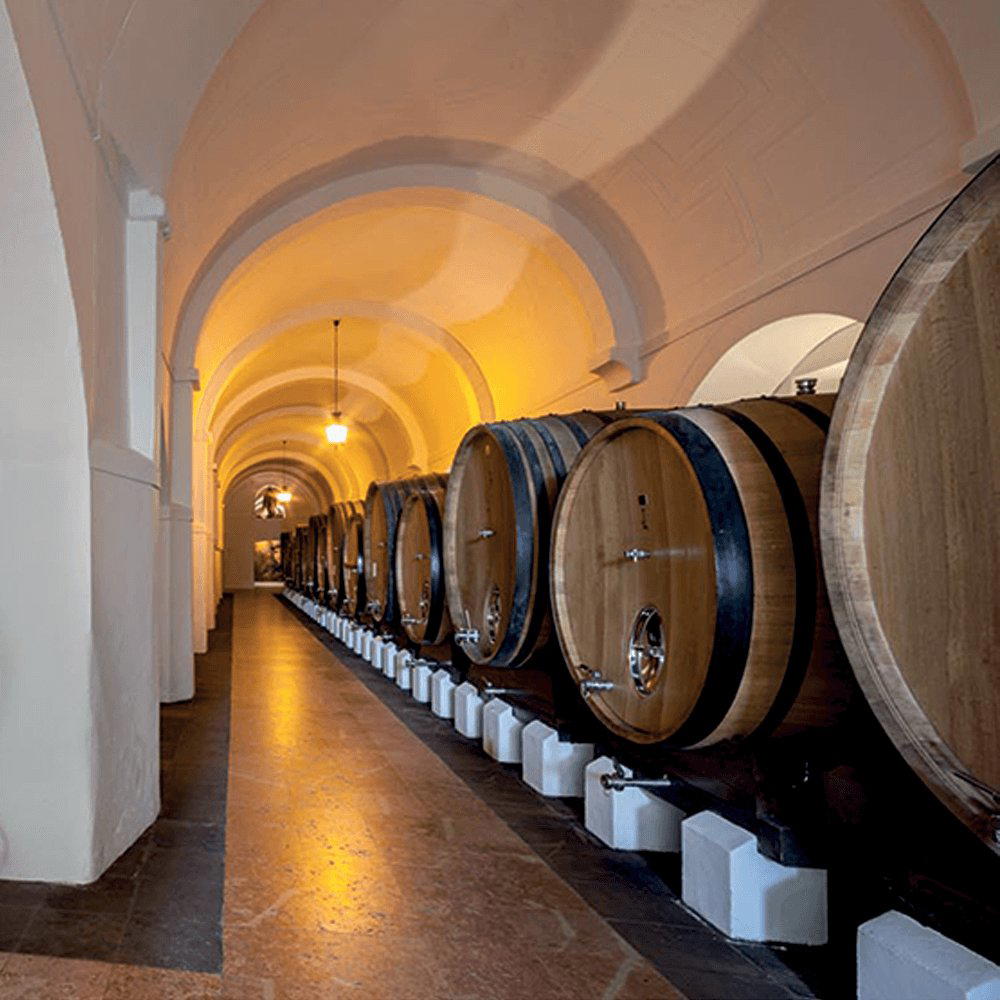
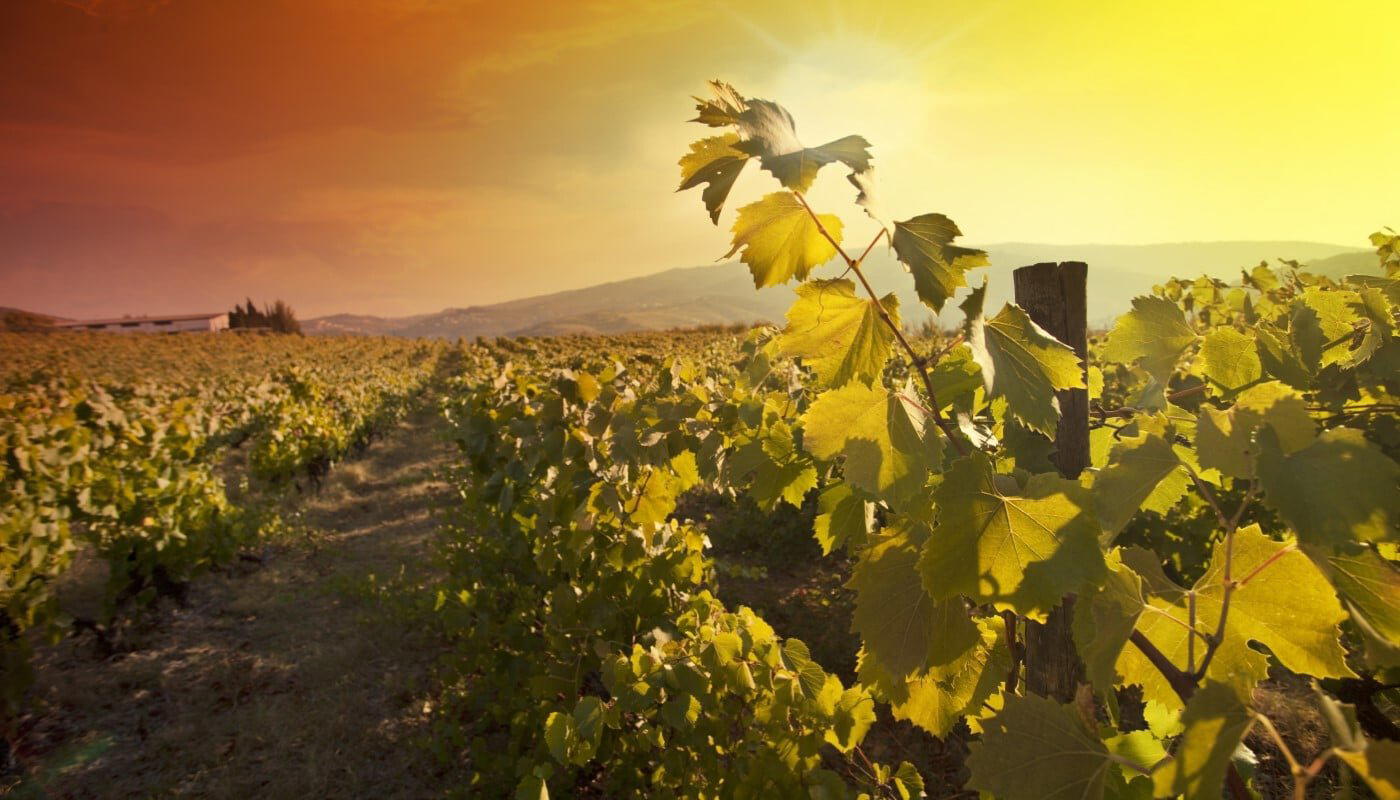
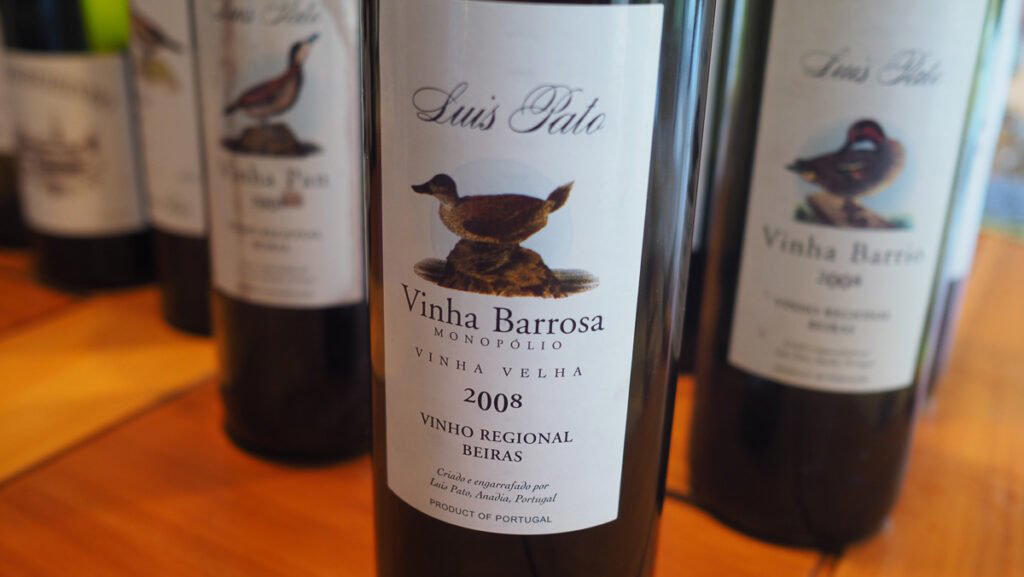
Bars in Évora
All bars in Évora →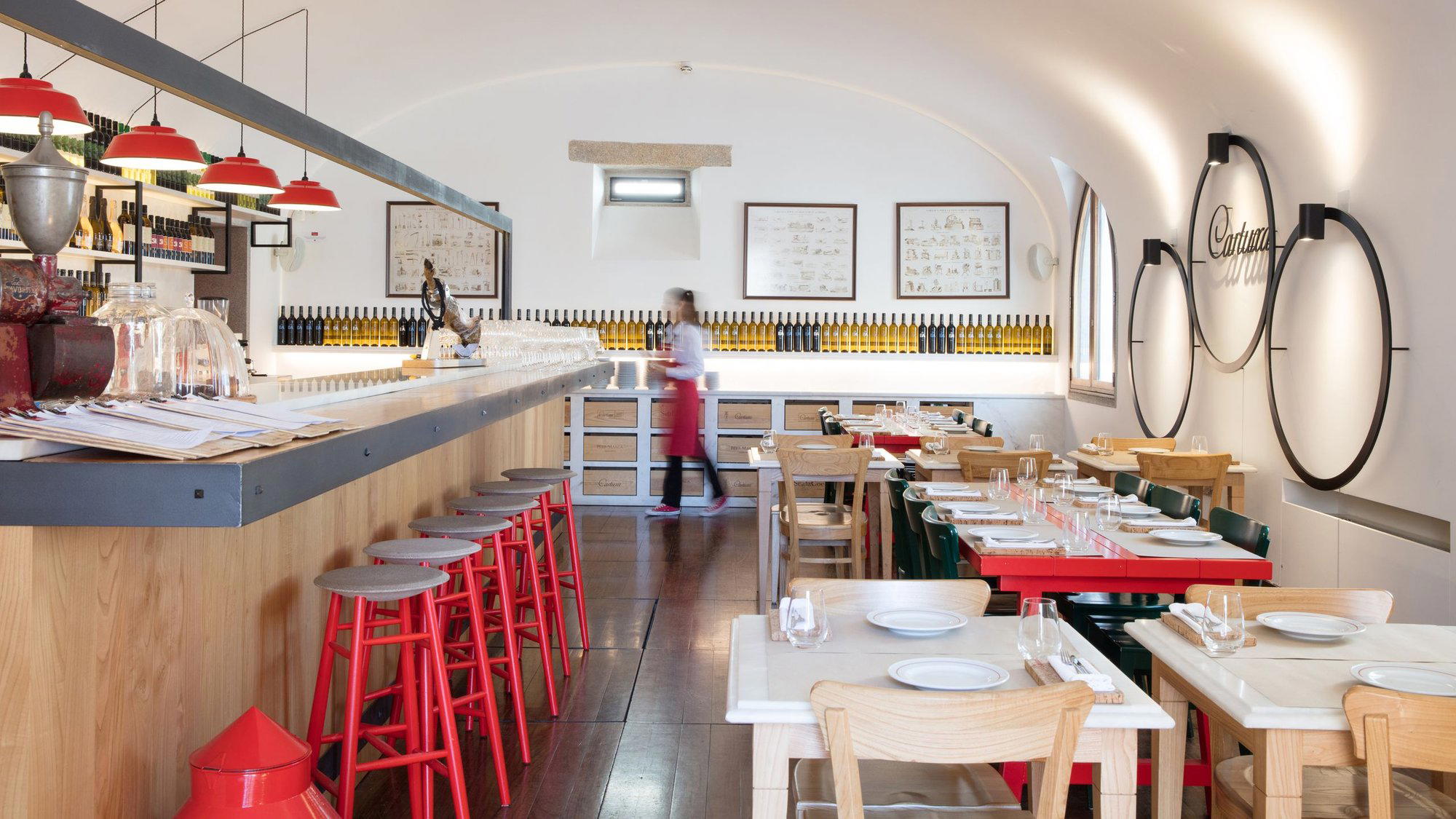
Restaurants in Évora
All restaurants in Évora →
Details
- Classic
- Rustic
- Scenic
- Romantic
- Well Known
- Romantic Getaway
- Group Outing
- Wine Education
- Special Occasion
- Solo Exploration
- Estate Grounds
- Vineyard Tour
- Historic Building
- Private Tasting
- Vineyard
- Garden
- Arinto
- Verdelho
- Alvarinho
- Touriga Nacional
- Syrah
- Alicante Bouschet
- Cabernet Sauvignon
- Touriga Franca
- Petit Verdot
- Still Red
- Still White
- Guided Tasting
- Vineyard & Cellar Tour
- Historic/educational Visit
- Portuguese
- Spanish
- English
- French
- German
Historic manor-house winery with baroque architecture and an adjacent 17th‑century chapel, set amid vineyards and oscillating granite stones, offering a calm, rural atmosphere focused on terroir and storytelling about the region’s wine history.