Where the Road Meets the Region Estrada Nacional 2 is not a scenic route in the postcard sense. It runs 738 kilometres from Chaves in the north to Faro in the south, cutting through terrain that most drivers treat as transit rather than destination. At kilometre 459, the land around Montargil is flat, cork-studded, and dry for much of the year, with the Barragem de Montargil reservoir offering the only interruption to an otherwise insistent interior landscape. This is where A Panela sits, on a stretch of road that defines the Alentejo not by its wine estates or whitewashed postcard villages, but by the quieter, less-curated reality of Portuguese rural life. The approach is functional rather than theatrical: the road, the building, the surrounding scrub. What that setting implies about the food is more interesting than what any promotional framing could suggest. The Alentejo interior operates on a different register from Lisbon's fine-dining circuit or the Algarve's resort-hotel restaurants. Operations like Belcanto in Lisbon or Ocean in Porches draw from those environments' specific densities of international clientele and Michelin scrutiny. Montargil has neither. What it has is a regional food tradition that relies on proximity to ingredient sources, on lamb from the plains, on pork from free-ranging black pigs, on bread baked with the wheat that has grown in this part of Portugal for centuries. A Panela's address on the EN2 places it squarely within that tradition rather than at a remove from it. The Alentejo Table and What It Demands Portuguese interior cooking is frequently described in terms of its simplicity, but that framing undersells the precision it requires. Açorda, carne de porco à alentejana, migas, ensopado de borrego: these are dishes where the ingredient is the technique, where a poor-quality cut or an out-of-season vegetable has nowhere to hide behind elaborate preparation. The region's cooking culture evolved partly out of necessity, using what the land produced most readily, and partly out of a specific aesthetic that values depth of flavour from time and heat over complexity from layering and reduction. This matters because it sets a clear standard for what a kitchen operating in this context should be doing. The sourcing question is not incidental, it is structural. Olive oil from the Alentejo, where Portugal produces some of its most characterful single-varietal oils from Galega and Cobrançosa olives, should be present. Pork should trace to the region's black pig production, whether Alentejano or cross-bred, which produces a fat-marbled meat suited to slow cooking in ways that commodity pork cannot replicate. Bread, central to almost every Alentejo dish, carries the weight of local grain culture. When a restaurant on the EN2 near Montargil gets these elements right, the result is cooking that the landscape around it can actually explain. This is the standard against which any kitchen here is measured, not against the tasting-menu formats of Casa de Chá da Boa Nova in Leça da Palmeira or the progressive ambitions of Antiqvvm in Porto, but against the honesty of its own supply chain. The EN2 as a Dining Context The Estrada Nacional 2 has attracted renewed attention in recent years as a slow-travel route, with cyclists and road-trippers treating it as a north-to-south transect of Portuguese identity. That shift in how the road is used has created a different kind of diner for places like A Panela: travellers who are paying attention, who chose the EN2 over the A1 motorway for a reason, and who arrive with some appetite for what this specific part of Portugal actually produces. This is a meaningfully different customer from the reservoir-weekend crowd or the passing truck traffic the road has historically served. Neither audience is wrong for the restaurant, but together they create a format where the kitchen needs to perform across registers: satisfying regional familiarity for locals while offering legibility and quality signals for travellers using the road as a way into Portuguese food culture. Compared to the EN2's southern stretch where the Algarve's tourist infrastructure asserts itself, the Portalegre and Santarém districts through which this section passes are quieter and less formatted for visitors. That means fewer reference points for the traveller, and more weight placed on individual establishments to represent the region well. Nearby, Ó Balcão in Santarém and Herdade do Esporão in Reguengos de Monsaraz operate at a higher production level with documented recognition, but they serve different formats and different price brackets. The EN2 corridor near Montargil occupies a more grounded tier, where cooking quality and sourcing integrity matter more than format or accolade. What to Order and How to Approach the Visit In this part of the Alentejo, the dishes most likely to reflect a kitchen's honest relationship with its surroundings are the slow-cooked meat preparations, the bread-based dishes that absorb cooking juices and olive oil, and whatever the kitchen is doing with local pork. These are the categories where Alentejo cooking is most legible and where shortcuts are most visible. A kitchen that respects its sourcing will show it here first. For travellers who want a comparative reference point, the regional cooking tradition represented at a place like A Ver Tavira in Tavira or the ingredient-led approach at A Cozinha in Guimaraes reflects how seriously Portuguese regional kitchens can engage with local produce when the commitment is genuine. A Panela's address is Estrada Nacional 2 Km 459, 7425-144 Montargil, Portugal. No booking phone or website information is confirmed in the current record, so travellers on the EN2 should treat this as a stopping point to assess on arrival rather than a reservation-required destination. The practical reality of the road means that timing a visit around midday, when Portuguese regional restaurants typically run their main service, gives the leading chance of a full kitchen. For fuller context on what Montargil's dining scene offers, see our full Montargil restaurants guide. Placing A Panela in Portugal's Wider Dining Picture Portugal's most-discussed restaurants in 2024 and 2025 cluster around Lisbon, Porto, the Algarve, and the island capitals. Vila Joya in Albufeira, The Yeatman in Vila Nova de Gaia, Il Gallo d'Oro in Funchal, Gusto by Heinz Beck in Almancil, Palatial in Braga, and Lab by Sergi Arola in Sintra all operate with verifiable award histories and strong editorial profiles. The interior Alentejo, with the exception of Évora and the wine-estate dining rooms, sits largely outside that circuit. That gap is not a failure of quality so much as a function of how critical attention distributes itself: toward urban density and accessible bookings. The restaurant operates in the space that critical infrastructure has not yet formatted. For a traveller who wants to understand Portuguese food as something other than the sum of its Michelin stars, that space is where the real texture is. For further reference on what high-engagement regional cooking looks like at a global level, the format discipline at Le Bernardin in New York City and the producer-relationship model at Lazy Bear in San Francisco each illustrate, from different angles, what happens when a kitchen makes sourcing the argument rather than the backstory. Frequently Asked Questions Is the restaurant okay with children?Montargil is a low-key inland town without a formal dining culture oriented toward premium or destination restaurants, which generally means the local hospitality register is relaxed rather than ceremonial. Portuguese regional restaurants at this price tier and in this type of location tend to be family-accommodating by default.Is the restaurant formal or casual?Montargil sits well outside Lisbon's urban fine-dining corridor, and the EN2 address points toward a practical, road-side positioning rather than a destination-restaurant format. Compare that to the formal expectations at starred Lisbon or Algarve addresses, where dress codes and tasting menus set a different tone, and the restaurant is likely considerably more relaxed.What's the leading thing to order at the restaurant?What the Alentejo kitchen tradition and the restaurant's location do indicate is that the strongest cooking in this region centres on slow-cooked pork and lamb preparations and bread-based dishes. In a kitchen where sourcing from local suppliers is part of the proposition, those are the categories where quality differentials are most apparent and most worth testing.Is the restaurant connected to the broader EN2 slow-travel route, and does that affect when to visit?The Estrada Nacional 2 has been recognised in recent years as one of Portugal's defining long-distance driving and cycling routes, passing through the Alentejo interior at kilometre 459 near Montargil. Visitor traffic on the road tends to concentrate in spring and autumn when temperatures are moderate, which likely reflects in local restaurant demand during those seasons.
Pearl is the En Primeur Club membership app — saves, bookings, and concierge access live there. Same editors, same standards.
- Address
- Montargil, Portugal
- Phone
- +351 242 241 250
- Website
- ap-hotelsresorts.com
- Directions
- Get directions
 Saves & bookings on Pearl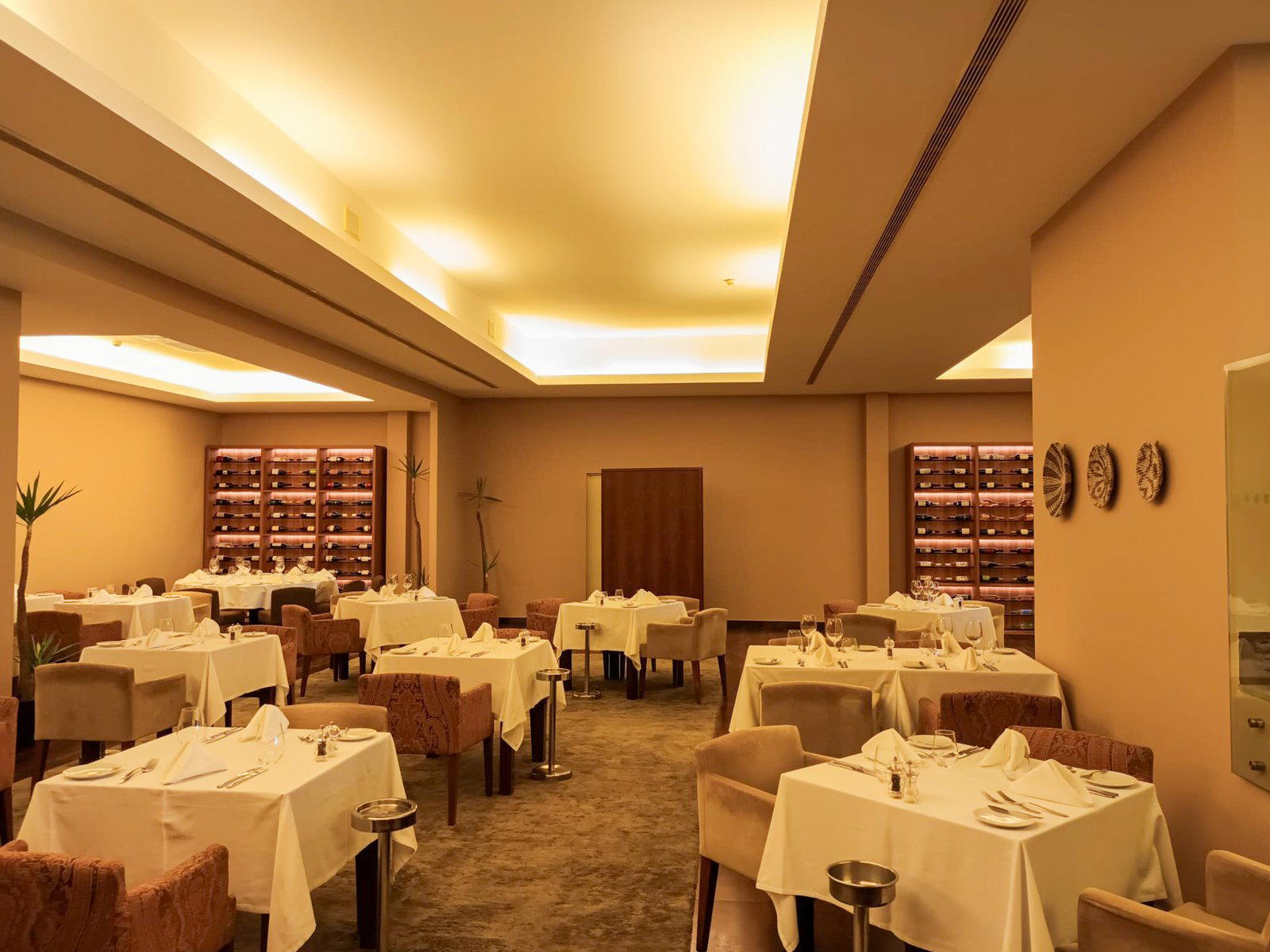
Where the Road Meets the Region
Estrada Nacional 2 is not a scenic route in the postcard sense. It runs 738 kilometres from Chaves in the north to Faro in the south, cutting through terrain that most drivers treat as transit rather than destination. At kilometre 459, the land around Montargil is flat, cork-studded, and dry for much of the year, with the Barragem de Montargil reservoir offering the only interruption to an otherwise insistent interior landscape. This is where A Panela sits, on a stretch of road that defines the Alentejo not by its wine estates or whitewashed postcard villages, but by the quieter, less-curated reality of Portuguese rural life. The approach is functional rather than theatrical: the road, the building, the surrounding scrub. What that setting implies about the food is more interesting than what any promotional framing could suggest.
The Alentejo interior operates on a different register from Lisbon's fine-dining circuit or the Algarve's resort-hotel restaurants. Operations like Belcanto in Lisbon or Ocean in Porches draw from those environments' specific densities of international clientele and Michelin scrutiny. Montargil has neither. What it has is a regional food tradition that relies on proximity to ingredient sources, on lamb from the plains, on pork from free-ranging black pigs, on bread baked with the wheat that has grown in this part of Portugal for centuries. A Panela's address on the EN2 places it squarely within that tradition rather than at a remove from it.
The Alentejo Table and What It Demands
Portuguese interior cooking is frequently described in terms of its simplicity, but that framing undersells the precision it requires. Açorda, carne de porco à alentejana, migas, ensopado de borrego: these are dishes where the ingredient is the technique, where a poor-quality cut or an out-of-season vegetable has nowhere to hide behind elaborate preparation. The region's cooking culture evolved partly out of necessity, using what the land produced most readily, and partly out of a specific aesthetic that values depth of flavour from time and heat over complexity from layering and reduction.
This matters because it sets a clear standard for what a kitchen operating in this context should be doing. The sourcing question is not incidental, it is structural. Olive oil from the Alentejo, where Portugal produces some of its most characterful single-varietal oils from Galega and Cobrançosa olives, should be present. Pork should trace to the region's black pig production, whether Alentejano or cross-bred, which produces a fat-marbled meat suited to slow cooking in ways that commodity pork cannot replicate. Bread, central to almost every Alentejo dish, carries the weight of local grain culture. When a restaurant on the EN2 near Montargil gets these elements right, the result is cooking that the landscape around it can actually explain. This is the standard against which any kitchen here is measured, not against the tasting-menu formats of Casa de Chá da Boa Nova in Leça da Palmeira or the progressive ambitions of Antiqvvm in Porto, but against the honesty of its own supply chain.
The EN2 as a Dining Context
The Estrada Nacional 2 has attracted renewed attention in recent years as a slow-travel route, with cyclists and road-trippers treating it as a north-to-south transect of Portuguese identity. That shift in how the road is used has created a different kind of diner for places like A Panela: travellers who are paying attention, who chose the EN2 over the A1 motorway for a reason, and who arrive with some appetite for what this specific part of Portugal actually produces. This is a meaningfully different customer from the reservoir-weekend crowd or the passing truck traffic the road has historically served. Neither audience is wrong for the restaurant, but together they create a format where the kitchen needs to perform across registers: satisfying regional familiarity for locals while offering legibility and quality signals for travellers using the road as a way into Portuguese food culture.
Compared to the EN2's southern stretch where the Algarve's tourist infrastructure asserts itself, the Portalegre and Santarém districts through which this section passes are quieter and less formatted for visitors. That means fewer reference points for the traveller, and more weight placed on individual establishments to represent the region well. Nearby, Ó Balcão in Santarém and Herdade do Esporão in Reguengos de Monsaraz operate at a higher production level with documented recognition, but they serve different formats and different price brackets. The EN2 corridor near Montargil occupies a more grounded tier, where cooking quality and sourcing integrity matter more than format or accolade.
What to Order and How to Approach the Visit
In this part of the Alentejo, the dishes most likely to reflect a kitchen's honest relationship with its surroundings are the slow-cooked meat preparations, the bread-based dishes that absorb cooking juices and olive oil, and whatever the kitchen is doing with local pork. These are the categories where Alentejo cooking is most legible and where shortcuts are most visible. A kitchen that respects its sourcing will show it here first. For travellers who want a comparative reference point, the regional cooking tradition represented at a place like A Ver Tavira in Tavira or the ingredient-led approach at A Cozinha in Guimaraes reflects how seriously Portuguese regional kitchens can engage with local produce when the commitment is genuine.
A Panela's address is Estrada Nacional 2 Km 459, 7425-144 Montargil, Portugal. No booking phone or website information is confirmed in the current record, so travellers on the EN2 should treat this as a stopping point to assess on arrival rather than a reservation-required destination. The practical reality of the road means that timing a visit around midday, when Portuguese regional restaurants typically run their main service, gives the leading chance of a full kitchen. For fuller context on what Montargil's dining scene offers, see our full Montargil restaurants guide.
Placing A Panela in Portugal's Wider Dining Picture
Portugal's most-discussed restaurants in 2024 and 2025 cluster around Lisbon, Porto, the Algarve, and the island capitals. Vila Joya in Albufeira, The Yeatman in Vila Nova de Gaia, Il Gallo d'Oro in Funchal, Gusto by Heinz Beck in Almancil, Palatial in Braga, and Lab by Sergi Arola in Sintra all operate with verifiable award histories and strong editorial profiles. The interior Alentejo, with the exception of Évora and the wine-estate dining rooms, sits largely outside that circuit. That gap is not a failure of quality so much as a function of how critical attention distributes itself: toward urban density and accessible bookings. The restaurant operates in the space that critical infrastructure has not yet formatted. For a traveller who wants to understand Portuguese food as something other than the sum of its Michelin stars, that space is where the real texture is.
For further reference on what high-engagement regional cooking looks like at a global level, the format discipline at Le Bernardin in New York City and the producer-relationship model at Lazy Bear in San Francisco each illustrate, from different angles, what happens when a kitchen makes sourcing the argument rather than the backstory.
Continue exploring
More in Montargil
Restaurants in Montargil
Browse all →
Bars in Montargil
Browse all →
Hotels in Montargil
Browse all →

At a Glance
- Scenic
- Elegant
- Relaxed
- Family
- Celebration
- Casual Hangout
- Waterfront
- Terrace
- Panoramic View
- Hotel Restaurant
- Local Sourcing
- Waterfront
Current opening hours
- Monday
- 7:30–10 PM
- Tuesday
- 7:30–10 PM
- Wednesday
- 7:30–10 PM
- Thursday
- 7:30–10 PM
- Friday
- 7:30–10 PM
- Saturday
- 7:30–10 PM
- Sunday
- 7:30–10 PM
Hours can change for holidays and private events. Last verified .
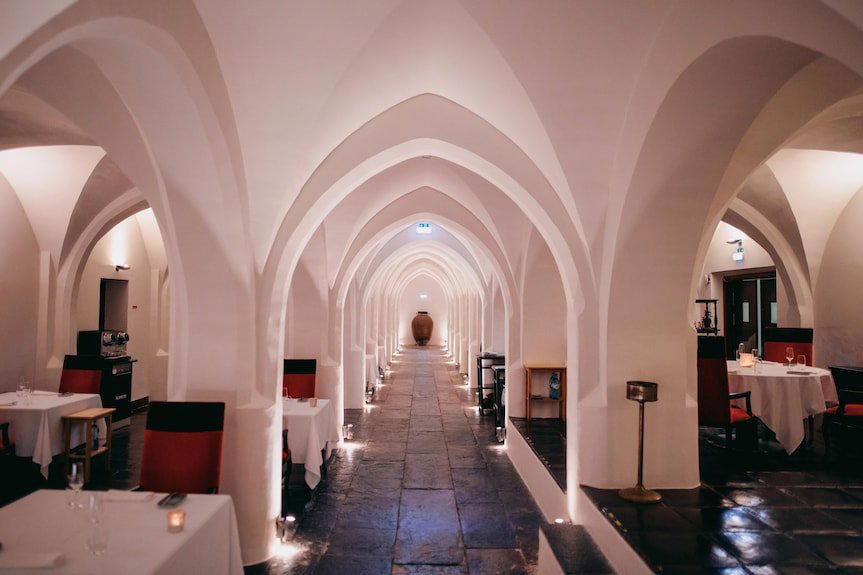
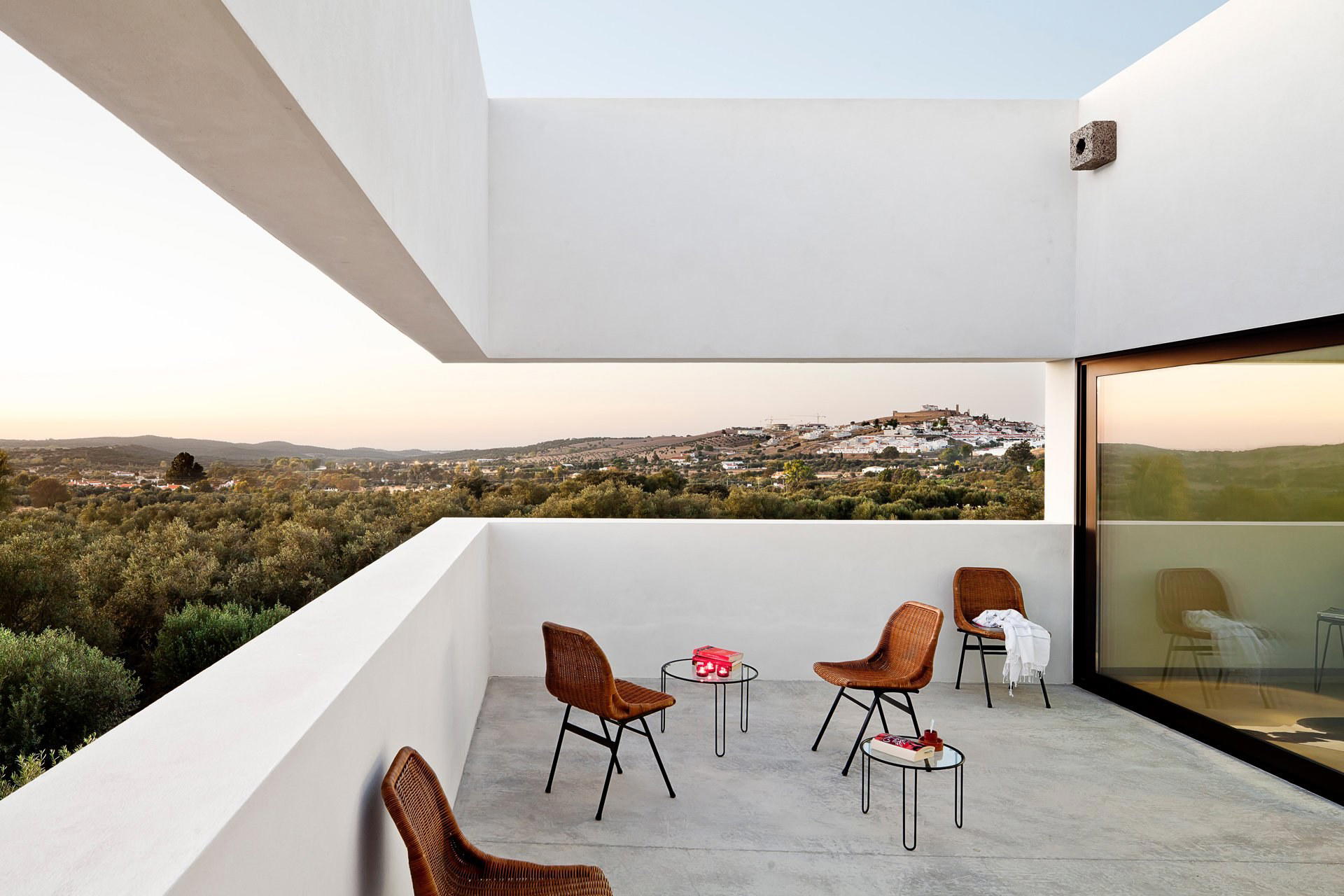
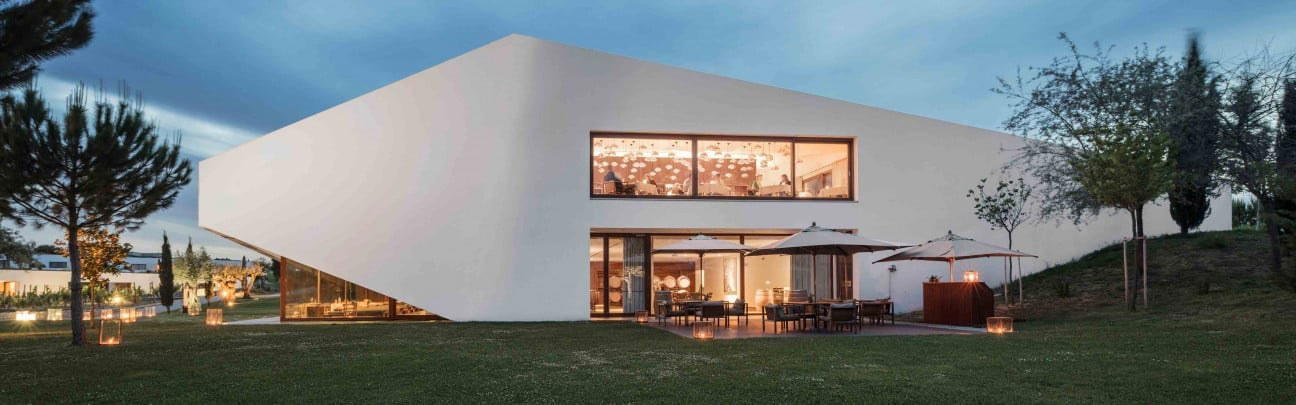
Elegant setting where sophistication meets authenticity, featuring terrace dining with dramatic lake views and a relaxed Alentejo tranquility.