Lockhouse Distillery

Lockhouse Distillery on Columbia Street is one of Buffalo's most recognised craft spirits producers, holding a Pearl 2 Star Prestige rating in 2025. The tasting room offers a focused window into Western New York's emerging distilling scene, where grain-to-glass production sits alongside a broader revival of the city's industrial heritage. A grounding stop for anyone tracing Buffalo's craft beverage corridor.
- Address
- 41 Columbia St, Buffalo, NY 14204, United States
- Phone
- +17167684898
- Website
- lockhousedistillery.com
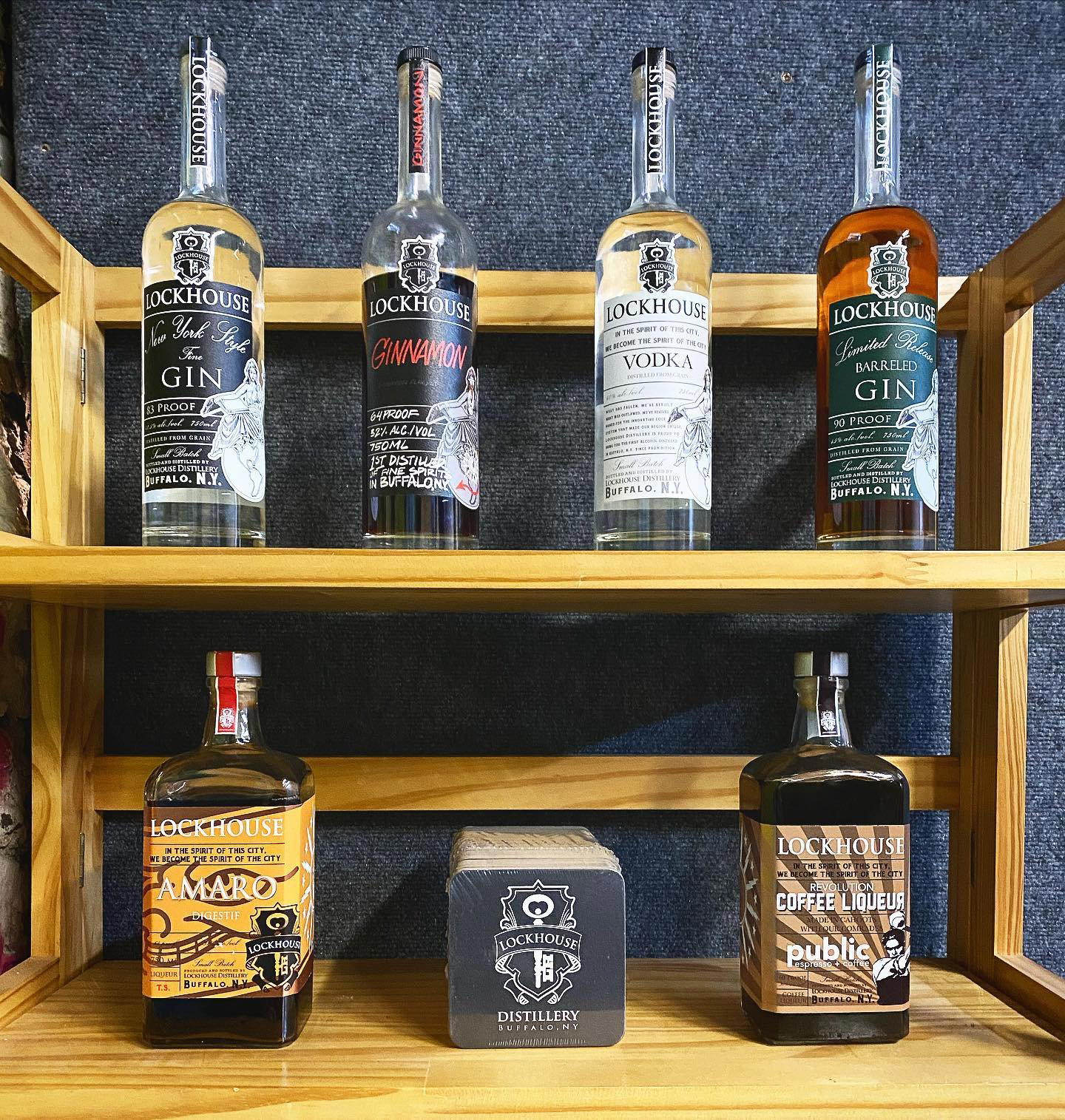
Columbia Street and the Grain-to-Glass Moment in Buffalo
Buffalo's craft distilling scene has arrived later than its brewing counterpart, but it has arrived with conviction. The stretch of the Cobblestone District and surrounding streets on the southern edge of downtown now holds a cluster of producers working in a tradition the city once knew well: Western New York was serious whiskey and spirits country before Prohibition dismantled the infrastructure, and the current generation of distillers is rebuilding that identity with modern technique. Lockhouse Distillery, operating out of 41 Columbia Street, sits at the recognised end of that revival. Its Pearl 2 Star Prestige rating in 2025 places it among the credentialed producers in a city still defining its premium tier. Lockhouse Distillery is now permanently closed.
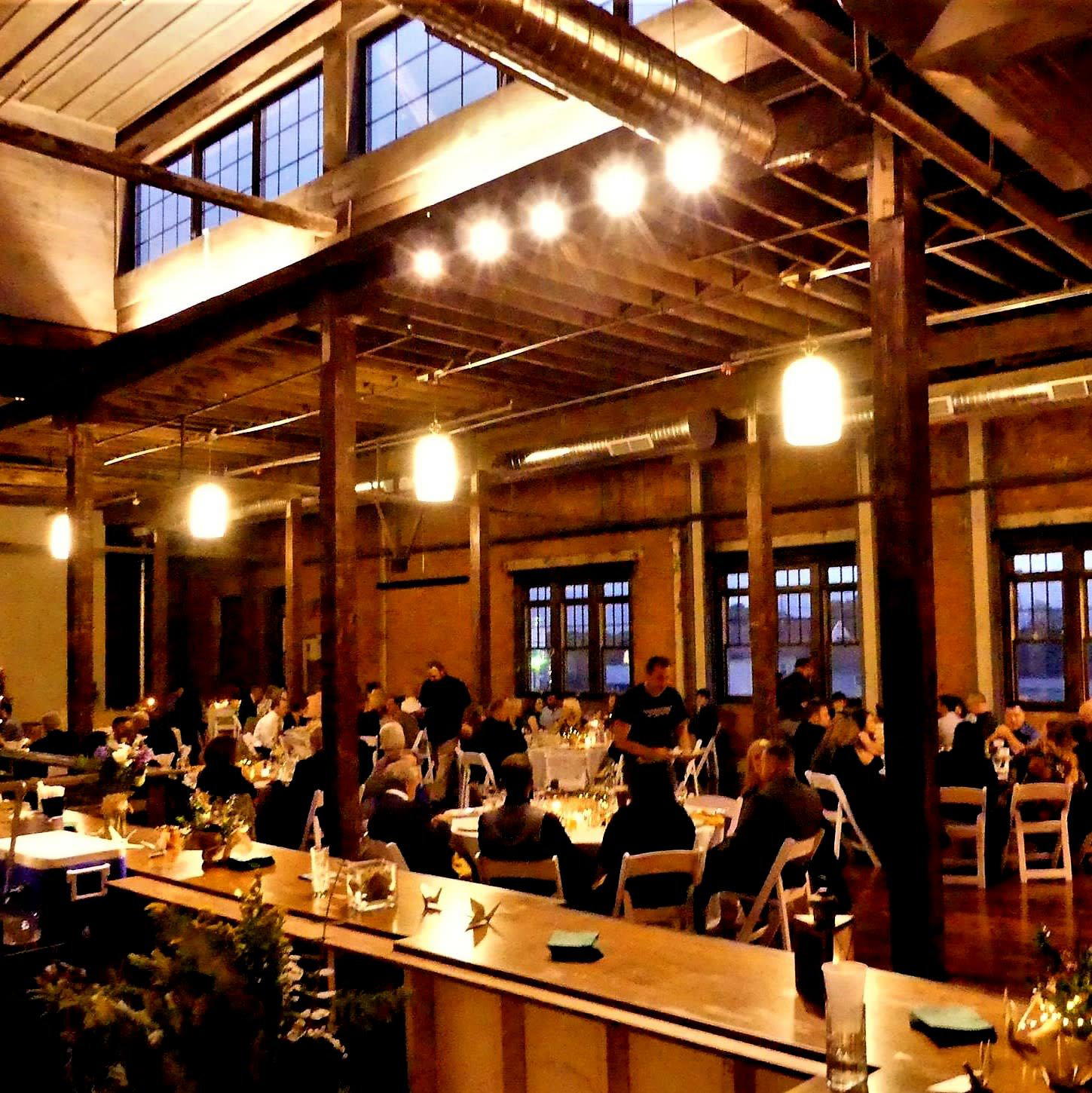
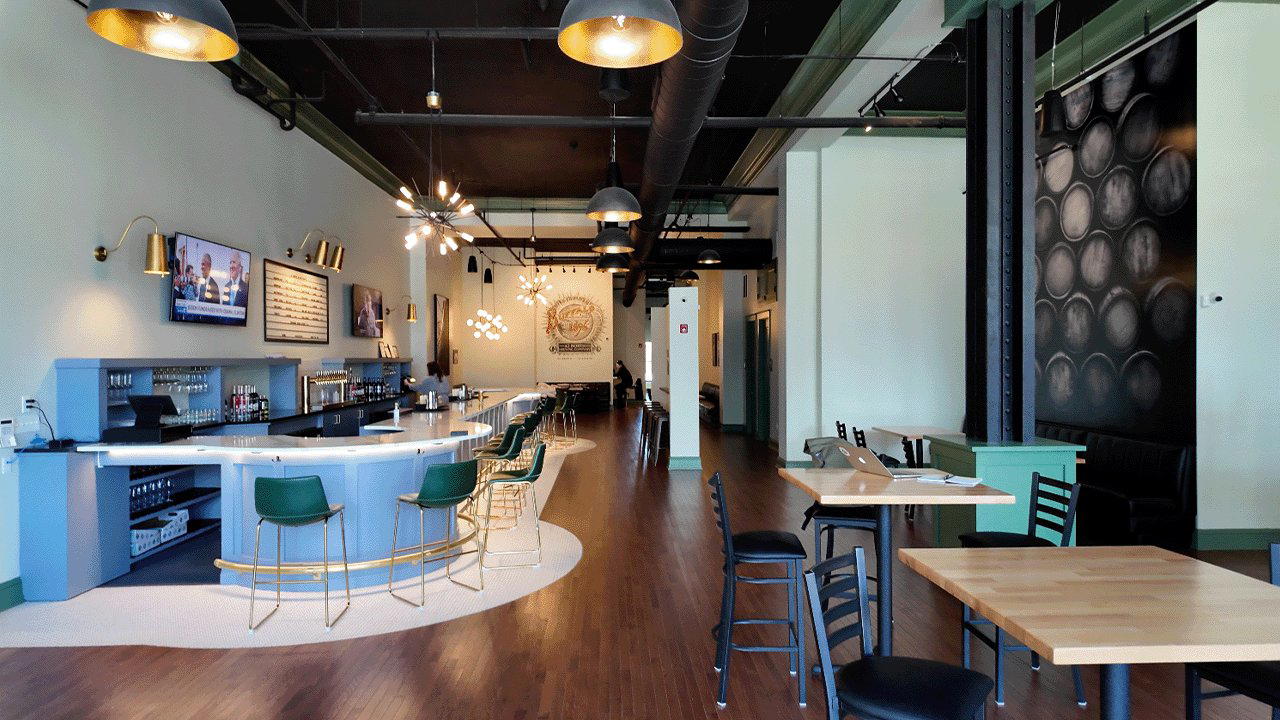
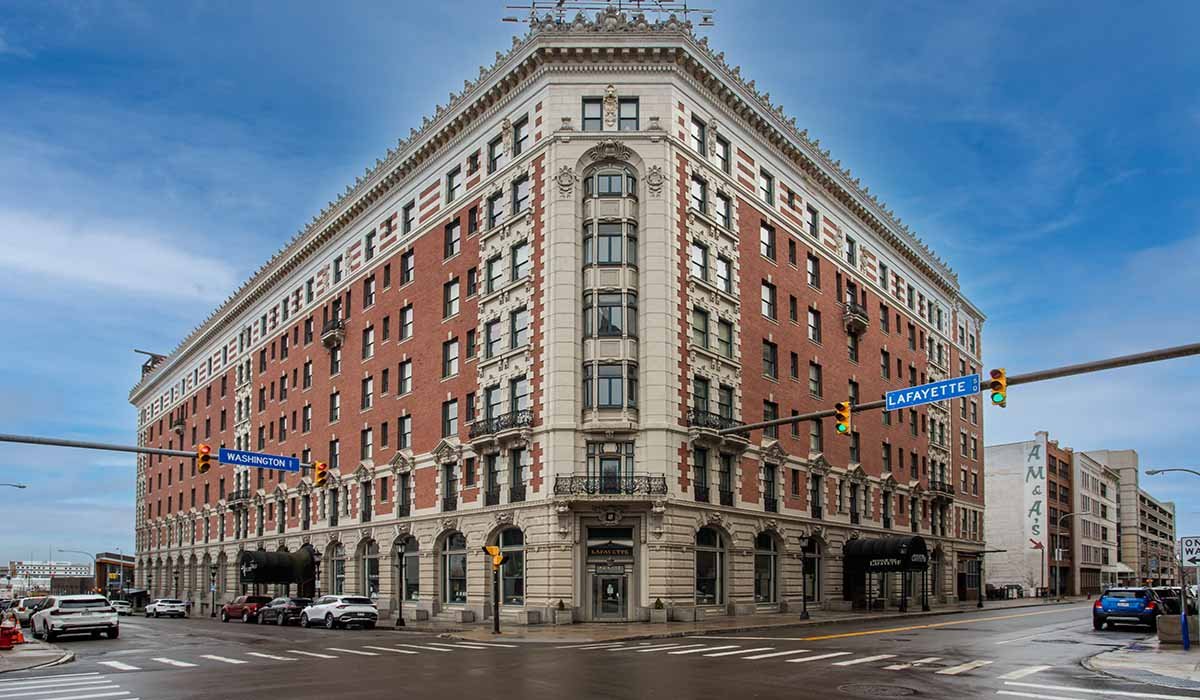
The address matters as context. Columbia Street runs through a part of Buffalo where repurposed industrial space has become the dominant architectural language, brick, steel, high ceilings, windows that flood interiors with flat northern light. That physical vocabulary shapes how tasting rooms in this corridor feel. They tend toward the functional and the deliberate rather than the ornate, and that tone is consistent with how serious craft spirits producers position their visitor experience: the product does the speaking.
The Tasting Room Format and What It Signals
In American craft distilling, the tasting room is a category argument as much as a hospitality offering. It says: we believe the spirit is worth your attention in focused form, not just as a cocktail ingredient in someone else's bar program. The leading tasting room formats in this tier create a sequence, small pours, staff who can walk through production choices, and an environment that makes the differences between expressions legible rather than overwhelming.
Buffalo's distilling tasting rooms generally operate in that register. The comparison with, say, a high-volume whiskey destination in Kentucky is instructive: where Kentucky's large-scale distillery tours prioritise spectacle and throughput, the smaller urban distillers in cities like Buffalo are working at a different scale entirely, where the conversation between staff and visitor carries more weight. Lockhouse's 2 Star Prestige recognition signals a quality benchmark that positions it above entry-level craft production and into the tier where the tasting experience itself warrants the trip.
For visitors planning around the tasting room, it is worth noting that Buffalo's craft beverage corridor rewards a half-day approach. Buffalo Distilling Co. and Lakeward Spirits form natural companions in the city's spirits scene, and spacing visits allows each producer's range to register distinctly rather than blurring into a single afternoon of samples.
Craft Distilling and the Buffalo Revival Narrative
The broader story that Lockhouse fits into is one playing out across post-industrial American cities: the reactivation of food and drink production as both economic engine and civic identity marker. Buffalo has run this playbook effectively. The brewery scene matured first, giving the city credibility in craft beverages and building a visitor infrastructure, bar culture, tasting literacy, media coverage, that distillers have subsequently inherited.
The grain-to-glass model that characterises serious craft distillers in this tier involves sourcing local or regional grain, controlling the full production process, and making decisions at every stage that a bulk or contract distiller would not. That approach produces spirits with more pronounced character and more variance between batches, which in turn demands a tasting room staff capable of contextualising what's in the glass. It also produces spirits that reward return visits, since small-batch production means the range evolves.
For context on what a Pearl 2 Star Prestige rating represents in comparative terms: it places Lockhouse in a recognised prestige bracket within EP Club's evaluation framework, above the entry tier and within the range of producers where consistent quality and visitor experience both contribute to the assessment. Among American distillers in the same evaluation window, that positioning is meaningful. It puts Lockhouse in the same conversation as recognised producers in more established spirits regions, a point worth considering when the city's relative youth as a distilling destination might otherwise cause visitors to calibrate expectations downward.
Placing Buffalo in the Wider American Spirits Map
American craft distilling has geographic clusters that have defined their own identities: the Pacific Northwest for grain-forward whiskeys and aquavit-influenced spirits; the urban Northeast for gin and experimental base spirits; Kentucky and Tennessee for the bourbon tradition; and emerging Midwest and Great Lakes producers still negotiating their category positioning. Buffalo falls into the Great Lakes cluster, where proximity to soft water sources, regional grain agriculture, and a strong local drinking culture create reasonable conditions for spirits production.
Producers in this cluster are not yet competing on the same name-recognition basis as established Kentucky or Scotch distillers. That is partly a function of age, serious whiskey requires time in barrel, and partly a function of distribution reach. What the Great Lakes cluster does offer is accessibility: these are tasting rooms where the people making the spirit are often the people pouring it, and where the early-adopter visitor gets direct access to producers at a formative stage. That dynamic has a parallel in the wine world, where visitors to Adelsheim Vineyard in Newberg or Adelaida Vineyards in Paso Robles in their earlier decades were engaging with regional traditions before national recognition fully arrived. The parallel is not perfect, but the visitor logic is similar.
For reference, the international end of the spirits tasting-room spectrum looks quite different. Aberlour in Speyside operates within a mature regional identity built over centuries, and tasting experiences there are shaped by that depth of context. Buffalo is doing something structurally different: building that context in real time.
Planning a Visit
Lockhouse Distillery is at 41 Columbia Street in Buffalo's Cobblestone District, a walkable area with good density of food and drink options for a longer afternoon. Confirm current opening times and tasting formats directly before visiting. The Cobblestone District is accessible from downtown Buffalo without a car, though given the neighbourhood's industrial footprint, rideshare or driving with parking tends to be the practical choice for most visitors.
Among producers at a comparable prestige tier in other American wine and spirits regions, the range is wide: Accendo Cellars in St. Helena, Alexander Valley Vineyards in Geyserville, Alpha Omega Winery in Rutherford, Alban Vineyards in Arroyo Grande, and Abadía Retuerta in Sardón de Duero all sit within EP Club's evaluated prestige tier, giving a sense of the company Lockhouse keeps by recognition standard, even across very different categories and geographies.
Comparable Venues
Comparable venues nearby, for context on price, style, and recognition.
| Venue | Awards | Notes |
|---|---|---|
| Lockhouse DistilleryThis venue — the venue you are viewing | Pearl 2 Star Prestige | |
| Buffalo Distilling Co. | Pearl 2 Star Prestige | |
| Lakeward Spirits | Pearl 2 Star Prestige | |
| 00 Wines | Pearl 4 Star Prestige | Chris Hermann, Est. 2013 |
| 13th Vineyard | Pearl 2 Star Prestige | |
| 50 West Vineyards | Pearl 2 Star Prestige |
Continue exploring
More in Buffalo
Wineries in Buffalo
Browse all →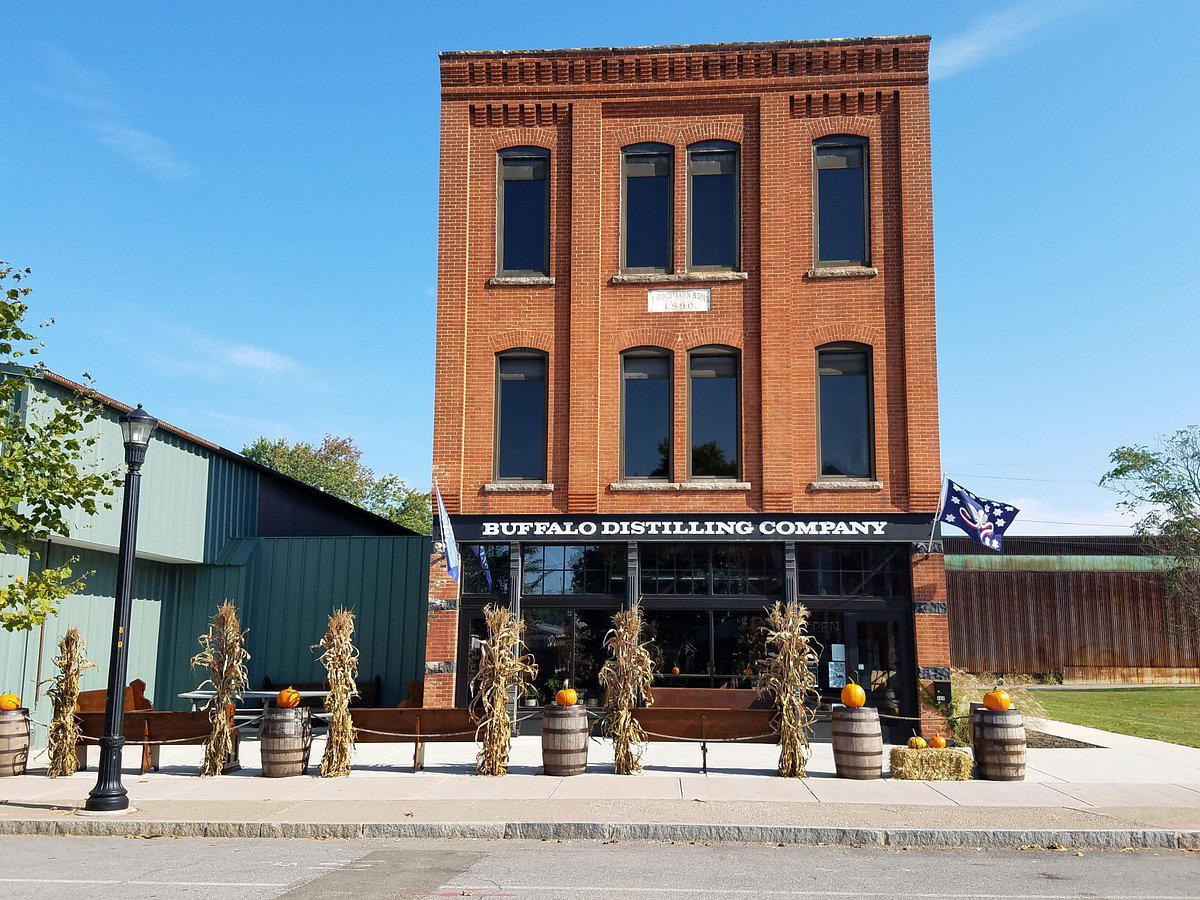
Bars in Buffalo
Browse all →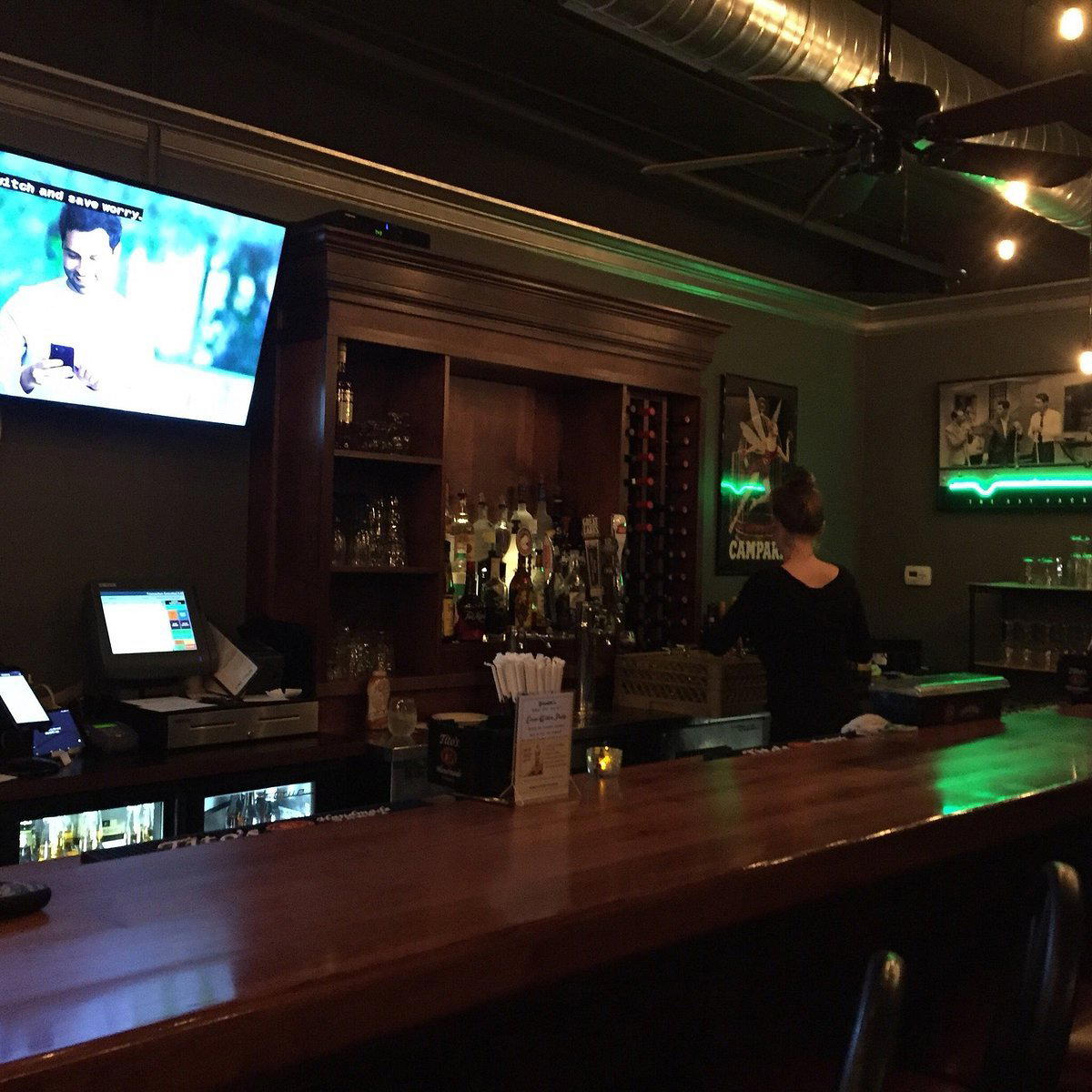
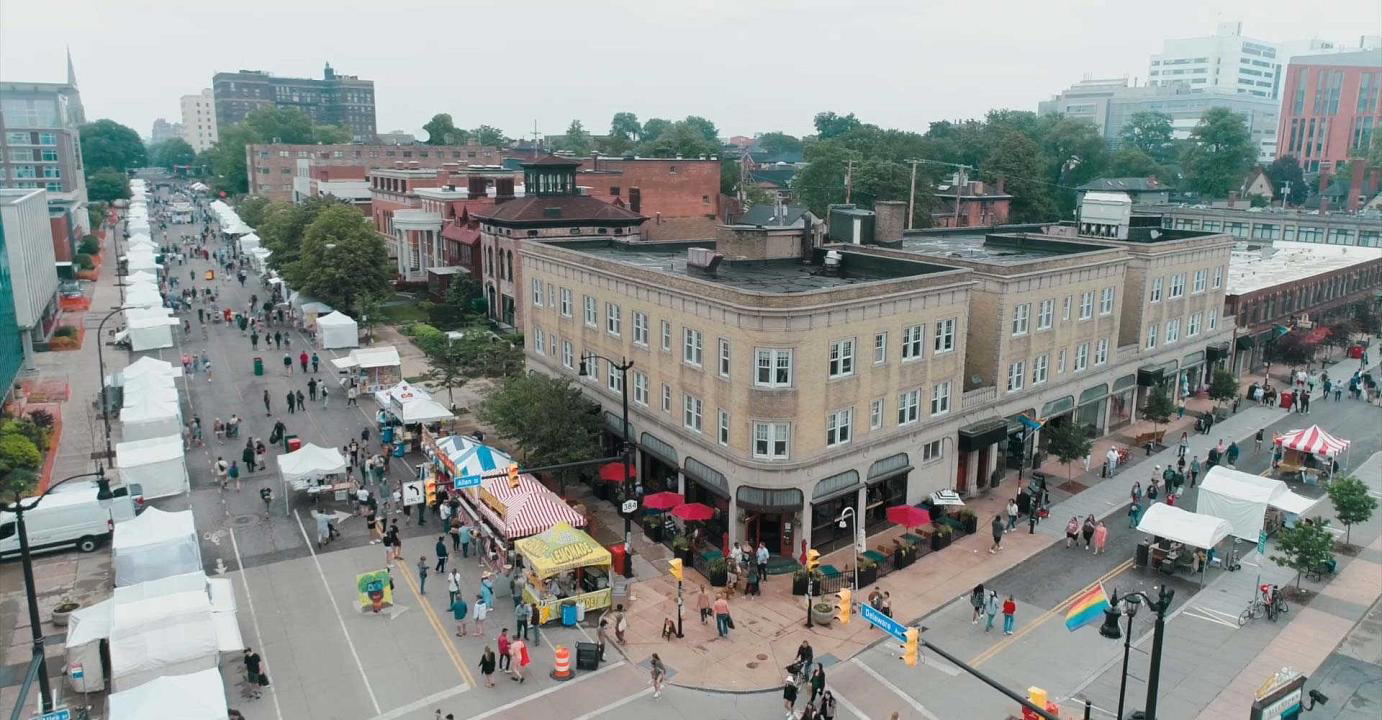
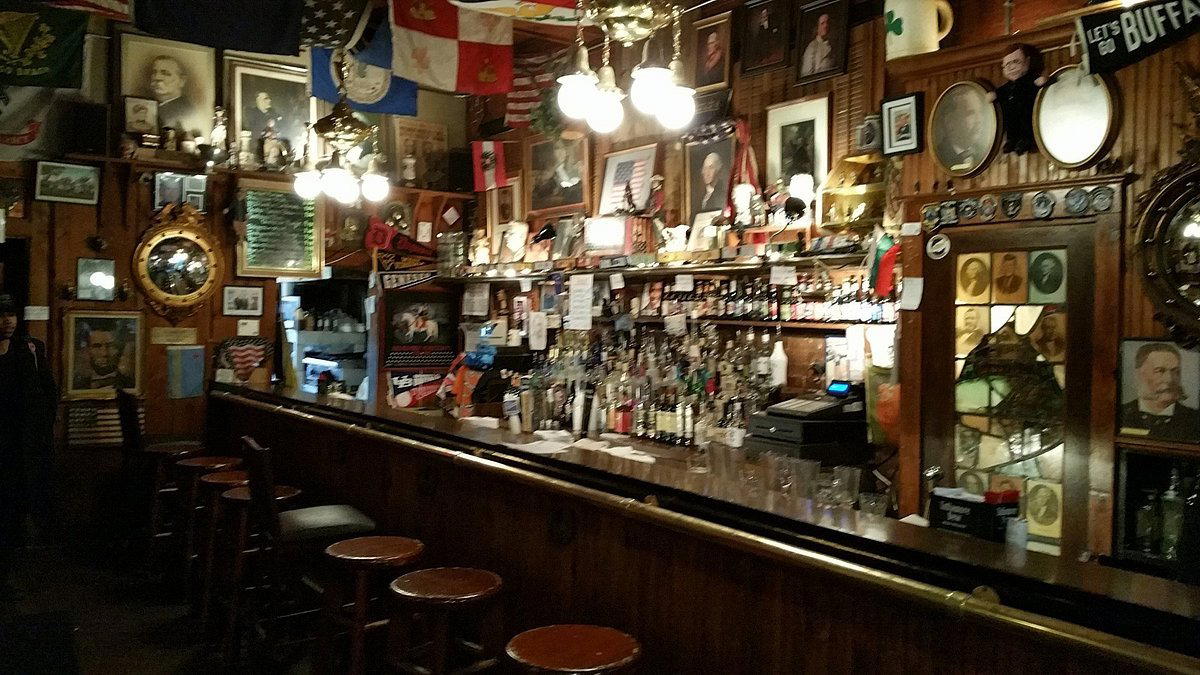
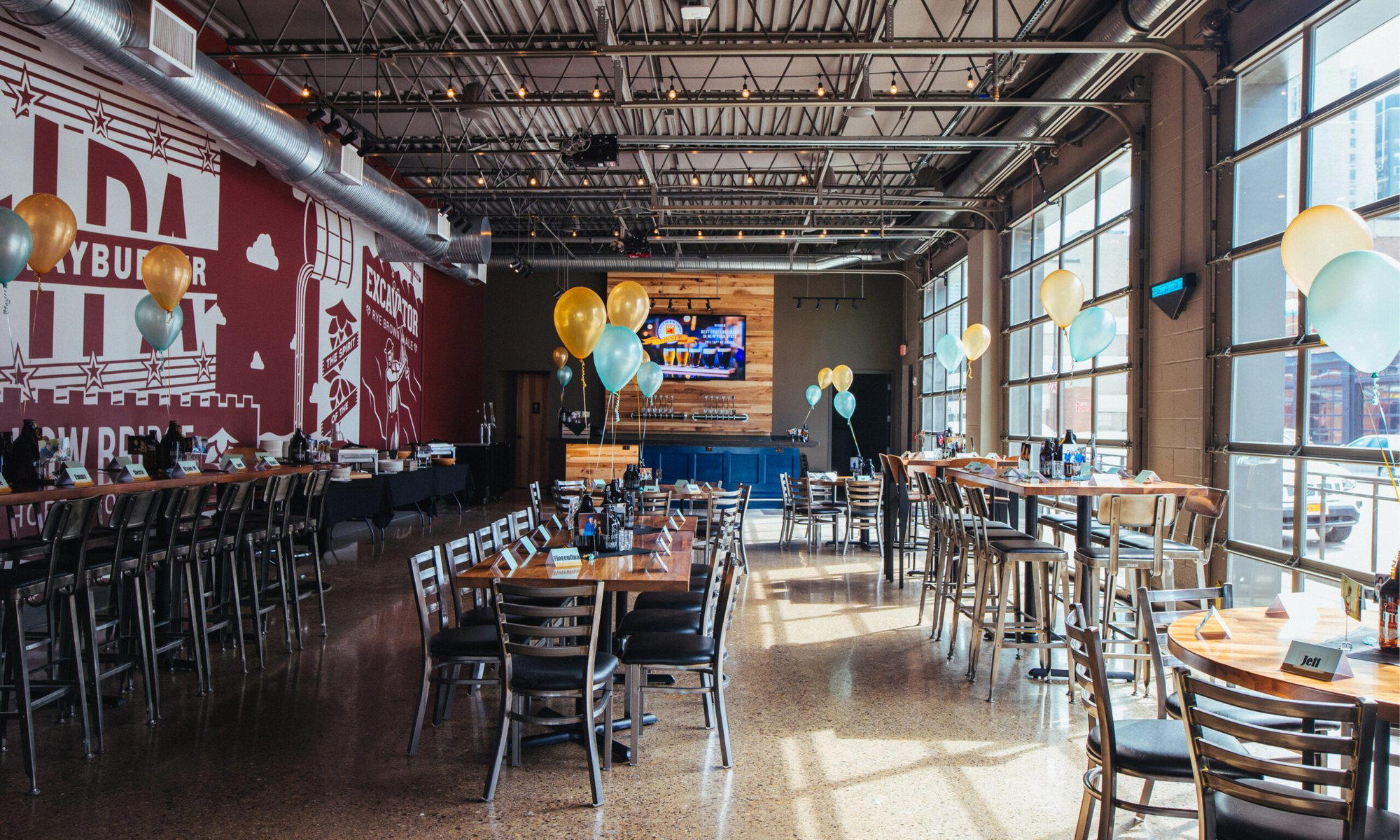
Restaurants in Buffalo
Browse all →
At a Glance
- Lively
- Modern
- Cozy
- Industrial
- Group Outing
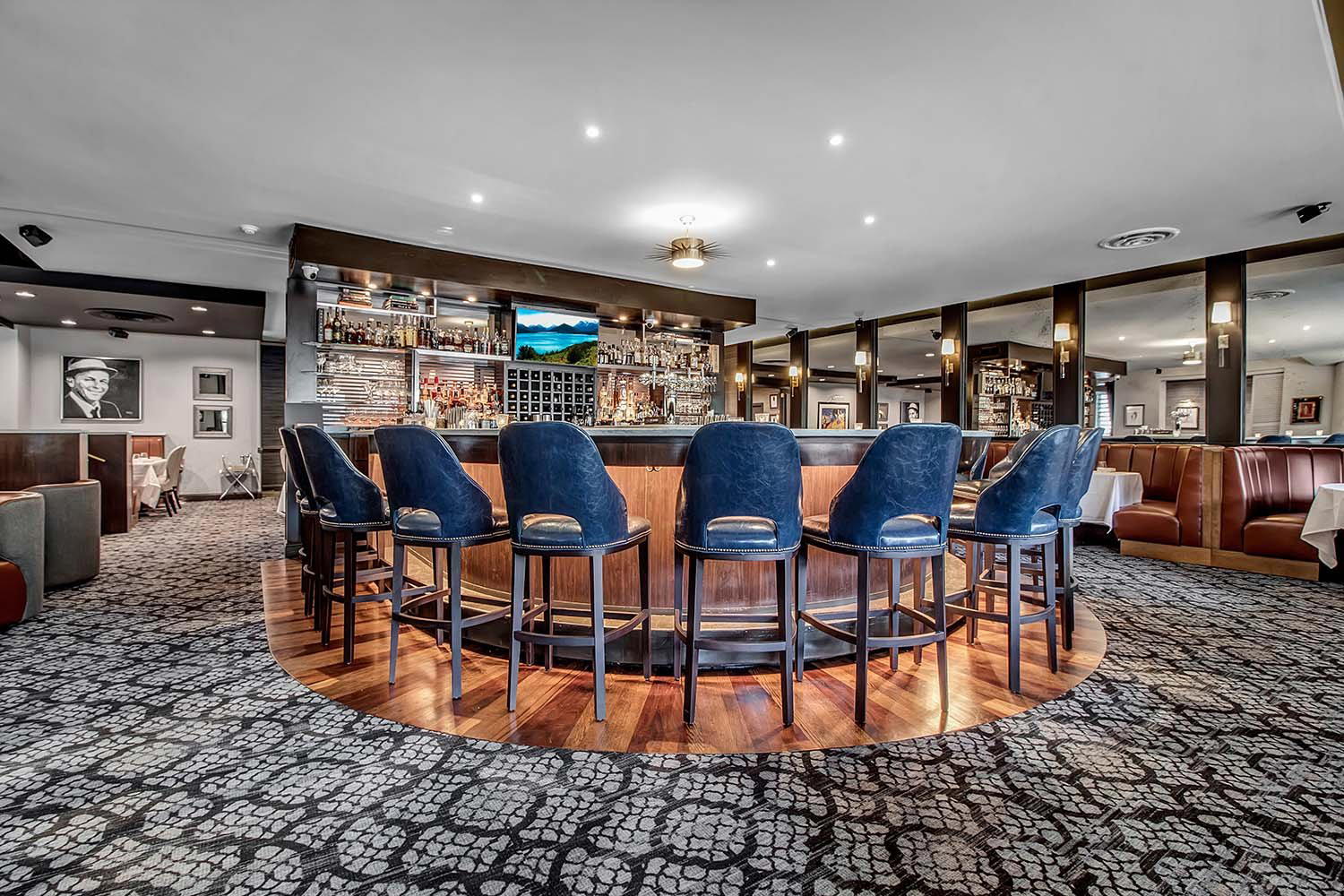
Cool, chill ambiance with friendly bartenders, great vibe enhanced by DJ on some nights, and a clean, small space.