Ponto Gaucho Brazilian Steakhouse
Our verdict
Ponto Gaucho Brazilian Steakhouse brings the churrascaria tradition to Lubbock's southwest side, where the rotisserie format and fire-centered cooking make it a distinct option in a city whose dining scene leans heavily on Tex-Mex and American grill formats. For those unfamiliar with Brazilian rodízio service, the experience centers on continuous tableside carving of fire-roasted meats, a format built around abundance and a specific relationship between guest and gaucho server.

Pearl is the En Primeur Club membership app — saves, bookings, and concierge access live there. Same editors, same standards.
- Address
- 5107 82nd St #109, Lubbock, TX 79424
- Phone
- (806) 902-8758
- Hours
- Mon 5–9 PMTue–Thu 11:30 AM–2 PM, 5–9 PMFri 11:30 AM–2 PM, 5–10 PMSat 11:30 AM–10 PMSun 11:30 AM–8:30 PM
- Website
- pontogaucho.com
- Directions
- Get directions
Fire, Rotation, and the Brazilian Grill Tradition in West Texas
Walk into most steakhouses along Lubbock's 82nd Street corridor and the format is familiar: menu, order, plate. Ponto Gaucho Brazilian Steakhouse operates on a fundamentally different logic. The churrascaria model, which traces its roots to the cattle-working gauchos of Brazil's Rio Grande do Sul region, is built around the continuous rotation of fire-roasted meats brought tableside on long skewers and carved directly onto the guest's plate. The guest controls the pace with a small disc or card flipped between green and red. It is a format that prioritizes the sourcing and cooking of the protein above almost everything else, and it places the quality and variety of what comes off the fire at the center of the entire experience.
In a city like Lubbock, where the dining scene is documented in depth in our full Lubbock restaurants guide, the churrascaria format is an outlier. The dominant grammar here is Tex-Mex and American-style barbecue, both traditions with their own serious relationship to beef and fire. What the Brazilian steakhouse does differently is the sheer range of cuts presented in a single sitting, and the emphasis on whole-muscle cookery over the open flame. That approach to sourcing and preparation, where different primal cuts of beef, pork, lamb, and chicken are each handled at their own pace and served at their moment of readiness, is what makes venues like Ponto Gaucho operate in a category separate from the standard Texas grill.
What the Rodízio Format Actually Means for the Plate
The Brazilian churrascaria tradition is not simply a buffet with theatrical delivery. The rotisserie method, practiced at its most serious in São Paulo and Porto Alegre, applies distinct heat and timing to each cut: picanha (the cap of the leading sirloin, prized across Brazilian grill culture for its fat layer and grain) is handled differently from costela (beef ribs slow-cooked for hours), which is handled differently again from fraldinha (flank steak) or cordeiro (lamb). The gaucho's job is not just service but judgment: reading when each skewer is at the right point in its cook before bringing it to the table. At operations that take this seriously, the rotation is genuinely continuous and the range of proteins is wide enough that no two visits produce identical plates.
That sourcing breadth matters. The churrascaria format presupposes access to a consistent supply of varied beef cuts, which in Texas is structurally easier than in most American markets. West Texas sits within one of the country's significant cattle-producing regions, and the logistical reality of running a high-volume rotisserie operation depends on reliable whole-animal or primal-cut sourcing that most standard steakhouses don't require. For context on how ingredient sourcing shapes format at the upper end of the American restaurant spectrum, consider the farm-to-table discipline at Blue Hill at Stone Barns in Tarrytown or the hyper-local supply chains behind Single Thread Farm in Healdsburg. Ponto Gaucho operates in a different price tier and format entirely, but the underlying question of where the protein comes from and how consistently it arrives is no less relevant to the experience.
Lubbock's Beef-Centric Dining and Where the Churrascaria Sits
Lubbock's dining character is shaped by its geography and its economy. As a regional hub for the Texas South Plains, the city draws from an agricultural base that includes cotton, grain, and significant cattle operations. The restaurant scene reflects that: meat-forward cooking is the default, and portions tend toward generosity. Within that context, the Brazilian steakhouse is not an anomaly in its protein focus, but it is an anomaly in its format. Where a Lubbock barbecue joint will typically emphasize brisket above all else, the churrascaria spreads its attention across the full range of fire-cooked cuts, and where a local Tex-Mex spot will fold beef into broader preparations, the churrascaria presents it in largely unadorned form, seasoned minimally to let the quality of the cut and the skill of the cook carry the plate.
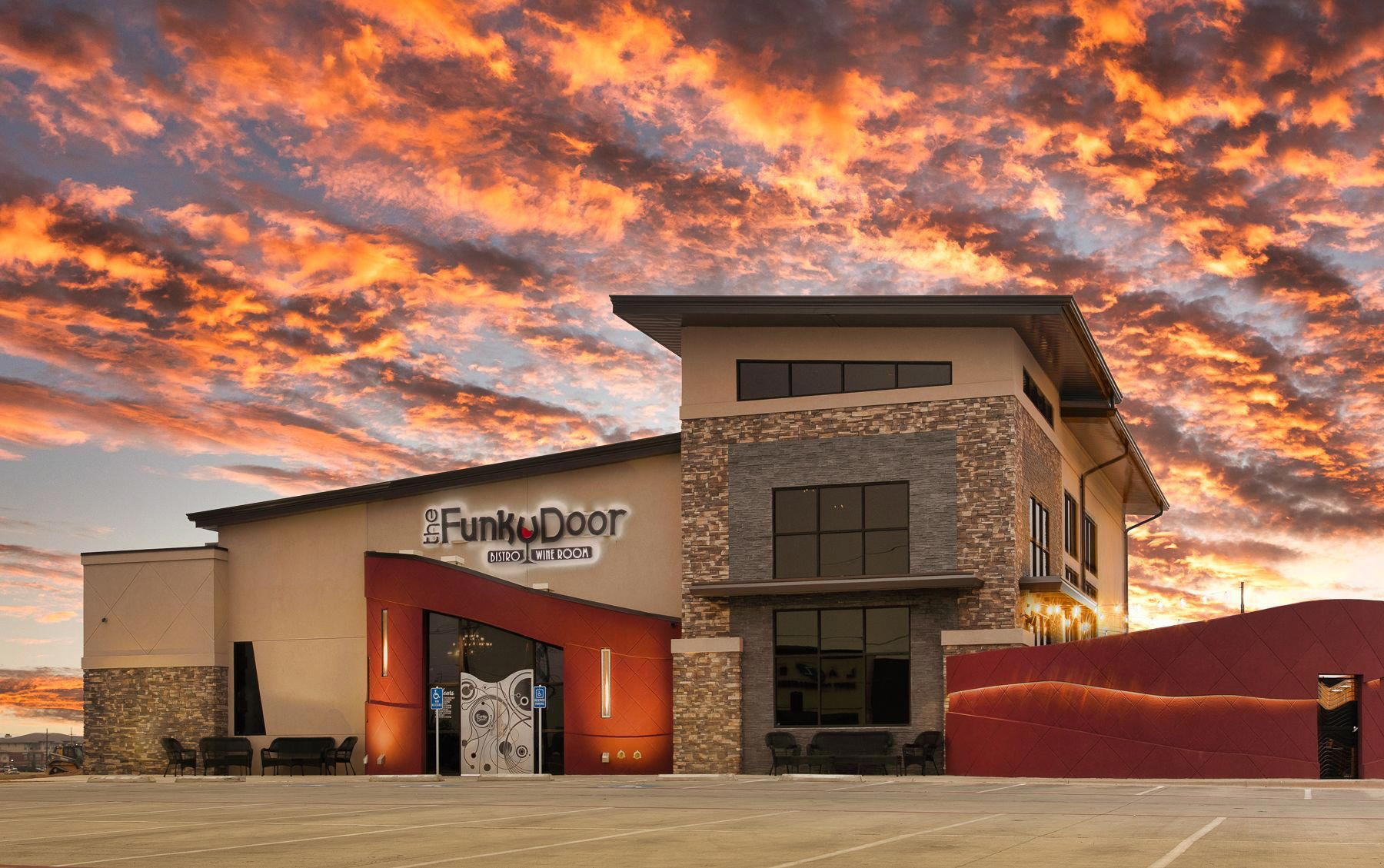
That positions Ponto Gaucho as a counterpoint to venues like The Funky Door Bistro & Wine Room, which operates on a completely different editorial register, and against the broader backdrop of American restaurants where sourcing is now a front-of-house talking point at every price level, from Bacchanalia in Atlanta down through the neighborhood steakhouse tier. The churrascaria, by contrast, makes its sourcing argument through volume and variety rather than through provenance storytelling: the proof is in what arrives at the table and how consistently it performs across a long, rotating service.
The Scene and the Setting
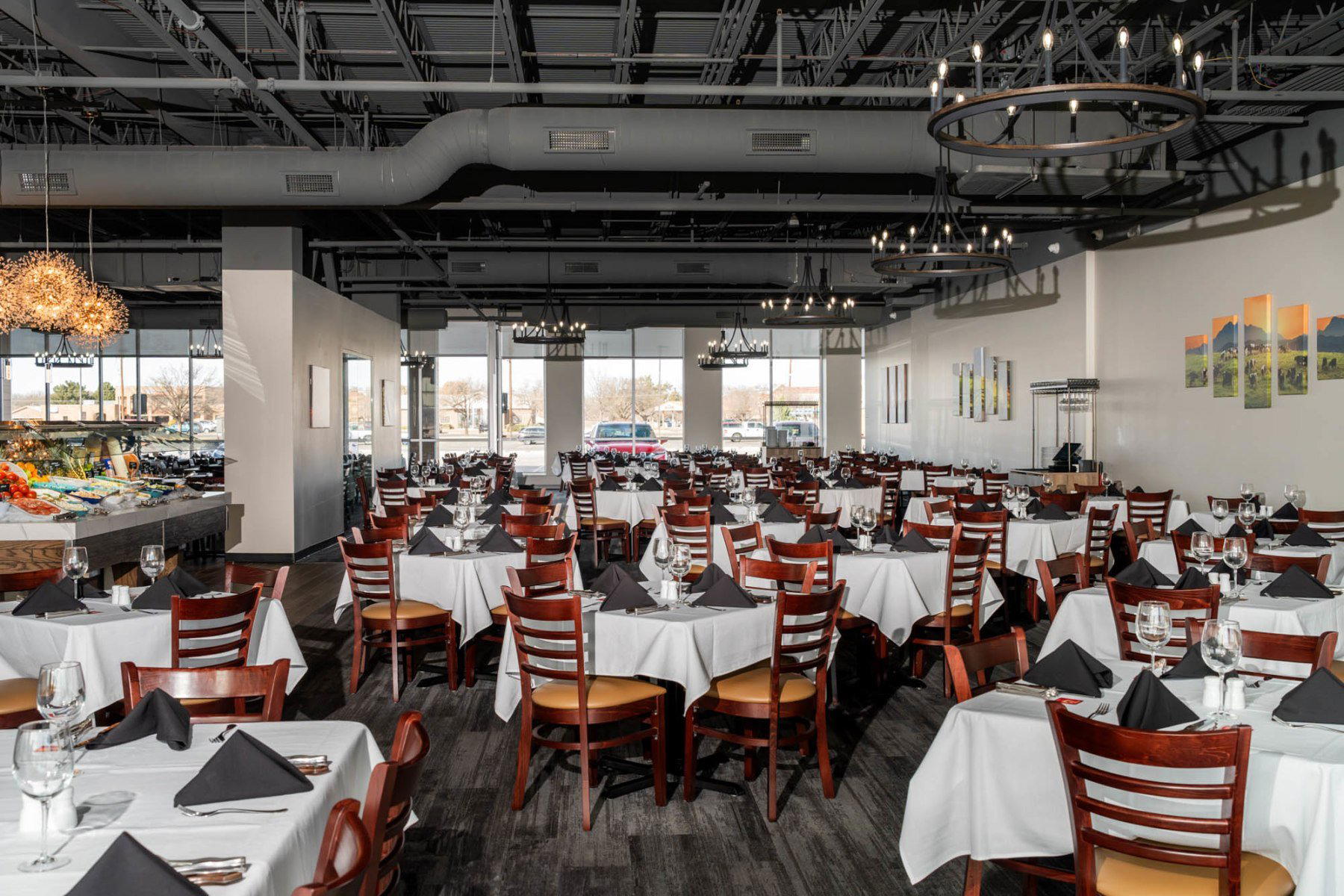
Ponto Gaucho sits in a retail strip at 5107 82nd St, Suite 109, on the southwest side of Lubbock, in a commercial corridor that is primarily suburban and accessible by car. The location is typical of how Brazilian steakhouses have expanded across mid-size American cities over the past two decades: away from downtown cores and into the suburban dining clusters where family-scale dining and parking ease drive traffic. The interior format of a functioning churrascaria requires space for the gaucho circulation between kitchen and table, which generally means these venues occupy larger footprints than the address might suggest from outside. Arriving on a weekend evening, the pacing of the room is controlled by the rotation of the gauchos rather than by the kitchen's ticket timing, which gives the experience a rhythm distinct from conventional table-service dining.
For those planning a visit, the 82nd Street location is reachable from Lubbock's major east-west arteries and has parking directly adjacent to the strip. Given the all-you-can-eat format standard to the churrascaria model, the meal runs longer than a conventional dinner, and arriving hungry matters more than arriving early.
How This Format Compares Across the American Dining Spectrum
The American restaurant market has bifurcated sharply over the past decade between tasting-menu operations with long lead times and high per-cover costs, such as Alinea in Chicago, Lazy Bear in San Francisco, The French Laundry in Napa, Atomix in New York City, or Le Bernardin in New York City, and accessible formats where volume and format design carry the experience. The Brazilian churrascaria sits firmly in the second group, but it is not a casual-dining compromise. The format demands real craft in fire management, cutting technique, and pacing, and when it works well, the experience of eating across eight or ten different cuts in one sitting is genuinely instructive about how differently beef behaves depending on how it is handled. That is not something a single-entrée steakhouse, however good its brisket, can replicate. For readers who have followed EP Club's coverage of sourcing-forward American restaurants, from Addison in San Diego to Frasca Food & Wine in Boulder to Brutø in Denver, the churrascaria represents a different entry point into the same conversation about what fire and sourcing can do when the format is built around them.
Frequently asked questions
Can I bring kids to Ponto Gaucho Brazilian Steakhouse?
The rodízio format, where servers circulate with skewers of carved meat, tends to work well for families with children old enough to understand the pass-or-continue signal. The suburban strip location at 5107 82nd St in Lubbock keeps the atmosphere relaxed rather than formal. The all-table service pace means kids are not waiting long between courses.
What kind of setting is Ponto Gaucho Brazilian Steakhouse?
Ponto Gaucho occupies Suite 109 in a retail strip on Lubbock's 82nd Street corridor, a commercial stretch on the city's southwest side. The context is suburban and accessible rather than destination-district dining. That positioning reflects Lubbock's broader dining geography, where most full-service restaurants anchor neighborhood corridors rather than a concentrated downtown core.
Is Ponto Gaucho Brazilian Steakhouse the only churrascaria in the Lubbock area?
Lubbock's dining scene is shaped heavily by its West Texas beef economy, but the full churrascaria rodízio format remains a narrow category in the city. Ponto Gaucho at 5107 82nd St addresses that gap by bringing the Brazilian rotisserie tradition to a regional market where most steakhouse options follow the conventional American à la carte model. Diners looking specifically for continuous tableside carving service in the South Plains have limited alternatives locally.
What should I order at Ponto Gaucho Brazilian Steakhouse?
In the churrascaria format, ordering is less a decision than a posture: the rodízio service brings cuts continuously to the table, and the guest controls pace by flipping the table marker. In Brazilian churrascarias generally, picanha (top sirloin cap) is the reference cut by which regulars judge a kitchen's standard. Focus there first before moving to the secondary cuts.
Where exactly is Ponto Gaucho Brazilian Steakhouse?
Ponto Gaucho Brazilian Steakhouse is located at 5107 82nd St #109, Lubbock, TX 79424, Lubbock.
Can I walk in to Ponto Gaucho Brazilian Steakhouse?
For a weekend dinner, particularly in a city where beef-forward dining draws strong local attendance, arriving early in the service window is the lower-risk approach than assuming walk-in availability at peak hours.
What's the signature at Ponto Gaucho Brazilian Steakhouse?
The defining format is the rodízio itself: continuous tableside service of rotisserie-cooked meats carved directly from the skewer. This is the structural premise of the Brazilian churrascaria tradition as practiced in São Paulo and Porto Alegre, and it separates Ponto Gaucho from the conventional steakhouse model dominant across Lubbock's 82nd Street dining corridor.
At-a-Glance Comparison
Comparable venues nearby, for context on price, style, and recognition.
| Venue | Cuisine | Price | Awards | Notes |
|---|---|---|---|---|
| Ponto Gaucho Brazilian SteakhouseThis venue — the venue you are viewing | Brazilian Churrasco Steakhouse | $50–100 | Not listed | Not listed |
| The Funky Door Bistro & Wine Room | American Bistro with Wine Focus | $30–50 | Star Wine List | Southwest Lubbock |
Continue exploring
More in Lubbock
Restaurants in Lubbock
Browse all →
Bars in Lubbock
Browse all →
Hotels in Lubbock
Browse all →
Wineries in Lubbock
Browse all →
Details
- Lively
- Energetic
- Group Dining
- Celebration
- Special Occasion
- A La Carte
- Family Style
Current opening hours
- Monday
- 5–9 PM
- Tuesday
- 11:30 AM–2 PM, 5–9 PM
- Wednesday
- 11:30 AM–2 PM, 5–9 PM
- Thursday
- 11:30 AM–2 PM, 5–9 PM
- Friday
- 11:30 AM–2 PM, 5–10 PM
- Saturday
- 11:30 AM–10 PM
- Sunday
- 11:30 AM–8:30 PM
Hours can change for holidays and private events. Last verified .
Lively and hospitable atmosphere celebrating Brazilian culture with warm hospitality.