Texas Hills Vineyard
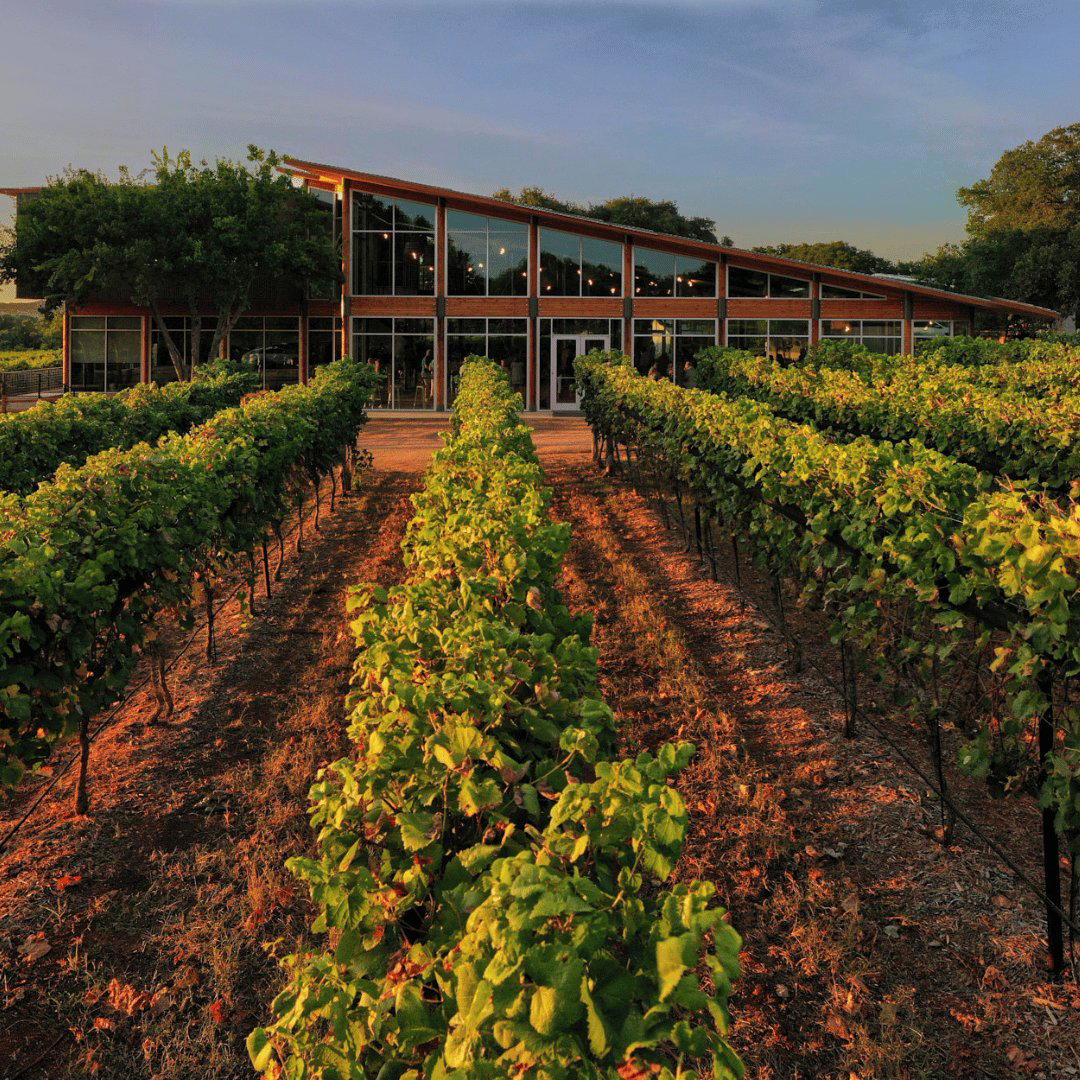
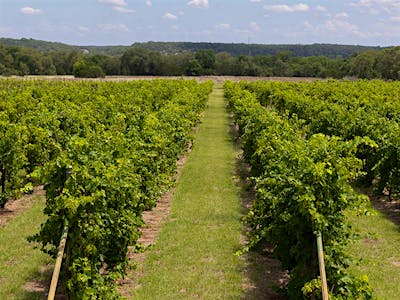
Texas Hills Vineyard sits along Ranch to Market Road 2766 in Johnson City. The property occupies the Hill Country's limestone-and-caliche terrain, where diurnal temperature swings shape the region's distinct grape development. It ranks among the more formally recognised addresses on the Johnson City wine circuit.

Pearl is the En Primeur Club membership app — saves, bookings, and concierge access live there. Same editors, same standards.
- Address
- 878 Ranch to Market Rd 2766, Johnson City, TX 78636
- Phone
- (830) 868-2321
- Website
- texashillsvineyard.com
- Directions
- Get directions
The Hill Country Cellar Logic
Winemaking in the Texas Hill Country operates under constraints that California and Oregon producers rarely encounter at the same intensity: brutal summer heat, thin alkaline soils, and weather systems that can strip a vintage in an afternoon. The producers who have built lasting reputations here have done so by working with those constraints rather than against them, making decisions in the cellar that account for fruit arriving under stress conditions most American wine drinkers would not recognise from label copy alone.
That rating matters as a benchmark rather than a boast. EP Club's Pearl tier reflects a consistent combination of production quality, regional positioning, and cellar programme credibility.
What Limestone Terroir Demands of the Winemaker
The Hill Country's geology is primarily Cretaceous limestone, overlaid with sandy loam and caliche in varying proportions across different sub-zones. Soils drain quickly and offer low organic matter, which controls vine vigour but also limits water retention during dry stretches. Grapes grown here tend toward concentrated phenolics and relatively high natural acidity when managed carefully, characteristics that create both opportunity and risk in the cellar. Under-ripe extraction produces harsh tannins; over-extraction from heat-stressed fruit exaggerates alcohol and flatness. The producers earning recognition in this region are generally those who have developed protocols around these specific conditions, calibrating barrel selection and aging timelines to fruit that does not always arrive in the same state vintage to vintage.
Blending decisions take on additional weight in a climate this variable. Where Napa's top tier can lean on a relatively reliable growing season to shape single-varietal identity, Hill Country producers often find that blending is less a stylistic choice than a structural necessity, assembling components that balance what each variety did and did not achieve in a given year. The cellar, in this context, is where the vintage is interpreted as much as where it is preserved. Producers making that interpretation well, as EP Club's 2025 assessment of Texas Hills Vineyard suggests is happening here, tend to show consistency across releases that their competitors do not.
The Johnson City Wine Circuit
Johnson City anchors the western end of the Hill Country wine corridor, and the concentration of recognised producers within a short drive of the town centre has made it a more functional base for wine-focused visits than the more tourist-oriented stretch around Fredericksburg. The trade-off is that Johnson City's tasting room infrastructure is less polished, and several properties operate on limited schedules. Visiting Texas Hills Vineyard is leading planned with advance research on current opening hours and any appointment requirements, both of which can shift seasonally in a region where staff levels often reflect harvest and event calendars rather than fixed hospitality programmes.
Carter Creek Winery and Westcave Cellars Winery both operate in the same general geography, while Lewis Wines and Sandy Road Vineyards represent the smaller-production end of the local spectrum. Silver Dollar Winery offers a different format again. The full context for Johnson City's wine and dining scene is covered in our full Johnson City restaurants guide.
Aging Decisions in a Warm-Climate Cellar
The barrel and aging decisions made in warm-climate cellars carry different weight than those made at higher latitudes. Oak integration tends to move faster in warmer ambient conditions, which means extended aging in new wood risks over-extraction of vanilla and toasted compounds relative to fruit. Producers who have developed a considered view on this will typically pull back on new oak percentages and shorten barrel time, accepting a less immediately imposing wine in favour of one that carries better over eighteen to thirty-six months in bottle.
For comparison, the calculus looks different at cooler-climate addresses. Adelsheim Vineyard in Newberg works with Oregon Pinot Noir in conditions where slow ripening allows long hang time and more natural phenolic development before harvest. Adelaida Vineyards in Paso Robles sits closer to the Texas Hills climate in terms of heat, but with marine influence that moderates overnight temperatures in ways the Hill Country does not reliably receive. Accendo Cellars in St. Helena operates in Napa's premium Cabernet tier, where barrel selection and aging are refined over decades of vintage data.
Broader Context: American and International Reference Points
The Texas Hill Country sits in an interesting position within American wine geography. It is not competing for the same collector attention as Alpha Omega Winery in Rutherford or the allocation-driven tier that includes Alexander Valley Vineyards in Geyserville. The region's identity is still consolidating, which is both its limitation and the reason formally recognised producers within it carry disproportionate weight as reference points for visitors trying to understand what serious Texas wine looks like.
Internationally, warm-climate cellar programme development has parallels in regions like the Peloponnese, where producers such as Achaia Clauss in Patras have built long reputations on managing heat-stressed fruit with disciplined cellar work. The Rhône varieties that perform well in hot climates also connect Texas Hills' regional context to producers like Alban Vineyards in Arroyo Grande and Andrew Murray Vineyards in Los Olivos, both of which have built programmes around Syrah, Grenache, and Viognier in California conditions that share some characteristics with the Texas Hill Country. Aberlour in Aberlour represents a different register entirely, demonstrating how barrel ageing decisions define a producer's identity across categories and geographies.
Planning Your Visit
Texas Hills Vineyard sits at 878 Ranch to Market Road 2766, Johnson City, TX 78636. The Hill Country wine season runs year-round, but spring and autumn visits avoid the peak summer heat that can make outdoor tasting uncomfortable and reduce the quality of the experience for anyone spending a full day on the circuit. Weekend visits to Johnson City's wine properties tend to draw larger crowds during the spring wildflower season, roughly late March through April, when the region's tourism numbers peak. Arriving midweek or earlier in the day on weekends allows for more considered tastings. Booking ahead is advisable given that smaller Hill Country producers often adjust their tasting room operations without much public notice, and a 2 Star Prestige-rated property is likely to draw visitors specifically targeting the region's more formally recognised addresses.
Similar Picks
| Venue | Price |
|---|---|
| Texas Hills VineyardThis venue — the venue you are viewing | $30–50 |
| Westcave Cellars Winery | $20–30 |
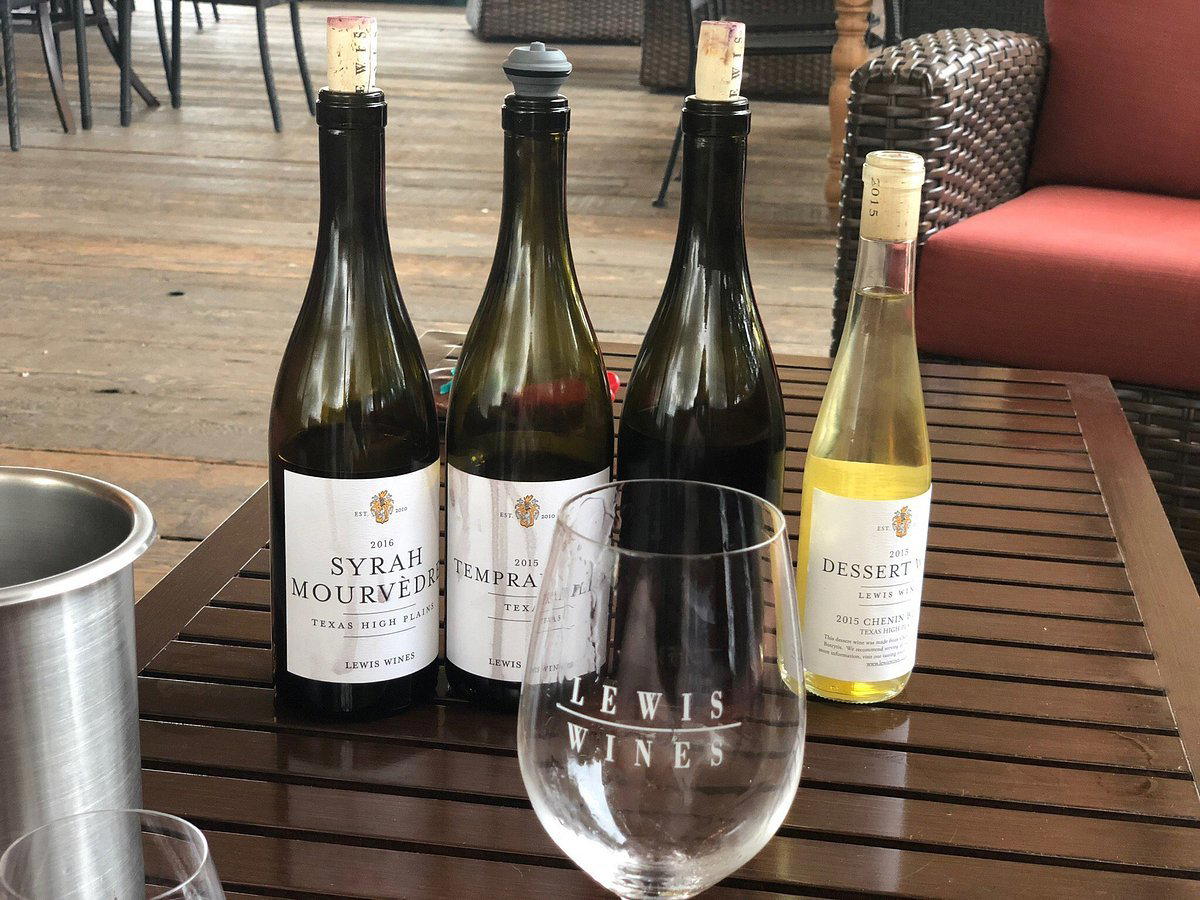
| Lewis Wines | $10–20 |
| Sandy Road Vineyards | $20–30 |
Continue exploring
More in Johnson City
Wineries in Johnson City
Browse all →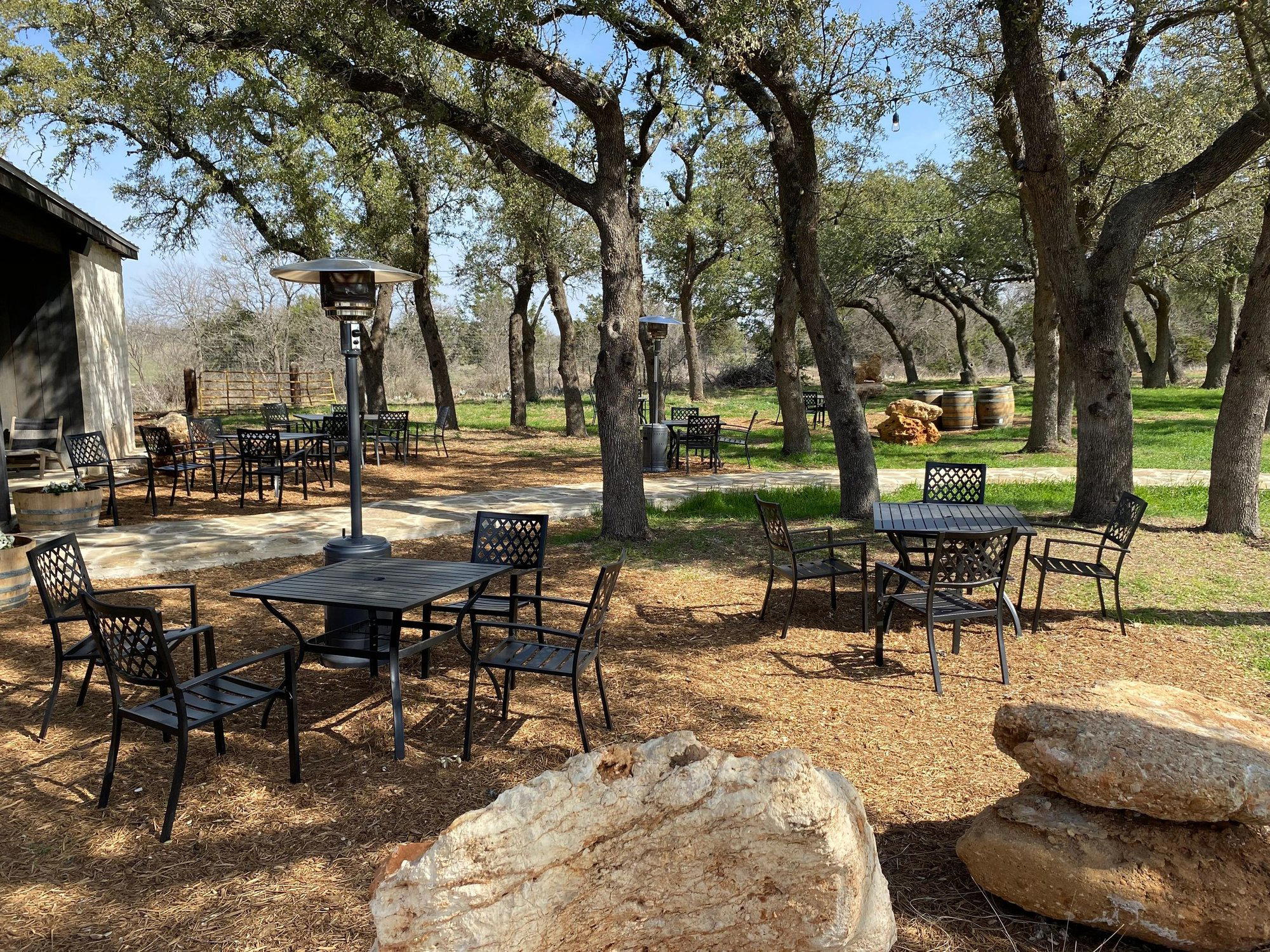
Bars in Johnson City
Browse all →
Restaurants in Johnson City
Browse all →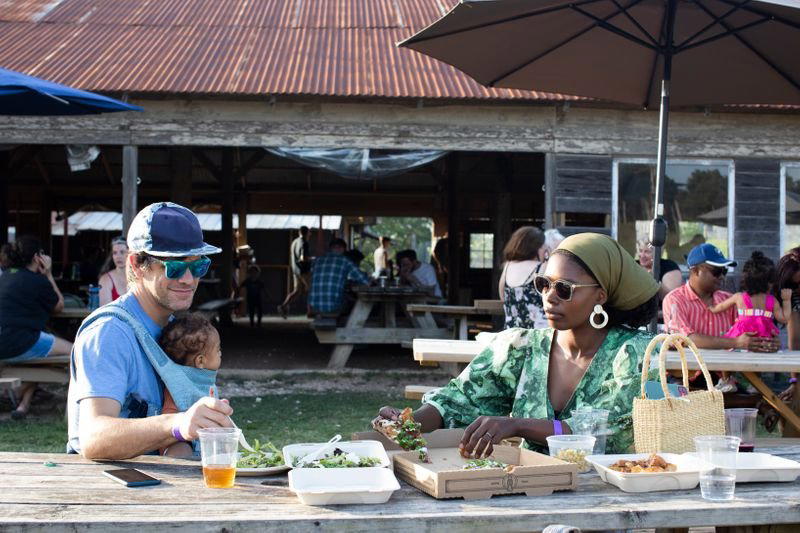
Details
- Scenic
- Rustic
- Romantic
- Quiet
- Romantic Getaway
- Group Outing
- Family
- Wine Education
- Celebration
- Vineyard Tour
- Estate Grounds
- Picnic Area
- Terrace
- Panoramic View
- Private Tasting
- Organic
- Vineyard
- Garden
- Chardonnay
- Tempranillo
- Cabernet
- Syrah
- Merlot
- Still Red
- Still White
- Standard Tasting
- Wine Club Tastings
- Sensory Classes
- English
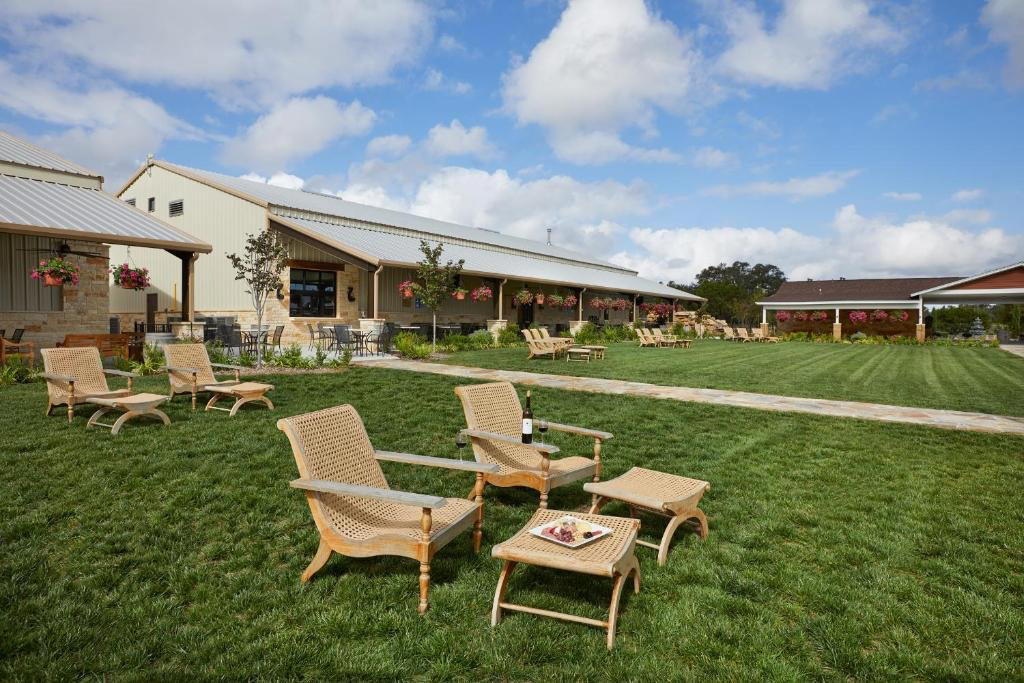
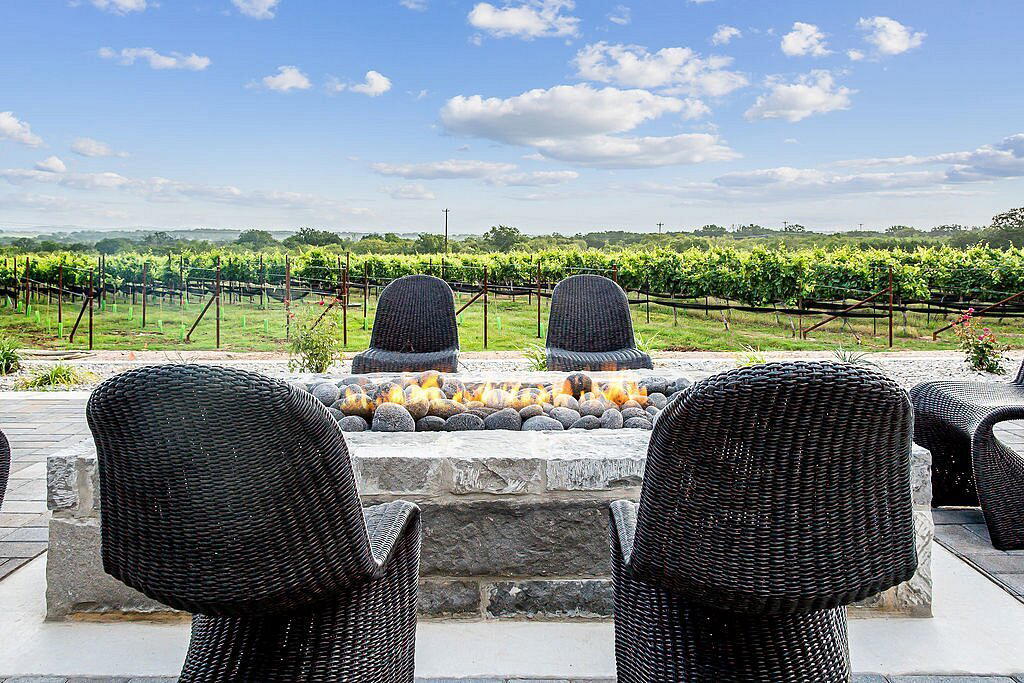
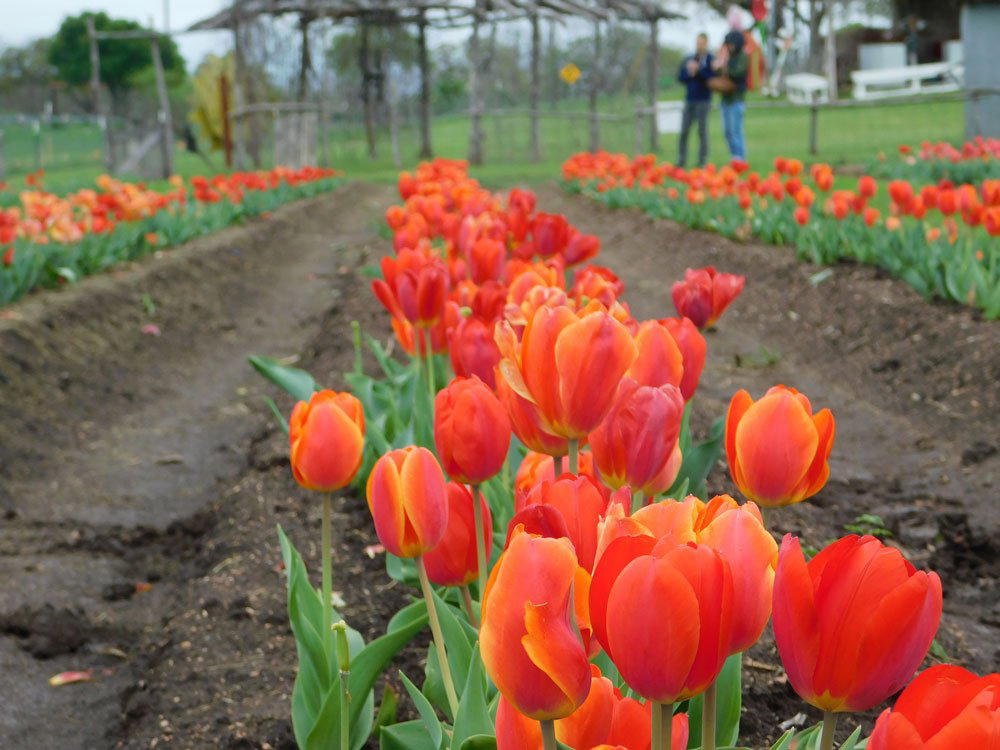
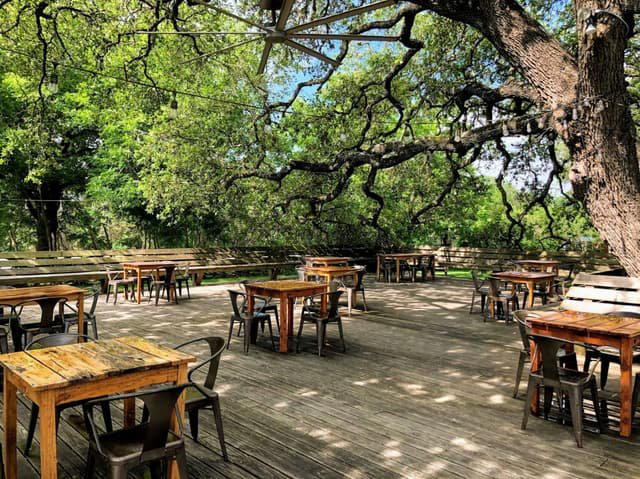
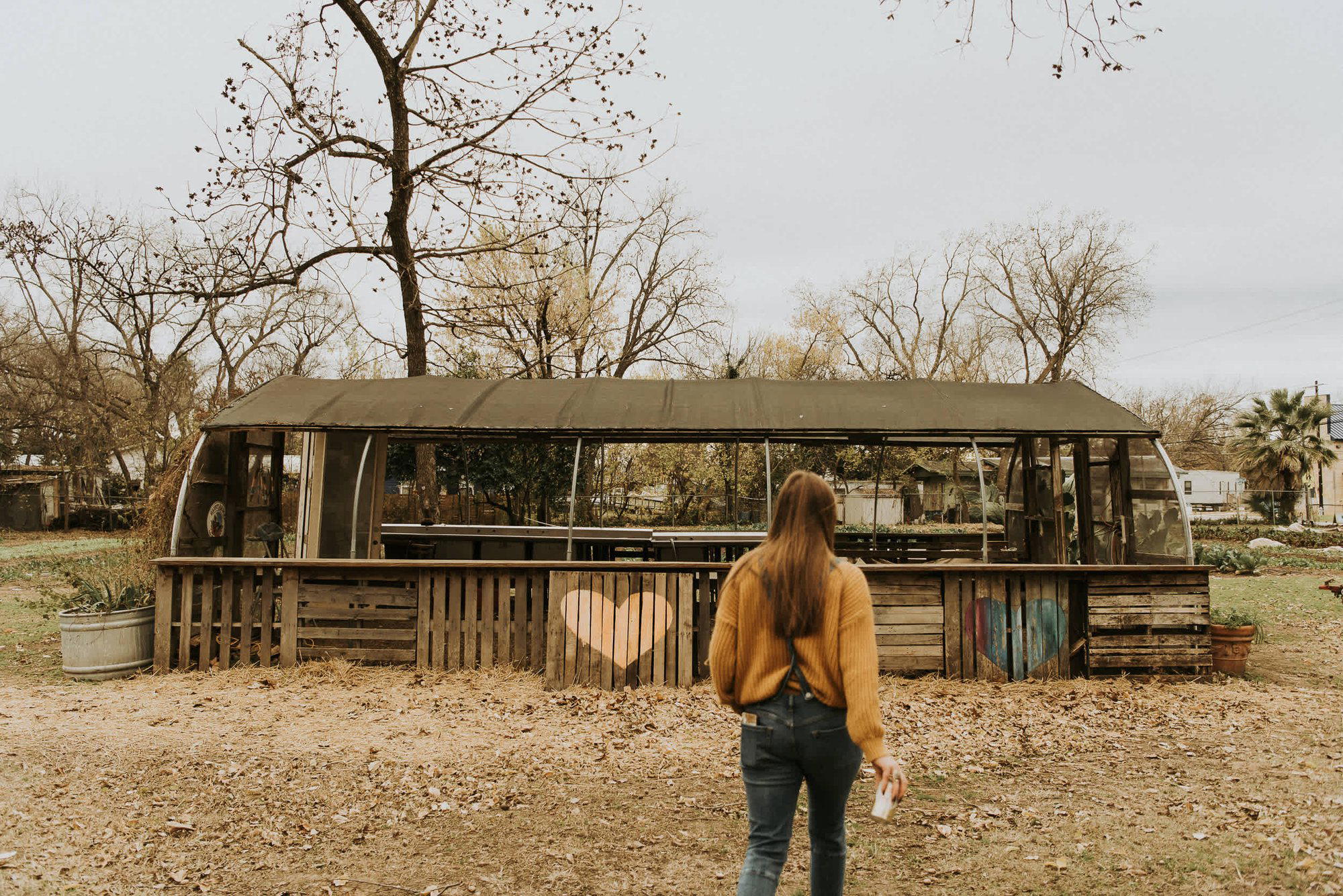
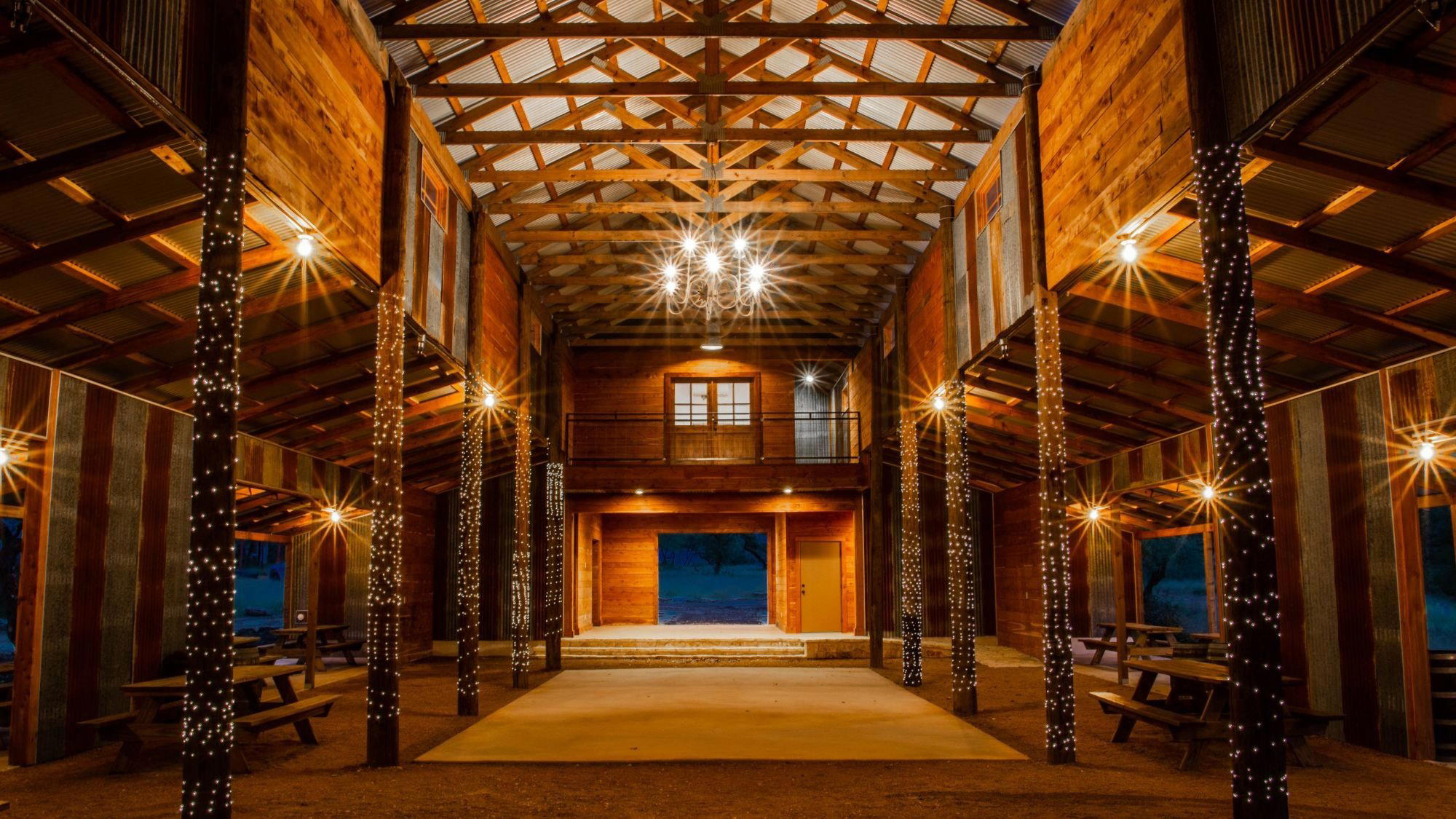
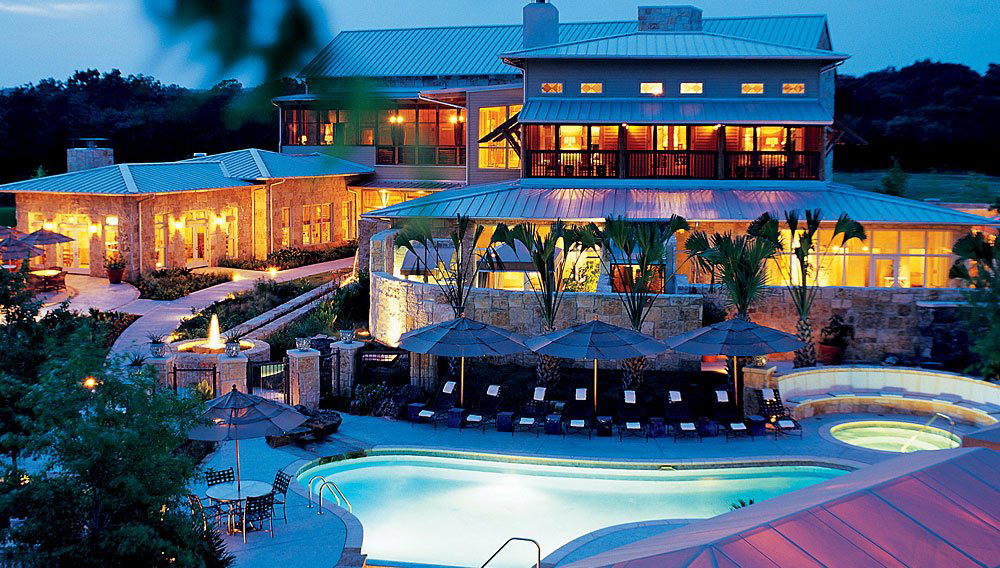
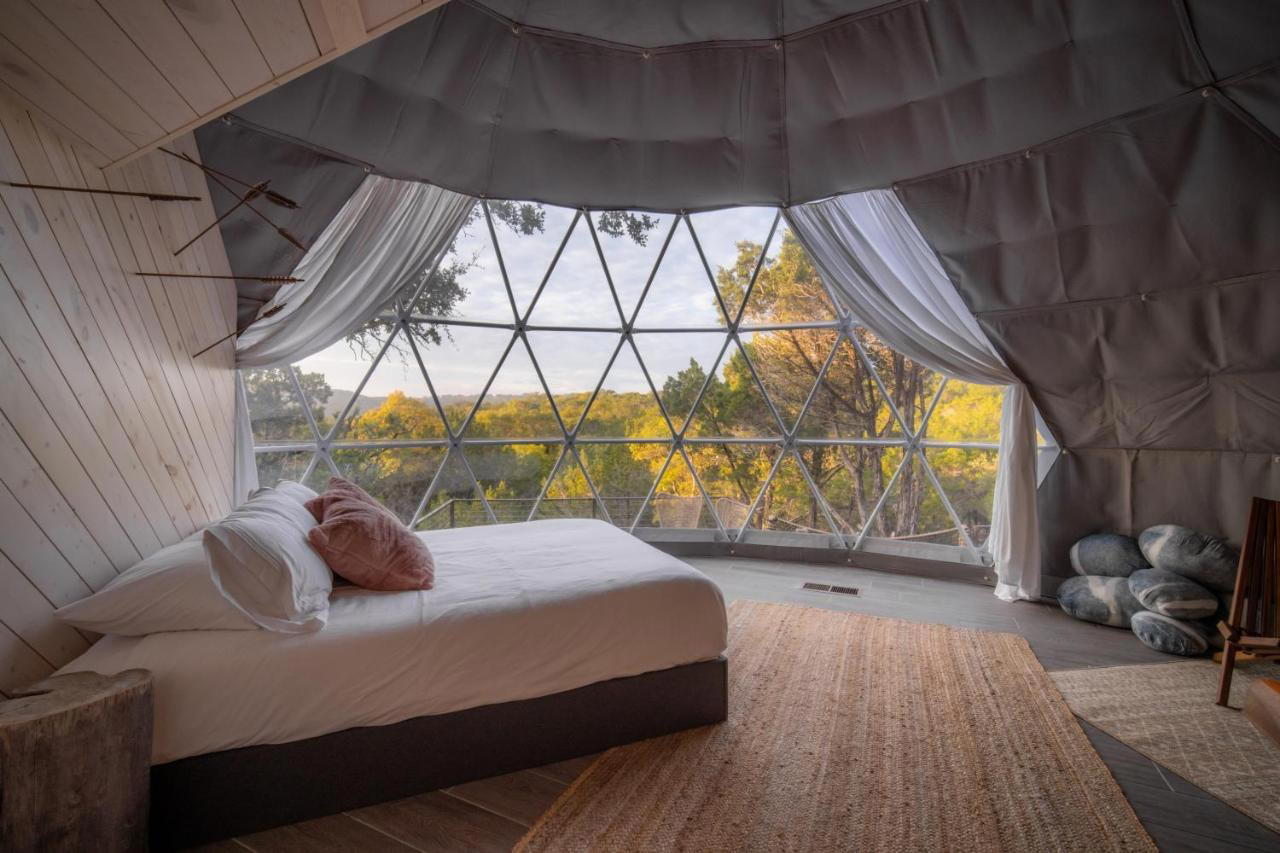
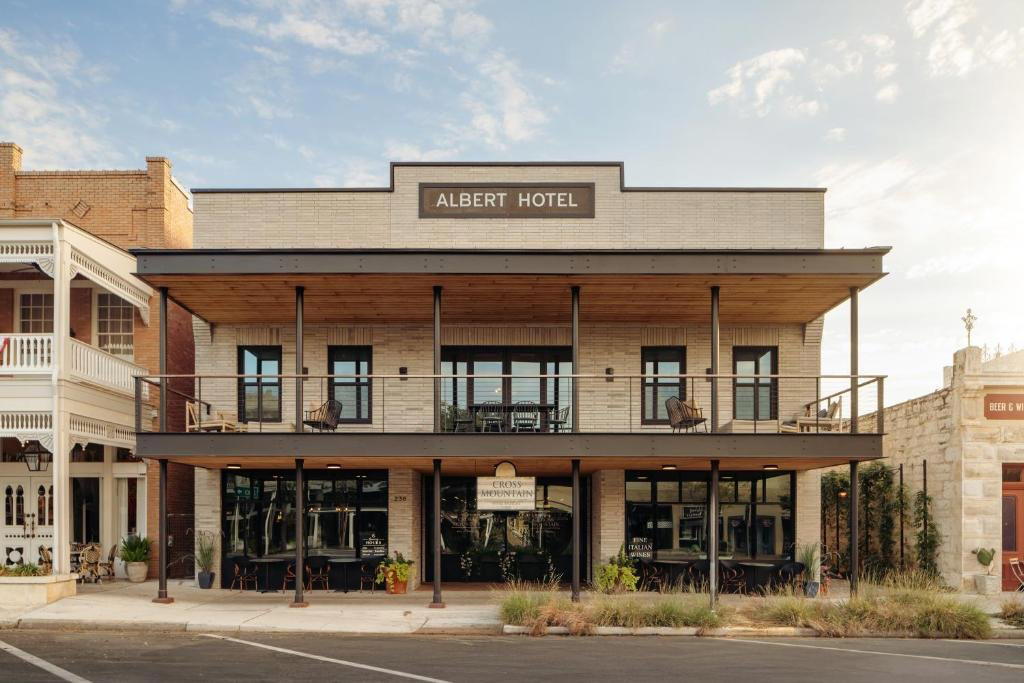
Warm and inviting with natural light from hillside setting, covered outdoor patio overlooking vineyards and rolling hills, intimate speakeasy atmosphere in Red Room.