La Serena

Falstaff Winery - Listed
La Serena sits in the Brunello di Montalcino frame rather than the broad Tuscan tasting-room circuit: Sangiovese, estate scale, and a rural east-of-town setting define the visit. The estate dates to 1934, works from 12 hectares, and is strongest for travelers who want a focused reading of Brunello and Rosso di Montalcino rather than a high-volume hospitality program.

Pearl is the En Primeur Club membership app — saves, bookings, and concierge access live there. Same editors, same standards.
- Address
- Montalcino, Tuscany, Italien
- Directions
- Get directions

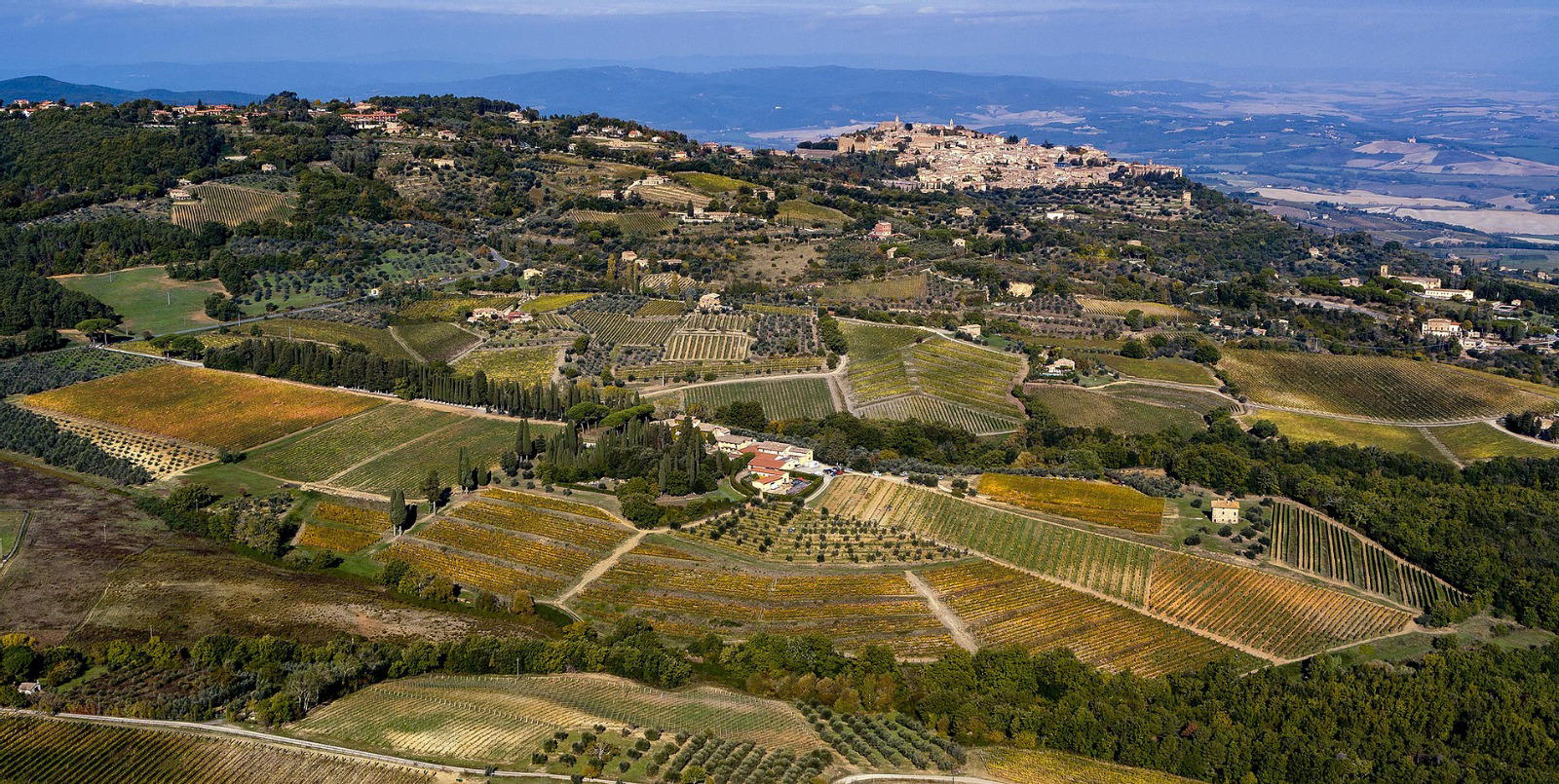
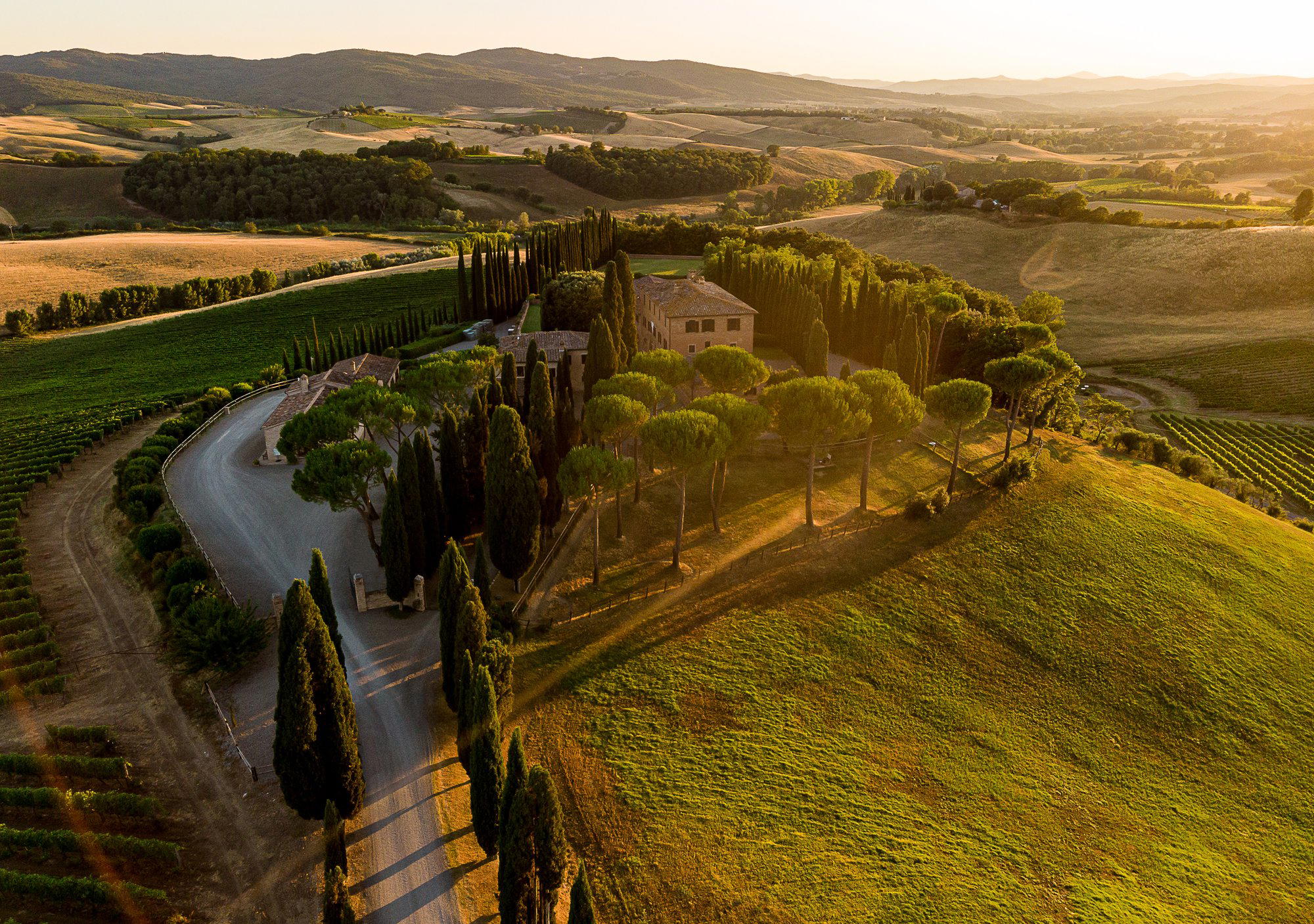
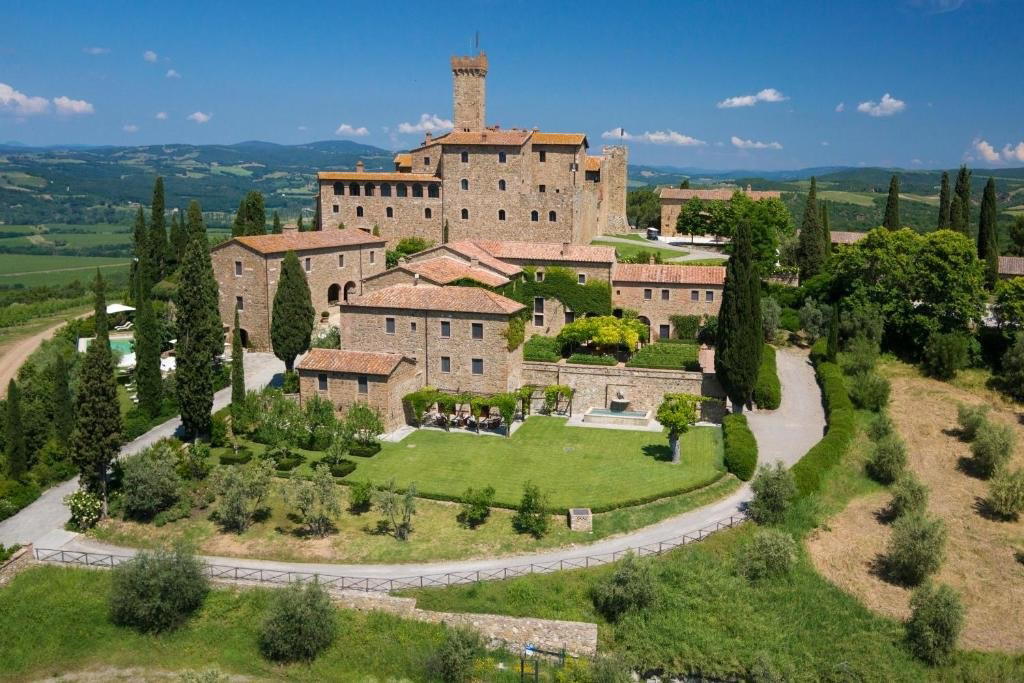
East of Montalcino, La Serena is best understood through its identity as a Brunello estate. The profile is concise but meaningful: a family-owned estate with a classic Tuscan rural feel, surrounded by vineyards and focused on expressive Sangiovese wines that balance power and elegance. Rather than presenting itself through a long list of amenities, the estate reads most clearly as a wine-country address whose appeal comes from place, scale, and grape variety. Its interest lies in the way those elements come together: Montalcino, Brunello, vineyard surroundings, and a restrained, intimate atmosphere.
A Brunello estate where Sangiovese does the talking
Montalcino is closely associated with Brunello, and La Serena’s identity sits squarely in that context. The estate’s focus is on Sangiovese, presented through wines described for both strength and refinement. That combination is central to the way Brunello is often approached by travelers: not simply as a powerful Tuscan red, but as a wine that can carry structure, depth, and elegance at the same time. In La Serena’s case, the clearest reason to consider the estate is this direct connection between site, grape, and style.
Rather than relying on a broad set of confirmed amenities or formal accolades, the clearest reason to consider La Serena is its connection to the Brunello landscape east of Montalcino. That makes it a venue to understand through fundamentals. It is family-owned, vineyard-framed, and rooted in Sangiovese. Those points do not create a complicated story, but they do create a coherent one, especially for visitors who care more about the character of an estate than about a heavily packaged hospitality experience.
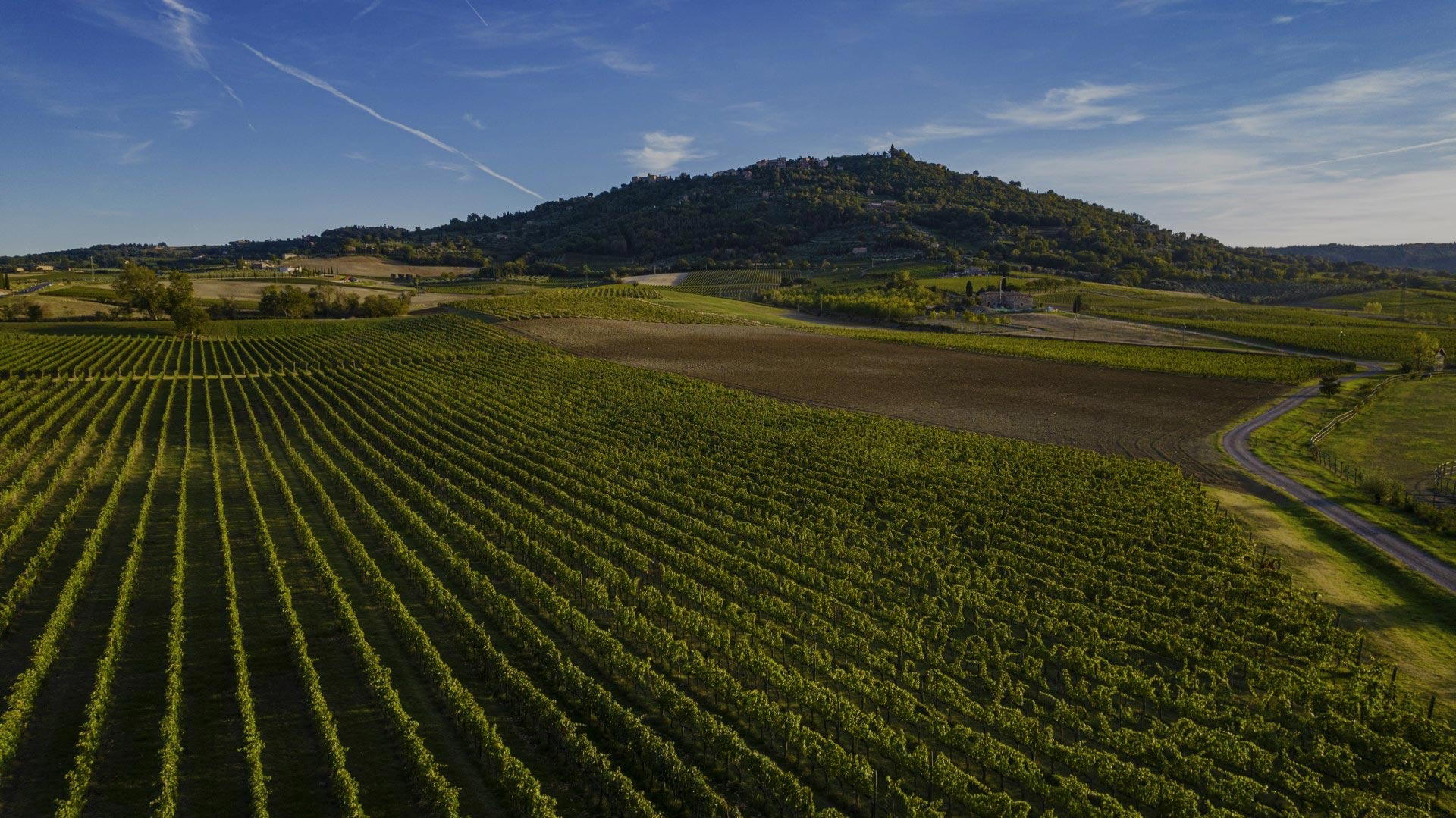
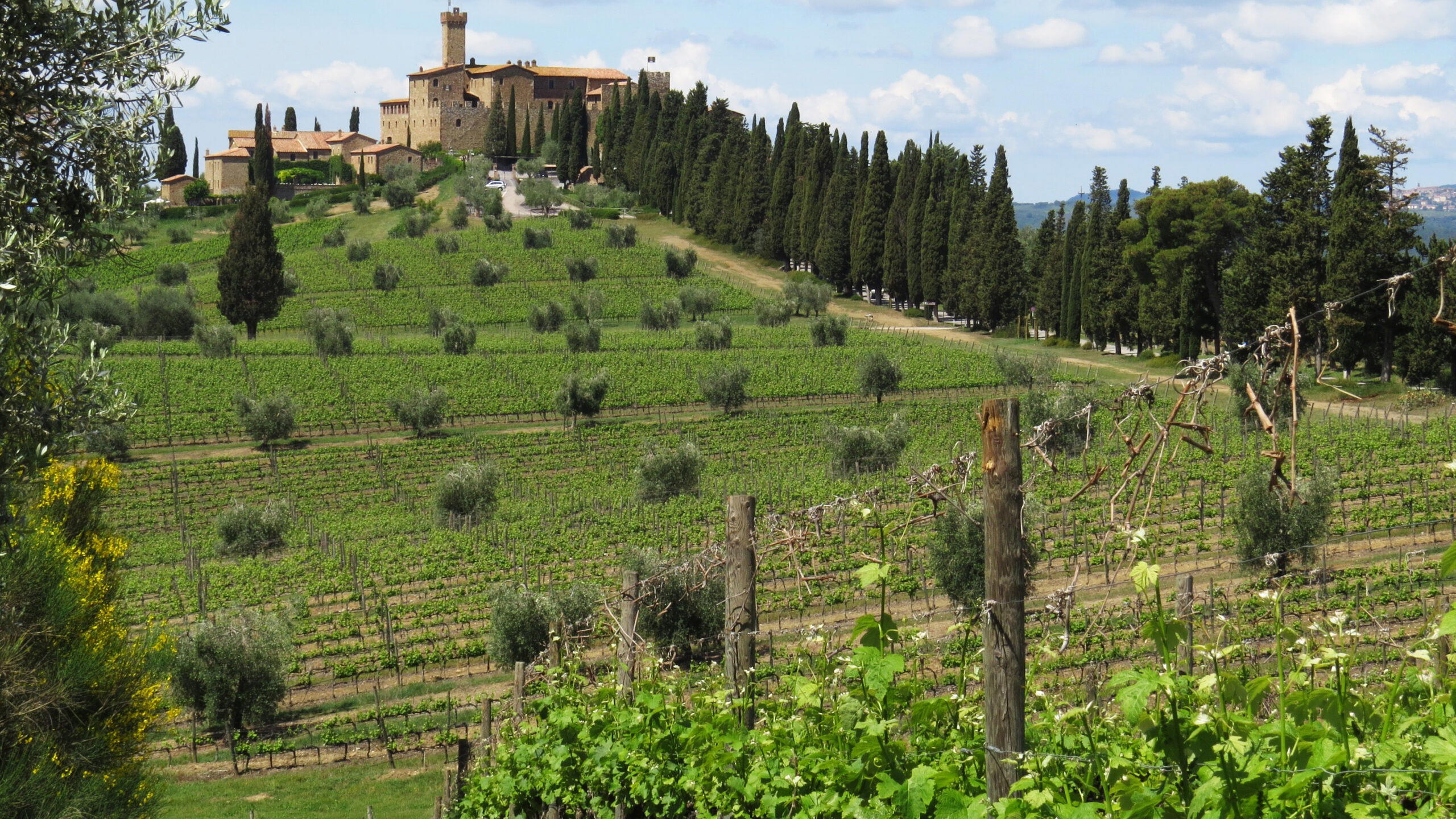
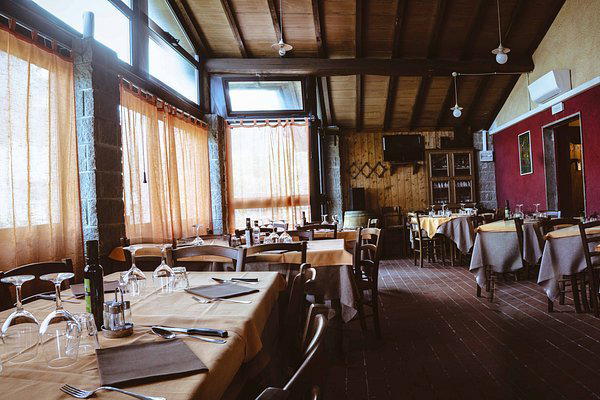
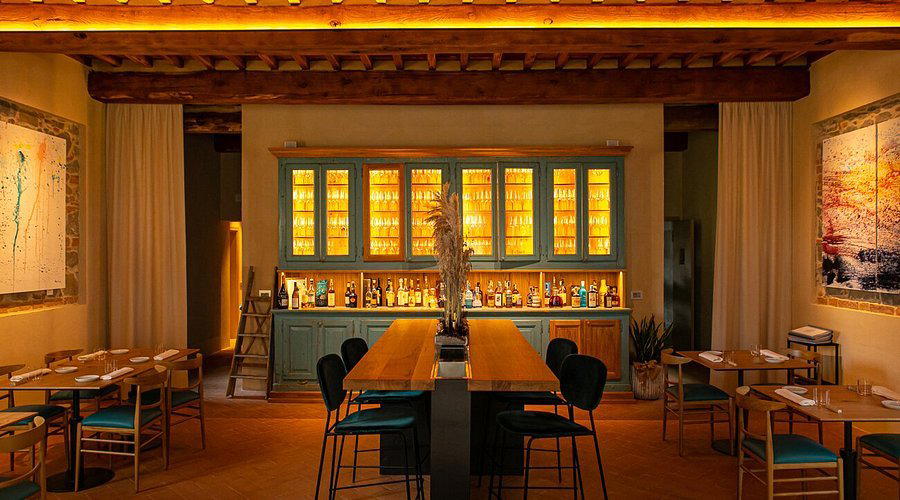
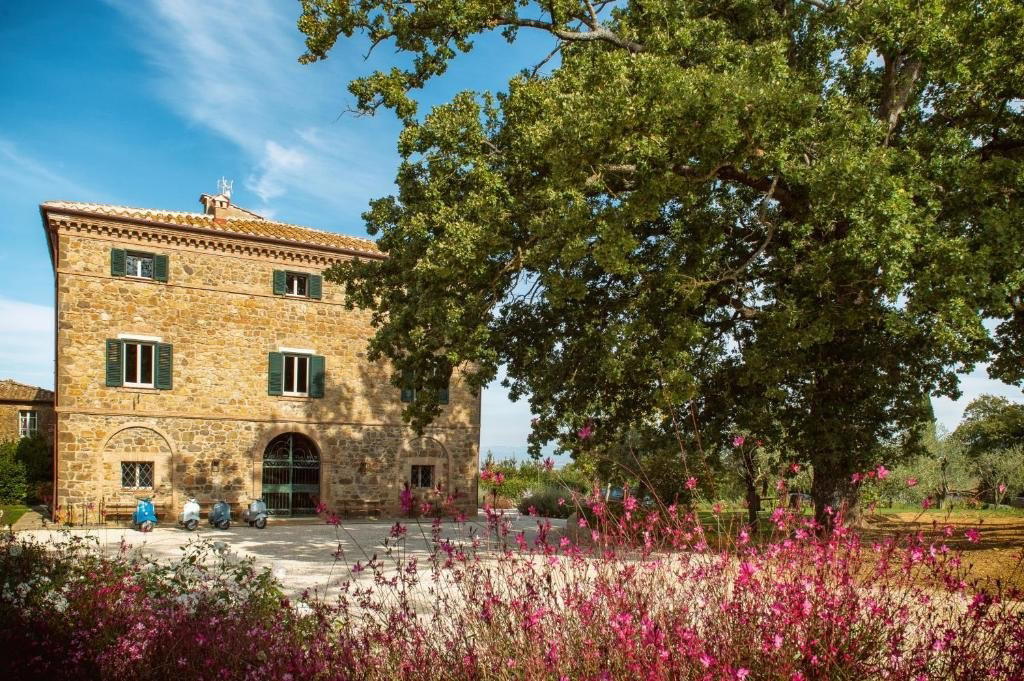
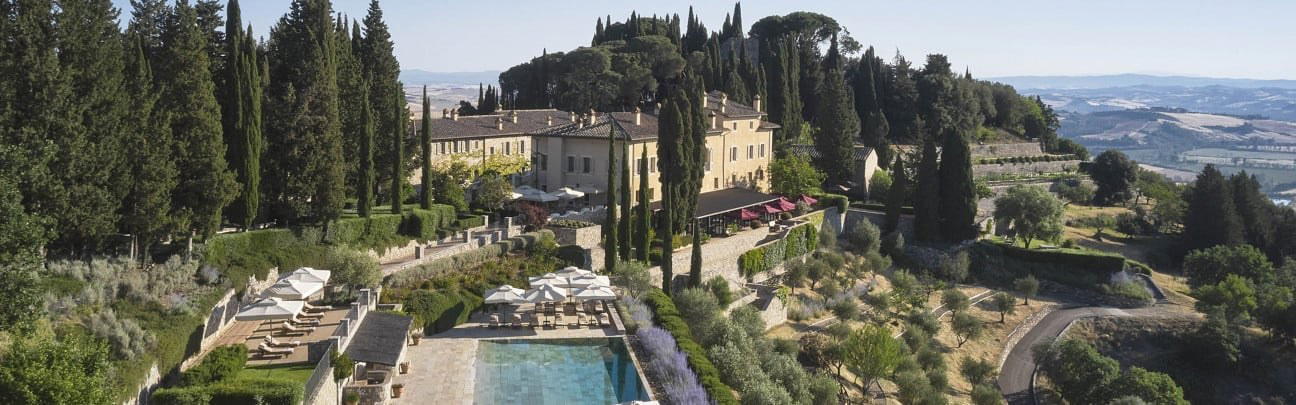
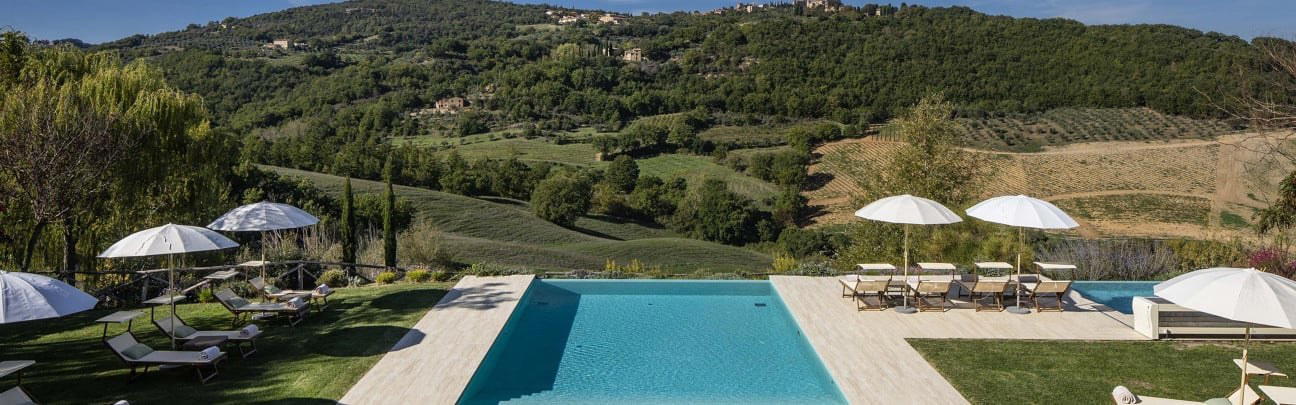
The setting is part of the appeal. La Serena is described as classic, scenic, rustic, romantic, and intimate, with vineyards forming the natural frame for the experience. Those descriptors point to a mood as much as a location: a rural Tuscan atmosphere where the surrounding landscape supports the wine rather than distracting from it. For travelers comparing wine-focused stops around Montalcino, this is a place to approach through the lens of estate character and Sangiovese expression.
Treat La Serena as a Brunello estate to research directly when planning the practical details of a visit.
The visit is rural and centered on Sangiovese
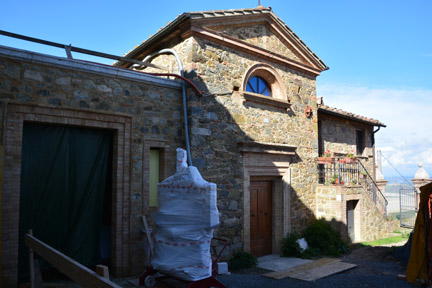
La Serena’s character points toward a classic rural estate setting. Its family-owned identity, vineyard surroundings, and Sangiovese focus give the experience a clear center: Brunello and the landscape east of Montalcino. That focus is useful because it keeps expectations aligned. This is not a place to frame primarily through dining, nightlife, or a broad leisure program; it is better understood as a wine estate whose strongest signal is the relationship between the countryside and the wines made from Sangiovese.
What can be said with confidence is that the estate’s appeal is scenic and intimate. It suits travelers looking for a classic Tuscan rural atmosphere and a wine-first sense of place. The words rustic and romantic are helpful here because they suggest a softer, more atmospheric kind of appeal: vineyards, countryside, and the feeling of being in a working wine landscape rather than in a more urban or formally staged setting.
That restraint matters for planning. Visitors should therefore use the estate’s core identity as the starting point and verify the operational details separately. That approach keeps the recommendation accurate while still recognizing why the estate belongs in the conversation: it offers a concise expression of Montalcino’s wine-country character.
How to place it within a Montalcino itinerary
La Serena works naturally within a Montalcino itinerary for travelers interested in Brunello, vineyards, and Sangiovese. Its location east of Montalcino gives it a clear geographic place in that broader wine landscape, and its family-owned profile helps distinguish it from venues that may be better understood through scale, service range, or destination-style hospitality. Here, the draw is narrower and more specific, which can be an advantage for travelers who want their itinerary to stay closely tied to wine.
For dining, lodging, bars, and broader experiences, compare La Serena with other Montalcino options generically rather than assuming it fills the role of a restaurant, bar, or full-service attraction. The strongest fit is for visitors who want a wine-country reference point in the Brunello landscape. In practical terms, that means placing it alongside other stops with an eye to geography, timing, and the kind of wine experience being sought, while leaving any specific visit structure to direct confirmation.
The editorial case for La Serena is simple: a family-owned Brunello estate east of Montalcino, surrounded by vineyards, with a classic Tuscan feel and a focus on expressive Sangiovese wines that combine power and elegance. That simplicity is part of its usefulness. It gives travelers a clean reason to look further without overstating what is known: La Serena belongs on the map for its estate character, its rural setting, and its connection to the Sangiovese-driven identity of Brunello.
Recognition history
Dated appearances from independent guides and award organizations, with the underlying list record or original source where available.
Falstaff Winery - Listed
Falstaff
Continue exploring
More in Montalcino
Wineries in Montalcino
Browse all →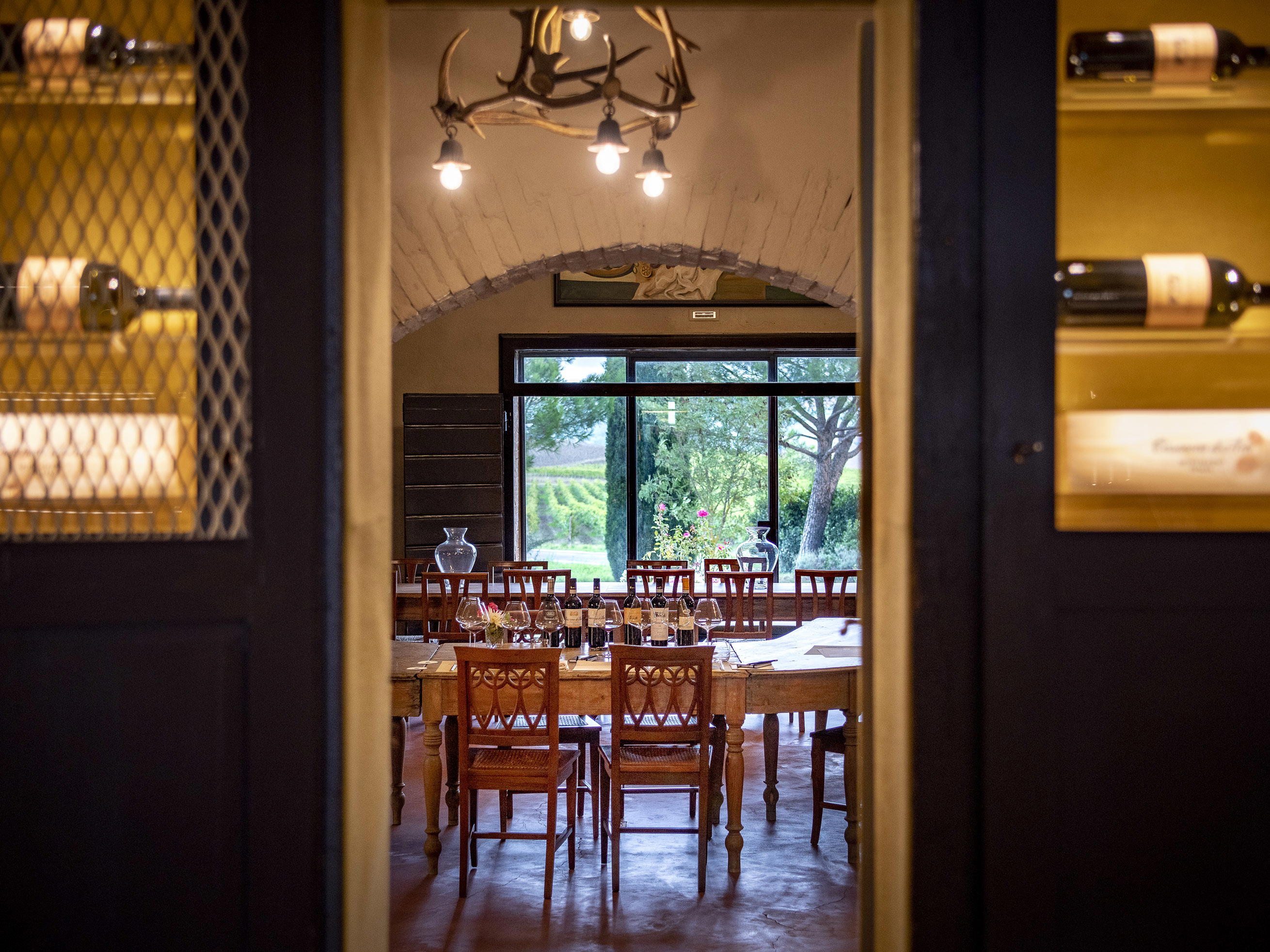
Bars in Montalcino
Browse all →
Restaurants in Montalcino
Browse all →
Details
- Classic
- Scenic
- Rustic
- Romantic
- Intimate
- Romantic Getaway
- Group Outing
- Solo Exploration
- Wine Education
- Special Occasion
- Estate Grounds
- Vineyard Tour
- Panoramic View
- Vineyard
- Mountain
- Sangiovese
- Still Red
- Seated Tasting
- Vineyard Tour
- Italian
- English
Family-owned Brunello estate east of Montalcino with a classic Tuscan rural feel, surrounded by vineyards and focused on expressive Sangiovese wines with both power and elegance.